
-
-
Phone
+86-13623462298



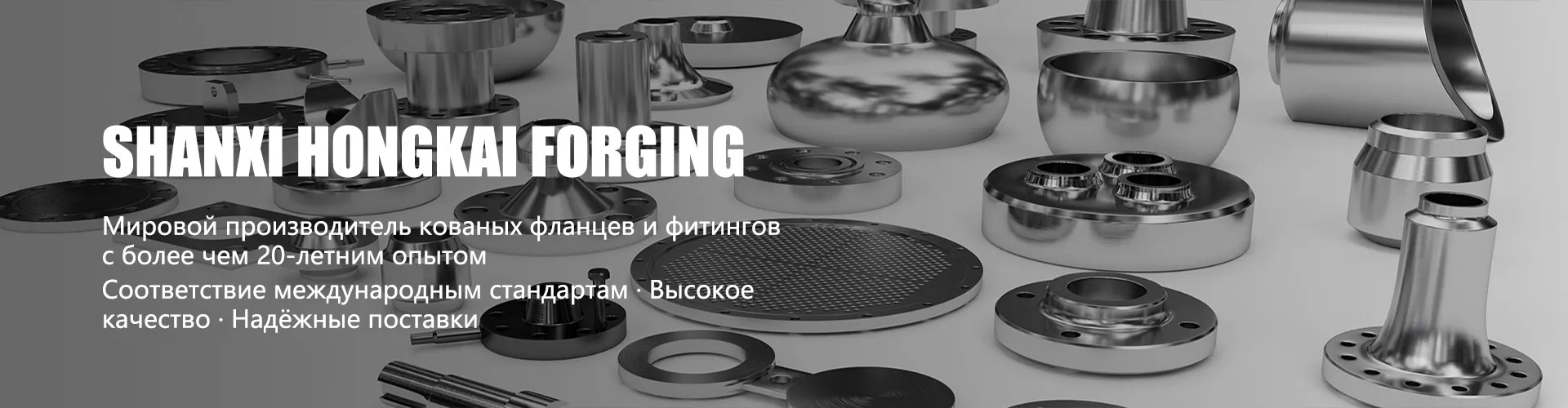
flanges 25 MPa
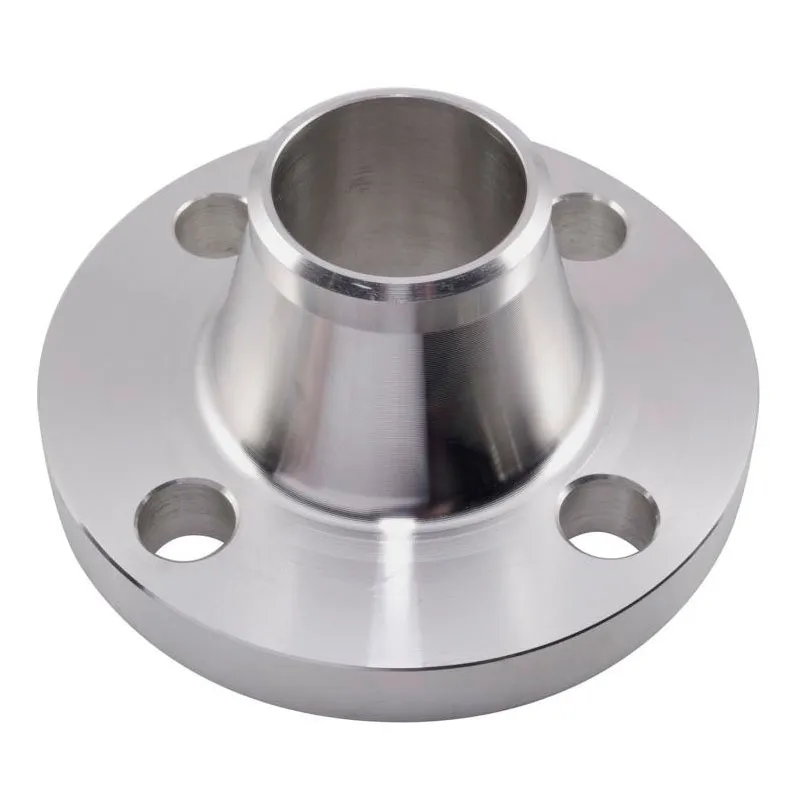
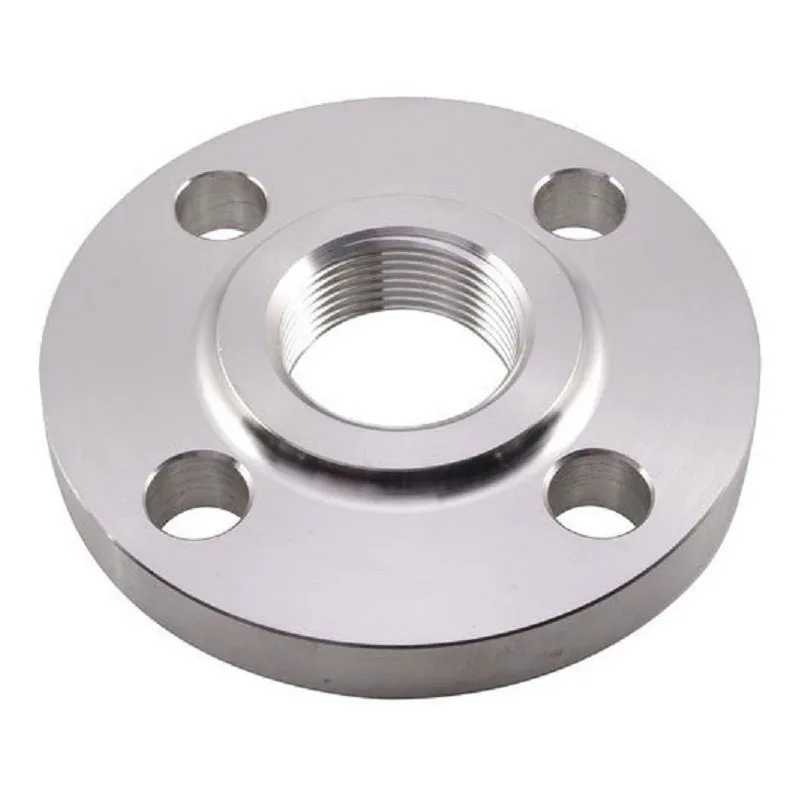
When they say “25 MPa flanges,” many people immediately think about wall thickness and material. But in practice, especially on old sections of pipelines or during modernization, pressure marking alone is not enough. The most common mistake is not checking the geometry and type of sealing surface for new equipment. It happened that they brought excellent forgings under 25 MPa, and then it turned out that the old bolts could not withstand the new tightening torque, or the surface for the gasket was of the wrong type. The pressure is held, but the seal is not.
From drawing to forging: where the nuances lie
I once took an order for a batch of flanges according to GOST 33259 for 25 MPa. The customer sent a drawing, everything seems to be standard. But when analyzing the technical specifications, I paid attention to the environment - it was not just steam, but with periodic thermal shocks. The standard material from the technical card, 25K, was not quite suitable in terms of impact strength at low temperatures after prolonged use. We had to convince the customer to consider the option of 09G2S steel with additional control after heat treatment. This increased the time and cost, but saved from possible cracks in the bushing transition zone.
Here it is important to work with a manufacturer who understands not just stamping, but the metallurgy of the process. I look at sites, for example,Shanxi Hongkai Forging Co.,Ltd (https://www.hkflange.ru). Their description shows that they work with forgings, and not just cut from sheets. For 25 MPa, this is fundamental - the metal fibers must be deformed correctly to ensure anisotropy of properties in the desired direction, especially in the neck of the flange.
Their website indicates a range up to DN4000 and work in accordance with GOST, ASME. This speaks volumes about the capabilities of the equipment. For pressures of 25 MPa and large diameters, the uniformity of the workpiece is critical. If the forging press is weak, there may be lack of fusion in the core of the forging. Then during machining everything looks perfect, but during hydrotesting or working under load there are problems.
Tests and real loads: the story of one incident
We had an experience that was not the most pleasant. They put on a gameflanges 25 MPato the test bench. According to the passport, everything is perfect, chemicals, fur. properties are normal. The pressure was raised to 37.5 MPa (one and a half, as expected). We survived. But during the repeated cycle, already at 30 MPa, on one of the flanges a leak began not through the gasket, but along the body of the flange itself, in the area where the bushing and disk meet.
Analysis showed a microcrack that was not visible during ultrasonic testing. Probably a shrinkage defect from the casting of the workpiece. Since then, for critical components at 25 MPa, we have always stipulated not just ultrasonic, but acoustic-emission testing during testing. This is more expensive, but allows you to catch the development of such hidden defects. Many manufacturers, especially those who rely on forgings, like the sameShanxi Hongkai Forging, often offer advanced control schemes for high pressures themselves. This gets the point across.
Another point is the cleanliness of the surface for the gasket. For 25 MPa, paronite or metal gaskets with an oval or octagonal cross-section are often used. If the flange surface has marks or roughness not in accordance with GOST 2789, then during tightening, distortion and local overload occur. It seems like a small thing, but at such pressures there are no small things. Nowadays we always carry out acceptance with a roughness standard.
Material: not only steel, but also the history of its processing
Often the customer requires “steel 20”. For 25 MPa and temperatures up to 200°C - it seems normal. But steel 20 is different. The degree of deoxidation is important, especially for forgings. Calm steel is less prone to flanking, but can produce greater chemical heterogeneity in a large forging. Boiling steel is the opposite.
When working with Chinese manufacturers who, likeShanxi Hongkai Forging Co.,Ltd, position themselves as one of the centers of the forging industry, this issue is usually worked out. They usually ask clearly: for what environment, temperature, nature of the load. Because for 25 MPa in the chemical industry, it may no longer be 20, but 12Х18Н10Т or something similar. Their website shows that they work to a wide range of standards, which means they must have a corresponding brand of materials.
Personal conclusion: when choosing a flange for such pressure, you need to require not only a certificate of conformity, but also test reports of mechanical properties from this particular heat, and preferably indicating the place where the sample was taken from the forging (surface, middle). This gives a real picture.
Editing: where theory diverges from practice
Everything was calculated perfectly, flangesat 25 MPathey arrived excellent. But there are problems at the facility. It turned out that the installers used a torque wrench, but did not take into account the condition of the threads on the studs. She was already “tired”, the friction coefficient had changed. As a result, with the normalized tightening torque, the actual force in the stud was lower, and at the first start it began to leak.
Now, in the specification for flange connections at 25 MPa, we always include a clause on the supply of complete stud nuts with a coating selected for the tightening torque. And we demand from the flange supplier that they can supply such a set, selected and lubricated. This is not always their direct responsibility, but serious players, as can be seen from the assortment onhkflange.ru, are often ready to be a system supplier, and not just sell hardware.
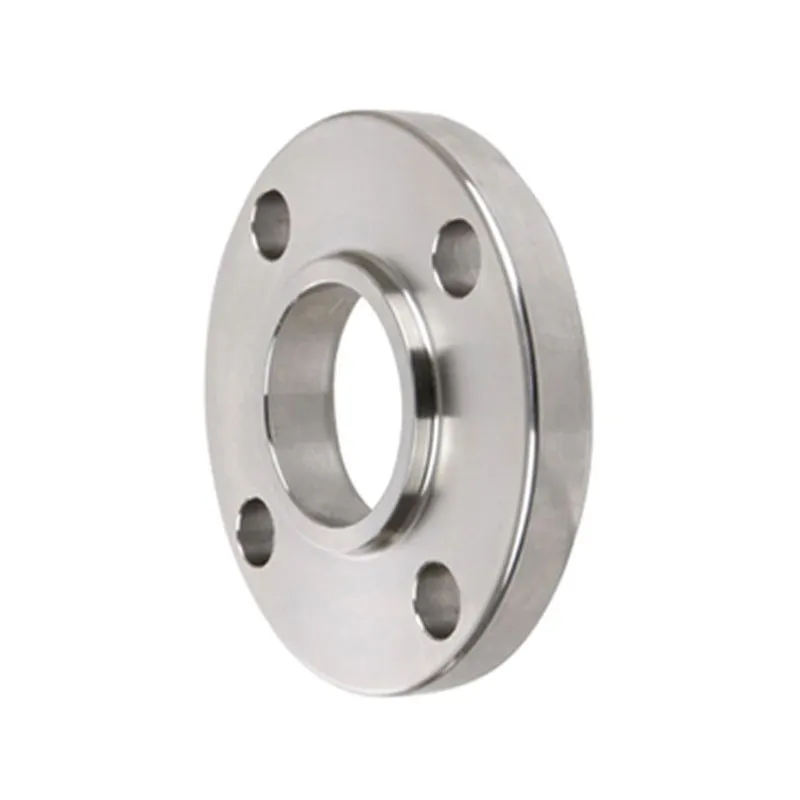
Another practical detail is thermal expansion. On long straight sections of high pressure pipeline, everything works fine after installation and tightening. But after the first heating to operating temperatures of 150-200°C, additional load on the flanges may occur due to the limitation of thermal movement by the supports. This is not a problem with the flange as a product, but when choosing its type (for example, loose with a welded ring vs welded butt) for 25 MPa, this factor must be taken into account at the design stage. Sometimes it is better to overpay for a more complex design, but get a reliable unit.
Instead of a conclusion: pressure is a system
So, going back toflanges 25 MPa. The figure of 25 MPa is not a characteristic of the product, but a characteristic of the system in which it will work. The flange itself, even perfectly made in modern production, like those of the mentioned Chinese colleagues, is only one element. Its real ability to hold pressure is determined by everything: from the chemistry of the steel and the quality of the forging to the correct choice of gasket, tightening torque and qualifications of the installer.
Therefore, now, when placing an order, we look less at the beautiful picture in the catalog and more at the manufacturer’s willingness to understand the operating conditions of a pair of flanges. Willingness to provide strength calculations for non-standard conditions, suggest an option for material or type of seal. If on the first request they only send a price list and a standard catalog toflanges 25 MPa- this is a reason to think. And if they start asking clarifying questions about the environment, temperatures, cycles - as, judging by the description, Shanxi Hongkai Forging LLC does - then the chances of getting exactly what you need, and not just a blank with holes, are much higher. This is probably the main difference between just a supplier and an equipment partner.
Correspondingproducts
Related Products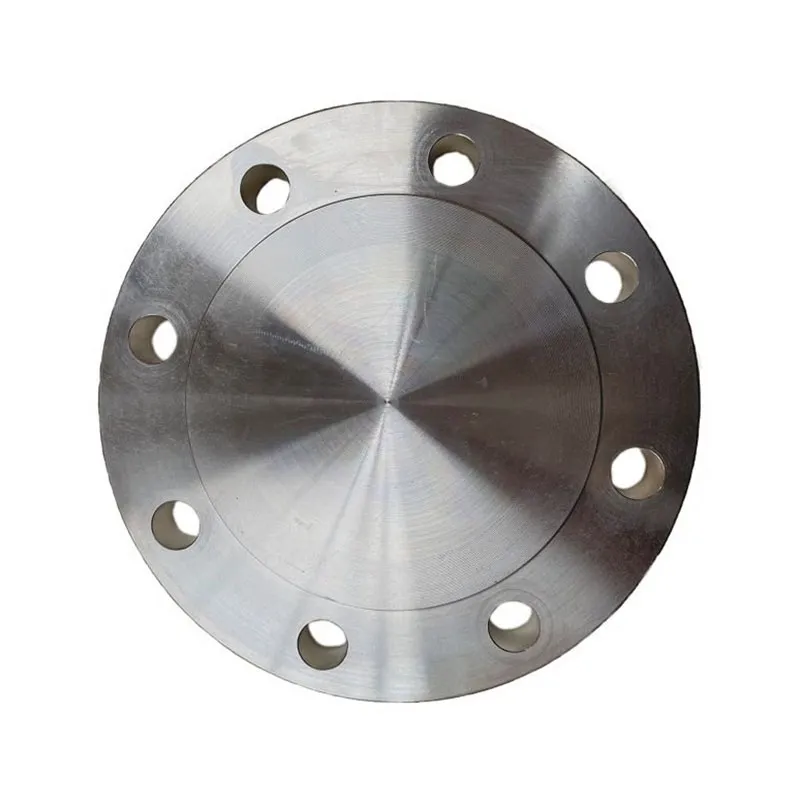
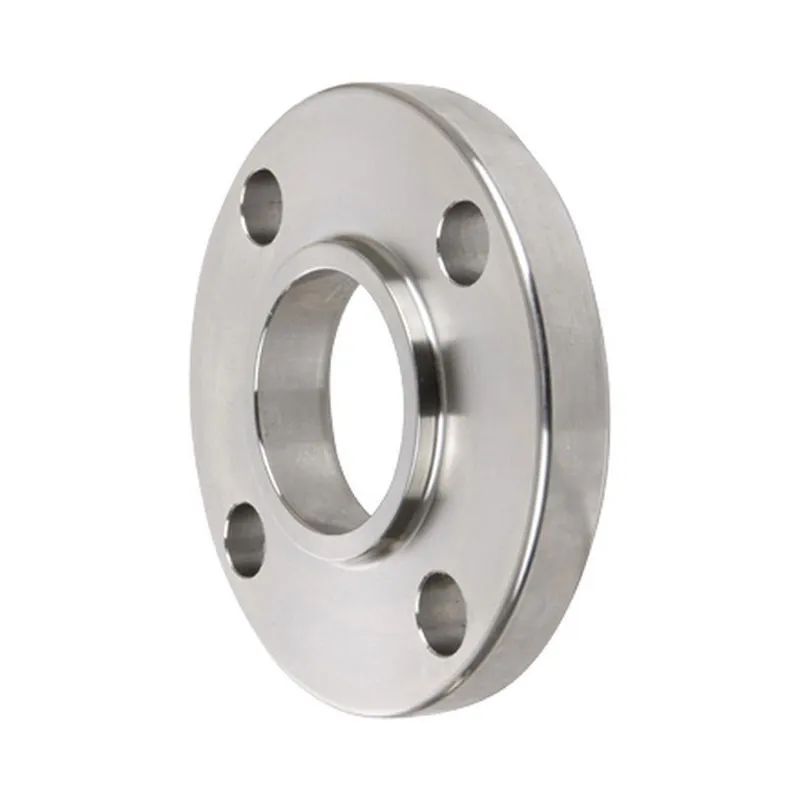
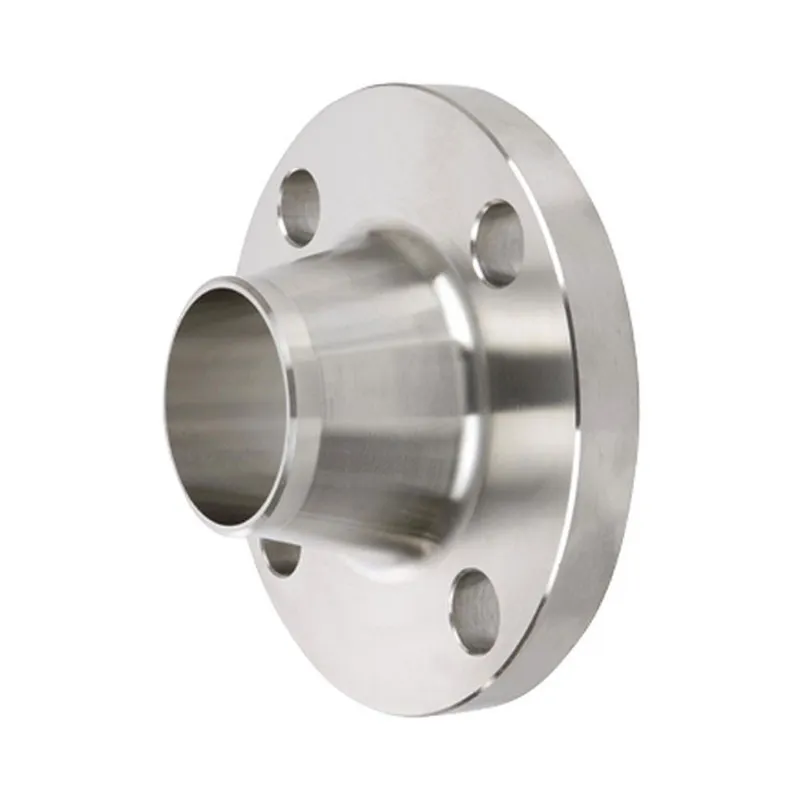
Best Sellingproducts
Best Selling Products-
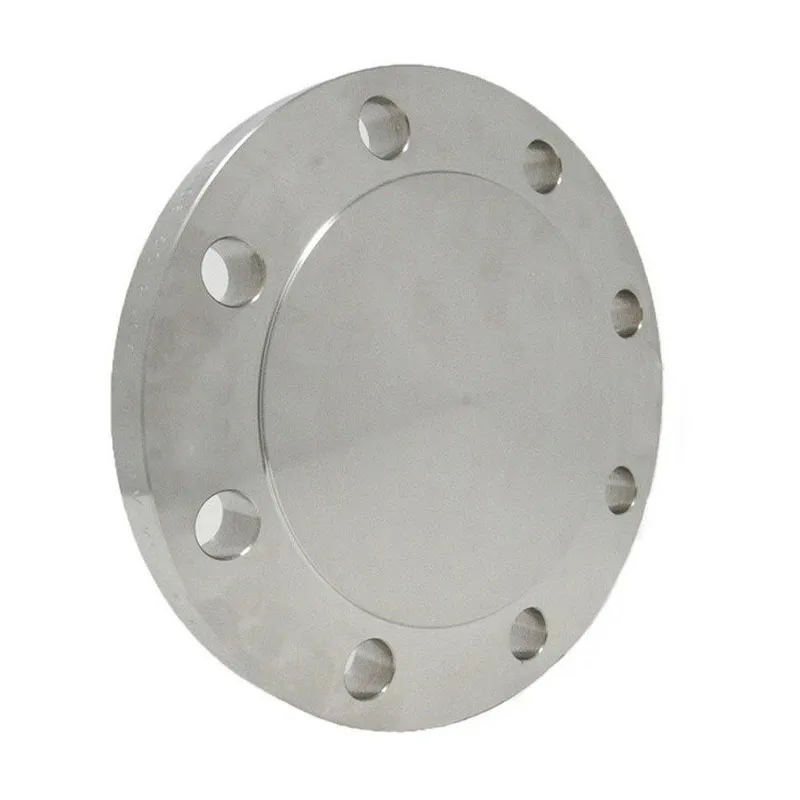 EN 1092-1 Blind flanges Type 05, PN10
 -
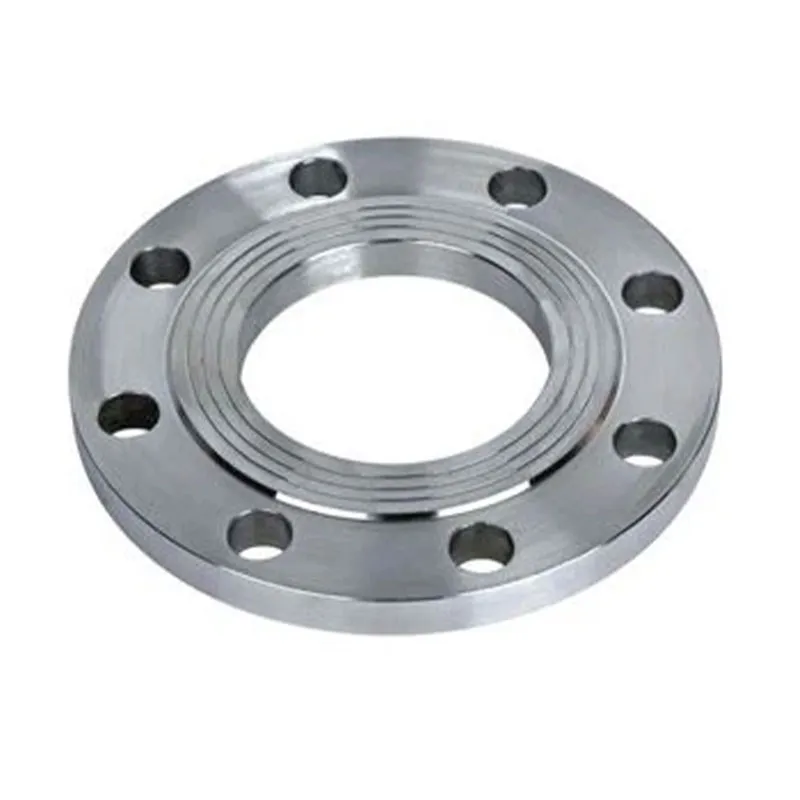 Butt weld flanges Class 150
 -
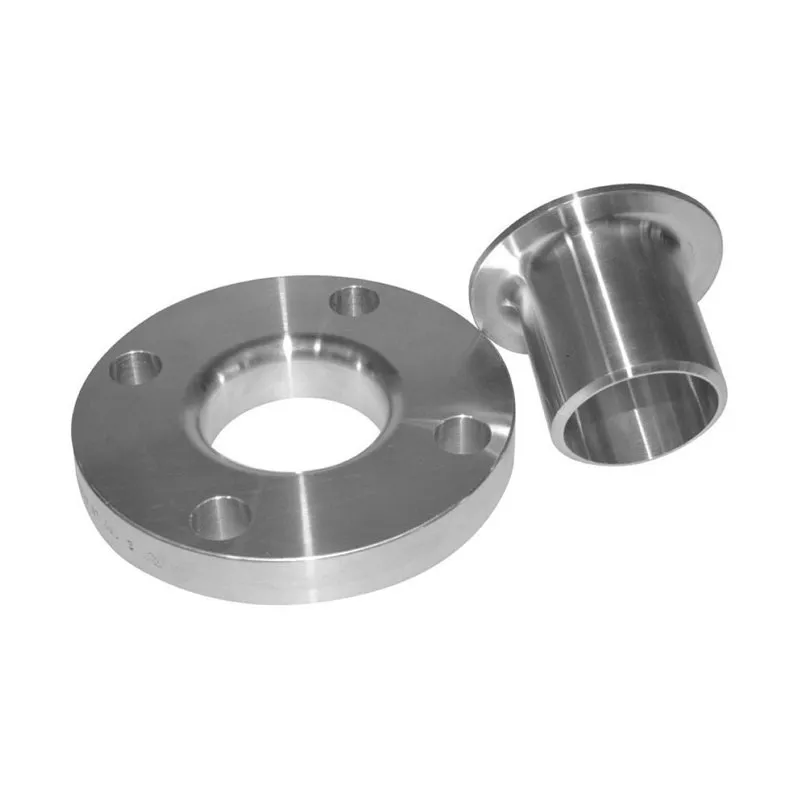 Free ring flanges Class 150
 -
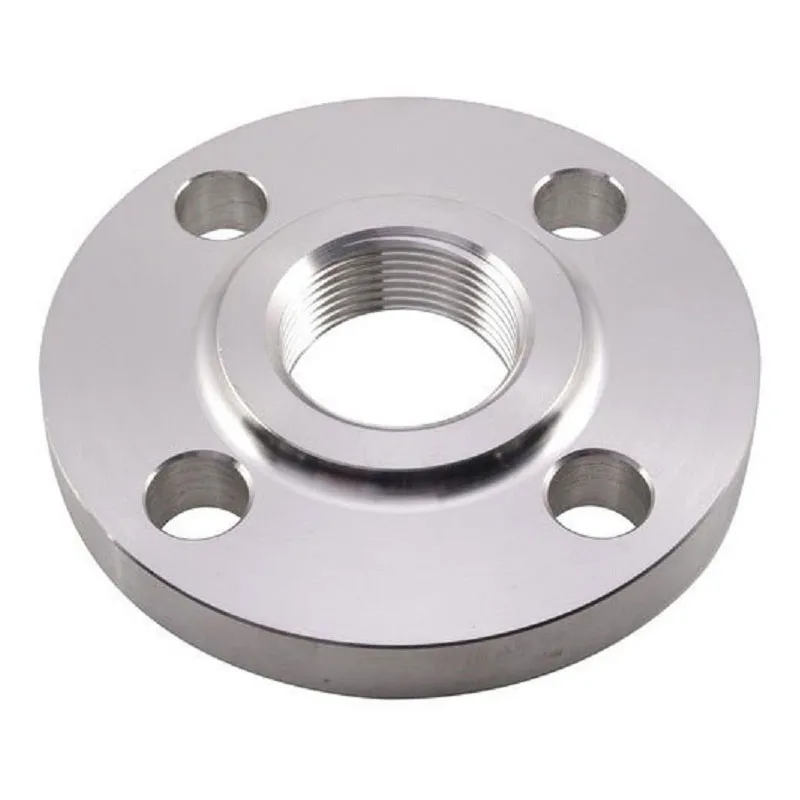 EN 1092-1 Threaded flanges Type 15, PN16
 -
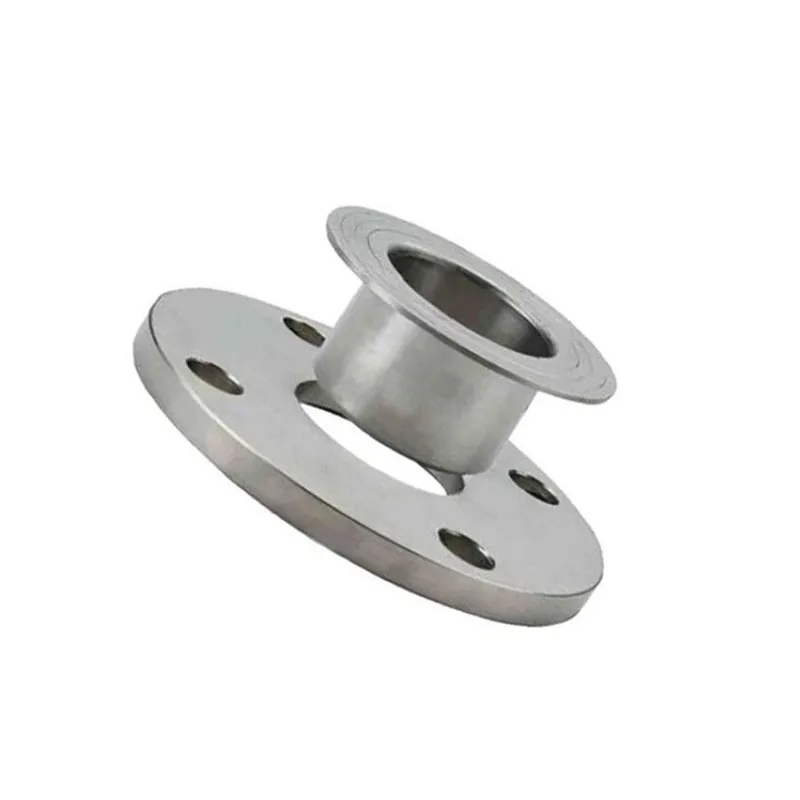 Free ring flanges Class 400
 -
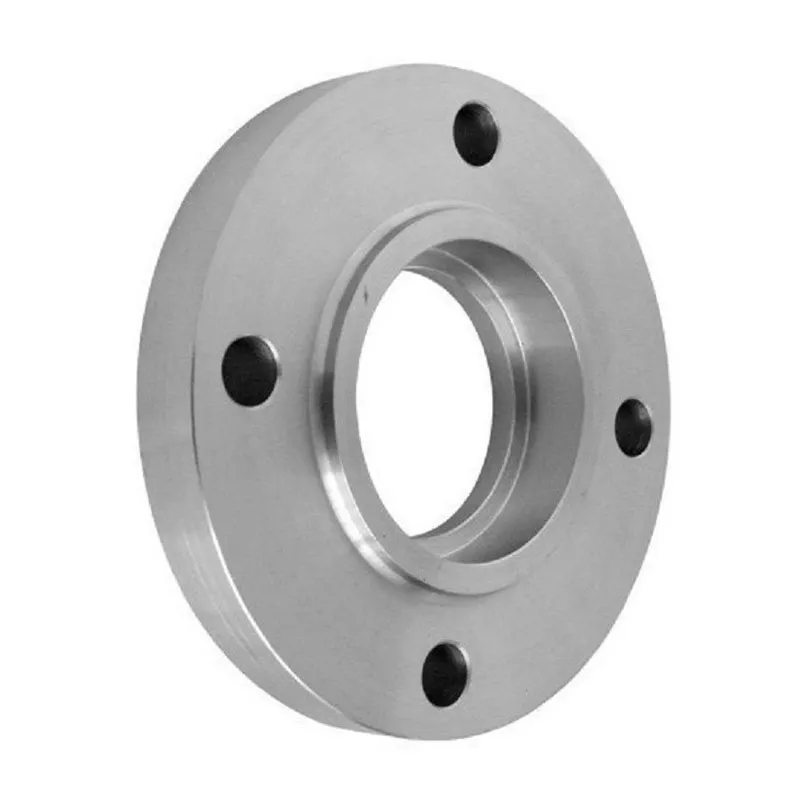 Socket Weld Flanges Class 300
 -
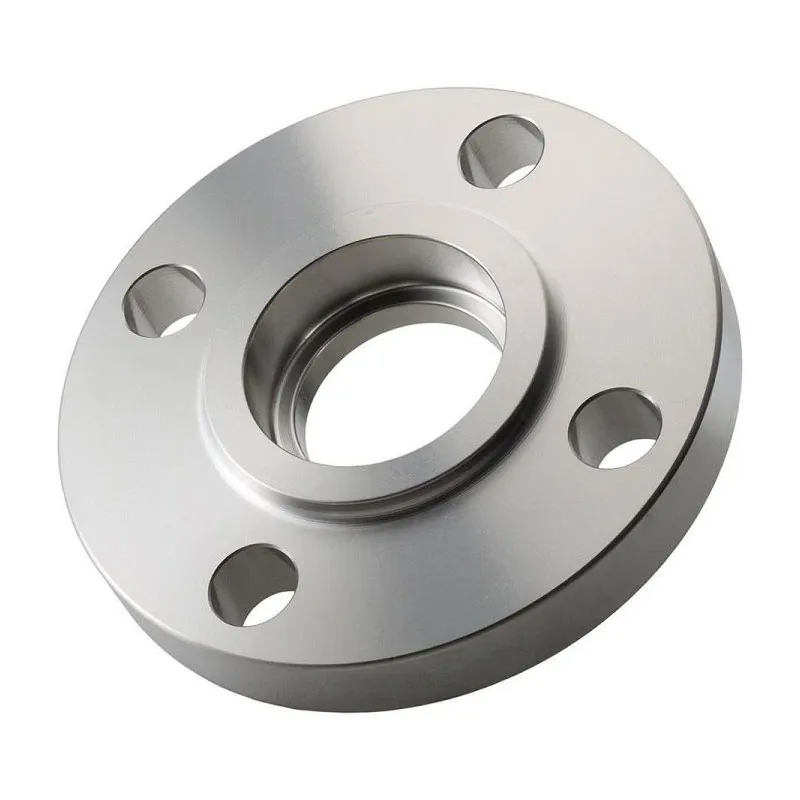 ANSI B16.5 Socket Weld Flanges Class 150
 -
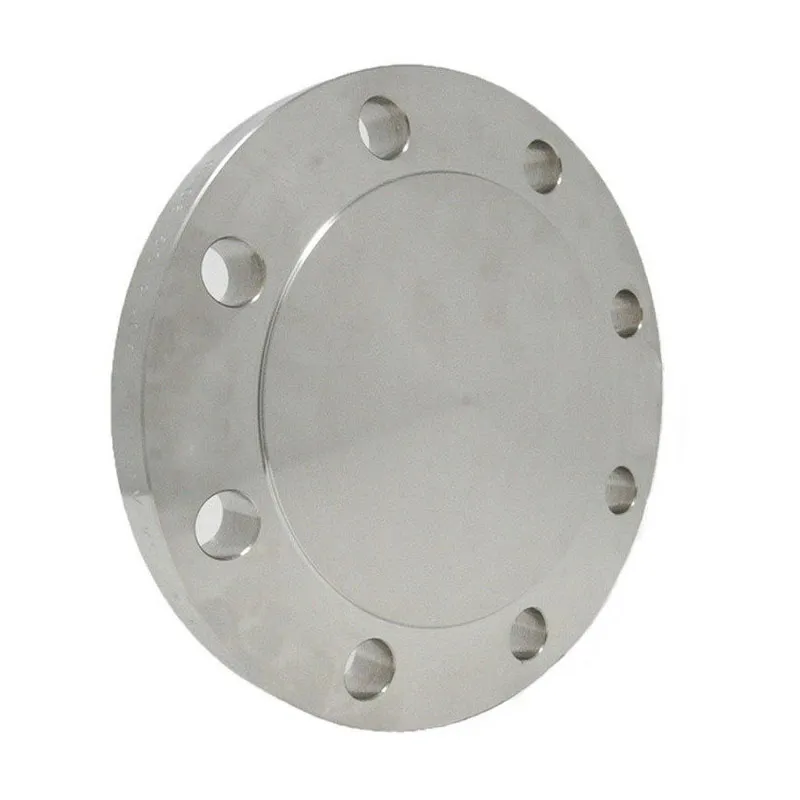 AWWA Blind Flanges Class D (Tables 1, 2, 3)
 -
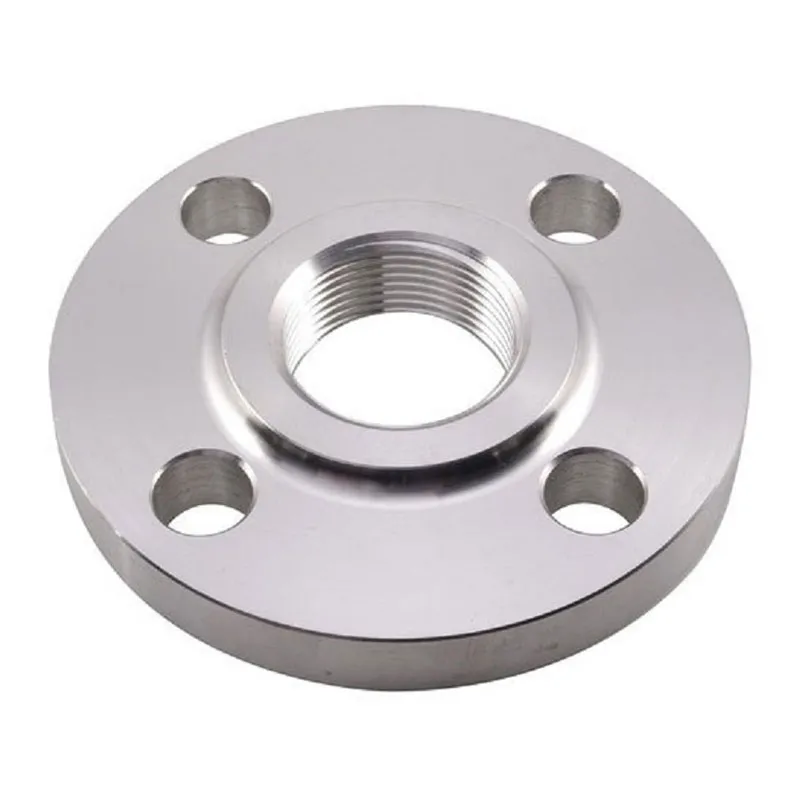 JIS 10K Overlay flanges
 -
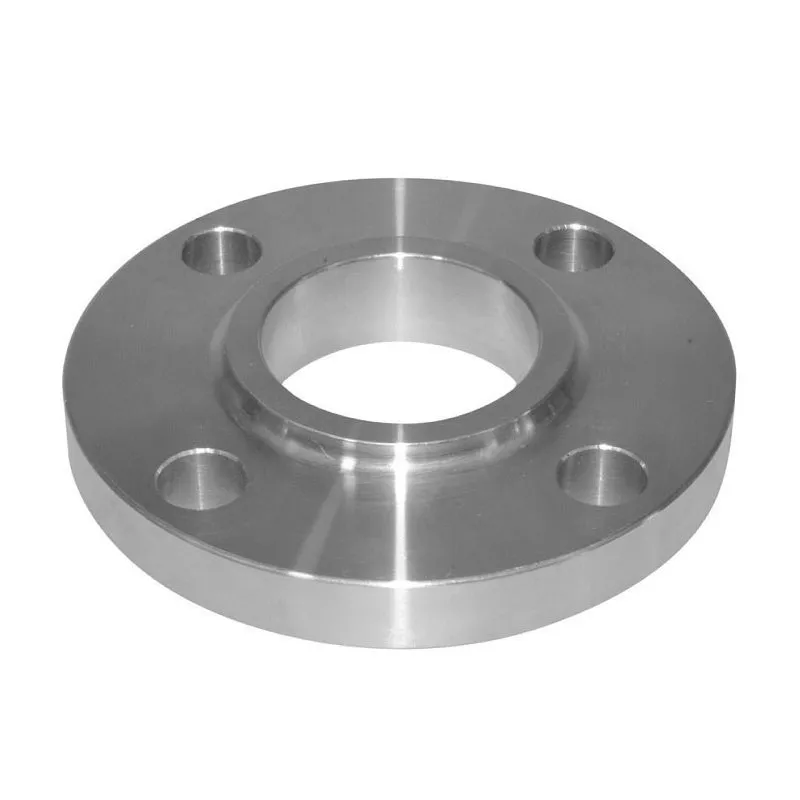 ANSI B16.5 Lap-on flanges Class 1500
 -
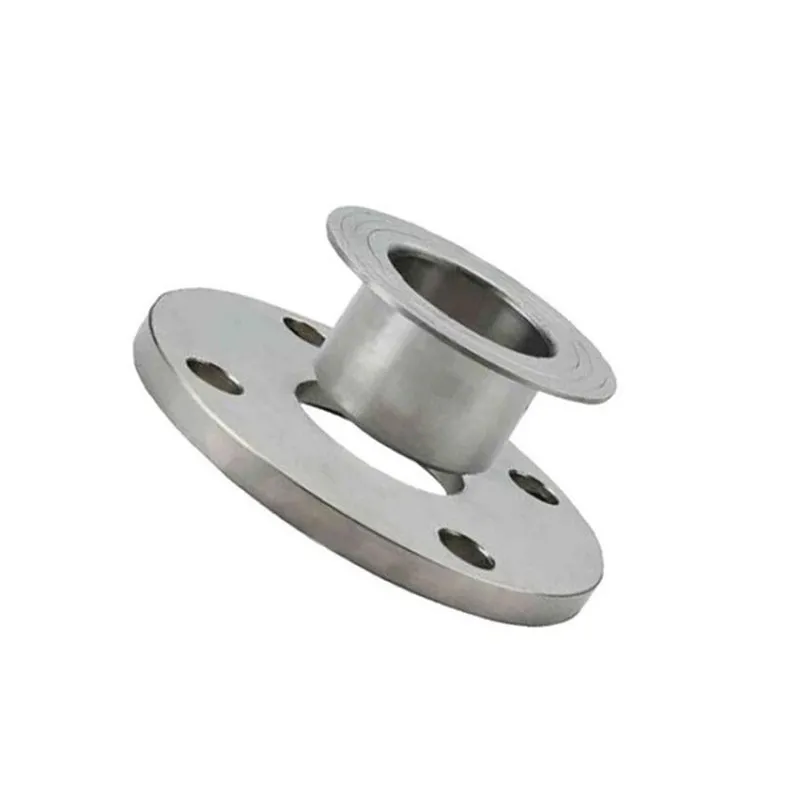 JIS 10K Loose Ring Flanges
 -
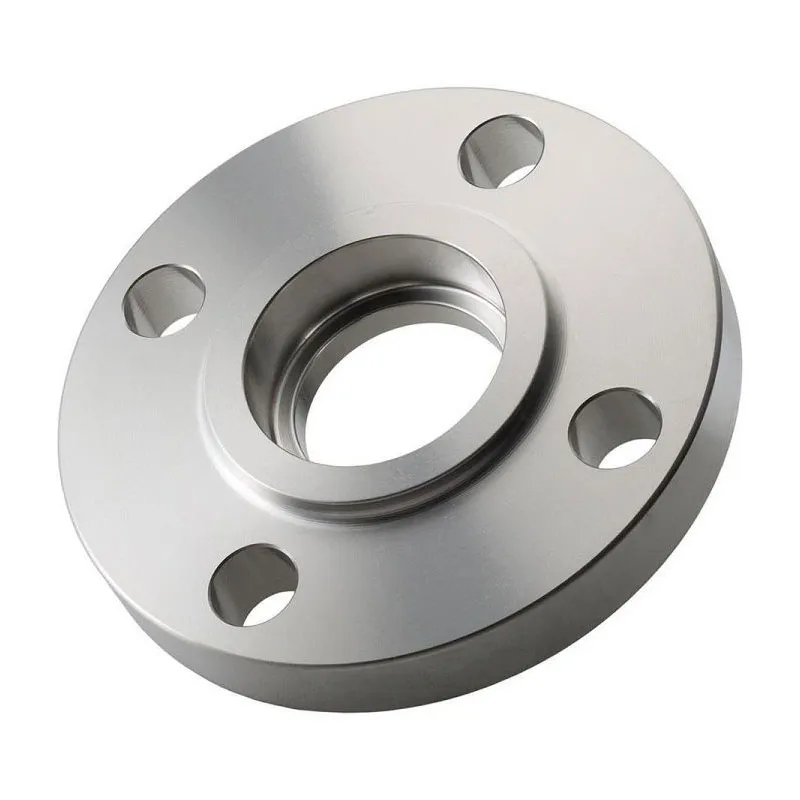 ANSI B16.5 Socket Weld Flanges Class 1500