
-
-
Phone
+86-13623462298



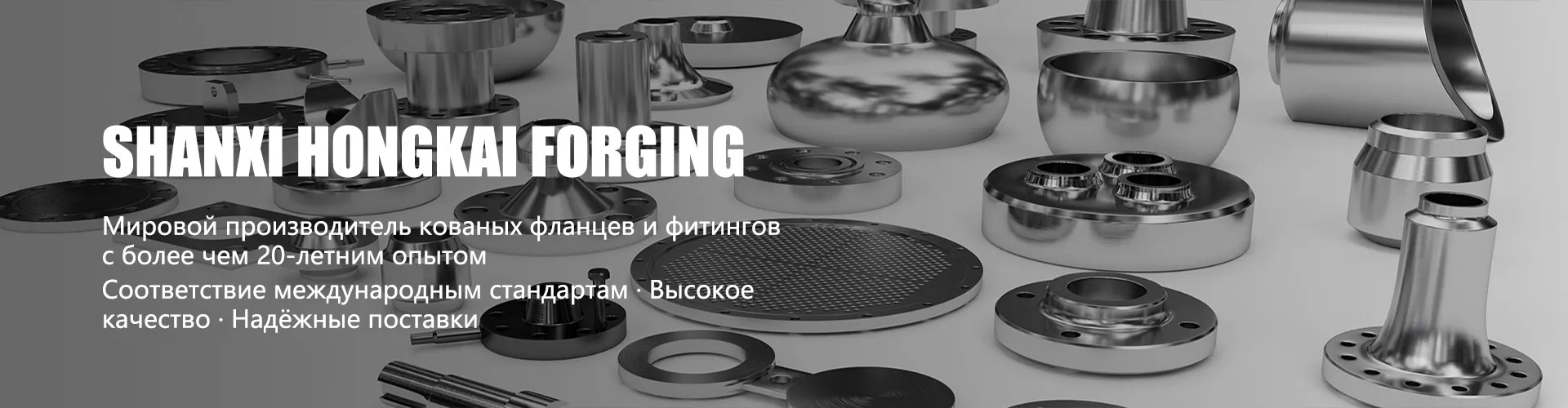
steel flanges GOST 12815 80
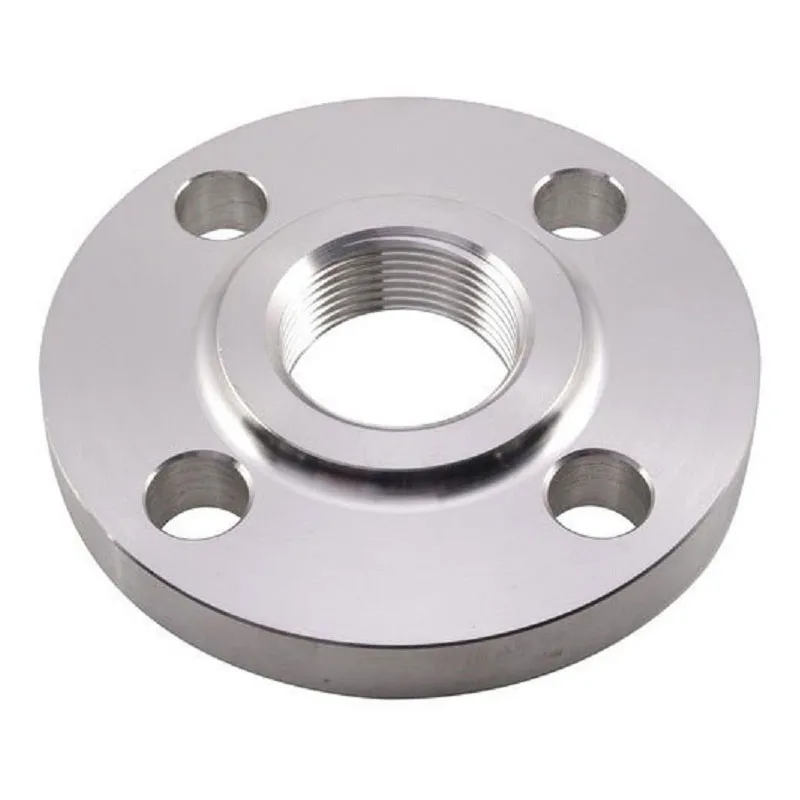
When you hear “steel flanges GOST 12815 80”, many people immediately imagine just a steel disk with holes. But this is where the first pitfall lies. GOST 12815-80 is not about one type, it is a whole system covering flangessteel flat weldedandbutt weld flangesfor nominal pressure from Ru 0.1 to 2.5 MPa. And the difference between them is not just in form, but in the principle of installation, load distribution and, as a result, in the field of application. Often customers, especially those who are just starting to work with Russian or CIS projects, confuse them, ordering flat ones for high-pressure systems, and then wonder why leaks appear at the joints after hydrotesting. I went through this myself, when ten years ago one of our clients insisted on flat flanges for an area with a pressure of 2.0 MPa, citing low cost. We assembled it - everything seemed to be fine, but under cyclic loads the connection gave way. I had to redo it end-to-end, although this was not included in the original estimate. Since then, I always clarify not just “I need a flange according to GOST 12815?”, but specifically - for what pressure, what welding method is expected, and whether the unit will be disassembled in the future. A trifle, but it saves nerves and money.
Where it's thin, it breaks: nuances of flat flanges according to GOST 12815
Let's take for examplesteel flat welded flanges. It would seem, what could be simpler? Two plates, bolts, gasket. But their main feature is that they are welded with two seams around the circumference of the pipe, and not end-to-end. Because of this, the entire load from the pressure in the system falls on these welds and bolted connections; the flange itself almost does not bend. Therefore, they are used for Ru not higher than 2.5 MPa. A common mistake is saving on material. Steel St20sp is a classic, but for aggressive environments or low temperatures you need 09G2S or 12Х18Н10Т. I have seen cases when flanges were installed from “stainless steel” for ordinary water, and from carbon steel for chemicals, simply because the specification said “flange GOST 12815-80”, but the grade of steel was not indicated. The manufacturer made it from what was cheaper - from St3. As a result, after six months of operation - corrosion, replacement of the unit.
Another practical point is the geometry of the surface for the gasket. According to GOST there is a protrusion, a depression or a tongue and groove. If not specified in the project, they are most often made with a protrusion. But if you already have flanges with a tongue-and-groove connection at your facility, and you bought additional flat ones with a projection, you won’t be able to join them. I had a project where the equipment was European (with a spike), and the strapping was done according to Russian standards. I had to specially order flanges with a groove for a specific tenon size, otherwise the tightness would be zero. This is about the importance of the full designation in the order: not just? Flange 1-100-25 st. 20?, and indicating the surface design.
And about the sizes. The DN range from 10 to 1600 is one thing for production, and another for logistics and installation. A flange for DN1200 with a thickness of under 50 mm is no longer a part, it’s a colossus. The accuracy of drilling the holes for the studs is critical here. A displacement of even a couple of millimeters can make it impossible to assemble the unit in place. We once received a batch from one sub-supplier, where the holes were drilled according to a template for ASME B16.5 - the diameters seemed to be close, but the bolt pattern did not match. I had to urgently redo it in my production. Now, for such critical positions, we always require control photo reports on markings before drilling, especially if we are talking aboutsteel flangeslarge diameters.
Butt-welded (collar): when reliability is more important than price
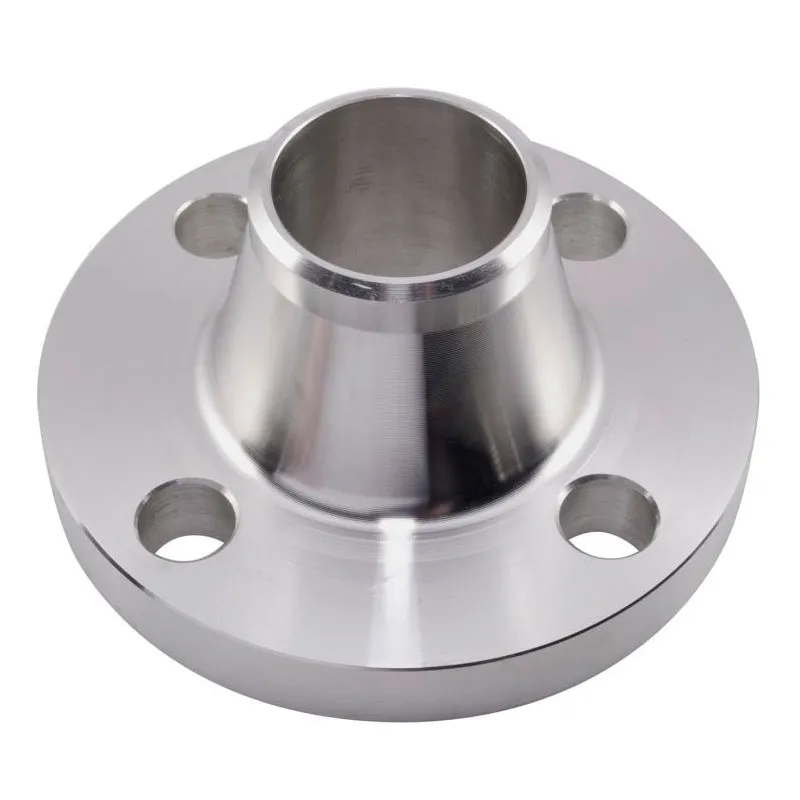
Butbutt weld flanges(they are also often called “collar workers?”) - this is a different level of responsibility. The tapered neck (collar) allows it to be butt welded to the pipe, and this connection distributes mechanical stress much better, especially during vibrations and thermal expansion. They can be set to pressures up to 20 MPa and higher, depending on the brand of steel. But there are some “buts” here too. The most common installation problem is poor fit of the pipe end to the flange chamfer. If there is a gap, the welder “fills” it. seam, which creates internal stresses and can lead to cracks. That's right - when the pipe and flange are joined tightly, and the weld only fixes and seals this connection.
In our work with one of the oil service contractors, we supplied a batch of butt flanges made of 13HFA steel for low temperatures. The material is specific and requires a special heat treatment regime after forging. The order was accepted, made, shipped. A month later, a call: microcracks appeared on several flanges in the transition area from the collar to the disk after welding. They began to figure it out. It turned out that the installers, in order to speed up the process, used a more powerful welding current than recommended and did not carry out subsequent local heating. The flange was good, but the welding “burnt” its structure. I had to fly to the site and explain that for such steels there is a welding process sheet that cannot be ignored. Replacing flanges is not so bad; downtime is worse. Since then, we have always included an installation manual with such critical products.
By the way, about forging. Forged flanges, especially for critical applications, are preferable to stamped or cut-from-sheet flanges. The metal fibers in the forged product follow the contour, which gives better mechanical properties. Our enterpriseShanxi Hongkai Forging Co.,Ltd, just specializes in this. When you make a flange according to GOST 12815-80 using the forging method, especially a large one, for example, DN1000, you see this difference in the microstructure. Yes, it is more expensive, but for high-pressure pipelines or for the chemical industry, this is not an item worth saving on. On the websitehkflange.ruWe just emphasize that we are a manufacturer of forged flanges and forgings, because we understand this difference from the inside.
Standard and reality: working with drawings and non-standard
GOST 12815-80 is good, but life often makes adjustments. Ideally, the project fully complies with the standard. But how many times has it happened: a drawing arrives where this GOST seems to be indicated, but the thickness of the disk has been increased by 10 mm, or additional holes for ties have been added, or the material has been changed to a non-standard one. This is already a transition to the category of “products according to customer drawings”. And here it is important not just to blindly complete the drawing, but to ask questions. Sometimes designers, especially young ones, play it safe and put in excess parameters “with a margin”, which unjustifiably increases the cost of the product. And sometimes, on the contrary, they try to reduce the cost by reducing the thickness of the neck at the butt flange, which is critical.
We had an order from an engineering company for a batch of flanges to modernize an old plant. The specification included GOST 12815-80, but in fact flanges were required for joining with equipment from the 70s, which was made with deviations from the modern standard. We actually had to take dimensions from the old, already dismantled units in order to make new ones, but such that they would fit with the reinforcement that remained in place. This is to the question that the standard is a base, but the final decision always depends on practice and specific installation conditions.
In this context, the manufacturer's ability to work with non-standards is an indicator of flexibility. OnHunkai Forging websiteWe explicitly state that we manufacture products according to international and national standards, including GOST, ASME, EN, and also, what is key, non-standard products according to drawings. This is not just a line in the description. This means that the workshop has equipment for free forging for individual tasks, and engineers are ready to delve into the customer’s problem. Because sometimes it is not the standard catalog that saves the situation, but precisely this opportunity.
From material selection to packaging: a chain that is invisible
The quality of a flange begins not in the workshop, but in the metal warehouse. The chemical composition of the original workpiece is sacred. For critical flanges in accordance with GOST 12815-80, especially those made of alloy steels, we always require certificates from the metallurgical plant and carry out incoming inspection. It happened that they brought steel whose carbon or chromium content was at the tolerance limit. Can I put it to work? Technically yes. But from the point of view of the guarantee for the finished product, no. We send it back. This is fundamental.
After forging and machining - heat treatment (normalization, tempering). This is a step that many home growers try to simplify or skip in order to save on energy costs. The result is unstable mechanical properties across the cross section of the product. A flange may pass acceptance tests for hardness, but crack in the weld area during operation. We have seen from our own experience that strict adherence to the heat treatment regimes recorded in the technological chart for each heat is the only way.
One last thing that is often forgotten is labeling and packaging. Each flange must be clearly marked: nominal diameter, pressure, steel grade, manufacturer's mark. This is not bureaucracy. When there are hundreds of flanges of different types on the site, the lack of markings leads to installation errors. Packaging - protection against corrosion during transportation. Anti-corrosion lubricant and durable packaging are a must, especially for sea deliveries. Once they were overlooked, they were packed in thin film for shipment to the port of Vladivostok - some of the products arrived with red spots. The client, of course, was unhappy. Lesson learned: packaging is the face of a product after a long journey.
Instead of a conclusion: thoughts along the way
So, going back tosteel flanges GOST 12815 80. These are not just numbers and letters in the specification. This is the whole story of how the theory of standards meets the practice of the welding shop, assembly site and harsh operating conditions. The choice between flat and butt weld, precision in the designation of the design, attention to the material and manufacturing process - all this adds up to the reliability of the flange connection, which must withstand pressure, temperature and aggressive environments for years.
That is why, when you come to usShanxi Hongkai Forging Co.,LtdWhen asking for flanges according to GOST, we first ask a lot of questions. Not out of curiosity, but to understand the context. Because doing it according to the standard is half the battle. Making sure that it fits perfectly into the customer’s system and works flawlessly is real work. And this, perhaps, is the main thing that distinguishes just a supplier from a partner in metalworking. Information about our approach and capabilities can always be found on our websitehkflange.ru, where we are trying to convey this idea: behind each forged flange there is not just a machine, but a whole chain of technological and engineering solutions.
In general, working with flanges is always a dialogue. Dialogue between the standard and the actual task, between the manufacturer and the installer. And when this dialogue is achieved, all these Ru, DN and steel grades turn from dry lines in a drawing into a real, sealed and durable pipeline. And this, ultimately, is the goal of all our tinkering with metal.
Correspondingproducts
Related Products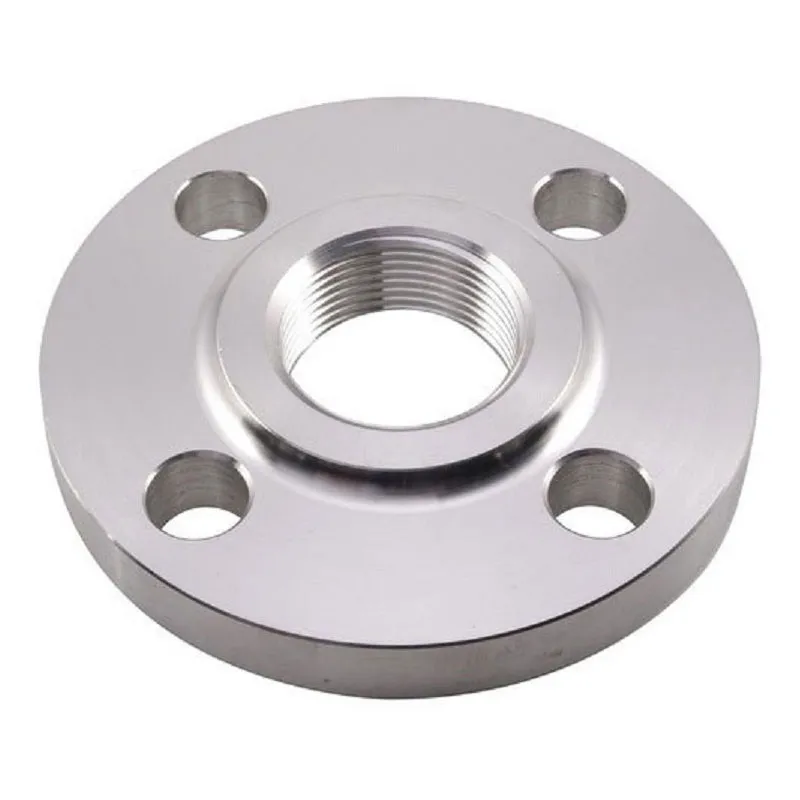
Best Sellingproducts
Best Selling Products-
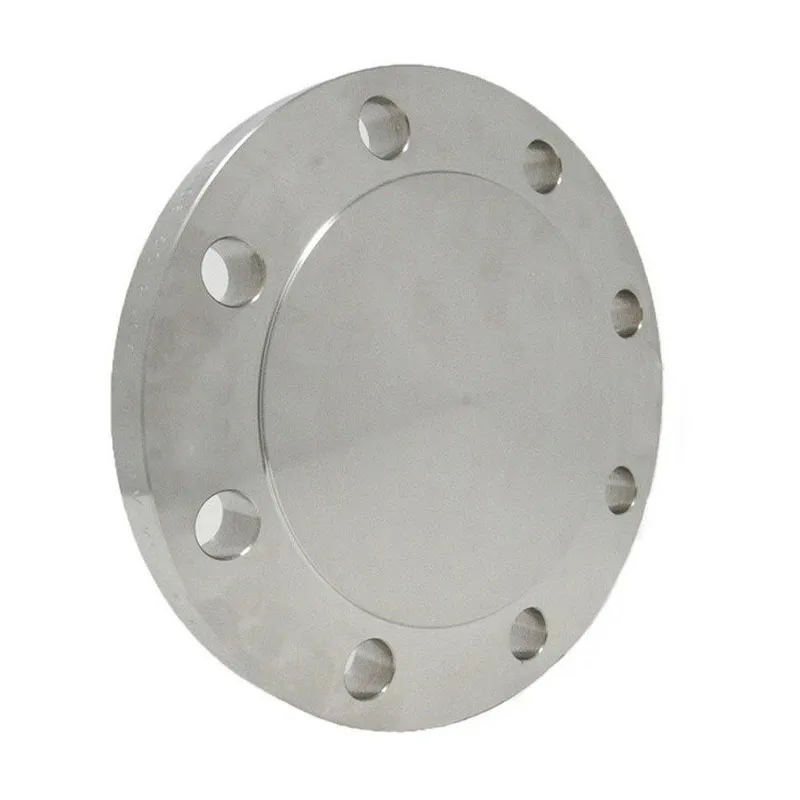
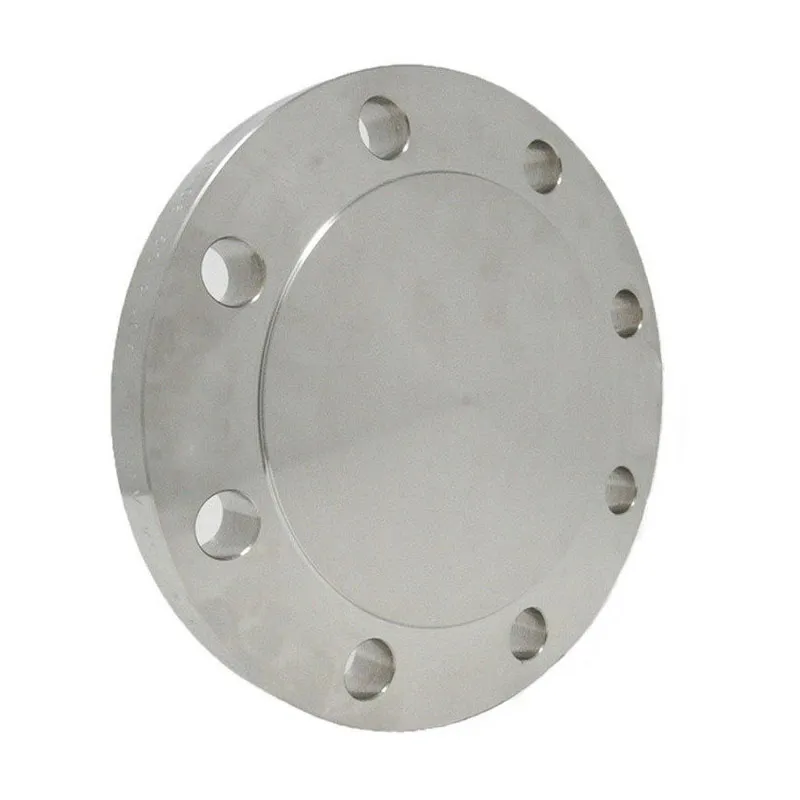 Blind flanges Class 150
 -
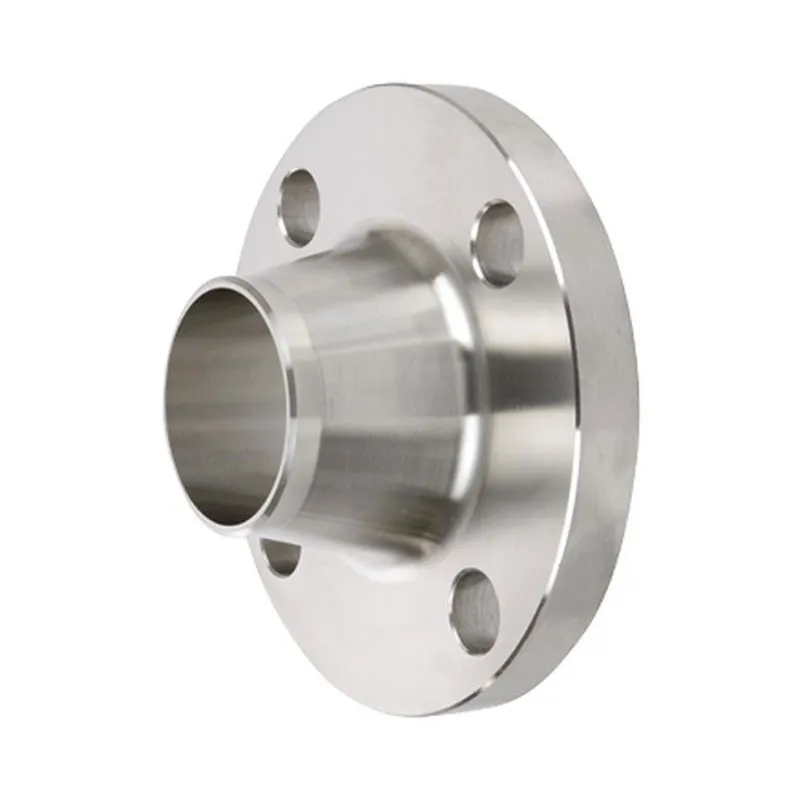 Ser.A Butt Weld Flanges Class 400
 -
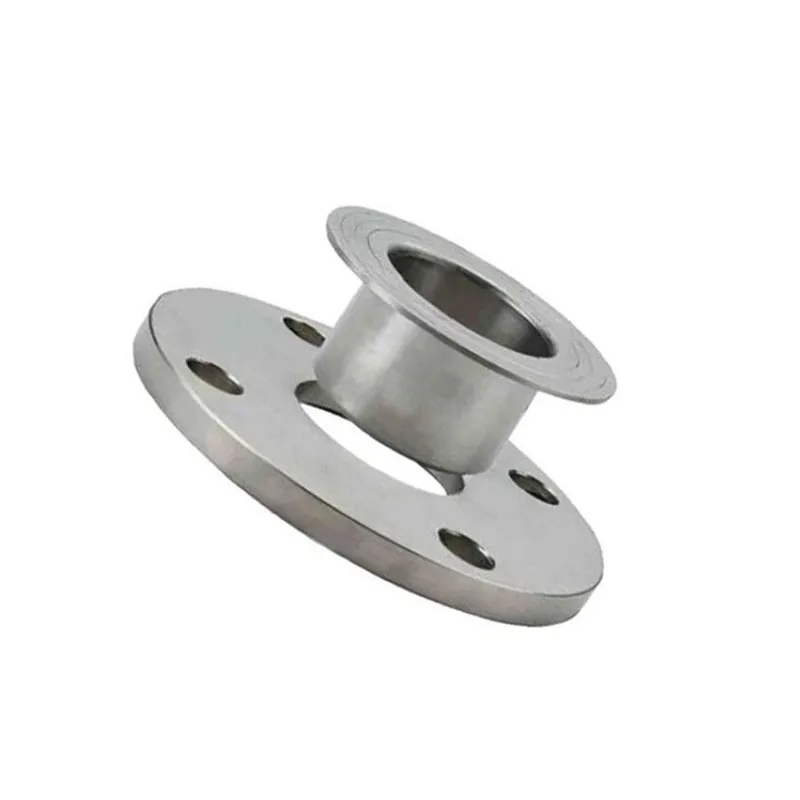
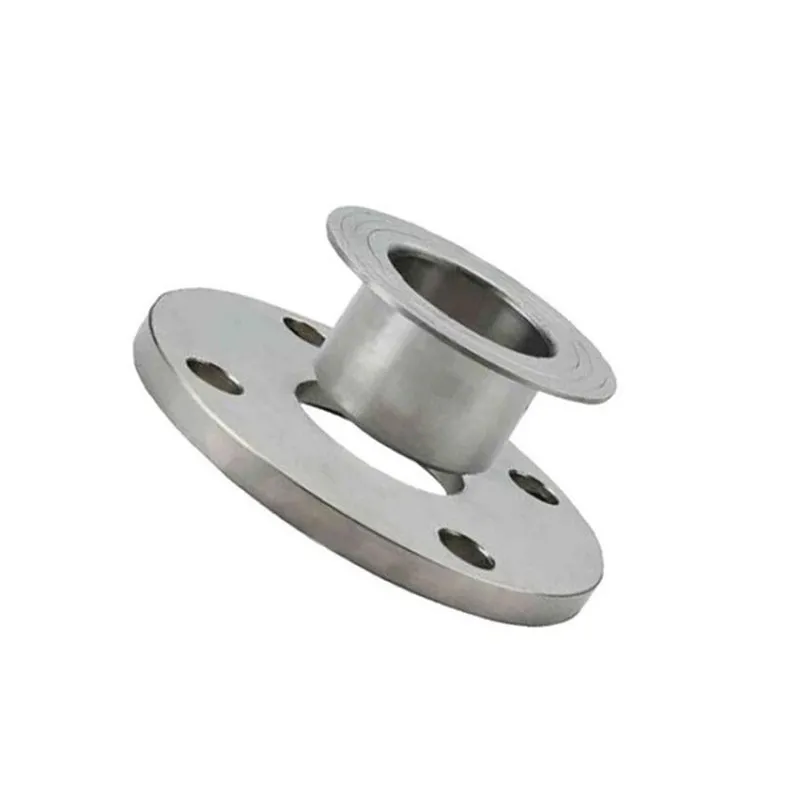 JIS 10K Loose Ring Flanges
 -
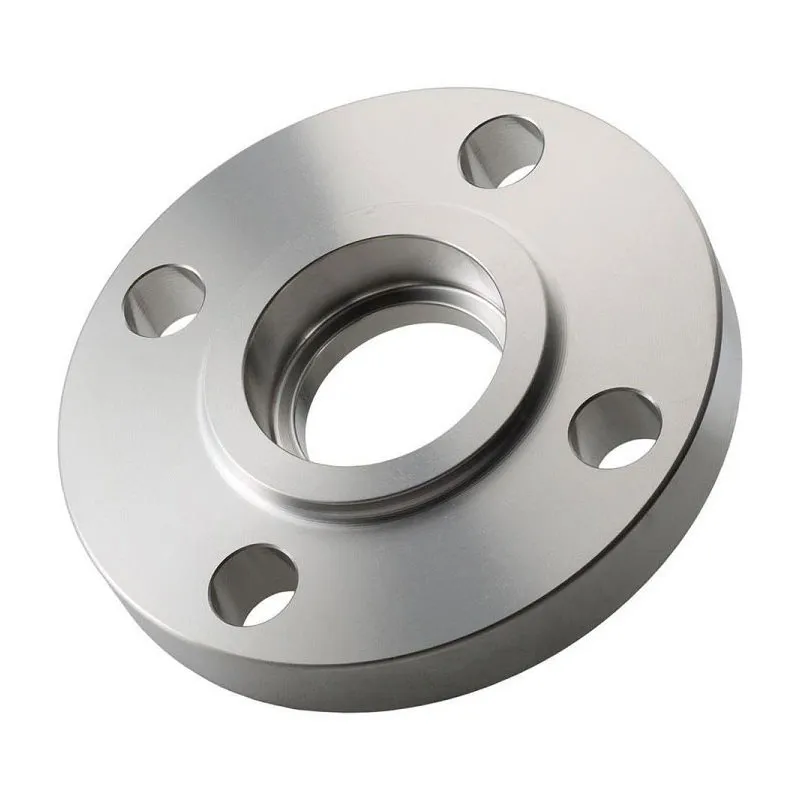 Flanges for socket welding
 -
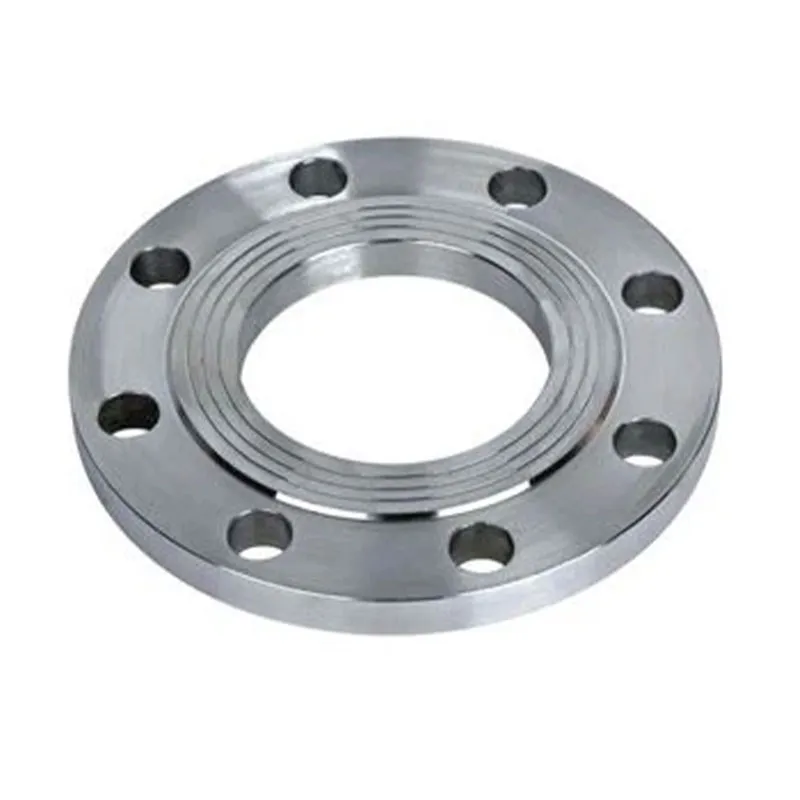 Butt weld flanges Class 150
 -
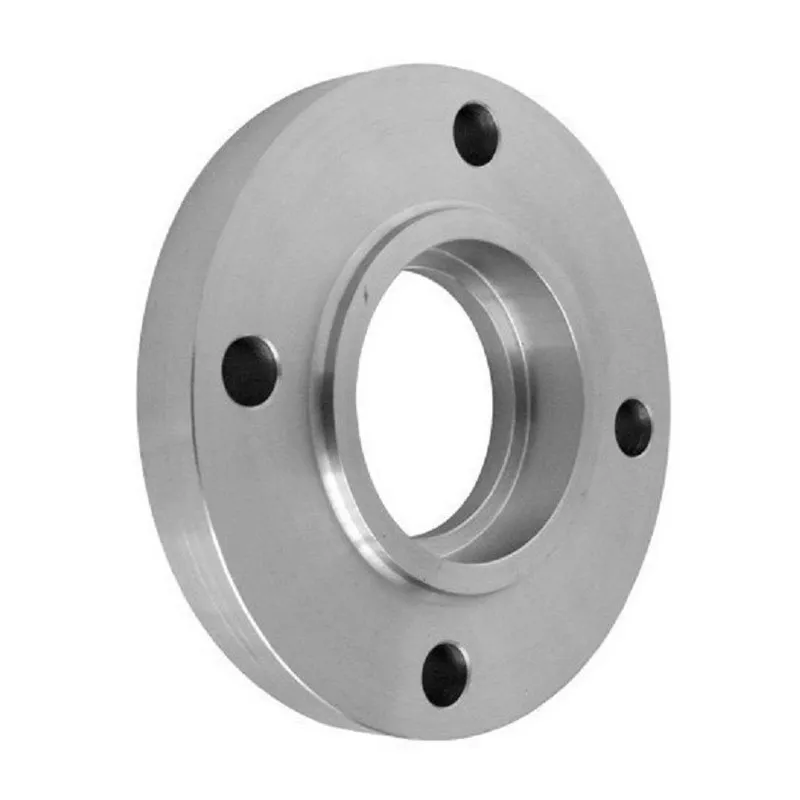 JIS 5K Socket Weld Flanges
 -
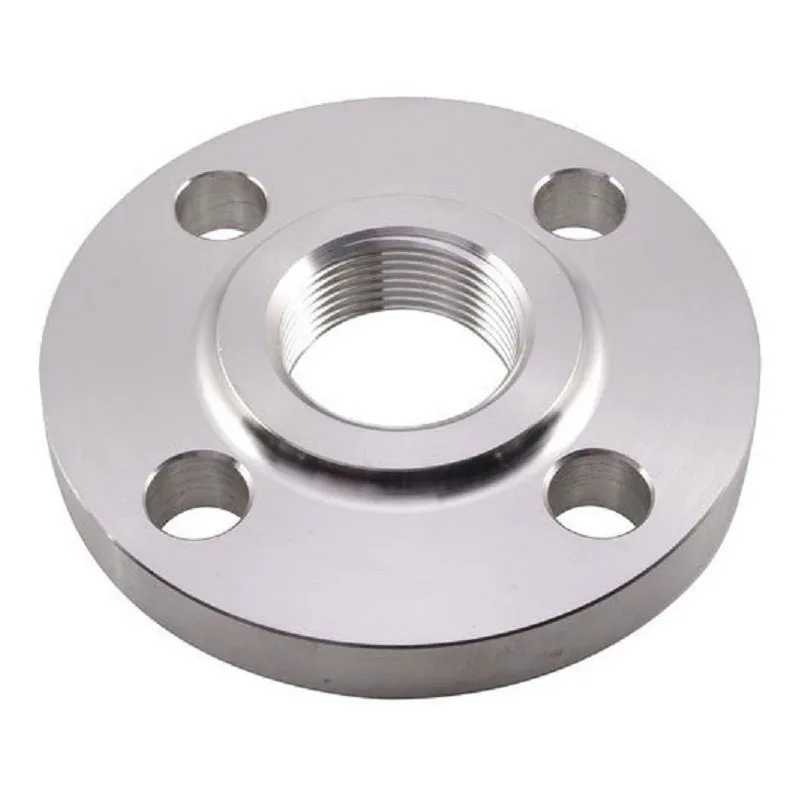 ANSI B16.5 Threaded Flanges Class 600
 -
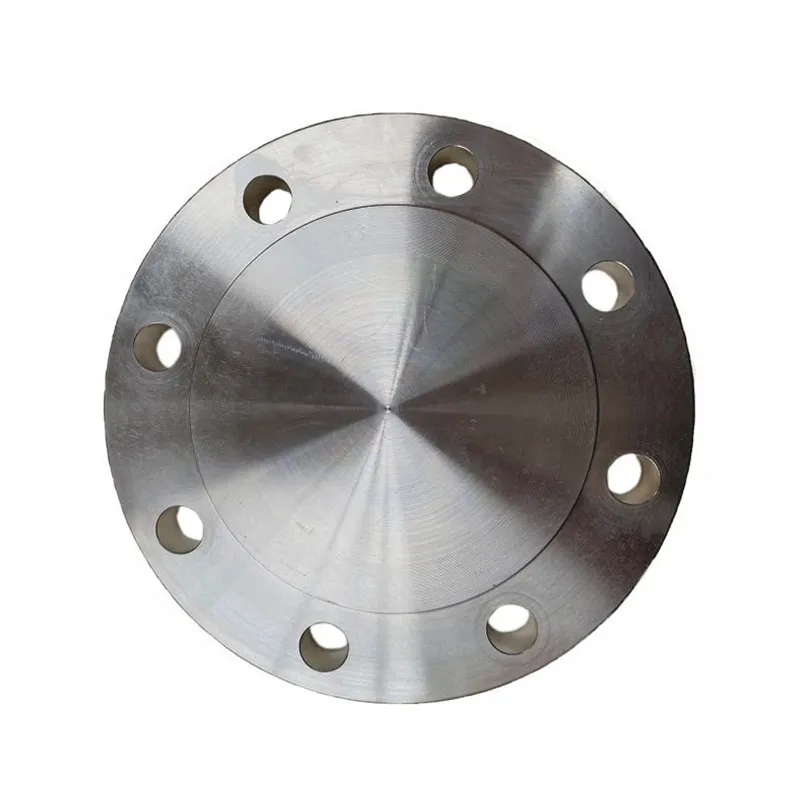 DIN 2527 Blind flanges PN10
 -
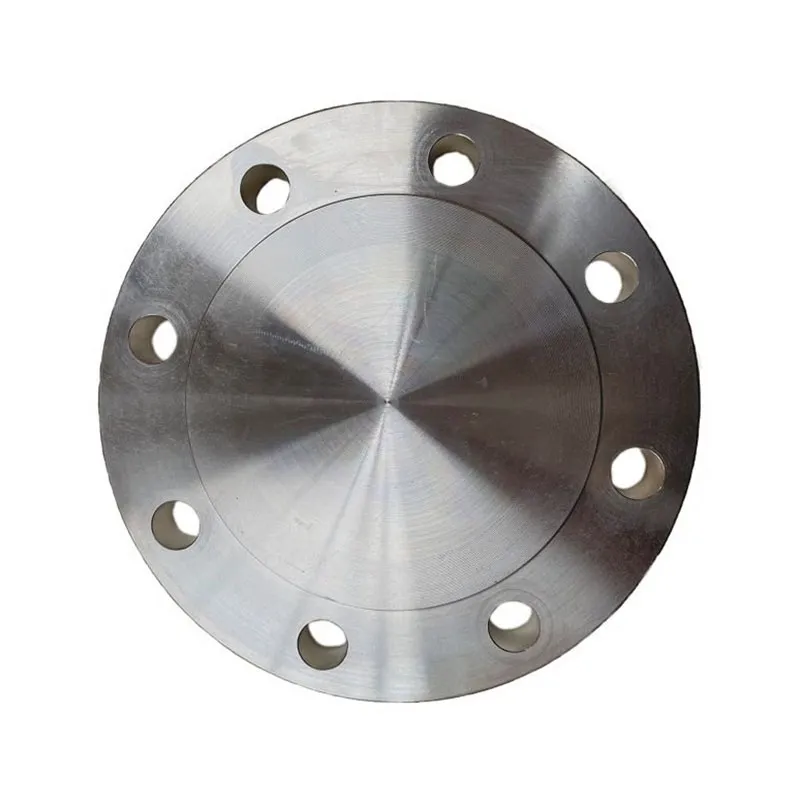 UNI 6092 Blind flanges PN10
 -
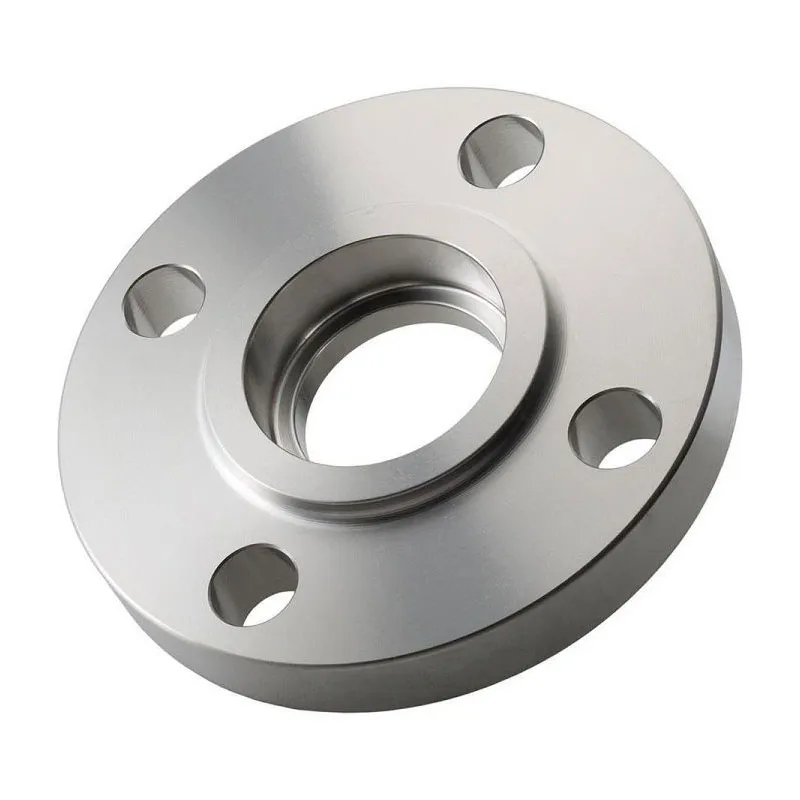 ANSI B16.5 Socket Weld Flanges Class 1500
 -
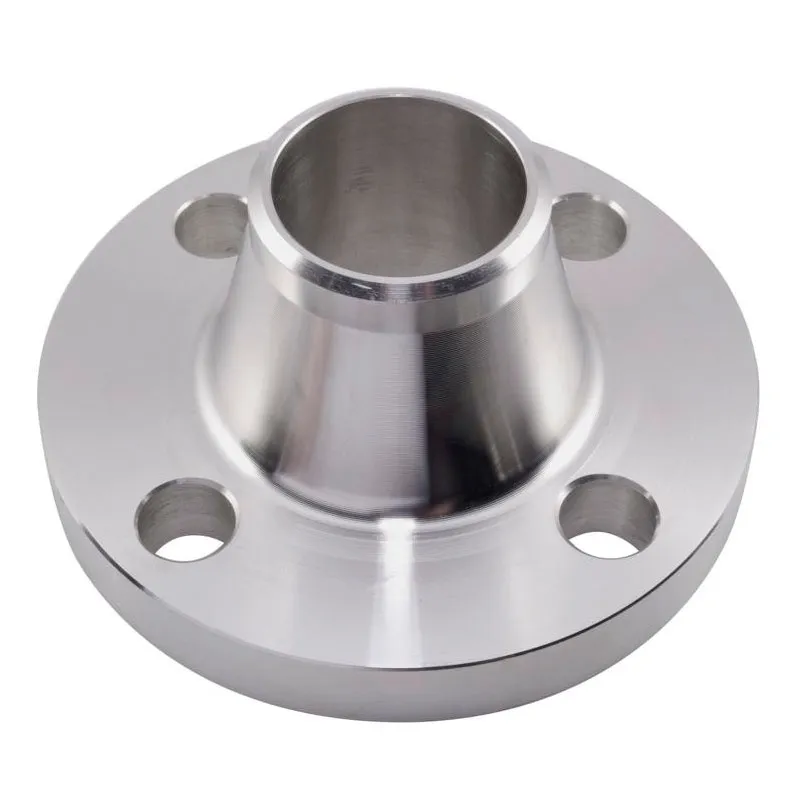 Butt weld flanges Class 900
 -
 EN 1092-1 Threaded flanges Type 15, PN16