
-
-
Phone
+86-13623462298



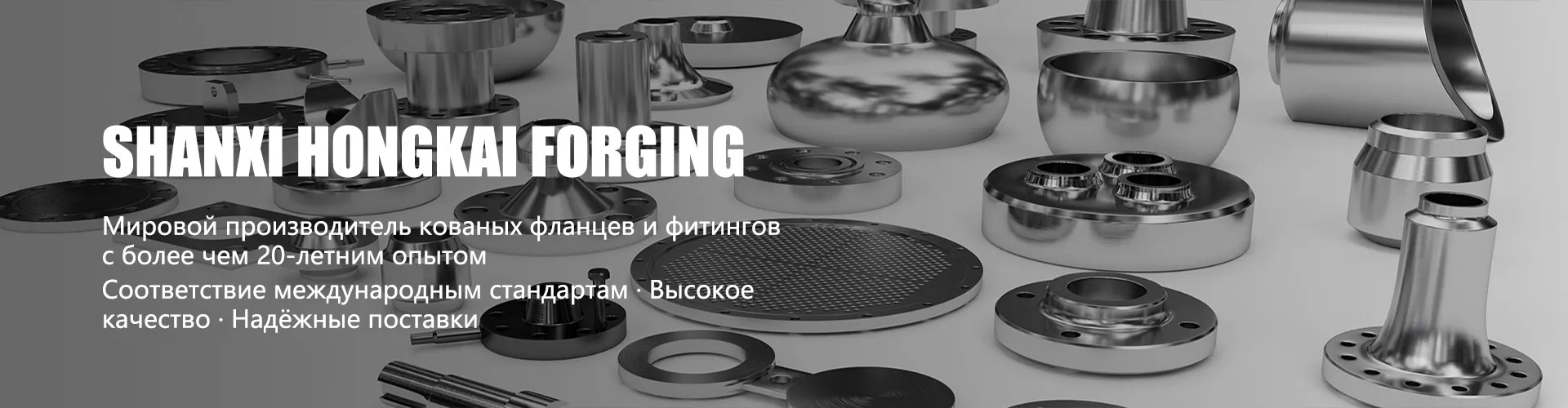
steel flanges fasteners
When people talk about steel flanges, many people immediately think about bolts and nuts, but this is just the tip. In fact, if the fasteners are selected to the wrong standard or material, even if the flange is in accordance with GOST, leakage cannot be avoided. I went through this myself, when at the start of my career I thought that since the flange was steel, then any steel bolts would work. They didn’t agree - six months later it started leaking on the hot pipeline because the expansion coefficient of the fasteners was not the same. It's these little things that real problems begin with.
Standards and materials: where the pitfalls lie
When working with suppliers, I always look not only at the certificates for flanges, but also at the documentation specifically for fasteners. For example, flanges according to ASME B16.5 often require fasteners according to ASTM A193, and GOST 12820-80 requires its own set. Chinese manufacturers, like Shanxi Hongkai Forging LLC, usually indicate full compatibility in the specifications, but here it is important to double-check. I saw on their website https://www.hkflange.ru that they make flanges for GOST, ASME, EN - this is good, but I always ask for separate recommendations on fasteners for a specific batch. I once ordered butt-welded flanges from them for DN300 according to GOST, and they supplied the fasteners by default from their nomenclature - it seemed to fit, but during installation under vibration conditions it gave way. I had to buy more on the spot, with a higher strength class.
The fastener material is a different story. Carbon steel is suitable for ordinary environments, but for aggressive environments or high temperatures, already alloyed grades are needed, such as 09G2S or imported analogues. I remember a project where steel flanges from Hongkai were used for chemical production - the flanges themselves were excellent, but the wrong fasteners were initially purchased. As a result, at the commissioning stage we had to urgently change the entire set to stainless steel, although the flanges were designed. Now I always clarify the operating environment with the customer in advance.
Another point is coverage. Galvanized fasteners are good for normal conditions, but at high temperatures the zinc will burn off. Electroplating may not be suitable for some chemical environments. I often see flanges and fasteners lying in warehouses in one package, but without coating markings - then installers waste time on selection. For example, Hunkai has different options in its nomenclature, but you need to clearly indicate this in the order, otherwise they will send the standard one.
Installation and tightening: experience that you won’t find in the instructions
The theory for tightening bolts is in any reference book, but in practice nuances always emerge. For example, for large diameter flanges - say, DN2000 and above - you cannot tighten the fasteners in a circle sequentially. A star scheme is needed, otherwise the flange may become skewed. I myself participated in the installation at a site where loose flanges from a Chinese manufacturer were used - everything seemed to be according to the instructions, but after hydrotesting they leaked. It turned out that the crew tightened the bolts with a torque wrench, but without calibrating the wrench itself—the torque was underestimated. I had to redo it.
Installation temperature also plays a role. If you install steel flanges outdoors in winter, and they will work on a hot pipeline, you need to take into account thermal expansion. Usually they do an initial tightening during installation, and then tighten the system after warming up. But here it is important not to overtighten - you will break the thread or bend the flange. You need to be especially careful with blind flanges; they have no flexibility.
The use of washers and locking elements is often neglected. For vibrating lines, lock nuts or spring washers are a must. I saw a case where at a pumping station almost all the nuts on the flange connections were unscrewed due to vibration within six months - good, they noticed it in time. Since then, I have always included such fasteners in the specifications for critical components, even if the customer is trying to save money.
Non-standard situations and adaptation to the project
In our work we often encounter non-standard flanges according to customer drawings - this is a separate issue with fasteners. For example, we were making an object that required flanges with an unusual arrangement of holes for bolts - not in a circle, but offset. The manufacturer, the same Shanxi Hongkai Forging LLC, made the flanges perfectly, but the fasteners had to be ordered separately, with extended studs. And here it was important not to make a mistake with the length of the threaded part - if you do it end-to-end, you won’t be able to tighten it later. I had to drill deeper holes on site so that the studs would go in completely.
It also happens that flanges are supplied without surface treatment for the gasket - this is the norm for some forgings. But if the surface is too rough, even with the correct fastening and tightening torque, the gasket may not provide a tight seal. You have to sand it yourself or require additional processing from the supplier. For the same Hunkai, the description on the website https://www.hkflange.ru states that they make forgings according to standards - but “forging?” and a “ready-to-install flange?” sometimes they differ. I always clarify this point.
Working with large diameters, such as DN4000, which are declared by the manufacturer, is always a challenge. Fasteners for such flanges weigh hundreds of kilograms, and their installation requires special equipment and precise calculation of the tightening sequence. Once I observed how, when lifting such a flange with a crane, the studs were skewed - the threads were bent, I had to cut them off and order new ones. Now, for large units, I always demand from the supplier, be it Hunkai or another, installation recommendations specifically for their products, and not general advice.
Interaction with manufacturers: what to look for
When working with flange manufacturers, it is important that they understand the value of complete fasteners. Not everyone does this. Some, especially small workshops, send flanges, and the fasteners - “whatever they have?” Large ones like Shanxi Hongkai Forging LLC, located in one of the centers of the forging industry in China, usually have a more systematic approach. On their website you can see that the range includes the main types of flanges - butt weld, flat, loose - and this is already good. But even with them, I always discuss fasteners as a separate clause in the contract: steel grade, standard, coating, packaging (to avoid corrosion during transportation).
Experience has shown that it is useful to request test reports from such manufacturers not only for flanges, but also for fasteners, if they offer them in the kit. For example, mechanical tensile tests for studs. Once I received a batch where the studs did not withstand the declared strength class - good, they checked it in advance. Since then, I have always included an independent audit in the budget for critical objects.
Another point is logistics. The fasteners are heavy and if ordered separately from the flanges, shipping costs increase. Therefore, whenever possible, I try to have the flange manufacturer supply compatible fasteners in one batch. Chinese suppliers can often do this if discussed in advance. The main thing is to clearly indicate all technical requirements so that there are no discrepancies.
Conclusions and practical advice
As a result, the topic of steel flanges and fasteners is not about individual parts, but about the system. You can have an ideal flange according to GOST or ASME, but if the fasteners are chosen somehow, everything is in vain. My main advice is to never separate these things in project documentation. Indicate in the specifications the complete set, with grades of materials, standards and tightening torques.
When choosing a supplier, be it a proven Shanxi Hongkai Forging LLC or another, look at their willingness to discuss complex solutions. The website https://www.hkflange.ru shows a wide range of sizes and standards - this is a plus. But the dialogue needs to be carried out specifically: “Here is a flange, for such conditions, what fasteners and installation scheme do you recommend?” If they answer in general phrases, this is a signal.
And lastly, don’t be shy to learn from your own and others’ mistakes. Each new project with flange connections adds to the experience. Somewhere it was too short, somewhere it was too tight, somewhere the material was wrong. The main thing is to record these moments and not repeat them later. Because in our work there are no trifles, especially when it comes to tightness and safety.
Correspondingproducts
Related Products
Best Sellingproducts
Best Selling Products-
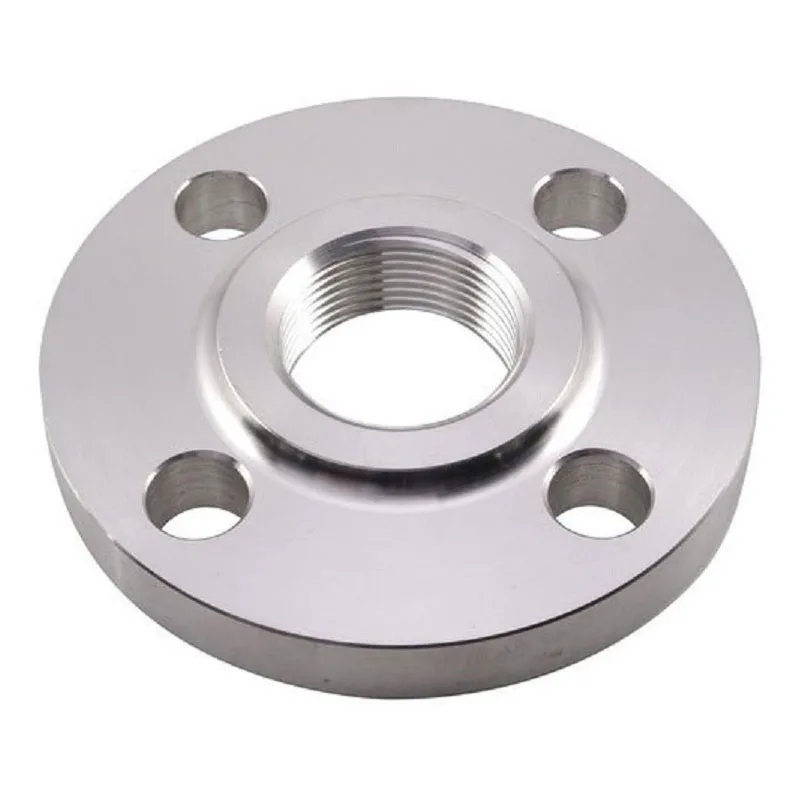 JIS 10K Threaded Flanges
 -
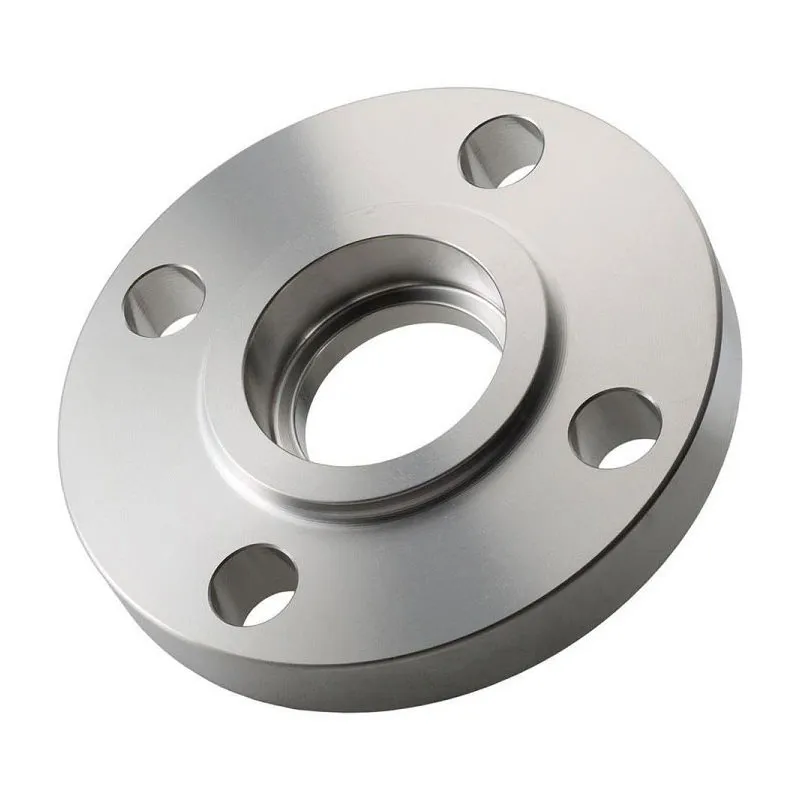 Flanges for socket welding
 -
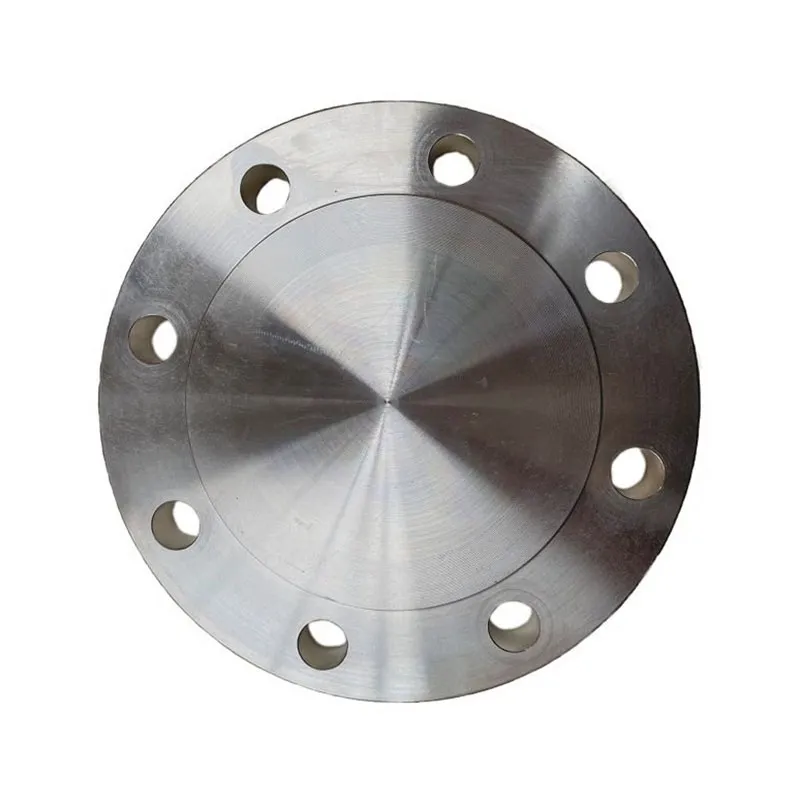
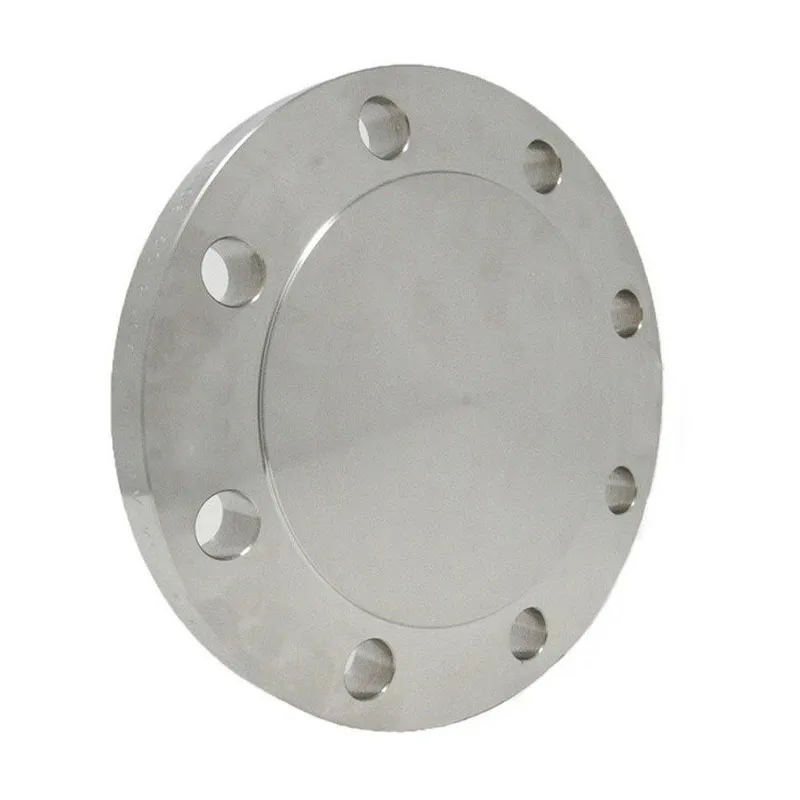 EN 1092-1 Blind flanges Type 05, PN10
 -
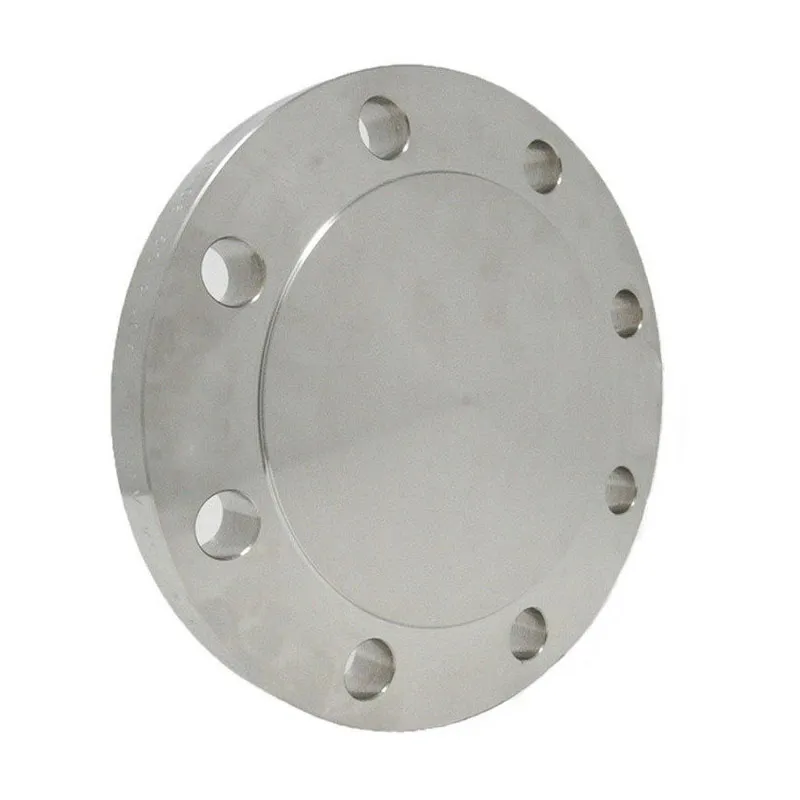 Blind flanges Class 150
 -
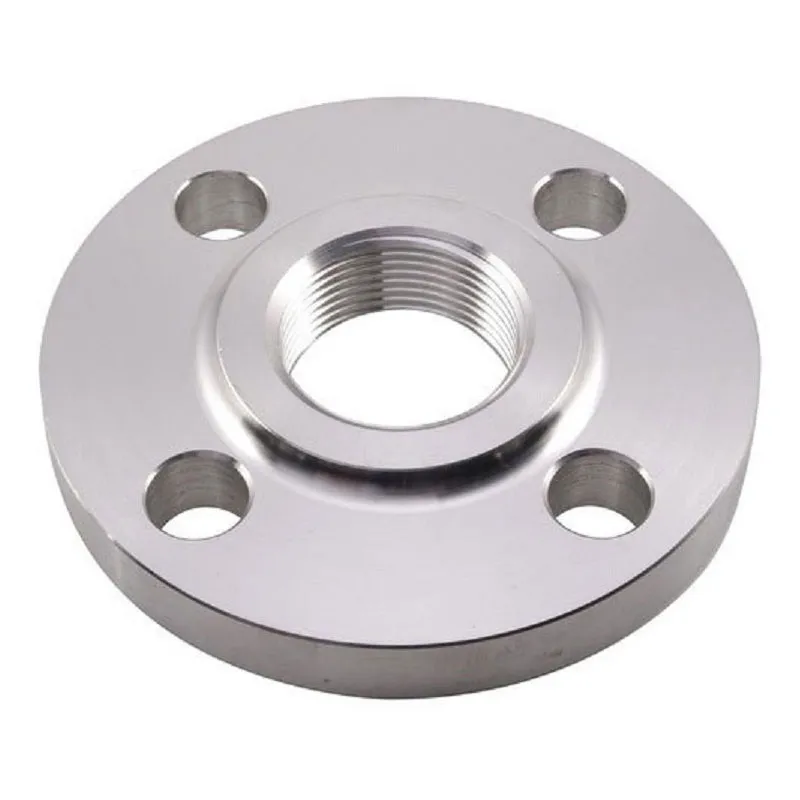 DIN 2565 Threaded flanges PN6
 -
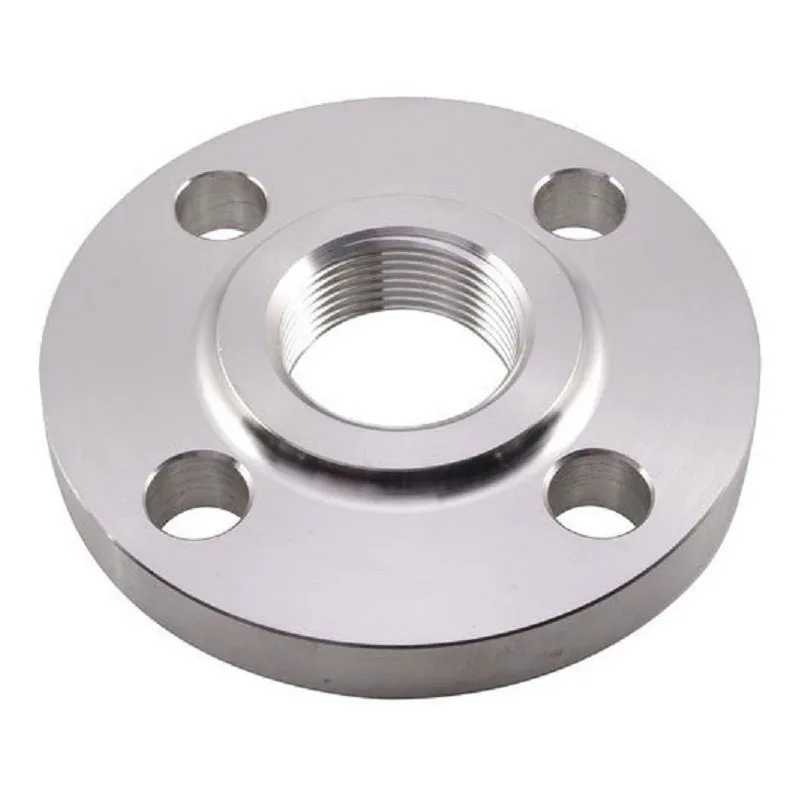 ANSI B16.5 Threaded Flanges Class 600
 -
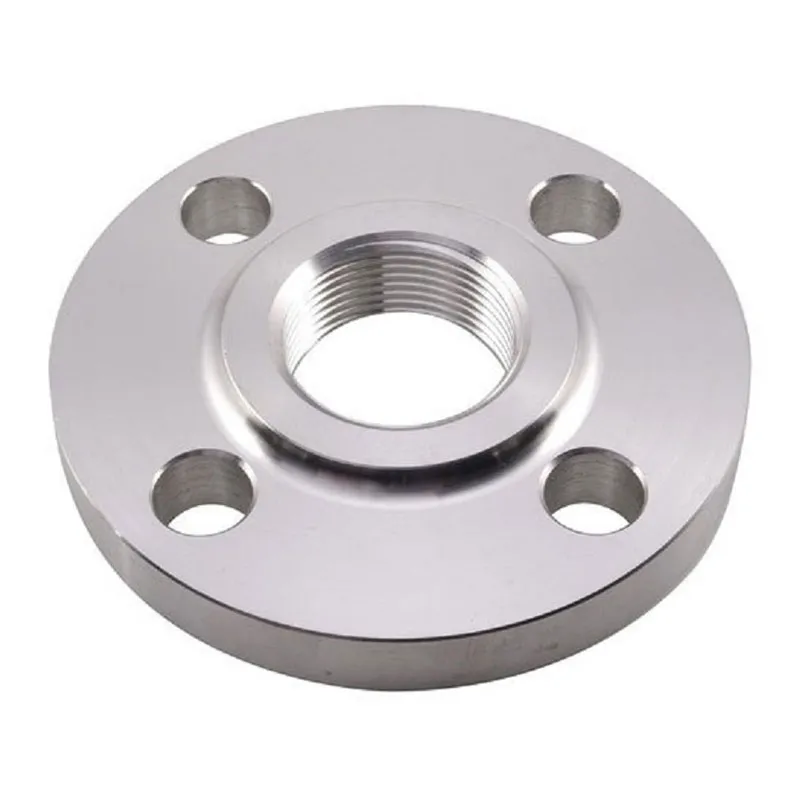 JIS 10K Overlay flanges
 -
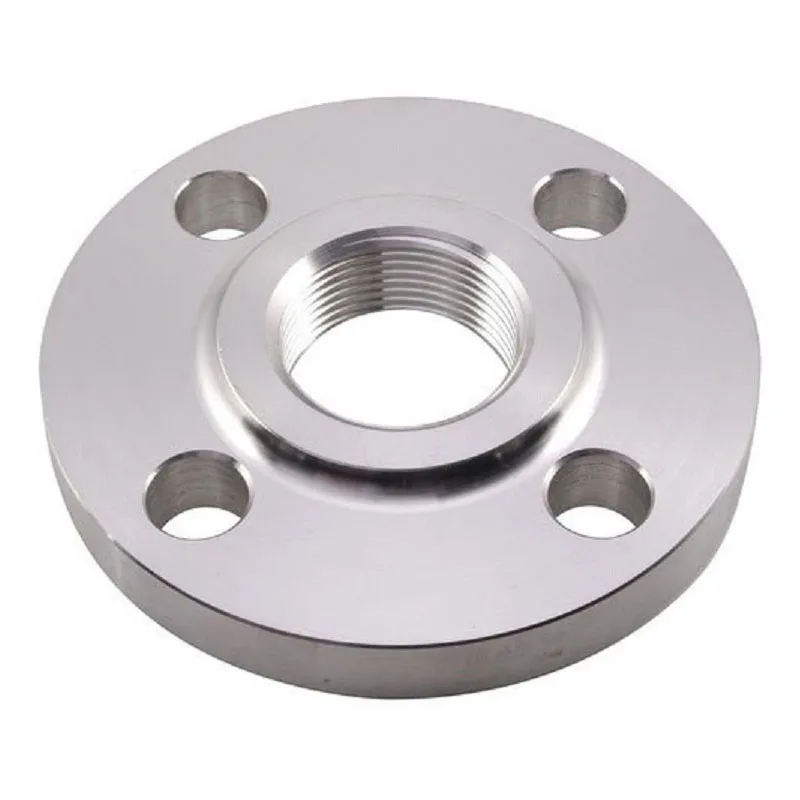 DIN 2566 Threaded flanges PN16
 -
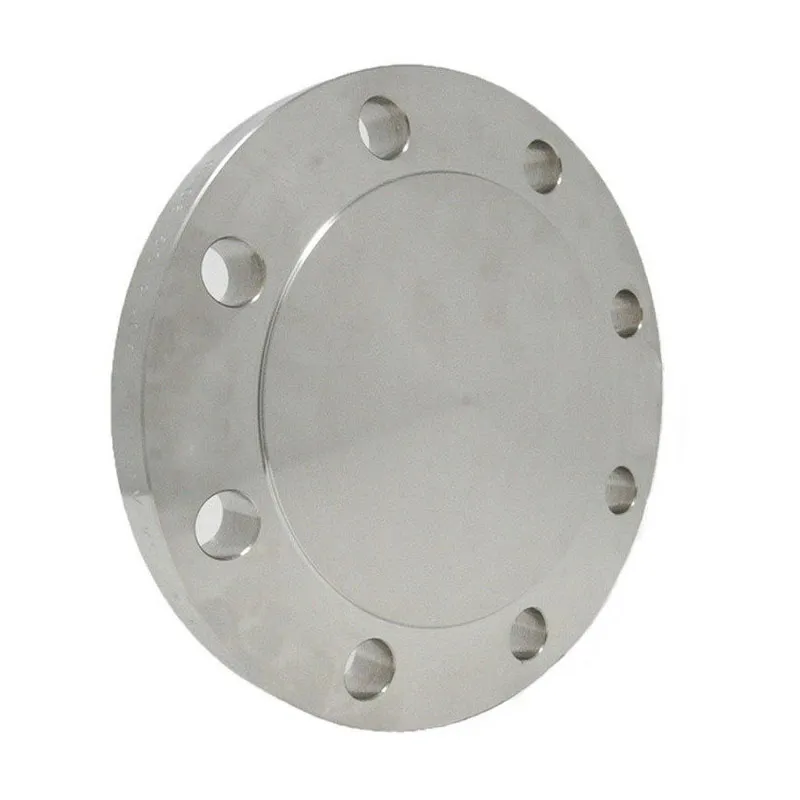 AWWA Blind Flanges Class D (Tables 1, 2, 3)
 -
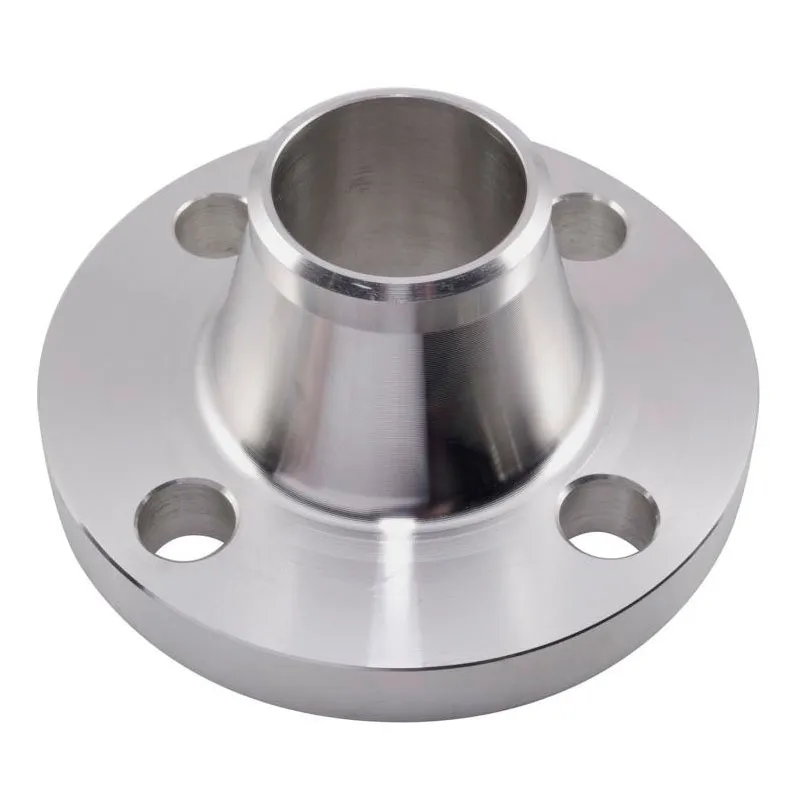 DIN Butt weld flanges PN10
 -
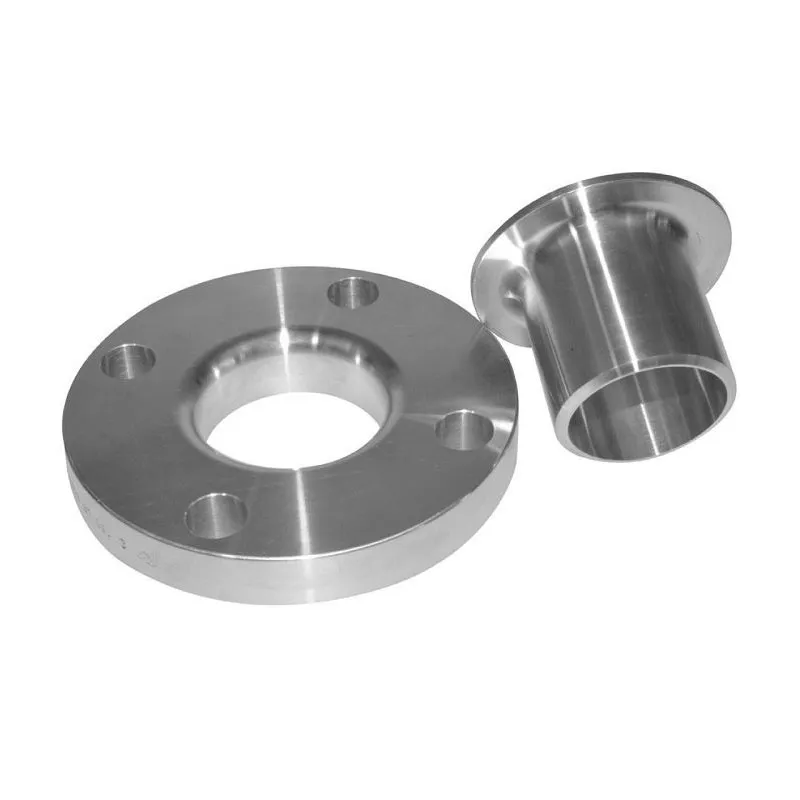 ANSI B16.5 Loose Ring Flanges Class 2500
 -
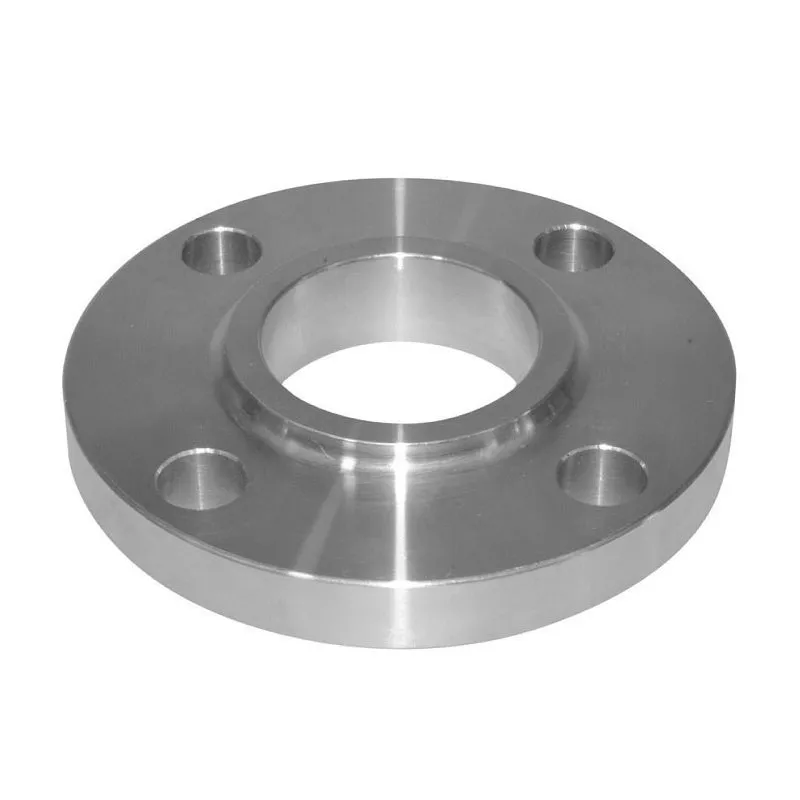 ANSI B16.5 Lap-on flanges Class 1500