
-
-
Phone
+86-13623462298



flange 6520
When you hear “flange 6520?”, the first thing that comes to mind is, of course, GOST 12820-80, a flat flange for a nominal pressure Ru of 6.3 MPa. But here’s the catch: many, especially those who are just starting to work with pipeline fittings, think that since there is one standard, then the product is the same everywhere. In fact, between “just a flange?” and what will really keep the pressure on a responsible system is the abyss. I myself got burned by this about ten years ago, ordering a shipment for one oil field facility at the most attractive price, and then dealing with leaks at the joints. It turned out that the material was not the same, and the geometry was “floating”. Soflange 6520- these are not just numbers in the specification, but a whole story about metal, processing and control.
GOST is not a panacea. Where are the pitfalls?
You take the drawing, see? Flange 6520 GOST 12820-80? - everything seems clear. But GOST sets the basic dimensions, tolerances, and parameters. But how exactly it will be made is a question for the manufacturer. The main point that many do not check until acceptance is the mechanical properties of the material. For Ru 6.3 MPa, steel 20 or 09G2S is usually used. But steel is different. It happened that we received flanges that seemed to be from 09G2S, and the impact strength after machining turned out to be below the threshold. The reason is violations in the heat treatment of the forging blank. Therefore, now we always, even for standard items, request mechanical test reports specifically for the finished forging, and not general metal certificates.
Another nuance is the treatment of the seal surface. According to GOST there should be a certain roughness there. But in fact, if it is done simply by grooving without finishing, microscopic ring marks may remain. During installation, the gasket will not block them, resulting in a leakage channel. I had to deal with a flange leaking during a pressure test. not along the bolted connection, but precisely along the sealing surface. I had to remove and finish it manually. The experience is expensive, but instructive.
And of course, geometry. The holes for the studs must be strictly along the marked circumferential diameter (Bolt circle). A displacement of even half a millimeter can create enormous tension when tightening. Once, while installing a heat exchanger, the crew could not align the flanges - the holes did not fit together. At first they blamed the installers, and then it turned out that the manufacturer used worn-out equipment when drilling. Since then, for critical objects, we have selectively checked this parameter with a template.
Forging or stamping? The choice that determines reliability
There is often confusion here. Many suppliers say “forged flanges”, but in fact they offer products cut from sheet or made flexible from strip. Forflange 6520at 6.3 MPa, this approach is a direct path to problems. The loads there are serious; forging is needed (open forging or stamping). Why? Because during the forging process, the metal fibers are redistributed, following the contour of the product, which dramatically increases strength and toughness, especially in the transition zone from the hub to the disk.
I worked with different factories for a long time and saw the difference in the microstructure. A good forging has a fine-grained, uniform structure. When cut from rolled steel, the fibers run parallel to the cut surface, and areas with reduced strength may appear in the area where holes are drilled for bolts. For Ru 6.3 this is critical. Therefore, in the technical specifications we now clearly write: “The 6520 flange must be made of a forging?” And we require documents confirming the method of manufacturing the workpiece.
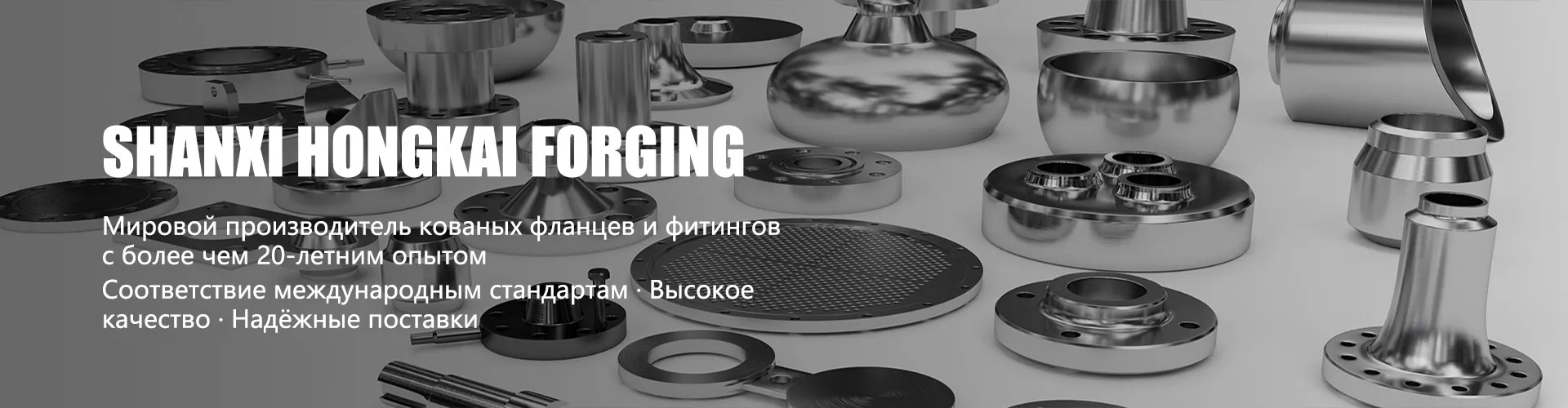
By the way, a good example is a Chinese manufacturerShanxi Hongkai Forging Co.,Ltd(websitehttps://www.hkflange.ru). They position themselves specifically as a manufacturer of forged flanges and forgings. Studying their materials, it is clear that they place an emphasis on forging and pressing production, and this is exactly the case when it is not just the final product that is important, but the correct workpiece. By the way, they declare compliance not only with GOST, but also with ASME, EN, which indicates well-established quality control. For specification where neededflange 6520according to Russian standards, but with an eye to international reliability requirements, this approach can be justified. Although, of course, with any new supplier, test batches are needed.
Installation and operation: errors that negate the quality of the flange
You can have the perfectflange 6520, but ruin everything at the installation stage. The most common mistake is uneven tightening of the studs. Tighten “crosswise”, but do not control the tightening torque with a torque wrench. As a result, some studs are overtightened, others are undertightened. The flange works with a misalignment, bending moments arise, and after a couple of cycles of “heating-cooling?” a leak appears. We had to redo components on an entire section of the pipeline because of such a seemingly trifle.
The second problem is the wrong choice of gasket. For Ru 6.3, metal finned gaskets or paronite are often used. But if the flange surface has the wrong roughness (too rough or, conversely, polished), tightness will not be achieved. We have developed a rule: for each type of gasket in the project, we indicate the required cleanliness of the sealing surface. And we check it not by eye, but with a comparator.
And more about temperature conditions.Flange 6520made of steel 20 designed for a certain range. If the system operates, say, on a hot coolant above 400°C, a different material is needed (for example, 15X5M), otherwise the creep of the metal will weaken the tightening. There was a case at a thermal power plant where the flange connections on the superheated steam line began to “sweat?” after six months of work. The reason was that the flange material did not correspond to the actual ambient temperature. I had to change all the components. Now the temperature factor is one of the first on the checklist during selection.
Non-standard situations and adaptation
Sometimes a project requiresflange 6520, but with a non-standard hole or additional structural elements - for example, with a drainage outlet or with a welded boss for the sensor. The standard GOST does not provide for this. Previously, we tried to order this from small repair factories: we took a ready-made flange and tried to modify it by welding. This almost always resulted in warping and loss of flatness of the sealing surface.
The right way is to order a non-standard forging from a specialized manufacturer who can manufacture the product according to the customer’s drawing. The sameShanxi Hongkai Forging Co.,Ltdin its nomenclature it specifically indicates the possibility of manufacturing non-standard products according to drawings. This is logical: if they have a powerful forging plant, then making a forging with an additional cast for subsequent machining is a more feasible and correct task from the point of view of metallurgy than welding the finished product. The key is to provide them with a detailed heat treatment process after forging to preserve the properties of the metal.
Another aspect is large diameters.Flange 6520may be required for both DN1000 and DN2000. Here the issues of transportation, processing and geometry control come to the fore. For large diameters, stability of shape is critical - so that the disk does not act as a “propeller”. You need to control not at three points, but along the entire perimeter. From experience: for large-diameter flanges, we always stipulate a separate flatness control protocol indicating the measurement method (laser tracker or at least an accurate hydraulic level in 30-degree increments).
Instead of a conclusion: what to look for today
So, to summarize my experience withflange 6520, then the priority list looks like this. The first is the origin of the workpiece. Only forgings from a trusted manufacturer with a full set of documents for mechanics and chemistry. The second is geometry control, especially Bolt Circle and Flatness. Third, clear compliance of the material and coating (if any) with the operating conditions - pressure, temperature, environment.
Now the market is saturated with offers, including from companies such as the one mentionedShanxi Hongkai Forging Co.,Ltd. Their presence in the segment indicates that production is shifting to regions with developed forging infrastructure. This can provide good value for money, but requires an even more thorough input check and, preferably, a production audit. Because ultimatelyflange 6520- this is not a product off the shelf, but a critical element on which the safety and uninterrupted operation of the entire system depends. And here you can only trust facts, test reports and your own, sometimes bitter, experience.
Therefore, do not hesitate to ask your suppliers uncomfortable questions about forging technology and control at intermediate operations. A real manufacturer who makes a product for serious applications will always be able to give a detailed answer to them, and not write off general phrases from the catalog. This, perhaps, is the main indicator.
Correspondingproducts
Related Products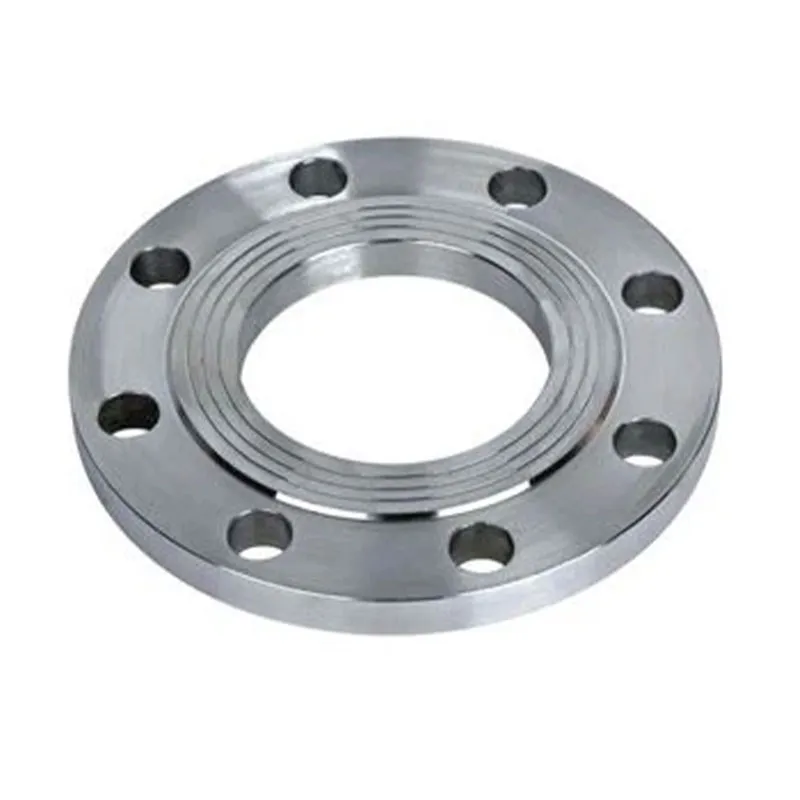
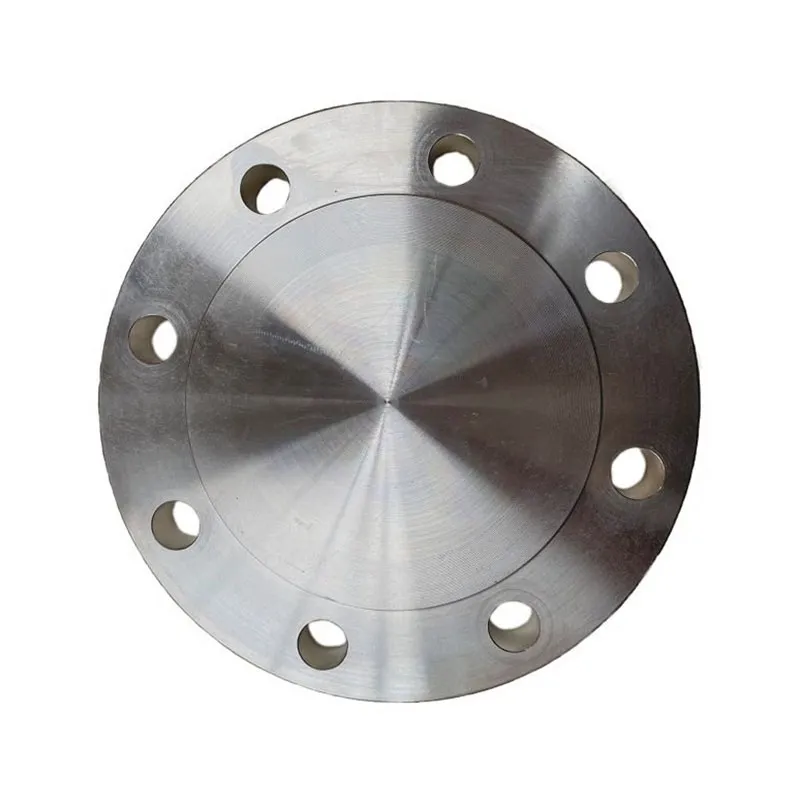
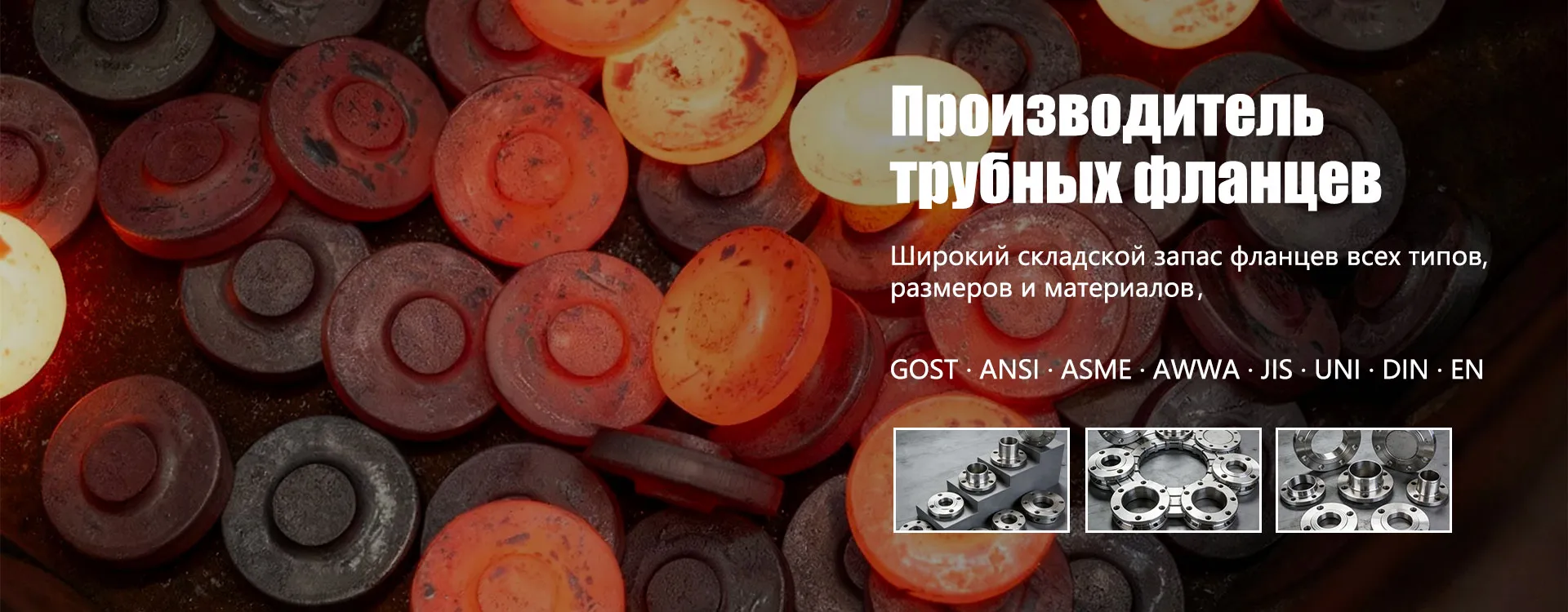
Best Sellingproducts
Best Selling Products-
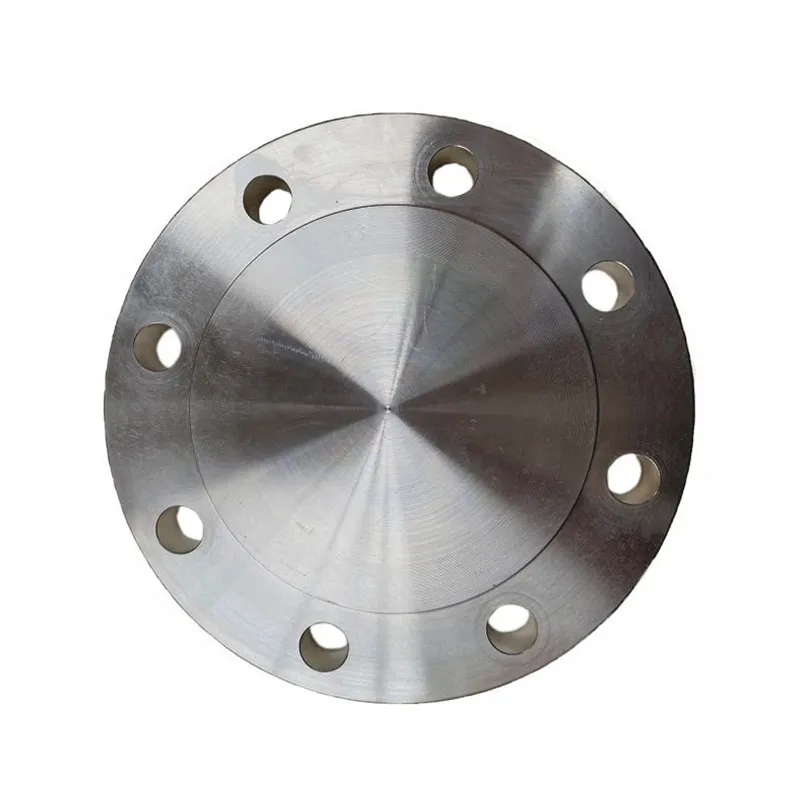 DIN 2527 Blind flanges PN10
 -
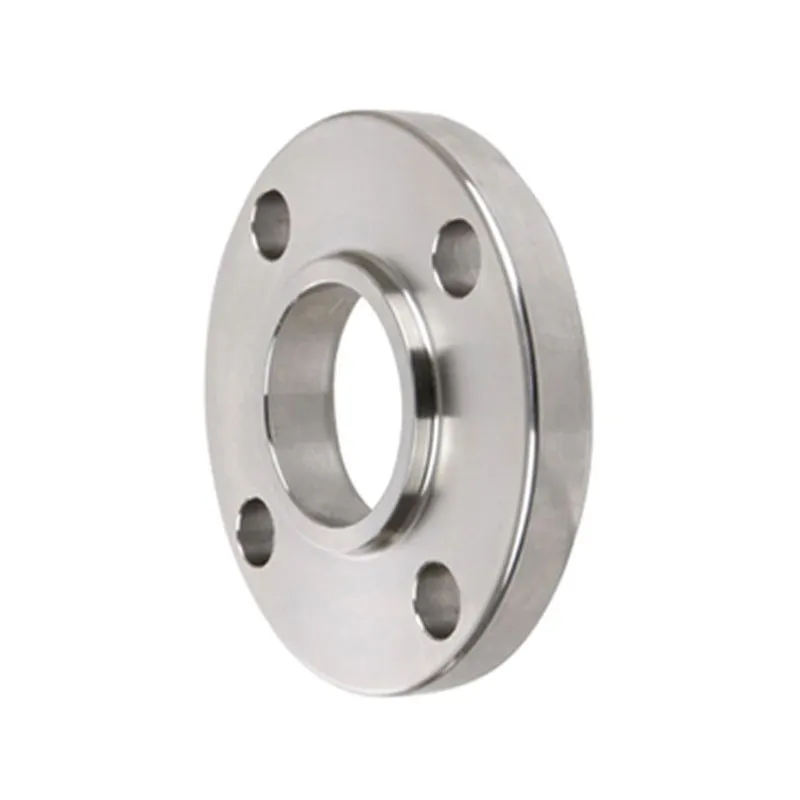 ANSI B16.5 Lap-on flanges Class 300
 -
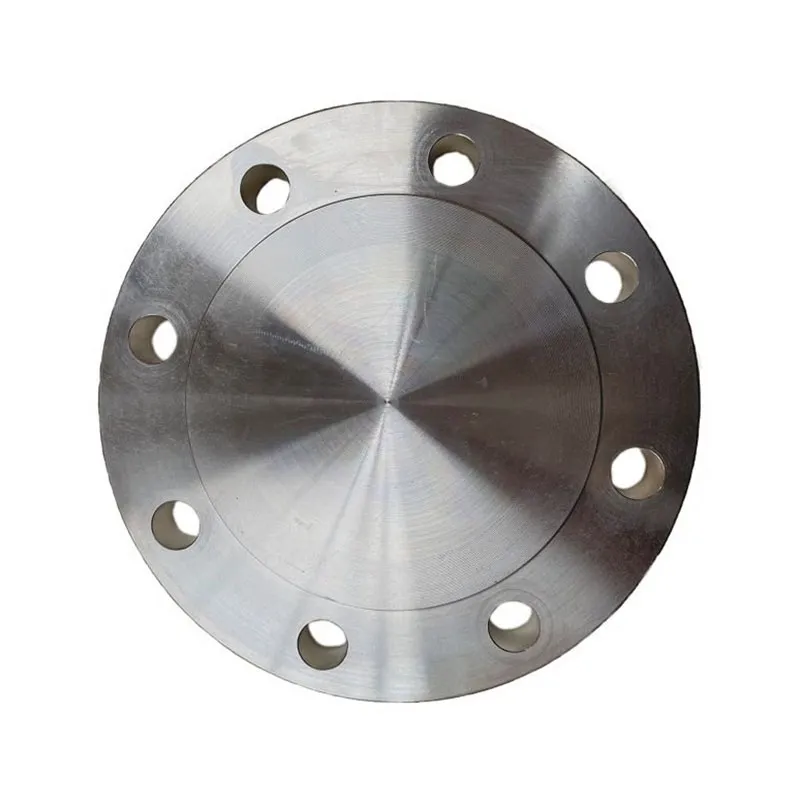 ASME B16.47 Ser.A Blind Flanges Class 400
 -
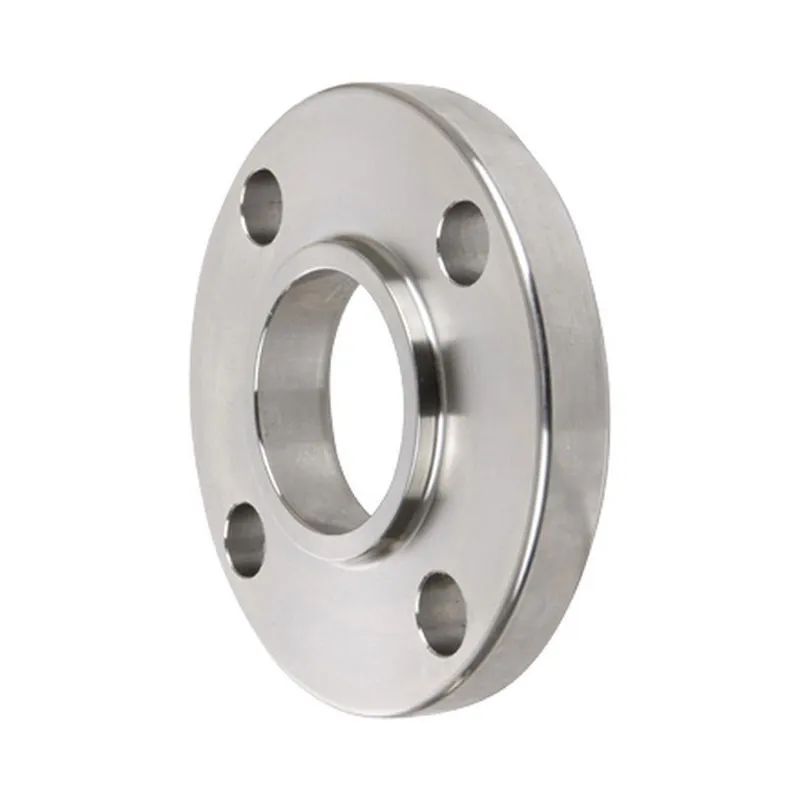 DIN 2501 Overlay flanges PN16
 -
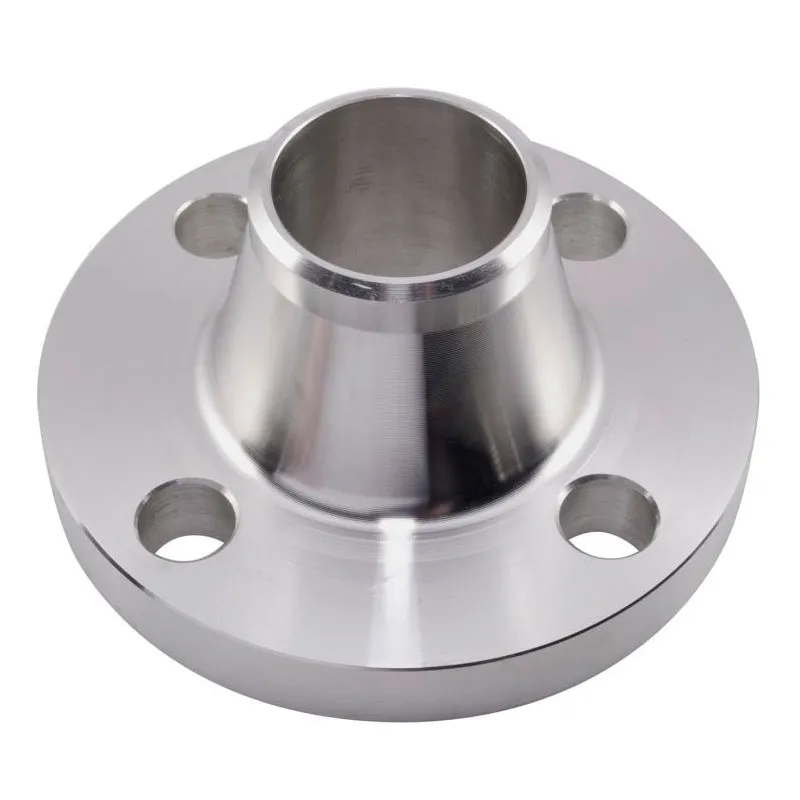 UNI 2281 Butt weld flanges PN10
 -
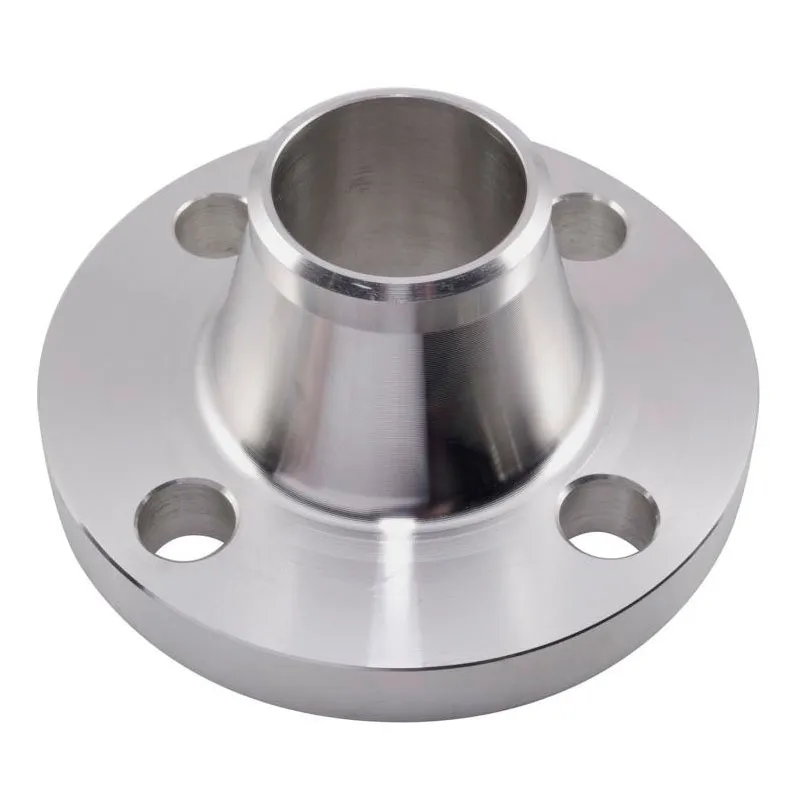 DIN Butt weld flanges PN10
 -
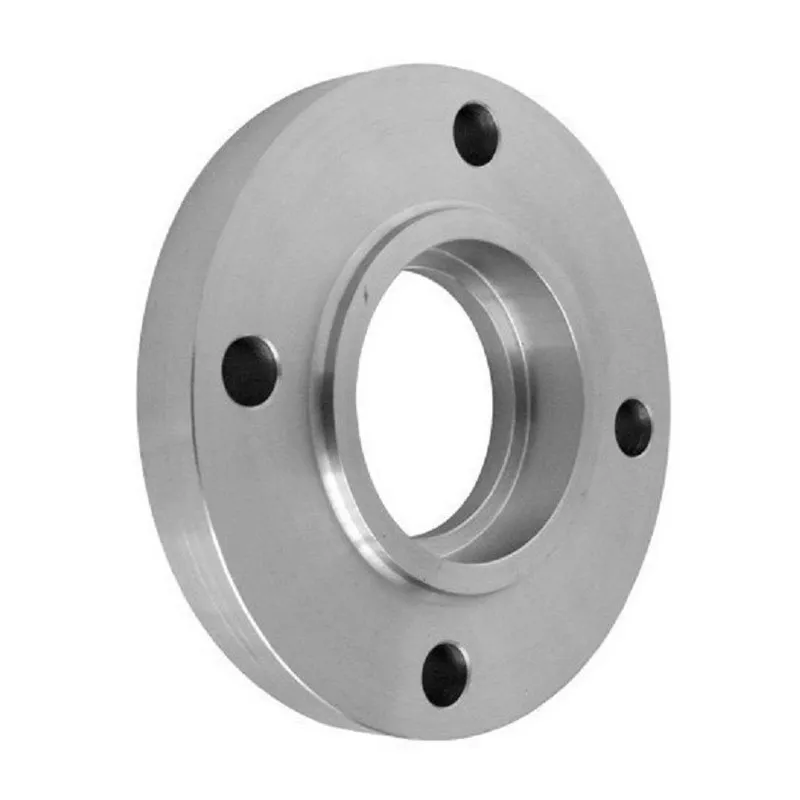 JIS 5K Socket Weld Flanges
 -
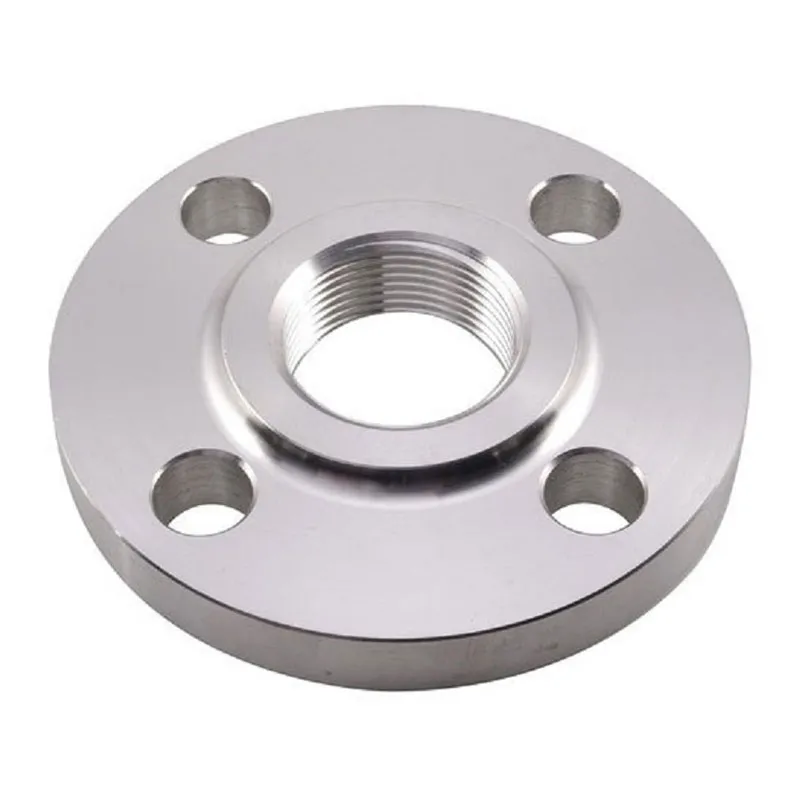 JIS 10K Overlay flanges
 -
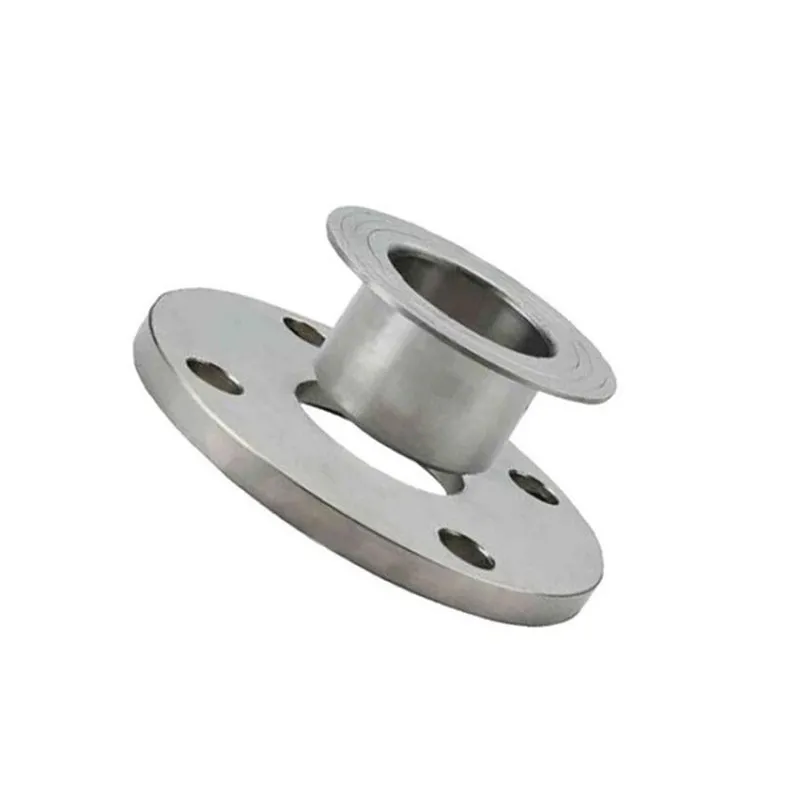 JIS 10K Loose Ring Flanges
 -
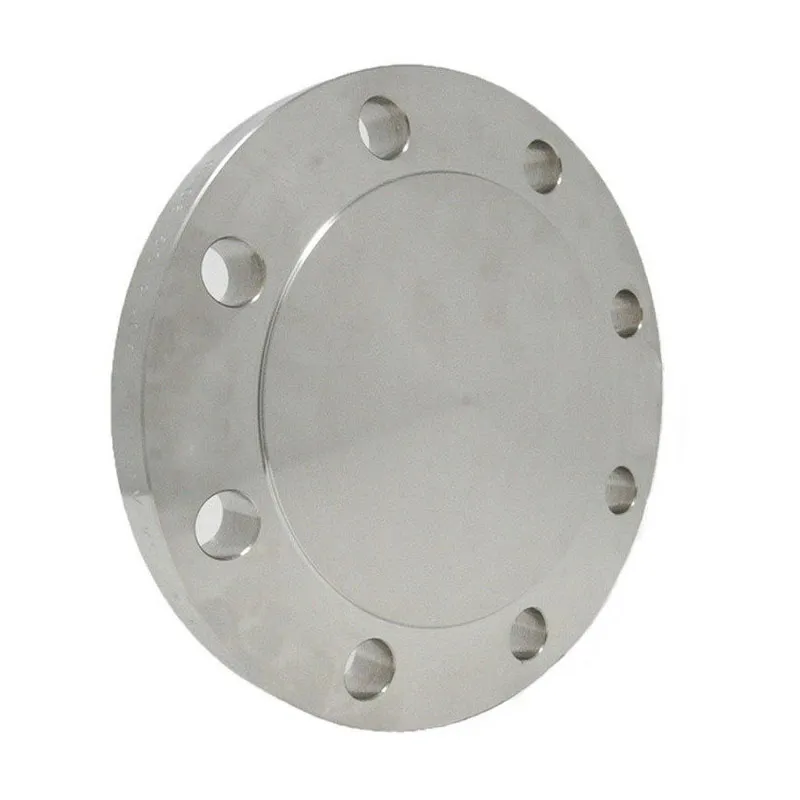 AWWA Blind Flanges Class D (Tables 1, 2, 3)
 -
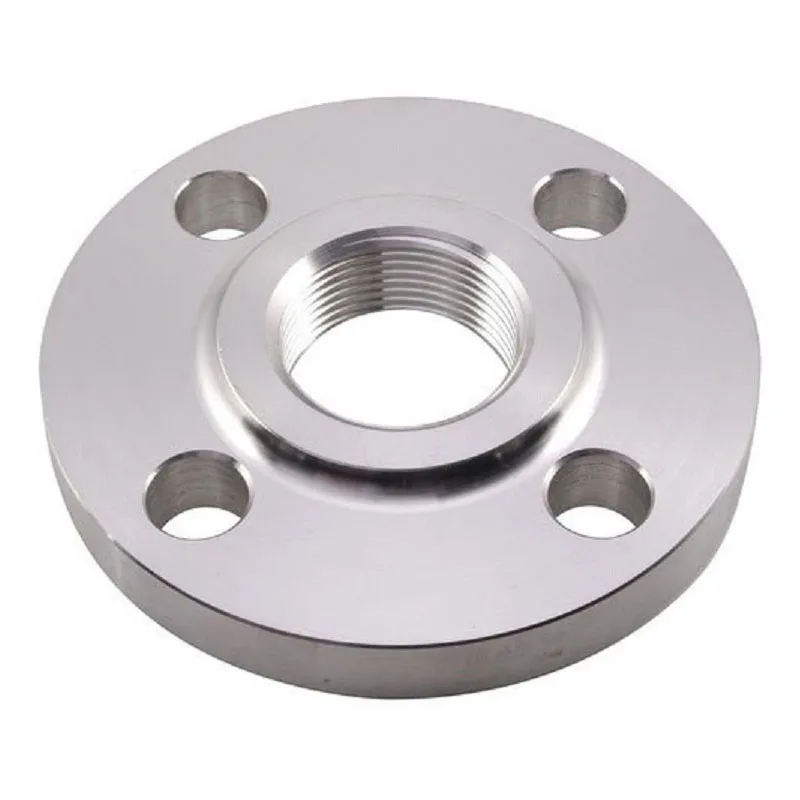 DIN 2566 Threaded flanges PN16
 -
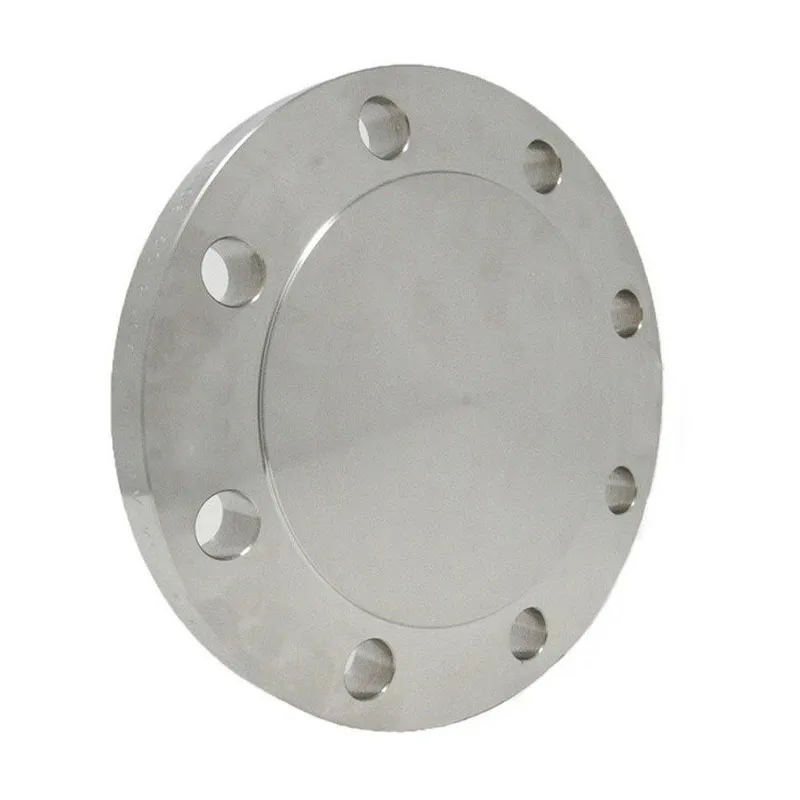 EN 1092-1 Blind flanges Type 05, PN10