
-
-
Phone
+86-13623462298



flanges steel 3
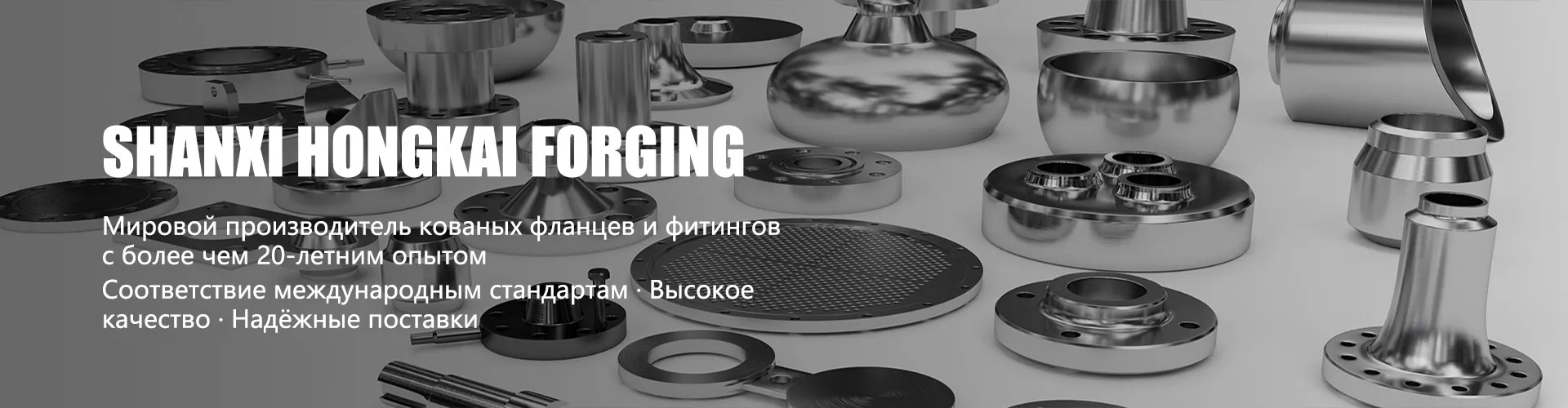
When they say “steel 3 flanges,” many people immediately think of something simple, ordinary, almost “piece of iron?” for non-critical systems. And this is perhaps the first and most common misconception. In fact, steel grade 3 (or, if in the old way, St3) is a whole layer of specificity, where the reliability of the entire harness depends on understanding its actual behavior under different conditions. I have personally encountered situations where the customer specifically demanded “steel 3”. out of habit, because “they’ve always installed it this way?”, but at the same time the operating conditions were on the verge, or even beyond the permissible limits for this brand - say, at low temperatures or in environments with increased cyclic load. It’s these practical points that are rarely written in dry reference books that I would like to speculate about.
What is actually hidden behind the steel 3 brand?
First, it's worth clearing up some confusion in the notation. In modern projects and specifications, the designation according to GOST (analogue of the old GOST 12820-80) is increasingly used - for example, a flat steel flange with a nominal bore of DN100 to PN16. And in the materials there may be ?St3sp5?. This is the ?sp? — the degree of deoxidation is already an important point. For critical welded joints, which essentially are flanges, quiet steel (?sp?) is preferable; it is less prone to the formation of cavities and cracks in the weld area. Semi-calm (?ps?) is already a compromise on price, and boiling (?kp?) for flanges, in my opinion, is not the best choice, although some manufacturers offer it to save money. You need to look at the drawing and technical specifications of the project - often it is explicitly stated there.
There is also a dependence on the thickness of the rolled product. The mechanical properties of steel 3, the same fluidity or impact strength, will be different for a sheet with a thickness of 10 mm and a forging with a thickness of 80 mm. This is critical when it comes toforged flanges, which are precisely made for increased loads or non-standard sizes. Forging gives a more uniform and dense metal structure. I remember a case at one thermal power plant, where a DN500 flange was required to repair a medium-pressure steam pipeline. We took a stamped one from a sheet from stock - it seemed to fit the brand. But after six months of work, microcracks appeared along the edges of the connecting holes. We looked into it - it turned out that the anisotropy of properties in rolled sheets played a role, cyclic temperature expansions “revealed” it. We replaced it with a forged one and the problem went away.
Here, by the way, specialized manufacturers who work specifically with forgings, and not with stamping from sheets, perform well. For example, if we takeShanxi Hongkai Forging Co.,Ltd(their website ishkflange.ru), then their description directly states that they are a manufacturerforged flangesand forgings. This is an important point. For steel 3, forging allows you to level out some of its “weaknesses”. sides, especially with large diameters. On their website you can see that their size range is up to DN4000, and for such dimensions the use of high-quality forging is often not just a recommendation, but a necessity.
Where is it possible, and where is it better not to risk it?
So, the classic and completely justified application is water pipelines, low-pressure steam (up to, conditionally, 2.5 MPa and up to 200°C), non-aggressive gases, air, ventilation systems. For these tasksflanges steel 3— a workhorse, proven over decades. But there are nuances regarding the climate. According to the same GOST 33260, the operating temperature for flanges made of carbon steel, which includes St3, is from -40 to +475°C. However, the key word is “working”. At negative temperatures below -20°C, you already need to look at the impact strength of a particular melt and, what is important, the condition of the material after machining. The cutter or press can create local stresses.
One winter in Siberia we had to install an external pipeline with St3sp5 flanges. Temperature -35°C. When tightening the studs, one of the flanges, namely its ring, cracked. Not through, but noticeable. The reason was that there was heterogeneity in the material, plus cold. Since then, for such conditions, I insist either on preheating the installation site (which is not always realistic), or on switching to alloy steels of type 09G2S, which behave better in the cold. Although, of course, it is more expensive.
Another risky point is environments with possible condensation. If the steam system is subject to frequent dew point transitions, steel 3, which is not resistant to corrosion, may begin to actively rust around the sealing surface, which will eventually compromise the seal. This involves either regular monitoring and replacement of gaskets, or, again, choosing a different material.
About standards and real supplies
Often in specifications they simply write “flange according to GOST 12821-80, steel 3”. This is, in general, enough to order. But in practice, when accepting, it is useful to look not only at the markings, but also at the certificate. It should indicate not only the chemical composition, but also the mechanical properties, and, what is very important, the results of tests for impact strength at positive and, if required, negative temperatures (KCU and KCV). Unfortunately, not all suppliers provide the full package, limiting themselves to a quality certificate with the general “complies” sign. It will do for unimportant objects, but not for important ones.
Here I return to the question of manufacturers. Large factories that work for export and with serious projects are usually more disciplined in documentation. The sameShanxi Hongkai Forging Co.,Ltdin its description it indicates that it manufactures products according to international standards (GOST, ASME, EN, etc.). This is an indirect sign that they are accustomed to strict certification requirements. This is a plus for the buyer - there is less chance of getting a “pig in a poke”. Although, of course, you still need to check. I personally saw how even from a reputable supplier in a batchflangesfor 20 pieces, one could have a barely noticeable sink on the surface under the gasket. Marriage is everywhere.
An interesting point regarding the standards: if the project requires DIN EN 1092-1, then the analogue of steel 3 will be the material P235GH (1.0345). And here it is important: you cannot simply take a flange from St3 and say that it corresponds to P235GH. What is needed is a certificate confirming the compliance of chemistry and mechanics with this European standard. Some Russian and Chinese manufacturers, including the company mentioned above, have the ability to manufacture and certify products according to these standards, which expands the scope of their products.
Non-standard situations and custom forgings
It happens that you need a flange not according to the standard DN series, but with some special arrangement of holes, non-standard thickness or with additional technological extensions. For steel 3 this is generally not a problem, but the method of manufacture makes all the difference. Cutting from a single sheet with plasma cutting is quick and cheap, but the edge quality and internal stresses will be high. Such a flange can lead? at the first warm-up.
Much more reliable in such cases is, again, forging. Manufacturer who makesforged flangescustom made according to drawings, can provide better metal structure. On the websitehkflange.ruIt is expressly stated that the company produces non-standard products according to customer drawings. In my practice, there was an order for transition flanges from DN200 to DN150 with offset axes for an old, still Soviet pumping station. Cut from a forging and CNC processed. It turned out to be more expensive, but it fit perfectly, without adjustment. And what is important is that the forging was heavier in weight than the cut analogue, which indirectly indicated the absence of internal cavities.
When ordering non-standardsteel flanges 3You always need to allow time not only for production, but also for possible adjustments to the drawing. A good manufacturer will always clarify the details: the method of processing the sealing surface (grooves, tongue-and-groove, lens gasket), the type of chamfer for welding, the need for heat treatment (to relieve stress after forging or welding). The absence of such questions is a reason to be wary.
Welding and installation: what to pay attention to
It would seem that steel 3 is one of the most weldable. But flanges have their own subtleties. The first is edge preparation. If the flange is butt welded (for example, according to GOST 12821-80), then the bevel of the edge must be made with high quality, without burrs and at the correct angle. A common mistake installers make is trying to weld without a backing ring or with a large gap, filling everything with electrode. This leads to large internal stresses and possible deformation of the flange, which then prevents the holes from aligning.
The second is the choice of electrodes. For critical seams, it is better to use electrodes with a basic coating (UONII type), they provide a more ductile and crack-resistant seam. But they also require more careful preparation and calcination. For installation ?in the field? Rutile ones are often used; they are easier to use. But here it is important to remember that the strength of the welded joint must not be lower than the strength of the base metal. After welding, especially with large thicknesses, it would be a good idea to carry out at least a visual inspection of the seam and, if possible, a hardness test in the heat-affected zone.
And third, the simplest, but often ignored, is puffing. Bolts/studs must be tightened crosswise, using a torque wrench, with the force specified in the project or according to the standard. Over-tightening a steel 3 flange can lead to surface collapse or, worse, the development of residual stresses, which, combined with operating loads, will lead to a fatigue crack. I saw the consequences of such constriction on the flanges of the air duct - a crack started from the hole for the stud and went to the end.
Instead of a conclusion: is it worth taking steel 3?
A question for which there is no universal answer. Worth it, but wisely.Flanges steel 3- this is not an outdated option, but a completely relevant solution for a huge array of engineering problems. Their advantage is availability, proven manufacturing and installation technology, and predictable behavior under normal conditions. The key word is “staff”.
If your project falls within standard parameters for pressure, temperature and environment, if there are no extreme climatic conditions or cyclic shock loads, then choosing steel 3 will be economically and technically justified. Especially when it comes toforged flangesfrom a trusted manufacturer who ensures proper quality control at all stages - from the selection of workpieces to finishing.
If in doubt, it is better to play it safe: consult with a technologist, perhaps make a strength calculation for specific conditions, or consider alternatives made from low-alloy steels. In the end, the flange is not a part that is worth saving on if the cost of a possible accident is many times greater than the difference in cost between St3 and 09G2S. Working with metal teaches that the reliability of a system is always determined by its weakest link. And the task of the engineer or installer is to make sure that this link does not become, among other things, a seemingly simple flange made of steel 3.
Correspondingproducts
Related Products
Best Sellingproducts
Best Selling Products-
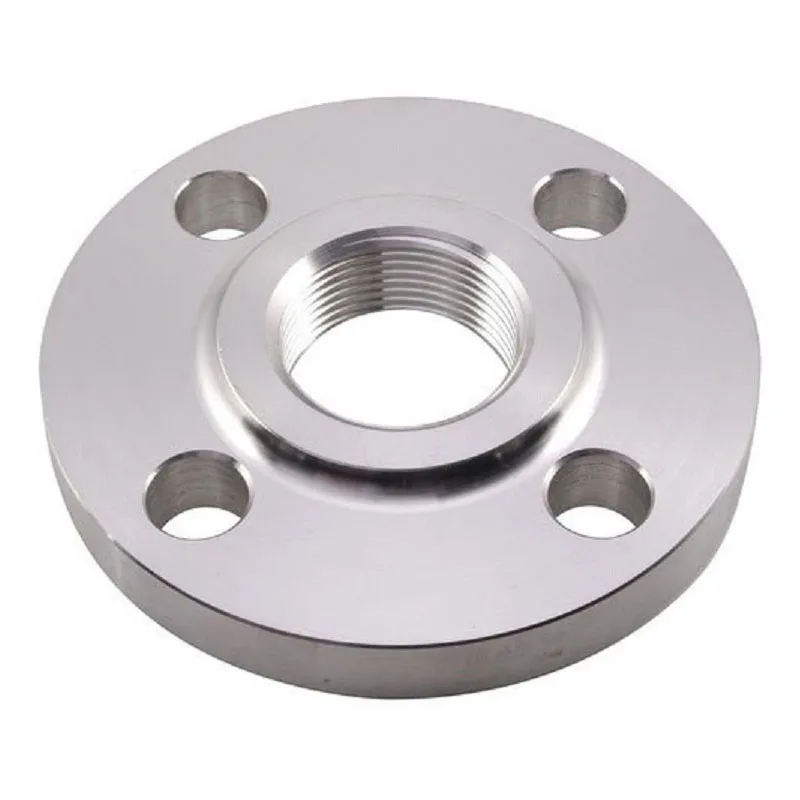 DIN 2566 Threaded flanges PN16
 -
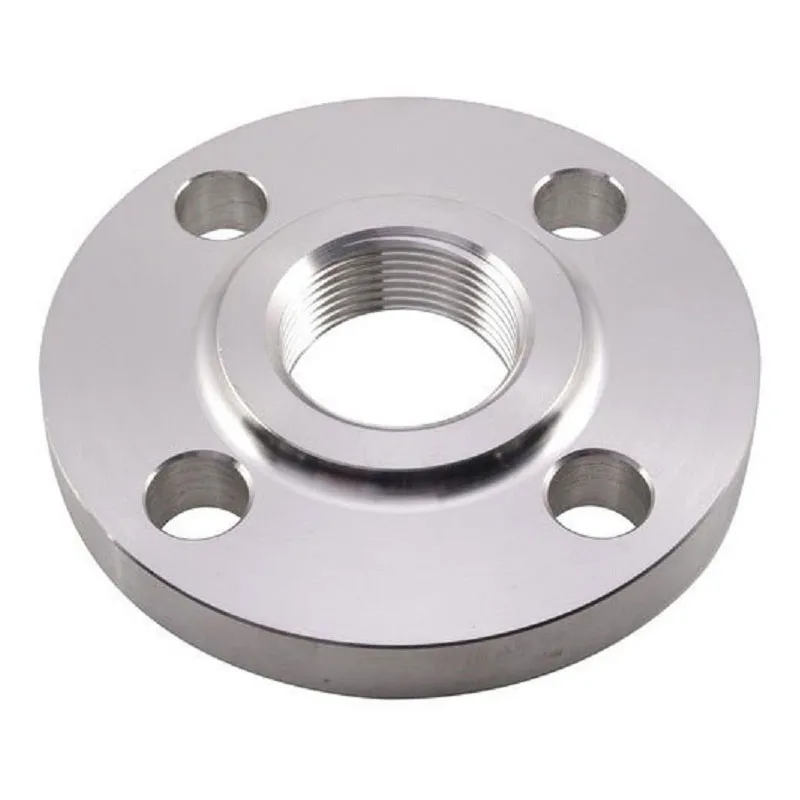 EN 1092-1 Threaded flanges Type 15, PN16
 -
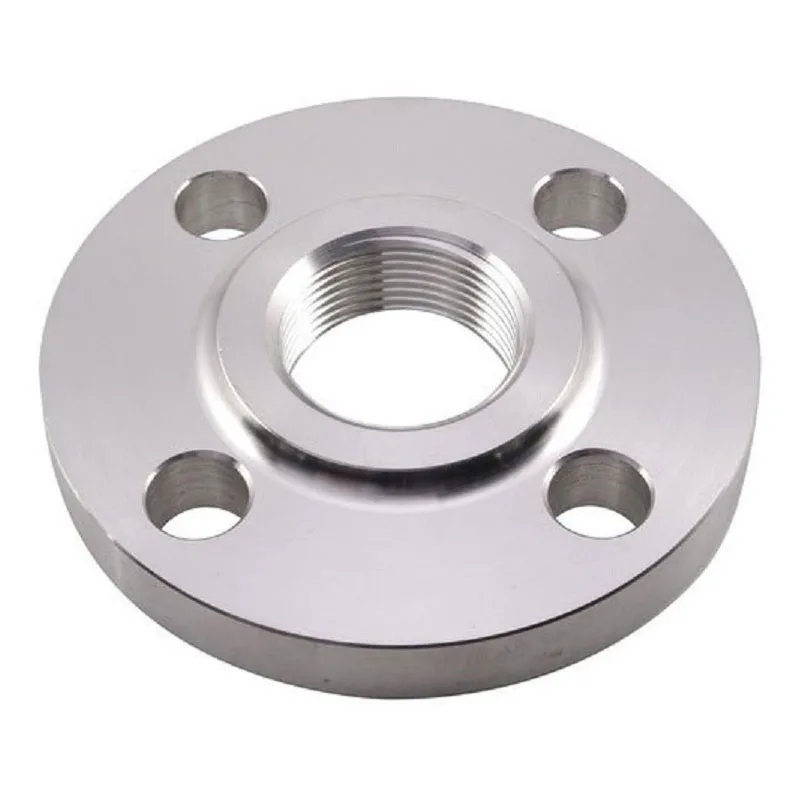 JIS 10K Threaded Flanges
 -
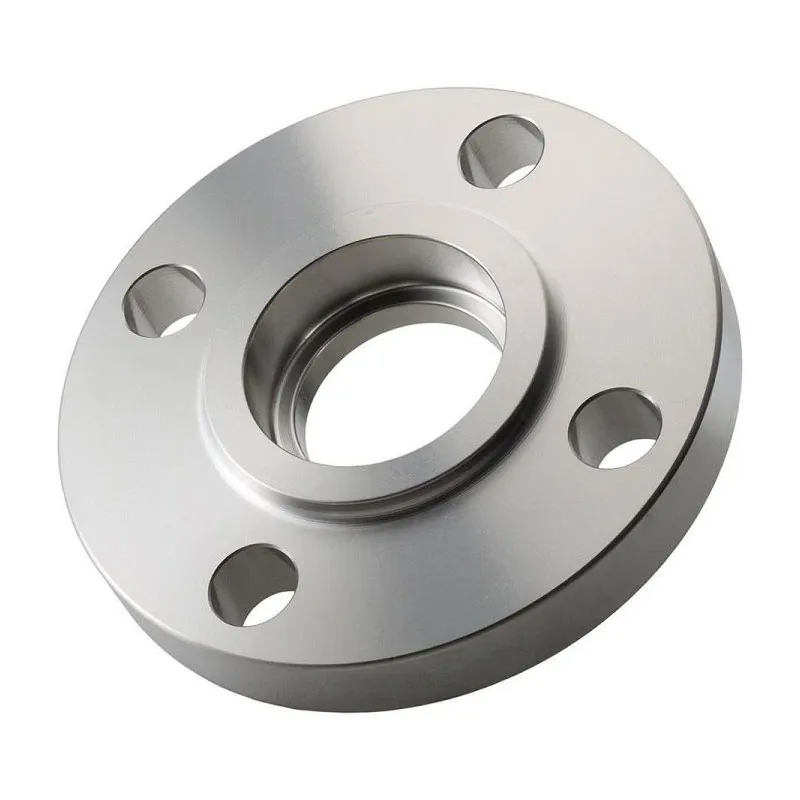 ANSI B16.5 Socket Weld Flanges Class 150
 -
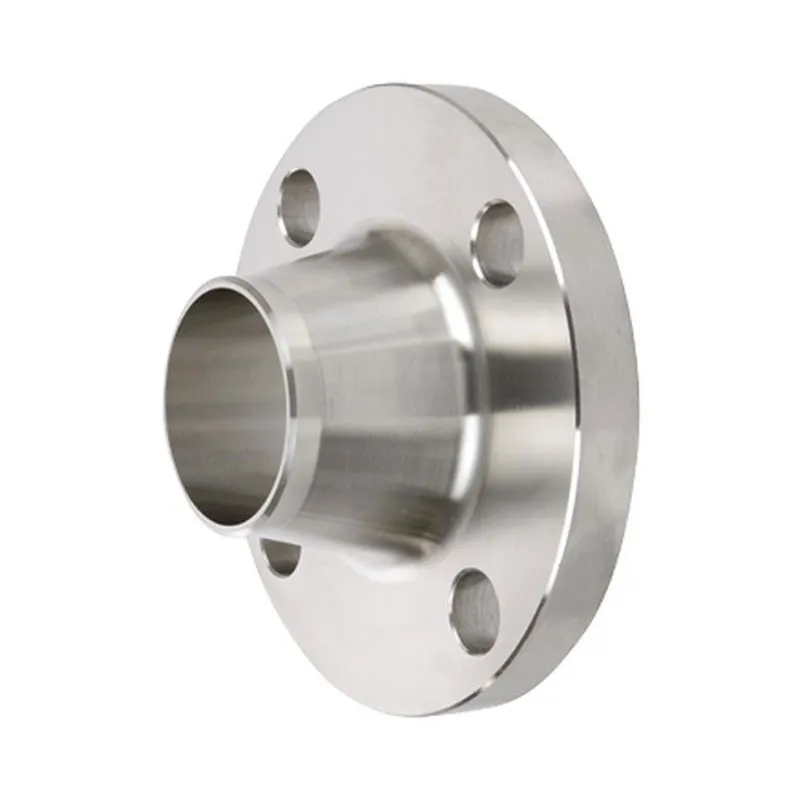 Ser.A Butt Weld Flanges Class 400
 -
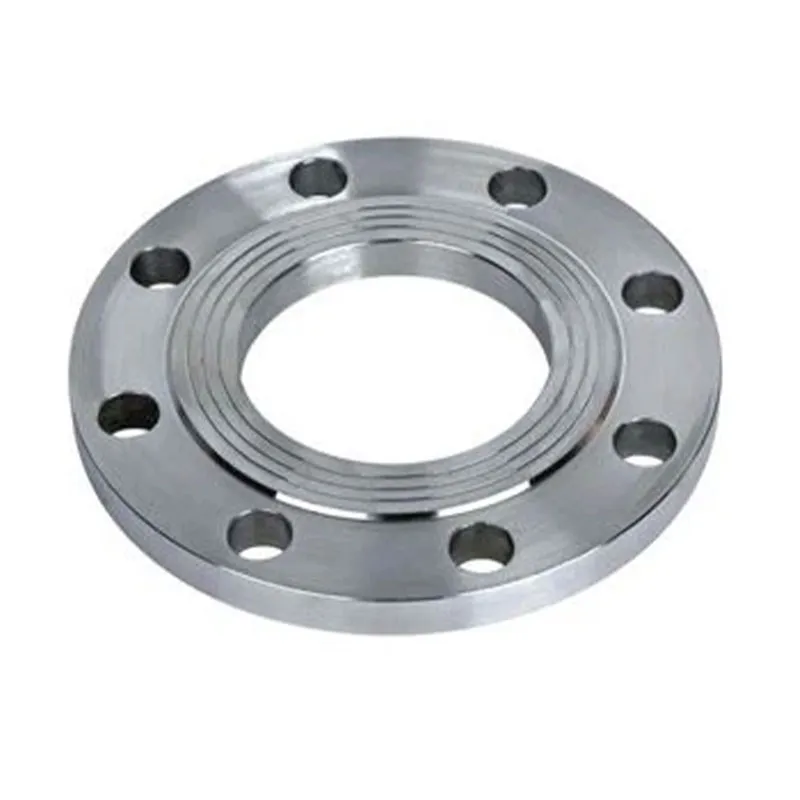 Butt weld flanges Class 150
 -
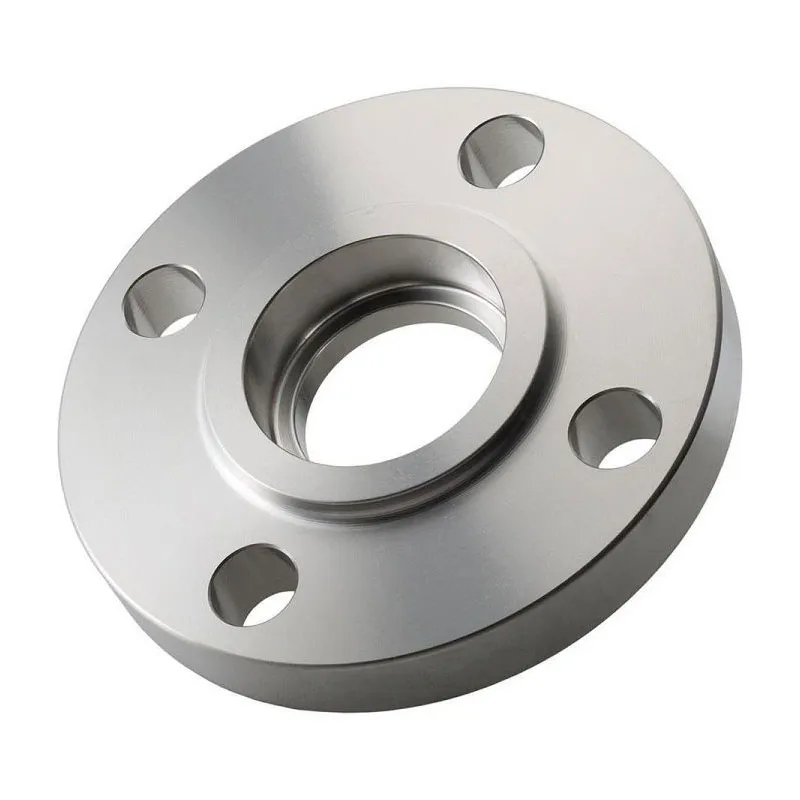 ANSI B16.5 Socket Weld Flanges Class 1500
 -
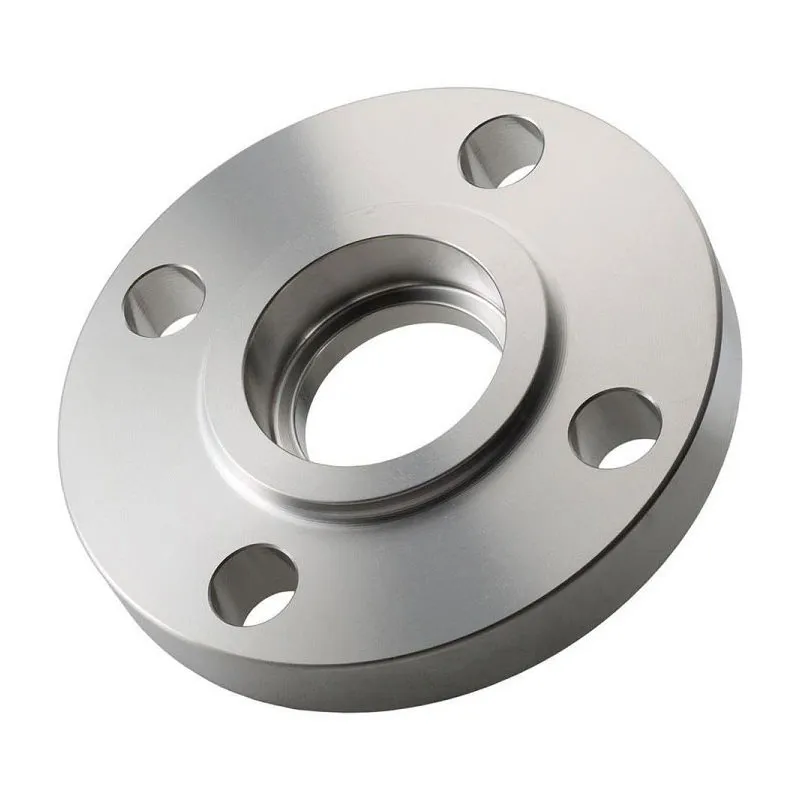 Flanges for socket welding
 -
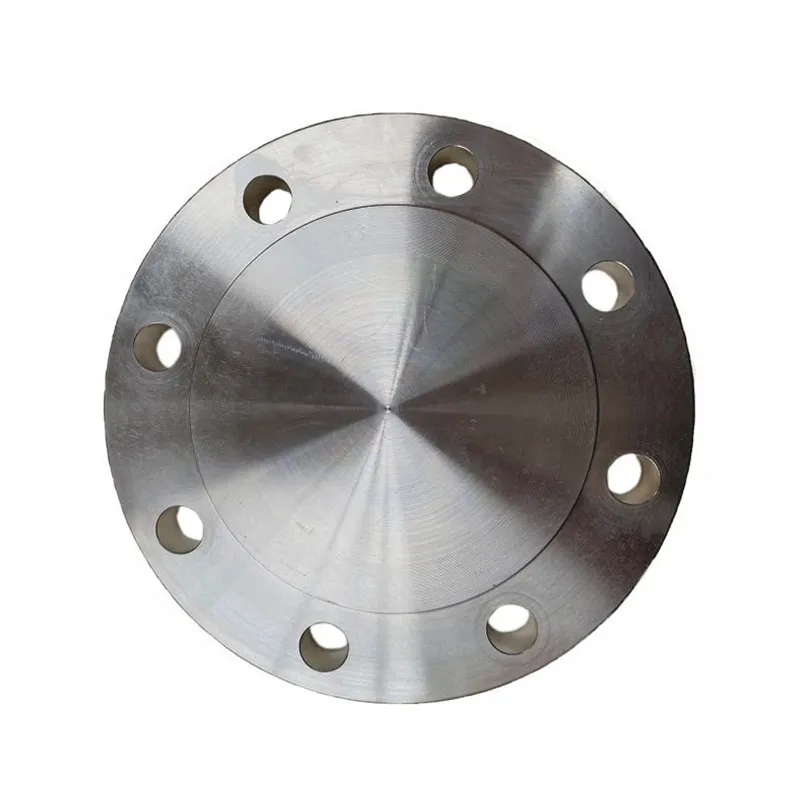 DIN 2527 Blind flanges PN10
 -
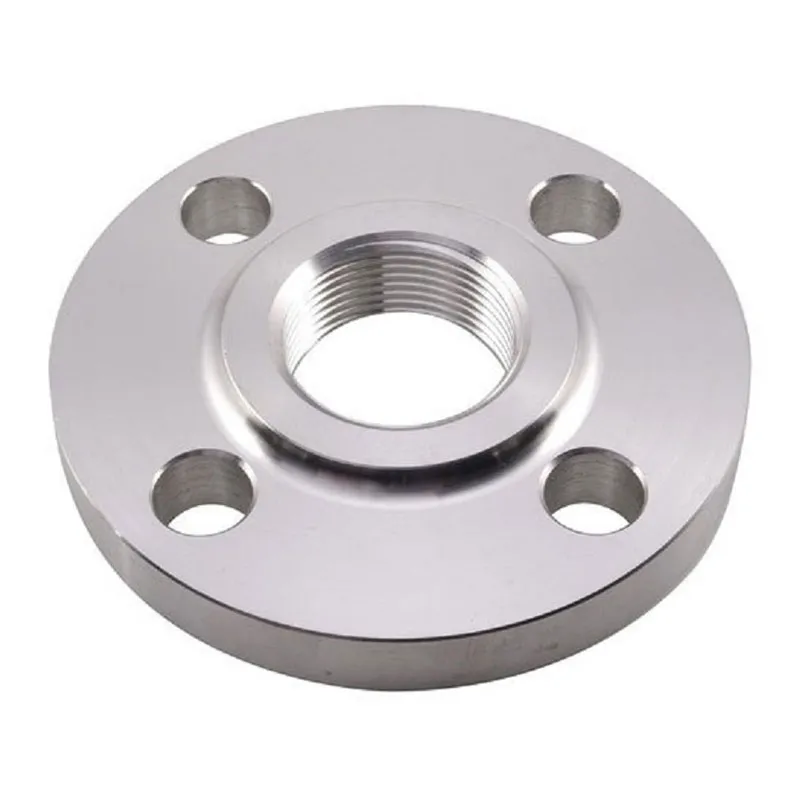 JIS 10K Overlay flanges
 -
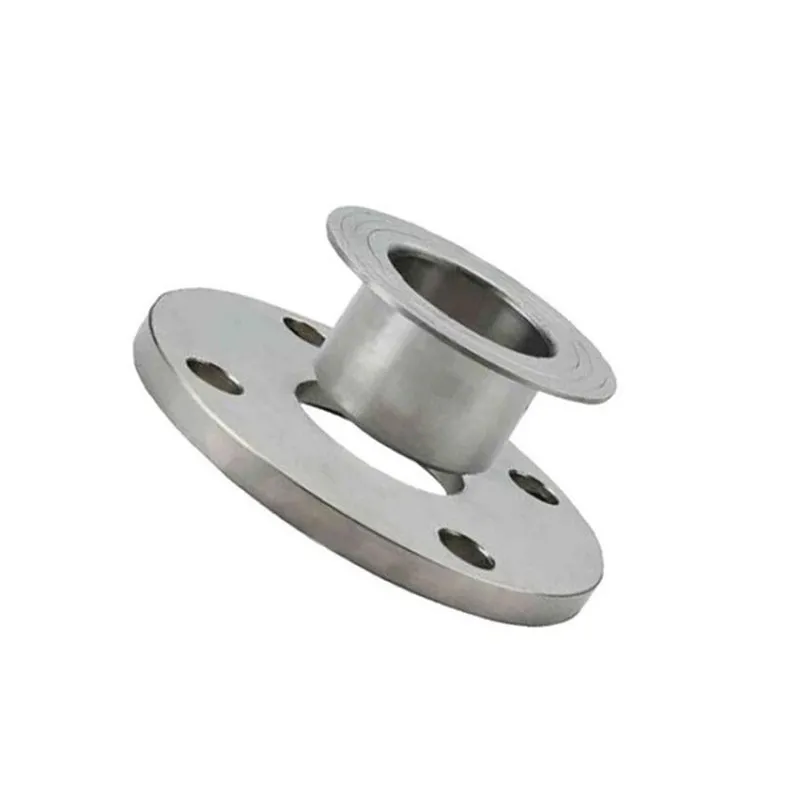 JIS 10K Loose Ring Flanges
 -
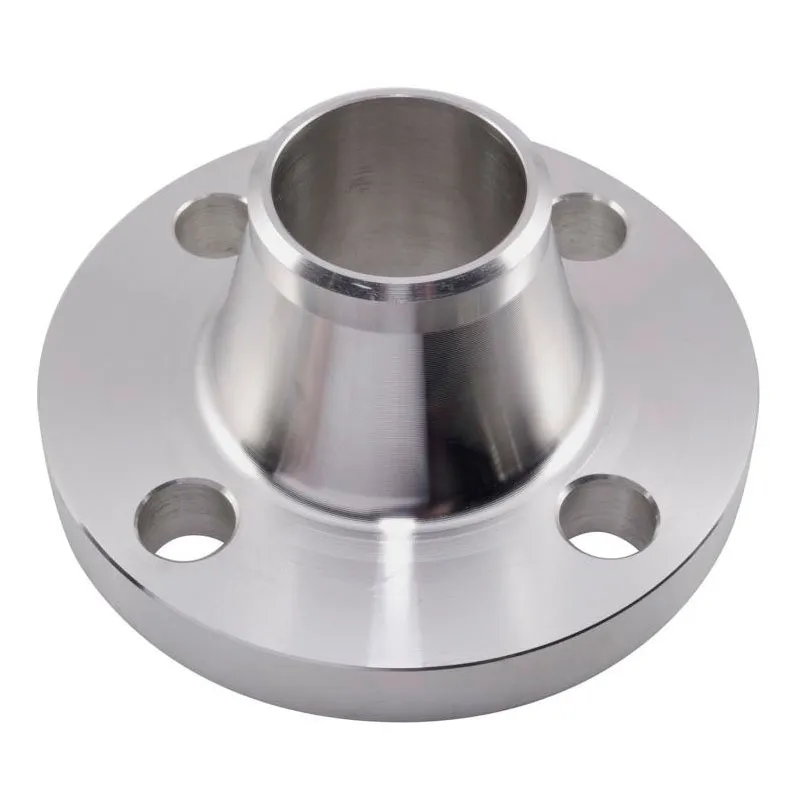 DIN Butt weld flanges PN10