
-
-
Phone
+86-13623462298



flanges 300 16
When they say “flanges 300 16?”, many people immediately think about PN16 and a nominal diameter of 300 mm. But this is where the first pitfall lies - a pressure of 16 bar at 20°C is one thing, but at 300°C it’s a completely different story with materials and calculations. Often customers simply ask for “according to GOST”, but do not always take into account that the standard itself is a minimum, and the actual operation of the valve or pipeline depends on a bunch of nuances: from the quality of forging and heat treatment to the geometry of the sealing surface. It is these details that are not in the specification, but in practice, that I would like to talk about.
The numbers in the designation are not the whole truth
Let's take exactlyflanges 300 16. According to GOST (aka EN 1092-1) this is a type 01 flange with a nominal pressure of PN16 and DN 300. It would seem that everything is clear. But here’s the point: if it’s for steam, then the material should already be at least 20GML or 13HFA, and not the usual St20. And if the environment is aggressive, then you really need to look towards 12Х18Н10Т. And this is just the beginning. Often in technical specifications they simply write “steel flange”, and then at the site questions arise about resistance to cold flow or impact strength at sub-zero temperatures. I myself found myself in a situation where a batch that formally complied with the standard developed cracks along the body of the flange during testing precisely because of the non-optimal normalization regime after forging.
Another nuance is the design of the sealing surface. For PN16, most often this is design B (tongue-to-groove) or C (tenon-groove). But if it is connected to the equipment of an old park, where there is a flat surface, there can be a literal inconsistency. We had to urgently look for adapter rings or resharpen the flanges themselves, which, of course, is not the best practice. Therefore, now I always clarify: “What will it be connected to?” And not just a name, but I ask for a sketch or photo of the connection.
By the way, about the sizes. DN 300 is approximately 315 mm along the outer diameter of the pipe. But the thickness of the pipe wall varies, and accordingly, the internal diameter of the flange must correspond to it. Sometimes they sent flanges where the hole for the pipe was designed for a wall of 8 mm, but we have a pipe with a wall of 12 mm. I had to bore it. It might seem like a small detail, but it’s a headache for installers, and it’s a headache for designers. So a dimensional drawing with a complete dimensional chain is sacred.
From the blank to the finished product: where the risks lie
Flange quality starts with the forging. A lot depends on the manufacturer here. For example, I worked with productsShanxi Hongkai Forging Co.,Ltd(their website ishkflange.ru). They position themselves as a manufacturer of forged flanges and forgings from one of the centers of the forging industry in China. Importantly, they emphasize forging rather than cutting from sheet metal. Forflanges 300 16This is fundamental: when forging, the metal fibers flow around the contour and are not cut, as when cutting, which gives better mechanical properties, especially under cyclic loads. Their product range includes a full range, including DN 300, and work in accordance with GOST, ASME, EN.
But even a reputable manufacturer has points to control. For me personally, the key stage is heat treatment (normalization). It should relieve internal stresses after forging and provide a uniform fine-grained structure. How do you check? Not only by certificate, but also by hardness on the surface and in the body, and, if possible, by macrosection. Once we received a batch where the hardness was normal, but during ultrasonic testing we discovered inhomogeneities - probably uneven heating in the oven. I had to return it. The manufacturer, by the way,Shanxi Hongkai Forging Co.,Ltd, in such non-standard situations, is often ready to meet halfway and organize additional control, which speaks in their favor.
And of course, mechanical processing. What is important here is the accuracy of the holes for the studs, the alignment, and the roughness of the sealing surface. For PN16, the roughness Ra is usually 3.2-6.3 µm. If it is rougher, the gasket may not provide a tight seal; if it is smoother, it may “catch”. I have seen cases where the flange was ideal in size, but when tightened, the gasket package tore due to micro-irregularities that are not visible to the eye. Therefore, now I always ask for a passport with a protocol for monitoring critical surfaces, and not just a general certificate of conformity.
Assembly and installation: theory versus practice
Let's say the flange is perfect. But editing is a different story. Studs forflanges 300 16— there should be 12 of them according to GOST 33259. But what kind of studs? Strength class 5.6, 8.8? They need to be tightened with a torque wrench to a certain torque, crosswise. In practice, they are often hammered with a sledgehammer or pulled “all the way?”, which leads to distortion and uneven load. The result is a leak not immediately, but after six months of operation, when the weak point reveals itself due to vibration and thermal expansion.
Gaskets are also a whole science. For PN16 and DN 300, paronite or spiral-wound are often used. But if the medium is oil at a temperature above 100°C, paronite can swell and collapse. At one site we had to change the entire line of gaskets to graphite ones, although the flanges were in order. This is about the question of what needs to be considered as an assembly, and not as a separate part.
And the most unpleasant surprise is different standards in one node. It happens that our GOST flange comes with equipment with a flange according to ASME B16.5. Nominally, both there are Class 150 and here PN16 - the pressures are close. But the geometry of the holes and the diameters of the bolt circles are different! You can't dock directly. You have to use adapter plates or order non-standard adapter flanges. This is where the ability of the manufacturer comes in handy, the sameShanxi Hongkai Forging Co.,Ltd, make products according to customer drawings. We sent them a sketch of such an adapter, and they made it, taking into account the material of both original flanges for the correct selection of steel.
Non-standard situations and conclusions
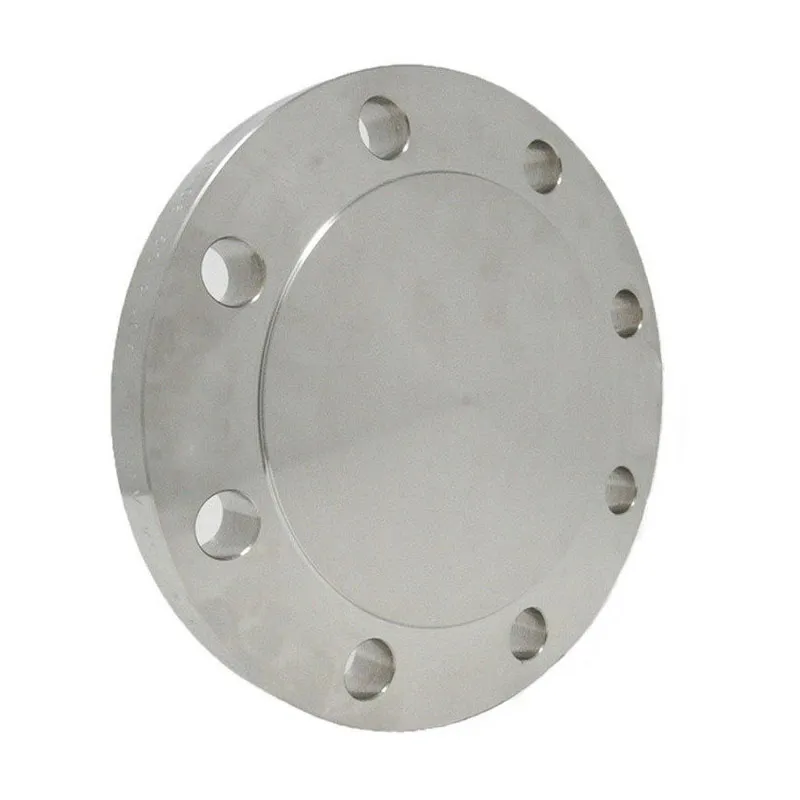
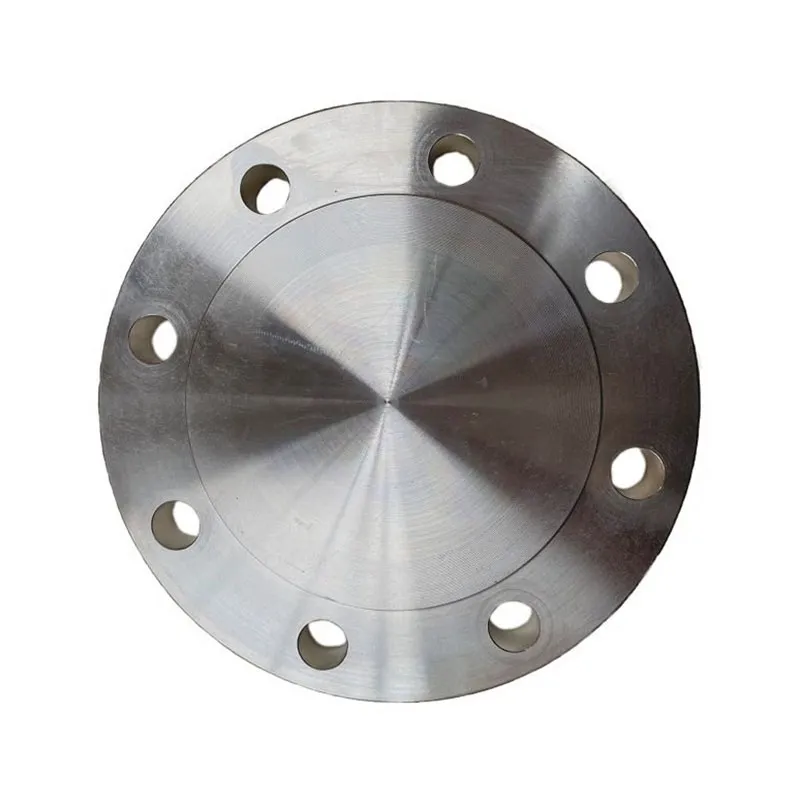
Sometimes it's not just necessaryflanges 300 16, but with some addition. For example, with a welded shell for a specific wall thickness, or with an anti-corrosion coating for outdoor installation. Or even a blank flange (blind flange) to the same standard for cutting off the line. Here you can’t do without a direct dialogue with the manufacturer’s technologists. You need to clearly understand for what conditions: maximum/minimum temperature, environment, load cyclicity. Once we ordered coated flanges on a turnkey basis, but did not specify that there would be constant contact with the marine atmosphere. The coverage lasted for a year. Now we always discuss this point separately.
What's in the bottom line?Flanges 300 16is not just a product item in a catalogue. This is a unit that requires a comprehensive view: from the chemistry and mechanics of steel, through control of all stages of manufacturing, to proper installation, taking into account all adjacent elements. Choosing a manufacturer who not only sells, but actually produces and is responsible for the cycle, likeShanxi Hongkai Forging Co.,Ltd, is critically important. Their experience in forging and a wide range of sizes (up to DN4000) and standards allow them to cover most tasks, but this does not eliminate the need to delve into the details from their own, operational side.
Therefore, my advice: never limit yourself to the request “flange 300-16 GOST”. Create a technical specification that includes the material, a drawing with dimensions, working conditions, type of seal, and even the preferred packaging method to preserve the surface during transportation. This will save a lot of time and nerves on site. It has been tested more than once, including on those same flanges for DN 300.
Correspondingproducts
Related Products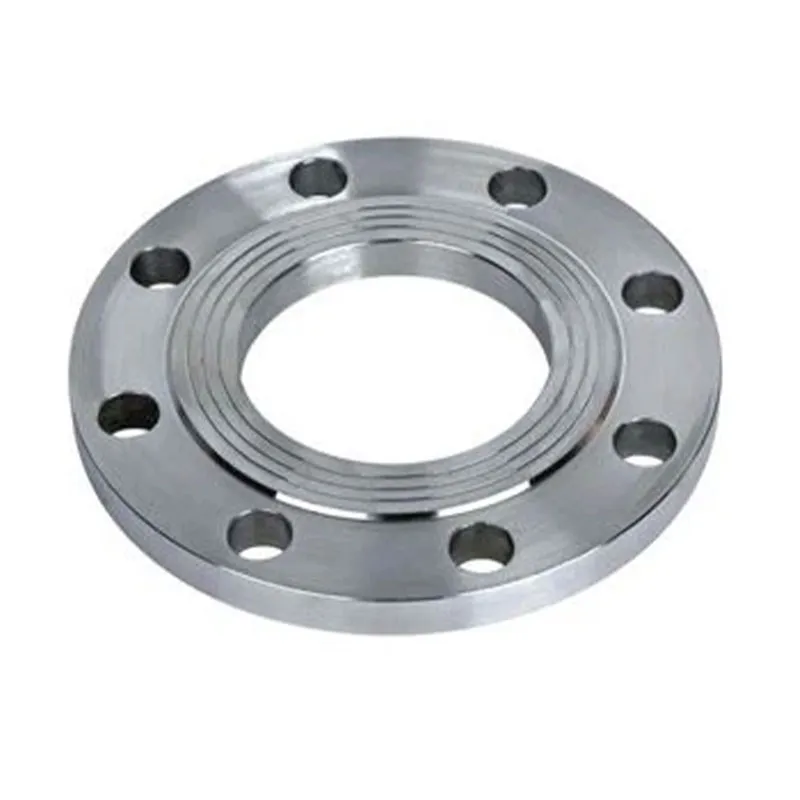
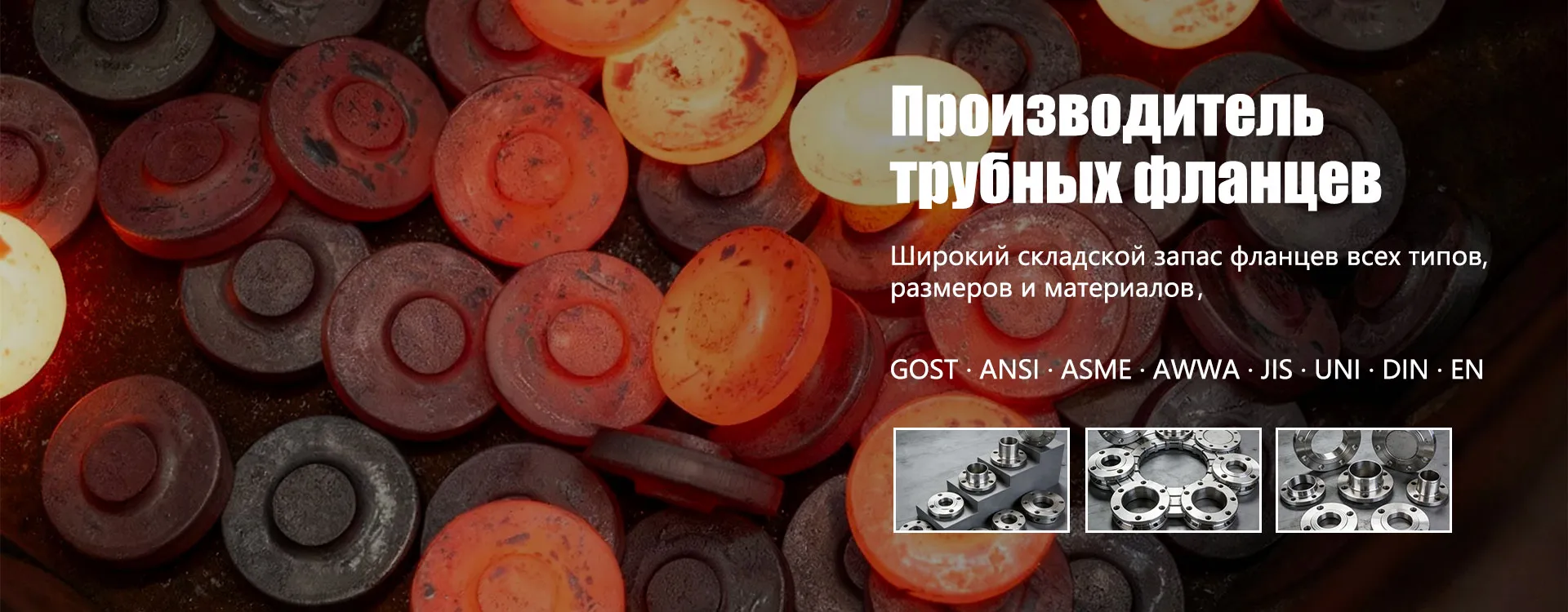
Best Sellingproducts
Best Selling Products-
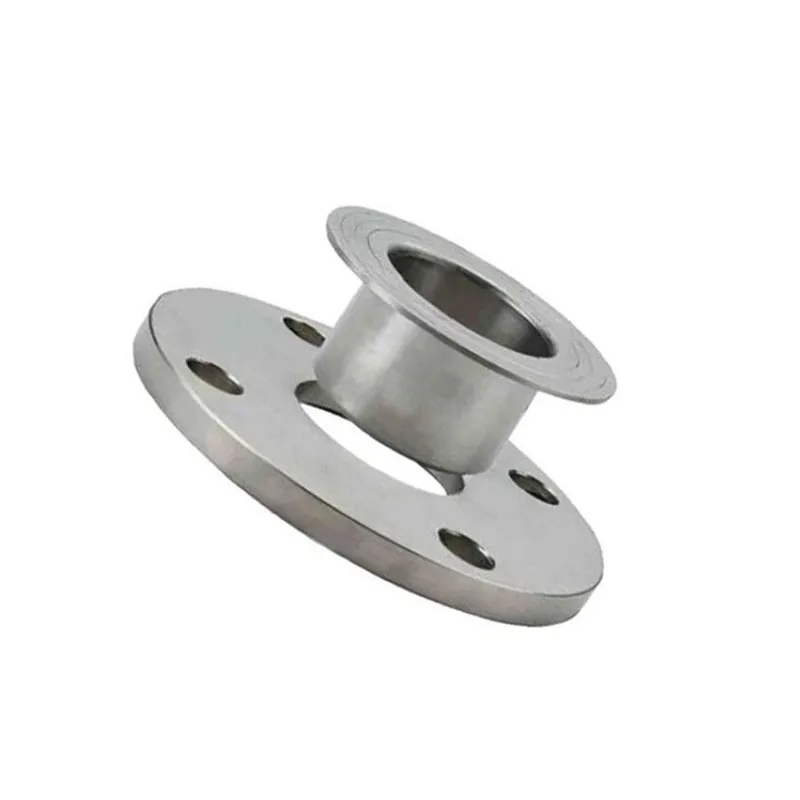 Free ring flanges Class 400
 -
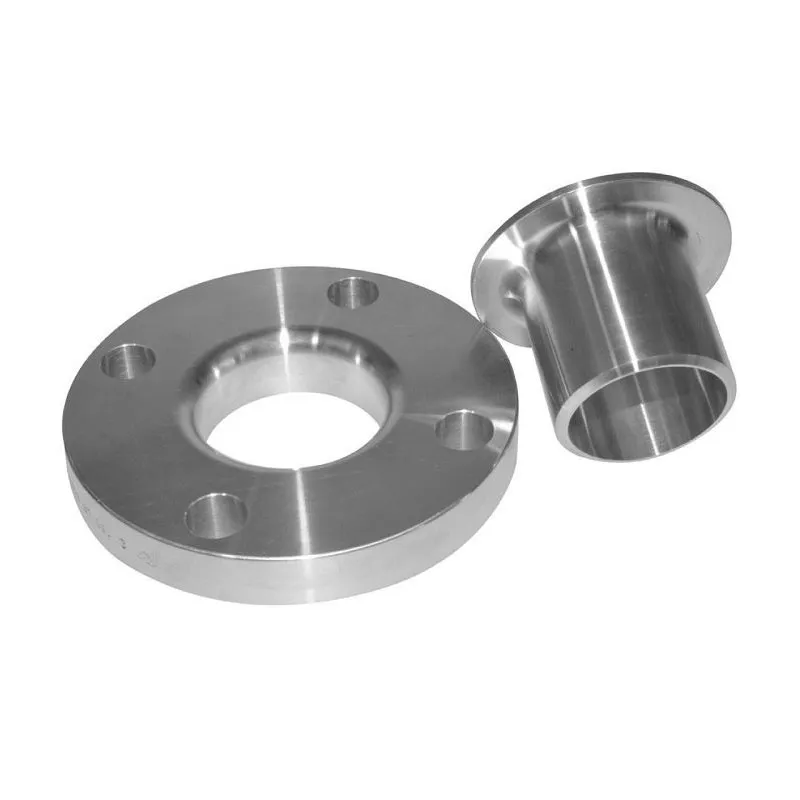 ANSI B16.5 Loose Ring Flanges Class 2500
 -
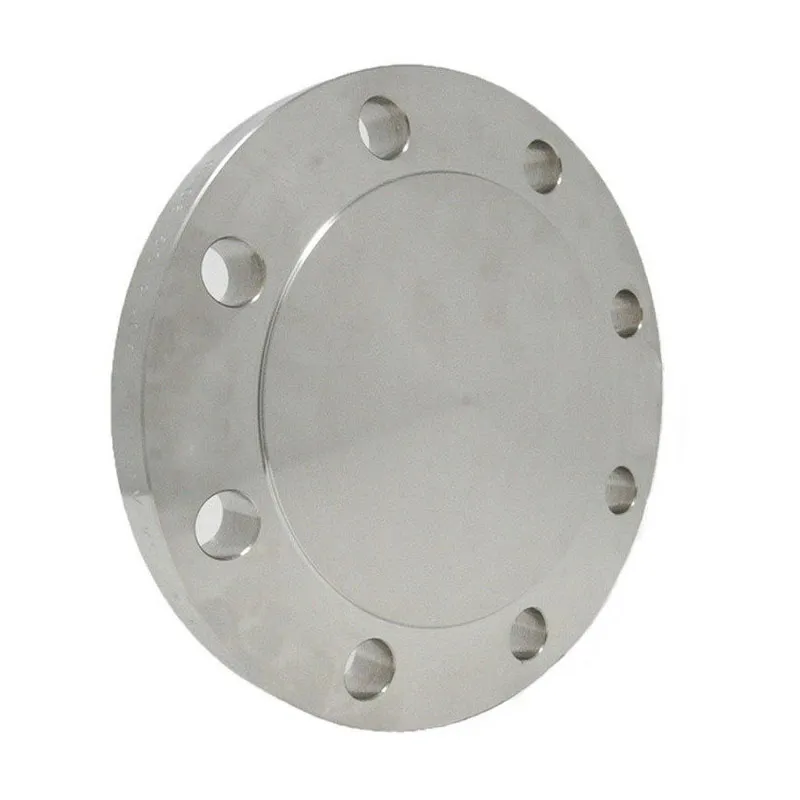 AWWA Blind Flanges Class D (Tables 1, 2, 3)
 -
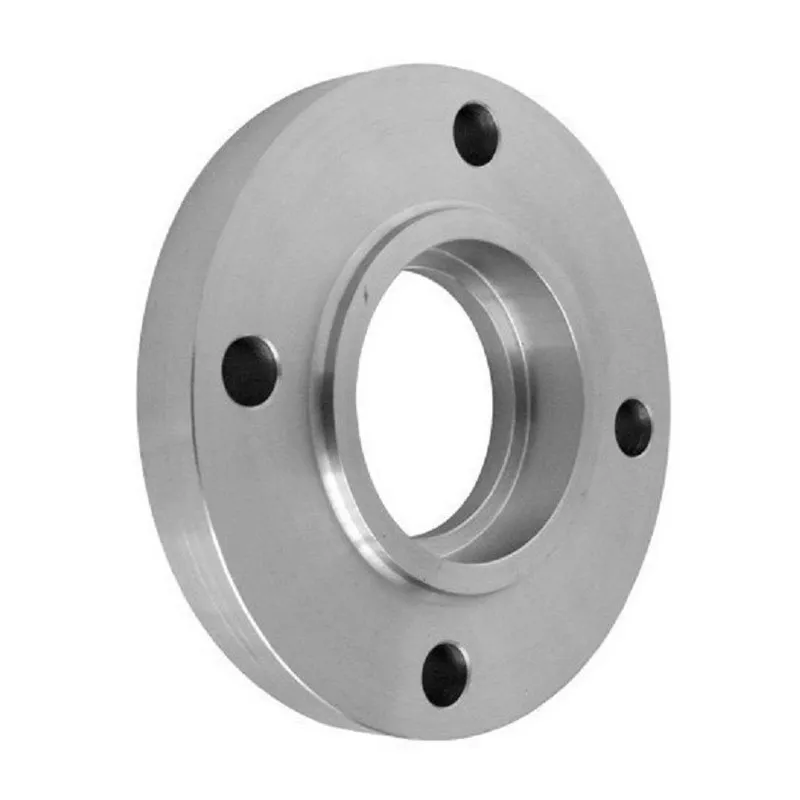 JIS 5K Socket Weld Flanges
 -
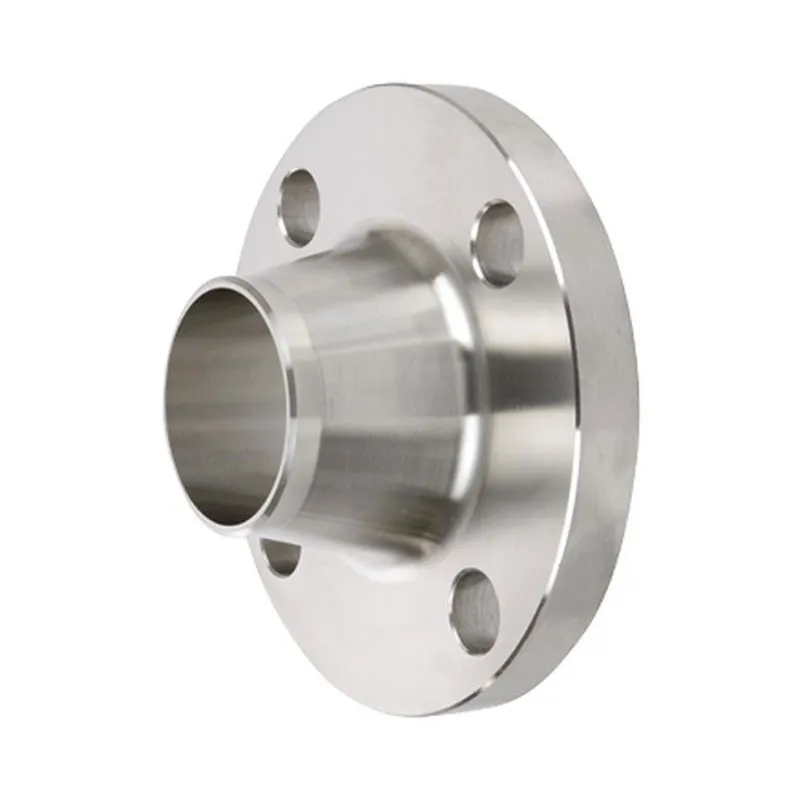 Ser.A Butt Weld Flanges Class 400
 -
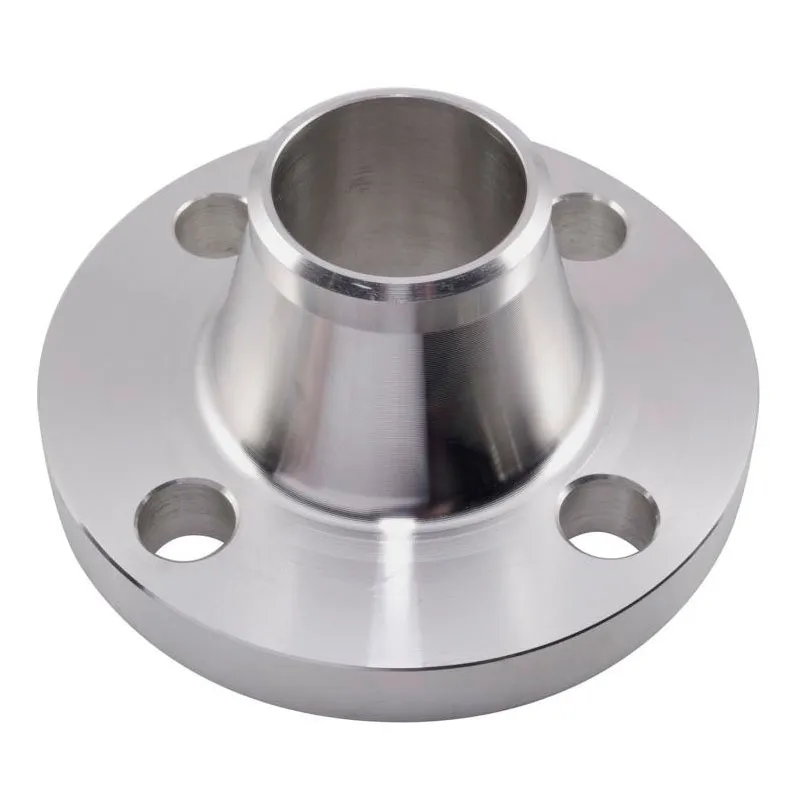 DIN Butt weld flanges PN10
 -
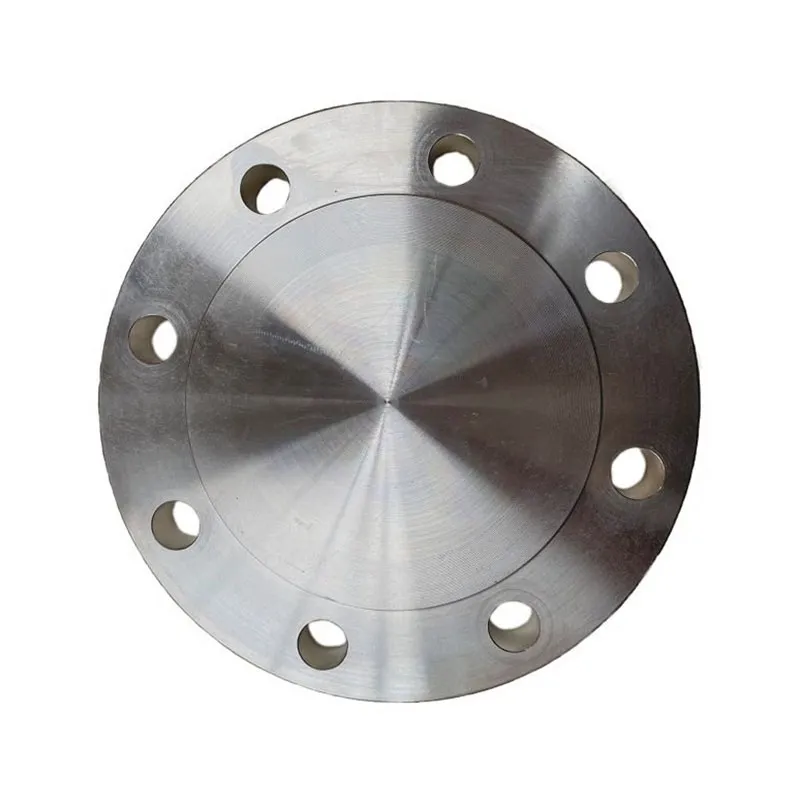 UNI 6092 Blind flanges PN10
 -
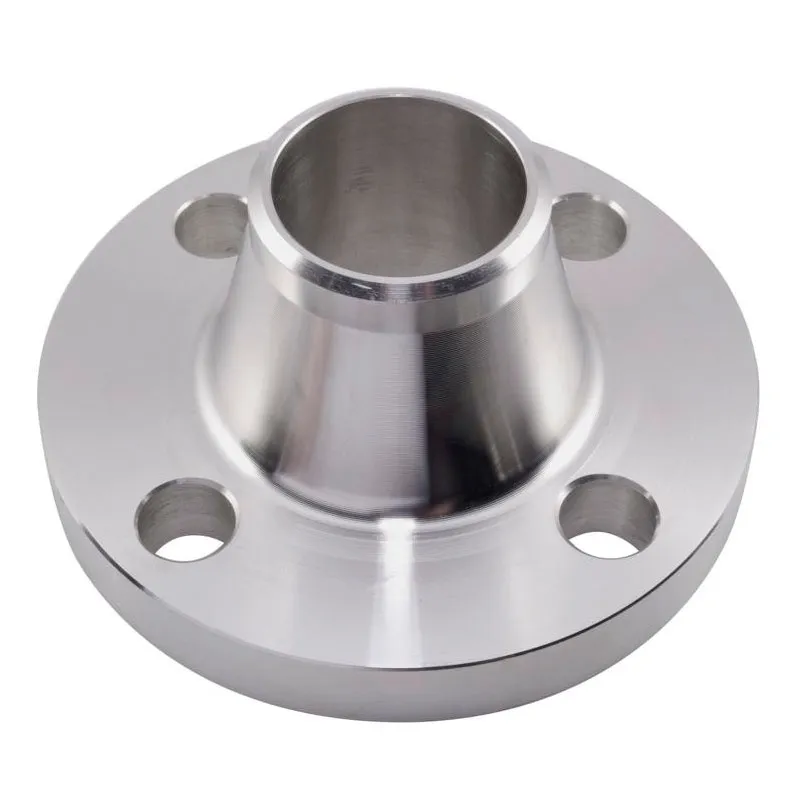 Butt weld flanges Class 900
 -
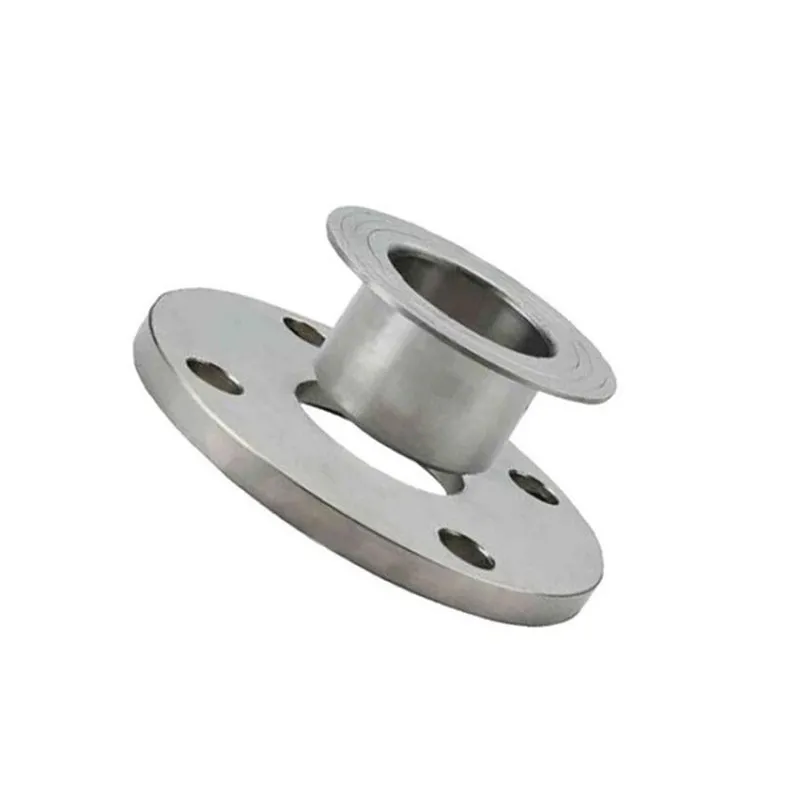 JIS 10K Loose Ring Flanges
 -
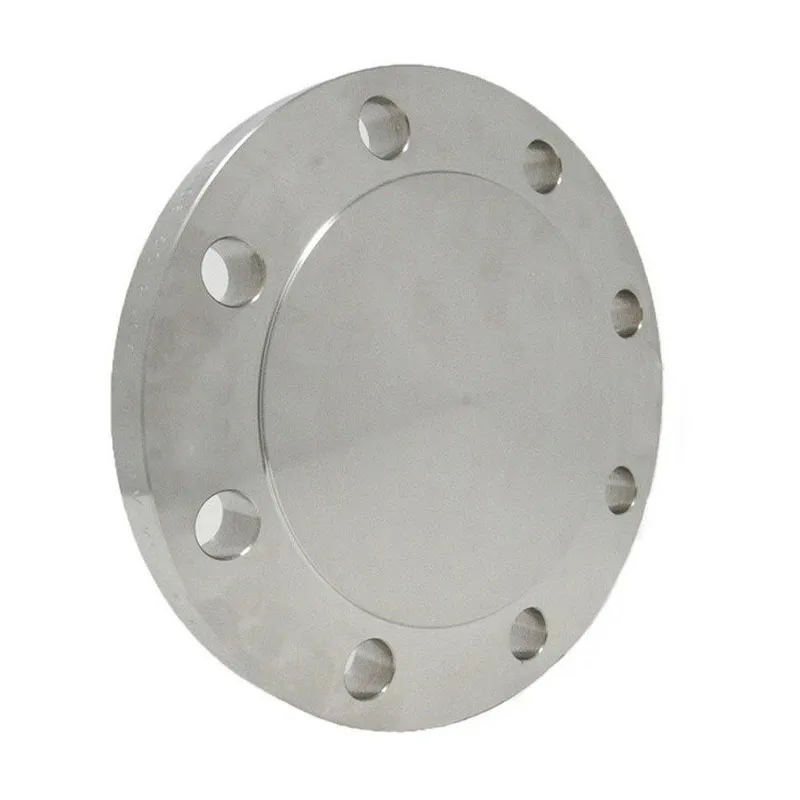 EN 1092-1 Blind flanges Type 05, PN10
 -
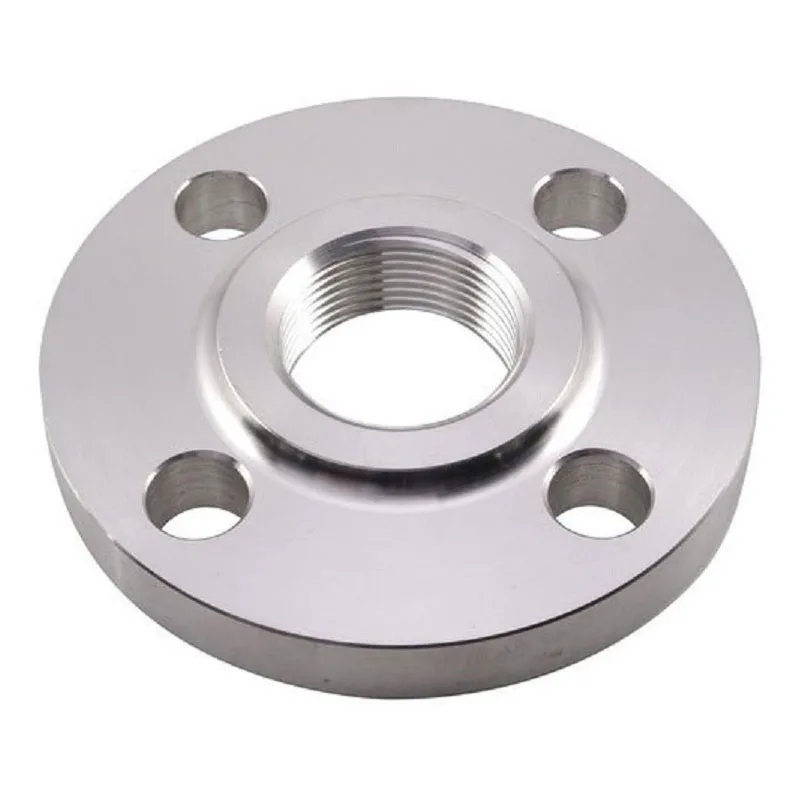 JIS 10K Threaded Flanges
 -
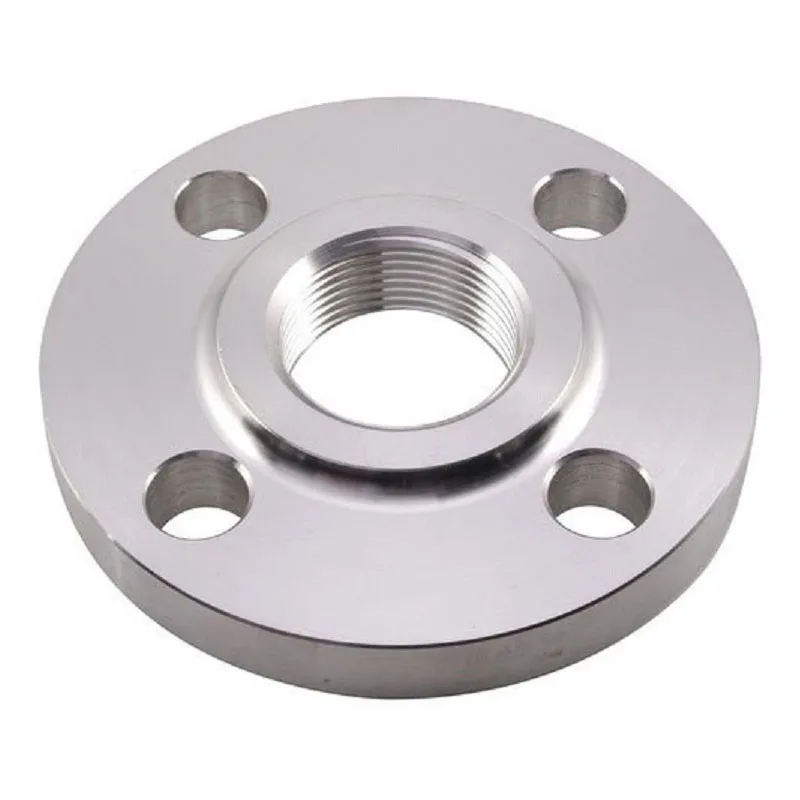 DIN 2566 Threaded flanges PN16