
-
-
Phone
+86-13623462298



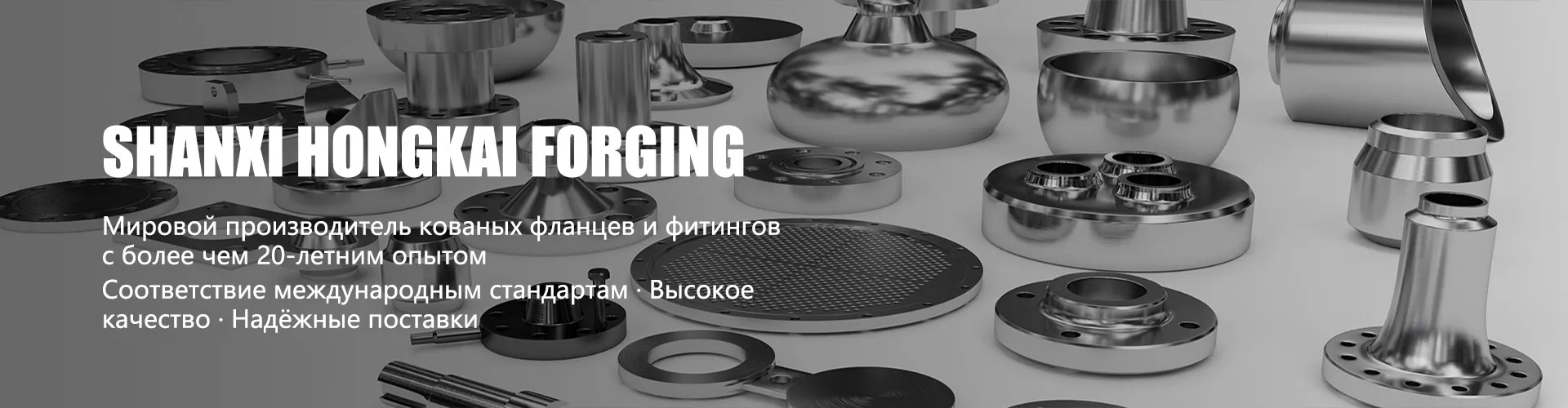
flanges 12815 80
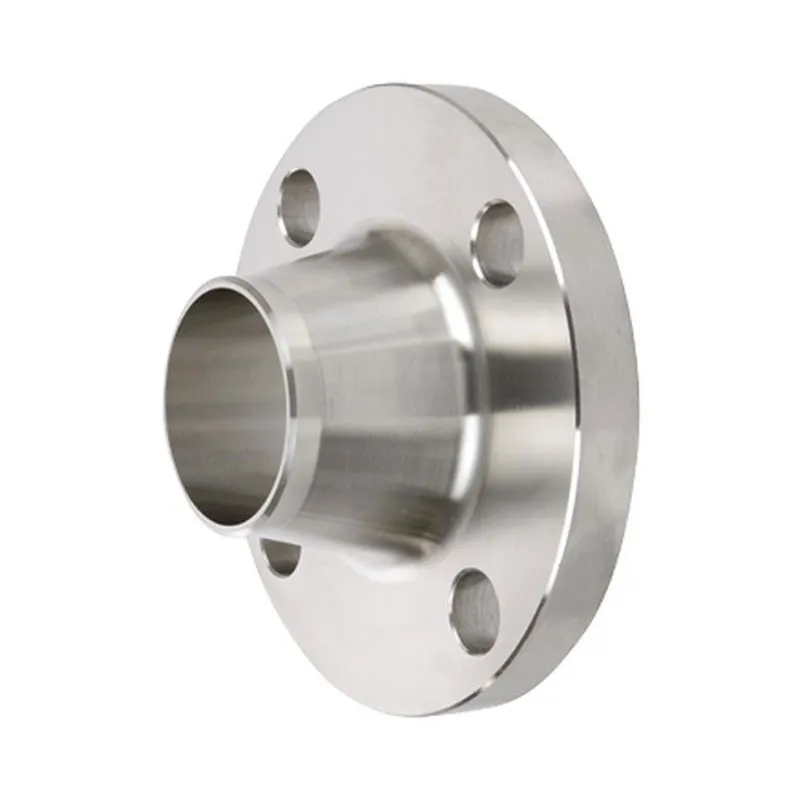
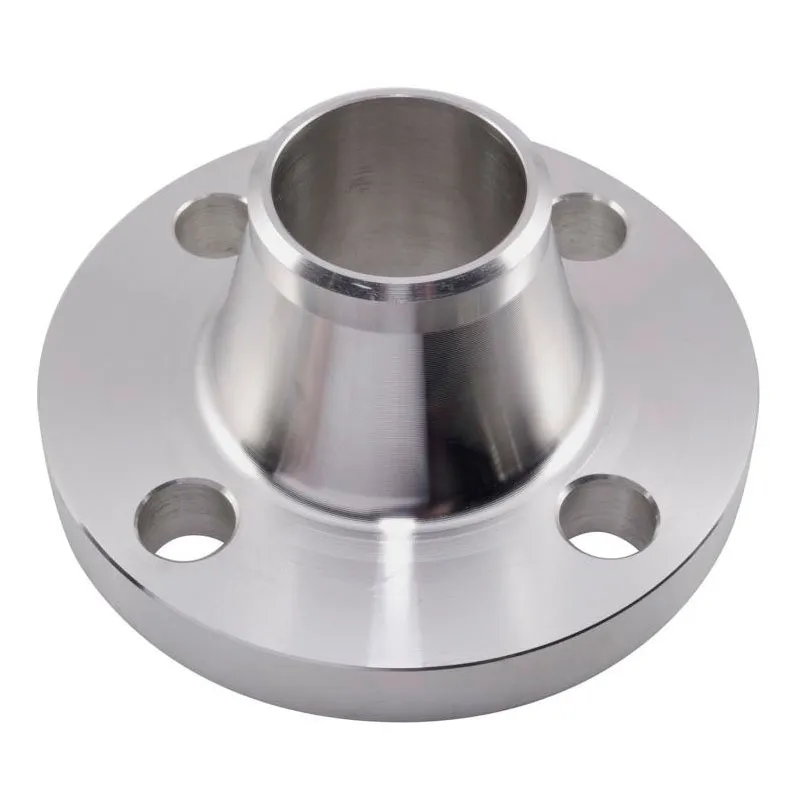
Look at the markingsflanges 12815 80and it is immediately clear that we are talking about GOST 12815-80. But here's the catch - many people think it's one specific flange. But in fact, this is a whole standard, and one of our main ones, which coversbutt weld flangesfor pressure from Ru 0.1 to 20 MPa. And when the customer says “give me a flange according to 12815-80 for DN 100?”, this is not enough. We also need to clarify the design - there are several of them, from 1 to 9, for different compaction conditions. This is where people often get caught, especially when the drawings are old or not very well drawn up.
Let's take GOST 12815-80 apart
The standard itself is a classic. Designs 1 and 2 with a connecting protrusion, 3 and 4 with a protrusion and a recess, 5 and 6 with a tongue and groove... Each has its own gasket. If the project specifies ?sp. 1?, and you put ?sp. 2?, because it was not in stock, may cause problems during crimping, especially at high pressures. I personally encountered when, during the repair of a heating main at 16 atmospheres, they installed what was available, and not what was needed. Then I had to digest it.
What else is important is the material. The standard prescribes steel, but specific grades - already in accordance with GOST 12816 or other standards for materials. And this is where the room for maneuver, and sometimes for mistakes, begins. For ordinary media (water, steam), St20 is often used. But if the environment is aggressive or low temperatures, you need 09G2S, 12Х18Н10Т and the like. And if a manufacturer skimps and makes everything out of St20, passing it off as corrosion-resistant, this is a direct path to an accident. Therefore, you always require certificates for the material, especially when you purchase a batch.
And the size range... From DN 10 to DN 1600. But with large diameters, especially for high pressure, it’s a different story. This is no longer just stamping, but more often forging to ensure the desired metal structure. And not every plant does this efficiently. I saw samples where hairs appeared on a flange for DN 500, PN 6.3 MPa after mechanical processing - a sign of poor-quality workpiece. It’s good that we saw it in time, before being sent to the site.
Procurement practices and pitfalls
Previously, we worked a lot with local suppliers, but in recent years we are increasingly looking towards China. Not because it is cheaper (although this is a factor), but because some Chinese manufacturers have really reached a good level in heavy blacksmithing. But even here you need to filter. There are handicrafts, and there are serious factories with a full cycle - from steel smelting to ultrasonic testing.
For example, now it often appears in the chainShanxi Hongkai Forging Co.,Ltd (https://www.hkflange.ru). They are positioned as a manufacturer of forged flanges and forgings from one of the centers of the forging industry in China. What is attractive in their case is that they declare work in accordance with GOST, ASME, EN. For our projects where strict compliance with 12815-80 is required, this is important. But a declaration is one thing, reality is another. We ordered a trial batch of flanges of version 3 for DN 150, RU 10 MPa. They came with a full package of documents: a certificate for the material (analogue 20X13), mechanical test reports, ultrasonic testing. The geometry was checked - within tolerances. We put it on a trial plot - so far there are no complaints, we’ve already had it for a year.
But there was also a negative experience, although not with this company. We ordered flanges from another factory according to the same GOST, but larger, DN 800. They arrived, it seemed, normal. And when installation began, it turned out that the holes for the studs were shifted a couple of degrees around the circumference. Not critical, but I had to drill it out on site, wasting time. It turned out that there was a problem with equipment in production. So now we always, especially for non-standard sizes or designs, ask you to provide photos or videos of control measurements of key parameters before shipment. Many are coming forward.
Nuances of application and installation
Even a perfect flange that checks all the boxes12815 80, can be damaged during installation. The most common mistake is uneven tightening of the studs. It seems that everyone knows about the “criss-cross” pattern. and a torque wrench, but in practice, when there is a rush, they often pull at random. The result is distortion and leakage at the very first tests. You have to unclip it and pull it again. And if the flange is large in diameter, that’s a whole story with hydraulic tensioners.
Another point is the condition of the sealing surfaces. According to the standard, they must have a certain roughness. Sometimes they get scratched during transportation or storage. A small scratch across the seal path and a leak is guaranteed. Therefore, we now accept flanges not only according to passports, but also with a visual inspection of each sealing surface. If we see risks, we reject it or demand improvements (although this, of course, is hemorrhoids).
And don’t forget about thermal expansion. Especially for steel lines operating over a wide range. A flange, ideally assembled at +20°C, may become weak at -40°C due to the different expansion coefficient of the flange material and studs. For such cases, it is necessary to consider in advance and, possibly, use a different design or fastener material. I came across a situation at a northern facility, where I had to re-evaluate the flange connections after the first winter operation - they selected a more suitable pair of materials.
Non-standard and adaptation to real conditions
Standard is good, but life is richer. It often happens that a project requires a flange according toGOST 12815-80, but with a non-standard hole for a specific device, or with additional welded fittings, or from a material not directly specified in the standard. This is where it is tested how flexible the manufacturer is.
The same Chinese manufacturers, like the one mentionedShanxi Hongkai Forging Co.,Ltd, often declare their readiness to make non-standard products according to drawings. We tried it. They were given a DN 300 flange, but with the requirement to make it from steel with a high molybdenum content to work in a specific environment. We did it. True, it took a long time to coordinate the chemical composition and heat treatment, but in the end we got what we needed. It is important that they make forgings themselves and do not buy blanks on the side - more control over the process.
But here, too, caution is needed. Once we ordered a non-standard adapter flange from DN 200 to 150 according to the same GOST, but with different pressures on the sides. Structurally this is possible. The manufacturer (not Hunkai) did, but did not take into account the difference in effort. It suffered a bit in use. We had to strengthen the structure with additional ribs already in place. Conclusion: even for a non-standard product within the framework of a known standard, competent engineering calculations are needed, and you cannot blindly rely on the manufacturer - your own checks are mandatory.
Instead of a conclusion: thinking out loud
So, going back toflanges 12815 80... These are not just numbers on a specification sheet. This is a whole layer of technical culture. From the correct choice of design and material at the design stage - through quality control in production and acceptance - to competent installation and taking into account real operating conditions. If you miss one step, you'll get a headache.
Now the market is saturated with offers, including from companies such asShanxi Hongkai Forging Co.,Ltd, which offer a full cycle and work according to GOST. This, on the one hand, simplifies the search. On the other hand, it requires an even more thoughtful approach. Because even a reputable supplier may have a defect in a particular batch, or they may not take into account some of our local features.
Personally, I have developed a rule for myself: there are no “just flanges”. Every connection is a potential weak point. And its reliability consists of little things: the accuracy of the standard, the honesty of the manufacturer, the attentiveness of the receiver and the qualifications of the installer. And if everything is more or less clear with the first two points (a standard is a standard, and the manufacturer can be checked), then the last two are constant work. Which, however, makes the profession interesting. You never know what surprise you will encounter next time.
Correspondingproducts
Related Products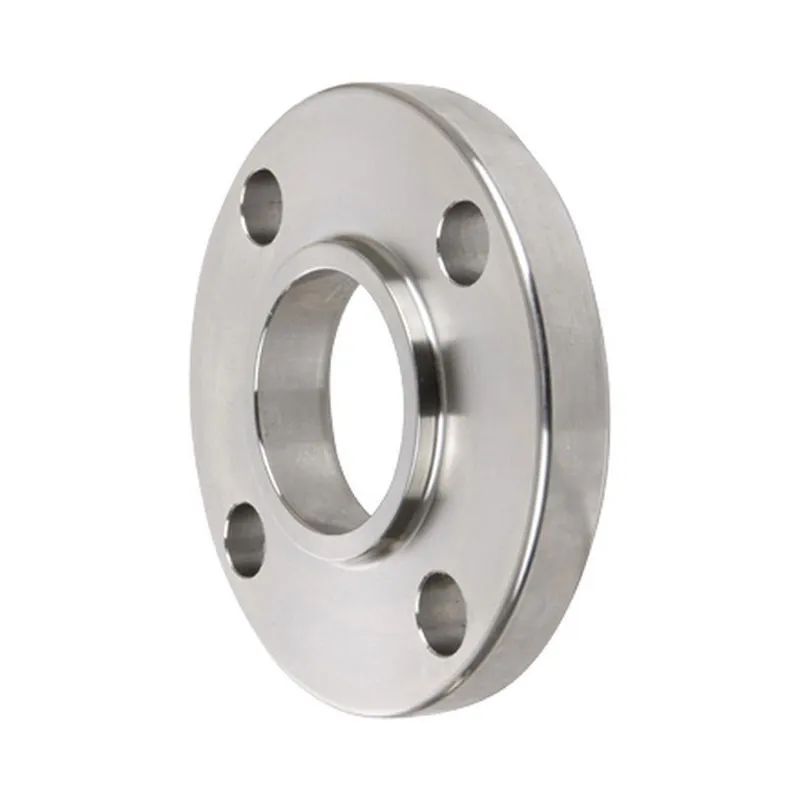
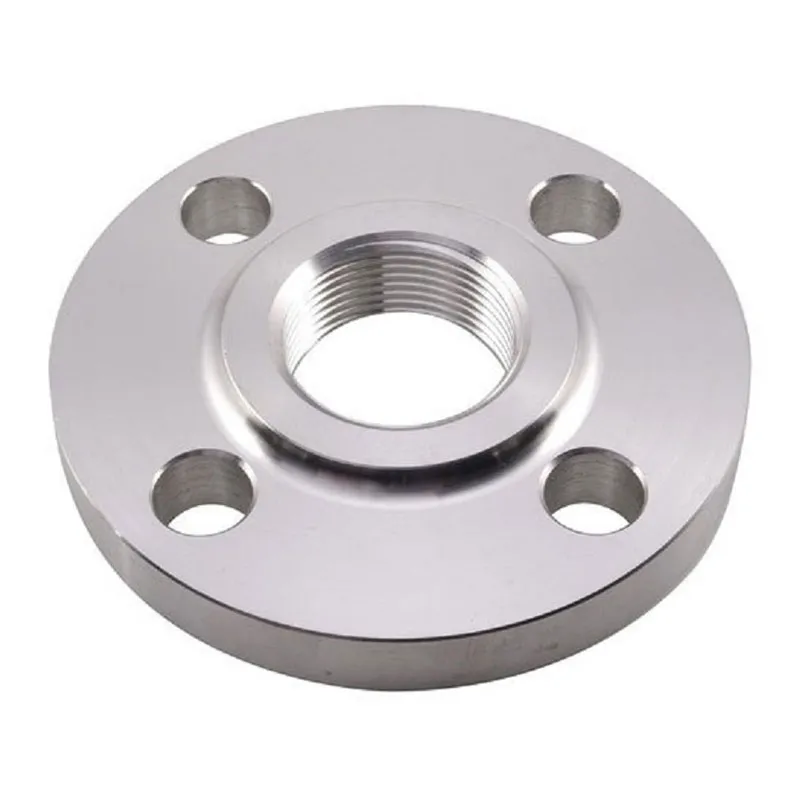
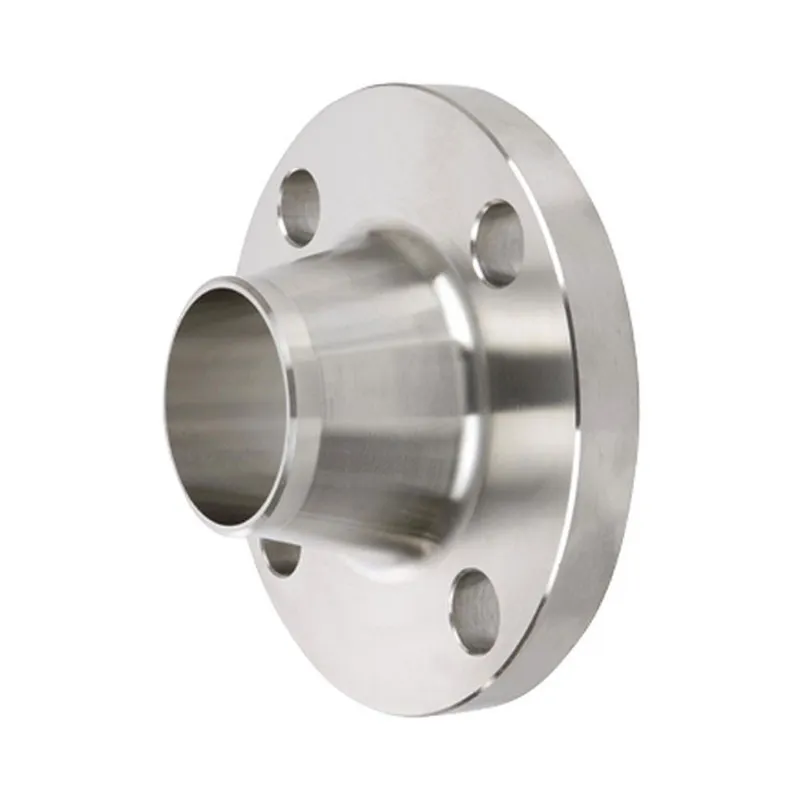
Best Sellingproducts
Best Selling Products-
 JIS 10K Threaded Flanges
 -
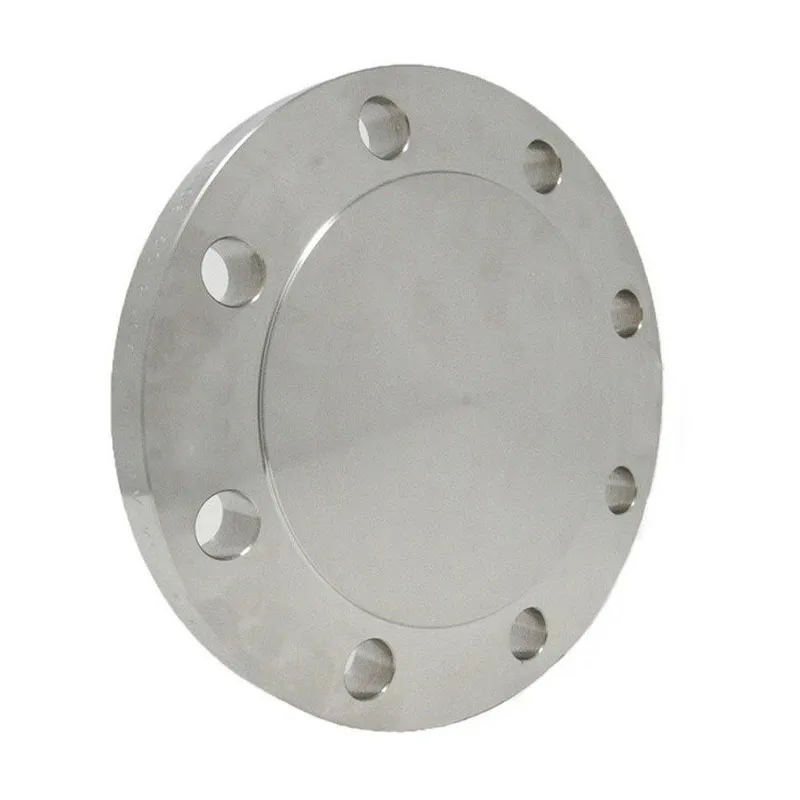 EN 1092-1 Blind flanges Type 05, PN10
 -
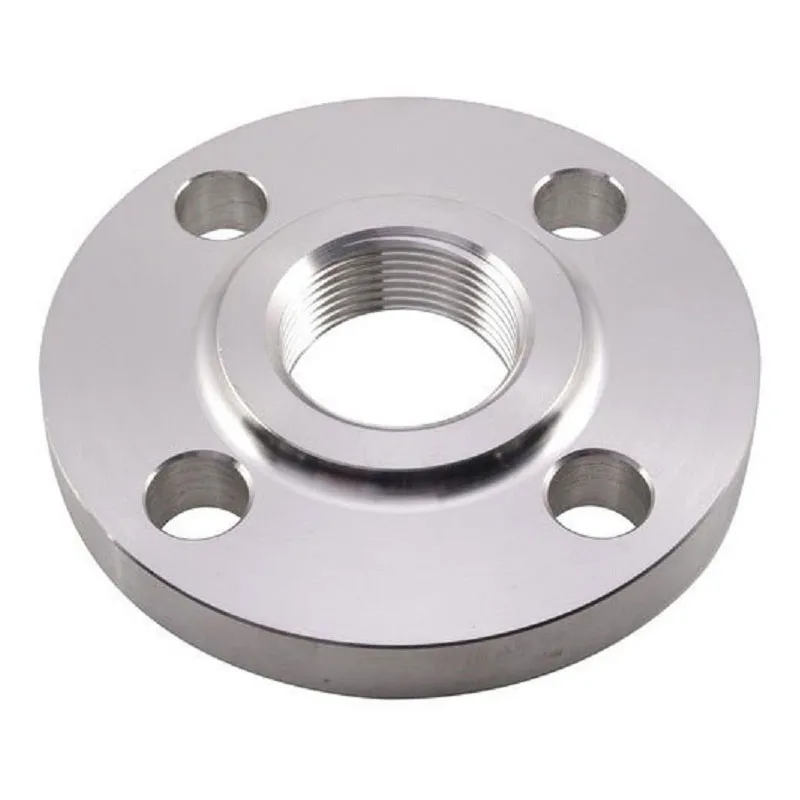 EN 1092-1 Threaded flanges Type 15, PN16
 -
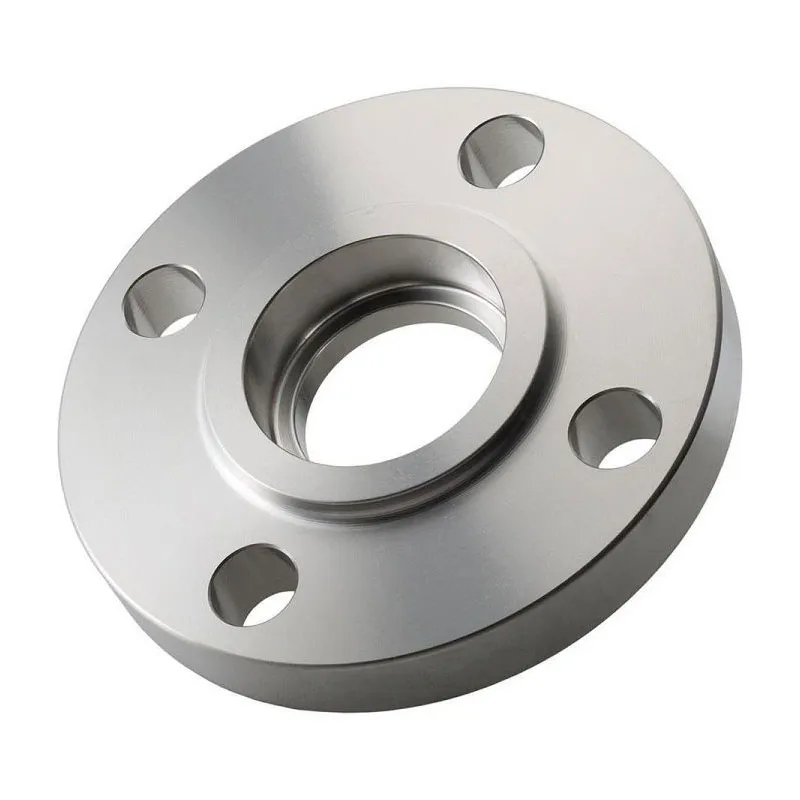 ANSI B16.5 Socket Weld Flanges Class 1500
 -
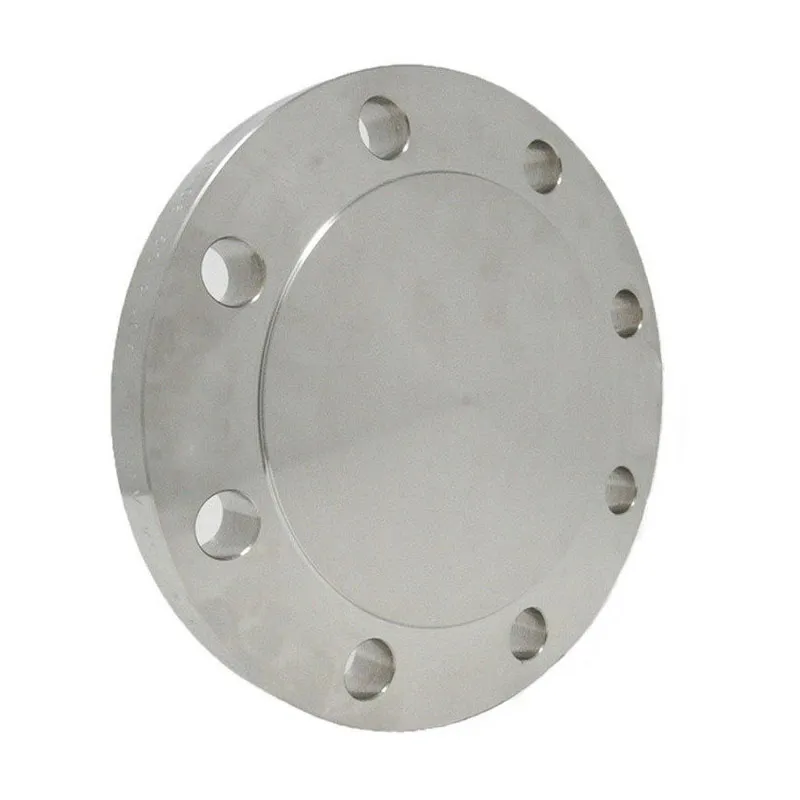 Blind flanges Class 150
 -
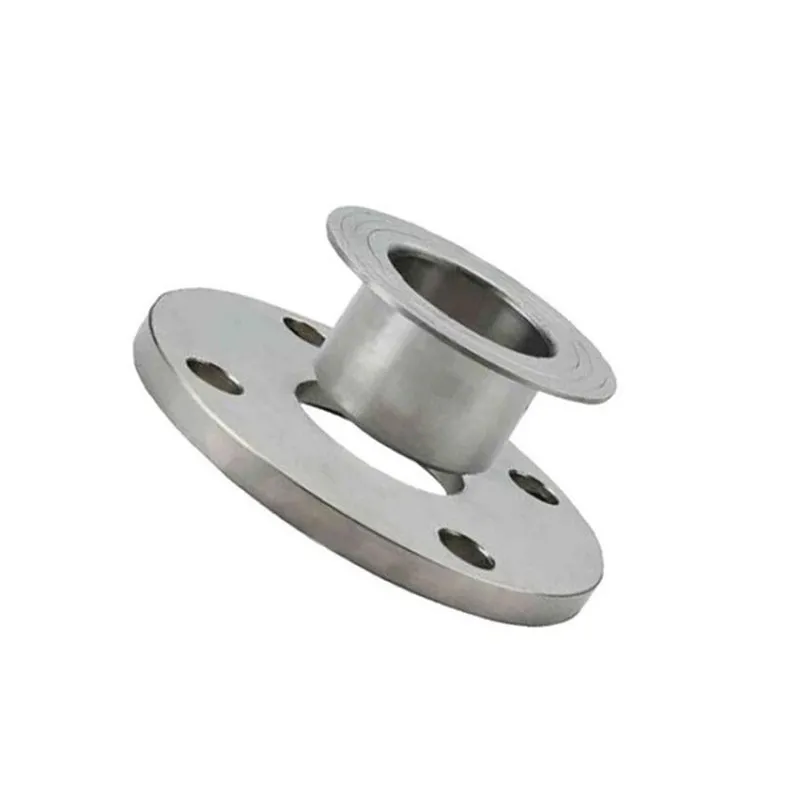 JIS 10K Loose Ring Flanges
 -
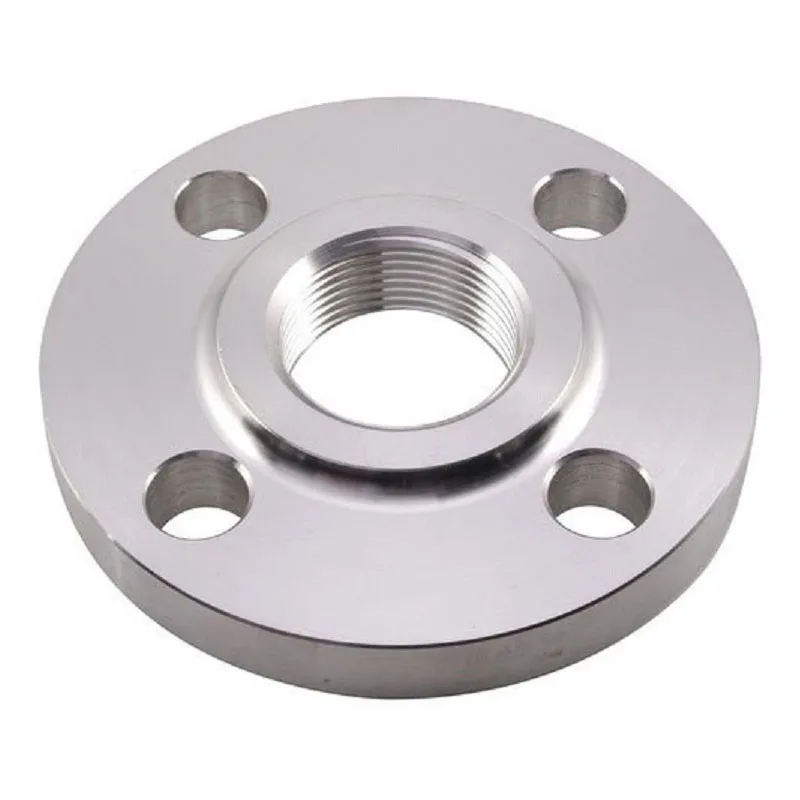 DIN 2566 Threaded flanges PN16
 -
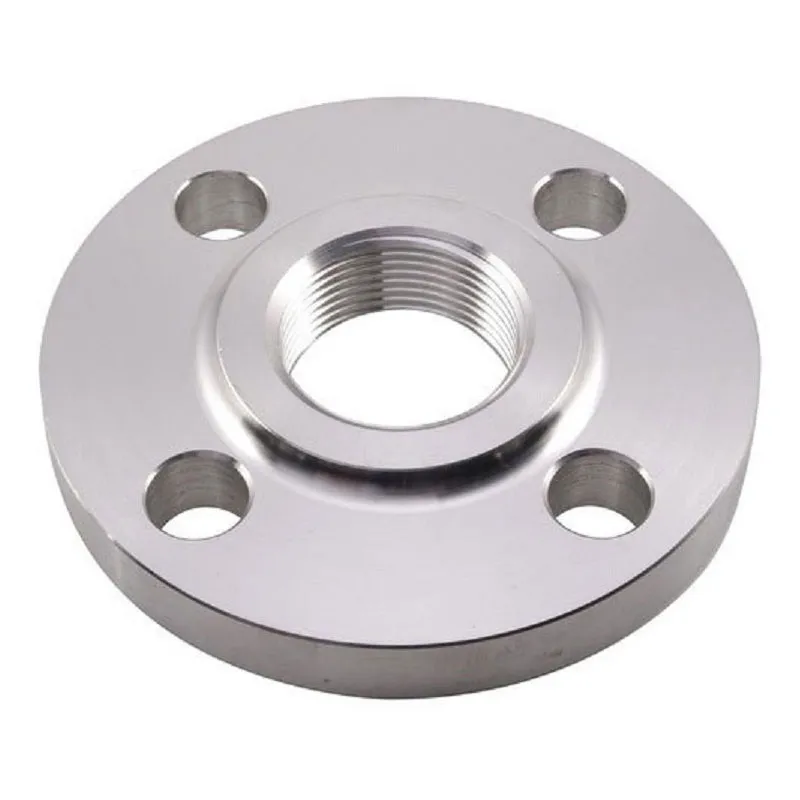 DIN 2565 Threaded flanges PN6
 -
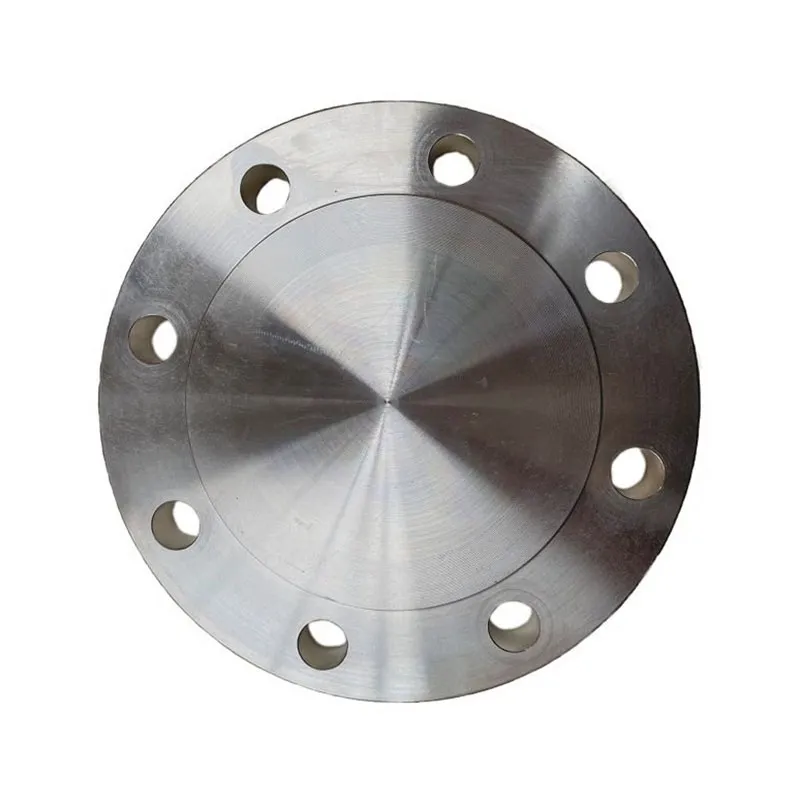 ASME B16.47 Ser.A Blind Flanges Class 400
 -
 Ser.A Butt Weld Flanges Class 400
 -
 ANSI B16.5 Lap-on flanges Class 1500
 -
 DIN Butt weld flanges PN10