
-
-
Phone
+86-13623462298



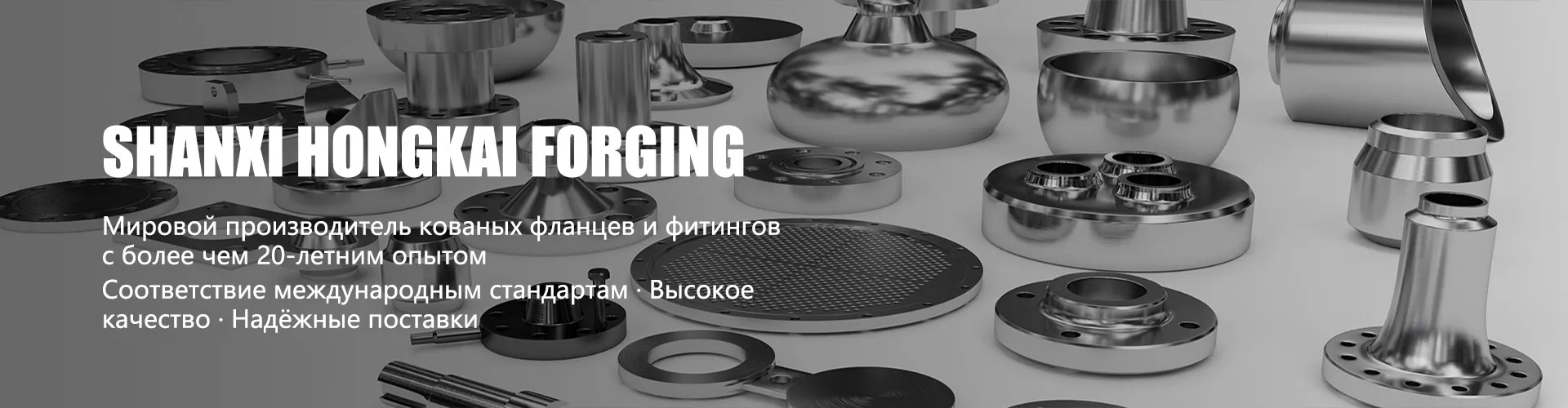
flanges 150 6
When you hear “flanges 150 6?”, the first thing that comes to mind is probably nominal bore and pressure. But in practice, especially with imported supplies, there are a lot of nuances that are not always obvious at first glance at the specification. Many people think that once a standard is specified, for example, GOST 12820-80 or ASME B16.5, then everything is clear. However, experience shows that even within the same standard there can be differences in weight, thickness of the welded end, and chamfer dimensions, which then come out sideways when mating with fittings from another manufacturer. I myself have more than once encountered a situation where the flange according to the passport is ideal, but during installation there is no gap or bolts. Therefore, for me, this marking is not just numbers, but the starting point for a whole chain of checks.
Understanding the basics: what's behind the numbers
So,flanges 150 6. To put it simply, this is a flange for nominal diameter DN150 (or DN150) and nominal pressure PN6 (or PN6). But this is where the fun begins. For our domestic systems, you most often look for GOST 12820-80 (flat welded) or GOST 12821-80 (butt welded). But in recent years, especially when working with equipment of a mixed fleet, you constantly come across European analogues - EN 1092-1, where it will be PN6, DN150. It would seem interchangeable? Not always.
For example, the same flat flange according to GOST and according to EN may have different diameters of the circle of bolt holes (BOC) and, critically, the diameters of the bolt holes themselves. According to GOST for Ru6 on Du150 BOC - 260 mm, and the number of holes - 8 for M16 bolts. According to EN 1092-1 Type 01 (PN6) for DN150 the BOC is 280 mm, and there are 8 holes, but already under M18. If this is not taken into account at the stage of purchasing fasteners, it will be a bummer. I once got caught in this and had to urgently look for adapter washers - a waste of time and nerves.
Another point is the material. The numbers 150 6 do not say anything about the grade of steel. For non-aggressive media, say, water or steam, St20 is often used. But if we are talking about some technological lines with hydrocarbons, even at such a low pressure there may be requirements for impact strength at subzero temperatures, and then 09G2S or even alloyed versions are needed. Therefore, the application must always decipher the full code, including the execution material.
Procurement practice: what to look for besides the certificate
Previously, we mainly worked with local factories, but now the market is global. Often you look for the optimal price-quality ratio, and your gaze falls on Asian manufacturers. Here it is important not to chase the lowest price, but to look for those who actually work according to standards, and do not just churn out hardware. For example, I came across the siteShanxi Hongkai Forging Co.,Ltd (https://www.hkflange.ru). Their description states that they produce forged flanges and forgings in China, in one of the industrial centers, and work according to GOST, ASME, EN, DIN. For me, this is an immediate marker: if a company declares work according to GOST, and not just according to Chinese GB, it means that they most likely understand the requirements of our technologists and can make a product for our projects.
What appeals to me in the description of companies such asShanxi Hongkai Forging Co.,Ltd- this is an indication of forging. A forged flange, especially for critical components, is always preferable to a stamped or sheet one. It has better mechanical properties and the metal is more homogeneous. And when you see in the nomenclature both flat and butt-welded, and loose on a welded ring, and even non-standard products according to drawings, this indicates the flexibility of production. The range up to DN4000 is also serious, which means they can cover the needs for large pipelines.
But declarations are one thing, and reality is another. During the first trial purchase from any new supplier, even with a good website, we always order sample size control and, if possible, ultrasonic testing or even chemical analysis in our laboratory. I remember an incident with another supplier: flanges150 6According to EN, all dimensions seemed to be within the tolerance, but upon visual inspection I noticed heterogeneity in the surface of the end, a possible hole. They sent it for inspection - indeed, it was a casting defect. Therefore, now for critical lines I require the provision of non-destructive testing protocols directly from the manufacturer, if possible.
Installation subtleties and common mistakes
Let's say a flange has been purchased, tested and is lying on site. It would seem that it’s just a small thing - to deliver. But even here withflanges 150 6there are pitfalls. The main mistake is incorrect selection of gasket. For Ru6, paronite gaskets are often used, but if the medium is oil or fuel, the paronite may swell. You need to look at the technical regulations. The second mistake is tightening the bolts. Do not tighten in a circle sequentially. You need to crosswise, and in several passes, with a gradual increase in torque. Otherwise you will create a misalignment and it will leak.
Another point that is often forgotten is the condition of the sealing surfaces. Flanges in accordance with GOST 12820-80 (flat) have a usually smooth surface. But butt-welded ones according to GOST 12821-80 have a protrusion-recess (tenon-groove) or a lens gasket. So, if you are installing a new flange to an old one that has been in use for twenty years, you must definitely check and, possibly, grind the old surface. I had an incident when a beautiful new flange rested against an old one, corroded by microdots, and no gasket could save it - it flowed along the smallest grooves. I had to remove the assembly and take it for machining.
And, of course, bolts. For flange connections on Ru6, bolts of strength class 4.6 or 5.6 are usually used. But if the ambient temperature is above 200°C, bolts made of heat-resistant steel are already needed, and the tightening torque will be different. All this should be reflected in the installation map. Often installers, especially subcontractors, don’t bother with this - they tighten it with a screwdriver and that’s it. Then during pressure testing or, worse, during operation, we get a leak.
When the standard is not enough: non-standard situations
It happens that the typicalflange 150 6doesn't fit. For example, you need to cut into an existing pipeline, but the distance to the outlet or apparatus is small, and a standard flange with the length of the welded end or the height of the skirt does not work. Or you need to switch from one standard to another - say, from GOST to ASME. This is where the ability to manufacture according to customer drawings comes in handy, which is offered by some manufacturers, like the one mentionedShanxi Hongkai Forging Co.,Ltd.
We had a project to modernize a site where there was an old heat exchanger with flanges according to an outdated standard. New fittings were purchased under ASME B16.5. We ordered adapter flanges. The main thing in such work is to provide the most detailed sketch indicating not only overall dimensions, but also tolerances for processing of sealing surfaces, roughness, and also clearly indicate the material. We then even included the results of a spectral analysis of the old flange material in order to select an analogue as much as possible and avoid problems with electrochemical corrosion.
In such non-standard orders, communication with the manufacturer's technologist is critical. It’s better to check once again by email or messenger whether they understood the drawing correctly, especially if there are subtle points such as a non-standard arrangement of holes for studs or a special contour shape. Once we overlooked, and in the drawing we did not indicate the orientation of the holes relative to the technological grooves - we had to modify it on site with a gas cutter, which, of course, is not good for the quality of the product.
Final considerations: reliability vs. savings
After all, working with such seemingly simple things asflanges 150 6, rests on the basic principle: you cannot skimp on connection reliability. The cost of the flange itself is a drop in the bucket compared to the potential losses from production stoppages, repairs or, God forbid, an accident. Therefore, my approach: careful selection according to standard and material, selection of a proven or carefully audited new supplier (where the availability of a full forging cycle, likeShanxi Hongkai Forging Co.,Ltd, is a big plus), and the strictest control at the stages of acceptance and installation.
Now the market is saturated with offers. You can find it cheaper and faster. But when you see what the manufacturer writes in detail on its website (https://www.hkflange.ru) that works to international standards, produces forgings rather than just cutting from sheets, and is ready for individual solutions - this inspires more confidence. This is not a guarantee, but a good signal to start a dialogue and a trial batch.
In general, for me a flange is not just an iron washer with holes. This is a key element of a detachable connection, on which the integrity of the circuit depends. And the approach to it must be appropriate: not formal, but thoughtful, taking into account all the subtleties that come only with experience, often bitter. And the numbers ?150 6? is just the beginning of a long list of questions that need to be answered before putting it on the line.
Correspondingproducts
Related Products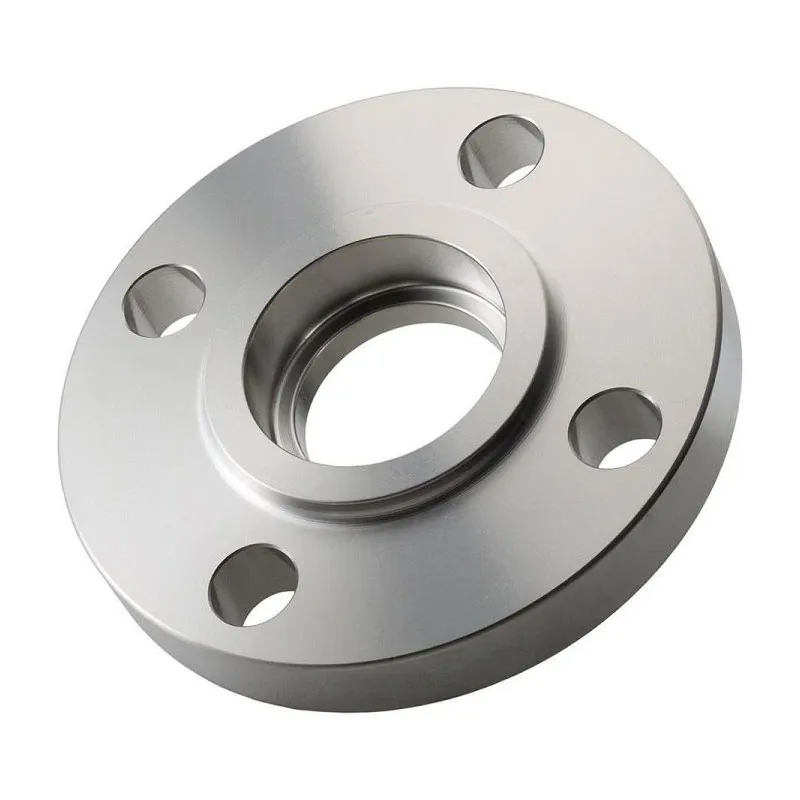
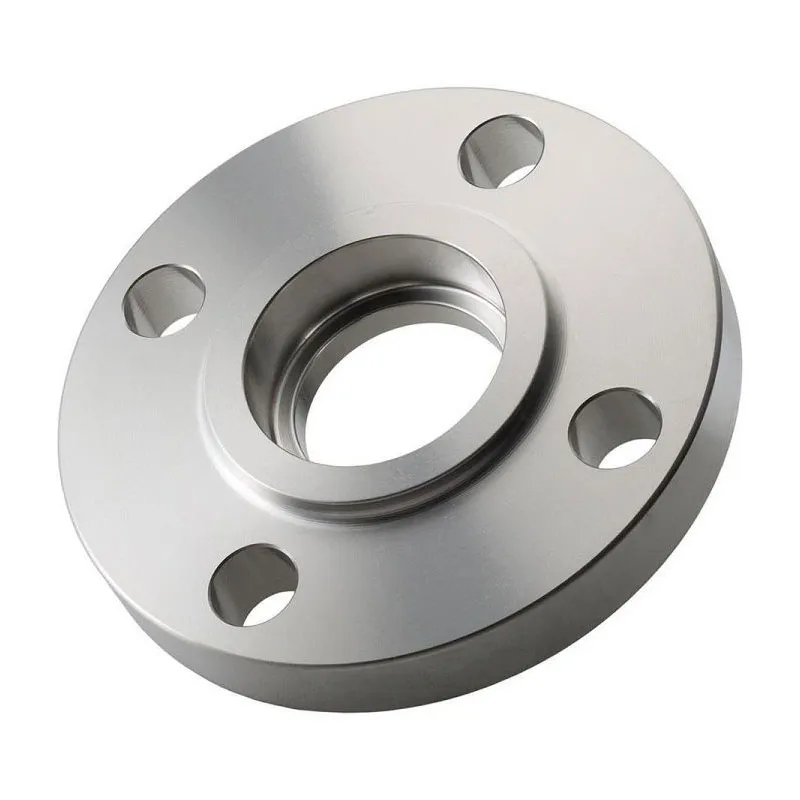
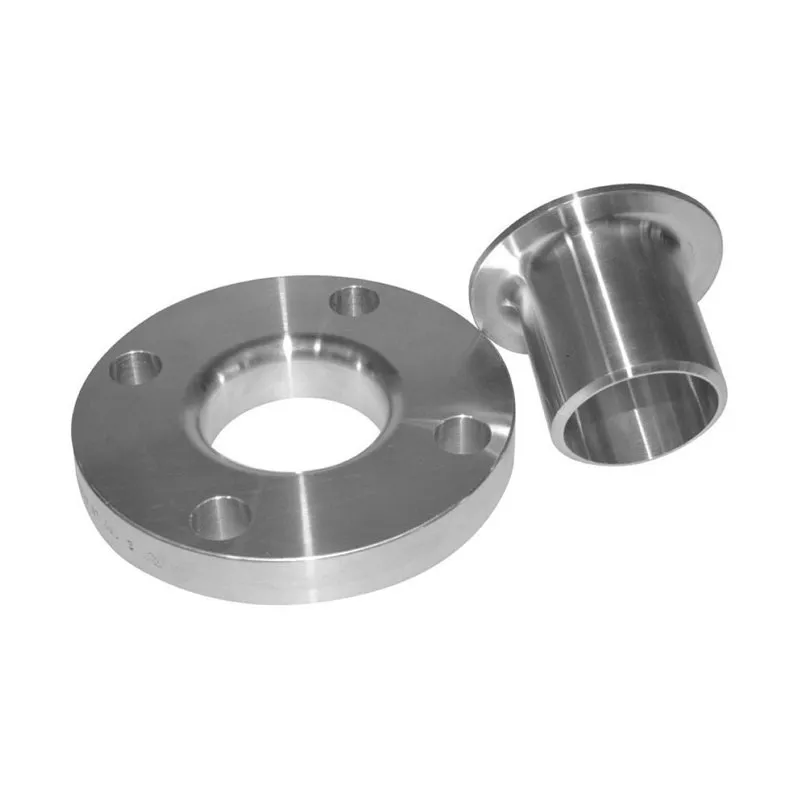
Best Sellingproducts
Best Selling Products-
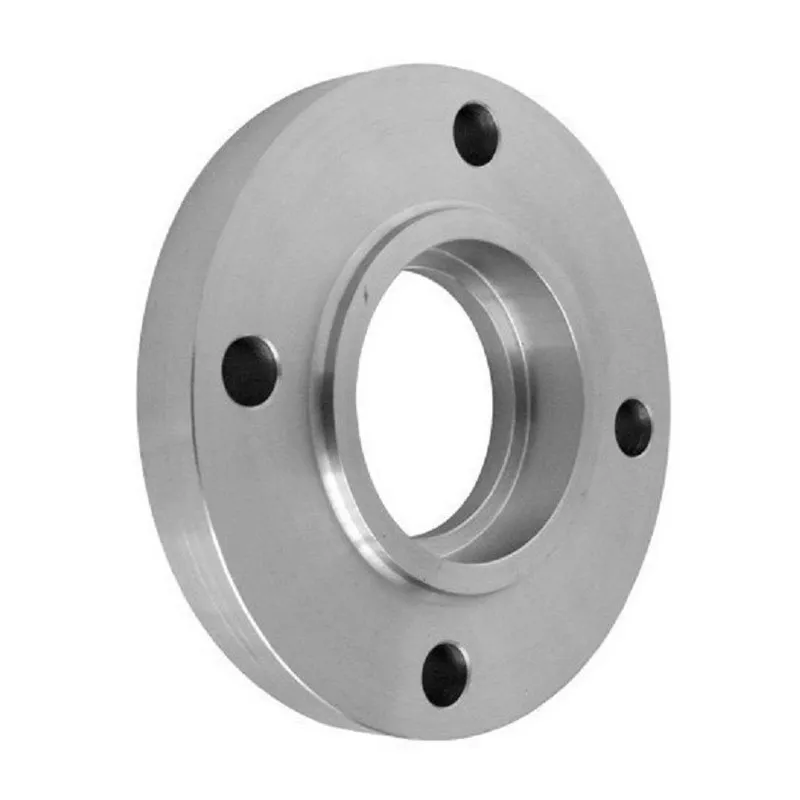 JIS 5K Socket Weld Flanges
 -
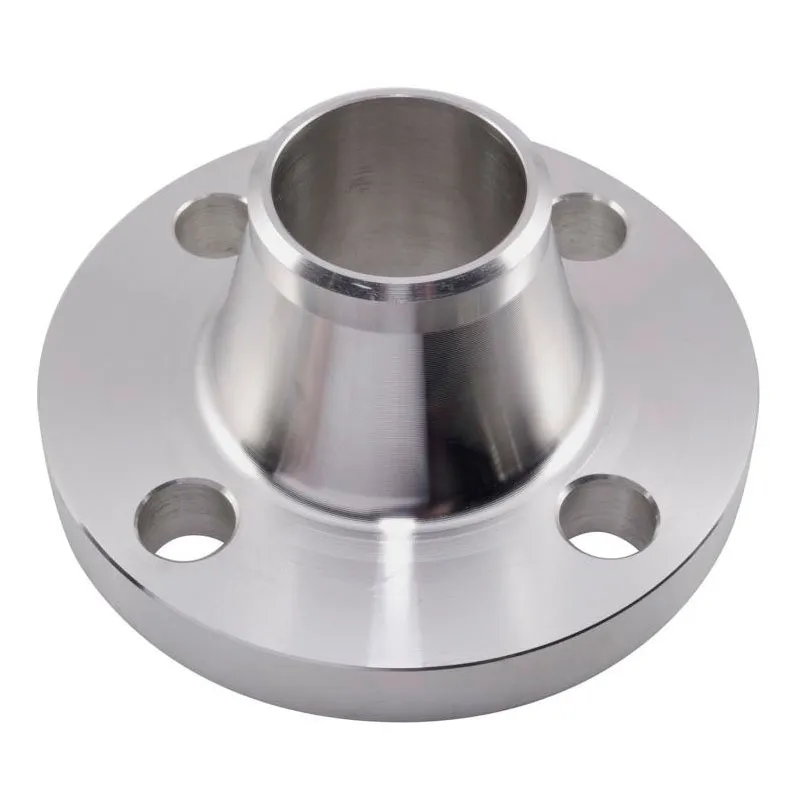 DIN Butt weld flanges PN10
 -
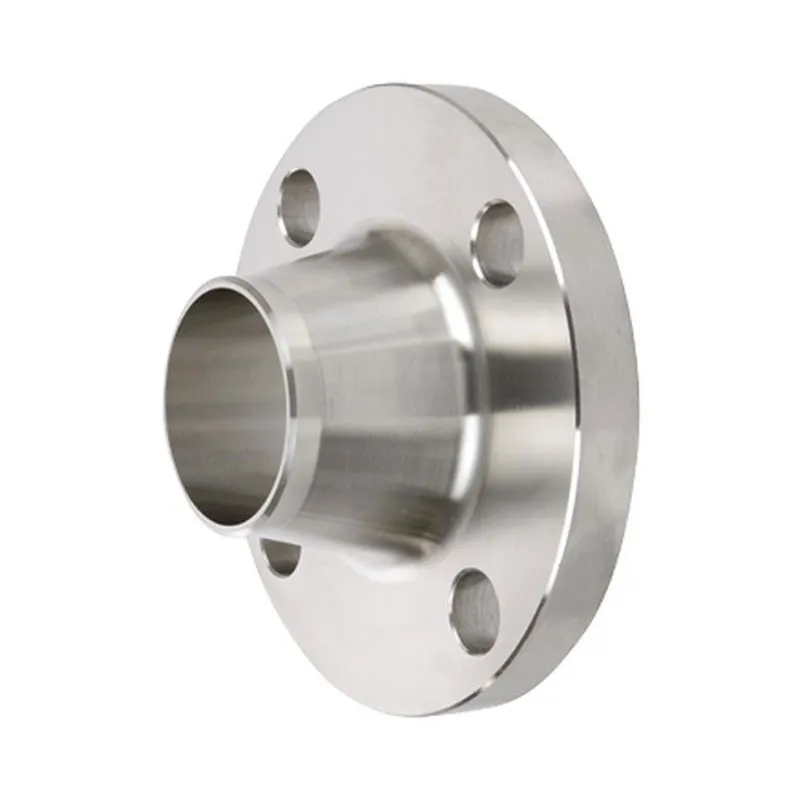 Ser.A Butt Weld Flanges Class 400
 -
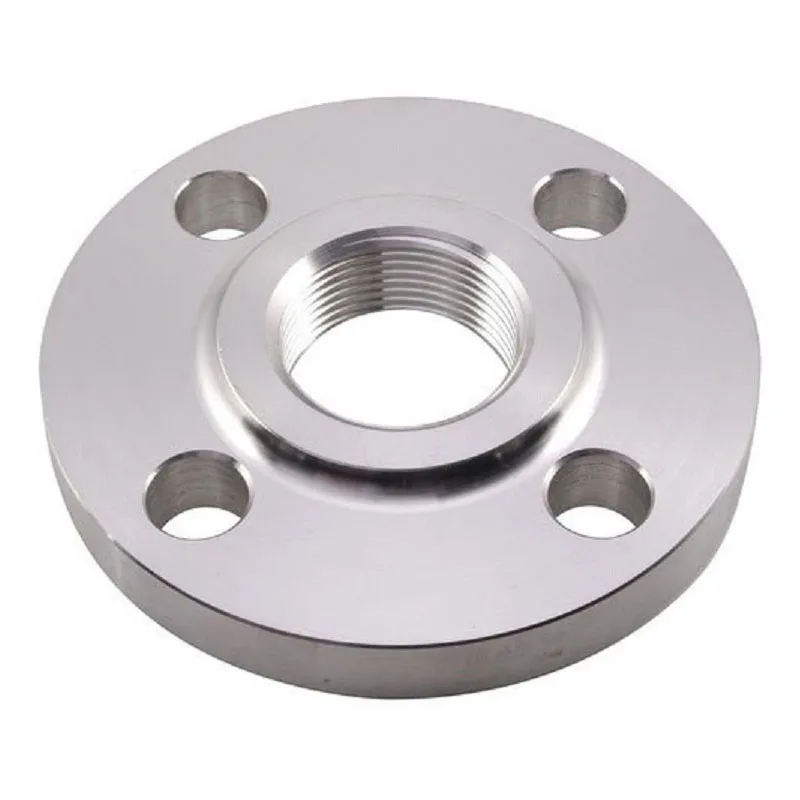 DIN 2566 Threaded flanges PN16
 -
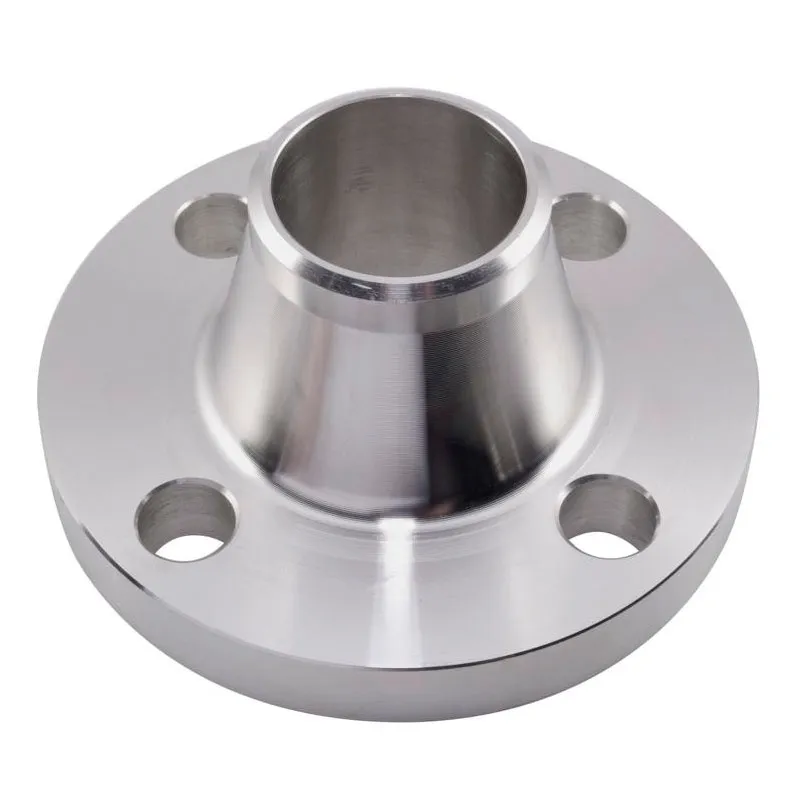 Butt weld flanges Class 900
 -
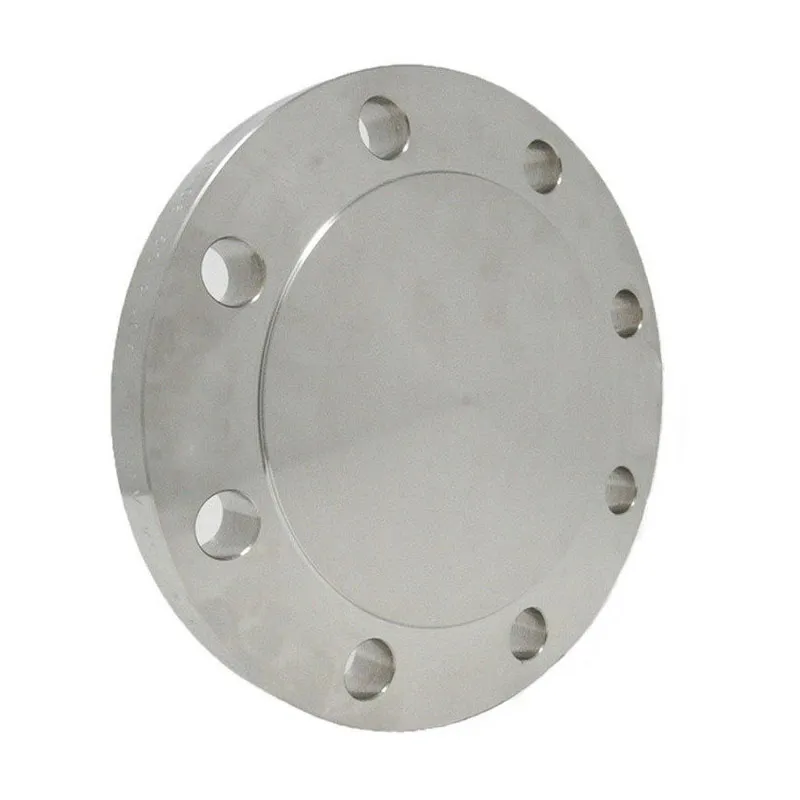 AWWA Blind Flanges Class D (Tables 1, 2, 3)
 -
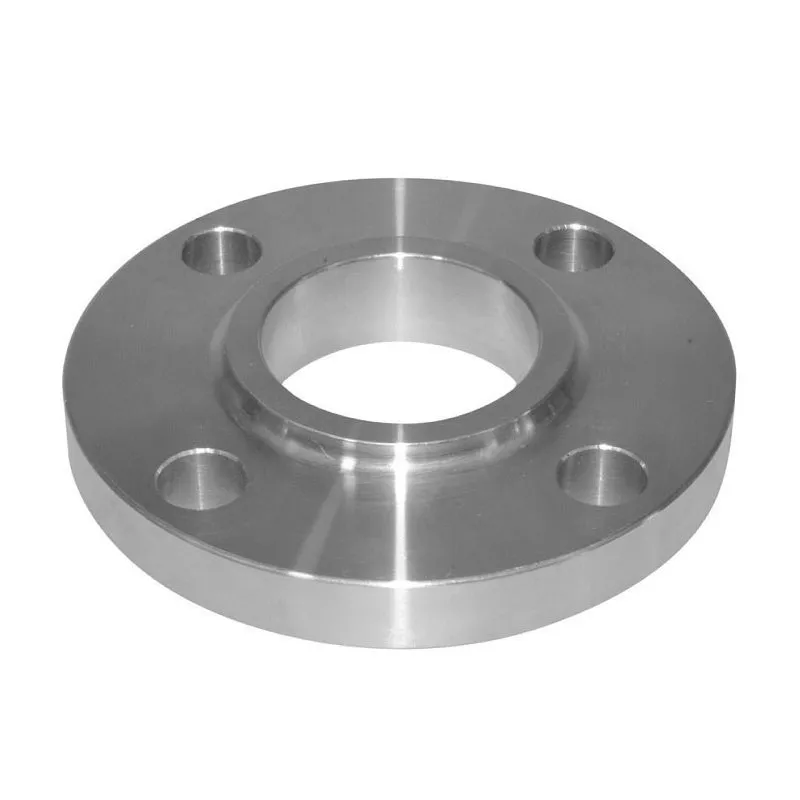 ANSI B16.5 Lap-on flanges Class 1500
 -
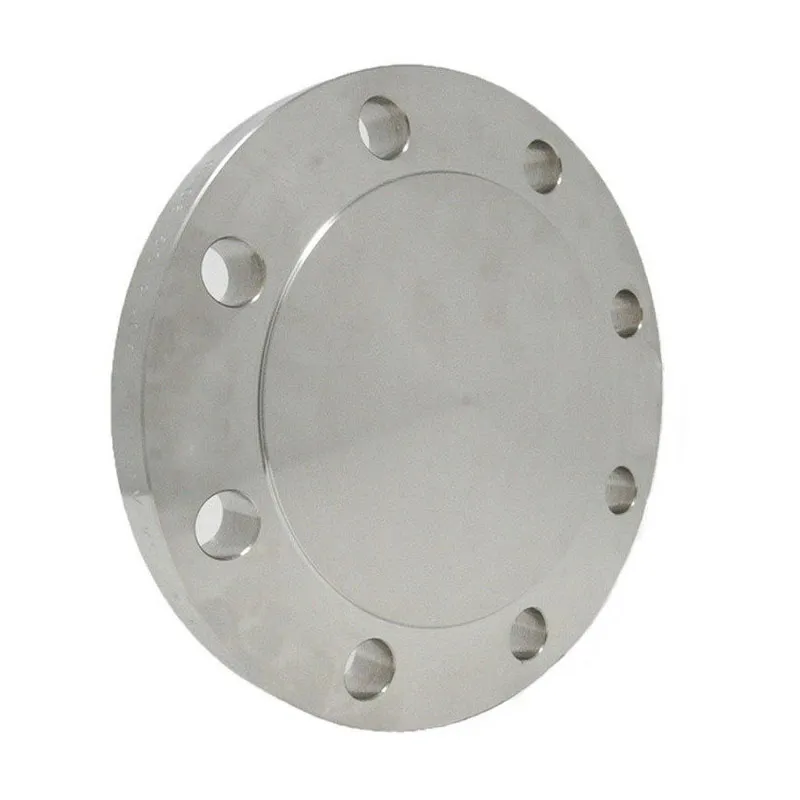 Blind flanges Class 150
 -
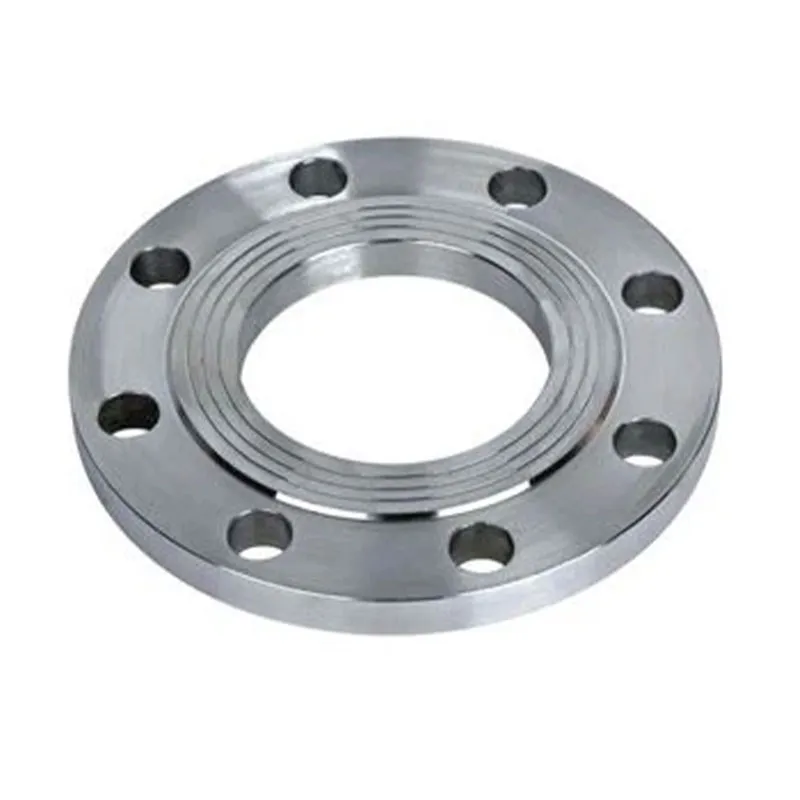 Butt weld flanges Class 150
 -
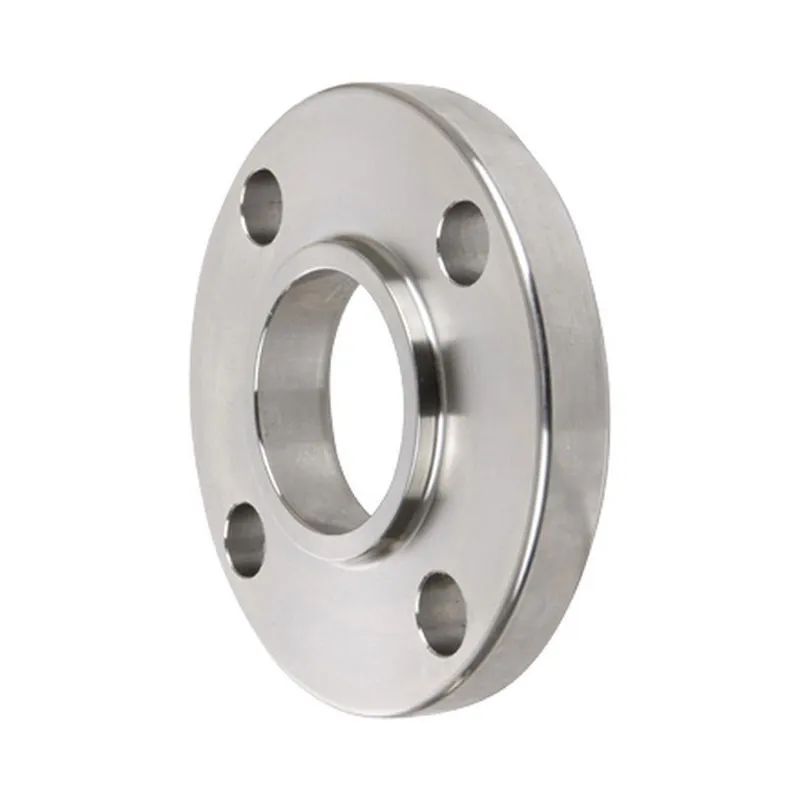 DIN 2501 Overlay flanges PN16
 -
 EN 1092-1 Blind flanges Type 05, PN10
 -
 ANSI B16.5 Loose Ring Flanges Class 2500