
-
-
Phone
+86-13623462298




steel flange 100 10
When you see a request like “steel flange 100 10?”, the first thing that comes to mind is that a person is looking for a flat flange for DN100 with a pressure of 10 kgf/cm2. But here’s the catch: this combination is one of the most common, but also the most treacherous in terms of choice. Many people think that this is a ?typical? element, took according to GOST 12820-80 or 12821-80, and that’s it. However, in practice, these numbers may also hide a welded butt (pile), especially if we are talking about serious pipelines, and not just about connecting two pipes in a utility room. A common mistake is to order “flat”. for systems with vibration or thermal expansion, where a butt joint is needed. I got burned by this myself about five years ago, when they installed a batch of flat flanges on a steam pipeline - six months later they began tightening and replacing gaskets, because the design did not compensate for the load. Since then I always specify: ?100 10? - for what environment, for what pressure (working, not conditional), and to what standard is the assembly generally carried out? Because, for example, in the same GOST 12820 the pressure of 10 kgf/cm2 is conditional, but the working pressure at 300°C will be completely different. Or if the client works according to ASME B16.5, then Class 150 is approximately the same group, but the dimensions and tolerances are different. So it turns out that a simple request reveals a whole layer of technical nuances.
From drawing to warehouse: why ?100 10? requires clarification
In my practice, I constantly encounter the fact that designers, especially young ones, simply indicate in the specifications “Flange 100-10 steel 20.” And then questions arise during production or purchasing. Steel 20 is for conditional environments up to 425°C, but what if the environment is aggressive or the temperature is higher? Then you need 09G2S, 12Х18Н10Т or even alloyed grades. And here it is important who the manufacturer is and how he controls the brand of material. For example, I often work with products fromShanxi Hongkai Forging Co.,Ltd- on their websitehkflange.ruit is clear that they place emphasis on forged flanges. This is not just a cutting from a sheet, but a forging, which is critically important for critical connections. Forging gives a better metal structure and less internal stress. For the samesteel flange 100 10at high loads this can be a decisive factor. I remember an incident at a chemical plant near Perm: they placed flanges cut from a sheet on a line with periodic water hammer. After three months, cracks appeared along the holes for the studs. We switched to forged ones from the same Hunkai - the problem went away. Their website, by the way, indicates that they work in accordance with GOST, ASME, EN - this immediately removes a lot of questions regarding certification for different projects.
Another point is the design of the surface for the gasket. For ?hundreds? at pressure 10 there is often execution ?B? (width-height of projections) according to GOST, but if docking with imported fittings, something else may be required. It happened that I received flanges with ideal geometry, but during installation it turned out that the protrusion did not coincide with the groove on the imported valve. Now I always demand from the supplier, be itShanxi Hongkai Forging Co.,Ltdor another plant, clearly indicate not only the standard, but also the design of the connecting surface. On their website, the nomenclature shows flat, end-to-end, and loose - this allows you to flexibly select for a specific unit.
And of course, we must not forget about heat treatment. Carbon steel often requires normalization after forging or cutting to relieve stress. In the specification onsteel flange 100 10This point is sometimes missed, and then deformations occur during welding or operation. From the description of the company it is clear that they are a manufacturer of forgings, which means they control the entire cycle - from the blank to the thermal treatment. This is not the case when you bought a semi-finished product and simply processed it on a machine.
Dimensions and tolerances: where is the devil?
DN100 is a nominal diameter, but the outer diameter of the flange, the diameter of the holes (PCD), the dimensions for the studs - all of this has tight tolerances. From experience, most installation problems arise not because of the material, but because of the geometry. Once we received a batch of flanges, where the holes for the studs were offset by one and a half millimeters according to the PCD. The collectors tried to put the squeeze on using jacks - they ended up stripping the threads. I had to urgently look for a replacement. Now, when choosing a supplier, I always look to see if they have geometry control on coordinate measuring machines. Manufacturer mentionedShanxi Hongkai Forging Co.,Ltdin its practice, judging by the description, it is guided by international standards, and this implies strict control. For standardsteel flange 100 10according to GOST 12820, the outer diameter should be 215 mm, the diameter of the holes - 180 mm, the diameter of the holes for the studs - 18 mm. But if this is a flange according to ASME B16.5 Class 150, then the dimensions are different: outer diameter 216 mm, PCD 190.5 mm. The difference is half a millimeter on the outside and as much as 10.5 mm on the PCD! If you don't take this into account, you simply won't be able to connect.
The thickness of the flange is also a parameter that is often taken “as in the table?”. For a flat flange for 100 and 10, the thickness according to GOST 12820-80 will be 22 mm. But if it is a butt flange (GOST 12821-80), then there is a different configuration with a conical hub, and the thickness in the area of connection to the pipe will be different. When butt welding, it is important that the weld bevel is made correctly. I have seen cases where the flange had the ideal dimensions, but the bevel was too sharp or uneven - the welder had to “weld on” it. excess metal, which led to overheating and stress. Manufacturers who make forgings usually form this bevel in the workpiece, which is more correct.
And do not forget about the roughness of the surface under the gasket. For a reliable seal, it must be within certain limits. Sometimes flanges come from the factory with protective paint or traces of scale - all this must be cleaned before installation. The best manufacturers supply products with surface protection (for example, painting only on the outside, and the sealing surface is covered with film). In the descriptionhkflange.ruit is directly stated about manufacturing according to the customer’s drawings - which means that you can also order such a part as protecting critical surfaces during transportation.
Material: not all ?steel 20? is the same
I’ve already mentioned it, but it’s worth expanding on. When people say “steel flange,” they often mean regular quality carbon steel. But for a nominal pressure of 10 kgf/cm2 and, say, a temperature of 400°C, steel 20 or 25 according to GOST 8479 is already required. And if the medium contains hydrogen sulfide (H2S), then steel with controlled hardness is needed to avoid sulfide corrosion cracking. Here, manufacturers have an advantage who have their own metallographic laboratory and can provide certificates with chemical analysis and mechanical tests for each heat.Shanxi Hongkai Forging Co.,Ltd, positioning themselves as a manufacturer in one of the centers of the forging industry in China, logically assumes that they have such control. This is important because there are many resellers on the market who cannot trace the origin of the workpiece.
I had experience purchasing flanges for a boiler room. The specification was “Steel 20”. They delivered it and installed it. After six months of operation in hot water (about 150°C), microcracks appeared on several flanges in the weld area. Laboratory analysis showed an increased content of sulfur and phosphorus in the metal - the material was of low quality. I had to change it. Since then, for critical facilities I have required not only a certificate of conformity, but also test reports from the manufacturer. For standardsteel flange 100 10This may seem unnecessary, but the cost of a mistake is stopping production.
Another aspect is coverage. Outdoor installations often require galvanizing or painting. But if the flange is designed for high temperatures, the zinc can burn off, releasing harmful fumes. In such cases, it is better to use heat-resistant paints or leave them without a coating (stainless steel). The website hkflange.ru lists a wide range of sizes - up to DN4000, and these are serious facilities such as petrochemical or energy, where material issues are resolved at the design stage.
Installation and operation: what is not written in the standards
Standards describe geometry and materials, but rarely talk about how to install correctly. For 100 and 10 flange connections, proper tightening is critical. The studs need to be tightened crosswise, with a certain torque. Installers often use torque wrenches, but not everyone knows that the tightening torque depends not only on the diameter of the stud, but also on the lubricant on the thread. Dry threads give more friction, and at the same moment the force in the rod will be less. And if you overtighten, you can break the thread or deform the flange, especially a flat one. I saw how on one of the objects, when taking a puff, “from the heart?” the flat flange simply bent 100 degrees like a “plate”, violating the flatness. I had to change it. The butt flange is more rigid, but there are nuances there too.
Gaskets are a separate issue. For a pressure of 10, you can use paronite, fluoroplastic, and metal ribbed gaskets. The choice depends on the environment and temperature. But it is important that the flange surface is suitable for them. For example, spiral wound gaskets (SPWG) require a precise groove profile. If the flange is made for a flat gasket, and you install a spiral-wound one, the connection will almost certainly leak. Therefore, when ordering flanges, even such common ones assteel flange 100 10, you need to immediately specify the type of seal. Manufacturers typeShanxi Hongkai Forging Co.,LtdThose who make products according to drawings can also apply the corresponding grooves.
During operation, it is important to periodically check the tightness, especially after the first heating-cooling cycles. The flanges “sit down”. But there is also a trap here: if you constantly tighten the connection, you can get tired. hairpins. It is better to mount correctly once with the correct torque and the correct gasket. One of the oil refineries introduced a tightening control system with ultrasonic measurement of tension in the studs - the number of leaks at flange connections dropped significantly. This suggests that even for simple connections the approach must be systematic.
Non-standard situations and conclusions
Sometimes the request is ?steel flange 100 10? arises for the repair of old equipment, where the standards no longer correspond to modern ones. For example, Soviet-made flanges according to GOST 12820-80 could have slight differences in size from the current ones. Or you need to make a transition from one standard to another. This is where manufacturers who take on non-standard products come to the rescue. From the descriptionhkflange.ruit's clear thatShanxi Hongkai Forging Co.,Ltdoffers this option as well. This is valuable because it is not always possible to replace the entire assembly; sometimes you need to fit into the existing harness.
To summarize, I will say: a 100 flange for a pressure of 10 is not a “simple piece of hardware”. This is a design element on which the tightness and safety of the system depends. His choice is a chain of decisions: standard, type, material, manufacturer, installation. Savings at any stage can result in multiple costs for repairs and downtime. Personally, when dealing with such elements, I always try to work with trusted suppliers who control the entire process - from forging to packaging. And the key here is dialogue. Don’t just send a request for a catalog, but discuss with the plant’s technologists the operating conditions of the future connection. Only then can you be sure thatsteel flange 100 10will serve his term without surprises.
As for this particular standard size, it is, of course, a workhorse in thousands of systems. But that is why there should not be a disdainful attitude towards him. Check the certificates, look at the quality of surface treatment, the clarity of the holes, and the markings. A good flange is immediately visible. And yes, sometimes it’s worth paying a little more, but getting a product from a manufacturer with a name and reputation, the same Hongkai, is better than taking “no name?” and guess what's inside. There are no trifles in our work.
Correspondingproducts
Related Products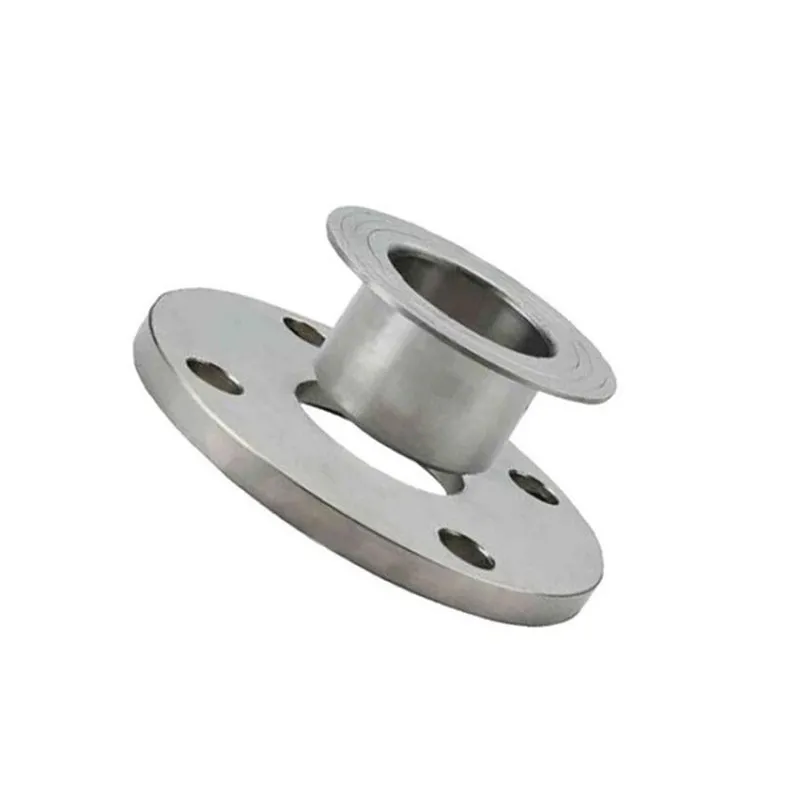
Best Sellingproducts
Best Selling Products-
 Butt weld flanges Class 150
 -
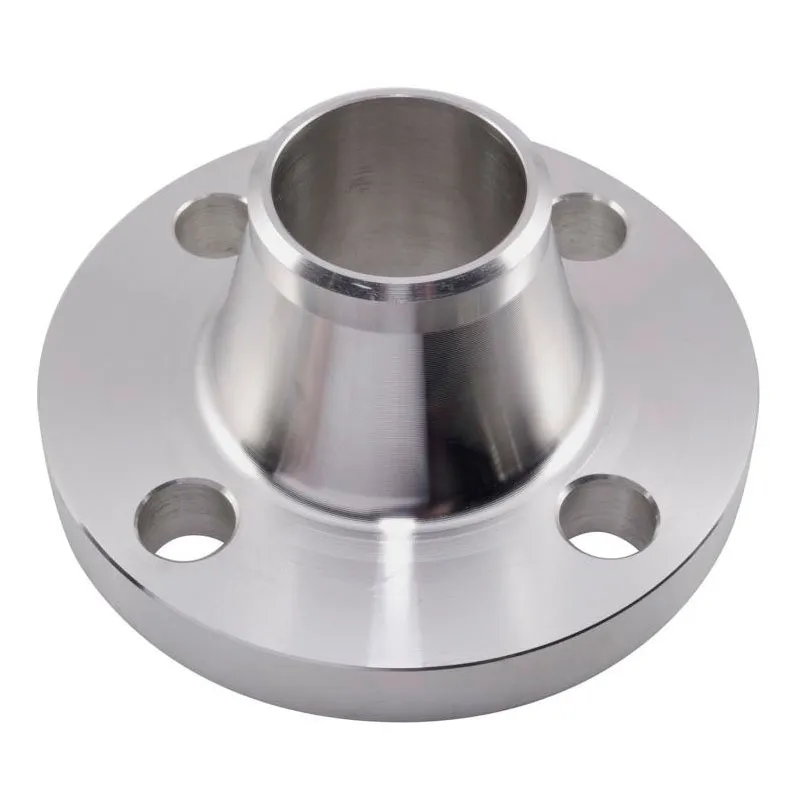 DIN Butt weld flanges PN10
 -
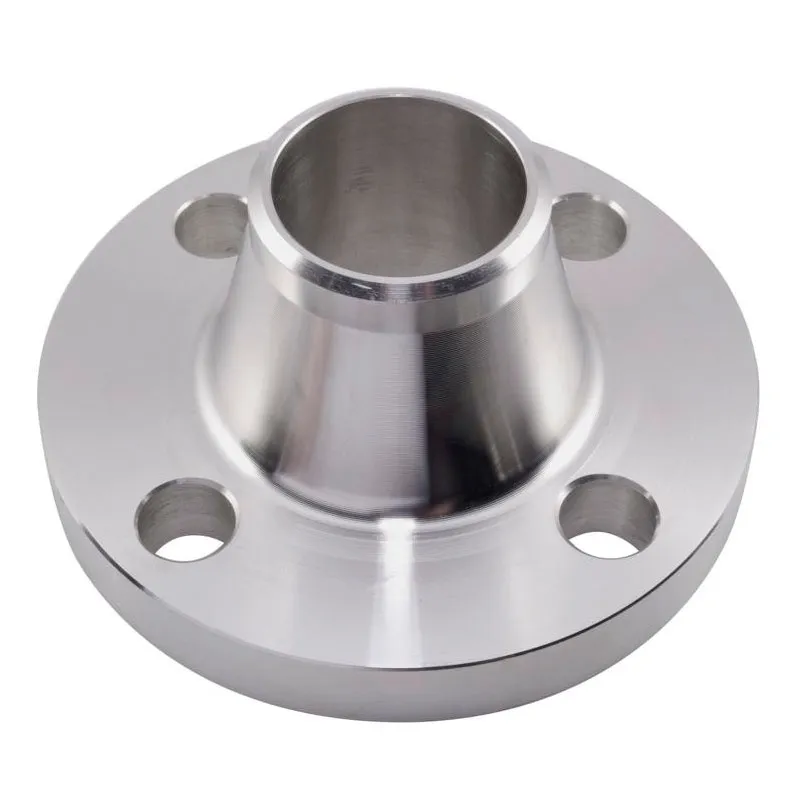 Butt weld flanges Class 900
 -
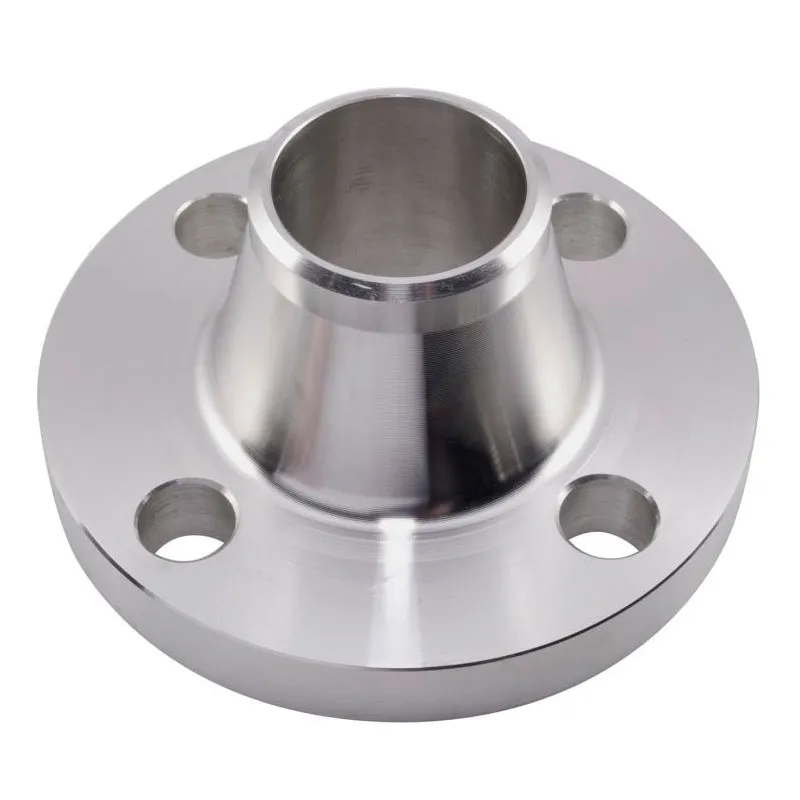 UNI 2281 Butt weld flanges PN10
 -
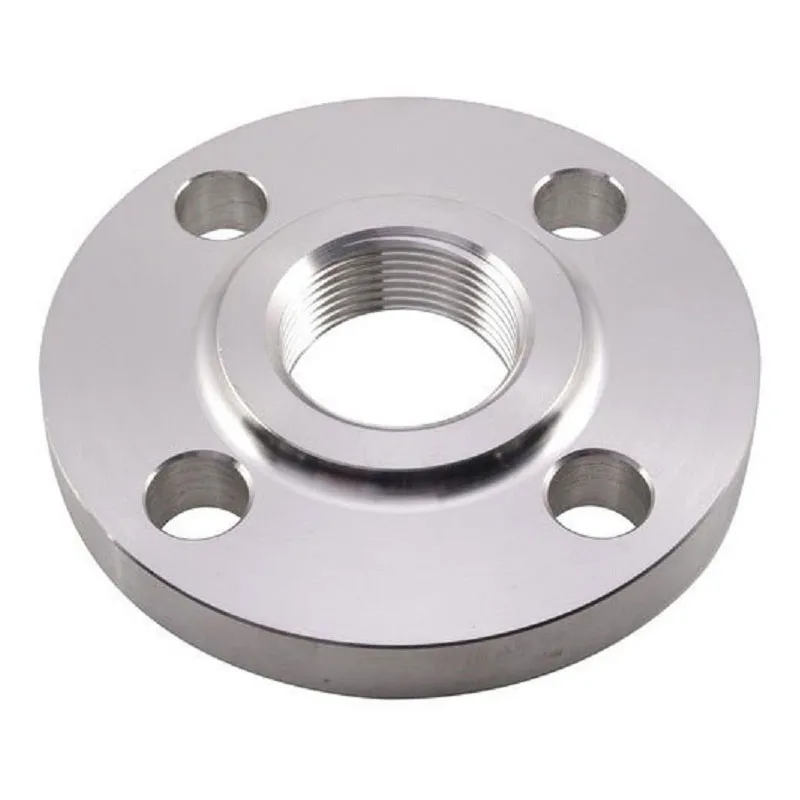 EN 1092-1 Threaded flanges Type 15, PN16
 -
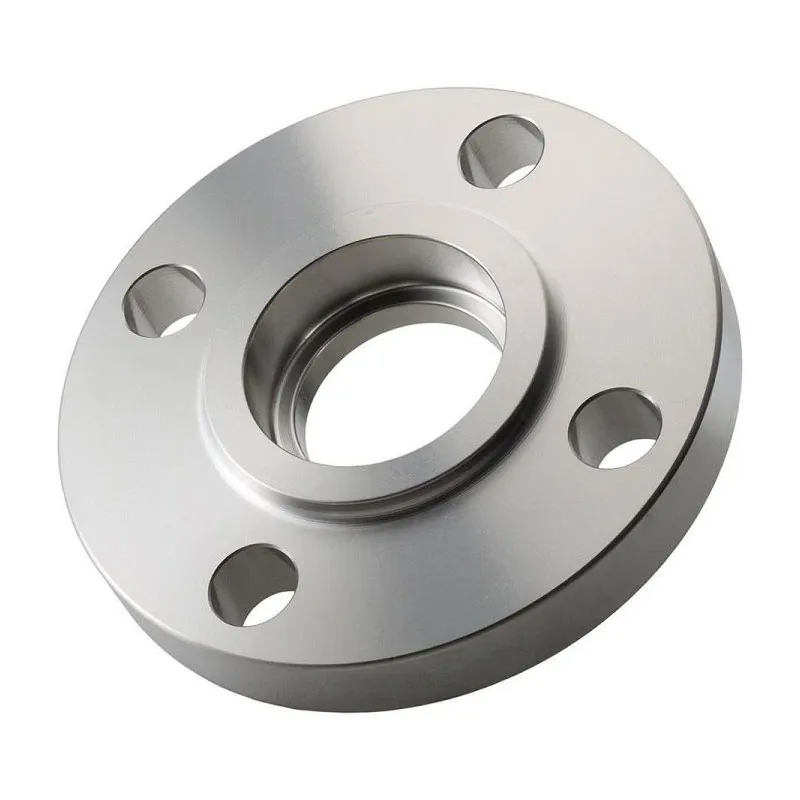 ANSI B16.5 Socket Weld Flanges Class 150
 -
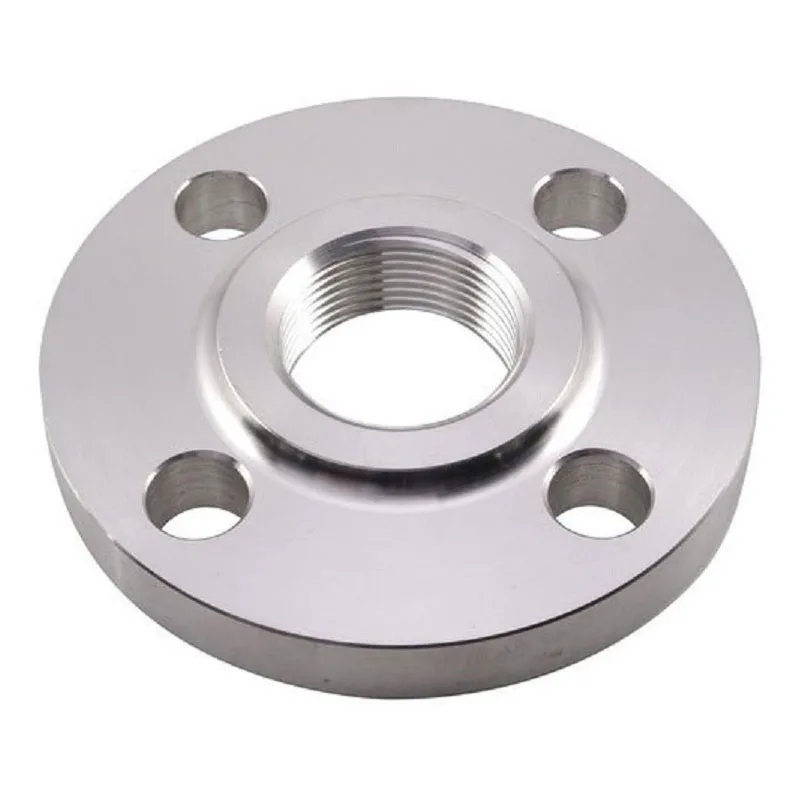 JIS 10K Threaded Flanges
 -
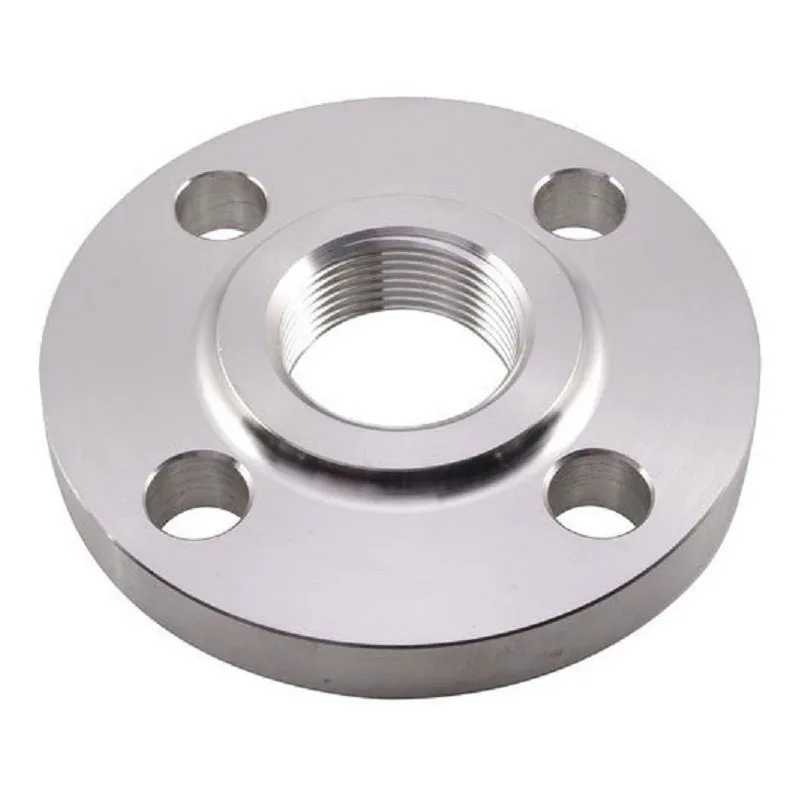 ANSI B16.5 Threaded Flanges Class 600
 -
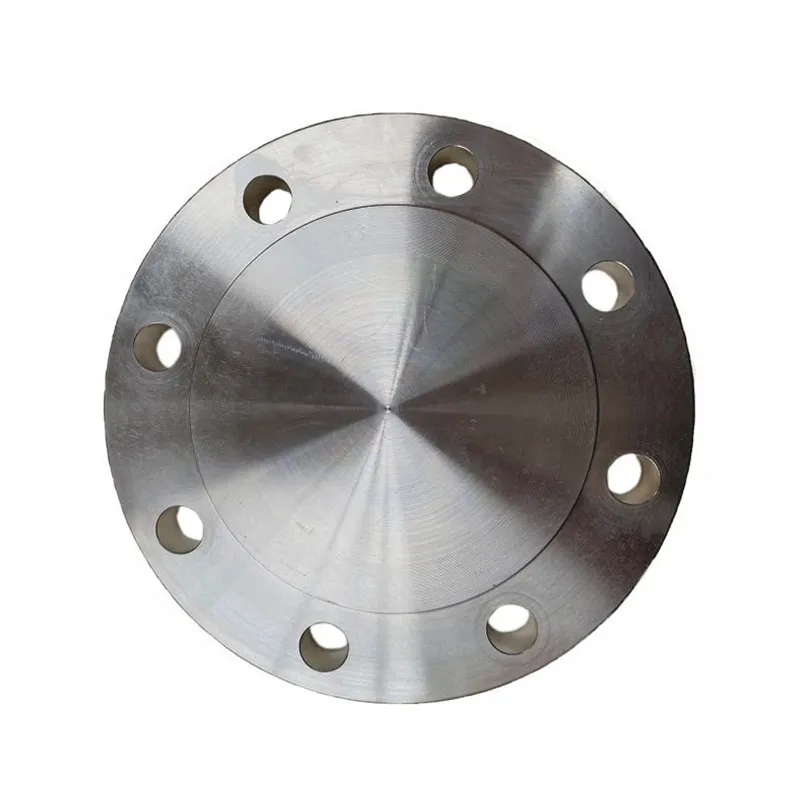 DIN 2527 Blind flanges PN10
 -
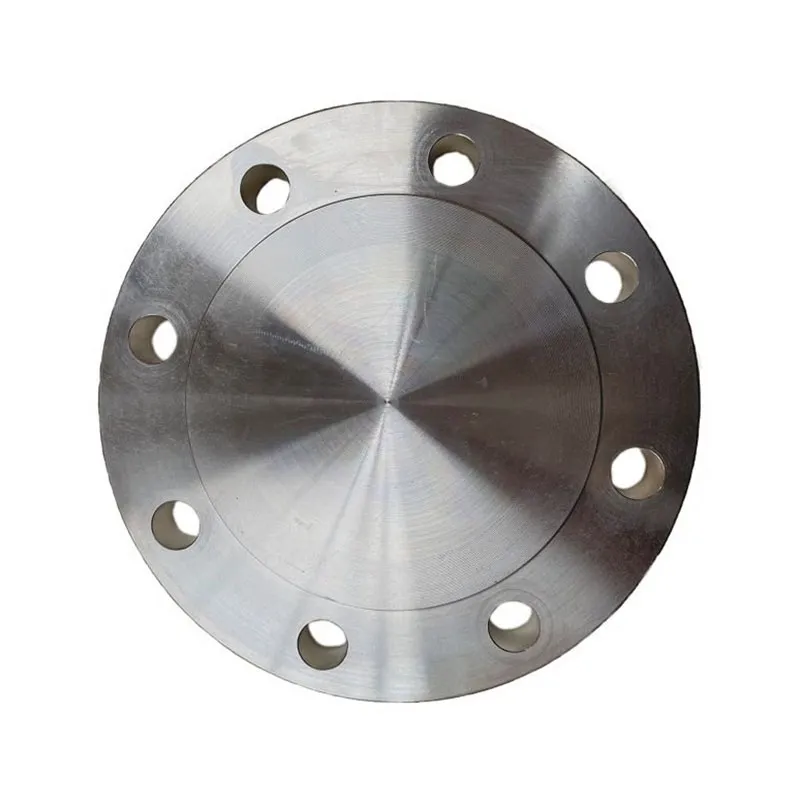 ASME B16.47 Ser.A Blind Flanges Class 400
 -
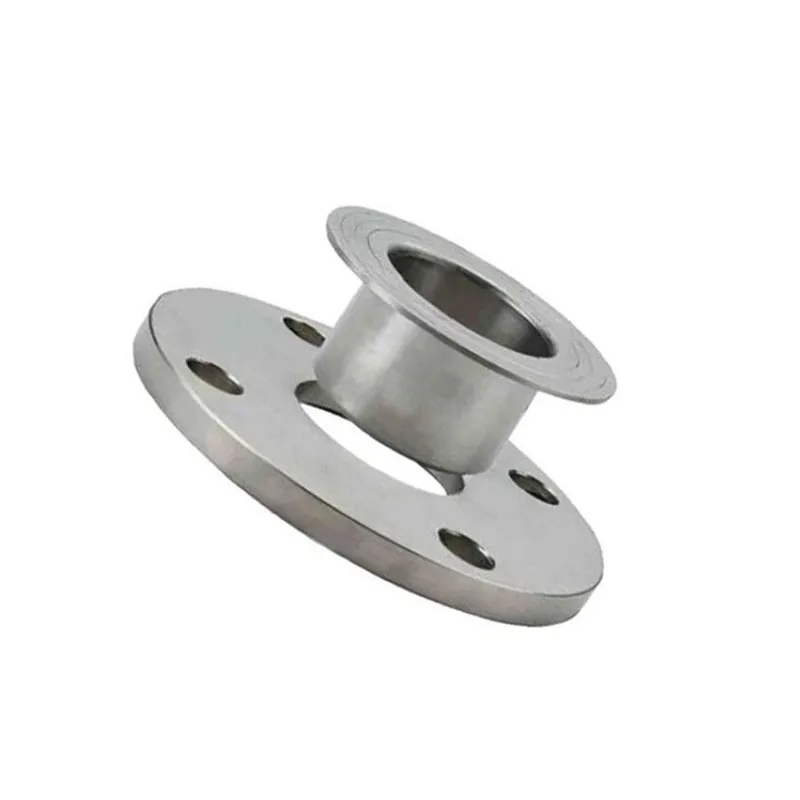 Free ring flanges Class 400
 -
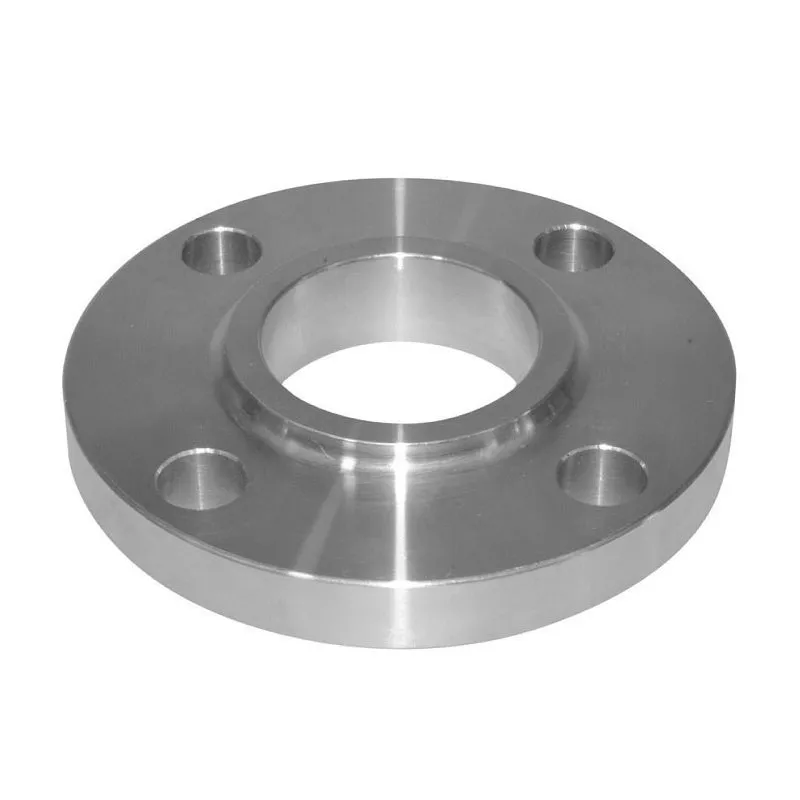 ANSI B16.5 Lap-on flanges Class 1500