
-
-
Phone
+86-13623462298



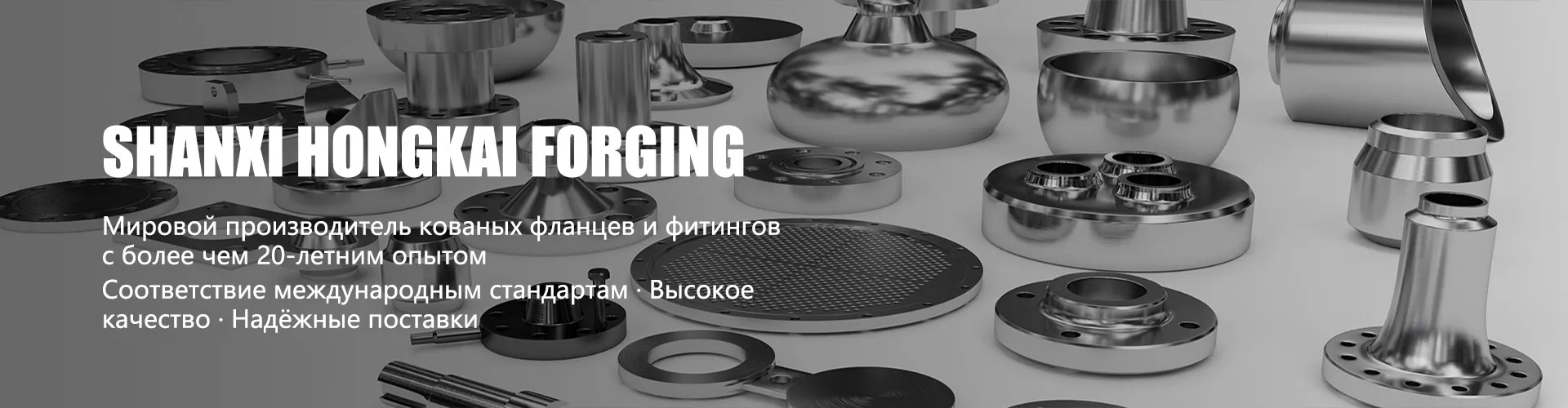
flanges 25 6
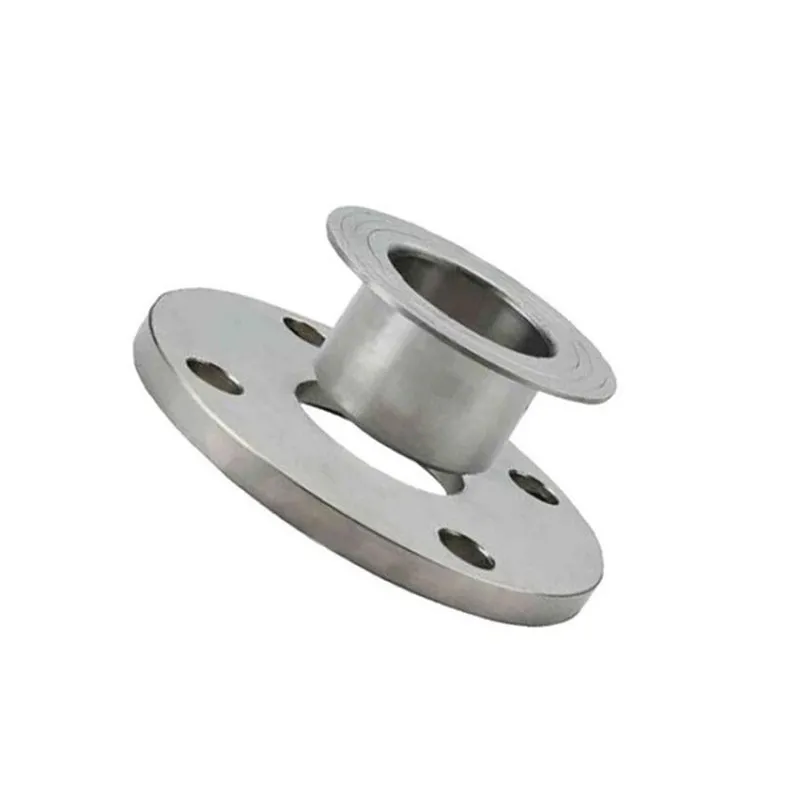
When you hear “25 6 flanges”, the first thing that comes to mind is most likely DN 25 on PN 6. But this is where the fun begins, and for beginners it’s a complete rake. Many people think that since the pressure is only 6 bar, they can take anything, be it cast or stamped. And then they wonder why it constantly leaks at a couple of joints, especially during temperature changes. In fact, even for such a seemingly simple node asflanges 25 6, the material and manufacturing technology decide everything. And if we are talking about systems with at least some cyclical influence, then the forged version is not a whim, but a necessity. I went through this myself.
Why forging? Personal experience and mistakes
Previously, we also saved money by using non-aggressive stamping for DN25. It seems that everything is according to the standard, there are certificates. Problems began after a year and a half at a site with seasonal temperature fluctuations from +5 to +40. Not global leaks, but “sweating?” at joints, constant tightening of bolts. We took it apart and it was clear that microcracks in the grain started from the edges of the holes for the studs. Metal is “tired?”. This was the moment when I had to dig deep into the topic of materials science and understand the difference between the fibrous structure of forged metal and the more fragile structure of a stamped or cast billet.
After this incident, I began to look more closely at manufacturers who focus specifically on forging. Stumbled upon the siteShanxi Hongkai Forging Co.,Ltd(https://www.hkflange.ru). In the description, it immediately catches your eye that they are a manufacturer of forged flanges and forgings, and are based in one of the forging centers of China. This is an important marker. Not just a trader, but a factory with pressing equipment. For sizes such as DN25, forging may seem redundant, but if we are talking about reliability for decades, then this is the case.
What’s also important is that their declared range up to DN4000 speaks of serious power. Typically, such enterprises have good quality control at all stages, from the ingot to the finished product. For small sizes like oursflanges 25 6this means that the technology has been developed to the point of automation, and material defects are unlikely. Although, of course, you always need to request certificates for a specific batch, especially for chemical composition and impact strength.
Standards and non-obvious nuances for PN 6
With a pressure of 6 bar (PN6) they often work according to GOST 12820 or GOST 12821. It would seem that the standards are old, everything is known. But the devil is in the details. For example, the thickness of the connecting protrusion (thickness for the gasket) and the quality of processing of the sealing surface. Cheap flanges often have small surface marks from processing that are not visible to the eye, but interfere with sealing with a soft gasket. You have to modify it manually.
At the sameShanxi Hongkai Forging Co.,LtdThe nomenclature shows flanges according to GOST, ASME, EN. If they actually produce to such standards, then, most likely, the control of geometry and roughness is at the level. This is critical to ensure uniform compression of the gasket along the entire contour, especially on a small diameter, where any deviation of a fraction of a millimeter is already significant. The easiest way to check is to request an inspection report for the batch.
Another point is execution. For PN6, design 1 (smooth sealing surface) or 2 (with a protrusion-recess) is often used. The choice depends on the type of gasket and the environment. In my projects for water and low-pressure steam, I often use version 1 with a paronite gasket. But if the medium is oily, then you need to look towards the tongue and groove or even under the metal gasket. A manufacturer that makes different designs as indicated on the website (flat, butt, loose) is usually more flexible and understands these nuances.
Practice of procurement and logistics of small quantities
Orderflanges 25 620-30 pieces are always a headache. Large suppliers often set a minimum order of one ton, and waiting for groupage cargo from China for months is not always an option. It is important here that the manufacturer has a well-established system for working with small and medium-sized orders, and the ability to pack and ship the pallet directly.
From experience, Chinese factories specializing in forgings are often more loyal to small volumes, especially if these are standard items that they always have in stock or in production terms. The website hkflange.ru lists a wide range of sizes, which suggests a large stock of standard products. That's a plus. Ideally, you need to directly check the availability in the warehouse for DN25 PN6, so as not to fall into the production cycle of 45-60 days.
An important practical tip is to always order with a supply of bolts and gaskets, or better yet, as a set. Because when an object is missing two studs due to defects or loss, it’s easier to howl from powerlessness. Some responsible manufacturers offer pre-assembled flange connections, which greatly saves time and nerves on site. I don’t know if this company practices this, but this is a question worth asking them first.
Non-standard situations and adaptation
It happens that you need a DN25 flange on PN6, but from a special material - say, with a high molybdenum content for a slightly aggressive environment or with low-temperature properties. Or a non-standard design of holes for fasteners is required. In the descriptionShanxi Hongkai Forging Co.,LtdIt is expressly stated that they make products according to customer drawings. It's valuable.
Once there was a project where it was necessary to weld a fitting for a sensor directly to the body of a DN25 flange. The standard ones do not provide for this. I had to look for a manufacturer who would take on a small batch of 10 pieces with finalization of the drawing. It is precisely in this situation that plant flexibility is important. Forging here provides an advantage - it is possible to provide for thickening in the area of future welding of the fitting at the forging stage, so as not to weaken the structure.
The main thing in such orders is to provide the most detailed drawing indicating all dimensions, tolerances, roughness and, of course, indicate the purpose of the unit (medium, pressure, temperature, cyclic loads). This allows the plant’s technologists to offer the optimal manufacturing option and material. The tacit assumption that “they know” often leads to mismatched expectations.
Final Considerations: Reliability vs. Price
Returning toflanges 25 6. Yes, this is a small, inexpensive unit. But in a system consisting of hundreds of such connections, the failure of even one can lead to shutdown, flooding, and corrosion damage. Saving 2-3 dollars on one flange when purchasing can ultimately result in thousands in repair work and downtime.
Choosing a specialized forging manufacturer such asShanxi Hongkai Forging Co.,Ltd, is, in essence, a choice in favor of reducing risks. Their stated focus on international standards is a good sign, but it needs to be documented on every delivery. This is especially true for mechanical properties and impact strength at subzero temperatures if the object is located outdoors.
After all, the job of an engineer or buyer is not just about finding a product by code. This is to understand what is behind the numbers ?25? and ?6?, predict how this connection will behave in five years under specific conditions, and select a supplier that shares this approach to reliability. A small flange is as important a detail as a valve, it’s just less often remembered. Until it starts to drip.
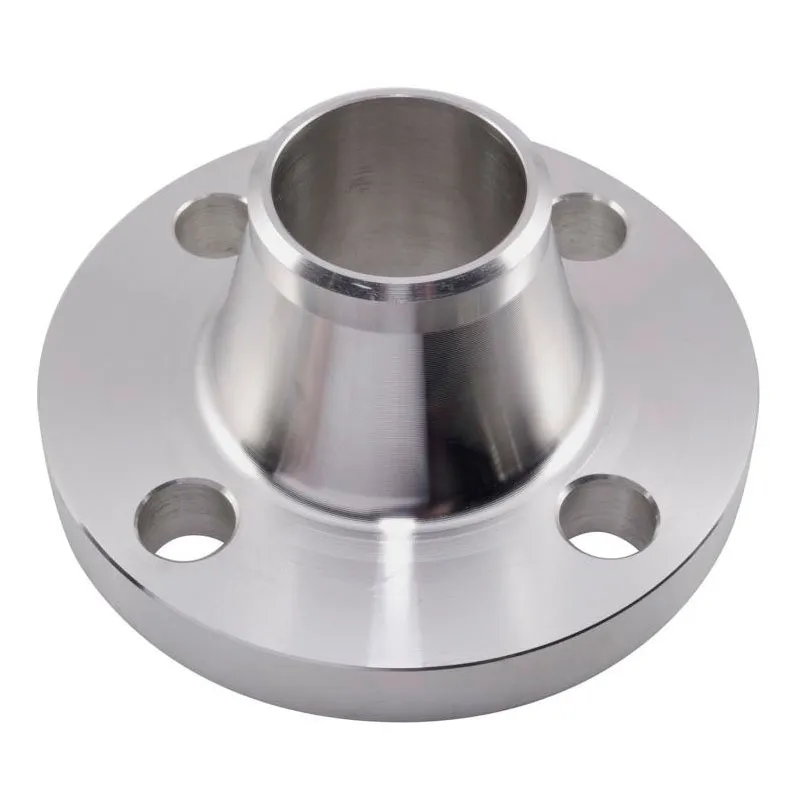
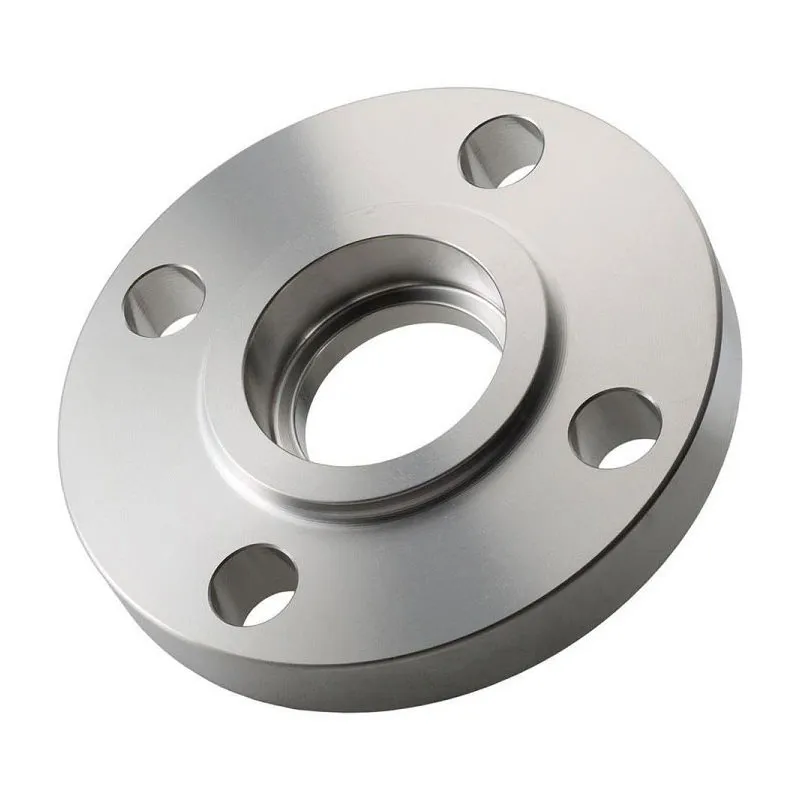
Correspondingproducts
Related Products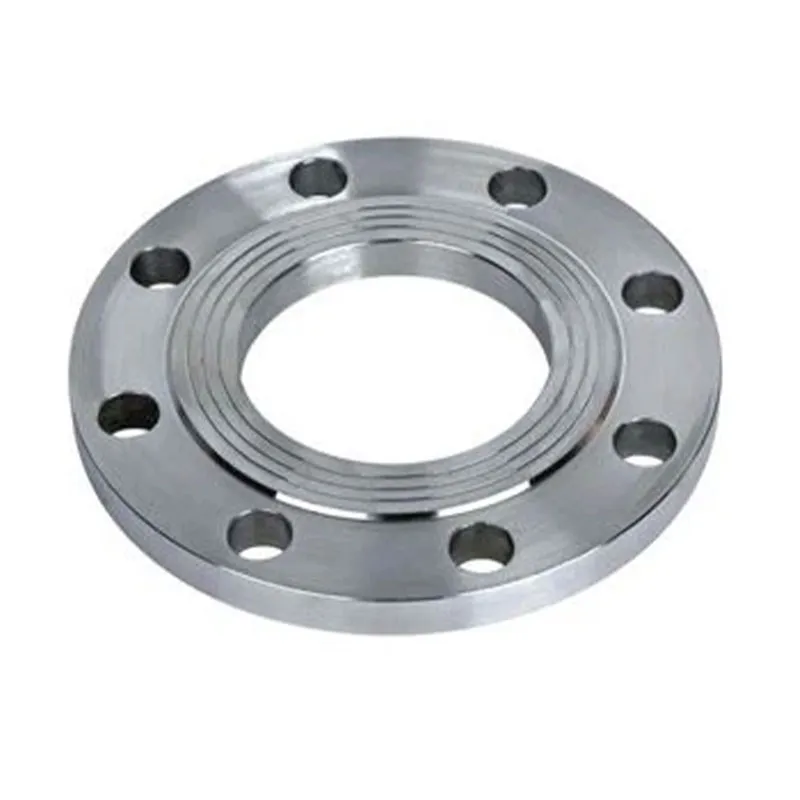
Best Sellingproducts
Best Selling Products-
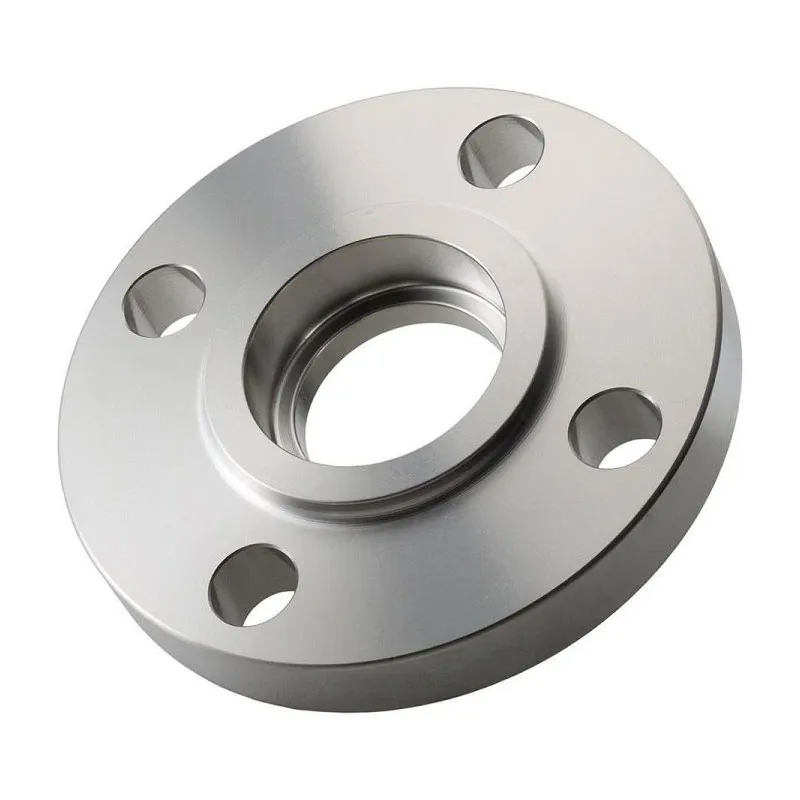 ANSI B16.5 Socket Weld Flanges Class 150
 -
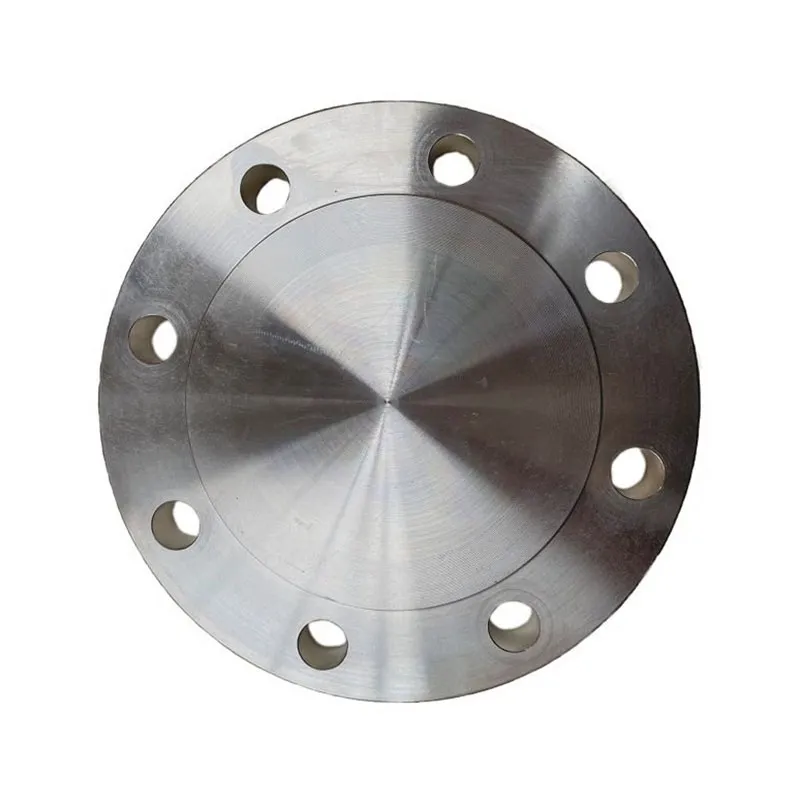 UNI 6092 Blind flanges PN10
 -
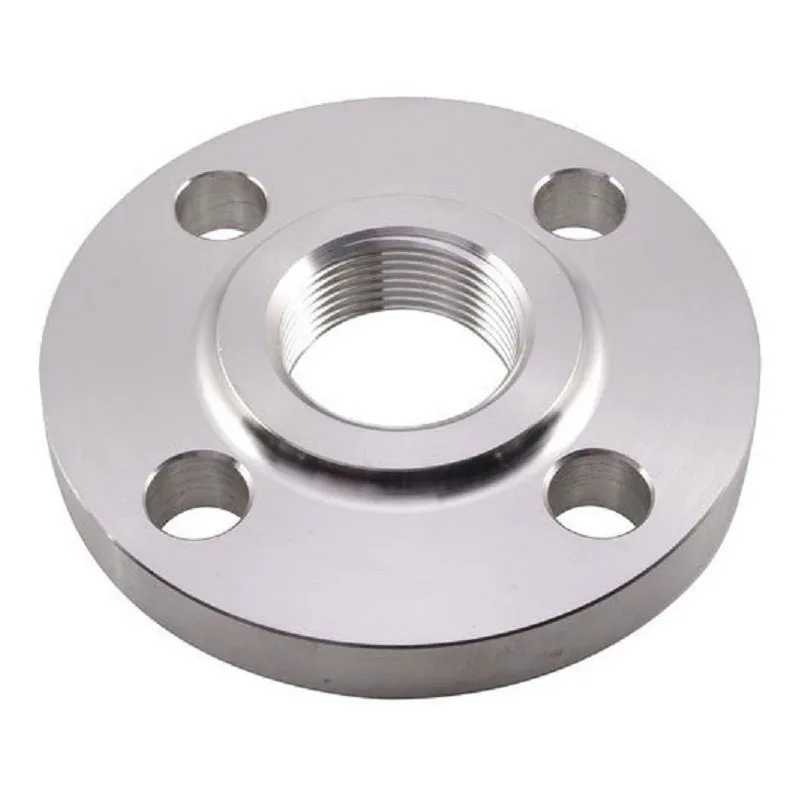 ANSI B16.5 Threaded Flanges Class 600
 -
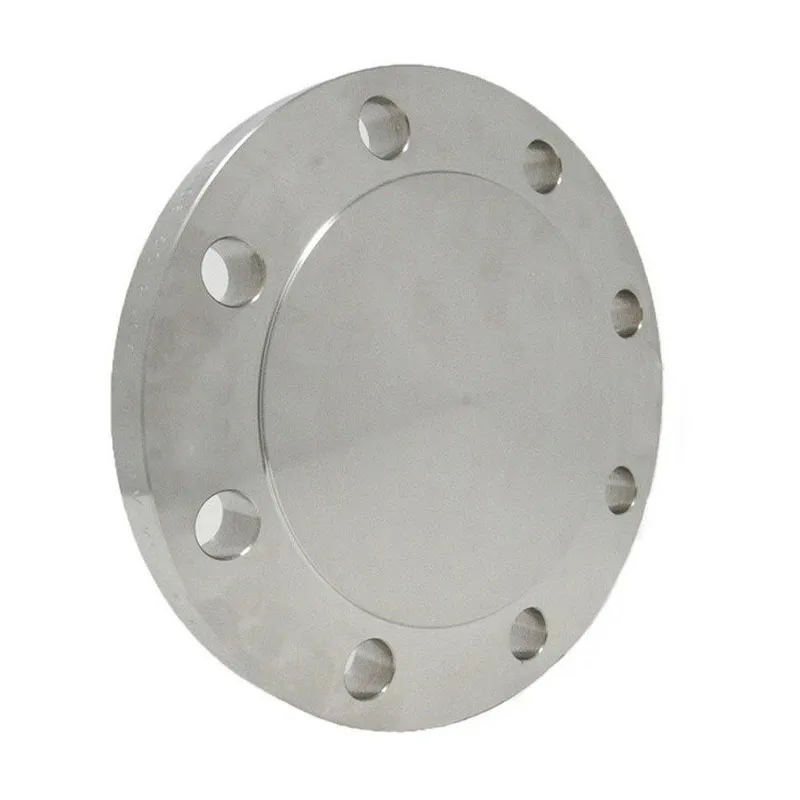 EN 1092-1 Blind flanges Type 05, PN10
 -
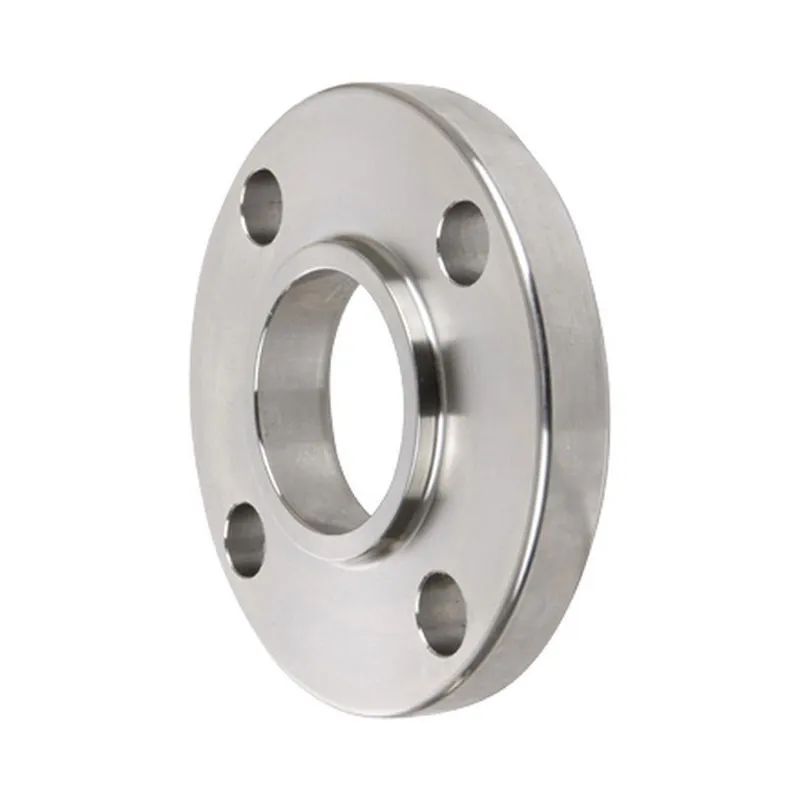 DIN 2501 Overlay flanges PN16
 -
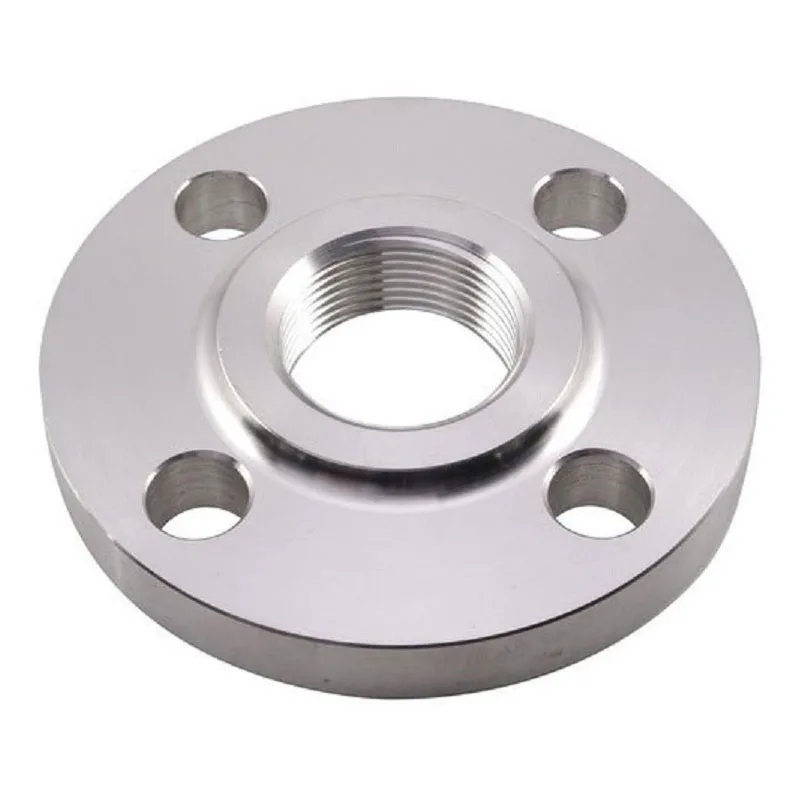 JIS 10K Threaded Flanges
 -
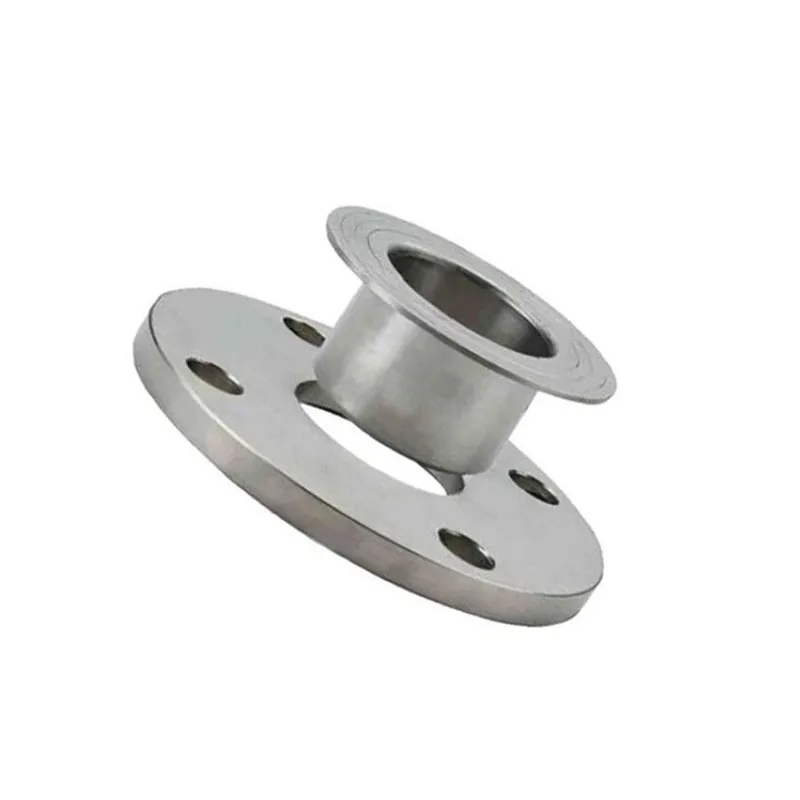 Free ring flanges Class 400
 -
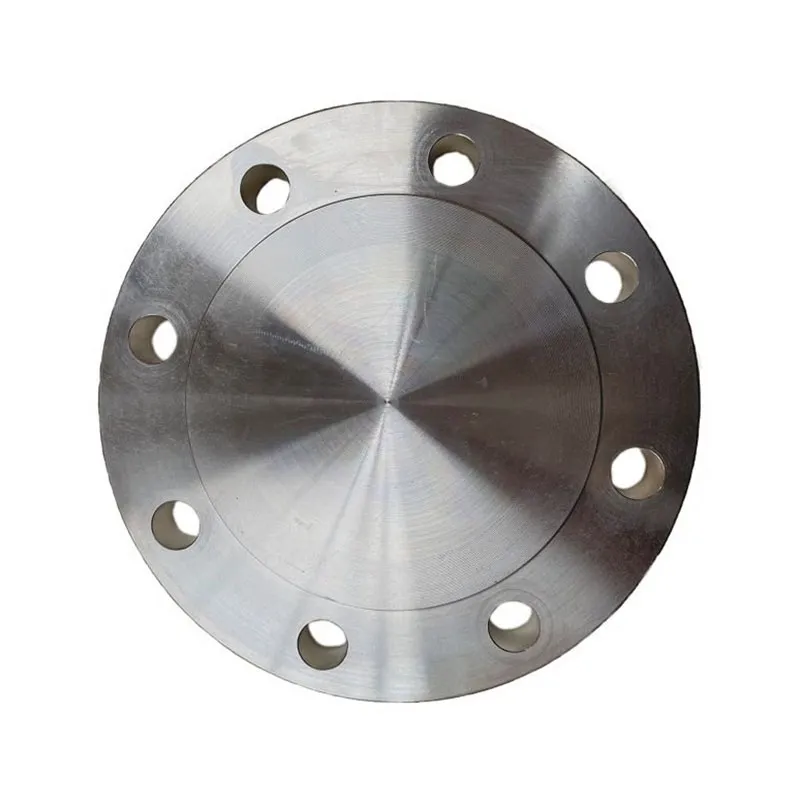 ASME B16.47 Ser.A Blind Flanges Class 400
 -
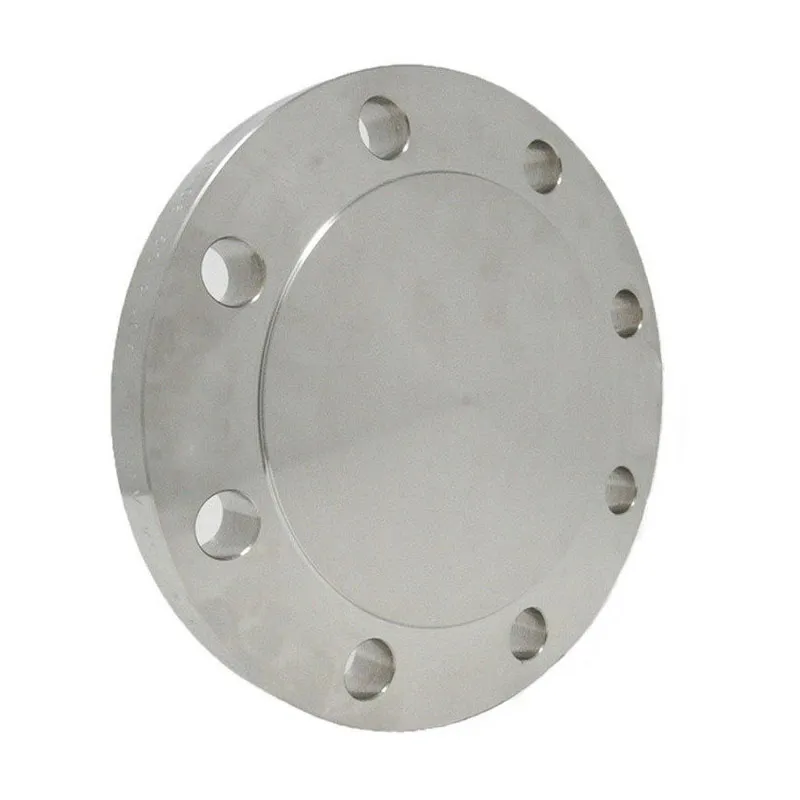 Blind flanges Class 150
 -
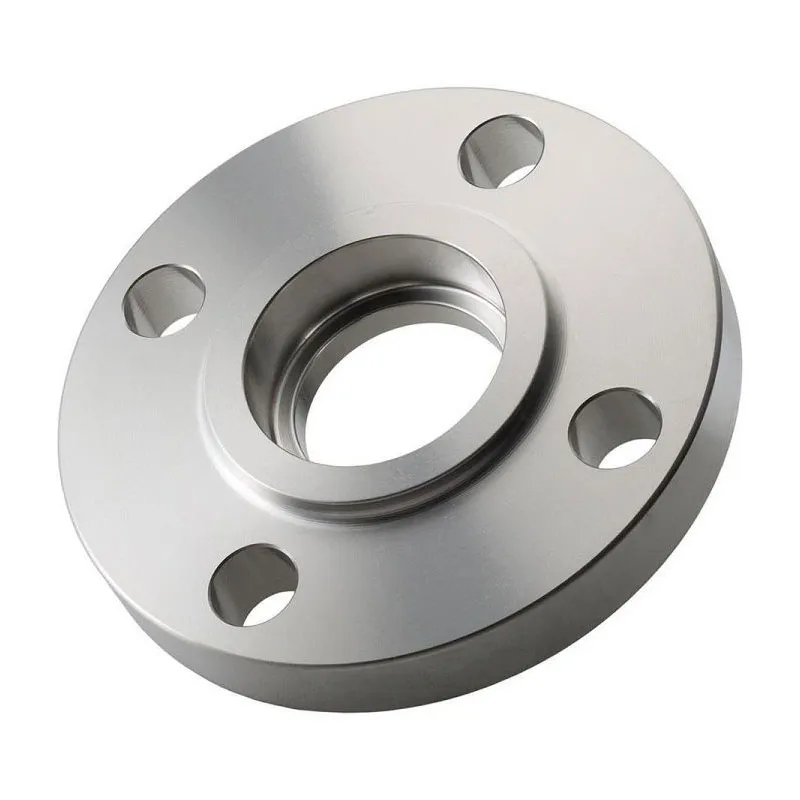 ANSI B16.5 Socket Weld Flanges Class 1500
 -
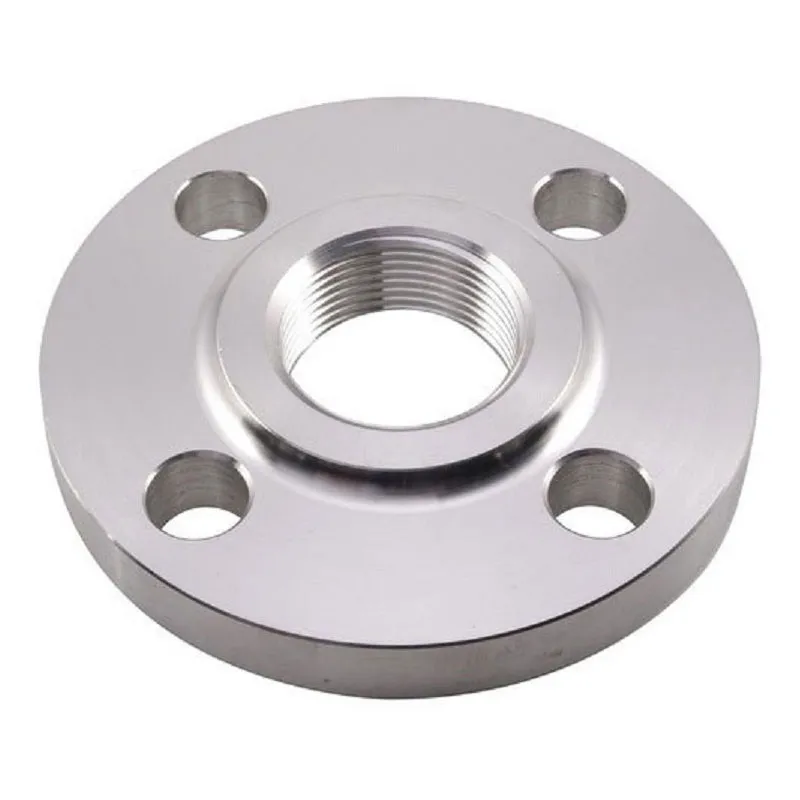 DIN 2565 Threaded flanges PN6
 -
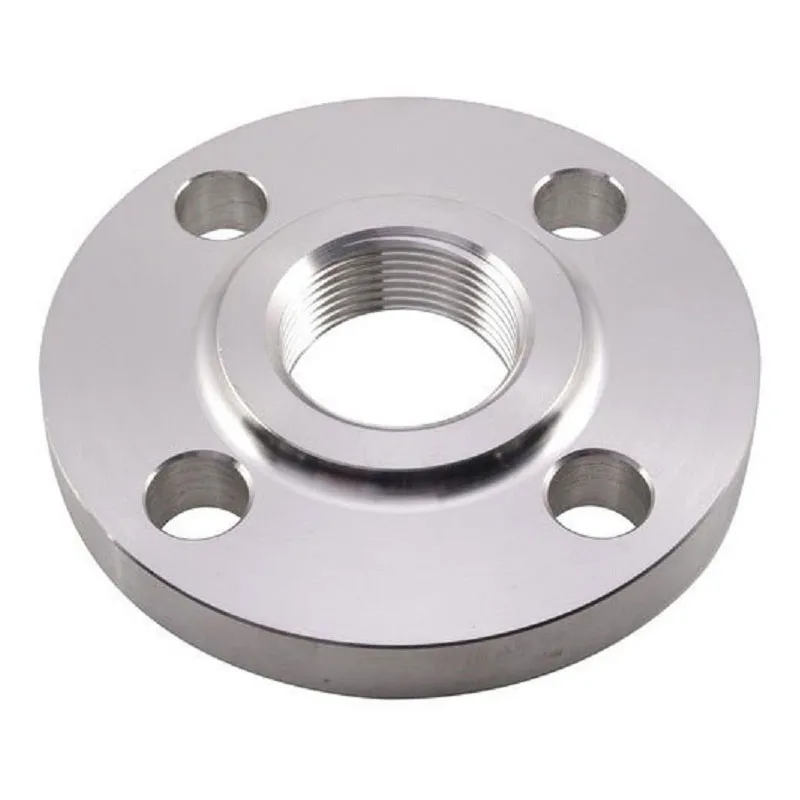 EN 1092-1 Threaded flanges Type 15, PN16