
-
-
Phone
+86-13623462298



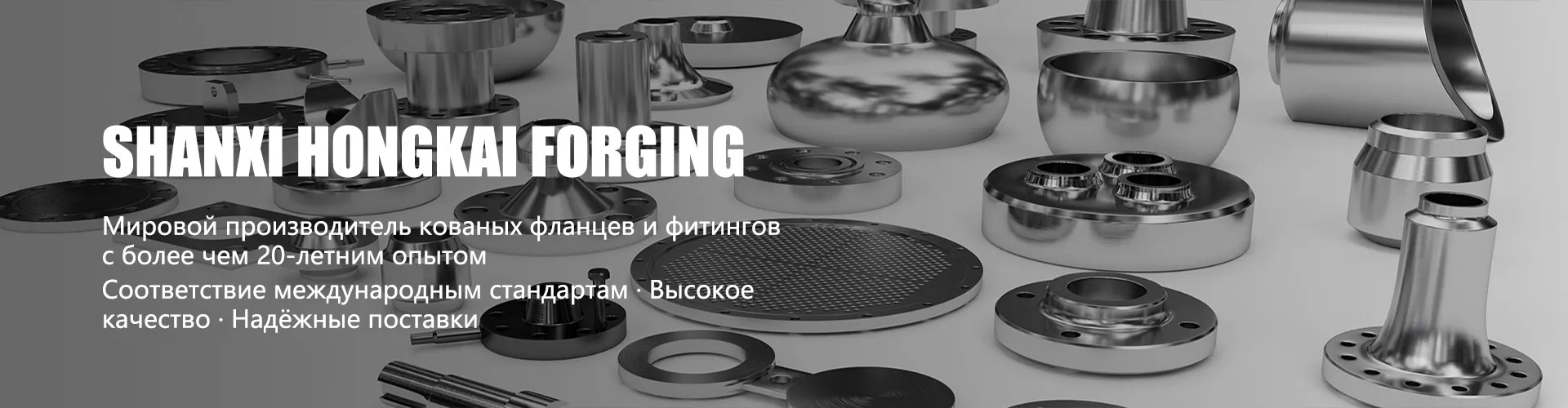
flanges pn 100
You look at the specification - flanges pn 100, and it seems that there is nothing complicated about it? The pressure is not the highest. But it is precisely this pressure that often causes all the problems to come out when they try to save on material or geometry. Many people think that since it’s not PN 160 or 250, they can take something cheaper. And then they wonder why the hotline started leaking around the perimeter of the bolts after six months. I've seen this myself more than once.
What's behind the number 100?
Nominal pressure is not just a number. For PN 100 this is, roughly speaking, 10 MPa at 20 degrees. But the key thing is “at 20 degrees?”. As soon as the temperature of the medium increases, the permissible pressure drops. And this is where the fun begins. For steam lines, for example, with temperatures under 300°C, the actual working load for a PN 100 flange can already be half as low. If you don’t take this into account at the selection stage, it’s a lost cause.
Material is a different story. For PN 100, they often take the path of least resistance: carbon steel 20, St3sp. And in general, this is normal for many environments. But if there is even a hint of corrosion activity in the environment, or cyclic temperature loads, these savings come back to bite. I trust alloy steels like 09G2S or 12Х18Н10Т more for such conditions, although they are more expensive. But more reliable.
The geometry of the sealing surface is generally open to error. Ridge-recess (RF), tongue-groove (T/G), under the lens gasket. For PN 100, RF is often installed; this is a common option. But if the environment is volatile or toxic, RF may not be enough. Need a tongue and groove. I saw a case where pn 100 flanges with an RF surface were installed on an ammonia line - after a month, leakage began. We changed it to T/G and the problem went away.
Manufacturing: forging vs stamping
Here is my firm conviction, based on the problems identified: for critical components with pressure PN 100 and above - only forged flanges. Stamped ones are cheaper, yes. But the metal fibers in stamping are often broken, and internal stresses may not be relieved properly. Under variable loads, this is the growth point for cracks.
Therefore, when you are looking for a reliable supplier, you look towards specialized forging production. Here, for example,Shanxi Hongkai Forging Co.,Ltd(their website ishttps://www.hkflange.ru). They are precisely a manufacturer of forged flanges and forgings, from a region that is considered one of the centers of the forging industry in China. For me, this is an indicator of specialization, not a handicraft workshop. They work in accordance with GOST, ASME, EN - this is important because it means control over the full cycle, from the ingot to machining.
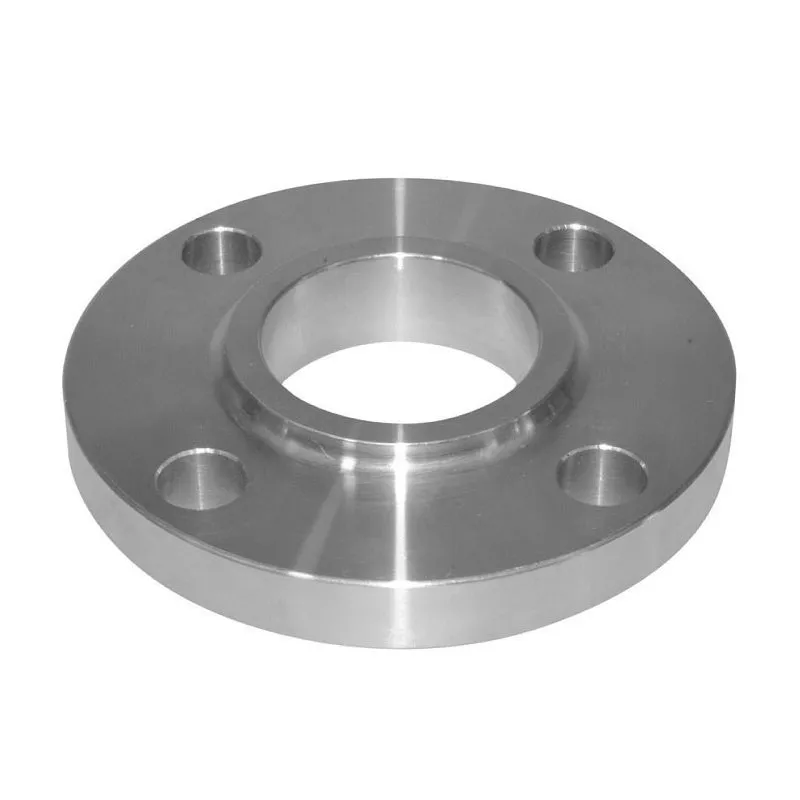
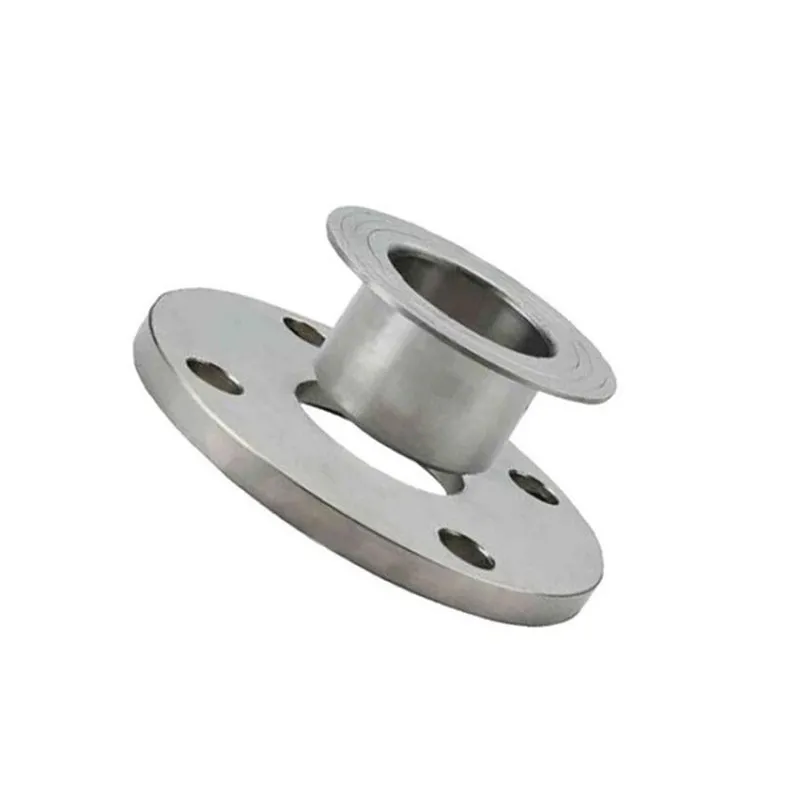
Their range covers all the main types under PN 100: butt welded (the most reliable for high loads, in my opinion), flat, free. Their stated size range is up to DN4000 - this is serious. This means that they can also make large-sized flanges for devices where the uniformity of the metal structure is critical. Loose flanges on a welded ring, by the way, for PN 100 are an excellent solution for frequent dismantling or complex installation, personal experience confirms.
Installation and pitfalls
Even a perfect flange can be killed by improper installation. Bolt tightening is a sacred cow. For PN 100 you cannot tighten by eye? or cross through one. You need a torque wrench and a tightening pattern - crosswise, in several passes, with a gradual increase in torque. Otherwise, you will create a misalignment, the load will be distributed unevenly, and the gasket will be crushed in one place and undercompressed in another. The result is a leak.
Gaskets. They often save money here by installing general-purpose paronite when graphite or spiral-wound is needed. For PN 100 in steam, for example, paronite quickly “degrades” and loses elasticity. After the first shutdown and cooling of the line - that’s it, the tightness is broken. We have to change it. It is better to immediately install a high-quality gasket designed for a specific environment and temperature.
Another nuance is the alignment of the pipes. If even a slight misalignment was allowed when welding pipes for pn 100 flanges, the flange will work with a bending moment. This is an emergency situation for which it is not designed. At best, the gasket will quickly fail. In the worst case, fatigue cracks will appear in the flange body or in the weld. Always check alignment.
Non-standard situations and custom solutions
It happens that according to the drawing you need a PN 100 flange, but with non-standard holes for fasteners, or an increased plate thickness, or made of a special alloy. Standard solutions off the shelf are not suitable. This is where you need a manufacturer who is ready to work according to the customer’s sketches. From the descriptionShanxi Hongkai Forging Co.,Ltdit is clear that they make non-standard products according to drawings. It's valuable.
I had experience ordering a PN 100 to PN 160 adapter flange to connect old and new equipment. The thickness and geometry were hybrid. It was made by forging, followed by heat treatment. It was important not just to weld the two halves, but to forge the workpiece to this configuration in order to maintain the strength characteristics. It turned out well, the unit has been working for five years without any complaints.
Another point - large diameters. The DN1500 flange on PN 100 is already a massive part. The problem here is not even in production (although forging such a forging requires a powerful press), but in transportation and processing. It is important that the manufacturer ensures the correct geometry after machining - flatness, parallelism, quality of the sealing surface. Otherwise, during installation on site, huge problems with alignment will arise.
Final Considerations
So, back to the beginning.Flanges pn 100- this is not ?simple? topic. This is an area of responsibility where the little things make all the difference: the right choice of material, type of forging, quality of workmanship, competent installation. Savings at any of these stages are almost guaranteed to result in problems during the operation stage.
Therefore, my approach is to look for specialized manufacturers with experience in forging, with a full control cycle. Like the sameShanxi Hongkai Forging Co.,Ltd. Their focus on forged products and working to international standards suggests they understand the issue for demanding applications. They don’t just stamp parts, they actually produce them.
After all, a flange is not just a piece of metal with holes. This is the element on which the safety and uninterrupted operation of the entire system depends. And for pressure PN 100, which is often used on quite serious objects, the approach must be appropriate. Without haste, with an understanding of the physics of the process and with an eye on real, and not just paper, experience.
Correspondingproducts
Related Products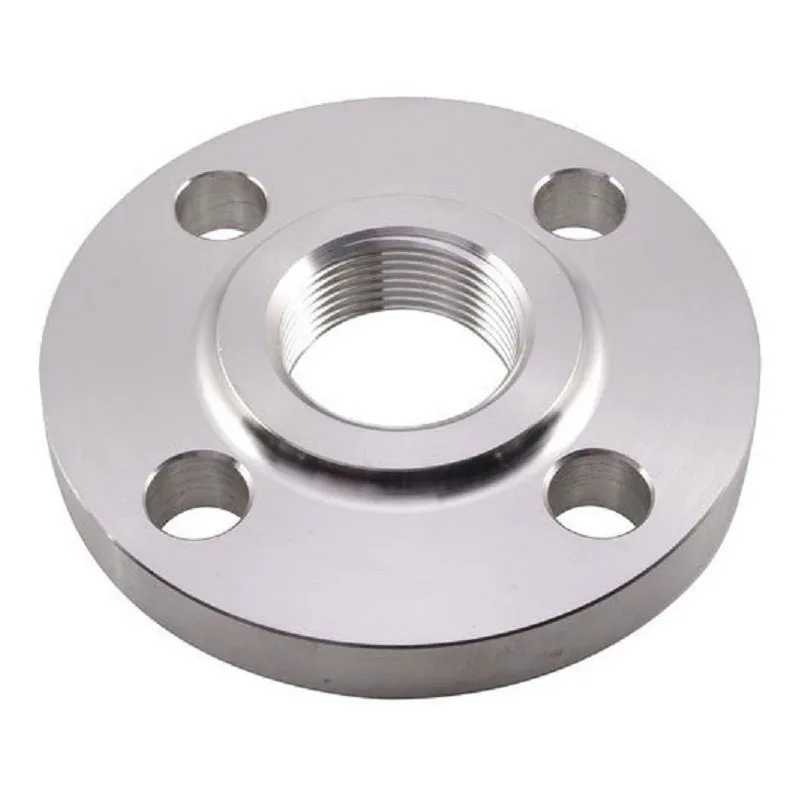
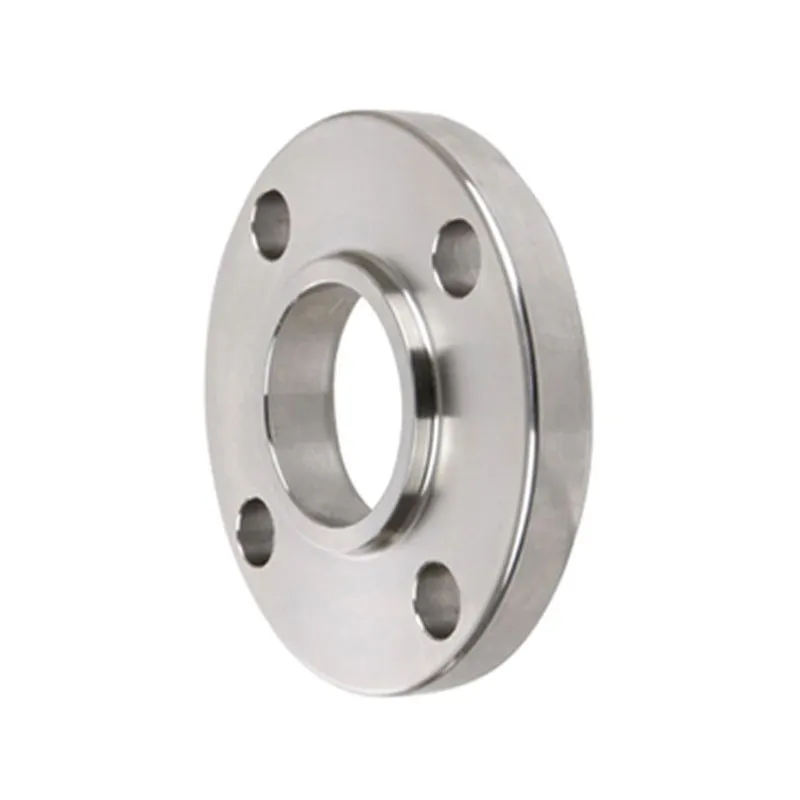
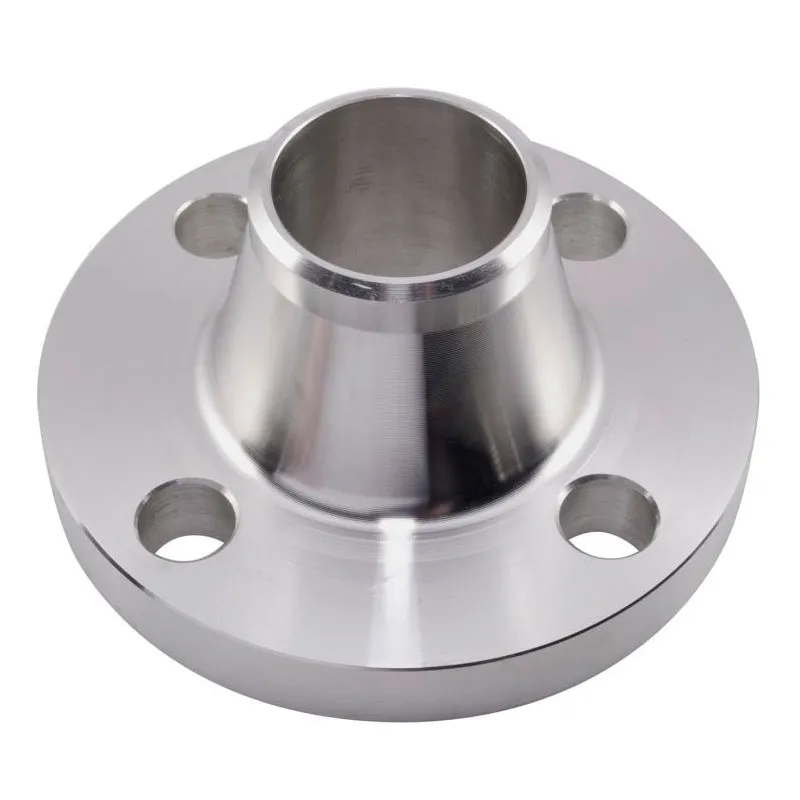
Best Sellingproducts
Best Selling Products-
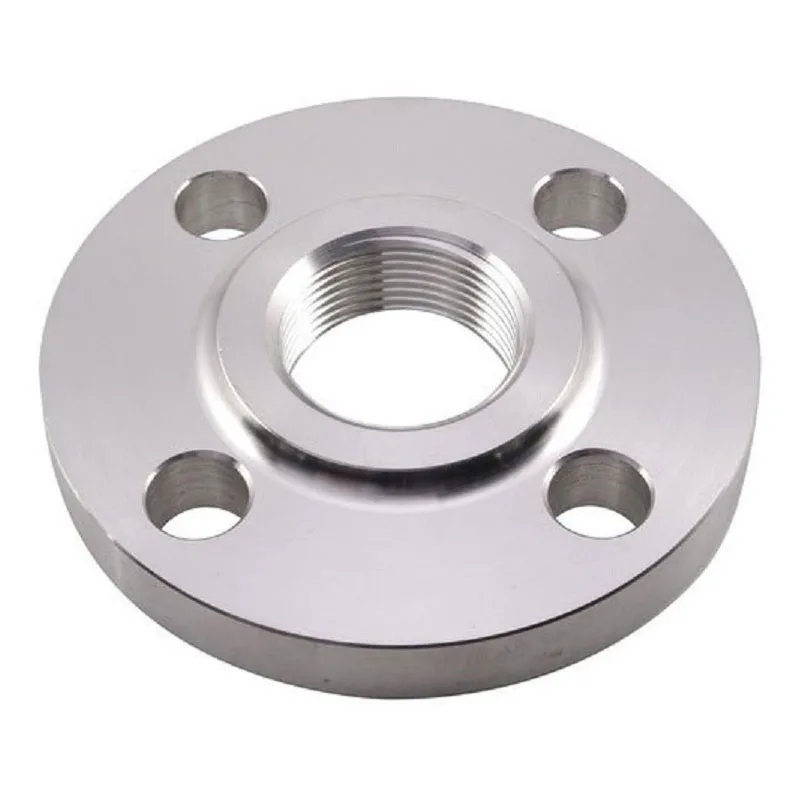 JIS 10K Threaded Flanges
 -
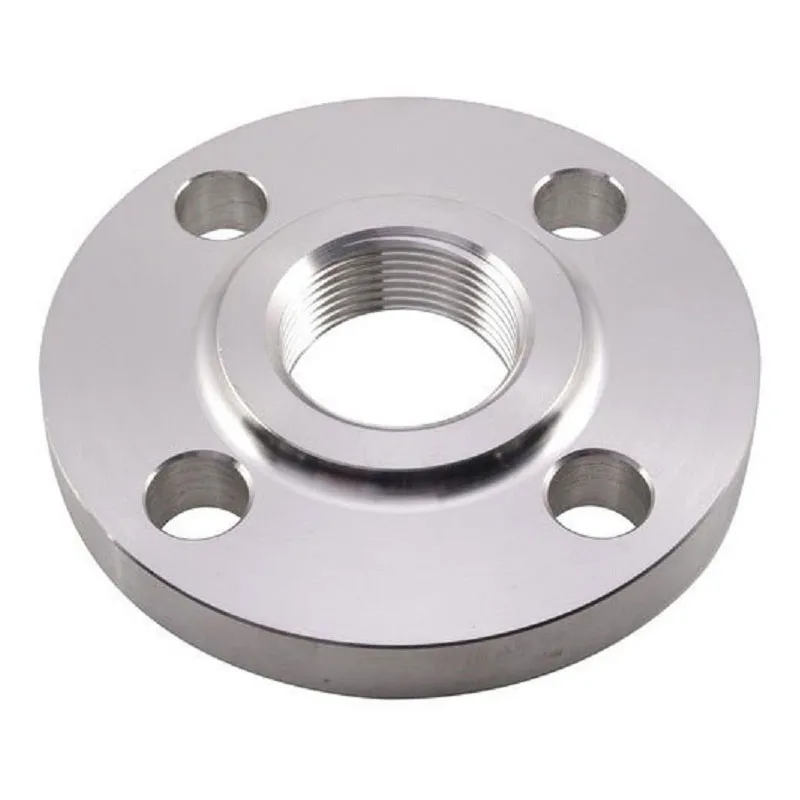 EN 1092-1 Threaded flanges Type 15, PN16
 -
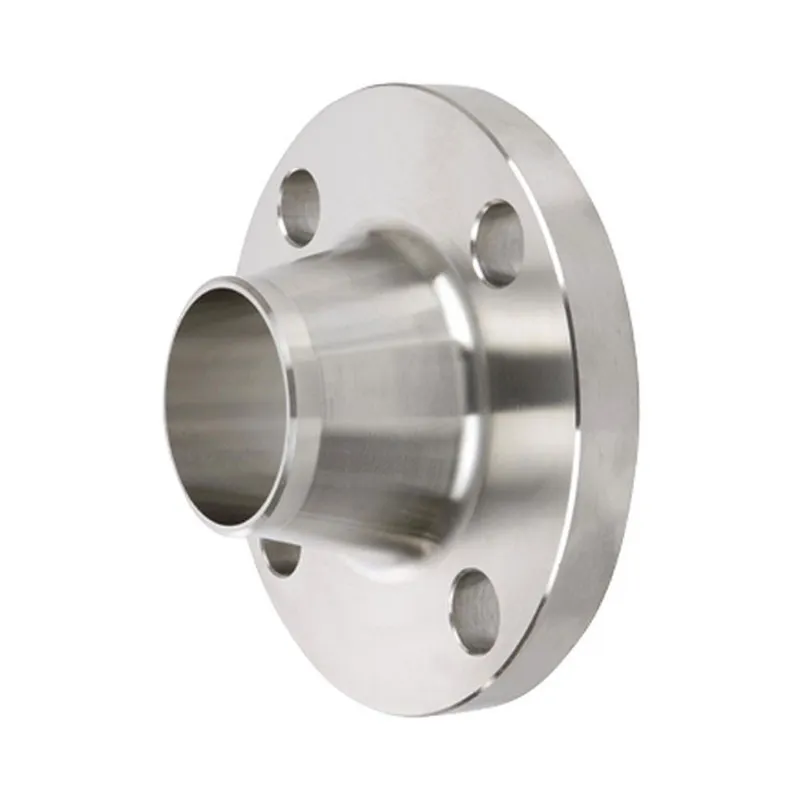 EN 1092-1 Butt weld flanges Type 11, PN25
 -
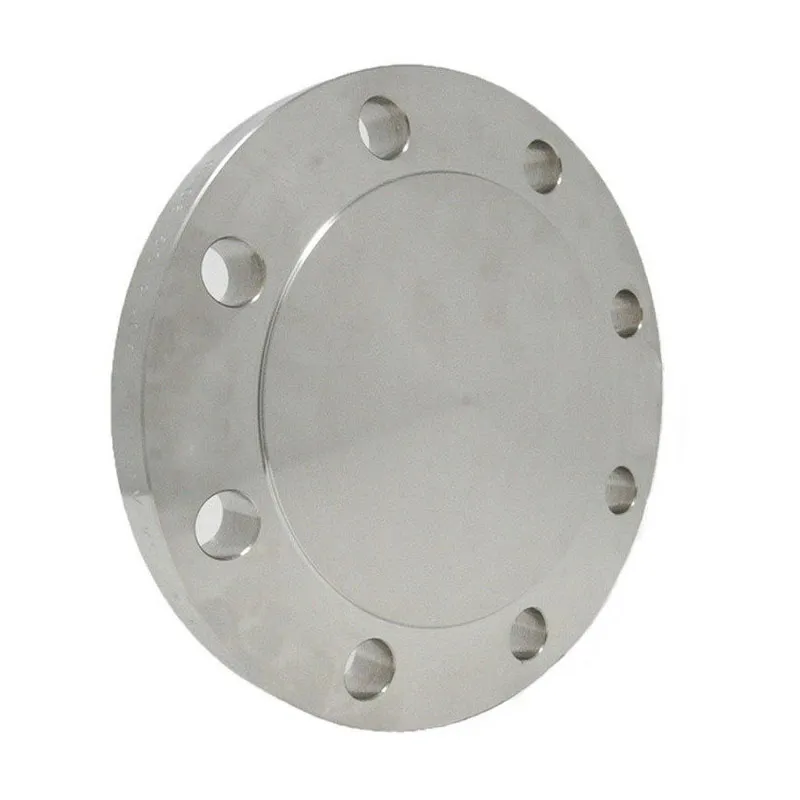 AWWA Blind Flanges Class D (Tables 1, 2, 3)
 -
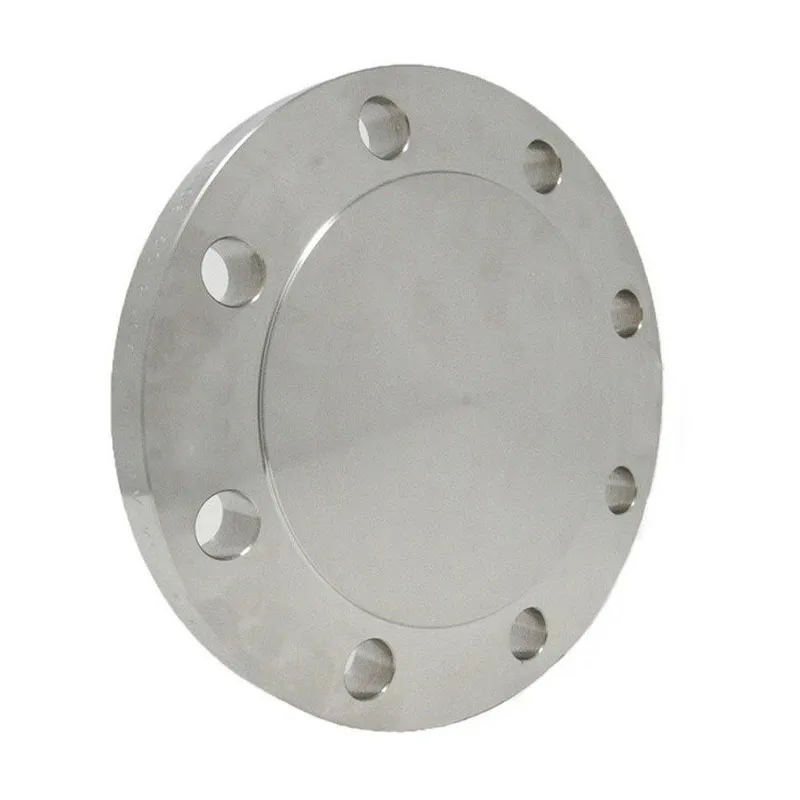 EN 1092-1 Blind flanges Type 05, PN10
 -
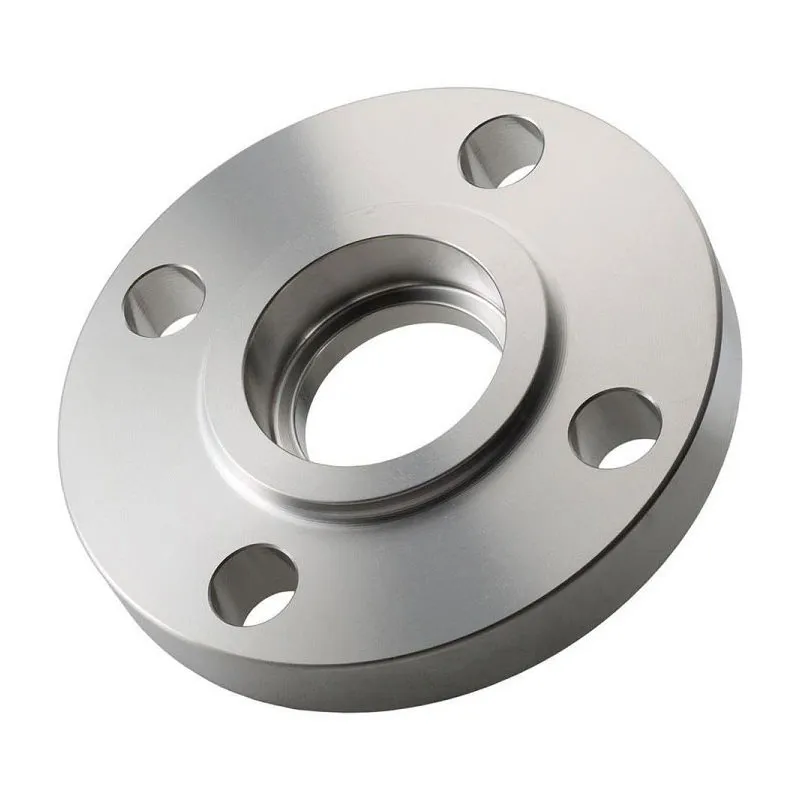 Flanges for socket welding
 -
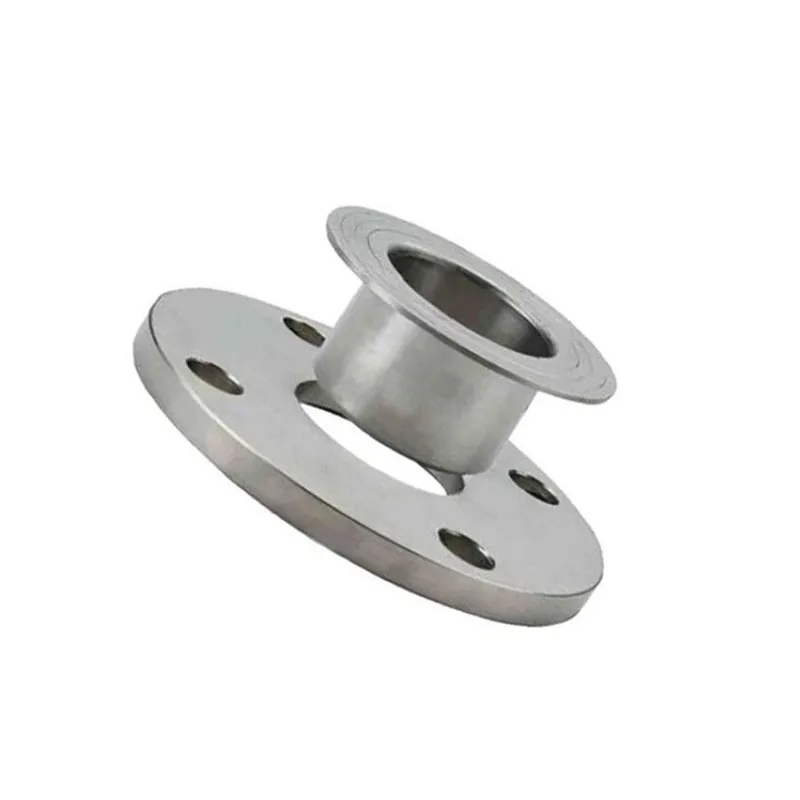 Free ring flanges Class 400
 -
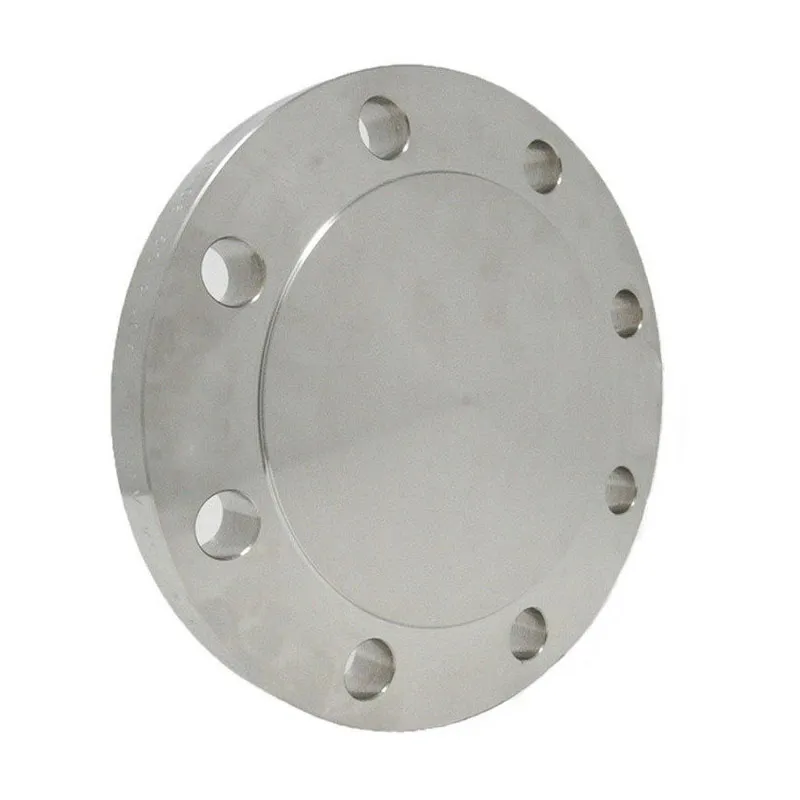 Blind flanges Class 150
 -
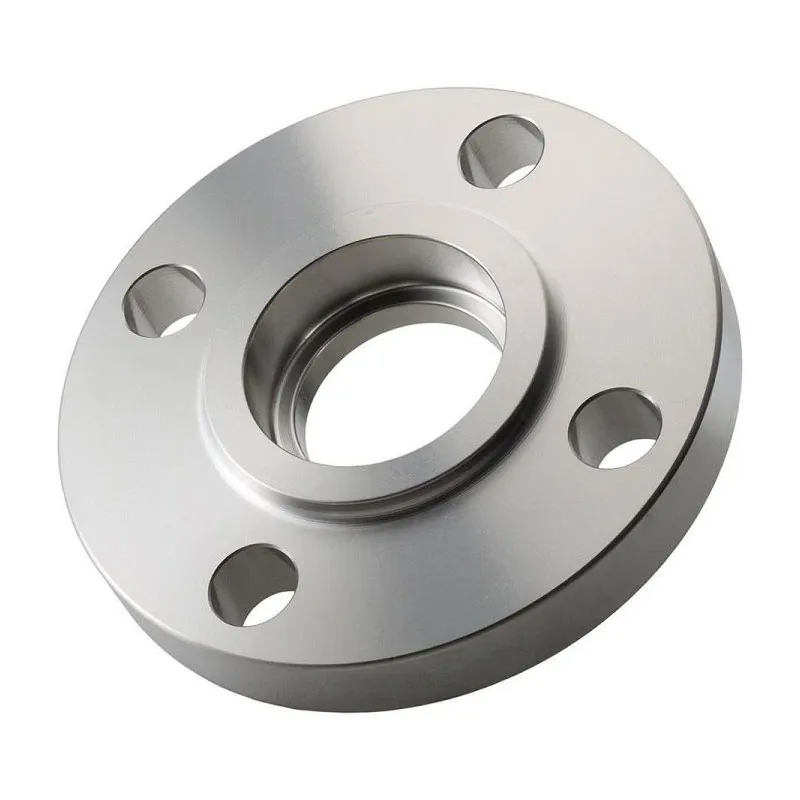 ANSI B16.5 Socket Weld Flanges Class 150
 -
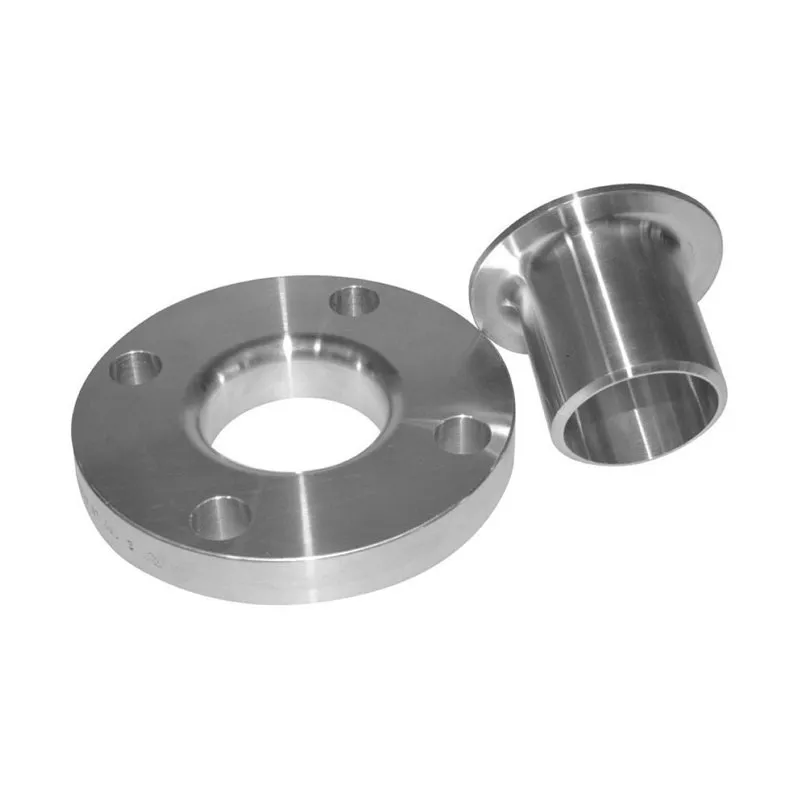 Free ring flanges Class 150
 -
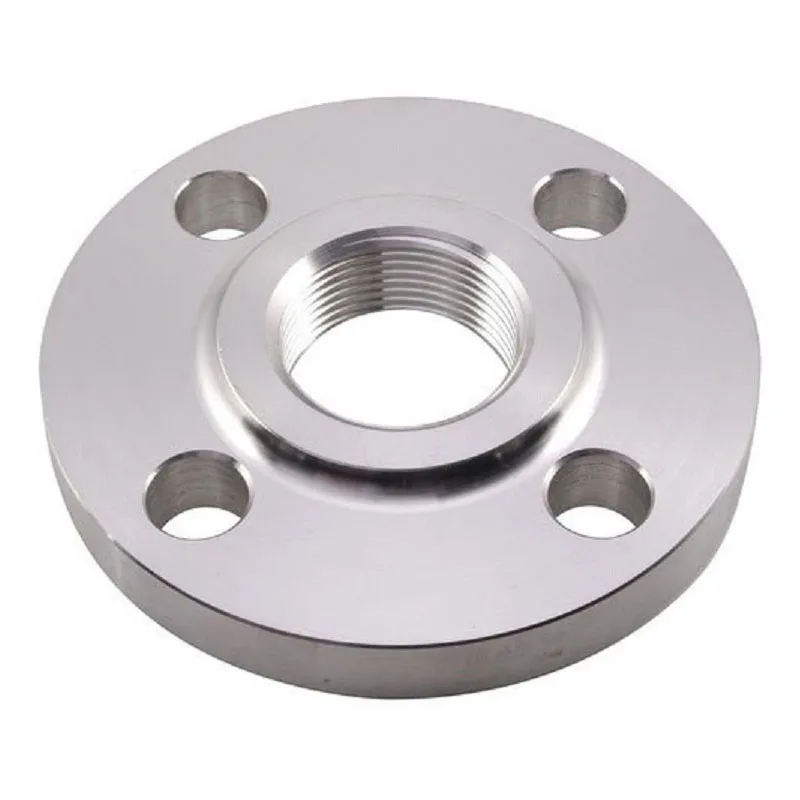 DIN 2566 Threaded flanges PN16
 -
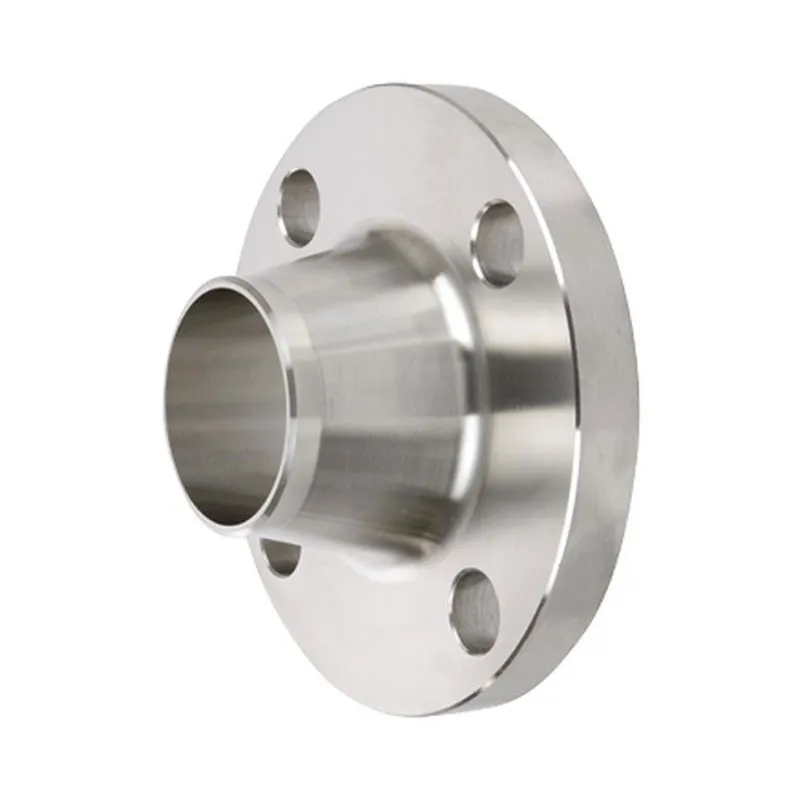 Ser.A Butt Weld Flanges Class 400