
-
-
Phone
+86-13623462298




GOST 32 flanges
When they talk about GOST 32 for flanges, many immediately think about steel 20 or 09G2S, about a pressure of 10 MPa and a temperature of up to 200°C. But in real work, especially with imported supplies, everything comes down to nuances that are not so clearly stated in the standard itself. A common mistake is to assume that if a flange is made according to GOST, then it automatically fits any system with this designation. In fact, especially when connecting to European or American-made pipeline fittings, problems may arise with respect to surface tolerances, the geometry of the holes for the studs, or even the markings. I myself came across this several times when on site I had to urgently modify chamfers or select non-standard gaskets.
Not just numbers: we analyze GOST 32 in detail
The main thing to look at isGOST 32 flanges- this is not only the nominal diameter and pressure. The key point is the design of the sealing surface. There are several of them in the standard: with a projection, with a depression, with a tenon, with a groove, for a lens gasket. And this is where the fun begins. For example, for a design with a projection (version 1), the height of this projection according to GOST 32 is strictly regulated. But if you have fittings, say, with flanges according to EN 1092-1, then a similar projection there may have different dimensions. Visually, the difference is a fraction of a millimeter, but when tightened, this can lead to uneven pressure on the gasket and, as a result, leakage under hot or cyclic loads. We once installed flanges from a Russian plant in line with German valves - it seemed that both were conditionally suitable for 10 MPa. But after hydraulic testing with hot water, they began to leak around the perimeter. We had to remove it and measure it, and it turned out that the radius of curvature on the chamfer of the German flange was larger, and our O-Ring gasket simply did not fill the entire volume.
Another often overlooked aspect is the material. GOST 32 prescribes for the main versions of steel types St20, 09G2S, 12Х18Н10Т. But the standard contains a reference to the fact that flanges can also be made from other grades, the mechanical properties of which are not lower than those indicated. This opens up room for maneuver, but also for mistakes. For example, for low temperatures (below -40°C) steel 20 no longer rolls; 09G2S is needed. But some manufacturers, especially small ones, may not take this into account or save money by supplying 20-gauge steel with “cold-resistant?” a certificate that does not guarantee anything. Checking impact strength at minus 60 is mandatory when talking about northern projects.
And here is the time to remember about manufacturers who work with this consciously. For example,Shanxi Hongkai Forging Co.,Ltd(their website ishttps://www.hkflange.ru). They don’t just stamp flanges, but rather forge them, which is critically important for critical applications. Forging gives better metal structure, especially around the edges of the holes and in the area where the hub meets the disc. When we ordered a batch from themflanges GOST 32for one of the petrochemical facilities, they specifically stipulated not only the steel grade (12Х18Н10Т), but also the requirement for ultrasonic testing of the workpiece before machining. In their case, as a forging manufacturer from one of the centers of the forging industry in China, this was par for the course. They themselves offered test reports on mechanical properties and ultrasonic testing. This was very different from the experience with other suppliers, where they send you a certificate “from the factory”, but in reality it can be “general”. for the entire melt.
Application experience and pitfalls
In editingflanges GOST 32require special attention to tightening. The standard gives dimensions for the studs, but does not regulate the tightening order. And this is important, especially for large diameters, say, from DN600 and above. We use a "criss-cross" pattern. and torque wrenches, but even this does not always save if the flange surface has slight waviness. Once, at a thermal power plant, they were faced with the fact that new flanges, which had been perfectly sized, were leaking. After disassembly, we saw barely noticeable concentric marks from processing on the sealing surface. I had to finish them manually with lapping paste on the stove. Conclusion - visual inspection of the surface, even if its roughness is normal, is never superfluous.
Another story is related toloose flanges according to GOST 32. It would seem like a convenient thing to install, especially in hard-to-reach places. But their ring and flange must fit perfectly together. We purchased a batch from one supplier, and during installation it turned out that the gap between the inner diameter of the ring and the outer diameter of the hub of the welded flange was too large. The ring was “dangling?” As a result, when welding the pipe, difficulties arose with alignment, plus then there could be a problem with the uniformity of tightening. I had to return the entire batch of rings for revision. Since then, when ordering loose flanges, we always require a control assembly of the unit at the manufacturer, or at least a random check of the mating dimensions.
As for non-standard situations, GOST 32, of course, does not cover everything. For example, it was necessary to install a flange on a high-pressure apparatus, but with a non-standard arrangement of holes for the studs - shifted by 15 degrees relative to the usual one. The standard flange did not fit. ContactedShanxi Hongkai Forging Co.,Ltd, because they knew that they made forgings according to customer drawings. We sent them the drawing, they quickly made calculations for the forging, and agreed on the technology. An important point is that they immediately clarified about the subsequent heat treatment (normalization) after forging to relieve internal stresses. The finished product came with a full package of documents, including a certificate of chemical composition and mechanics. Installed, it has been working for several years without any complaints. Their profile is precisely from DN15 to DN4000 according to GOST, ASME, EN and other standards, which indicates flexibility.
Marking and documents: formality or necessity?
The marking on the flange according to GOST 32 is not just a mark for show. It must be: nominal pressure (PN), nominal bore (DN), steel grade, manufacturer's trademark. In practice, incomplete marking is often encountered, especially on small diameters. Or the markings are applied with paint, which is erased after sandblasting or during installation. This then creates headaches during inspection or repair. Good manufacturers apply stamping marks on the hub or disk. At the sameShanxi Hongkai Forging Co.,LtdThe documents explicitly state that the marking is applied by impact, which complies with the requirements.
A certificate or quality passport is a separate topic. It is ideal when it not only says “complies with GOST 32-2004?”, but also provides specific test results for a given batch: chemical analysis, mechanical properties (tensile strength, yield, elongation), hardness control results. For critical facilities, they may also request the results of ultrasonic testing or magnetic particle testing. Some suppliers, especially those who work mainly for the domestic market, are surprised by such requirements. But for international projects or for working with Western engineering companies this is standard practice. The mentioned manufacturer, judging by their website and our experience, manufactures products in accordance with international standards, so they usually have such a package of documents in order and are familiar.
It also happens that everything is perfect in the certificate, but in reality there is a problem. Once we received flanges whose certificate included steel 12Х18Н10Т. But upon visual inspection, after a short period of work in an aggressive environment (acid fumes), pinpoint traces of corrosion appeared on some flanges. This raised suspicions. We sent the sample to a metallurgical laboratory - it turned out that the chromium content was at the lower limit, and the carbon content was at the upper limit. Technically, it meets the GOST tolerance, but the corrosion resistance is no longer the same. Since then, for critical environments, we sometimes order random chemical analysis from an independent laboratory, especially if the supplier is new.
Interchangeability with other standards: myths and reality
The question often arises: is it possible to putflange GOST 32instead of, for example, an ASME B16.5 flange of the same pressure rating (Class 600 approximately corresponds to PN 10 MPa)? Answer: be careful, it is possible, but not always. The basic geometric dimensions (outer diameter, diameter of the circle for the studs, number of holes) for popular sizes are often the same. This is called ?interchangeability? in some catalogs. But differences can be in the thickness of the flange, the size of the hub, the diameter of the holes for the studs (metric versus inch threads) and, most importantly, the design of the sealing surface. For ASME, this is most often raised face (RF) with a certain height and roughness. GOST for version 1 also has a protrusion, but its parameters may differ. If you just twist it, it might work. But to guarantee tightness, especially under variable loads, it is better to install flanges of the same standard or use adapter kits.
With European standards, such as EN 1092-1 (type 11 - raised flange), the situation is similar. The nominal dimensions may be the same, but EN tolerances are often stricter. Chinese manufacturers who actively export, likeShanxi Hongkai Forging Co.,Ltd, usually they know this well. Their website states that they work according to GOST, ASME, EN, DIN and others. This means that they most likely have separate equipment parks and a clear understanding of what standard to do what. By ordering a flange from them according to GOST 32, you can be sure that it will be made exactly according to this standard, and not “approximately according to GOST, but with tolerances under EN?”, which is sometimes practiced by less conscientious factories.
Personal conclusion: working withGOST 32 flanges- this is not about just opening a size chart and ordering. This is about understanding the context of their application: environment, temperature, adjacent fittings, installation and documentation requirements. And about choosing a supplier who understands these nuances not in words, but in deeds, having experience in production for different markets and standards. Little things like the forging method, control at intermediate stages and completeness of documents ultimately determine whether the assembly will work for years or will cause problems at the commissioning stage.
Correspondingproducts
Related Products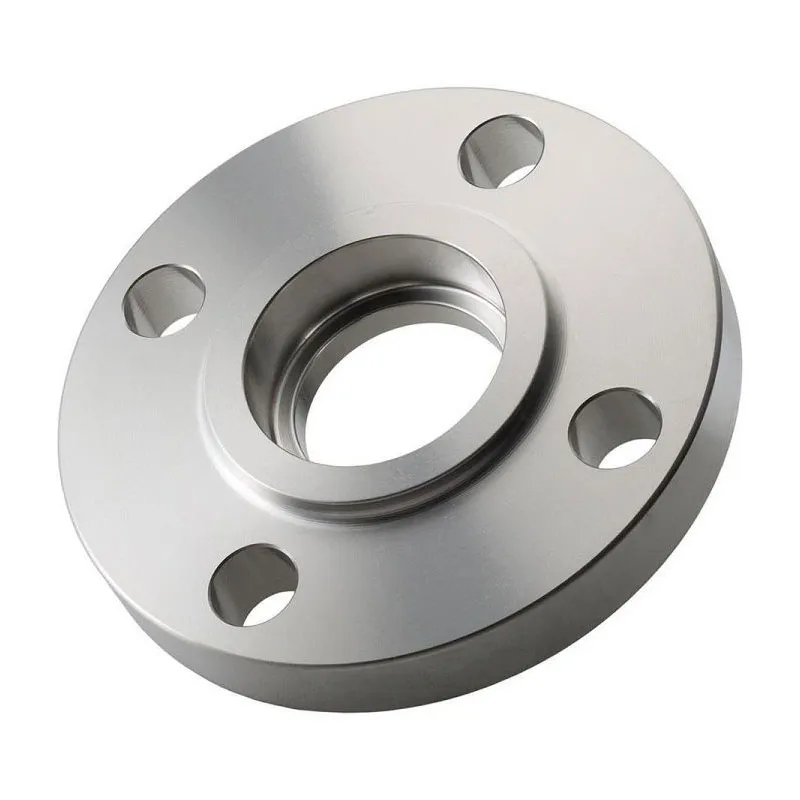
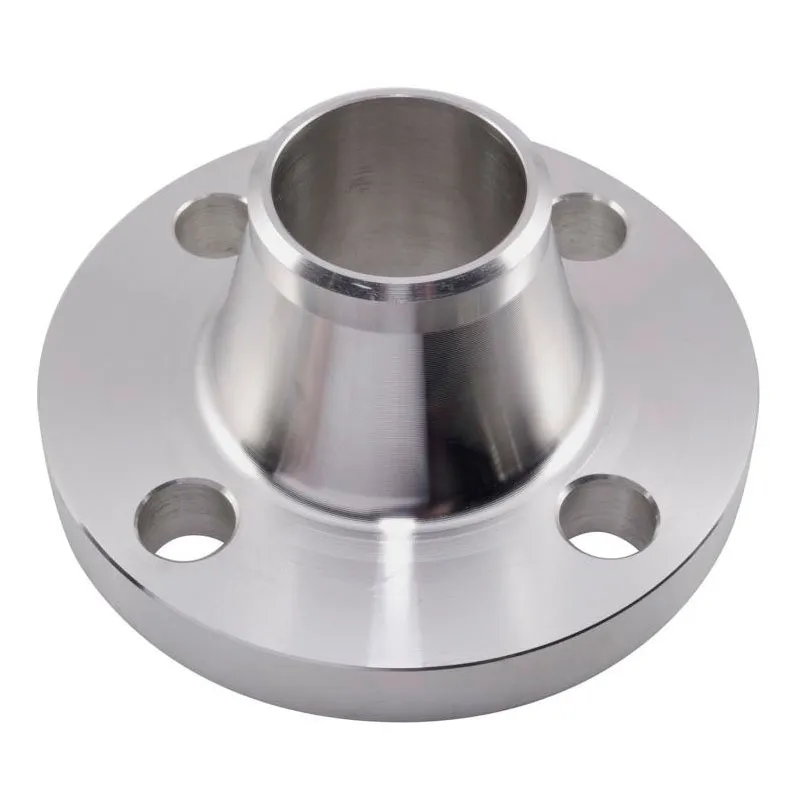
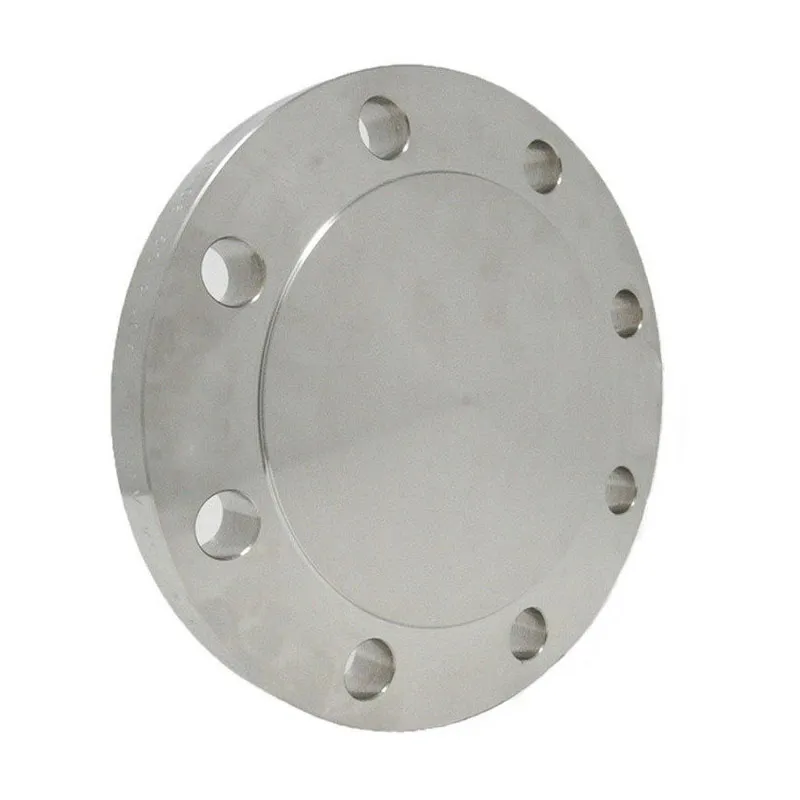
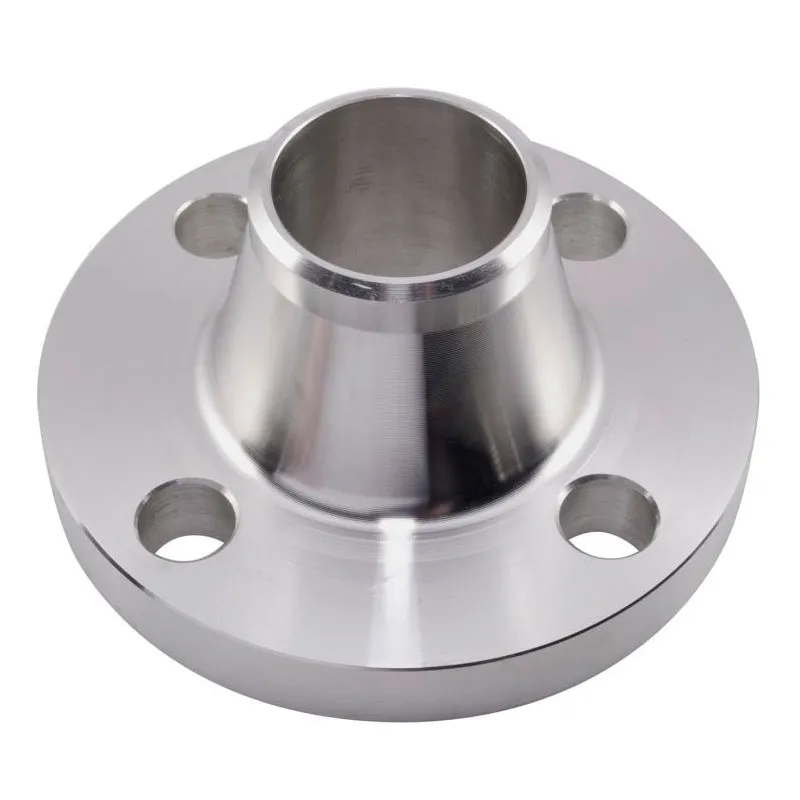

Best Sellingproducts
Best Selling Products-
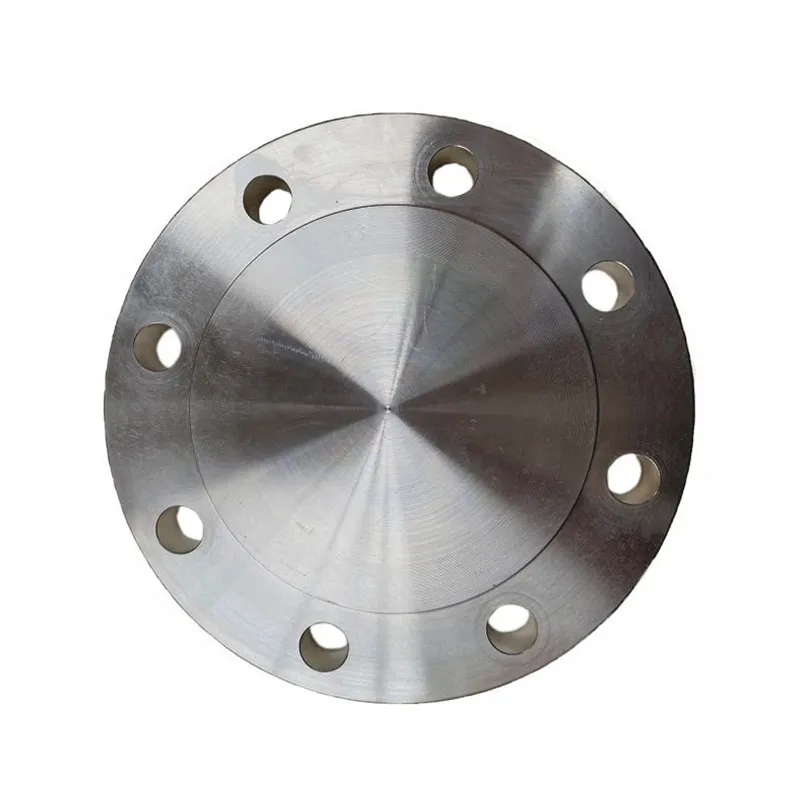 DIN 2527 Blind flanges PN10
 -
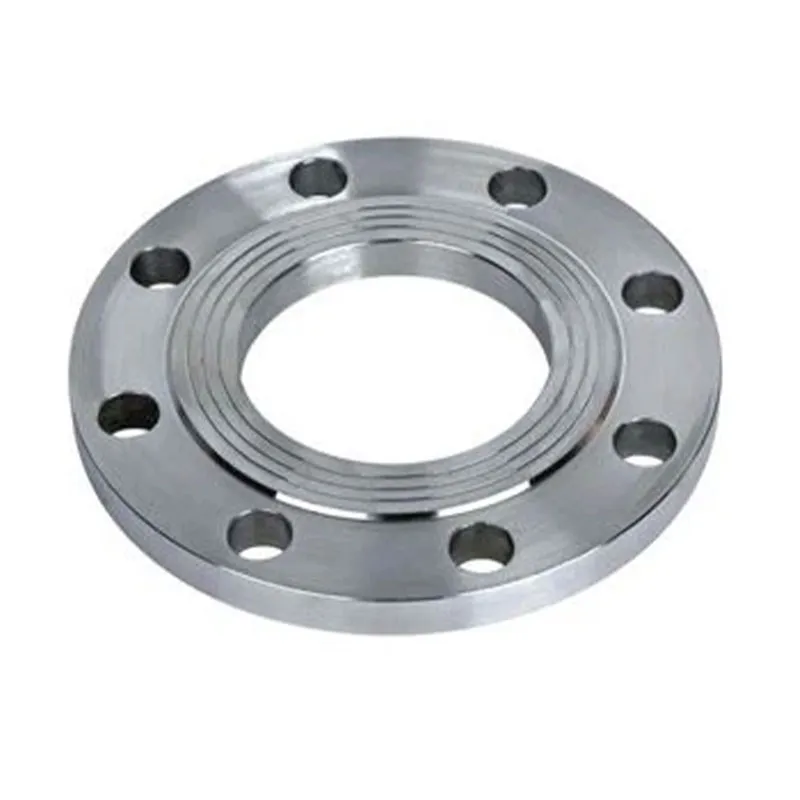 Butt weld flanges Class 150
 -
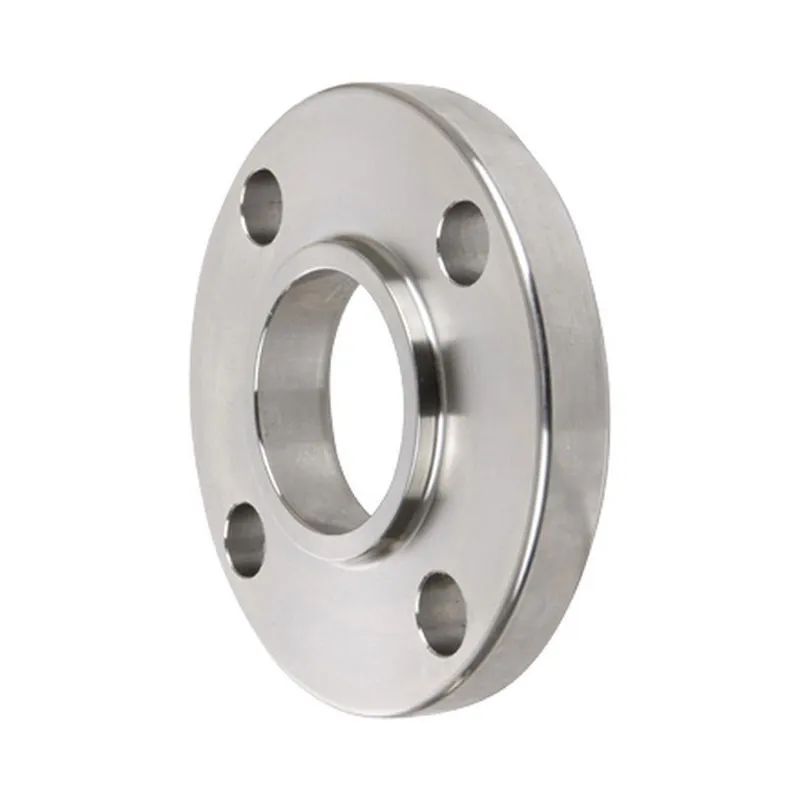 DIN 2501 Overlay flanges PN16
 -
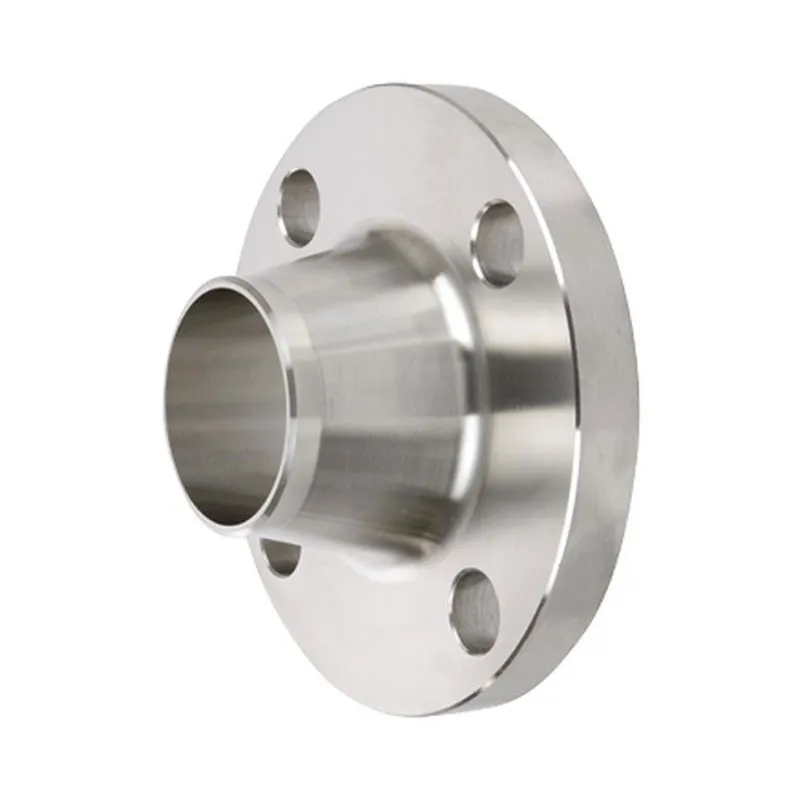 Ser.A Butt Weld Flanges Class 400
 -
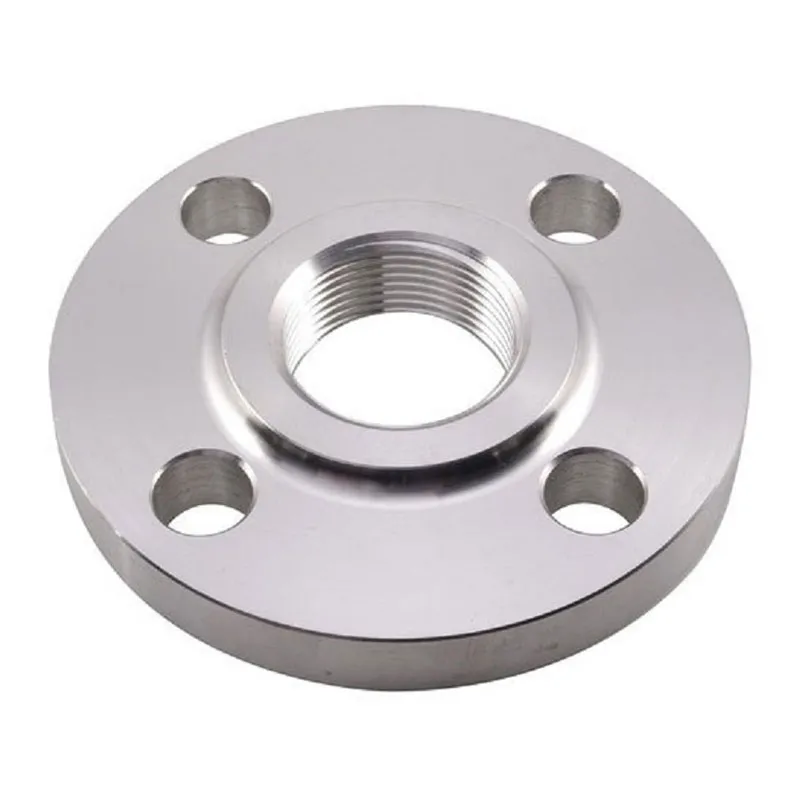 JIS 10K Overlay flanges
 -
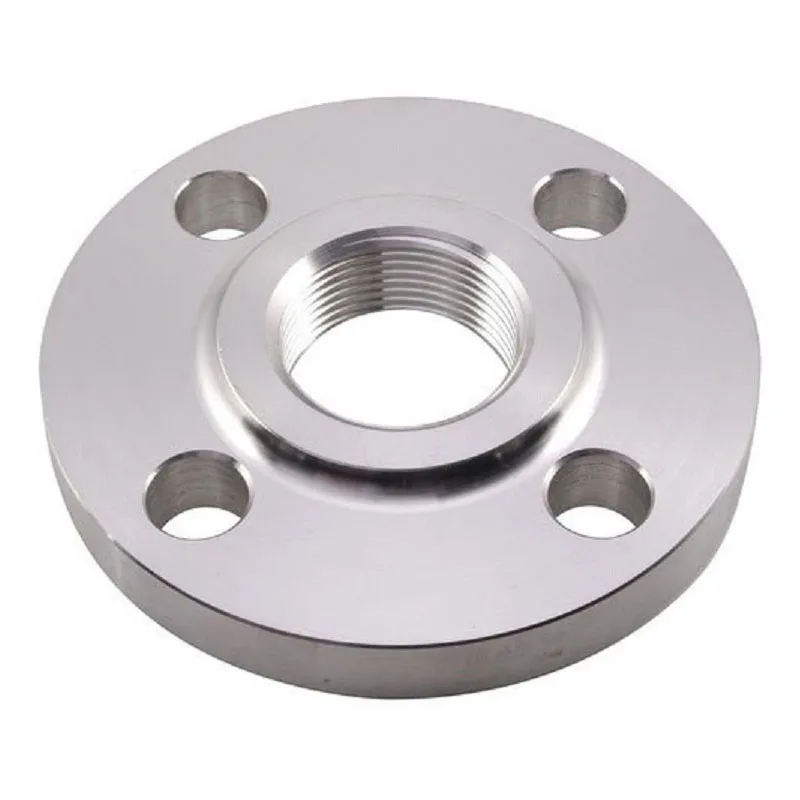 DIN 2566 Threaded flanges PN16
 -
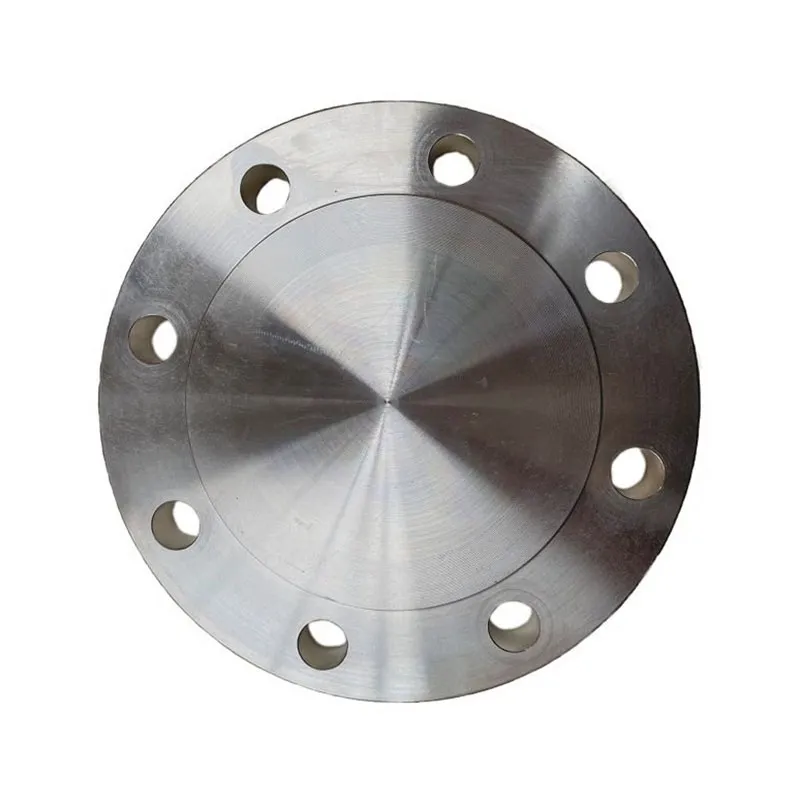 ASME B16.47 Ser.A Blind Flanges Class 400
 -
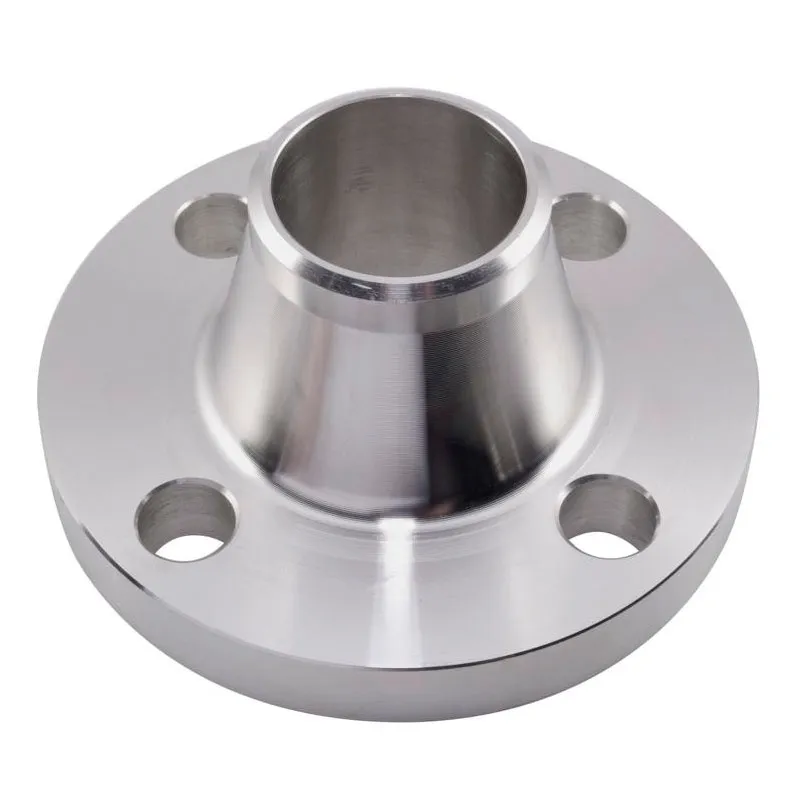 Butt weld flanges Class 900
 -
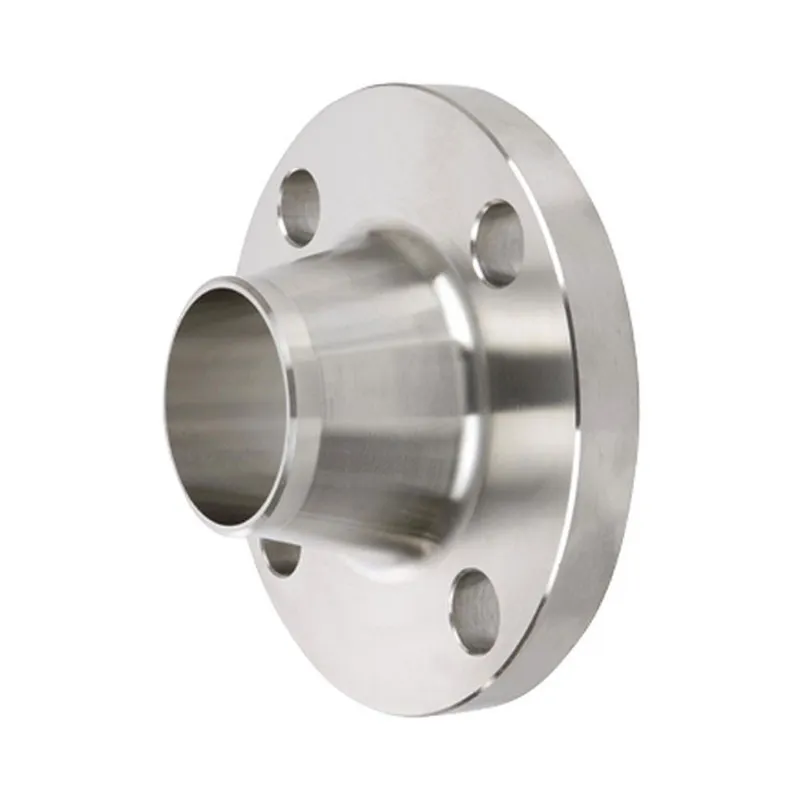 EN 1092-1 Butt weld flanges Type 11, PN25
 -
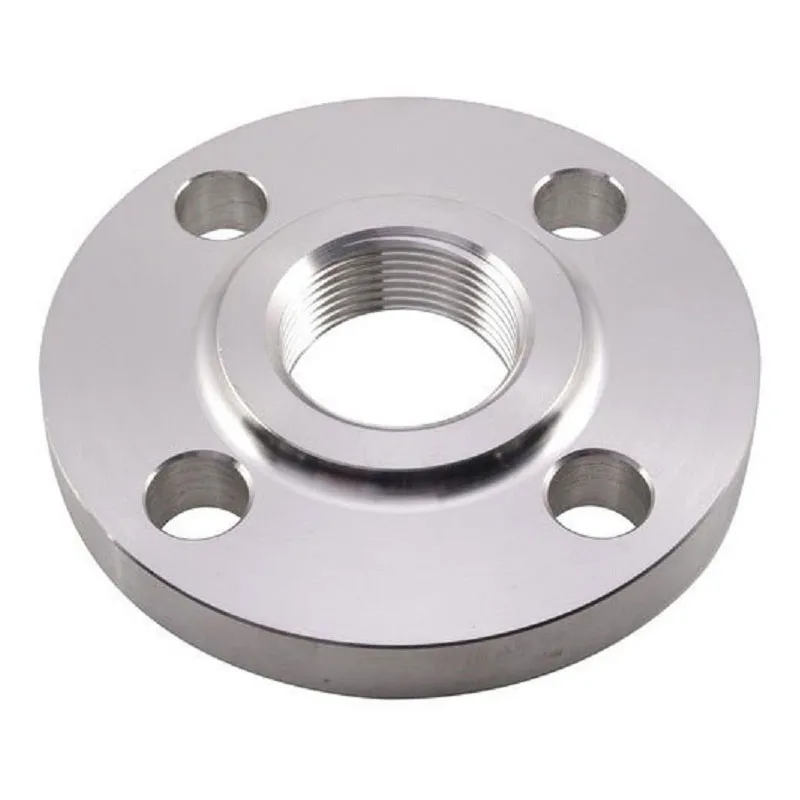 EN 1092-1 Threaded flanges Type 15, PN16
 -
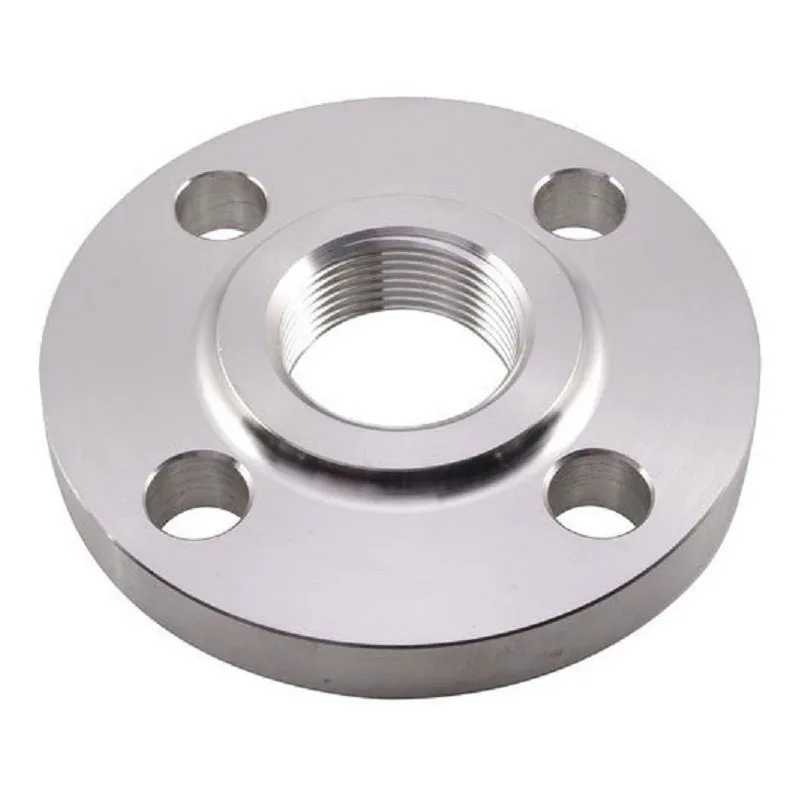 ANSI B16.5 Threaded Flanges Class 600
 -
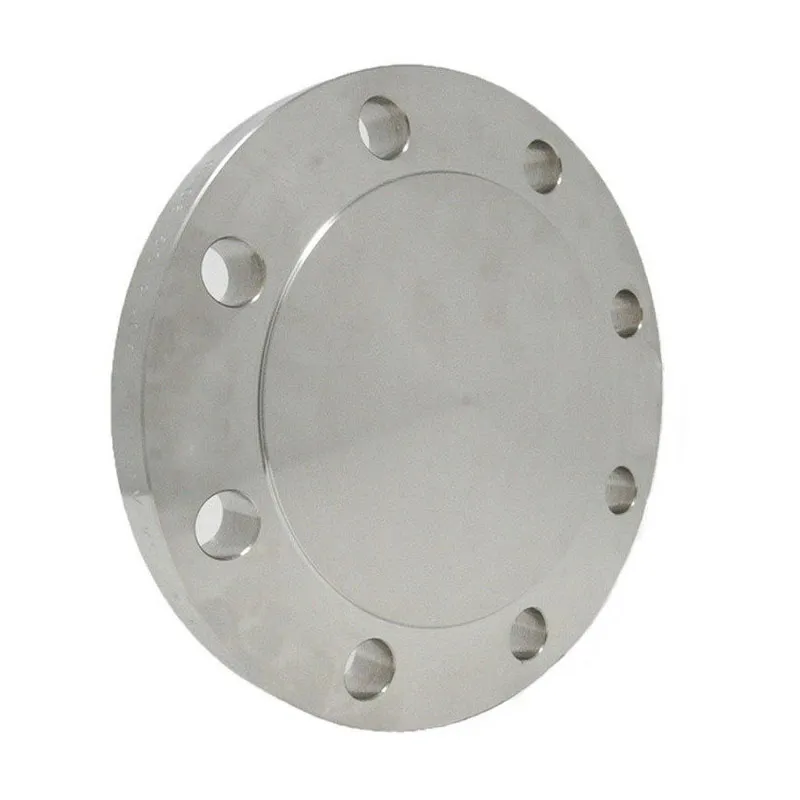 Blind flanges Class 150