
-
-
Phone
+86-13623462298



flange 15 sizes
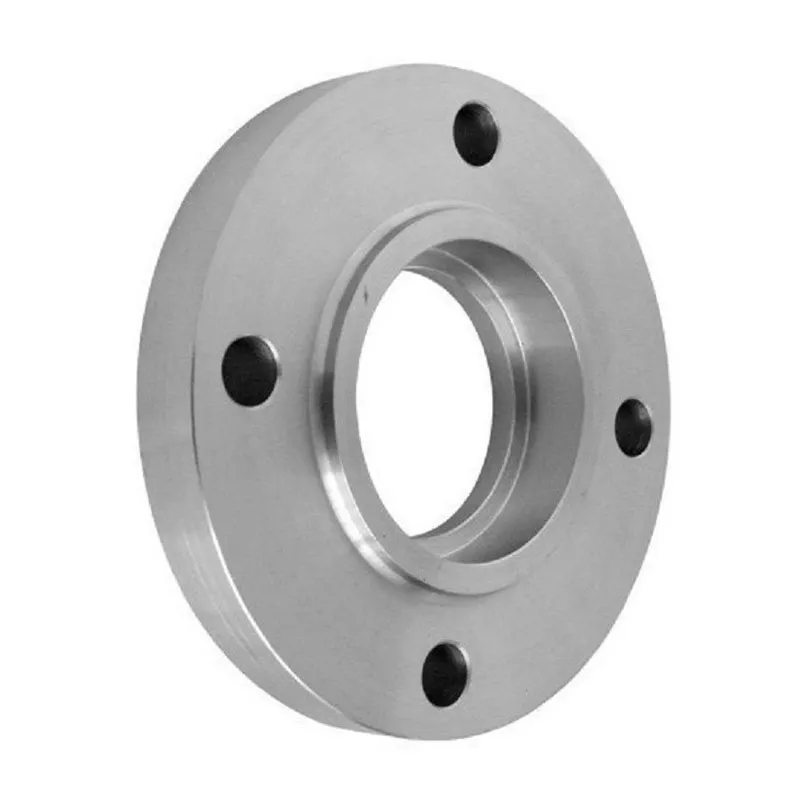
When you look for “flange sizes 15?”, dry tables usually pop up: DN 15, PN 16, 20, 40, outer diameter, thickness, bolt circle... And it seems that this is enough. This is where the first pitfall lies. Sizes are not just numbers for ordering. This is, first of all, a story about how this part will behave in the circuit, will it withstand the difference, will it not “behave”? whether it is from thermal cycling. I have seen many times how people, especially at the start, order according to a table, without thinking about the material, type of seal, or even the quality of processing of the seating surfaces. And then they wonder whyflange 15When the pressure seems to be normal, it begins to leak. Or, worse, cracks appear on the threaded connection after the first serious water hammer.
DN 15 is just a starting point
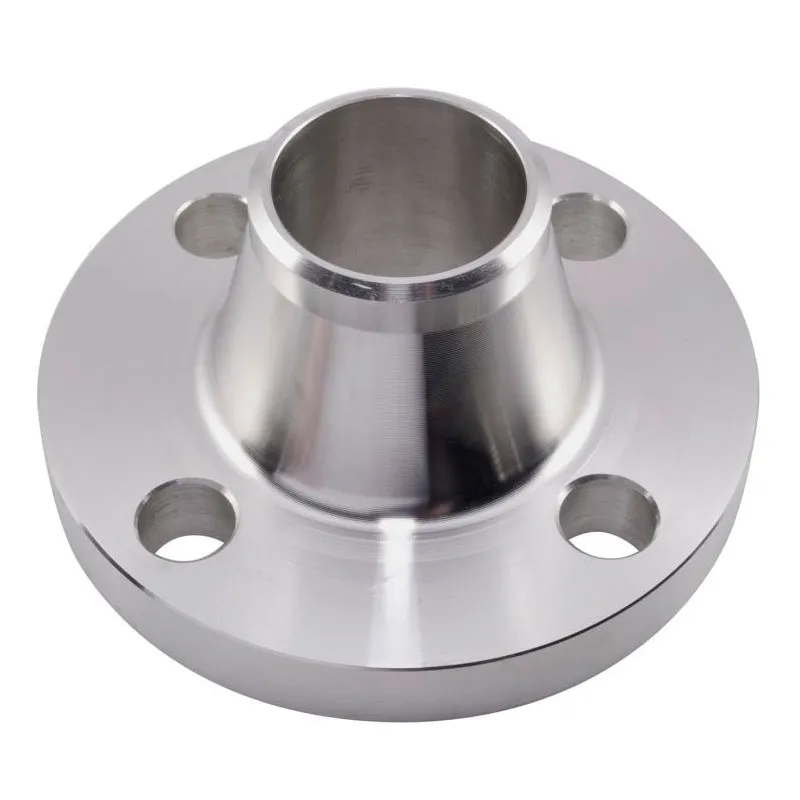
Let's take the most popular one - DN 15. The nominal diameter is 15 mm, this is understandable. But then the fun begins. For example, according to GOST (aka EN 1092-1) forflange 15 sizesfor a butt weld type 11 with PN 16 there will be one, and for a flat weld flange according to GOST 12820-80 there will be others, especially in terms of the thickness and height of the hub. And if you are installing a pipeline where there is a mixture of standards (for example, old Soviet equipment and new piping), then just take a “tag”? according to one standard and docked to another - a sure way to misalignment and additional loads. I had to deal with when at a pumping station they tried to connect an imported check valve on EN with a domestic valve. The gap in the bolt holes was minimal, but it was enough to create a misalignment when tightening. The result is constant seepage around the perimeter.
And then there’s the story of pressure. PN 16 for DN 15 is not an absolute truth. It all depends on the ambient temperature. The same grade of steel 20, from which flanges are often made, at +20°C and at +300°C are, in fact, different materials in terms of permissible stresses. I always advise looking not only at the nominal pressure, but also at the material passport, especially when it comes to heating networks or steam pipelines. Once there was an incident at a small boiler room: they installedflange 15from station 3 to the saturated steam line. It seemed to work according to the tables, but the manufacturer saved on heat treatment of the forging. After six months of operation, microcracks appeared in the transition zone from the hub to the disk. It's good that we noticed it in time.
That is why, when people contact me for “simple dimensions?”, I always ask a bunch of clarifying questions: environment, temperature, full cycle of operation, adjacent equipment, installation standard. Without this, any size chart is just a bunch of numbers.
Material and forging: why ?made in China? doesn't mean bad
Many may argue here, but my experience says otherwise. Quality often depends not on geography, but on the technological discipline of a particular plant. For example, let's takeShanxi Hongkai Forging Co.,Ltd(their website ishkflange.ru). I worked with them on several projects where non-standard solutions in small diameters were needed. They position themselves as a manufacturer of forged flanges and forgings, and that keyword is “forged”. Forflange 15 sizesthis is critical. Casting or cutting from a sheet of such a small diameter carries a high risk of internal stresses and structural inhomogeneity. And forging, especially if done correctly, provides a fibrous structure of the metal that follows the contours of the part, which dramatically increases tensile strength and fatigue life.
Their product range includes all the main types for DN 15: butt welded, flat, threaded, blind. And what’s important is that they work according to a wide range of standards: GOST, ASME, EN. This is not just marketing. When we ordered a batch of welded ring flanges from them (adjacent size, DN 25) for an EN project, an inspection came with an ultrasound and a hardness tester. All parameters, including impact strength, were strictly within the framework of EN 10204-3.1. This indicates serious control at the output. For critical units, even as small as DN 15, this is a direct indicator of reliability.
By the way, about non-standard. It often happens that you needflange 15, but with a non-standard arrangement of holes for the studs or with an increased thickness of the disk for special installation conditions. Universal suppliers usually refuse or raise the price. But specialized manufacturers of forgings, such as Hongkai, often meet halfway, because their technological chain is initially tailored for individual forgings. We once ordered from them an adapter flange from DN 15 to DN 10 with a concentric seal for high pressure. They made it according to our sketch and shipped it with a full package of certificates. He stood up like a glove.
Installation and “little things” that make all the difference
Let’s say the flange is perfect, the dimensions are correct, the material is just right. But installation can ruin everything. Forflange 15 sizesbolt circle - this is, conditionally, 4 holes for M12 or M10, depending on the standard. It would seem that what is so difficult here? Tighten it tighter and you're done. But no. Uneven tightening is the bane of all small flange connections. Due to the small diameter of the disc, even a slight misalignment of the tightening torque creates unpredictable stress. I always recommend using a torque wrench and a criss-cross pattern, even for something as small as this. I saw the consequences when the “wrench” installer pulled the connection with one long lever: the flange, in fact, bent, the seal was pressed through only on one side. The leak did not appear immediately, but after a couple of heat shifts.
Another nuance is the choice of gasket. Under DN 15 they often put just about anything, cuttings from large ones. But different pressures and environments require different materials: paronite, fluoroplastic, graphite, metal edged ones. And the thickness of this gasket directly affects the required tightening force and the final tightness. If you place a soft pad that is too thick onflange 15under high pressure, it will simply be pressed out or it will “float”. If it’s too thin and hard, you won’t be able to compensate for micron-scale unevenness of the surfaces.
And, of course, the condition of the landing surfaces. On a new flange from the factory, everything is usually perfect. But if this is a re-installation or the flange was in use, it is imperative to check the marks and burrs on the sealing surface. For DN 15, even a small scratch can become a leakage channel. Sometimes it’s better to replace it right away than to try to “grind in”.
When standard sizes don't work
There are situations when tabularflange 15 sizesdon't fit. Most often this is a connection to equipment that has a non-standard flange connection size. Let's say some special valve made in Italy or Japan, made to the internal standard of the enterprise. Or an outdated unit for which you can no longer find original parts. This is where the possibility of manufacturing according to customer drawings comes in handy, which is offered, among other things, athkflange.ru.
We had a project to modernize a laboratory installation. There was a heat exchanger with flanged pipes DN 15, but with an incredible bolt circle by modern standards - the old British standard. The new equipment was under EN. I had to develop a drawing of the adapter flange: on the one hand, the dimensions for the old BS, on the other, for EN 1092-1 PN 40. It was important not just to redraw the holes, but to calculate the thickness in order to compensate for the possible bending moment due to the displacement of the axes. They made it from a forging, everything fit together.
Another case is the need to increase strength without changing the connecting dimensions. For example, you need to keep the installation diagram (same DN 15, same bolt circle), but work with a more aggressive environment or higher pressure. The solution is to make a flange from a more alloyed steel (for example, 12Х18Н10Т instead of steel 20) and/or increase the thickness of the disk and hub within the allowable space. This is already a non-standard product, and its calculation and production is a task for a manufacturer with a serious forging and design department.
Instead of a conclusion: thinking out loud
So, back to the request?flange 15 sizes?. Yes, you need to start with a table. But stopping there is only doing half the job. Dimensions are geometry. And behind it is the physics of processes, materials science, manufacturing quality and installation culture. When choosing a supplier, I now always look in depth: do they have their own forging and pressing production (like the sameShanxi Hongkai Forging Co.,Ltd), how control is organized, whether they are ready to discuss non-standard tasks. Because even for such a seemingly simple detail as a fifteen-millimeter flange, there are no small details. Each of them can ultimately result in a line stop, repairs, or, worse, an accident. It’s better to spend time making clarifications and making the right choice on the shore than to deal with the consequences later. Tested in practice, and more than once.
Correspondingproducts
Related Products
Best Sellingproducts
Best Selling Products-
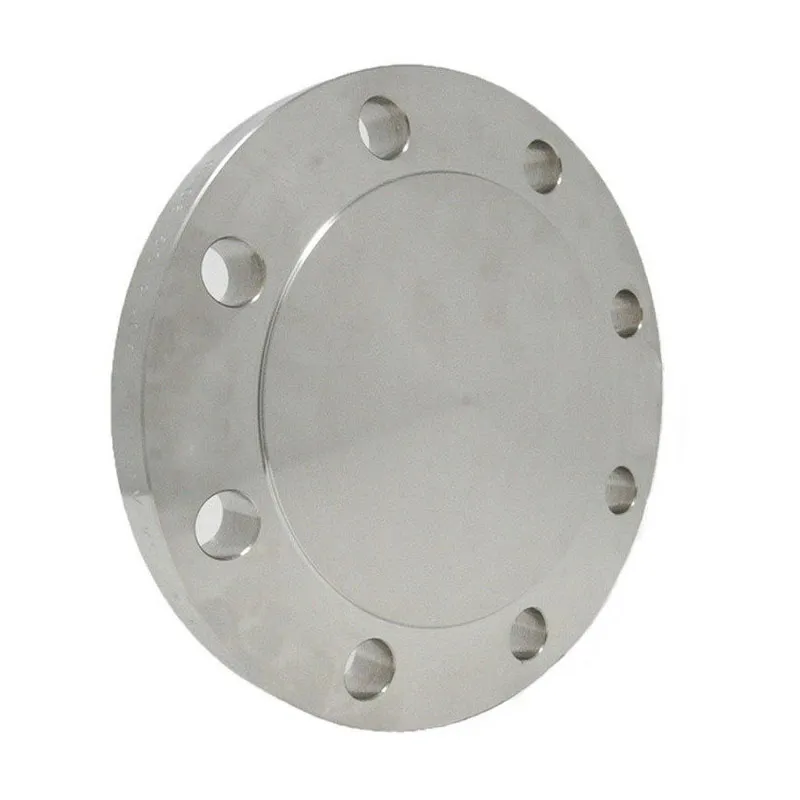 AWWA Blind Flanges Class D (Tables 1, 2, 3)
 -
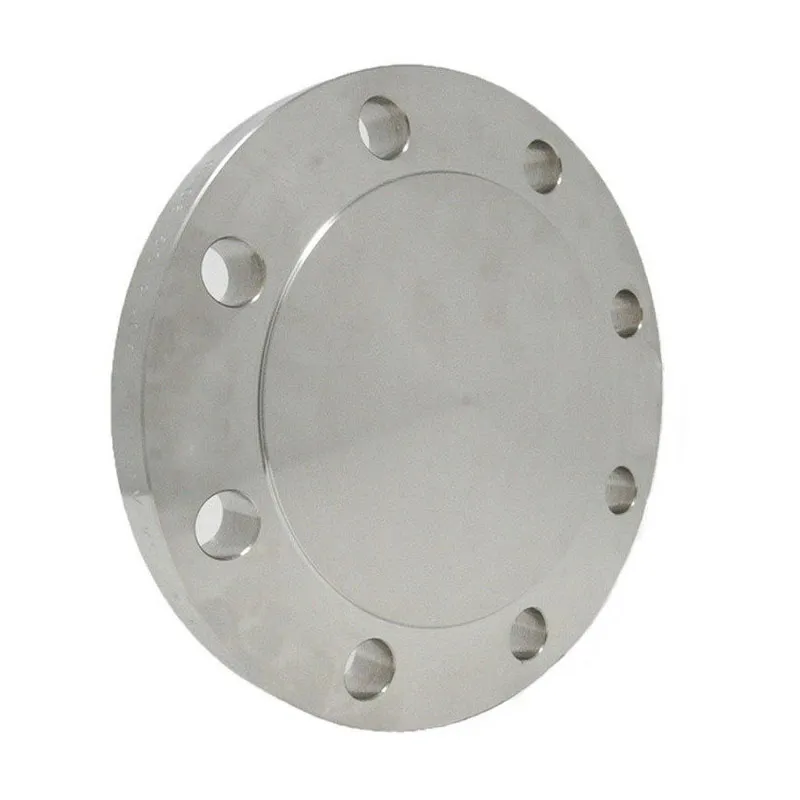 Blind flanges Class 150
 -
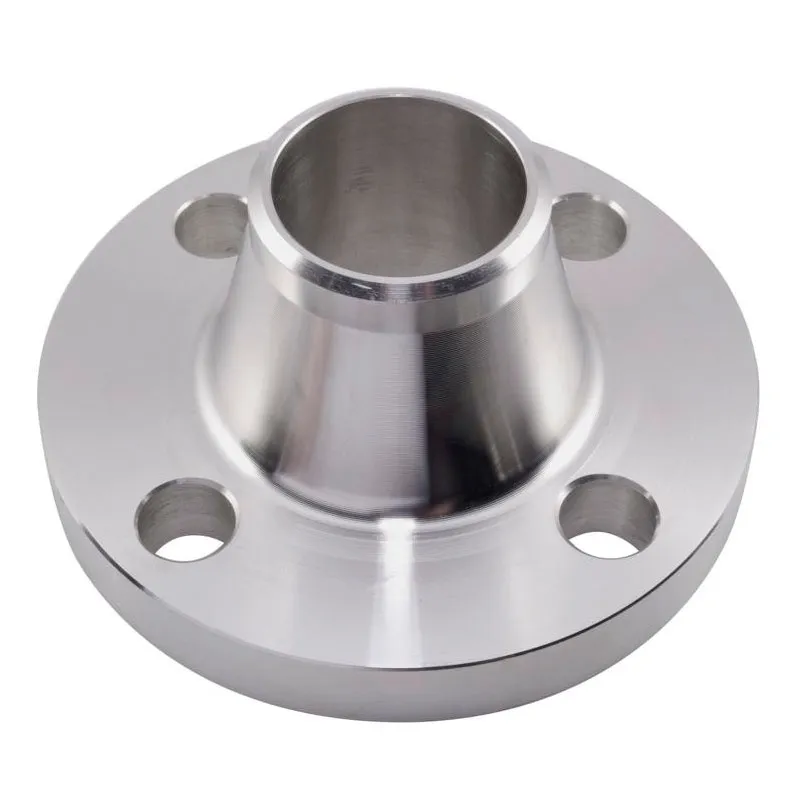 Butt weld flanges Class 900
 -
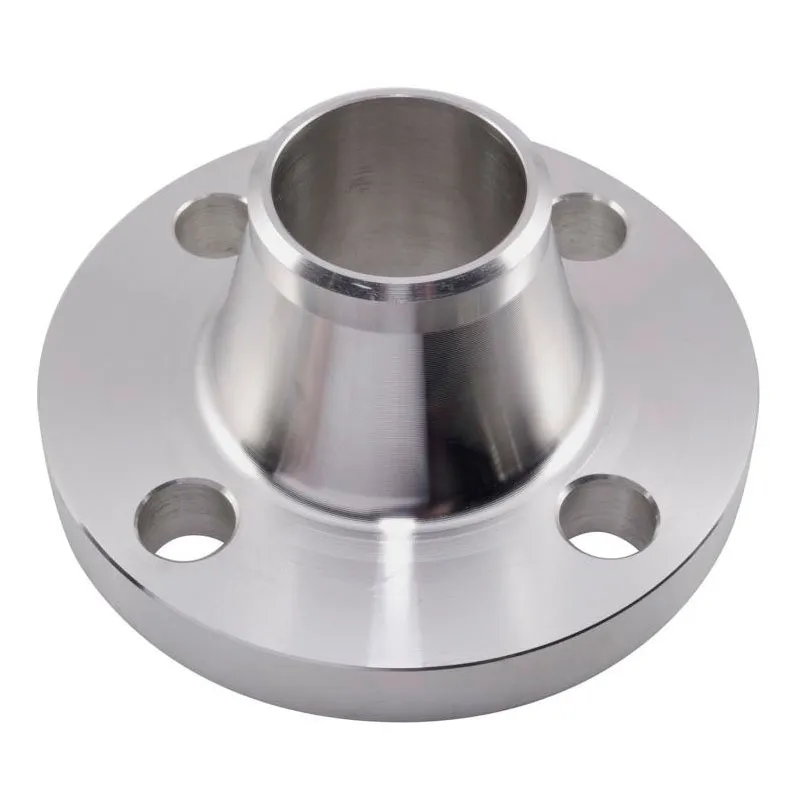 DIN Butt weld flanges PN10
 -
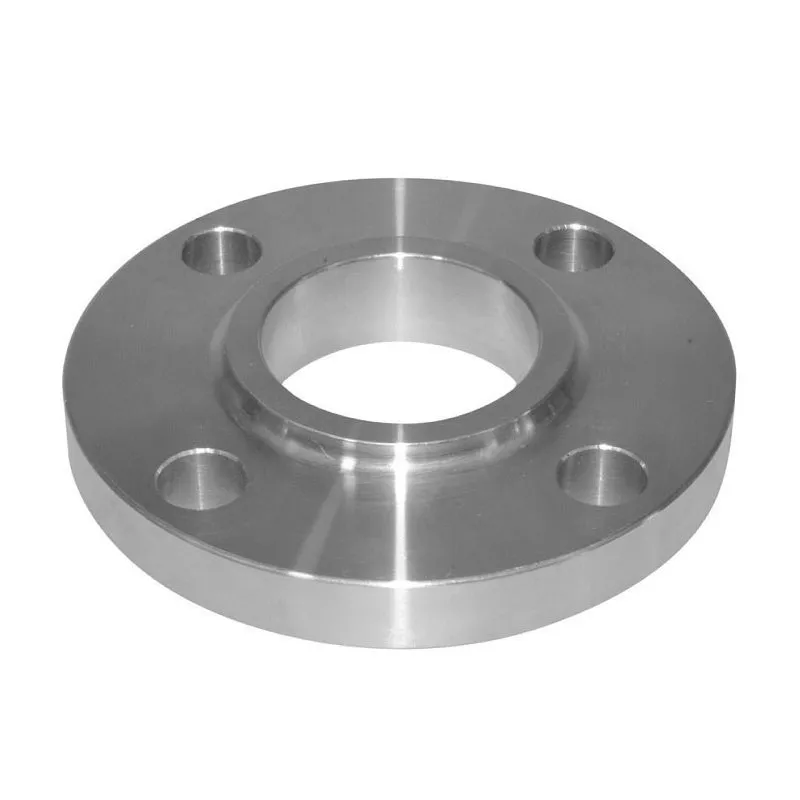 ANSI B16.5 Lap-on flanges Class 1500
 -
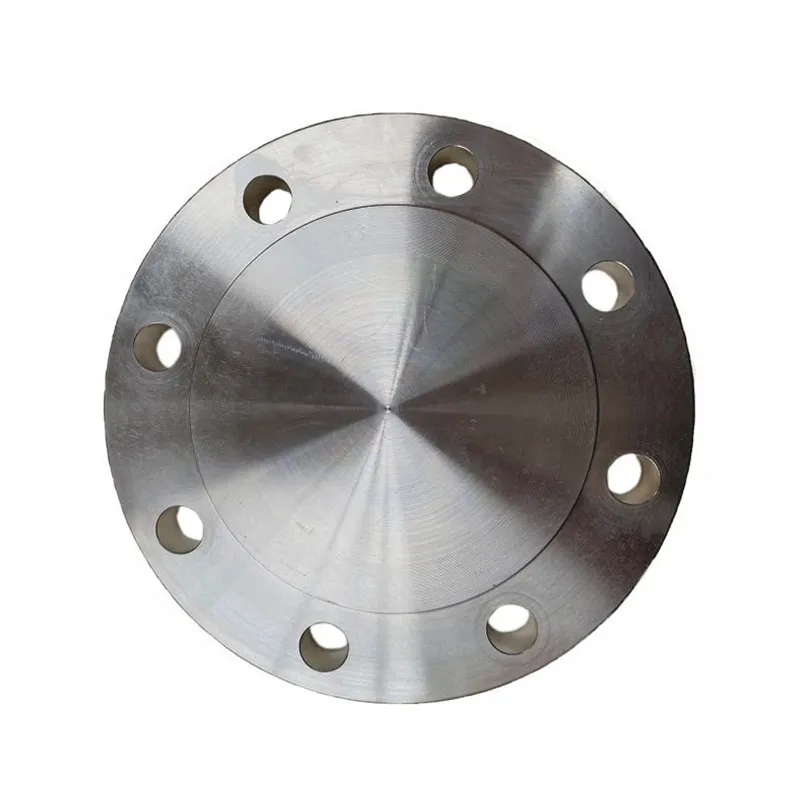 DIN 2527 Blind flanges PN10
 -
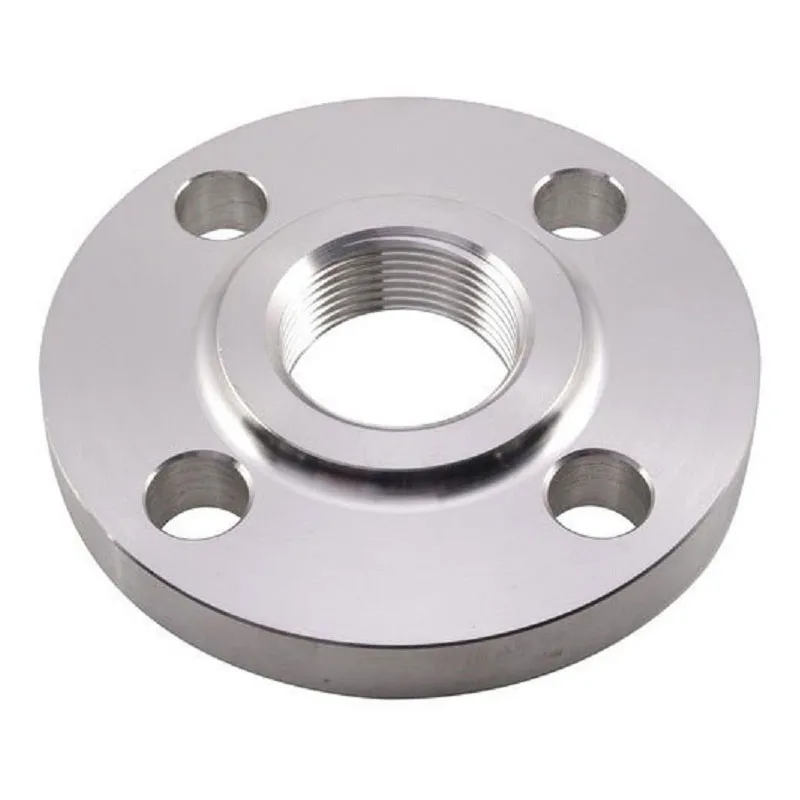 EN 1092-1 Threaded flanges Type 15, PN16
 -
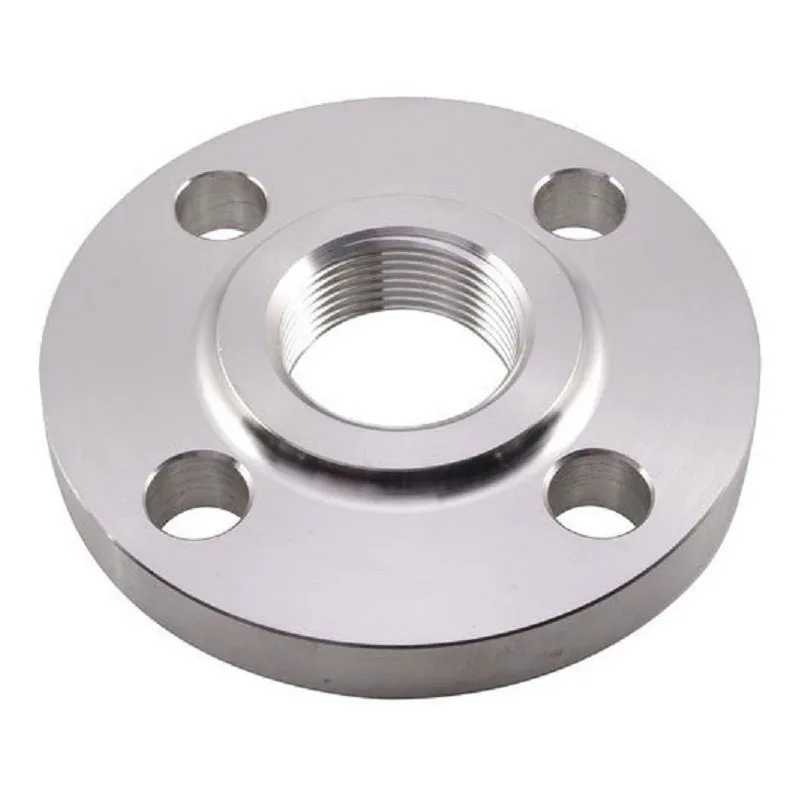 ANSI B16.5 Threaded Flanges Class 600
 -
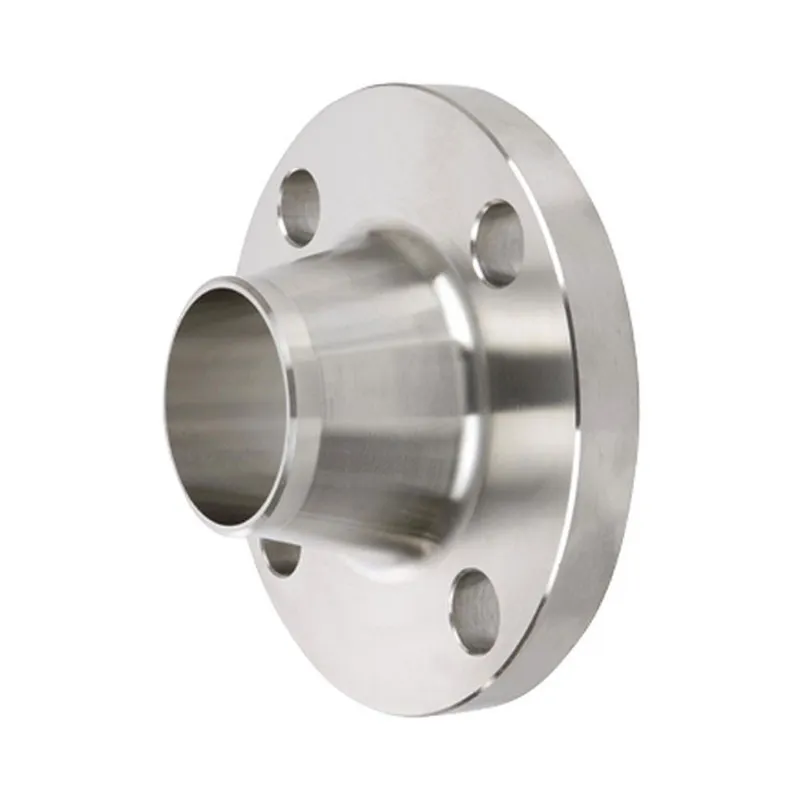 EN 1092-1 Butt weld flanges Type 11, PN25
 -
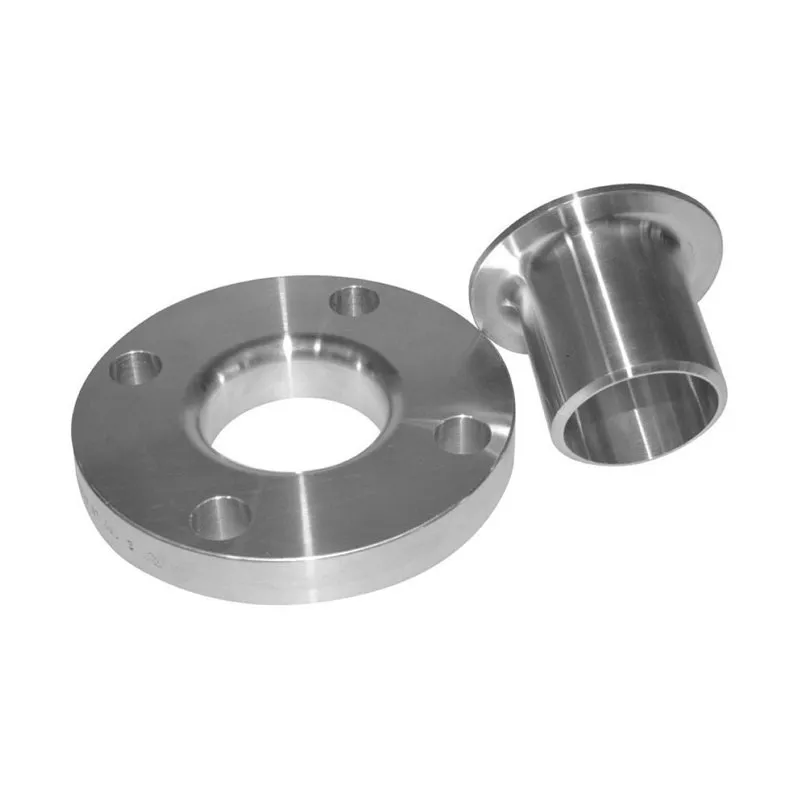 Free ring flanges Class 150
 -
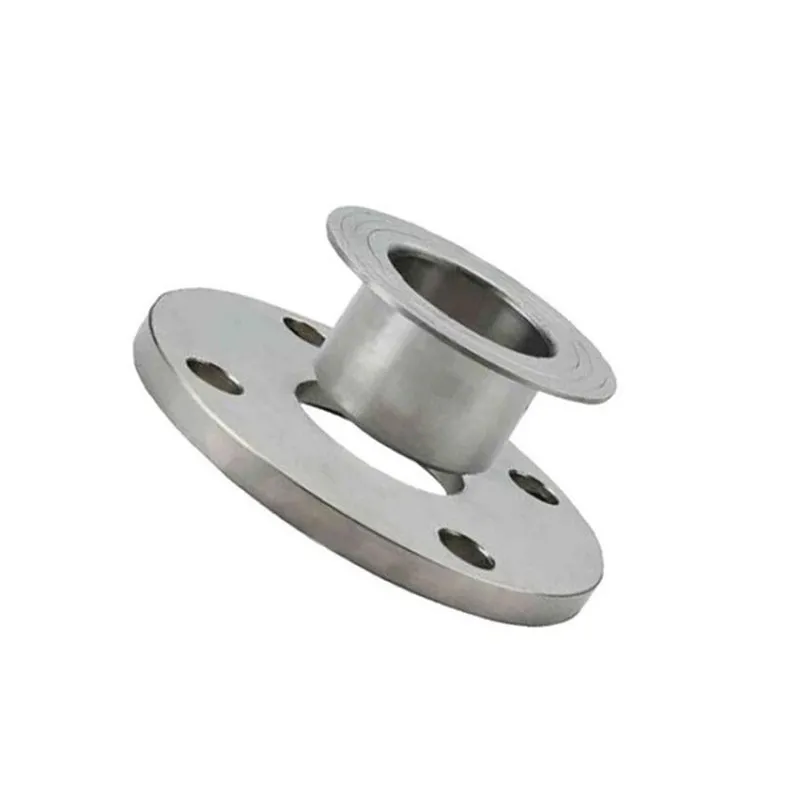 JIS 10K Loose Ring Flanges
 -
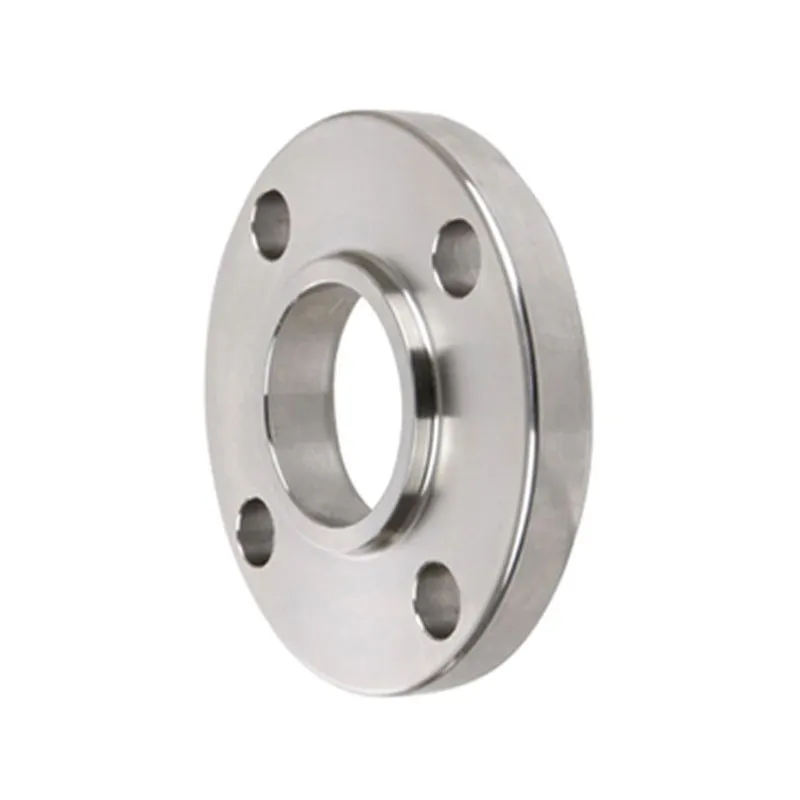 ANSI B16.5 Lap-on flanges Class 300