
-
-
Phone
+86-13623462298



flange 1 800
When you see the request “flange 1 800”, the first thing that comes to mind is most likely size DN1800. But here’s the catch: in real work, especially with large diameters, this figure often becomes the starting point for a whole series of questions, rather than a ready-made answer. Many, especially those who are just starting to purchase equipment for main pipelines or large tanks, think that it is enough to find a manufacturer who has DN1800 on their list, and the deal is done. In practice, ?flange 1 800? - this is a whole story that begins with the question: “Which one exactly, for what pressure, according to what standard, and from what will we drive?” I immediately remember a case when we needed a flange for a separator, and the customer sent a request with exactly this wording. I had to spend half a day on clarification, because this figure could hide a flat flange in accordance with GOST 12820, a butt weld in accordance with GOST 12821, and even a free flange on a welded ring in accordance with GOST 12822, and all this - with completely different parameters in terms of pressure and design of the sealing surface.
From numbers to drawings: what is behind DN1800
So, let's take our “flange 1 800”. The first practical step is always to move from the nominal diameter to specific design dimensions. For standard products, this would seem to be simple: open the corresponding GOST or ASME B16.5/B16.47 and take the table. But with a diameter of 1800 mm, not everything is so simple. Firstly, this is already the sphere of large-sized forgings, where dimensional errors, especially in the looseness of holes for studs or in alignment, can result in serious problems during installation. I remember how at one of the construction sites they brought a batch of flanges, seemingly according to GOST, but when joining it turned out that the holes for the studs were shifted by a couple of millimeters. The reason is somewhere at the stage of marking the workpiece. We had to urgently modify it on the spot, which, you know, is not the best scenario.
Secondly, the material itself. Forflange 1 800When working, say, at low temperatures or with aggressive media, it is not enough to simply say “steel 20”. You need to look at the grade of steel that meets the standard, be it 09G2S, 12Х18Н10Т or something else. Here it often helps to turn to specialized manufacturers who specialize specifically in forged products of large dimensions. For example, when we were looking for a reliable supplier for a project in the north, we settled onShanxi Hongkai Forging Co.,Ltd. In their catalog (https://www.hkflange.ru) the range up to DN4000 was clearly defined and steel grades for different standards were indicated. This is not an advertisement, but simply an example from practice: when you see that a company positions itself as a manufacturer of forged flanges and forgings in one of the forging centers of China, and GOST, ASME, EN are immediately indicated, this inspires more confidence than an abstract “supplier of metal products”.
And the third point is the type of flange. For a diameter of 1800, a flat flange is one story with fastening and load distribution, and a welded butt (collar) is a completely different story. The choice here depends on the design pressure. A flat flange is simply not designed to withstand the same pressure as a butt flange. A common mistake is to try to save money by ordering a flat flange for conditions where a butt flange is needed. The result is either deformation of the flange during tightening, or, worse, depressurization during operation. I had to see this too.
Loose flanges on a ring: a lifesaver for installers
Separately, I would like to dwell on free flanges on a welded ring for large diameters. That's whereflange 1 800opens from the most convenient side for installation. Imagine: you need to connect two sections of pipe or flange an apparatus. If the flange is solidly forged and welded, then aligning the holes for the studs is another task, especially if the equipment is already installed. But the free flange allows you to first weld the ring to the pipe, and then, by rotating the free flange, perfectly align the holes. This saves a lot of time and nerves.
But there are nuances here too. The quality of the weld ring itself is critical. It must be made of the same grade of steel as the flange and have exact geometric dimensions. I have repeatedly encountered a situation where a ring purchased from another supplier “did not fit?” to the flange due to differences in fillet radii or thickness. The result was a gap that was unacceptable for a reliable connection. Therefore, now we always try to order the flange and ring as a set from one manufacturer. On the same siteShanxi Hongkai Forging Co.,Ltdthe nomenclature clearly indicates both loose flanges and rings for them, which indicates an integrated approach.
Another practical tip for loose flanges: pay attention to the finish of the sealing surface. For larger diameters, even a small scratch or dent in the gasket surface can cause leakage. When accepting such large parts, we always check the surface visually and, if possible, with a template.
When standards are not enough: the path of non-standard solutions
It also happens that the standardflange 1 800Doesn't fit in the catalogue. For example, you need a non-standard reach, an additional row of holes for fasteners of a special configuration, or a specific design of the skirt. This is where the area of work based on customer drawings begins. And this is a separate conversation about interaction with the plant.
The main thing here is the detail and clarity of the technical specifications. It's not enough to just send a sketch. It is necessary to provide a complete drawing indicating all dimensions, tolerances, grade of material, type of heat treatment, requirements for mechanical properties and control (for example, ultrasonic testing or x-ray). We once received a defective batch of non-standard flanges precisely because of a misunderstanding regarding tolerances for center-to-center distances. As a result, the project deadlines were missed.
Experienced manufacturers, the same ones who rely on forgings according to individual drawings, usually have a design department that requests all clarifications. This is a good sign. If, in response to a request for a non-standard product, you immediately receive a commercial offer without technical questions, this is a reason to be wary. The production of large-sized forgings is not an area where you can work according to the “we’ll do it somehow” principle.
Quality control: what to look for when accepting a large flange
Let's say the flange is manufactured and delivered. Acceptance is not just about checking the markings. For a product with a diameter of 1800 mm, careful inspection and measurement is required.
The first is a visual inspection for the absence of cracks, shells, and sunsets. Particular attention is paid to the transition area from the hub to the disc on butt flanges and the welded edge on the rings (if they were supplied separately). The second is checking the geometry. Be sure to measure the outer diameter, the diameter of the holes for the studs, the looseness (the dimensions “in the light” and “in the body” of these holes), the thickness of the disk and the height of the hub. It is best to use large calipers and templates. Third, check the sealing surface for cleanliness and absence of defects.
A good manufacturer always provides a passport for the batch (certificate of conformity), which indicates the steel grade, the results of mechanical tests and chemical analysis. For critical facilities, additional documents may be requested, for example, ultrasonic testing (UT) protocols for the forging itself. The presence of such documentation is an indicator of a serious approach. Studying information aboutShanxi Hongkai Forging Co.,Ltd, it is clear that they work according to international and national standards, and this implies the availability of appropriate documentation for the products, which is extremely important for import supplies.
Instead of a conclusion: thinking out loud about choosing a supplier
Returning to our “flange 1 800”. Ultimately, the success of using such a part depends not only on the correct engineering calculation, but also on the choice of who will manufacture it. This is not the case when you can chase the lowest price. The risks of downtime and accidents are too great.
For me personally, the key criteria are: the plant’s specialization in forging (and not just metalworking), experience in working with large diameters, strict compliance with the stated standards and willingness to conduct technical negotiations on non-standard tasks. Having your own forging and pressing equipment, like a company from Shanxi, says a lot. This means that they control the process from the blank to the finished product, and are not just a reseller.
So, the next time a problem arises with the “1800 flange”, I would advise you to spend time not searching for the cheapest option on the Internet, but collecting information about a potential manufacturer, studying its capabilities and experience. Request examples of completed projects, clarify how production control is organized. This is the same work that seems unnecessary at the procurement stage, but which ultimately saves deadlines, budget and, most importantly, reputation.
Correspondingproducts
Related Products
Best Sellingproducts
Best Selling Products-
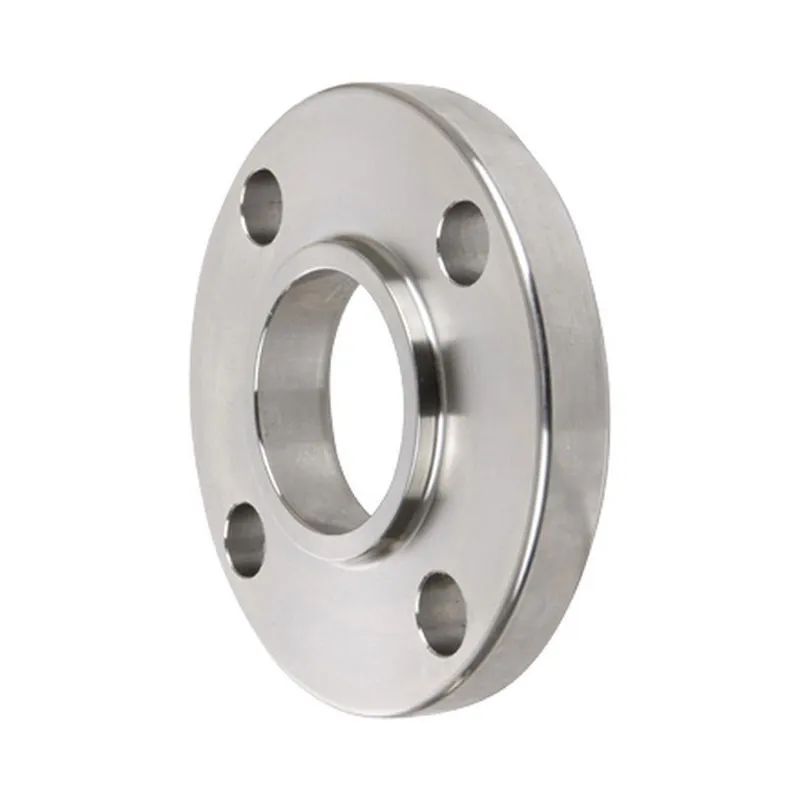 DIN 2501 Overlay flanges PN16
 -
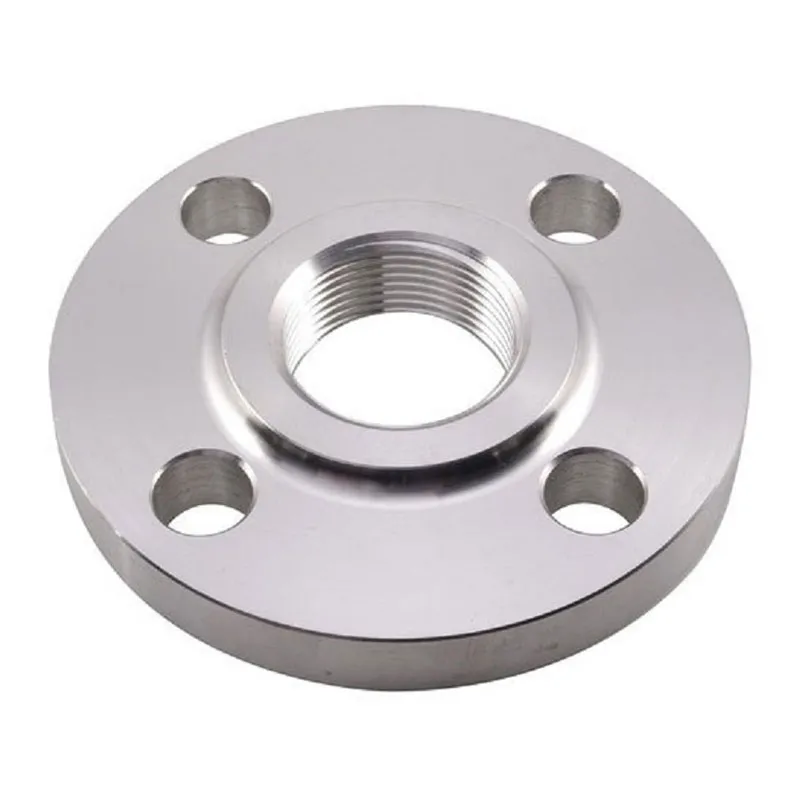 JIS 10K Overlay flanges
 -
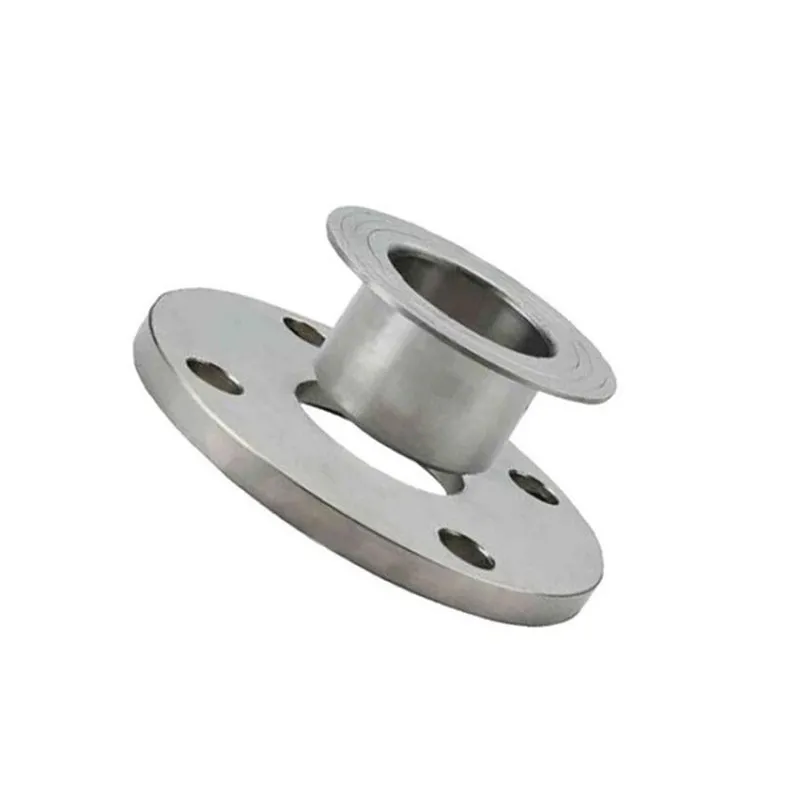 JIS 10K Loose Ring Flanges
 -
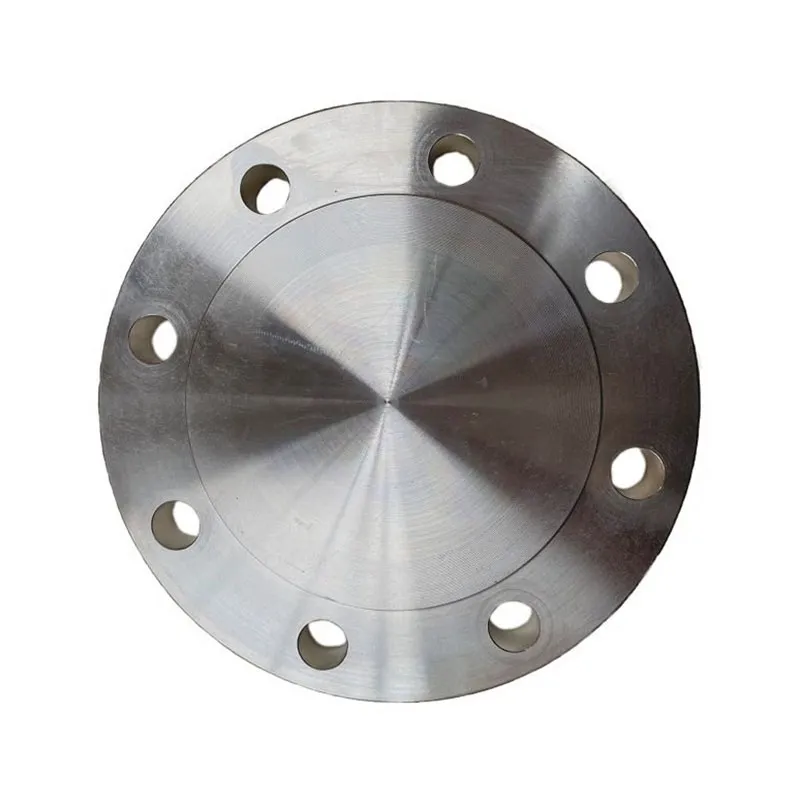 ASME B16.47 Ser.A Blind Flanges Class 400
 -
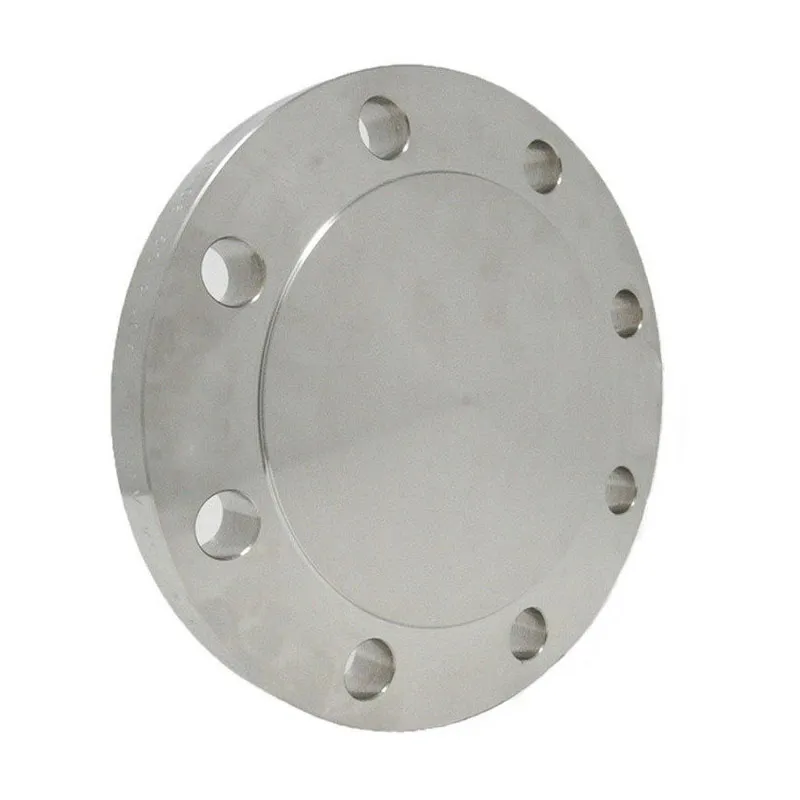 AWWA Blind Flanges Class D (Tables 1, 2, 3)
 -
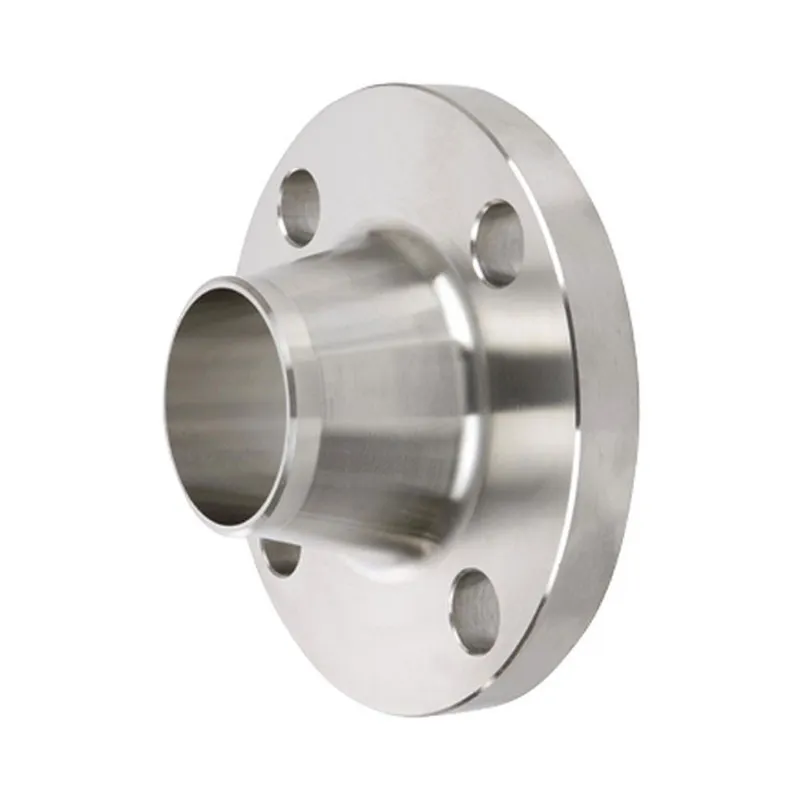 EN 1092-1 Butt weld flanges Type 11, PN25
 -
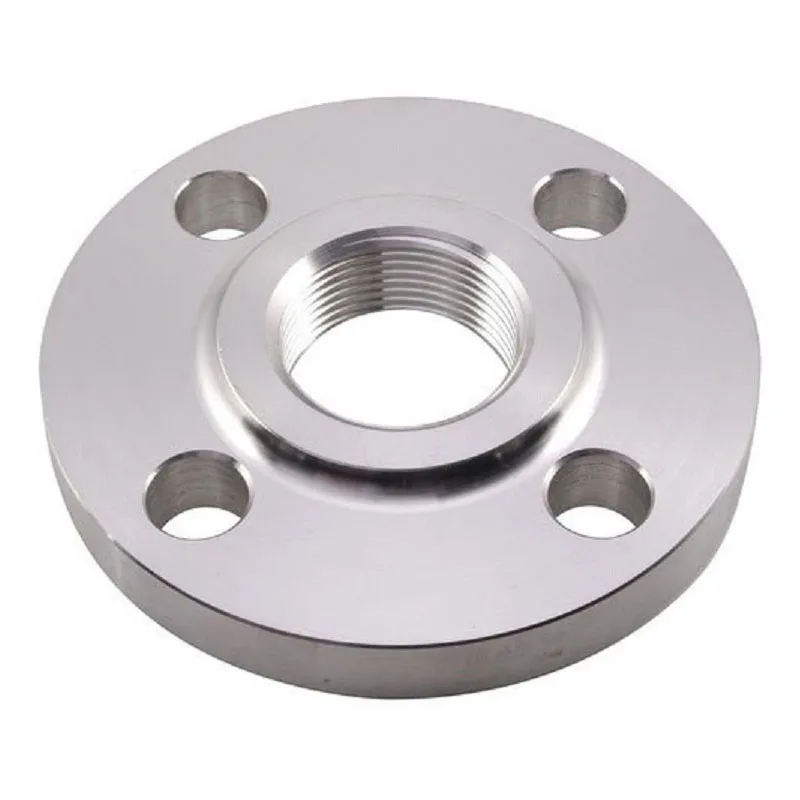 DIN 2566 Threaded flanges PN16
 -
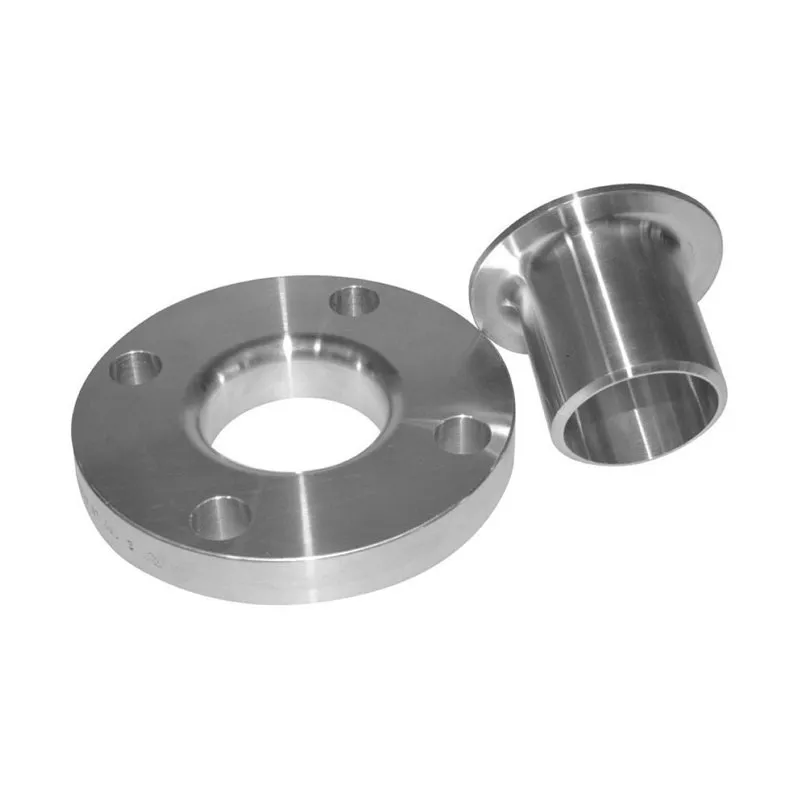 Free ring flanges Class 150
 -
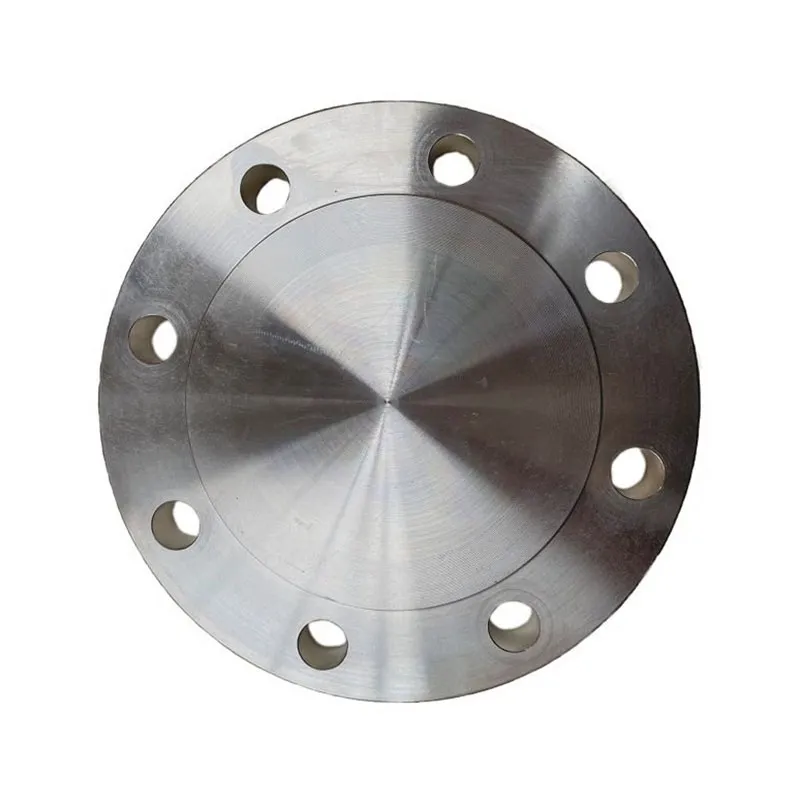 UNI 6092 Blind flanges PN10
 -
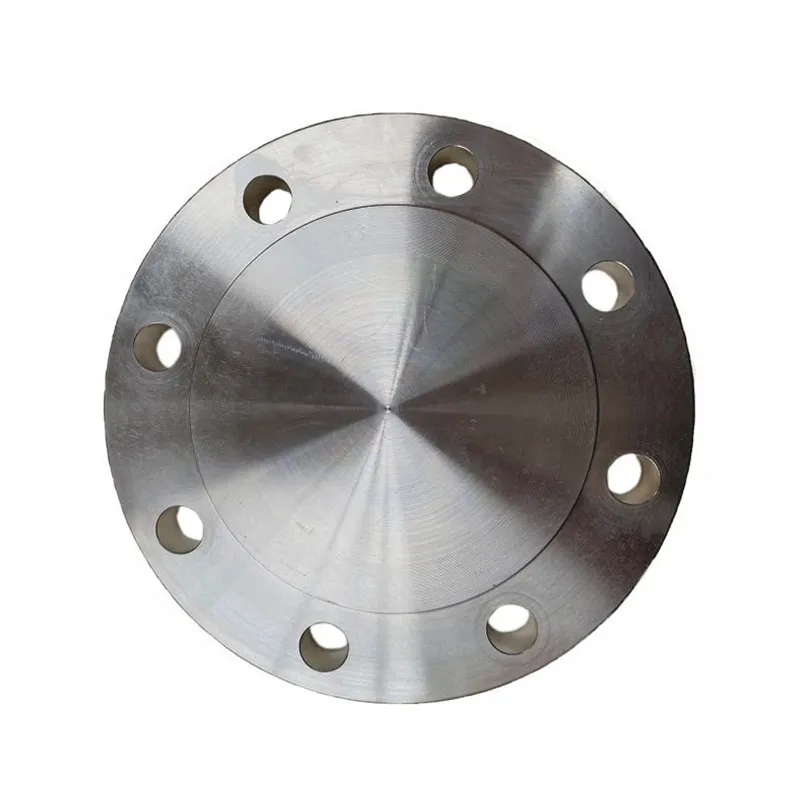 DIN 2527 Blind flanges PN10
 -
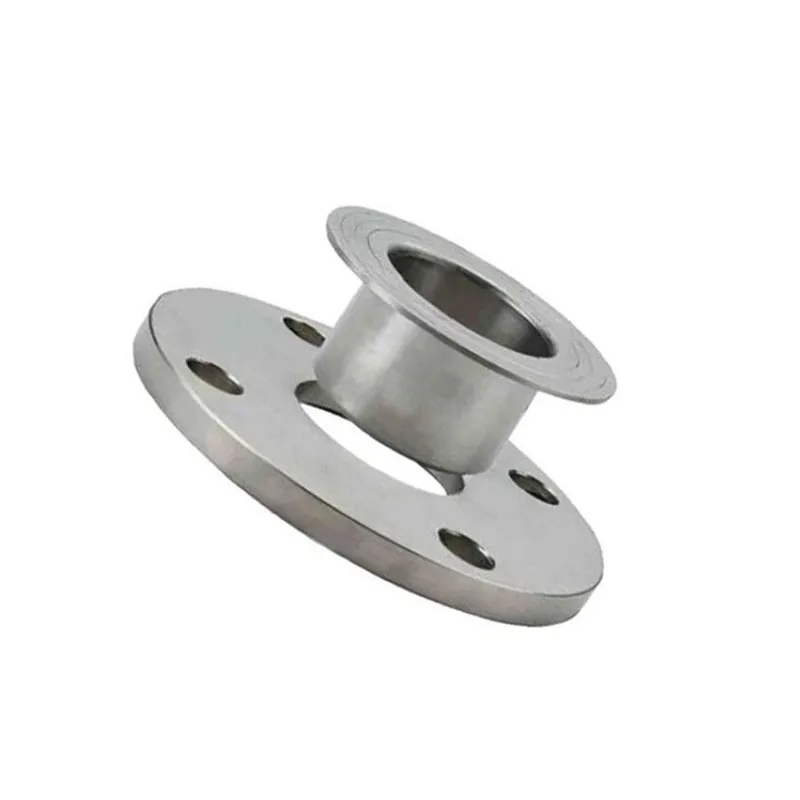 Free ring flanges Class 400
 -
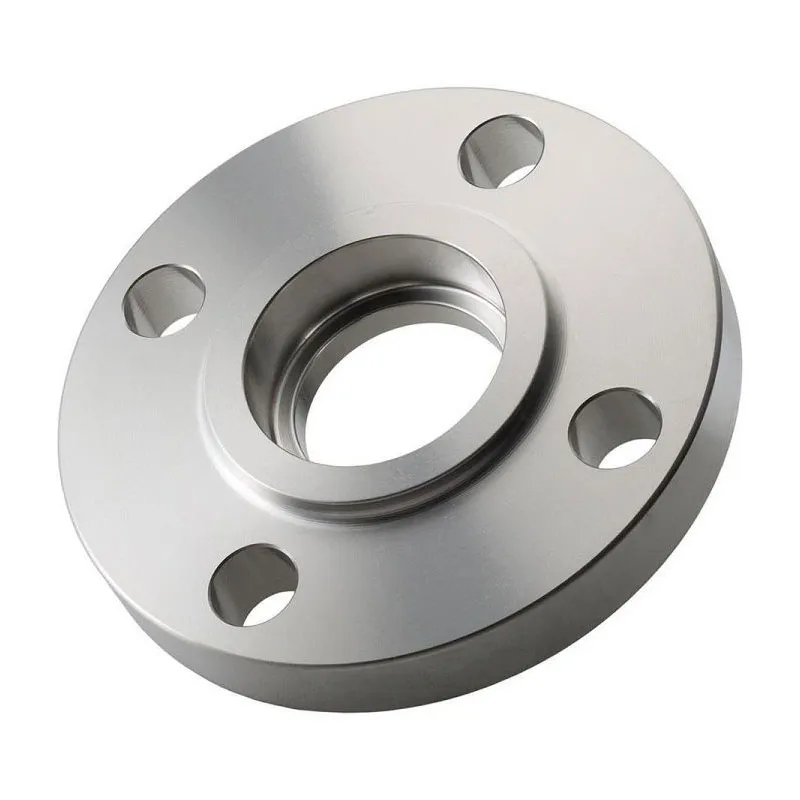 ANSI B16.5 Socket Weld Flanges Class 1500