
-
-
Phone
+86-13623462298



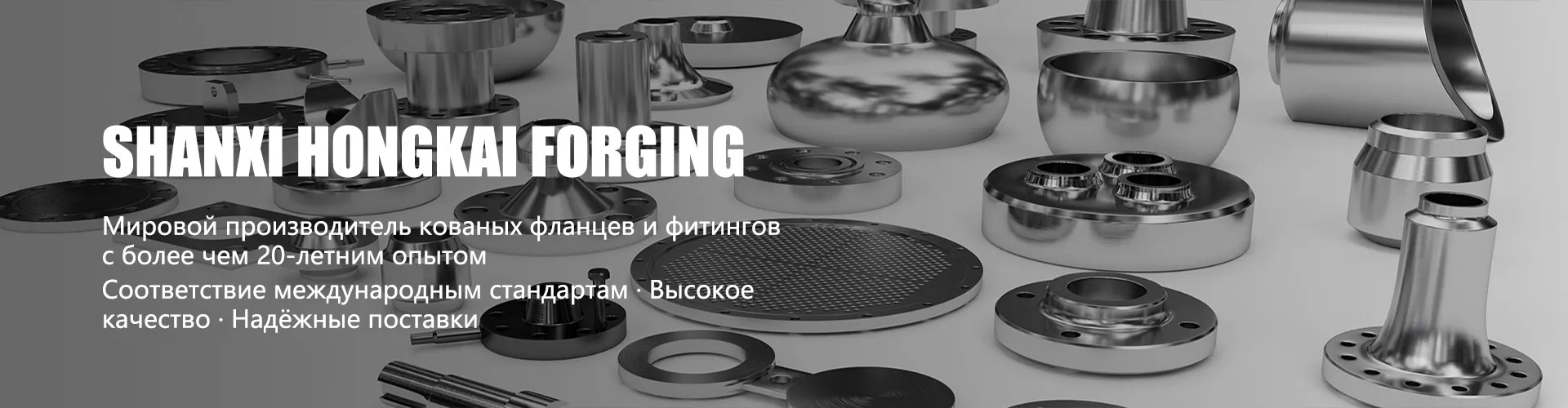
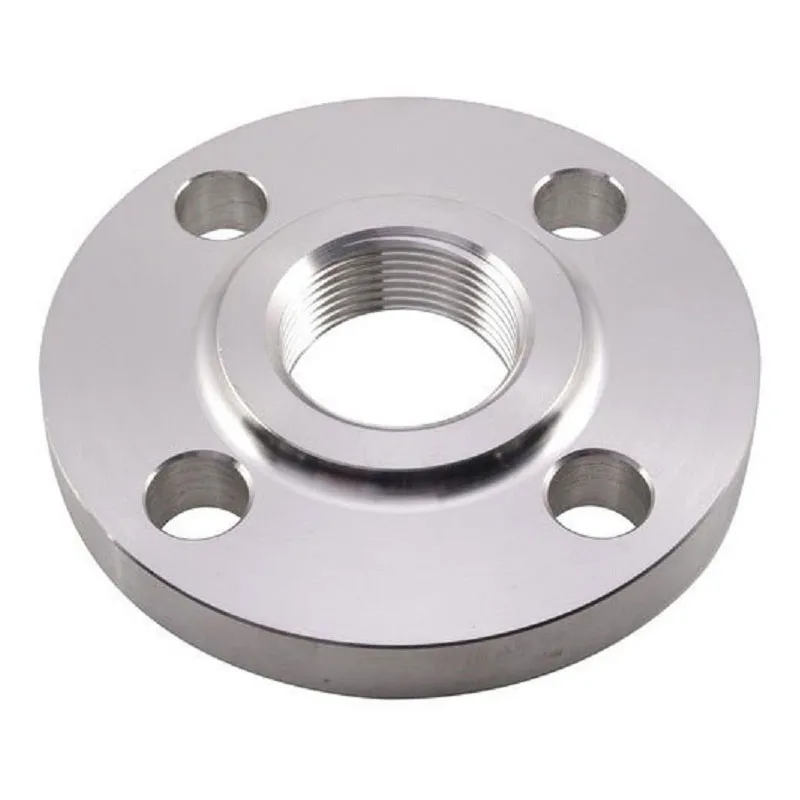
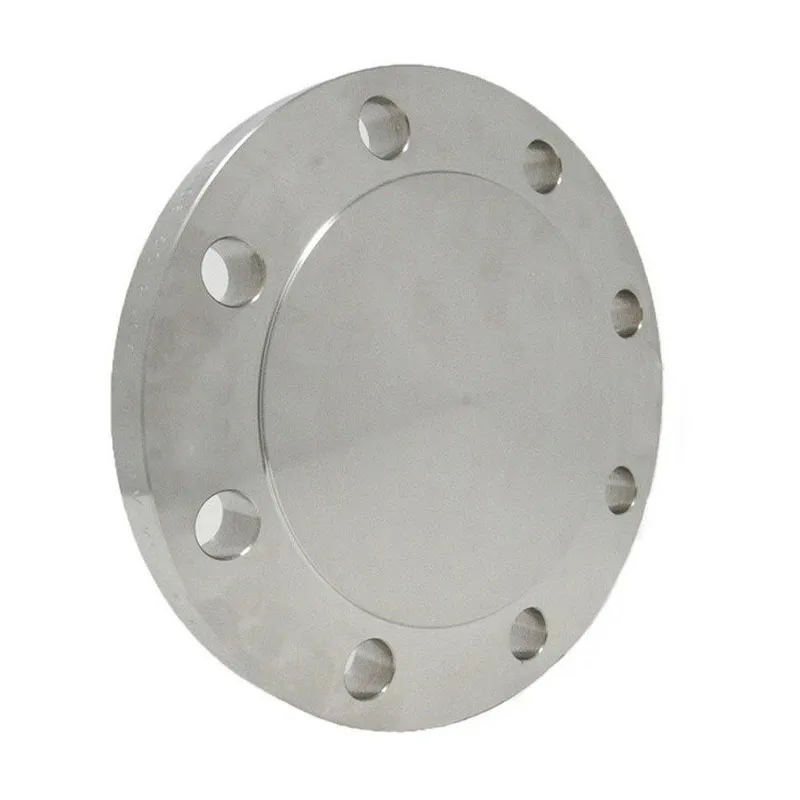
rigid flanges
When they talk aboutrigid flanges, many immediately imagine just thick metal and high pressure. But in reality, rigidity is not only about the wall. This is a complex: the material, the geometry of the contact surface, and even the way the flange behaves under tensile load. A common mistake is to assume that any flange according to GOST or ASME, which looks massive, is automatically “rigid?” for any system. At our facility in Tatarstan we once had a story with a batch that formally met all the standards, but when tightened to a high torsional torque, microdeformations began to appear in the hub area. This is the very gap between the paper specification and the actual work of the metal.
What is actually hidden behind the term ?rigidity?
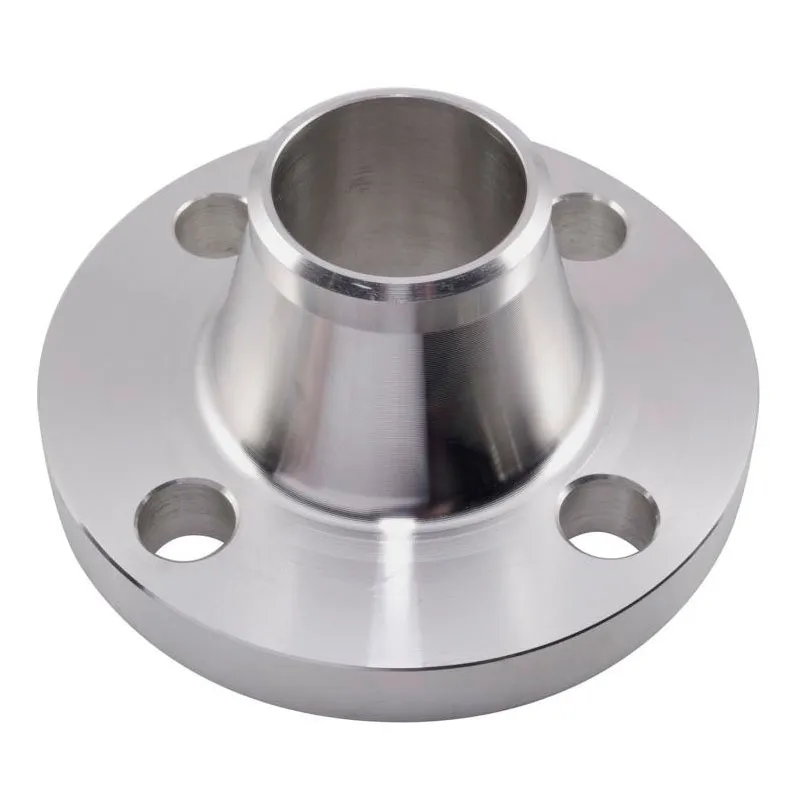
The design documentation requires: “rigid flanges”. What should I write in my application? If we take, for example, a butt-weld flange according to ASME B16.5, then its rigidity is inherent in the design itself - the long tapered hub smoothly merges into the ring. This is a classic. But I came across situations where, for particularly critical components operating under conditions of alternating temperature loads (say, at the outlet of a furnace), standard geometry was not enough. Local reinforcement and thickening at certain points was required, which was not provided for in the standard drawing. That’s when work begins with manufacturers who are capable of non-standard work.
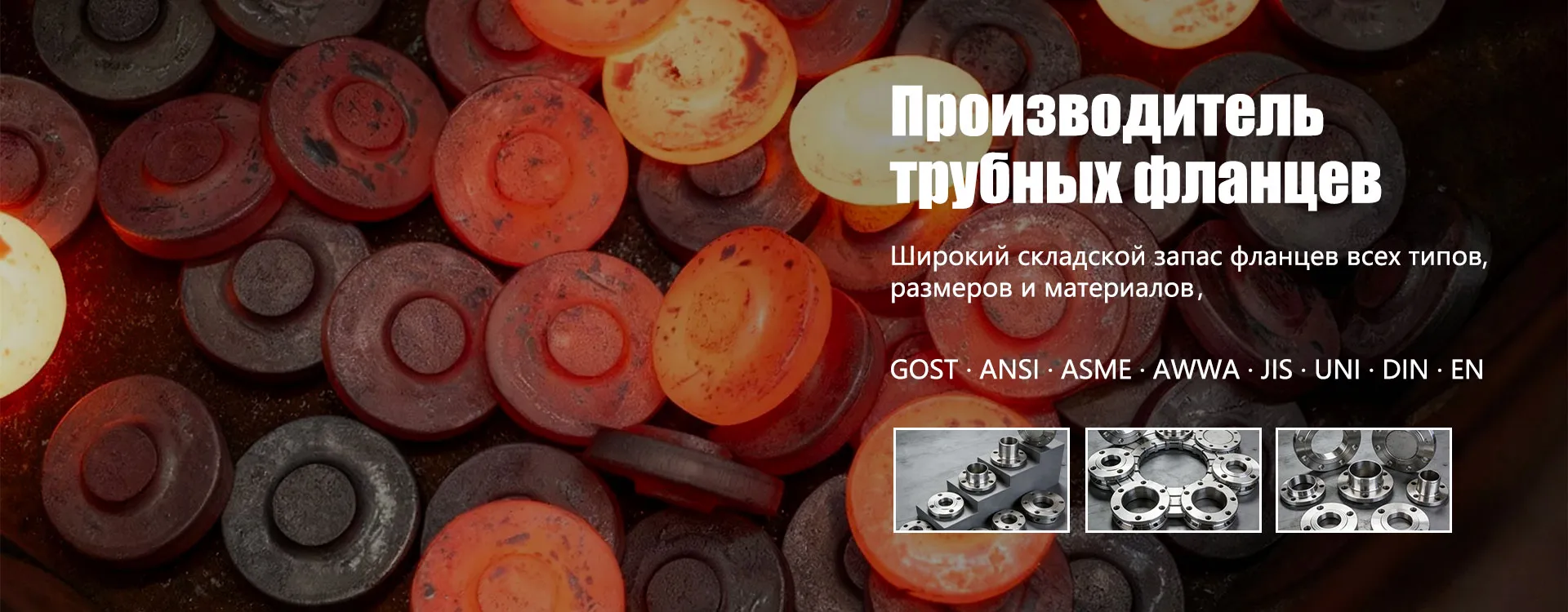
By the way, about the manufacturers. When truly reliable solutions are needed, I often look towards specialized forging plants. Why forging? Because the fibers are metal. When stamping or cutting from a sheet, the fibers are cut, but when forging, they follow the contour of the product, resulting in completely different structural integrity and fatigue resistance. Forrigid flanges, which must withstand shock loads for decades, this is fundamental. For example, there is a manufacturerShanxi Hongkai Forging Co.,Ltd- they are just from a region with strong blacksmith traditions in China. Their profile is forged flanges and forgings, and this is a different level of the original workpiece. Their product range includes those same butt-welded flanges (the “rigid” ones by default), and the ability to make piece products according to drawings. This is important when the standard row is not suitable.
Back to toughness. Another nuance is the sealing surface. You can have a perfectly thick flange, but if the surface finish for the gasket leaves ripples or micro-irregularities, uneven stress will occur during tightening. The flange may not "bend" overvoltage points will be created entirely, but locally in the contact zone. As a result, during the first hydrotest or thermal cycle, it leaks. Therefore, rigidity is also the stability of the geometry of the sealing surface under installation and operating conditions.
Practical experience: when a standard flange doesn't work?
Let me give you a case involving the modernization of a pipeline at a chemical plant near Ufa. Replacement of the section, operating pressure 160 atmospheres, aggressive environment. According to the specification, GOST flanges were indicated (this is an analogue of DIN EN 1092-1) for DN300. Ordered and installed. When crimping everything is fine. But when put into operating mode, with cyclic heating to 300°C, a drip leak appeared around the perimeter on one of the flange connections. We took it apart and saw that the gasket had collapsed. unevenly, on one side the contact mark is deeper.
What went wrong? The flanges were cast. At first glance, everything is within the tolerances. But upon detailed examination, it turned out that the cast flange had an inhomogeneity in the material structure in the hub body. With thermal expansion, this heterogeneity led to a slight but critical warping of the plane. That is, the rigidity of the flange as a part was not sufficient to withstand not only mechanical, but also thermal distortion. The solution was radical - replacement with forged flanges. It was then that we began to work more closely with suppliers who focus on forging, like the one mentionedShanxi Hongkai Forging Co.,Ltd. Their forged flanges, manufactured in accordance with the same GOST, but from forgings, showed themselves to be different. The metal structure is homogeneous, the anisotropy of properties is minimal. After replacing the problem went away.
This example clearly shows that the specification entry “rigid flange” must be supported not only by the standard, but also by manufacturing technology. Especially for large diameters. The same manufacturer, if you look at the description, has a range of sizes right up to DN4000. For such dimensions, the issue of rigidity is a safety issue. The cast stock on DN2000 may have hidden cavities, but the forged billet does not. But the price, of course, is different. This is an engineering choice: where you can save money and where you absolutely cannot.
Installation nuances that nullify all rigidity
The most perfect part can be damaged during installation. Crigid flangesThis is especially offensive. The main mistake is uneven tightening. It would seem banal. But in practice, especially with a large number of studs (say, on a flange with a bolt circle diameter of 24 studs), crews often tighten “crosswise”. schematically, without a torque wrench, but by feeling. As a result, local distortions are created. A rigid flange will not bend to compensate for this error as a thinner one might. Instead, the stresses are concentrated in a few studs, which can cause them to break under starting loads.
Another point is the combination of planes. If two flanges being connected have even a slight angular displacement, and installers solve the problem with a powerful tie, they create a bending moment in the body of the flange. A rigid flange will resist, but these stresses will remain in the metal as residual stresses. Over time, plus corrosion, plus fatigue - and a crack appears, usually at the root of the hub. Therefore, before installation, you should not be lazy to check the alignment and parallelism of the ends not by eye, but with an indicator. Rigidity is a double-edged sword: it does not forgive negligence in preparing the joint.
And of course, the gasket. For a truly rigid flange that guarantees perfect flatness, metal gaskets with an oval or octagonal cross-section can and should be used. They require enormous tightening force, but provide an absolutely reliable connection. But soft graphite gaskets on such a flange can be unnecessarily “crushed?” when trying to compensate for irregularities that a good flange should not have. This results in excessive consumption of material and the risk of squeezing the gasket inward.
Non-standard solutions: when the catalog is silent
It happens that the task goes beyond standard tables. Let's say you need to connect a device with a non-standard fitting or organize a transition from one type of flange to another under conditions of strict size restrictions. This is where the ability to manufacture according to customer drawings comes in handy. I remember a project where an adapter flange from GOST to ASME was required, but with an eccentric axis offset of 50 mm due to existing designs. There is no such thing as standard.
We worked with several factories, including receiving an offer fromShanxi Hongkai Forging Co.,Ltd. Their position as a manufacturer of forged flanges and forgings is advantageous here: they are not tied to standard casting dies, but can forge a workpiece to a specific, albeit strange, shape. The key question was: how to ensure the rigidity of such an asymmetrical part? Together with their technologists, we considered options for reinforcement with ribs and a local increase in thickness in the zone of maximum bending moment. As a result, they made a version from a forging with a calculated thickening in the “dangerous” direction. zone. It has been working for more than five years.
This is to the question that rigidity is not always symmetry. Sometimes it needs to be designed pointwise, based on the load vector. And here the experience of a manufacturer who is accustomed to working with individual tasks, and not just rolling standard positions, is invaluable. The mentioned company, judging by the description, works according to international standards (GOST, ASME, EN, DIN) and makes non-standard products according to drawings. This is the right approach for complex cases.
Instead of a conclusion: thinking out loud about choice
So what is itrigid flangesin the end? For me, this is not just a product category in a catalogue. It's synonymous with predictability. Predictability of connection behavior under load, predictability of service life, predictability during installation. This is achieved by a triad: correct manufacturing technology (forging is preferable for critical applications), competent engineering choice of standard or development of a non-standard, and, no less important, installation culture.
Chasing the lowest price for such components is more expensive for yourself. An accident due to depressurization of a flange connection on a main line will cost orders of magnitude more than the difference in cost between a cast and forged part. Therefore, when you see in a manufacturer’s portfolio that it covers GOST, ASME, and DIN, and at the same time focuses on forging, howShanxi Hongkai Forging Co.,Ltd, this indicates a serious focus on technically complex, responsible markets, and not just on mass consumer goods.
When choosing a flange, especially when the technical specification is marked “rigid”, it is worth digging deeper than the standard. Ask: “How was it done?” From what??. And be prepared for the fact that the correct answer may cost more, but then you will sleep peacefully. At least, based on my experience, I came to this conclusion. Rigidity is more than just the thickness of the metal. This is confidence.
Correspondingproducts
Related Products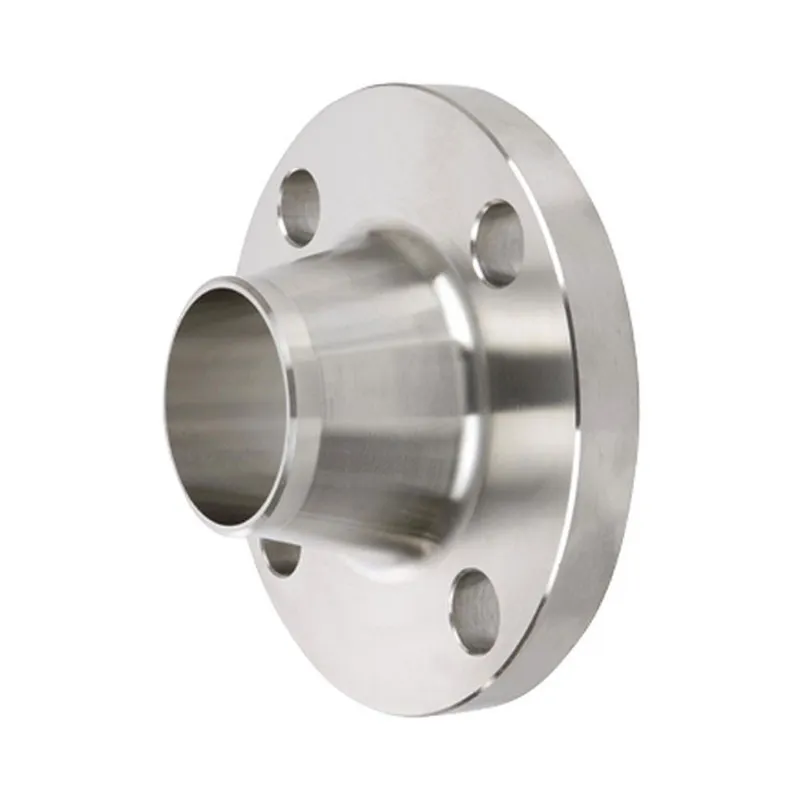
Best Sellingproducts
Best Selling Products-
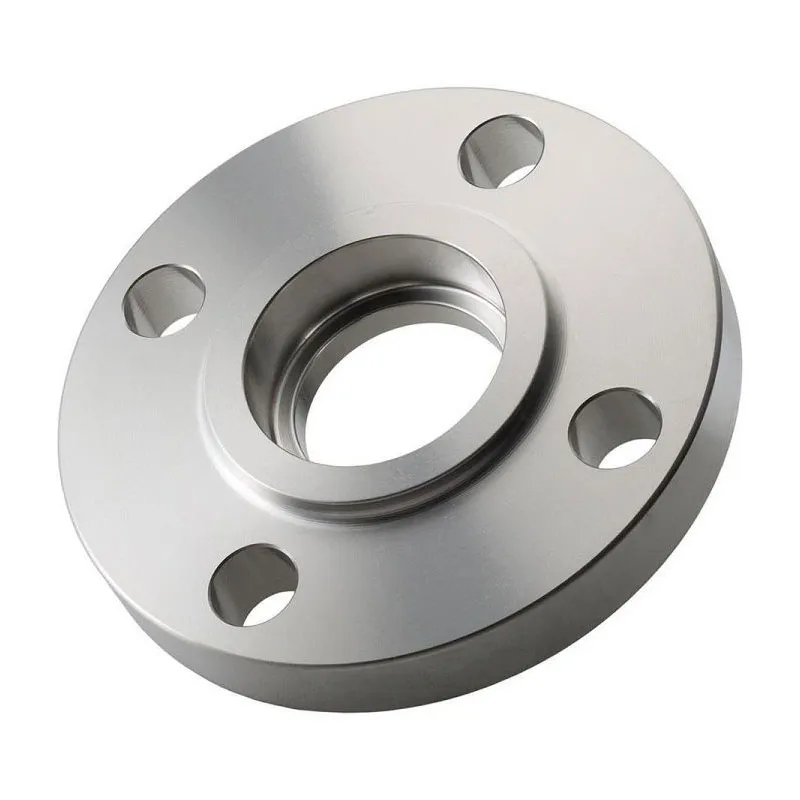 ANSI B16.5 Socket Weld Flanges Class 1500
 -
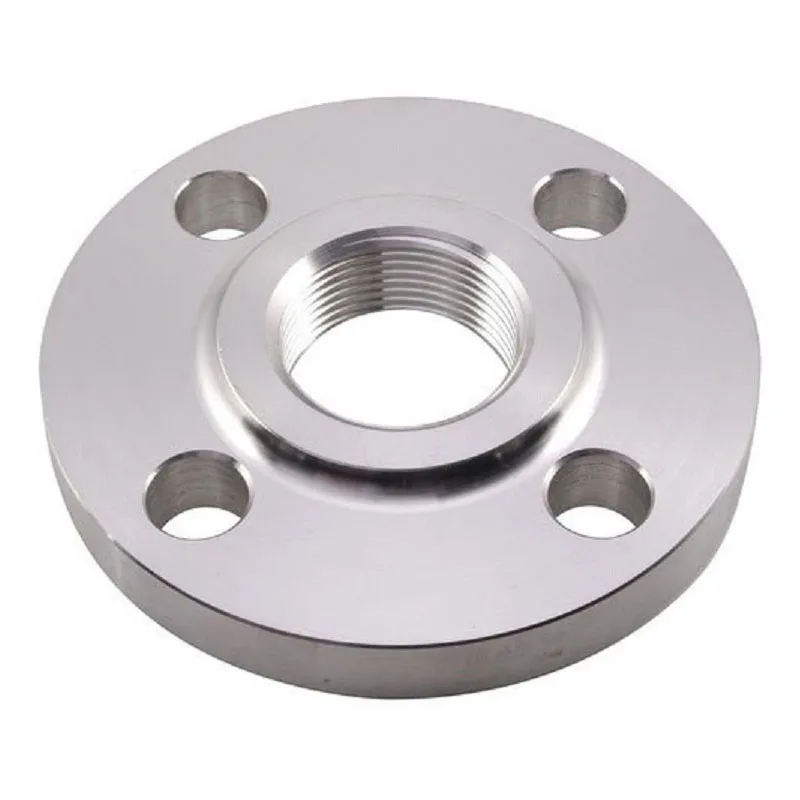 DIN 2566 Threaded flanges PN16
 -
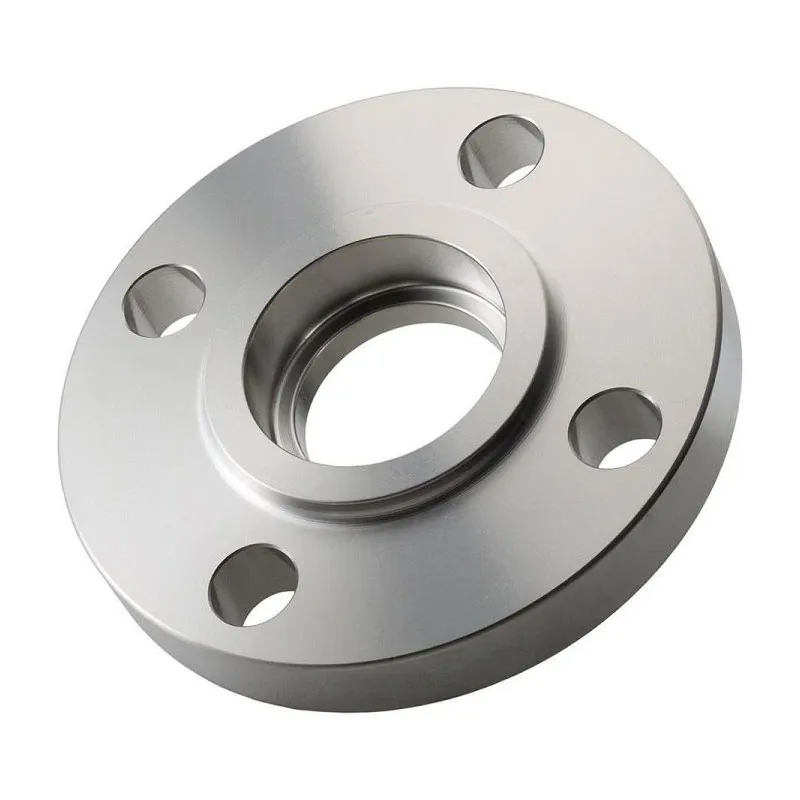
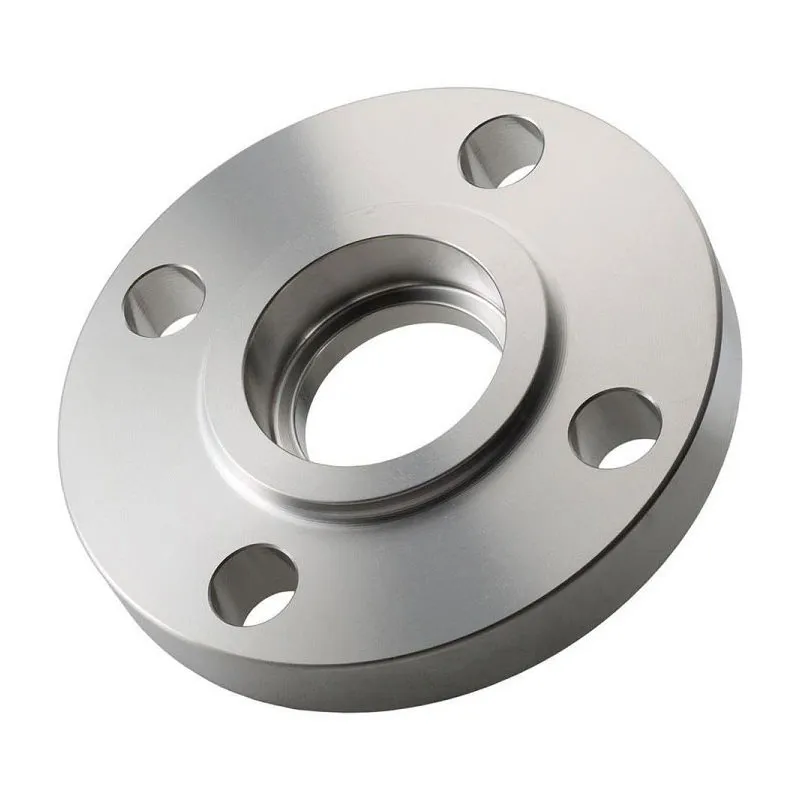 Flanges for socket welding
 -
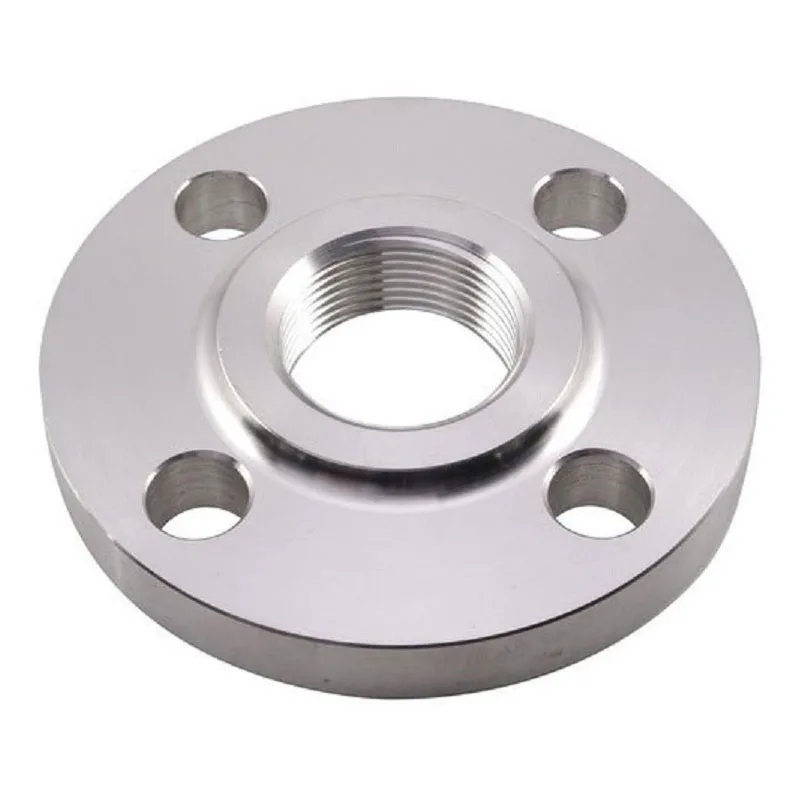 JIS 10K Threaded Flanges
 -
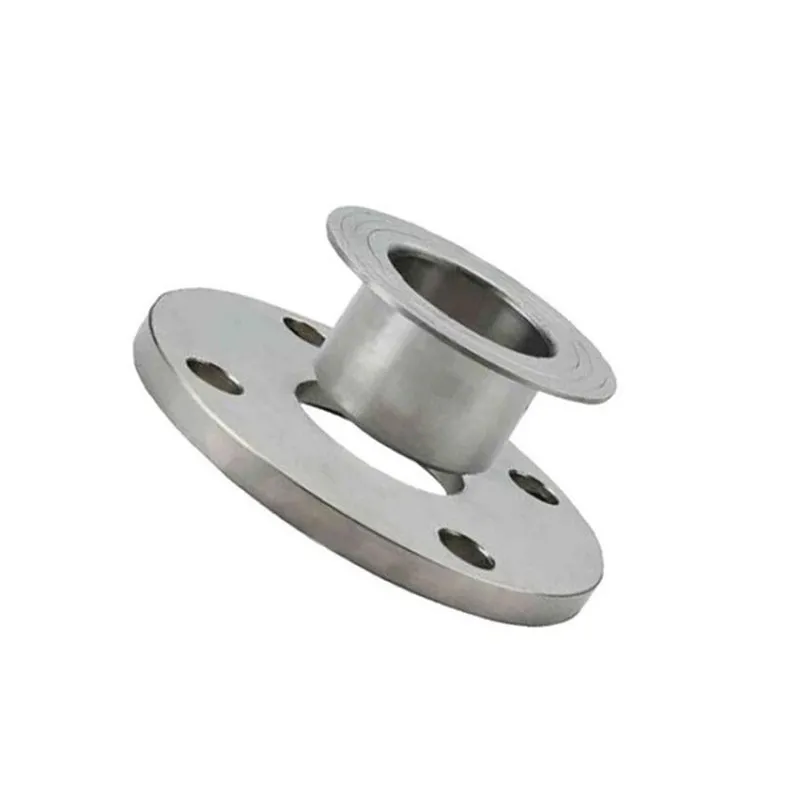 JIS 10K Loose Ring Flanges
 -
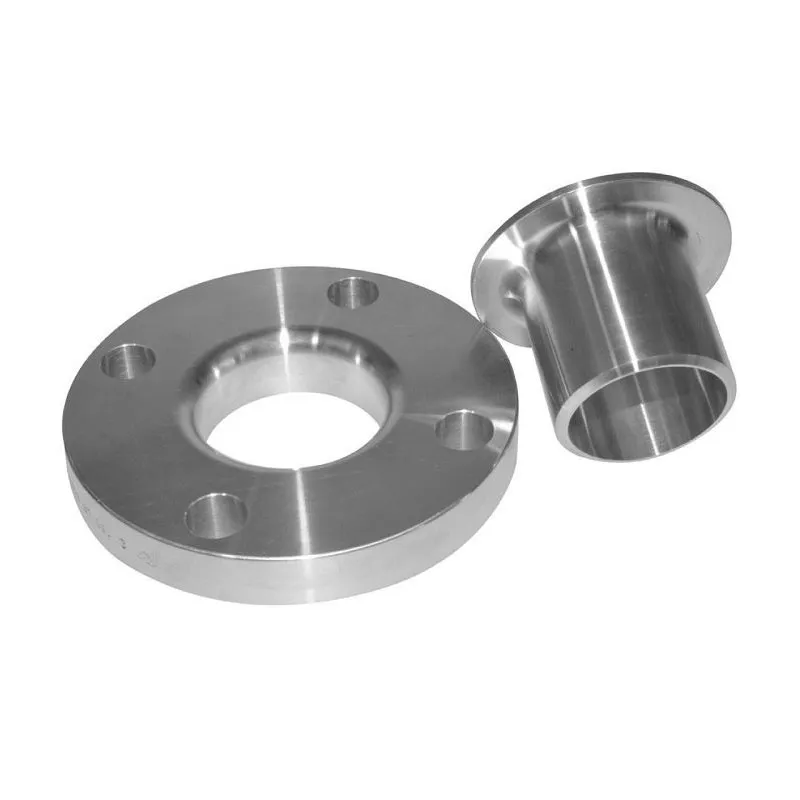 ANSI B16.5 Loose Ring Flanges Class 2500
 -
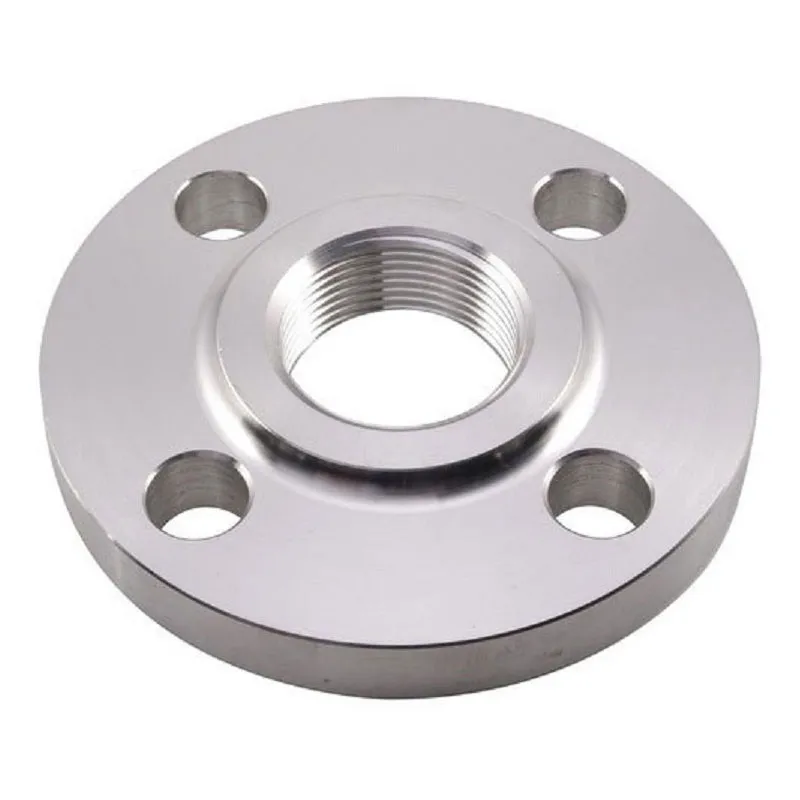 DIN 2565 Threaded flanges PN6
 -
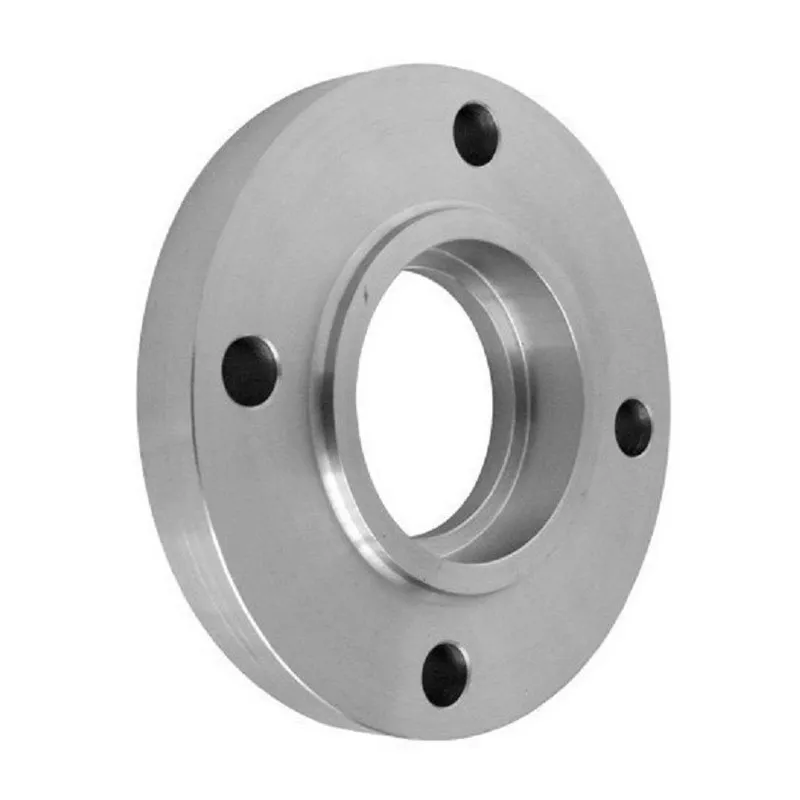 JIS 5K Socket Weld Flanges
 -
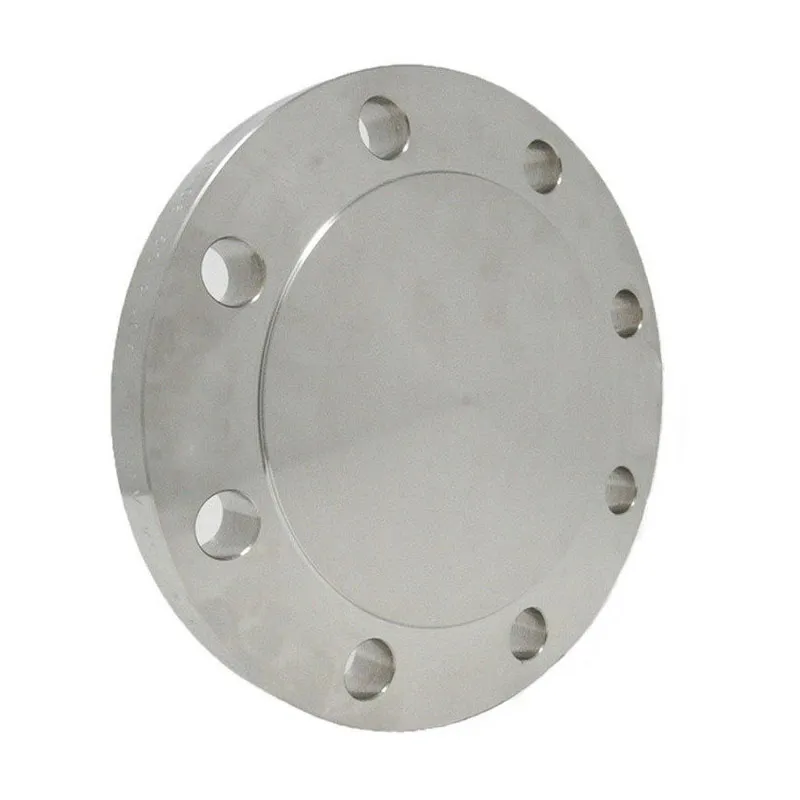 AWWA Blind Flanges Class D (Tables 1, 2, 3)
 -
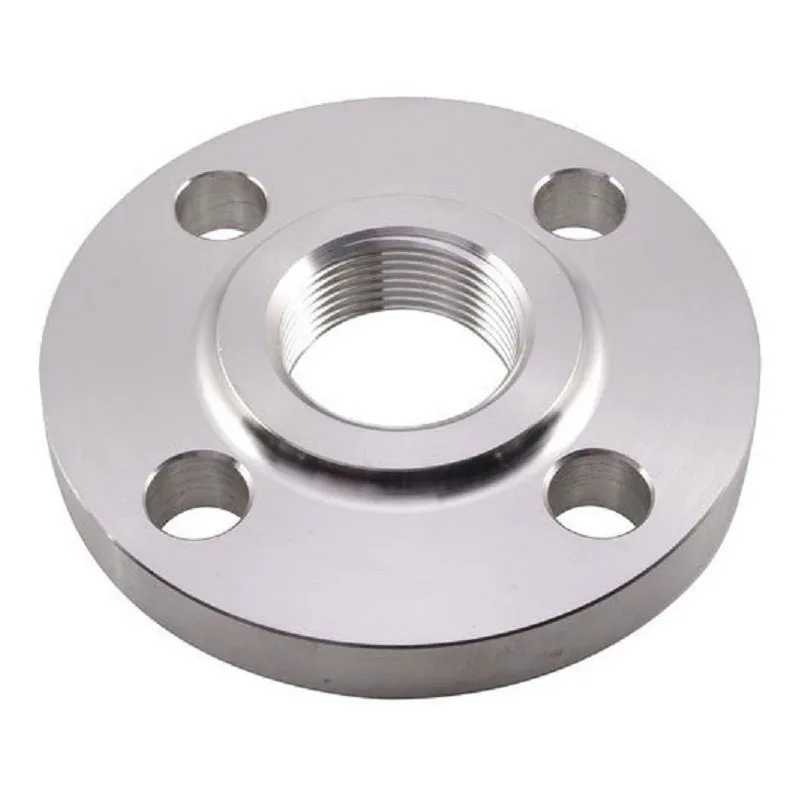 ANSI B16.5 Threaded Flanges Class 600
 -
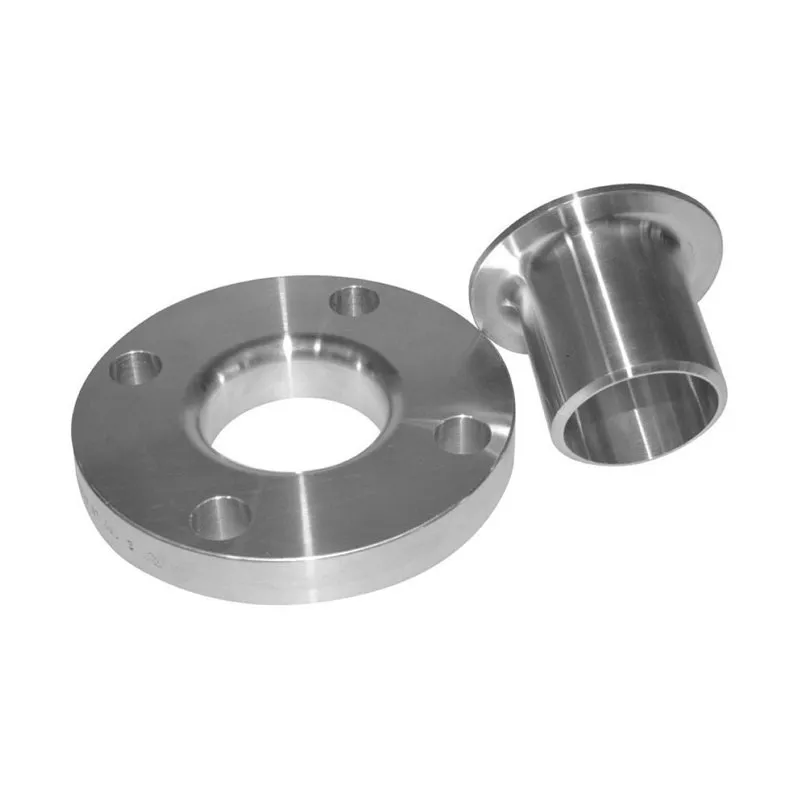 Free ring flanges Class 150
 -
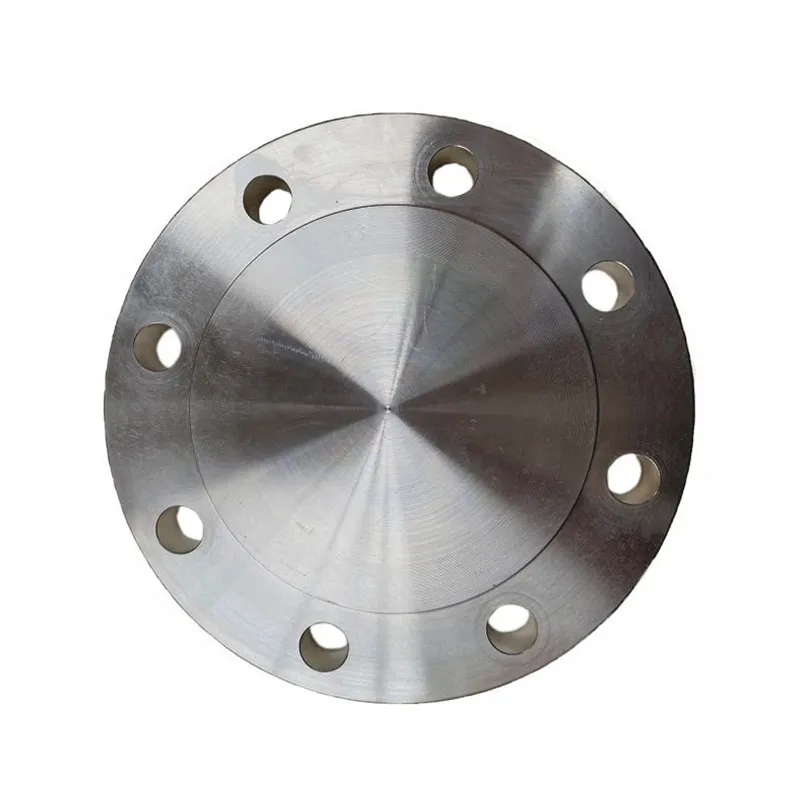 DIN 2527 Blind flanges PN10