
-
-
Phone
+86-13623462298



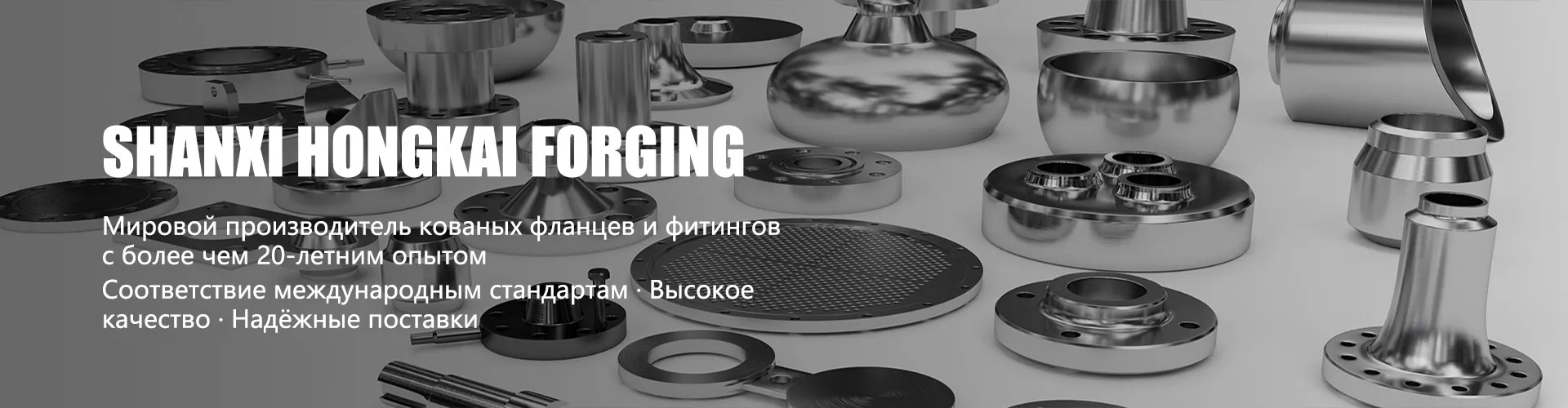
flange dn40
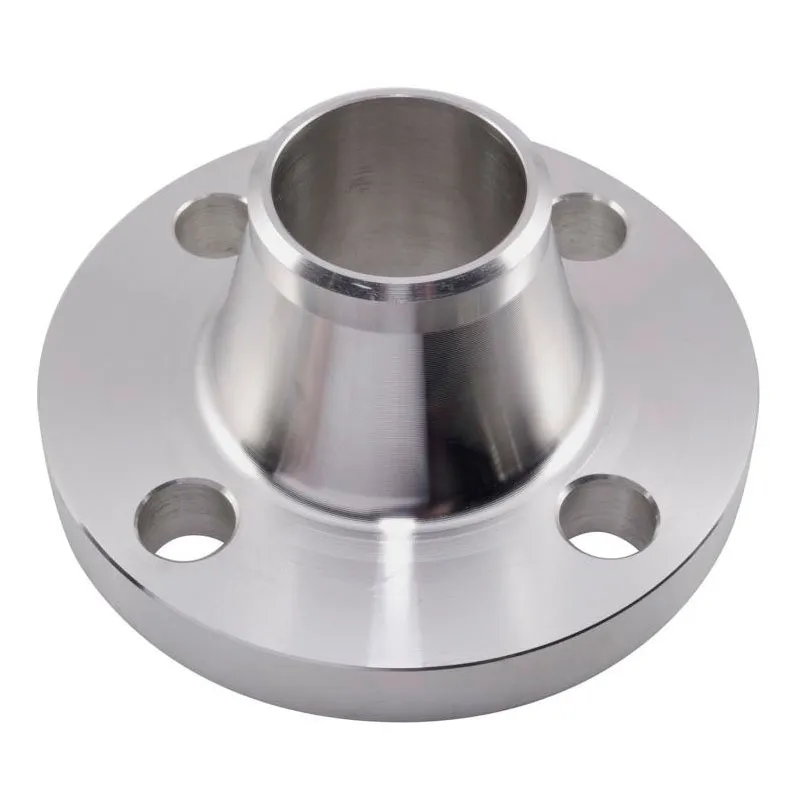
When they talk aboutflange dn40, many people think it’s a trifle, a standard position, what could be complicated about it. On paper everything is smooth: GOST, ASME, drawing, shipment. But in practice, with this conditional DN40 (which, let me remind you, is approximately 48 mm in the outer diameter of the pipe), sometimes more questions and inconsistencies arise than with some large DN600. Especially when it comes to not just replacing it with a similar one, but integrating it into a new system or working with old pipelines. Have you encountered it often? Constantly. And often this is where errors in the order lie, which appear already during installation.
Why is DN40 not always “simple”?
Let's take standards, for example. The customer says: “We need a flange for the 40th pipe in accordance with GOST 33259.” It would seem clear. But then the question of pressure arises. The range of conditional pressures (CP) for this diameter is wide - from 6 to 160 atmospheres, or even higher. And the geometry, and the thickness, and the number of bolts, and the diameter of the circle for them - everything changes dramatically. An error in one RU number and you won’t be able to assemble the kit. I saw situations where they brought flanges for RU16 instead of the required RU40 for a section with steam. Visually, the difference is not noticeable, but when tightening, the bolts no longer fit into the holes, or the ring gasket fits into the wrong groove. That's it, the installation is up.
Another point is the design of the sealing surface. For DN40 all types are relevant: tongue-and-groove, protrusion-recess, for a lens gasket, for an oval section. This is especially critical in energy and chemistry. It happened that we received drawings from designers that simply stated “steel flange DN40 PN40”. What kind of performance? Often not indicated. I had to call, check, and sometimes even go to the site with samples to visually check with the adjacent flange on the existing line. This is a waste of time, but otherwise a guaranteed return.
And of course, the material. For standard media - steel 20, 09G2S. But if we are talking about a corrosive environment or low temperatures, steels of type 12Х18Н10Т or 10Г2ФБУ are already needed. And here the DN40 size plays a cruel joke: on small diameters, material defects (sinks, lack of penetration during stamping) can be more critical due to the relatively small thickness of the wall of the flange itself. Control must be tight, especially at the radius of transition from the hub to the disk.
Experience with specific supplies and manufacturers
Working with different factories, I paid attention to the nuances in the approach. Let's take Chinese manufacturers for example. Not all, of course, but many with small diameters, such as DN40, can save on machining. Let’s say they make a chamfer for welding a little sharper than normal, or the roughness of the seal surface will not be Ra 3.2, but closer to Ra 6.3. For water, it may work, but for testing under high pressure or for vacuum systems it’s already a problem. The gasket “bites” and fistulas appear.
Here, by the way, what stands out positively is working with some specialized factories that focus specifically on forging and machining, and not on mass rolling. For example,Shanxi Hongkai Forging Co.,Ltd(their website ishkflange.ru). They position themselves as a manufacturer of forged flanges and forgings, which is important for critical applications. Forging gives better direction of metal fibers and higher strength. Their website shows that the range starts from DN15, and for DN40 they offer a full range of standards - from GOST and ASME to EN and DIN. It is important that they focus on manufacturing according to international standards, which means that they supply, for example, flanges with RF (Raised Face) design according to ASME B16.5 or with surface type D according to EN 1092-1. It's not just ?similar? flange, but a product with the correct geometric parameters.
From personal experience: we ordered a batch of DN40, RU100 flanges from them, tongue-and-groove design. according to GOST for replacement at a petrochemical enterprise. They came with a full package of certificates, including ultrasonic inspection of forgings. There were no problems during installation - the holes coincided with the old mating flanges (the system was still Soviet, but the standard was preserved), the processing surface was smooth, without scoring. This is the case when the right choice of supplier saved time on acceptance and fitting on site.
Typical errors during installation and operation
Even with a high-quality DN40 flange, you can step on a rake during installation. The most common mistake is uneven tightening of bolts. The diameter is small, there are usually 4 or 8 bolts (depending on the switchgear). It seems that you can tighten it by hand? or one torque wrench in a circle. But if you don’t follow the tightening pattern (crosswise) and don’t do it in several stages, misalignment is guaranteed. As a result, local stress is created, and due to thermal expansion, a crack may occur in the area of one of the holes. I saw this on a low pressure steam pipeline - the flange burst just along the line between the two holes.
The second mistake is ignoring the condition of the threads on studs or bolts. On DN40, M12 or M16 bolts are often used. If the threads are rusty or damaged, the installer may strip them while trying to tighten them to the required torque. Or, worse, it will break the thread in the flange body itself. Replacing a bolt is a simple matter, but repairing threads in a flange on an already installed pipeline is a headache. You have to either drill out and cut a larger thread, or install a threaded insert. The reliability of the connection then decreases.
And third - gaskets. For DN40, standard paronite or fluoroplastic rings are often used. But if the flange has a “protrusion-recess” design, and a flat gasket is installed, it either will not stay in the groove and will come out under pressure, or, if pressed down, it will simply be cut by a sharp edge. It must be exactly matched to the type of seal. Sometimes you have to explain this even to experienced mechanics who are used to working with large diameters, where the tolerances are greater.
Non-standard situations and adaptation
Sometimes you need more than just a standardflange dn40, but adaptation. For example, the transition from Soviet GOST to modern ASME in one area. Or you need a DN40 flange, but with a non-standard bolt hole distance, to join old imported equipment. Here we are already working according to the customer’s drawings. In this regard, the mentioned companyShanxi Hongkai Forging Co.,Ltdin its information directly indicates the possibility of manufacturing non-standard products according to drawings. This is an important point. We once ordered adapter flanges from them from DN40 to DN32 with offset holes for the reconstruction of a pumping station. Made according to our sketch, from a forging, followed by heat treatment. They worked fine.
Another common request is stainless steel flanges for the food or pharmaceutical industries. The requirements for surface cleanliness are special here. For DN40 this means not only grinding, but often also polishing the contact surfaces. And it is important that when welding (and such flanges are usually welded) not to “let go” metal in the heat affected zone. Therefore, a good manufacturer should provide recommendations on welding conditions for their material. This is a sign of a serious approach, and not just selling hardware.
There are also funny cases. Once a request came for a DN40 flange with a pressure of 250 atmospheres. For such a small diameter and such a high pressure, this is already the sphere of special fittings, almost instrument fittings. Standard rows do not always help here; strength calculations are needed. I had to look for a manufacturer who would not only forge it, but also carry out calculations and perform hydrotests on a stand. This is no longer a mass product, but a piece product. And here it is important that the supplier understands the difference and does not try to simply sell a thicker disk made of steel 20, saying “it will hold up as it is?”.
Instead of a conclusion: what to look for when ordering
So, to summarize the experience with this seemingly simple size. The first thing is to never limit your application to just the words “DN40 flange”. Full designation is required: standard (GOST, ASME, etc.), nominal pressure (PN/RU/Class), type of sealing surface, material, and if any, type of forging (forged or from a rolled ring). The second is to request from the supplier not only a certificate of conformity, but also, if the environment is critical, test reports of the mechanical properties of this particular melt, especially impact strength at low temperatures, if this is relevant.
Third, visual and measurement control upon acceptance. Even for DN40 it is worth checking with a caliper the thickness of the disk, the diameter of the circle for the bolts and the holes themselves, and the roughness. And fourth, choose a supplier who specializes in forgings and understands the technology, and does not just sell metal products. For example, the manufacturerShanxi Hongkai Forging Co.,Ltd, which operates in one of the forging centers of China and focuses on meeting international standards. It is useful to have their website bookmarked as one of the possible options for complex or important orders, especially when you need not just an assortment, but a product with guaranteed quality traceability from ingot to finished productflange dn40.
In general, there are no trifles in our business. Even such a small diameter requires full attention and understanding of where and how it will work. Otherwise, the consequences may be disproportionately large compared to the dimensions of the flange itself.
Correspondingproducts
Related Products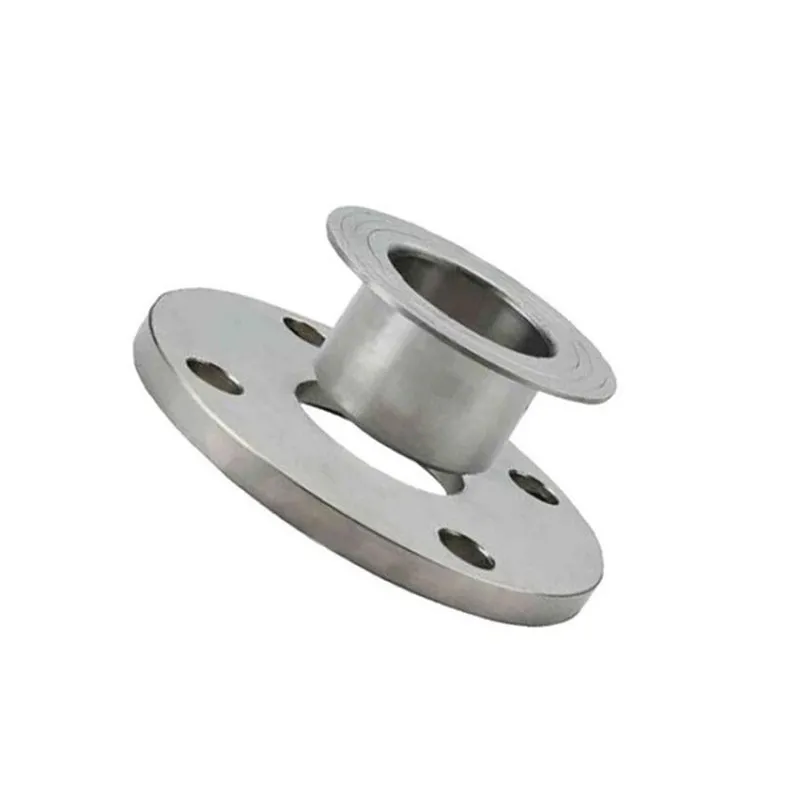
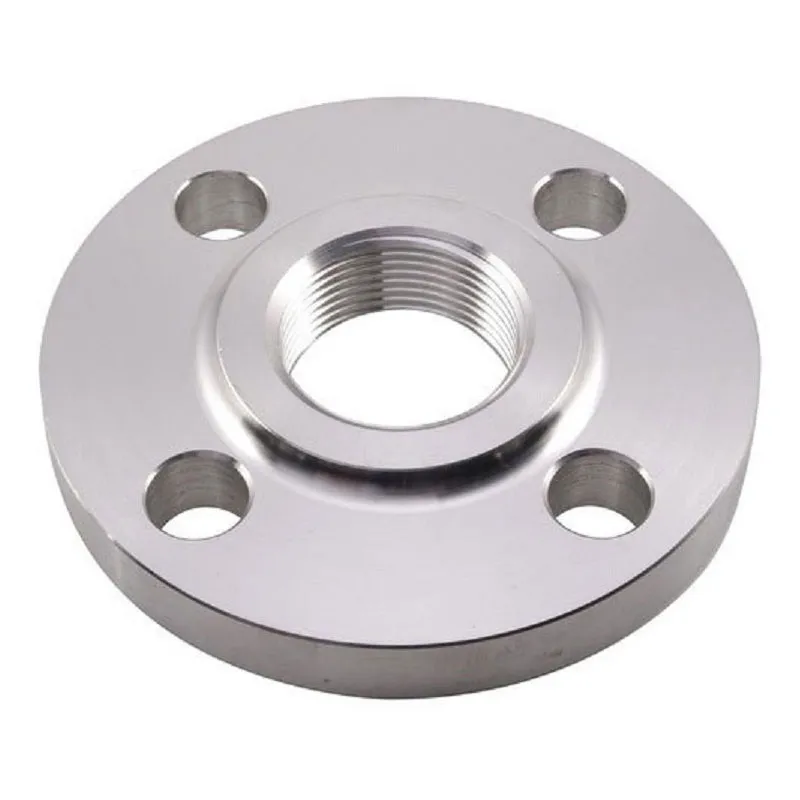
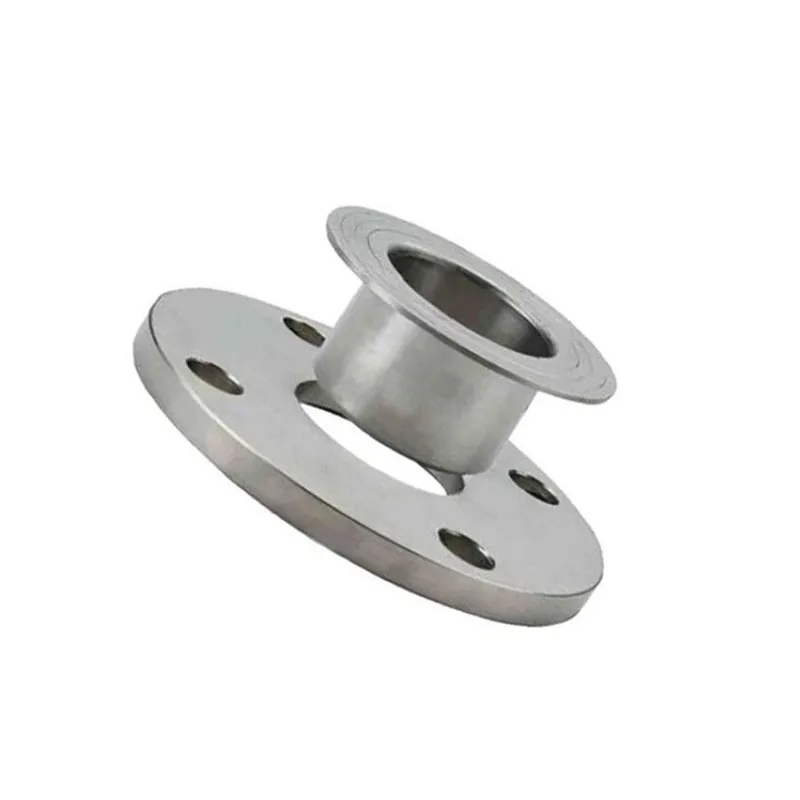
Best Sellingproducts
Best Selling Products-
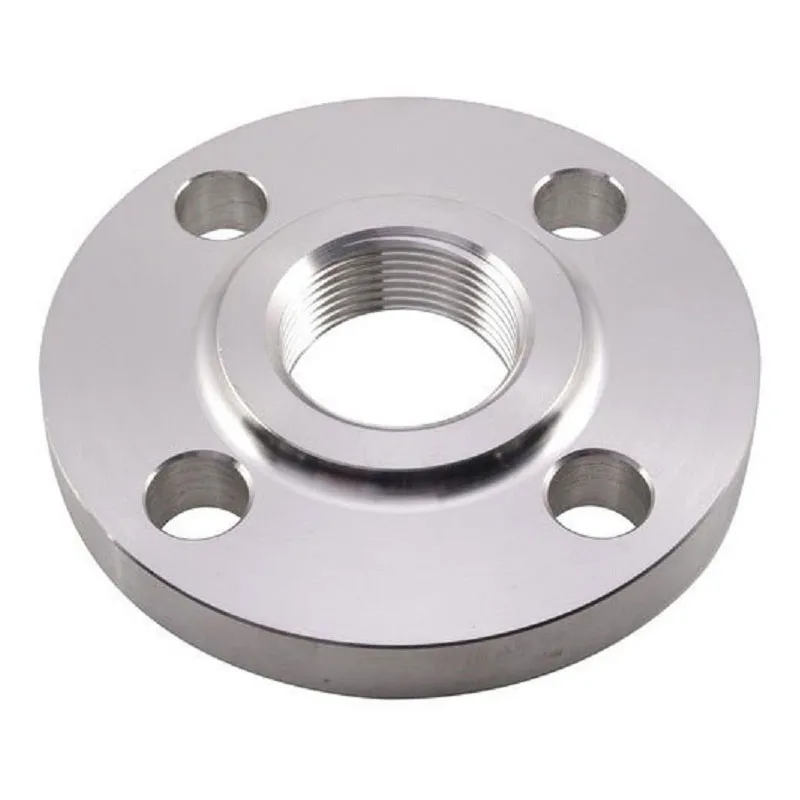 EN 1092-1 Threaded flanges Type 15, PN16
 -
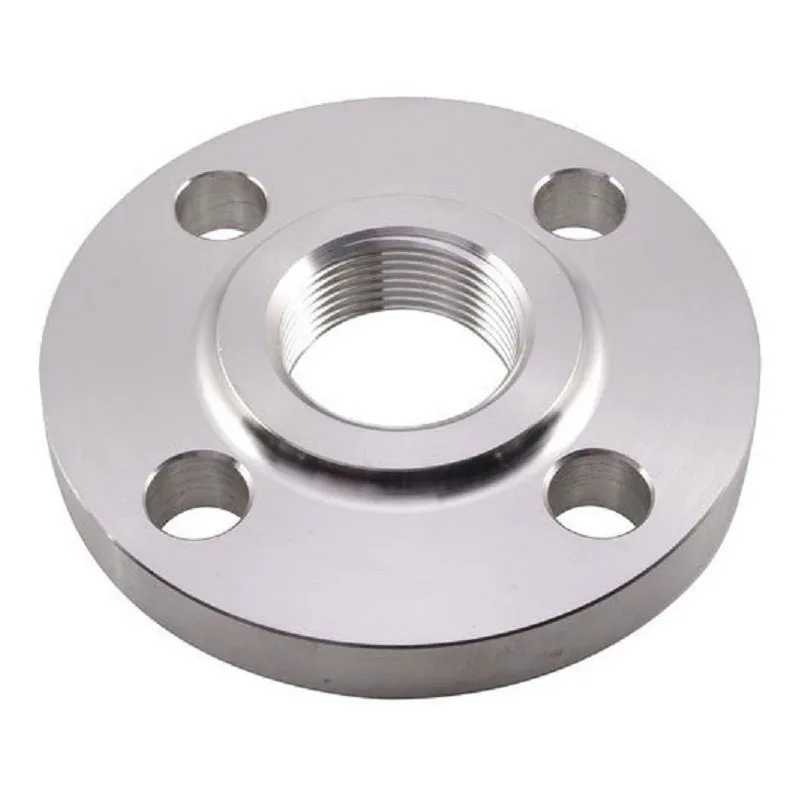 ANSI B16.5 Threaded Flanges Class 600
 -
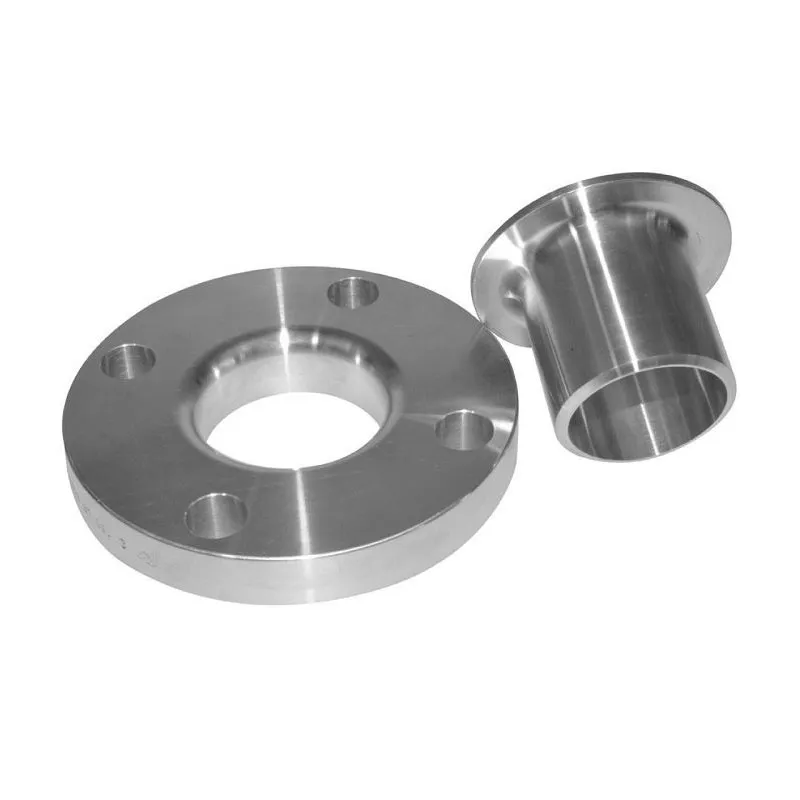 ANSI B16.5 Loose Ring Flanges Class 2500
 -
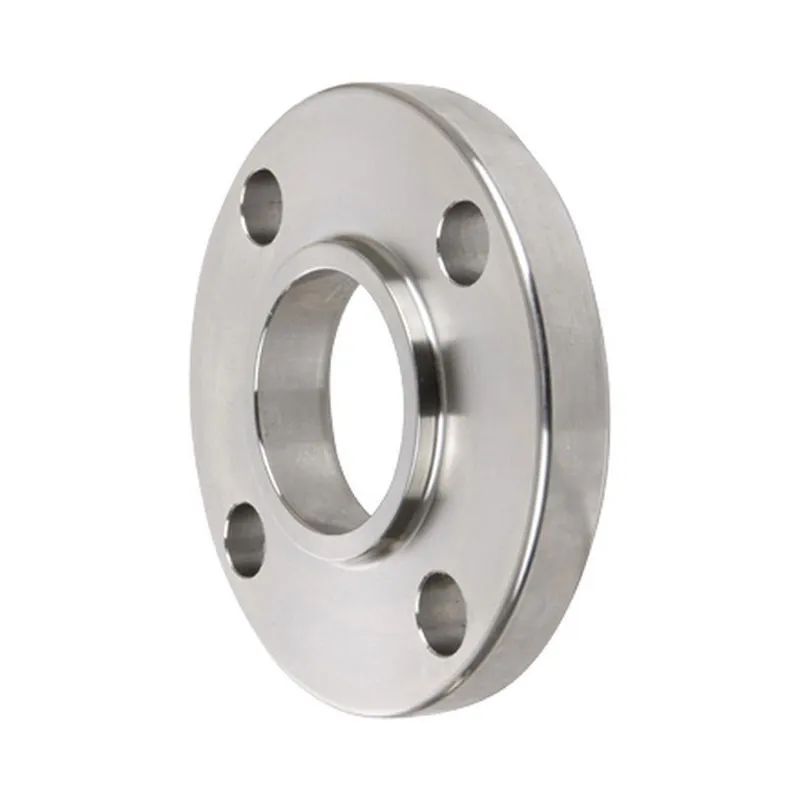 DIN 2501 Overlay flanges PN16
 -
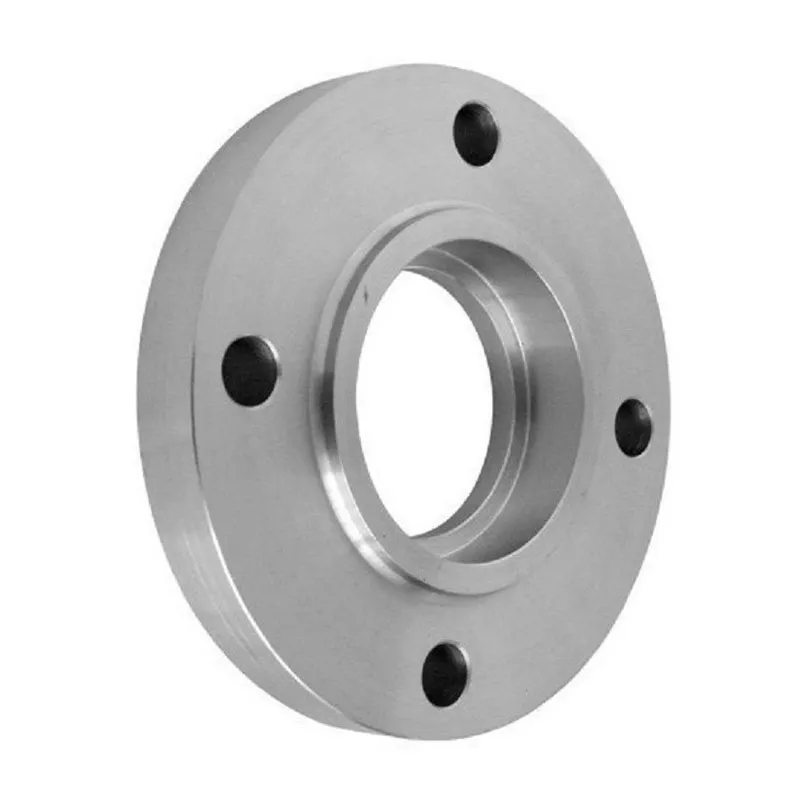 Socket Weld Flanges Class 300
 -
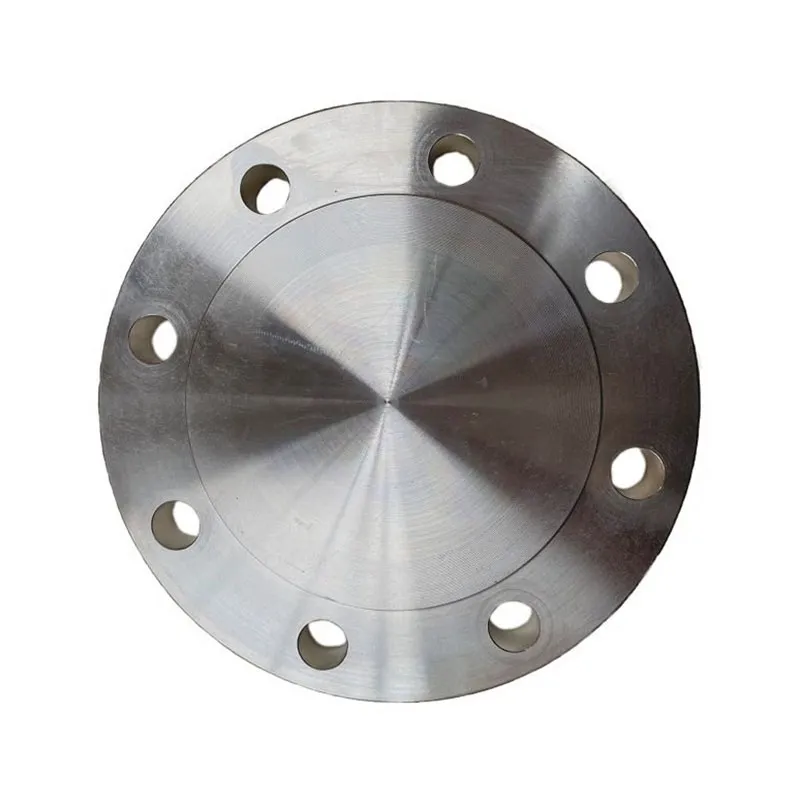 ASME B16.47 Ser.A Blind Flanges Class 400
 -
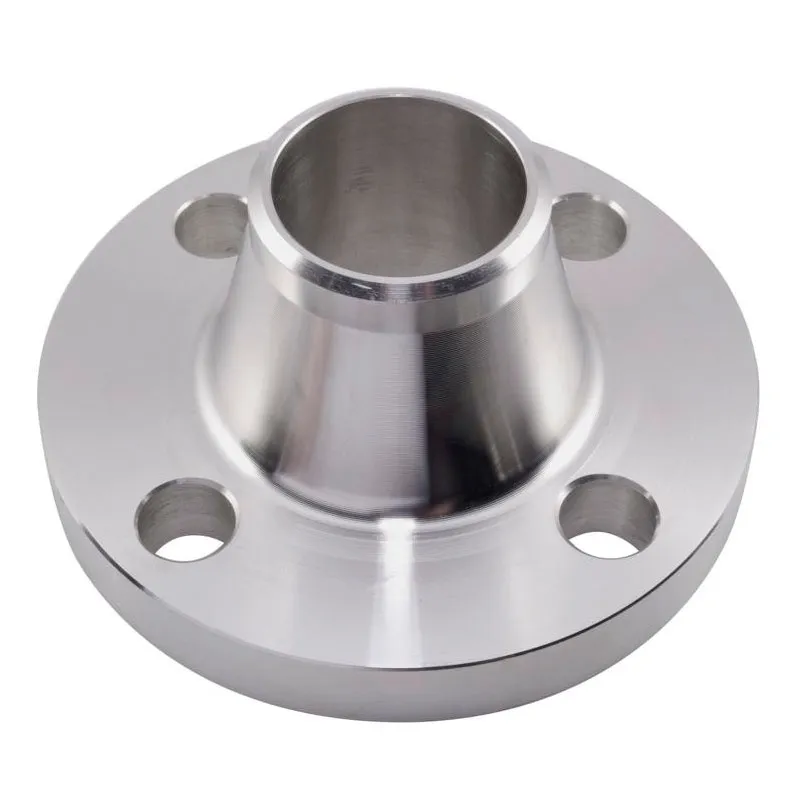 Butt weld flanges Class 900
 -
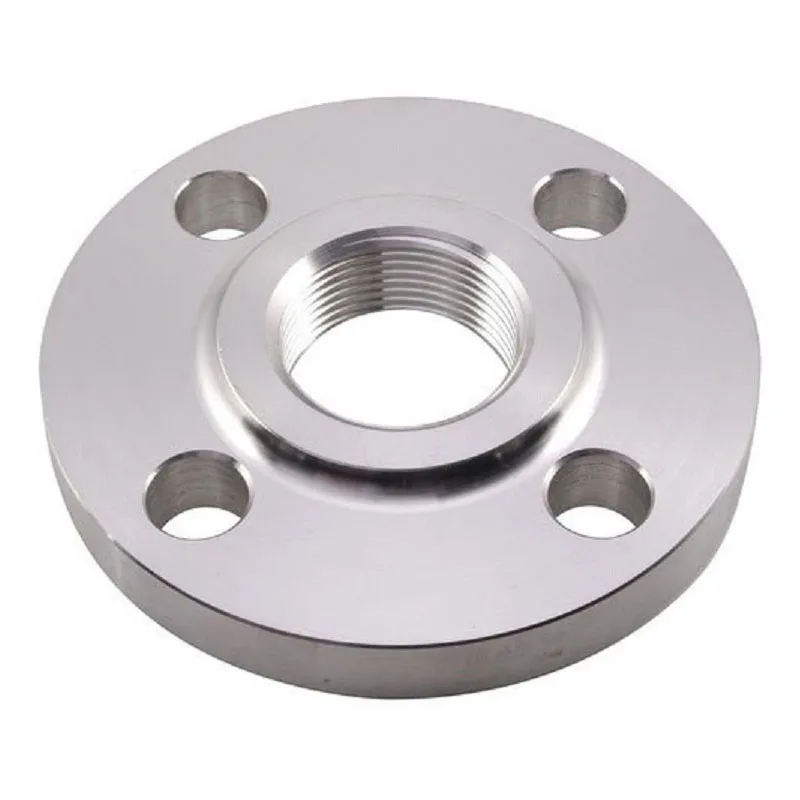 DIN 2566 Threaded flanges PN16
 -
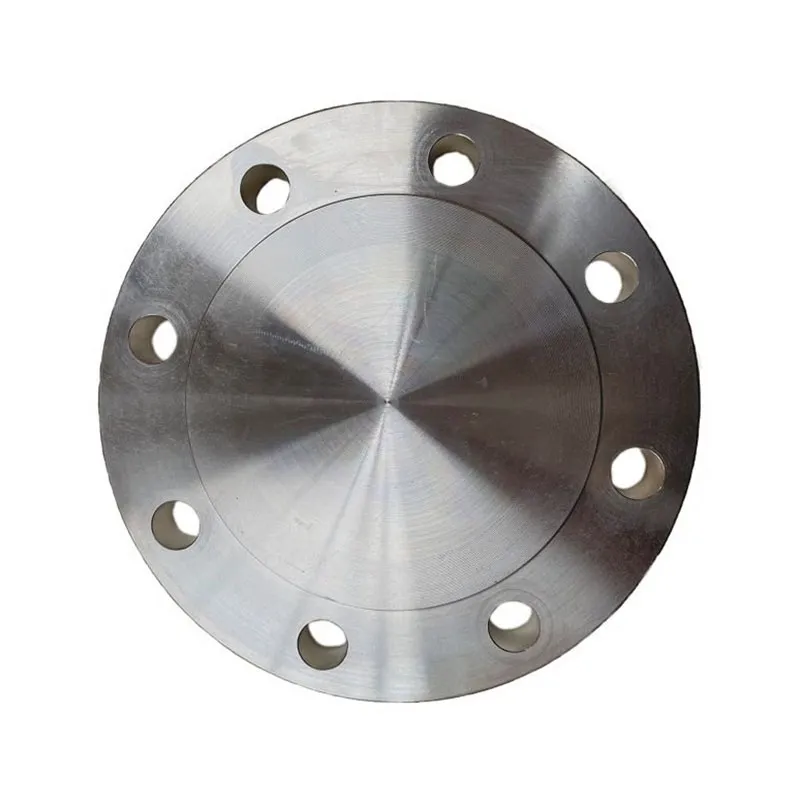 UNI 6092 Blind flanges PN10
 -
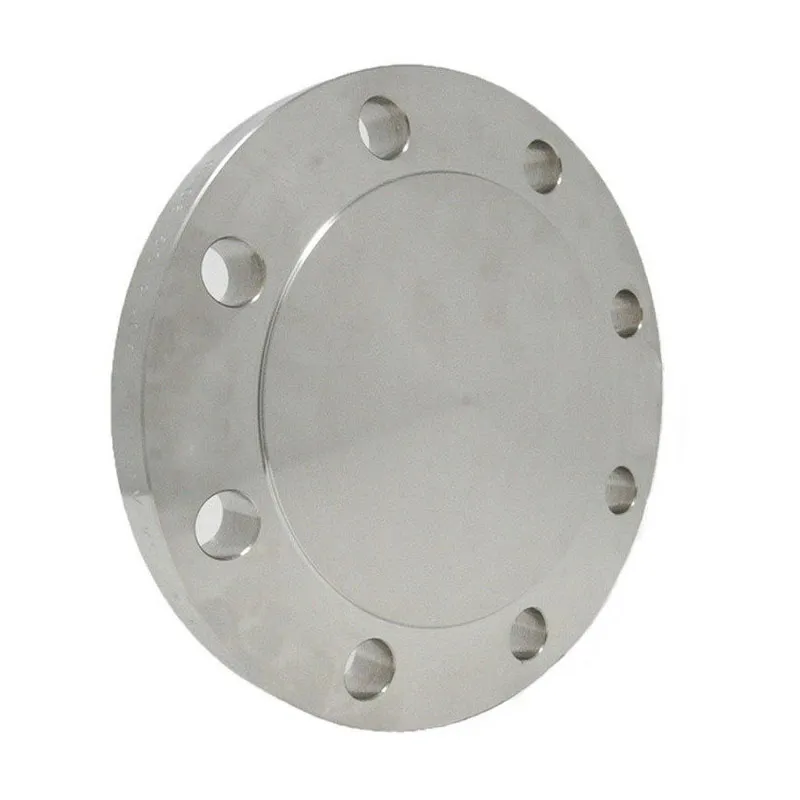 AWWA Blind Flanges Class D (Tables 1, 2, 3)
 -
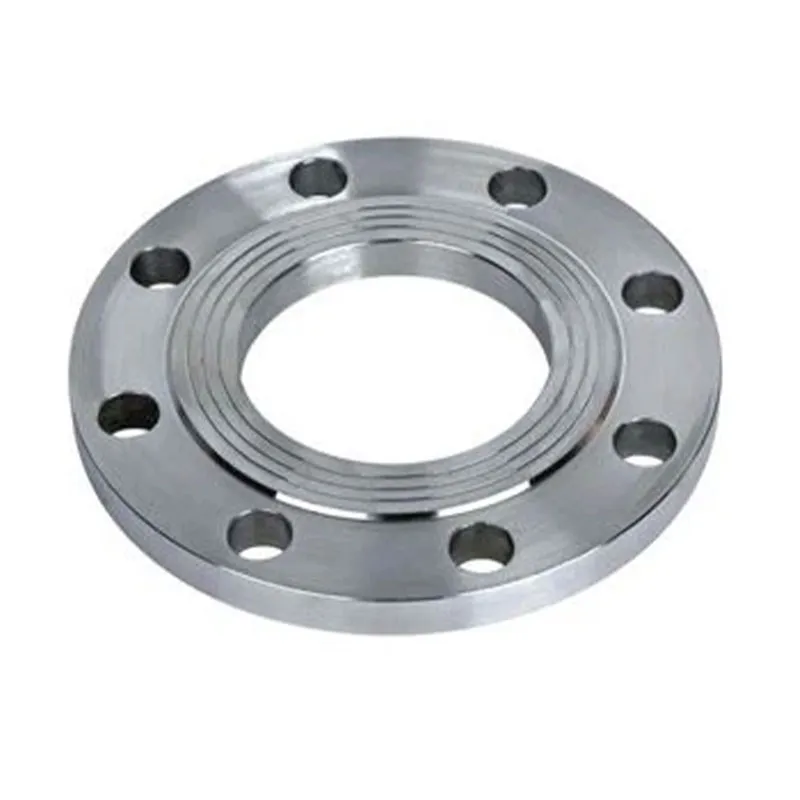 Butt weld flanges Class 150
 -
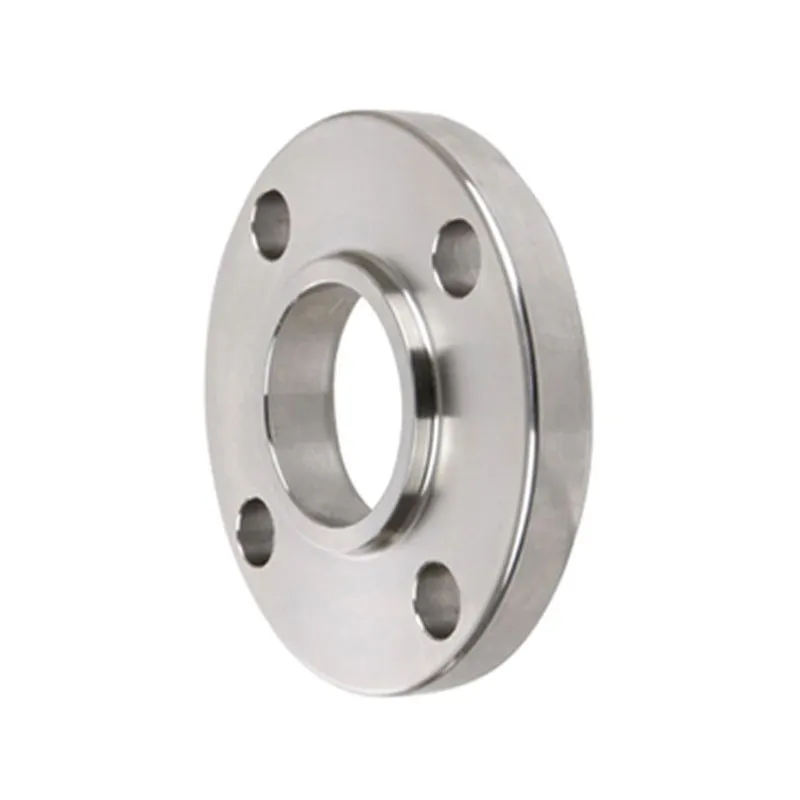 ANSI B16.5 Lap-on flanges Class 300