
-
-
Phone
+86-13623462298



flange forgings
When they talk aboutflange forgings, many people immediately think about the finished product - the flange itself. But here lies the first pitfall: the forging itself is not a flange, it is a semi-finished product, a blank. And everything depends on how it was made. Often customers, especially those who are not familiar with the details of the technological process, chase a low price and get a problem at the machining stage or, worse, already in the work under pressure. I myself saw how they tried to save on the material of the blank for the PN40 flange, and then on the stand during hydrotesting a crack appeared not along the weld, but precisely along the body of the flange. The reason is internal stresses in the forging, which were not removed or were initially obtained due to violation of forging conditions.
What exactly is a flange forging?
It's not just a piece of metal cut and heated. This is the structure. If we take carbon or alloy steels, for example, st. 20, 09G2S or even 12Х18Н10Т, then the metal fibers should ideally be directed so as to follow the contours of the future product, flow around the places of stress concentrators - transitions from the hub to the disk, areas of holes for studs. With free forging (and it is still used in many places for large piece things), this is achieved by successive operations - upsetting, broaching, piercing. But if the blacksmith is in a hurry or the furnace does not produce a stable temperature, the fibers can break and go across. You won’t see this visually on the workpiece, but ultrasonic testing will later show heterogeneity.
For example, for critical flanges for high-pressure steam pipelines according to GOST (this is our analogue of ASME B16.5, but with its own nuances), flaw detection of forgings is mandatory. But how many manufacturers do ultrasonic testing of the forging itself before putting it into production? Often the finished flange is checked. What if the defect is inside? Rework the entire product. Waste of time and money.
Therefore, when choosing a supplier, you need to look not only at the processing machines, but also at the forging shop. Is there enough pressure to press? How is heat controlled? What kind of support tools are used? Once at one of the old factories I saw how toflange forgingslarge diameter, it seems, under DN1200, they used homemade mandrels, which had long since exhausted their service life and were distorting. As a result, the allowance for machining had to be made asymmetrical; almost twice as much metal went into the chips, and the geometry was on the verge of tolerance.
Standards and reality: GOST, ASME and ?local conditions?
Everyone works according to standards. In Russia, these are primarily GOST standards (33259, 12821, 28759.4, etc.), in projects - often ASME B16.5/B16.47, EN 1092-1. Everything in the documentation is beautiful: steel grade, mechanical properties, dimensions. But what's the difference for forging? In approaches to calculating allowances and tolerances. According to ASME, for example, more conservative (read: large) machining allowances are often used, especially in thickness. This provides a margin for possible deformation during heat treatment. According to our GOSTs, allowances may be smaller, but this requires more precise adherence to the entire technological chain.
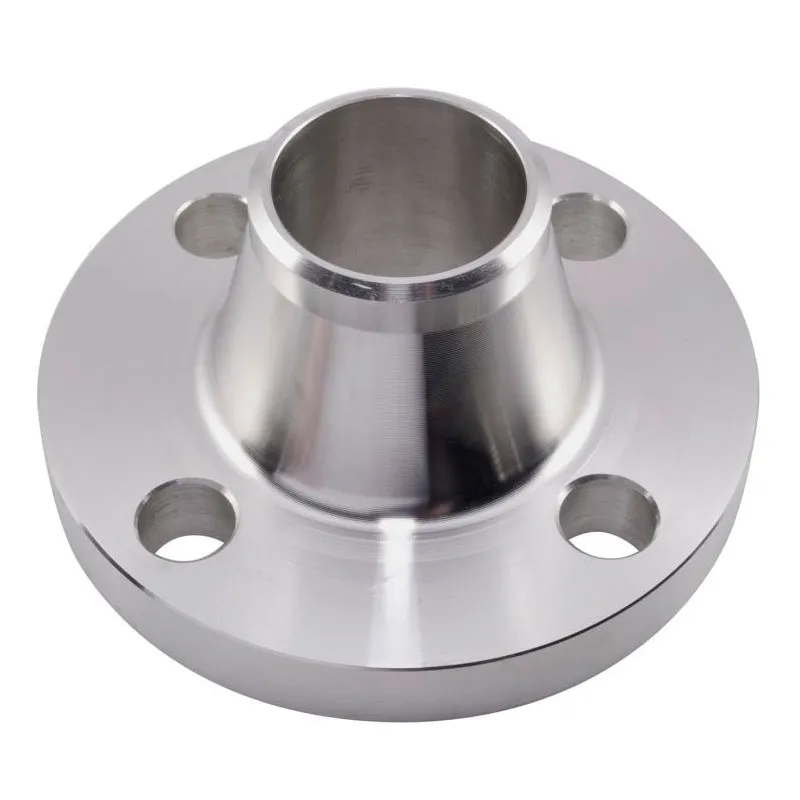
Practical case: we made a batch of flanges according to EN 1092-1 Type 11 (butt welded) from P265GH steel (analogous to 16GS). The drawing was European, but the forgings were ordered here. The technologist, accustomed to our standards, reduced the allowance at the end of the hub, arguing that it would save metal. It seems that everything went well, the flanges were shipped. But at the installation site it turned out that when fitting to the imported pipe and subsequent welding (and there were strict regulations on the gap), the margin for end chamfering turned out to be tight. They installed it a little crookedly and it wasn’t enough. We had to urgently look for a reserve party. Conclusion: the standard is not only the final dimensions, it is also the philosophy of manufacturing the workpiece.
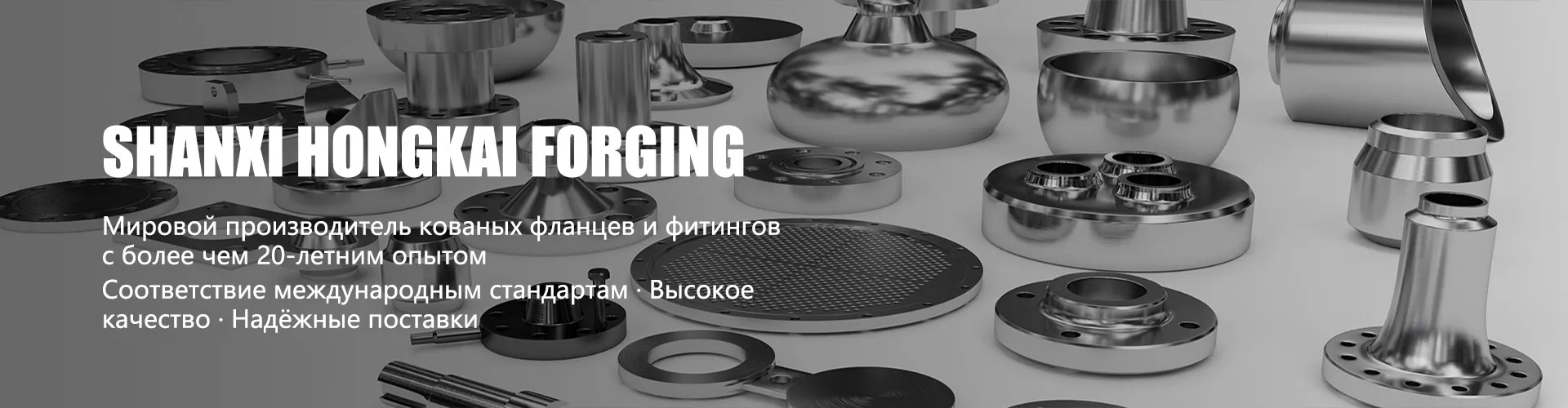
Here it is worth mentioning about the companyShanxi Hongkai Forging Co.,Ltd (https://www.hkflange.ru). They position themselves as a manufacturer of forged flanges and forgings, working according to international standards. Their nomenclature states a wide range - from DN15 to DN4000, which indicates the presence of both small presses for mass sizes and powerful equipment for large-sized piece workpieces. For the CIS market, it is important that they declare work in accordance with GOST, which means that theoretically theirflange forgingsshould be adapted to our standards for allowances and tolerances, which can reduce risks such as those described above.
Heat treatment: not “for show”, but for work
This is perhaps the darkest forest for those who buy flanges without delving into the process. After forging, the forging must be normalized (for carbon and low-alloy steels) or quenched and tempered (for alloyed steels). The goal is to relieve internal stress and obtain a homogeneous fine-grained structure. The problem is that this operation is energy-intensive and time-consuming. Unscrupulous manufacturers can “reduce” it. - underheat, underexpose or cool incorrectly.
I had experience with flanges made of steel 12Х18Н10Т for aggressive environments. The forgings seemed to be of high quality, but the heat treatment was carried out in a chamber furnace loaded “to capacity”. As a result, the temperature in the center of the bag and at the edges was different. After processing and delivery to the warehouse, everything was fine, but after six months of storage, microcracks appeared on some flanges - the so-called “self-opening”. stress. It's good that this happened in a warehouse and not on site.
Therefore, now, when evaluating a potential supplier, I always ask not “do you do maintenance?”, but “how exactly do you carry out normalization for forgings from Art. 20?” What type of oven, how is the temperature controlled, how are the pieces stacked??. The answers are usually very revealing. If they speak general phrases, this is a wake-up call.
Machining: where forging quality is lost
And now the forging, which has passed inspection and heat treatment, ends up in the machine shop. It would seem that what follows is a matter of technology. But no. The first operation is basing. How to expose a workpiece that may have slight deformation after the oven? If you firmly fasten it along one plane, and then remove the first side, after turning it over, the “propeller” may come out. Experienced craftsmen first remove a minimum layer from both sides, check, and then carry out finishing processing.
Particularly critical is the surface treatment for sealing (corrugation) and chamfers for welding. If the forging had an internal cavity or looseness (which happens with poor upsetting of the ingot), then with thin removal of chips this defect may be exposed. And then - marriage. Often in such cases they try to “heal” welding defect, but for critical flanges this is unacceptable.
Working with different factories, I noticed that those who produce themselvesflange forgings, and does not buy them on the side, likeShanxi Hongkai Forging Co.,Ltd, have an advantage. Their machining technologists are closely related to blacksmiths. They know where there may be problem areas in a given batch of forgings, and give instructions to CNC machine operators in advance - where to reduce the feed, where to make an additional pass. This reduces the percentage of defects at the final stage.
Non-standard solutions and failures
Sometimes you have to make flanges according to customer drawings - non-standard thickness, with additional grooves, asymmetrical. Here forging is the only option; casting is not suitable for mechanical properties. But it's always a lottery. Once we made a massive adapter flange from DN800 to DN1200 with an eccentric displacement of the axes. The designers drew a beautiful drawing, but when simulating the forging process, it became clear that the flow of metal during upsetting would be uneven and there was a high probability of folds forming.
They suggested changing the design of the forging - making it more massive in the transition zone, and then removing the excess. The customer did not agree, he wanted a minimum of metal. We did it as it was. As a result, an ultrasonic inspection revealed a discontinuity at the junction. The forging was rejected. We had to make a new one, according to our technical process, but it missed the deadline. Lesson: when non-standardflange forgingsIt is imperative to carry out technological studies with blacksmiths at the stage of approval of the drawing, and not after.
In this context, the ability of the manufacturer, the sameShanxi Hongkai Forging Co.,Ltd, making non-standard products according to drawings is not just a line in an advertisement. This means that they probably have a technical department that can simulate or at least expertly assess whether such a part can be forged well and provide feedback to the customer before production begins. It's valuable.
Instead of a conclusion: what to look for today
Now the market is saturated with offers. But when it comes toflange forgings, especially for critical objects, you cannot choose only by price or by a beautiful catalog. You need to look deep into the process.
Firstly, these are the starting materials - ingots or rolled products. Does the plant have certificates, and are incoming chemical composition checks carried out? Secondly, forging equipment and accessories. An old press with backlashes is a risk of uncontrolled deformation. Thirdly, a control system at all stages: measurements of forgings after forging, ultrasonic testing, control of heat treatment (preferably according to furnace schedules).
And of course, experience. Companies that have been in the field for a long time, like the one mentionedShanxi Hongkai Forging Co.,Ltd, located in one of the forging centers of China, have usually accumulated a base of standard technological processes for different steel grades and standards. This reduces risks. But this does not eliminate the need for selective control on our side, especially for the first batch. It is better to spend time and resources checking the workpiece than to deal with a pipeline accident later. The flange is a seemingly simple detail. But its reliability begins with high-quality forging. And we must not forget about this.
Correspondingproducts
Related Products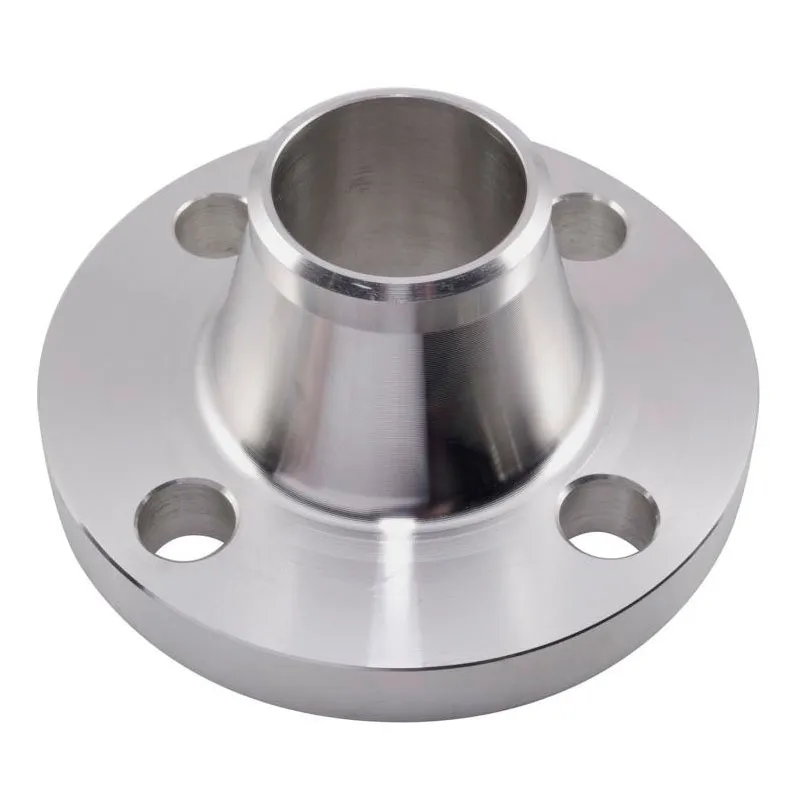
Best Sellingproducts
Best Selling Products-
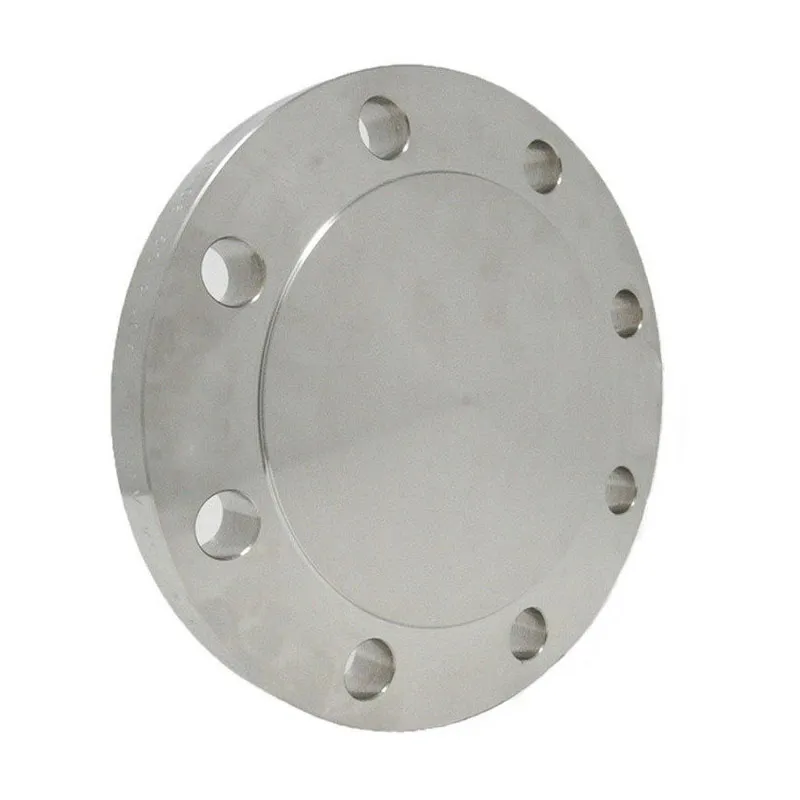 AWWA Blind Flanges Class D (Tables 1, 2, 3)
 -
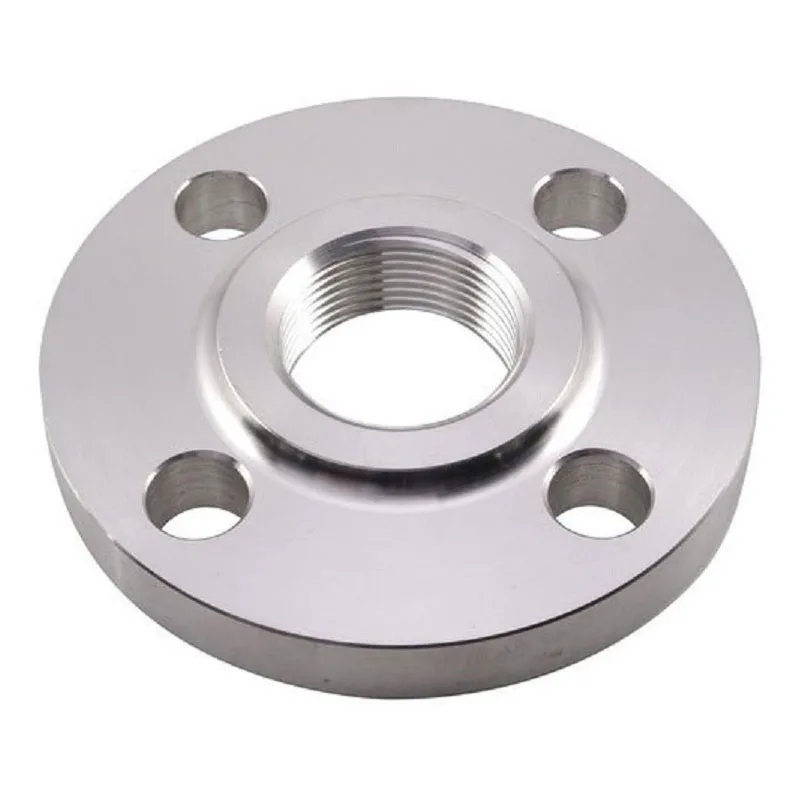 JIS 10K Threaded Flanges
 -
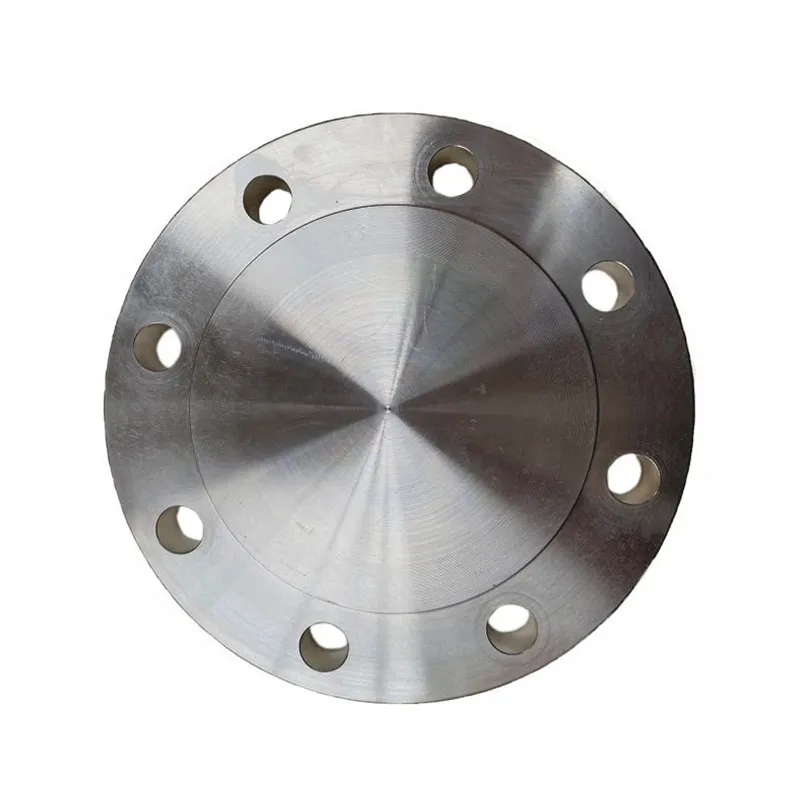 DIN 2527 Blind flanges PN10
 -
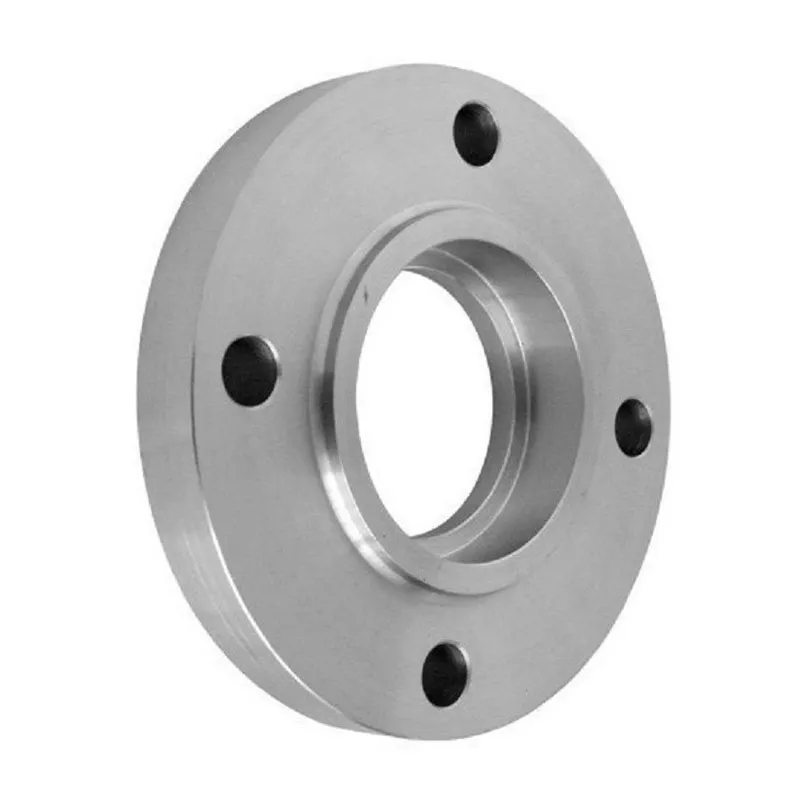 Socket Weld Flanges Class 300
 -
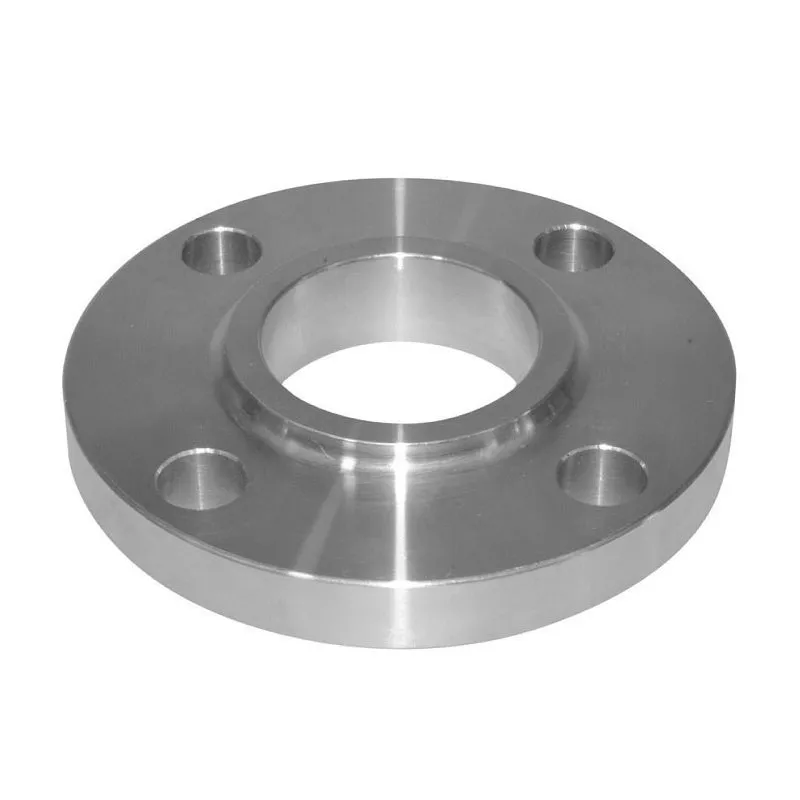 ANSI B16.5 Lap-on flanges Class 1500
 -
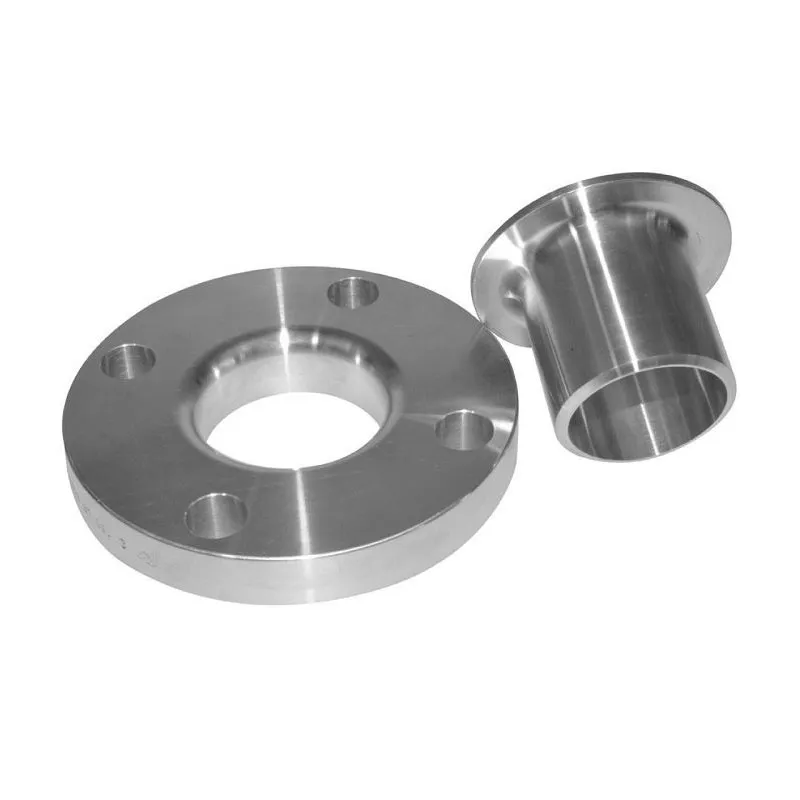 ANSI B16.5 Loose Ring Flanges Class 2500
 -
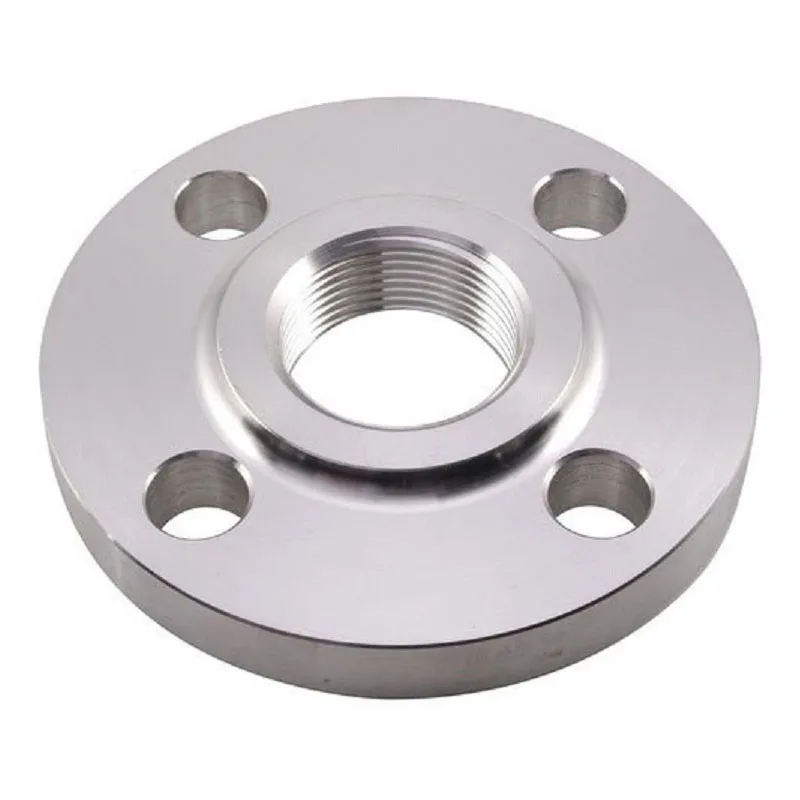 DIN 2566 Threaded flanges PN16
 -
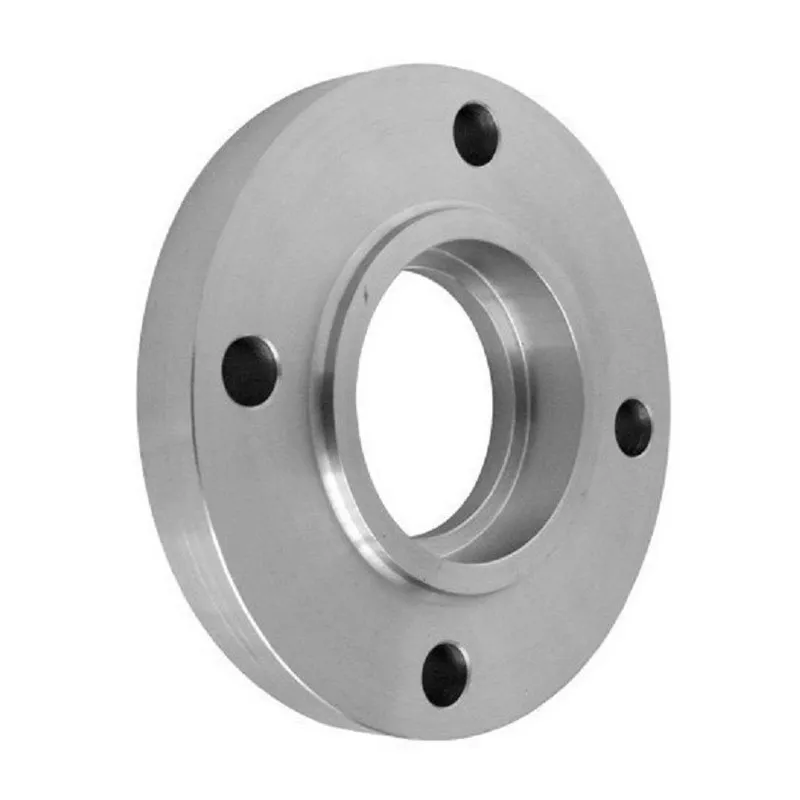 JIS 5K Socket Weld Flanges
 -
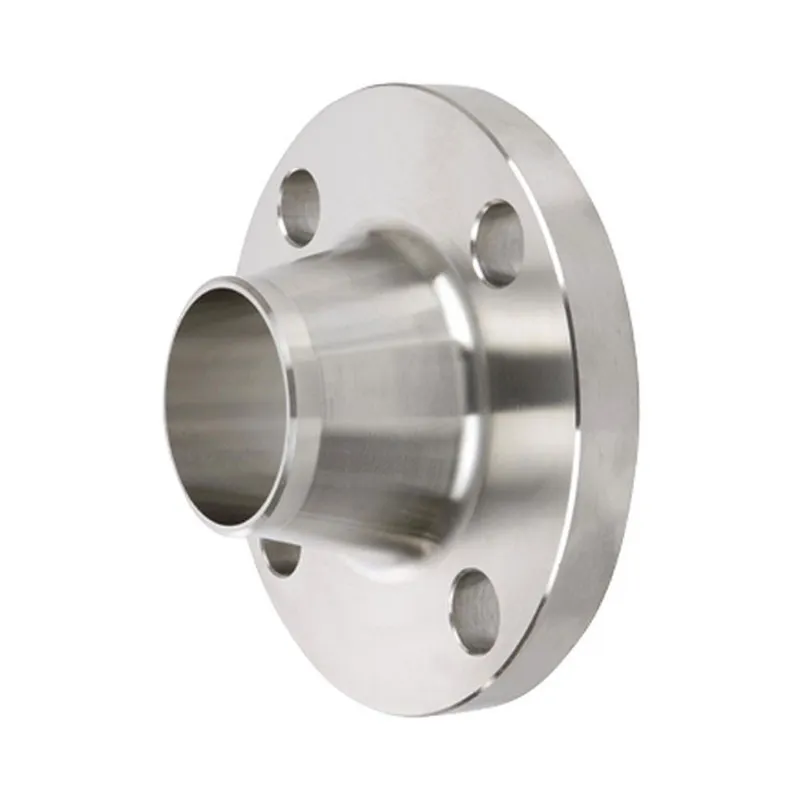 EN 1092-1 Butt weld flanges Type 11, PN25
 -
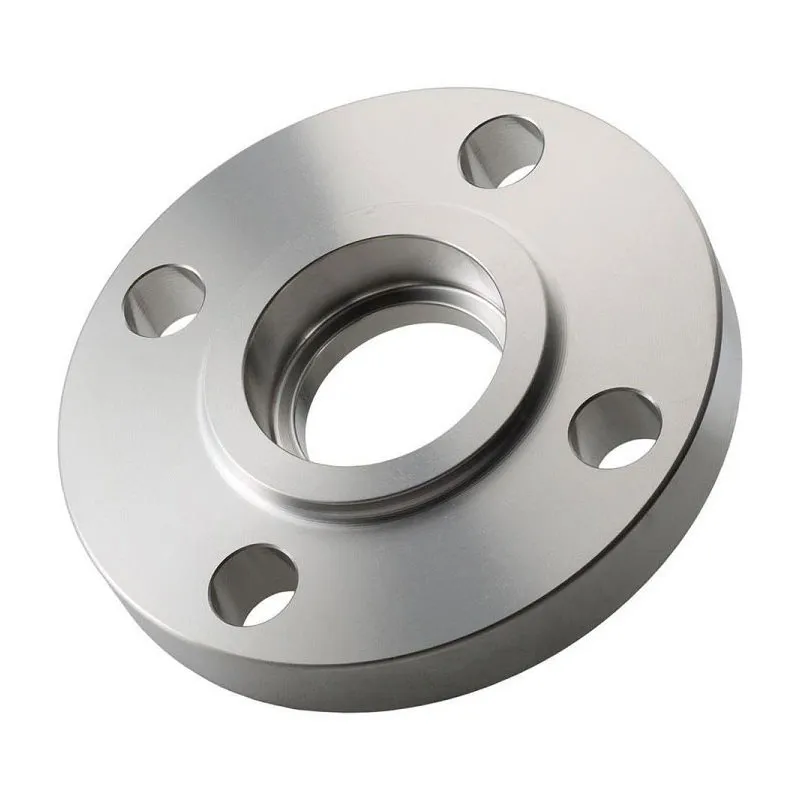 Flanges for socket welding
 -
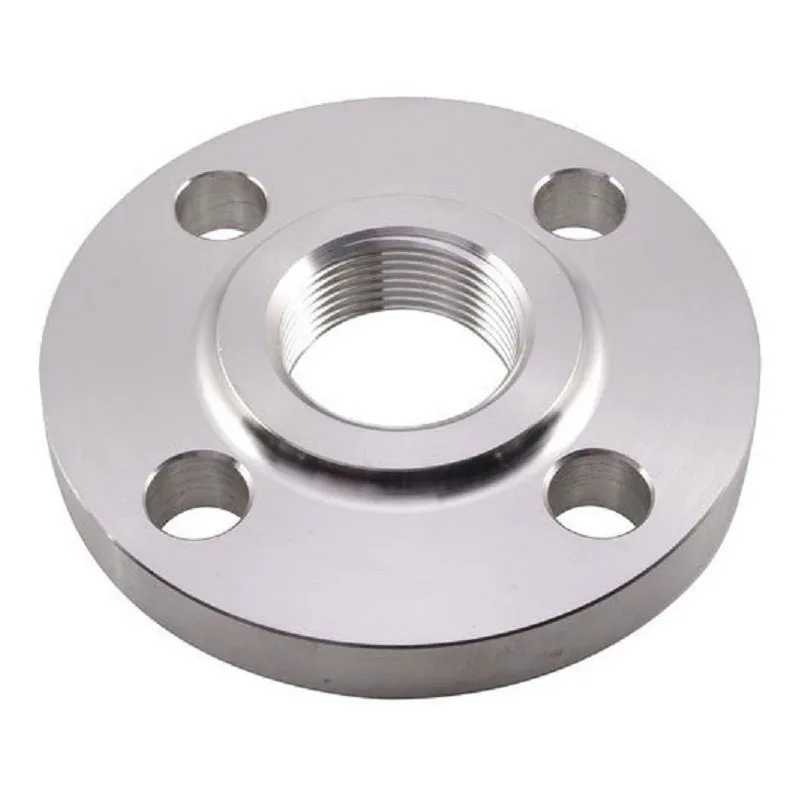 ANSI B16.5 Threaded Flanges Class 600
 -
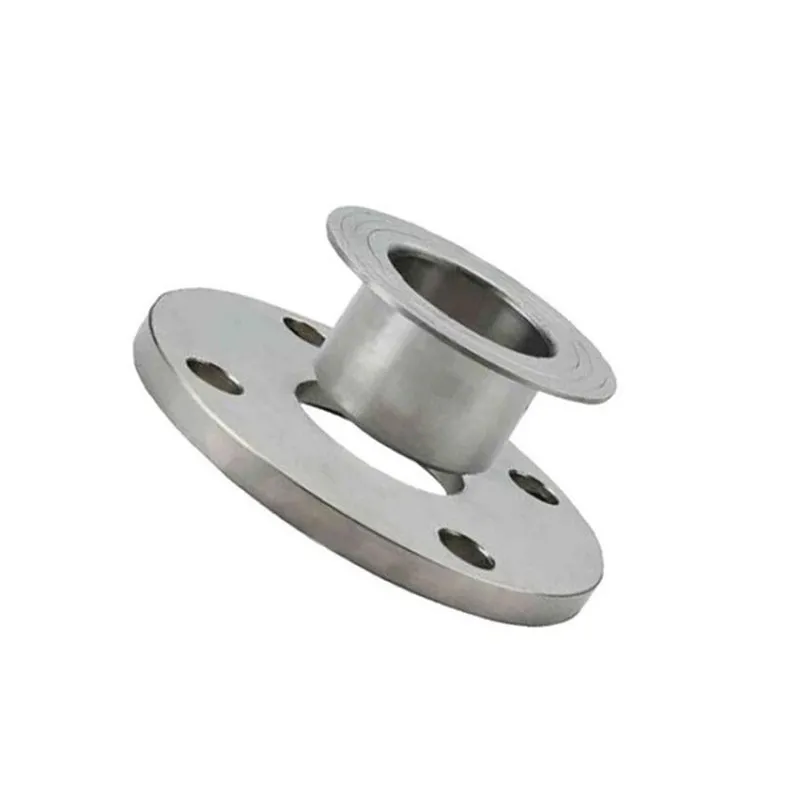 JIS 10K Loose Ring Flanges