
-
-
Phone
+86-13623462298



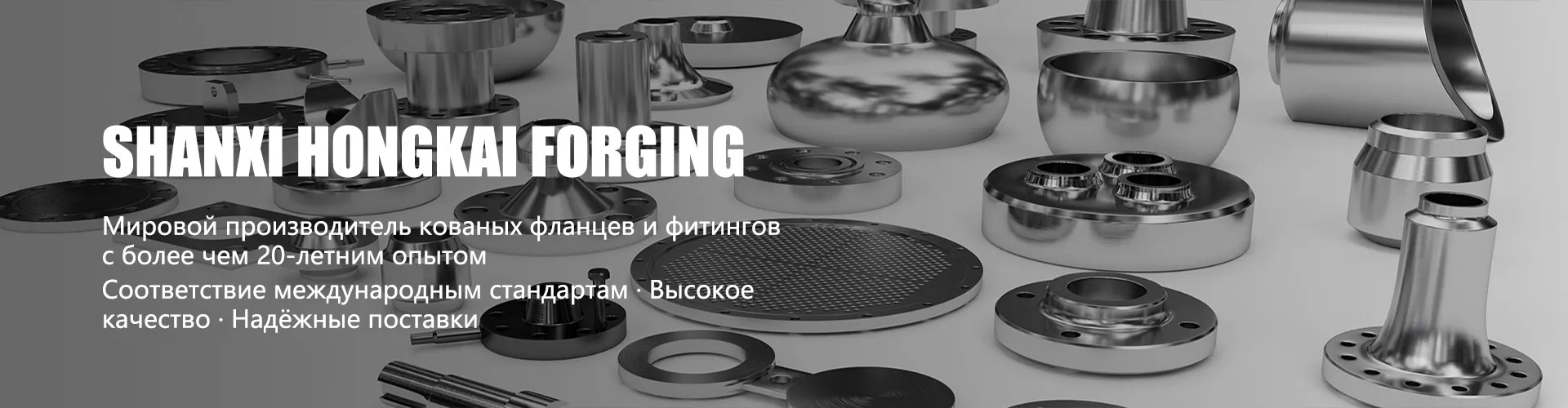
flange spacers
When people talk about flange connections, everyone immediately remembers the flanges themselves, bolts, and gaskets. And aboutflange spacers- often already at the installation stage, when the problem of misalignment or insufficient stud length arises. And this is the first mistake. A spacer is not just a piece of metal, it is a design element that compensates for the installation gap, allows you to join equipment with connecting pipes of different heights, and sometimes also acts as a heat-insulating gap. Many, especially at the design stage, treat it as a minor detail, which then results in distortions, leaks and unscheduled downtime.
What is a spacer really and why is it needed?
In simple terms, this is a ring installed between two flanges. But if you dig deeper, its geometry - thickness, internal and external diameters, quality of end processing - directly affects the integrity of the entire connection. The main function is distance compensation. Let's say you need to connect a pump to a pipeline, and their flange surfaces do not meet in height. You can, of course, try to tighten or use longer studs, but this creates additional bending moments. It is more correct to install a spacer of the required thickness.
The second, less obvious function is protective. For example, when connecting pipelines made of dissimilar metals (carbon steel and stainless steel), a spacer made of a suitable material can prevent galvanic corrosion. Or in systems with high temperatures - break the thermal bridge. Here you can no longer take the first ring you come across; you need to calculate the material and thickness.
And the third point is maintainability. It happens that a flange connection is constantly disassembled for cleaning or inspection. Each time the gaskets are removed, the surfaces wear out. Installing a spacer allows you to 'sacrifice' its ends while maintaining the main flanges. The spacer is easier and cheaper to replace or resharpen.
Typical errors during production and ordering
The most common story is ordering 'by eye'. They send a drawing of the main equipment, but about the gap they say: “Yes, there are three centimeters there, do something.” As a result, they bring a ring with a thickness of 30 mm, and the real gap is 28 mm. It would seem that 2 mm is nonsense. But if you tighten such a connection, the spacer will act like a spring, creating a variable load on the bolts, and the spacer will quickly leak. Or vice versa, the gap is 35 mm - then the bolts do not grab the threads. Accurate measurements are needed, preferably at several points around the circumference, because the equipment may be skewed.
The second mistake is the material. They take whatever is at hand, often the usual St3, without thinking about the environment. If the line carries aggressive chemicals or high temperatures, the spacer material must match the flange material or be more resistant. I have seen cases where a ferrous metal spacer was installed on a 20 steel steam line. Six months later, it “eaten up” and began to leak. I had to stop the line.
And third is the quality of processing. The ends of the spacer must have the same roughness as the flanges (usually 3.2–6.3 Ra) and be strictly parallel. If the ring is a 'propeller', there will not be a tight fit. In cheap, uncontrolled production, this is often not looked at. Therefore, it is important to work with trusted suppliers who understand the essence of the product. For example, when we ordered non-standardflange spacersfor reconstruction at a chemical plant, we turned toShanxi Hongkai Forging Co.,Ltd (https://www.hkflange.ru). Their profile is forged flanges and forgings, and forging, unlike a welded assembly, gives a more uniform metal structure. This is critical for critical connections. They also make related elements according to drawings.
Case study: installation of an additional heat exchanger
We had a project to embed an additional heater into an existing DN400 pipeline. There is not enough space, the flanges of the old line and the new device did not meet in height with a difference of almost 50 mm. The option of overwelding the flanges was out of the question - stopping the line for a day was too expensive. We decided to make a composite spacer from two rings, 25 mm each.
Here a subtlety arose: with such a thickness and a pressure in the system of 25 atm, a simple ring could 'bend' with the central part under load, breaking the plane. It was necessary either to increase the thickness (but then the bolts would not fit), or to make a spacer with internal reinforcement - essentially, a short pipe with flanges at the ends. But this is a different design, more complex and expensive.
As a result, after consultations, we settled on the option with two forged rings made of 09G2S steel (analogous to our steel for low temperatures). Ordered fromShanxi Hongkai Forging Co.,Ltd. It was important that both rings were processed in pairs, their ends were absolutely parallel and coincided during assembly. The company, as a manufacturer operating in accordance with GOST, ASME, EN, provided certificates for materials and ultrasonic testing of forgings. This gave confidence in the absence of internal defects.
The installation went without any problems. The key was to correctly assemble the “sandwich”: pipeline flange - gasket - first ring - second gasket - second ring - third gasket - heat exchanger flange. Tighten the bolts crosswise, checking the gap with a torque wrench. The system has been working for more than two years, there are no leaks.
When a spacer is not a solution, but a problem
Its installation is not always justified. For example, on vibrating equipment (centrifugal pumps, compressors), any extension of the connection by an additional part reduces its rigidity and can lead to fatigue failure of the bolts. In such cases, designers must initially provide the correct installation dimensions.
Another risk is at high cyclic temperatures. The metal of the spacer and flanges may have different coefficients of thermal expansion. When heating/cooling, additional stresses arise in the connection. For such conditions, special calculations are needed, and sometimes it is better to avoid unnecessary elements altogether.
I had a negative experience at my old job: they installed a stainless steel spacer between steel flanges on a hot line (about 300°C). At the first thermal shock (sharp start), due to the difference in expansion, the bolts lost tension and the connection “slipped” along the gasket. I had to urgently pull it on hot, which in itself is a violation. Conclusion: for temperature conditions, the material of the spacer should be selected especially carefully, and its thickness should be the minimum required.
Interaction with manufacturers: what to look for
When ordering non-standard spacers, especially for critical objects, it is not enough to simply send a drawing with dimensions. We need dialogue. A good manufacturer will ask clarifying questions: working environment, pressure, temperature, type of flanges (what standard), installation method. This shows his involvement.
For example,Shanxi Hongkai Forging Co.,Ltdin its work it is guided by international standards (GOST, ASME, EN, DIN, etc.), which is important for us when supplying export projects. If you say that the flanges are to ASME B16.5, they immediately understand what tolerances and surface quality are needed for the spacer. Their range of forging sizes up to DN4000 allows for the production of large rings that would be unreliable for welded structures.
The important point is control. Forging as a process itself produces good metal density, but the final machining needs to be checked. Request control protocols (if the project requires it) or at least a product passport indicating the brand of material, its mechanical properties and the results of visual and dimensional control. A serious manufacturer, such as the one mentioned, provides this by default for critical orders.
Final thoughts: spacer as a full-fledged element of the system
In conclusion, I want to say that the attitude towardsflange spacersshould be the same as for any other element of pipeline fittings. This is not a consumable or a crutch, but an engineering product that requires justification, calculation and high-quality manufacturing. Its incorrect selection negates the reliability of the entire connection, no matter how good the flanges and gaskets themselves are.
Experience shows that saving on this 'trifle' or not paying attention to it at the design stage results in multiple costs for repairs and downtime. Always consider, always clarify working conditions and work with suppliers who do not just cut metal, but understand what it is needed for. Like the same specialists fromShanxi Hongkai Forging Co.,Ltdwho produce both flanges and forgings, which means they see the whole picture - from the properties of the forging blank to the operation of the finished unit under load.
And lastly: never hesitate to ask again, clarify, or request additional data from the manufacturer. In our work, it is better to spend an extra day on approvals than to spend months dealing with the accident. The spacer is a small but critical component in a large system.
Correspondingproducts
Related Products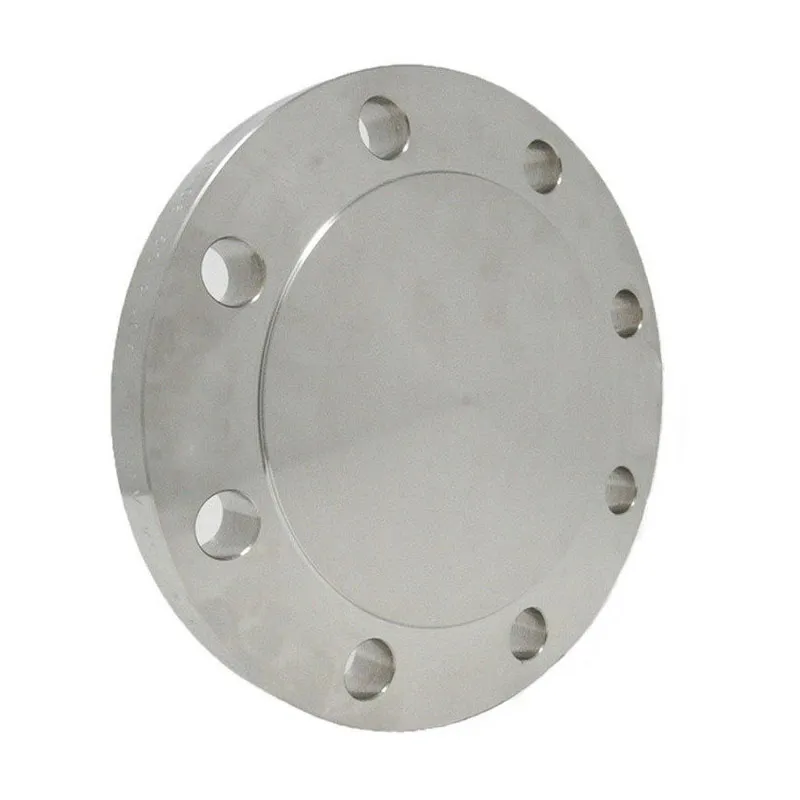
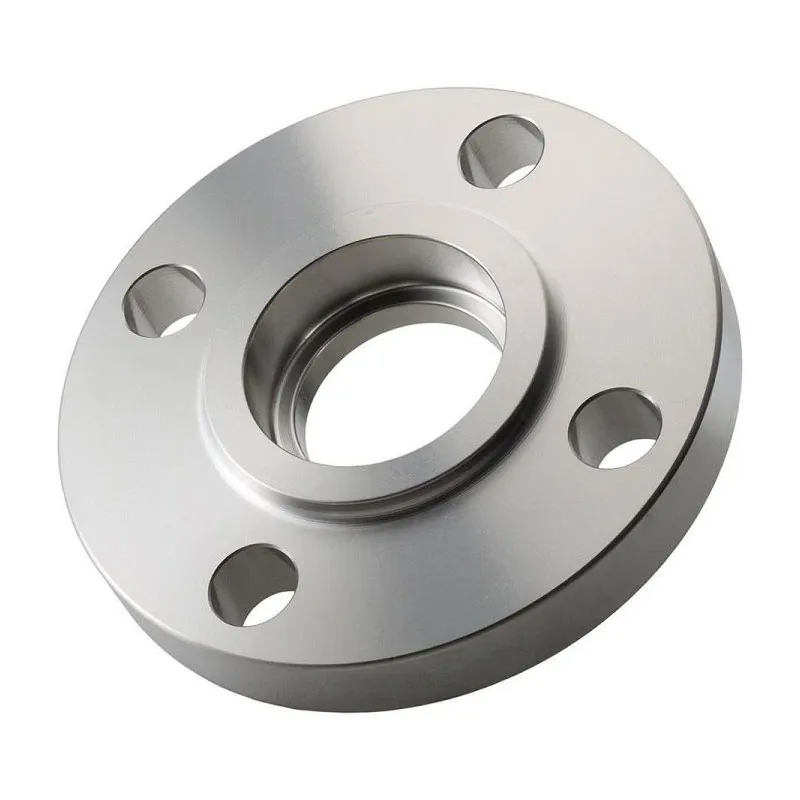
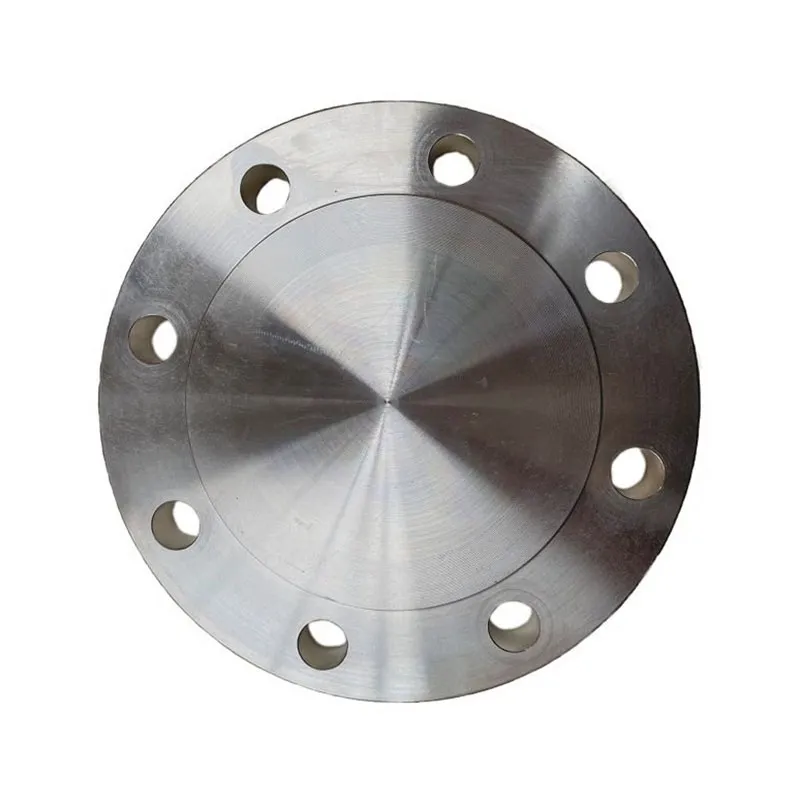
Best Sellingproducts
Best Selling Products-
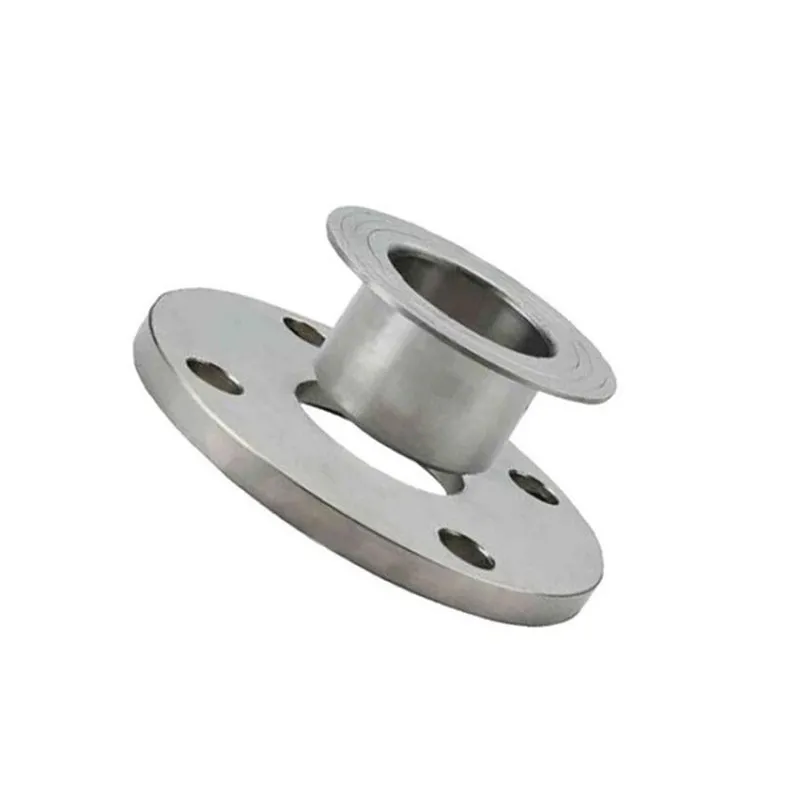 JIS 10K Loose Ring Flanges
 -
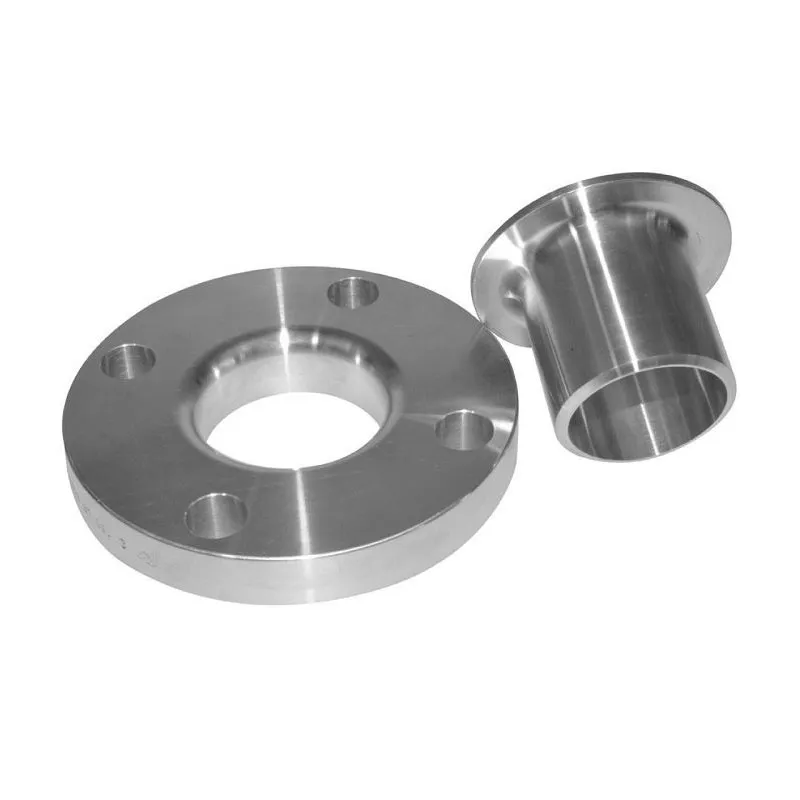 ANSI B16.5 Loose Ring Flanges Class 2500
 -
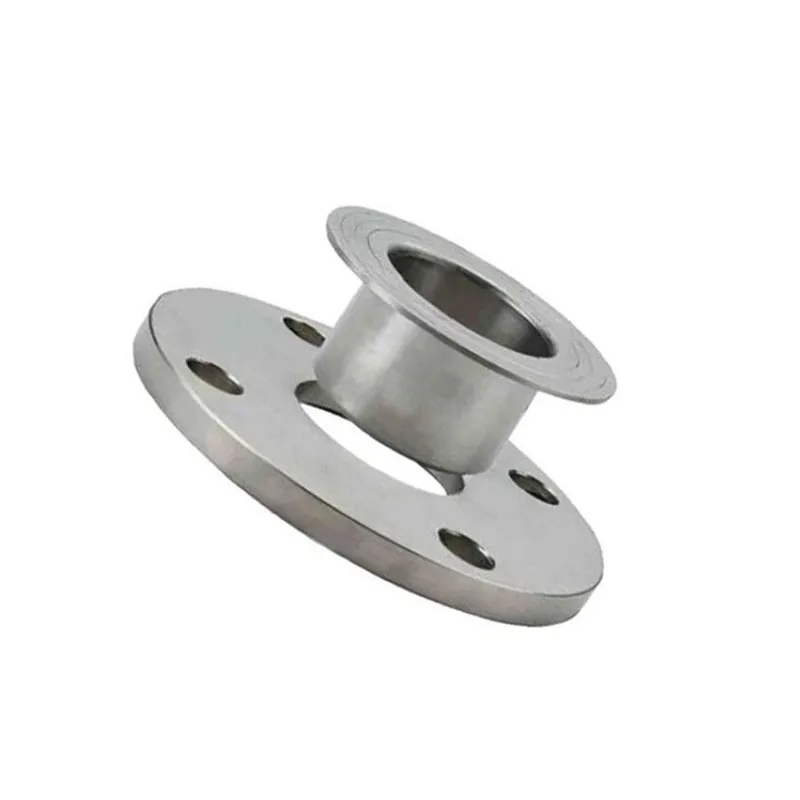 Free ring flanges Class 400
 -
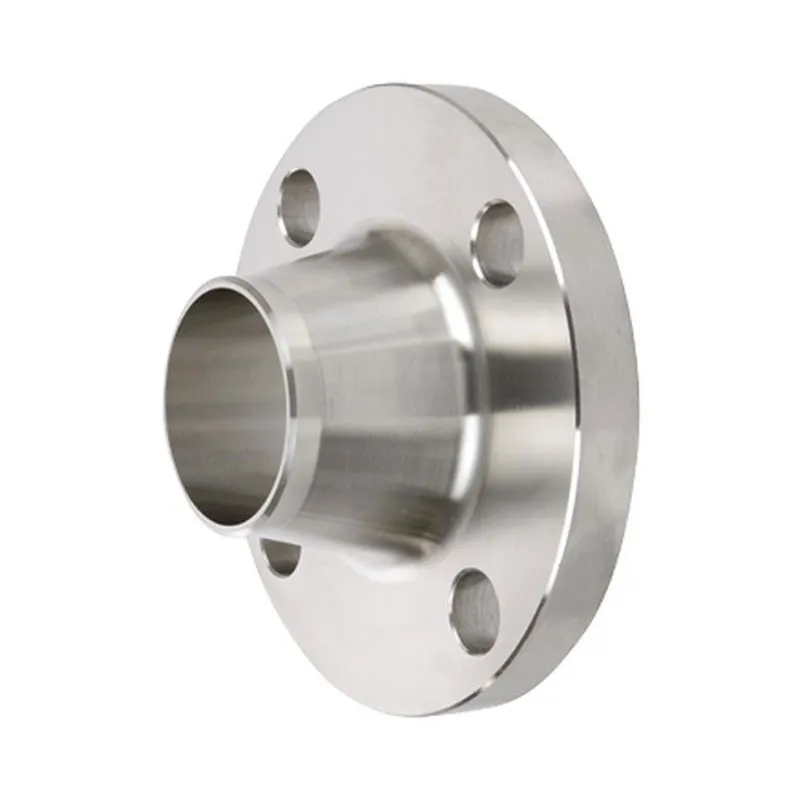 Ser.A Butt Weld Flanges Class 400
 -
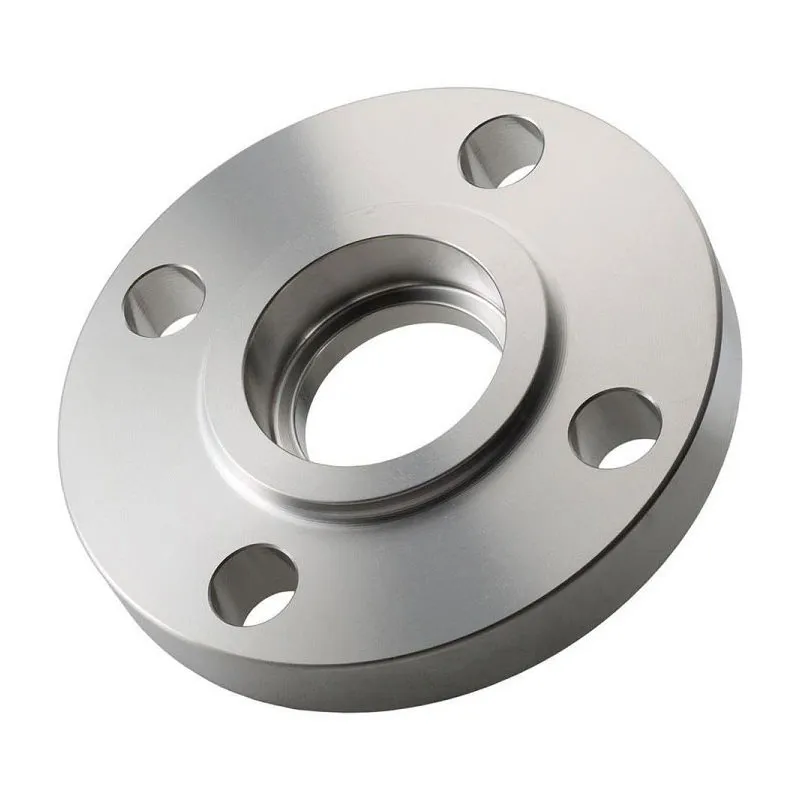 Flanges for socket welding
 -
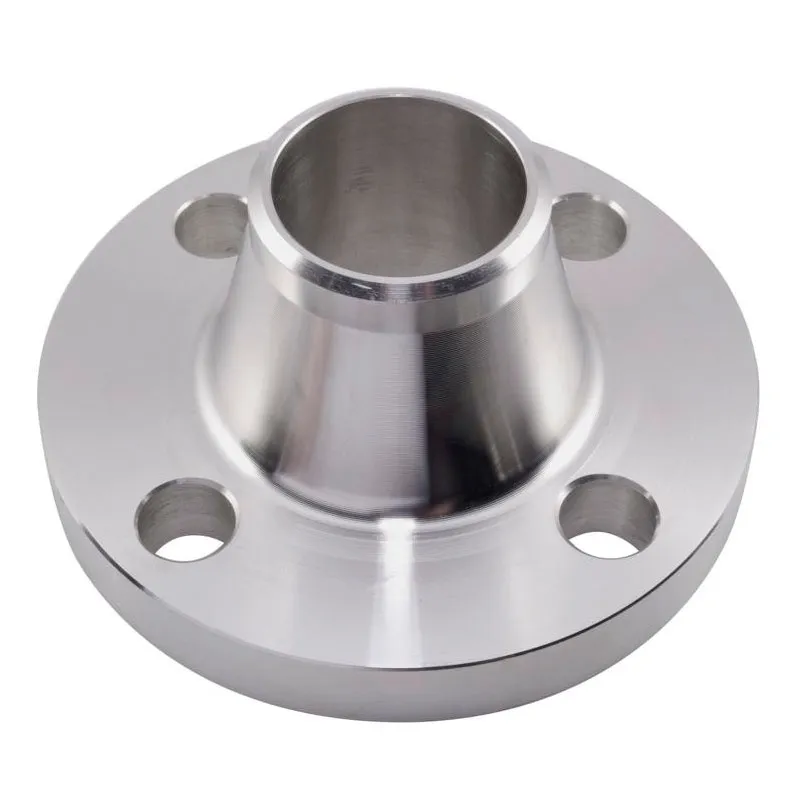 Butt weld flanges Class 900
 -
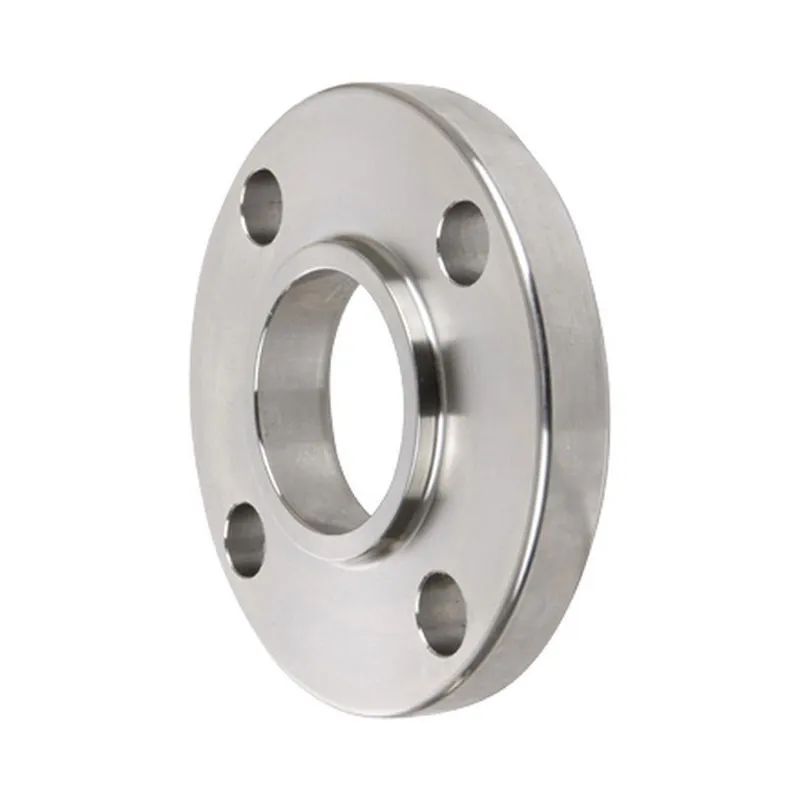 DIN 2501 Overlay flanges PN16
 -
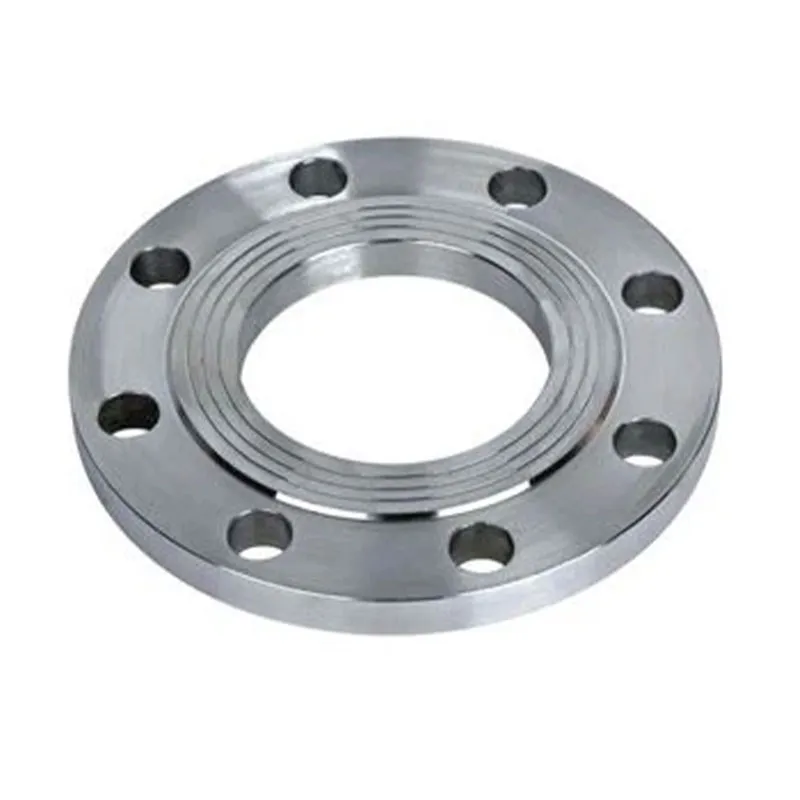 Butt weld flanges Class 150
 -
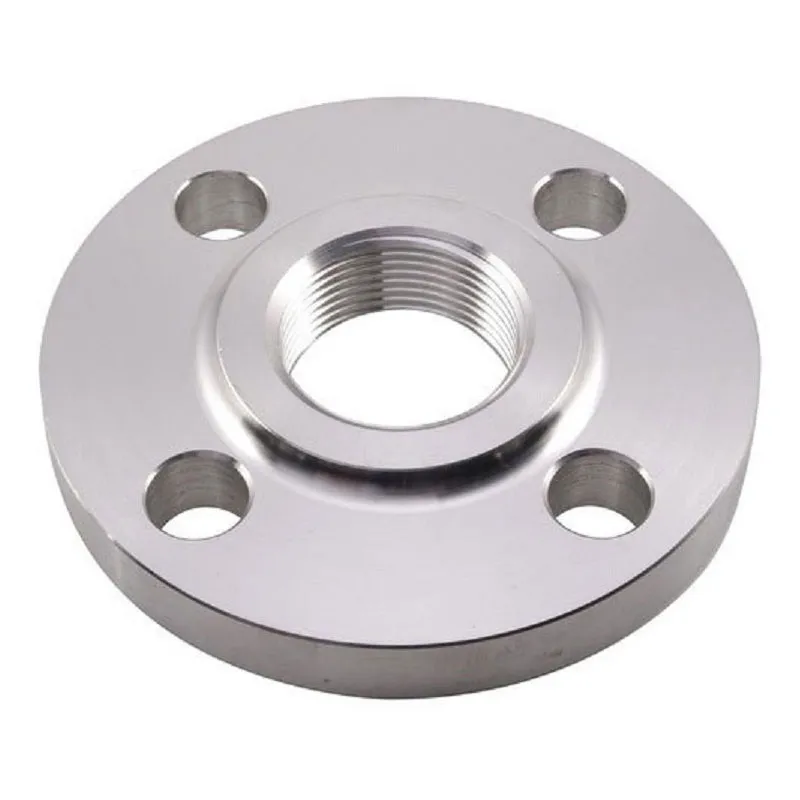 DIN 2565 Threaded flanges PN6
 -
 DIN 2566 Threaded flanges PN16
 -
 JIS 10K Overlay flanges
 -
 JIS 10K Threaded Flanges