
-
-
Phone
+86-13623462298



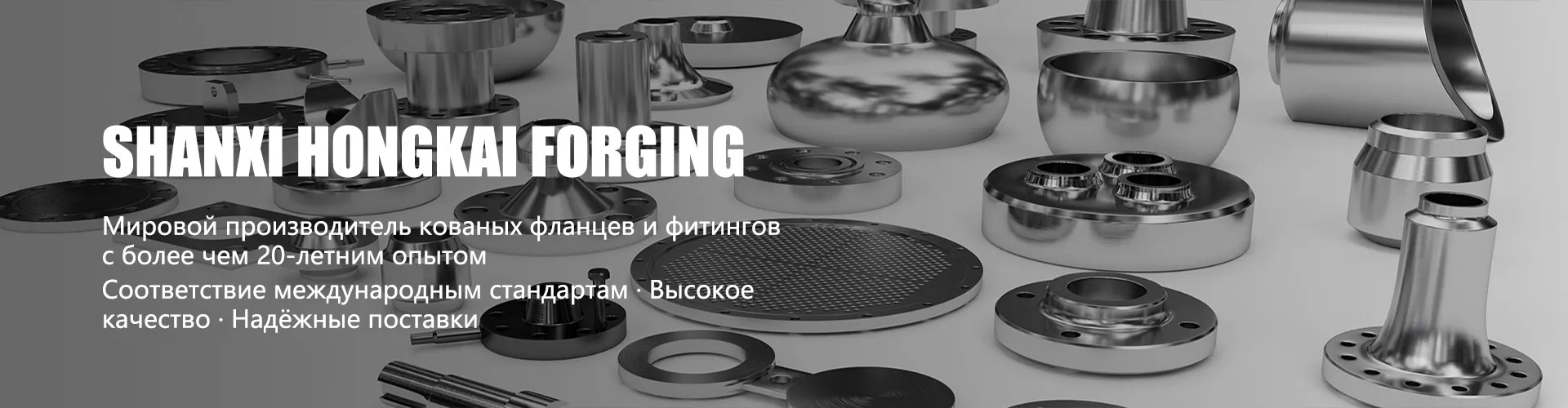
flanges descriptions
I often see queries like ?description flanges? and I understand that many are simply looking for ready-made texts or technical specifications. But that's not the point. Ready-made descriptions are just the tip of the iceberg. In fact, the key thing is how these descriptions, drawings and standards are translated into metal, and where pitfalls are hidden between the lines that cannot be written in the standard product passport.
Standards vs. Reality: When Paper Meets Metal
Let's take, for example, standardflanges descriptionsaccording to ASME B16.5 or GOST 33259. Everything is clear in the documentation: material, dimensions, tolerances, markings. But when you start working with suppliers, it turns out that the same grade of steel, say 09G2S, may hide a different chemical composition due to smelting. Or heat treatment. In the description they will write “normalization”, but how it was carried out is the question. I came across a situation where flanges for an Arctic project were formally toughened at -40°C, but in reality the cooling technology was broken, and microcracks later appeared in the heat-affected zone of the weld. The description was perfect, but the metal was not.
Therefore, for us, as a manufacturer, the description is not a copy-paste from the standard. This is a living document that begins with a discussion with the client: where exactly will the flange be located? What is the environment, load cycles, temperature, possible water hammer? Without this, even the most detailedflange description- just paper. We, at Shanxi Hongkai Forging LLC, often receive requests specifically for non-standard solutions where standard descriptions do not work. The client sends a drawing, and we need to decipher what is behind it and offer our own technological map.
Here is a specific case. A customer from Kazakhstan requested flat flanges in accordance with GOST 12820-80 for a pressure of 2.5 MPa, but for an aggressive alkaline environment with temperature changes. This is not in the standard description of the material (Steel 20). I had to go deeper: to recommend not just Steel 20, but with increased requirements for phosphorus and sulfur content, plus specific heat treatment to relieve internal stresses, which in such an environment can provoke corrosion cracking. And all this is already beyond the scope of the usual “description”.
Marking and traceability: history in the mark
It would seem that what is so difficult about labeling? I stamped it and that’s it. But this is the basis for any serious project. Our websitehkflange.ruis essentially the entry point, but the real work begins when we assign a unique number to the batch. This allows you to trace everything: from the certificate for the original workpiece (indicating the heat number and chemistry) to the parameters of forging, heat treatment and the final results of ultrasonic testing or x-ray.
We had experience in supplying a large batch of welding neck flanges according to ASME B16.5 for an LNG plant. The customer's inspector demanded not just certificates, but full traceability of each item in the batch to a specific forging. And that's right. Because if a year later a question arises about a weld, you need to know exactly what steel that particular flange was made of. Ourdescriptionin such cases, it is a thick folder with each mark on the product linked to test data. Without this, not a single important facility is being built now.
Moreover, labeling is also a technological issue. Stuffed too deep - created a stress raiser, especially for brittle materials in low-temperature design. Stuffed too finely - it will rub off during transportation. This is the detail that is generally discussedflanges descriptionsIt is rarely written, but in practice we have to choose the method and location of application each time, especially for critical large-diameter flanges, which we make up to DN4000.
Non-standard products: where standard descriptions end
This is where the fun begins. When a client sends a drawing for a flange that is not in the catalogs, this is a challenge. Standardflange descriptionno help here. You need to read the drawing like an engineer, not like a manager. For example, there was recently an order for an adapter flange from DN800 to DN600, but with asymmetrical holes for studs and a special profile of the sealing surface. The customer wanted to save money and make it from two welded halves.
We, having looked at the design loads and conditions, insisted on a solid forged version. Why? Because the weld in the body of such a transition element experiencing a bending moment is a potential weak point. Our proposal, in fact, became part of the technical description of the product. We didn’t just do it “as it was drawn,” but proposed a more reliable design solution, justifying it with strength calculations. As a result, the description of this non-standard flange included not only geometry, but also a specific forging scheme and subsequent machining to ensure the direction of the metal fibers along the main stresses.
This is the difference between a formal description and a technical solution. Our company, as a manufacturer of forgings and flanges in one of the key forging centers in China, often acts in precisely this role - not a passive performer, but a consultant on manufacturability and reliability.
Mistakes and lessons: what is not taught in standard descriptions
I admit, not everything was always smooth. Previously, about ten years ago, we followed the requests “give a description of the flanges” too literally. We shipped a batch of loose flanges according to DIN 2576 made of 17Mn4 material. The description was impeccable, all certificates were in order. But the client later reported problems during installation - the flanges “didn’t fit?” on the shell.
It turned out that, in an effort to maintain minimum tolerances on the internal diameter, we made it in the upper tolerance range, and the customer, in turn, made the shell also in the upper tolerance range on the outer diameter. The result is interference instead of clearance. The standard description of this conflict did not include it. Now we always clarify the exact outer diameter of the pipe or apparatus for which the free flange is made, and, if necessary, we deliberately shift our size to the lower part of the tolerance field. This practical nuance is now an integral part of our internal technical process and informaldescriptionssuch products for installers.
Another lesson relates to corrosion. We installed flanges made of AISI 304 stainless steel for slightly aggressive environments. The description of the material is standard. But six months later, the client sent a photo of pitting corrosion. The reason is that during the machining process (drilling holes), local overheating occurred, the structure of the steel “burnt”, and its durability decreased. Now in the descriptions for critical environments we include recommendations on processing modes - low speed, intensive cooling. This is already beyond the standard, but prevents problems.
Bottom line: description as a process, not a document
So, returning to the request “description flanges?”. The true value is not in the document you can download. It is in a dialogue between those who know how it should work on paper (standards) and those who know how it is born on the shop floor (the manufacturer). Our experience at Shanxi Hongkai Forging LLC shows that the best solutions are born when the customer shares operating conditions, and we share technological capabilities and limitations.
So when you're lookingflange descriptions, look first of all for a supplier who is capable of conducting this dialogue. Which sees the real metal, loads and risks behind the standard numbers. Which, like us, can produce both a standard flange according to EN 1092-1 and something unique according to your drawing, but in both cases offer not just a product, but a well-founded technical solution.
Ultimately, a good description of a flange is not the text that is on the website. This is a story encoded in the mark on the product, in the folder with traceability documents and in the experience that does not allow repeating old mistakes. And this story is written not by a standard, but by people who deal with forging, heat treatment and real installation and operation problems every day.
Correspondingproducts
Related Products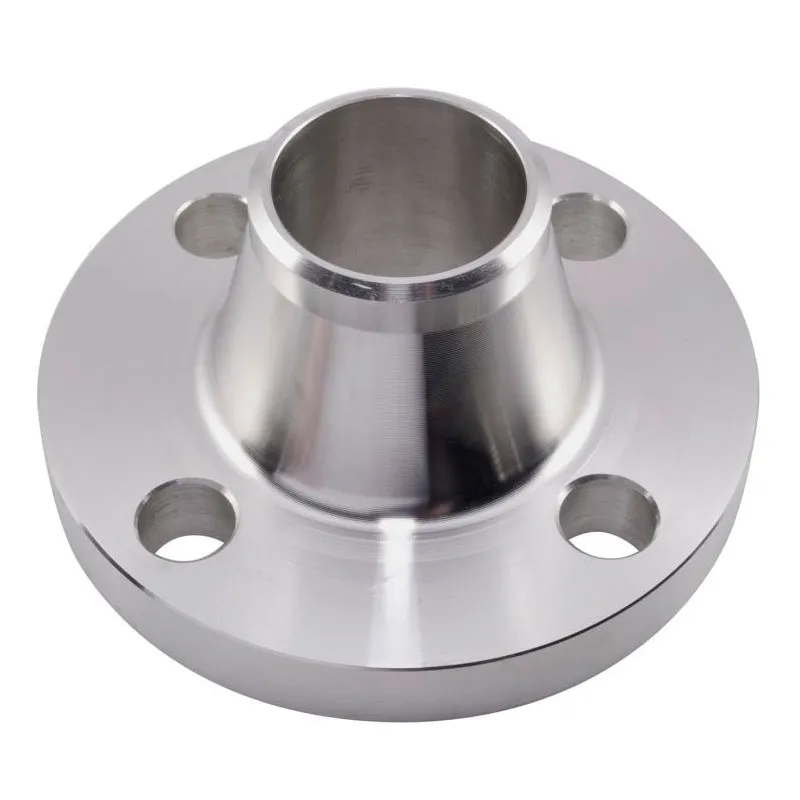
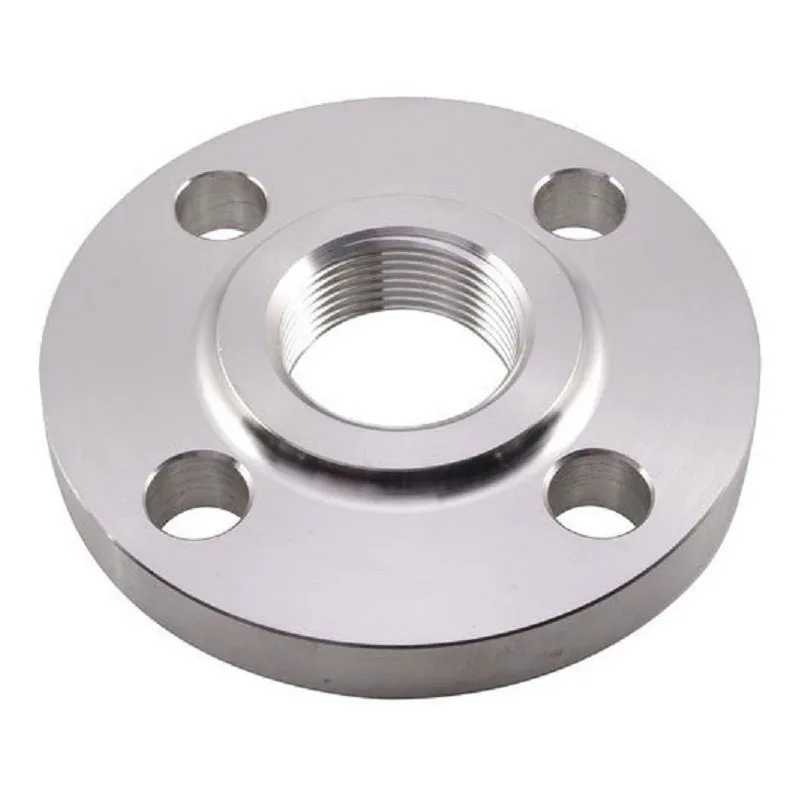
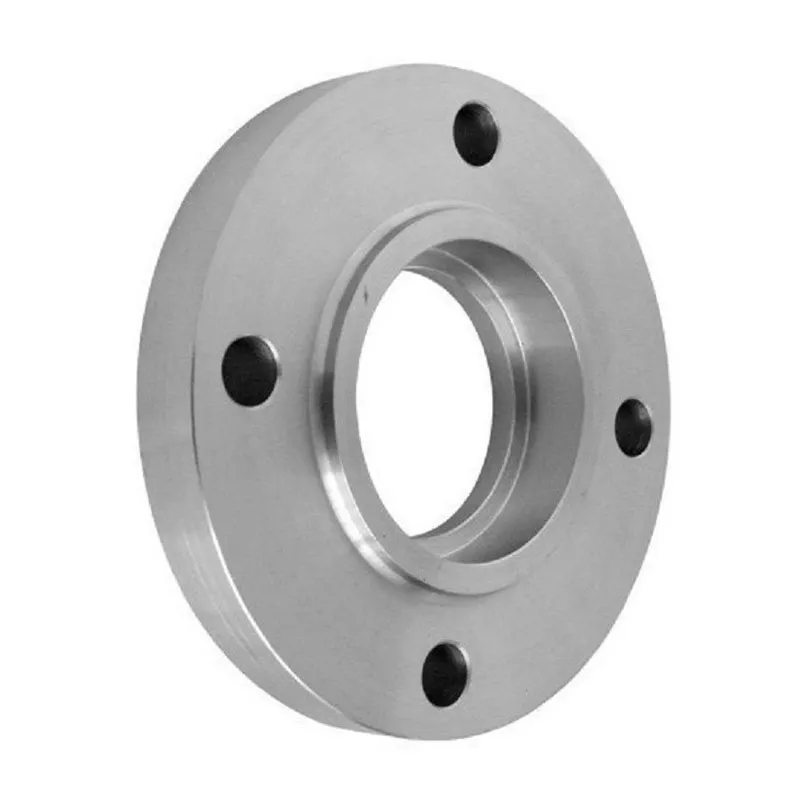
Best Sellingproducts
Best Selling Products-
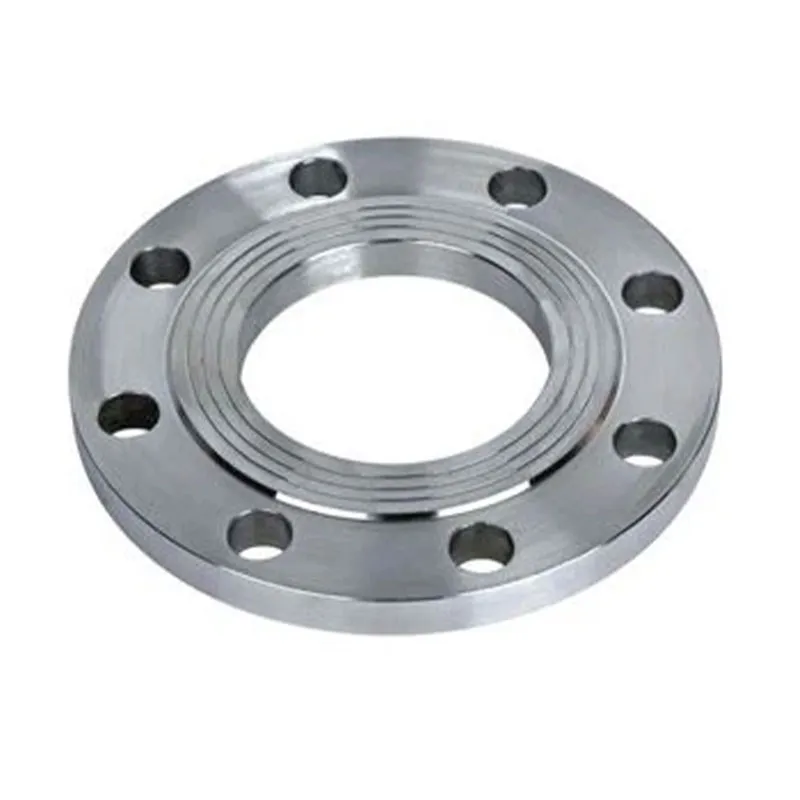 Butt weld flanges Class 150
 -
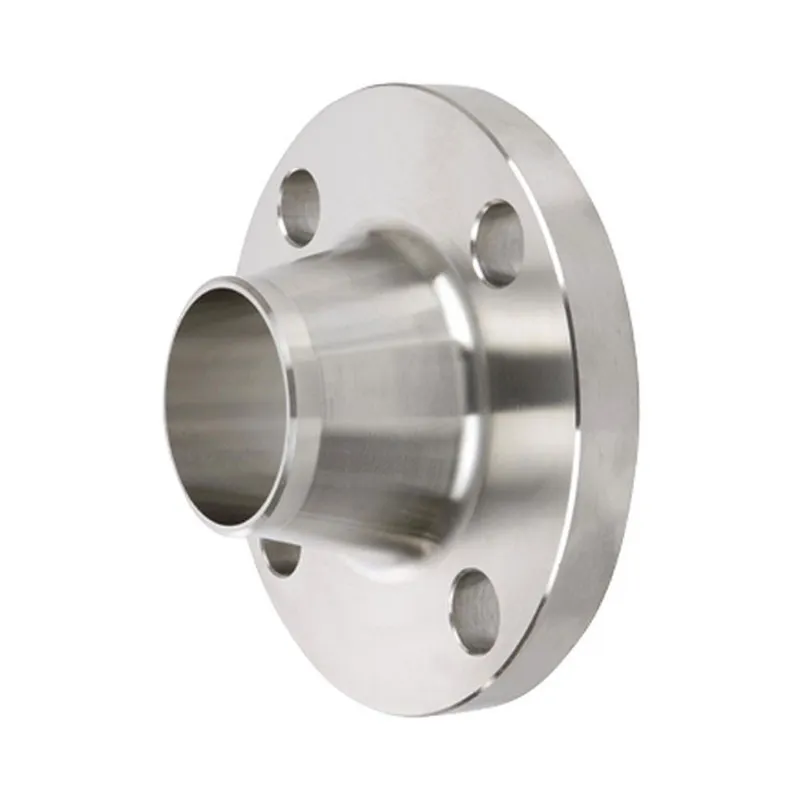 EN 1092-1 Butt weld flanges Type 11, PN25
 -
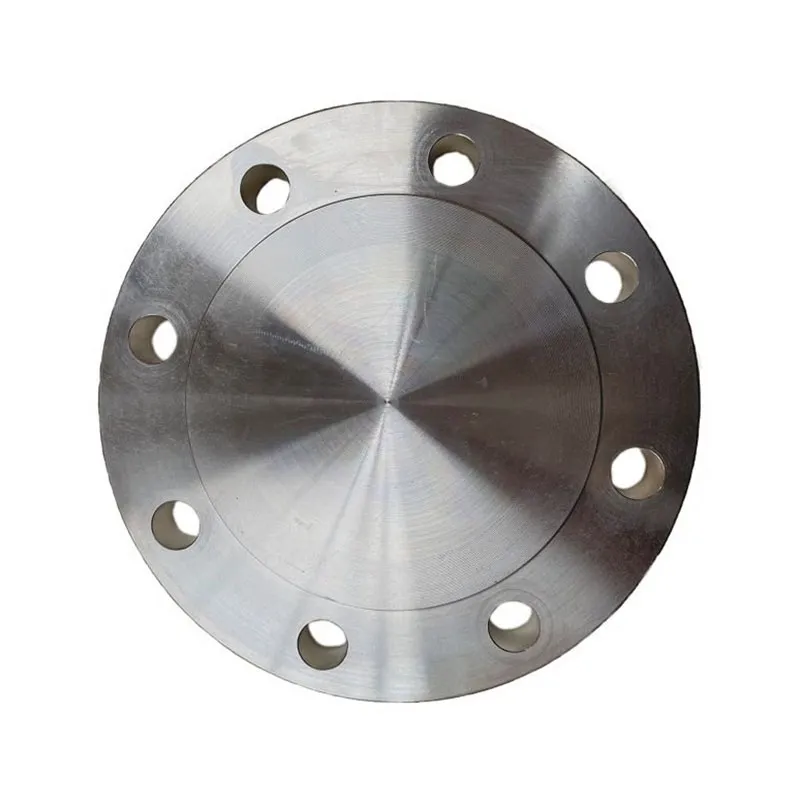 ASME B16.47 Ser.A Blind Flanges Class 400
 -
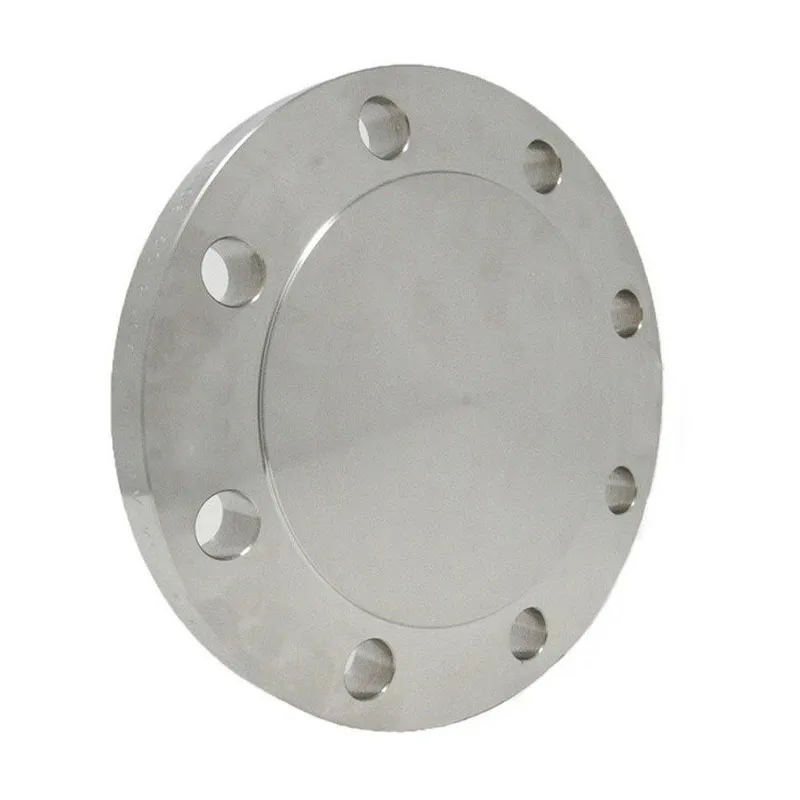 EN 1092-1 Blind flanges Type 05, PN10
 -
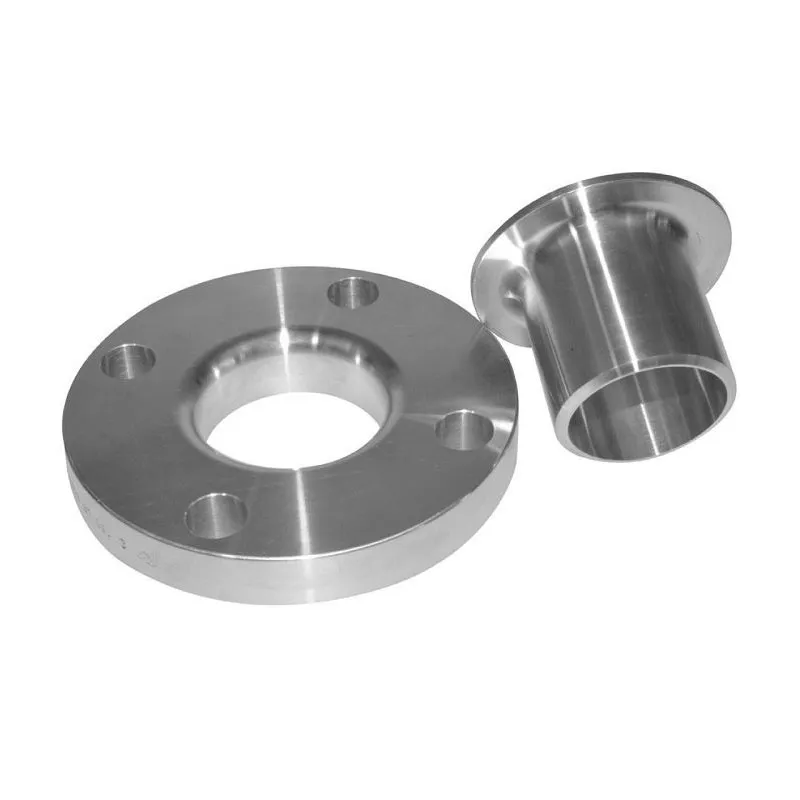 ANSI B16.5 Loose Ring Flanges Class 2500
 -
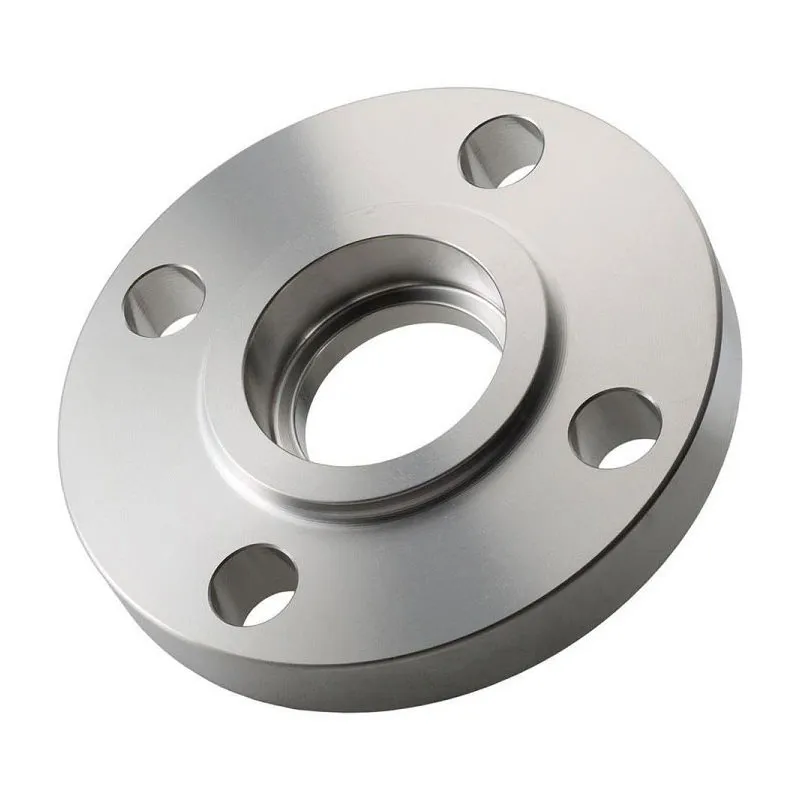 Flanges for socket welding
 -
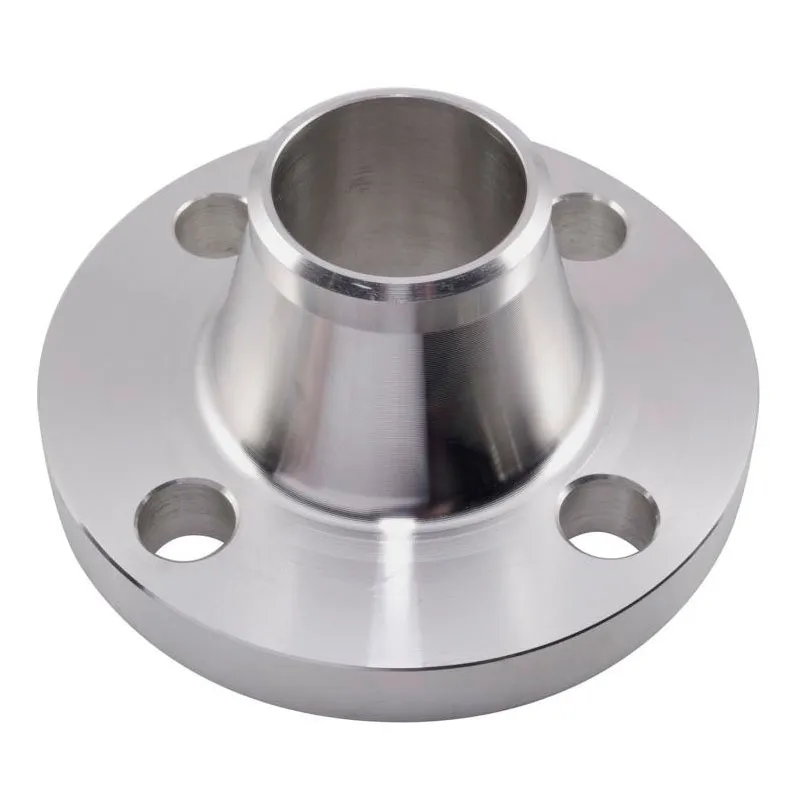 DIN Butt weld flanges PN10
 -
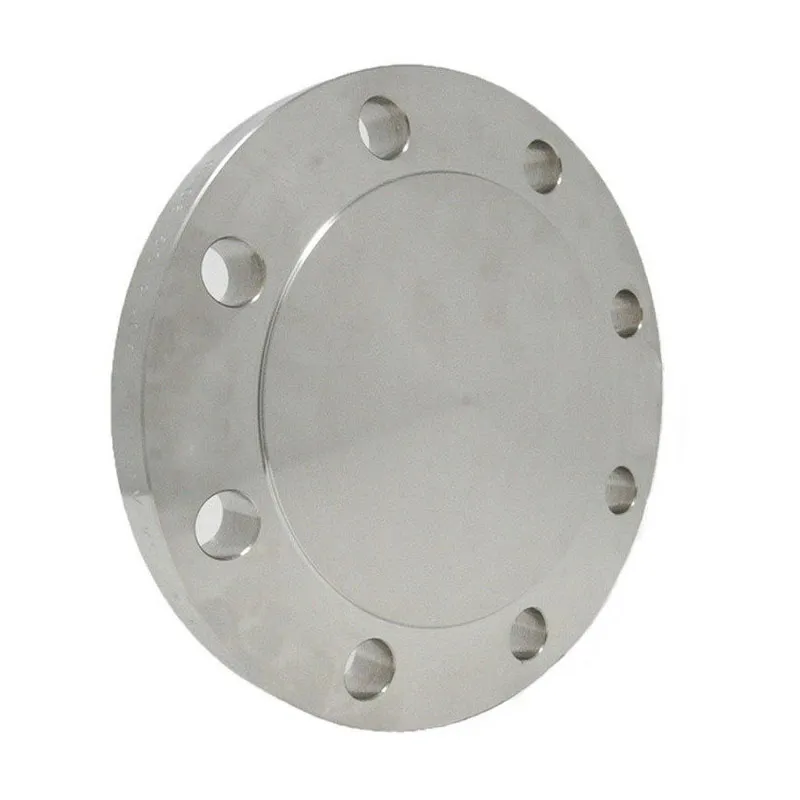 AWWA Blind Flanges Class D (Tables 1, 2, 3)
 -
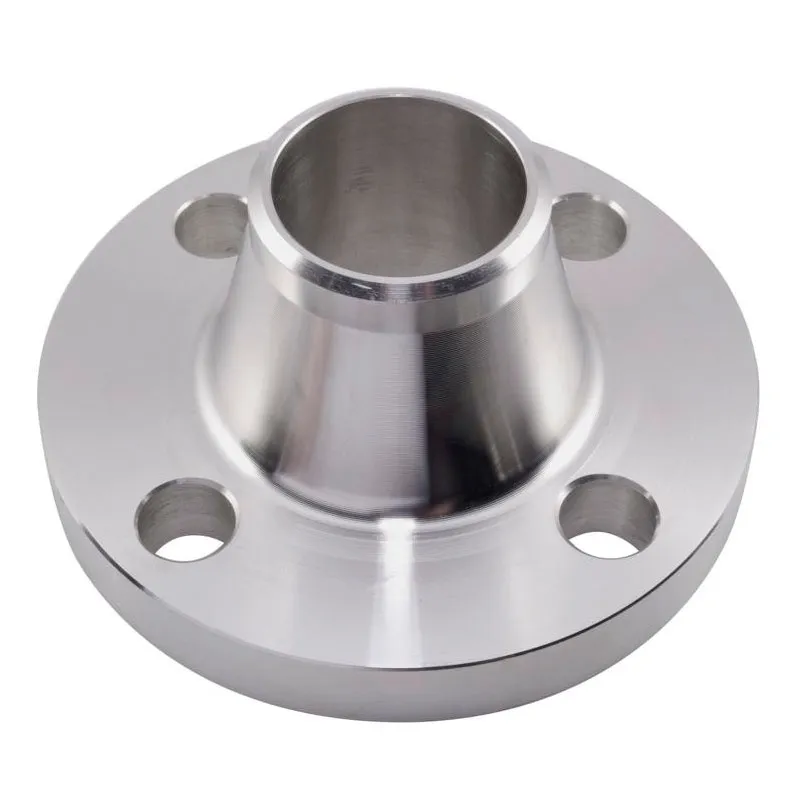 Butt weld flanges Class 900
 -
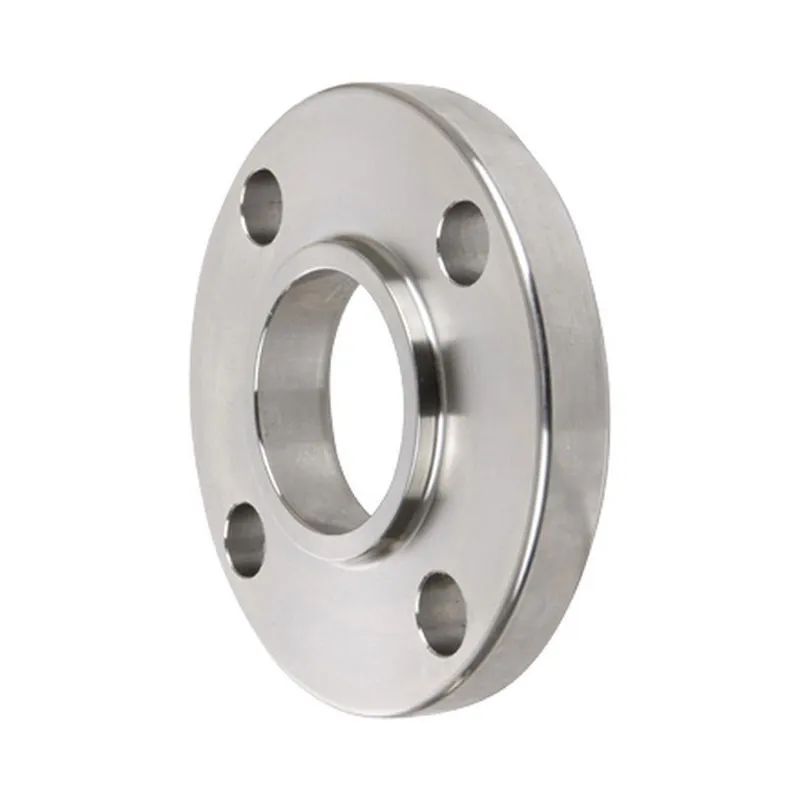 DIN 2501 Overlay flanges PN16
 -
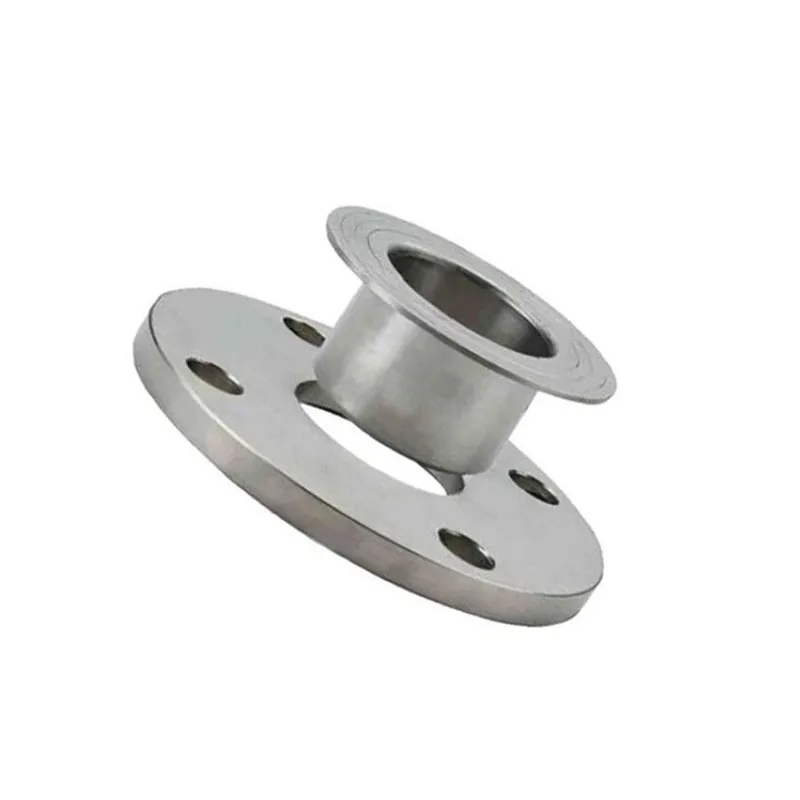 Free ring flanges Class 400
 -
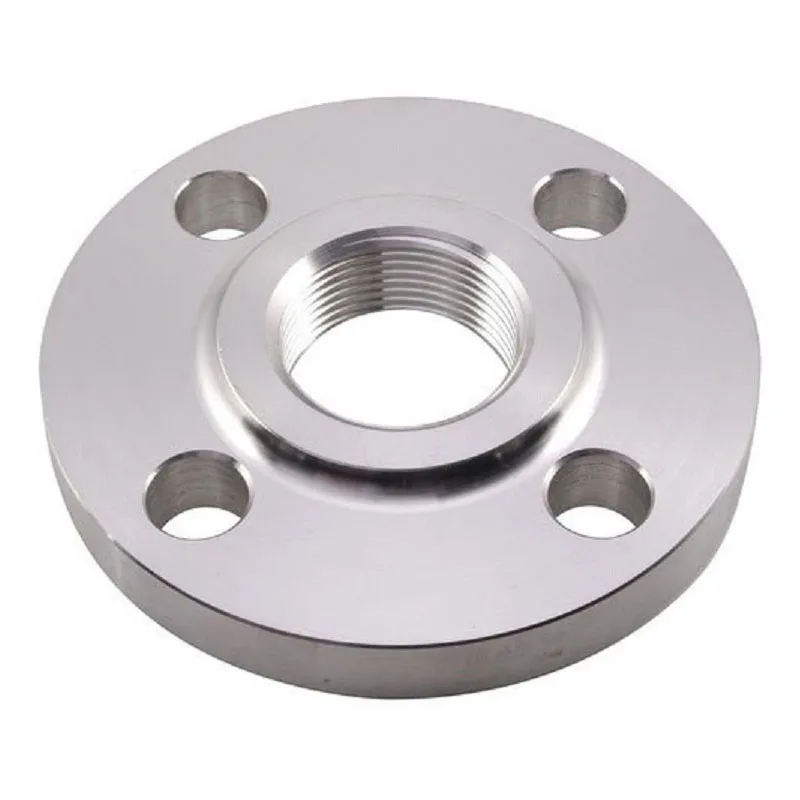 DIN 2566 Threaded flanges PN16