
-
-
Phone
+86-13623462298



steel flange 160
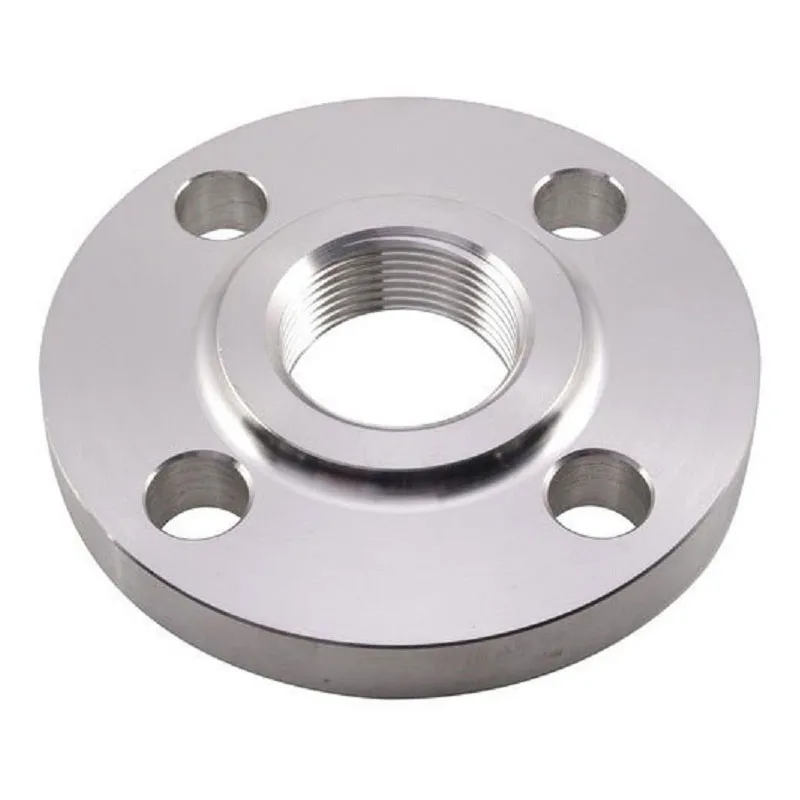
When they say “steel flange 160”, many people immediately imagine just a circle with holes, a part numbered in the specification. But in practice, behind this dry marking there is a whole layer of nuances that determine whether the connection will last for years or will leak in the first season. A common mistake is to assume that all flanges for 160 nominal diameter (DN) are the same. This is far from true. This includes the pressure (Py), the design of the sealing surface, and, what is critical, the very quality of forging and processing. I have more than once encountered situations where, it would seem, everything fits according to the standard, but during installation problems begin - holes do not fit together, the plane breaks, or, worse, hidden defects appear after hydrotesting. So what is ?flange 160? - this is not a point, but a whole field for professional assessment.
Where is the catch in standardization?
Let's take, for example, the most popular option - steel flange 160 according to GOST (also analogous to EN 1092-1). The number 160 indicates Du. But the question immediately arises: what is the pressure? A flat flange on Ru 10 is the same thickness and configuration, but a welded butt (pile) on Ru 16 or 25 has completely different dimensions and weight. Confusion here is common, especially when the order is made by a person who is far from the installation team. I remember a project where the drawing required a butt flange for high pressure, but the delivery by mistake came with flat flanges for PN 6. The difference is not visually obvious, but it was impossible to install them. We had to urgently look for a replacement, delaying the launch of the facility.
Another subtle point is the surface design. For 160-th diameter, version B (tongue and groove) or E (for lens gasket) is often required, especially in the energy sector. But many manufacturers, especially those who work in warehouses, mainly produce version A (smooth). And if the specification does not focus on this, they will bring what they have. And then it turns out that the gasket cannot be installed. You have to either urgently modify it on site (which is not always acceptable), or wait for a new set.
And, of course, the material itself. Steel 20, 09G2S, 12Х18Н10Т - the choice depends on the environment. A 160 carbon steel flange placed on a pipeline with an aggressive coolant can quickly corrode in the sealing area. I had a sad experience at one boiler room: they saved on the material of the flanges for the make-up line, but after six months fistulas appeared. Of course, they sorted everything out with curses. So the number ?160? is just a starting point for a whole list of technical issues.
Selection practice and bottlenecks
When I need a reliable 160 steel flange, I have long gone beyond looking at catalogs with pictures. It is important to understand how the product was made. Stamping is one thing, but volumetric forging is quite another. A forged flange has a better metal macrostructure; the fibers seem to flow around. contour of the part, which dramatically increases its resistance to cyclic loads and pressure changes. For responsible nodes, this is fundamental.
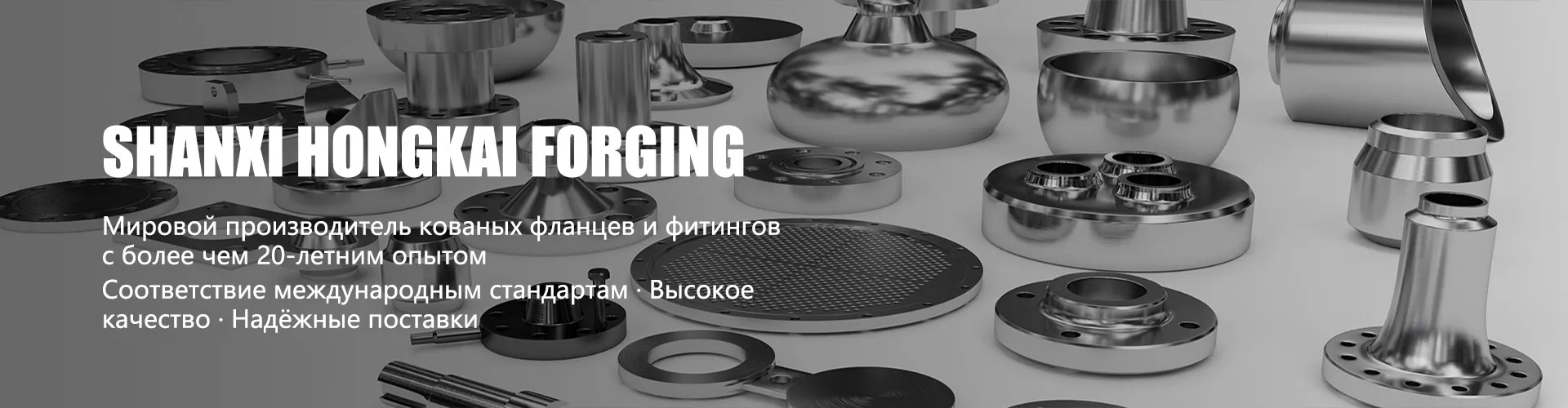
Here, by the way, I can note the work of one manufacturer -Shanxi Hongkai Forging Co.,Ltd. I turned to them just for non-standard forged flanges for one complex project. Their websitehkflange.ruuseful because the specialization in forging is clearly visible. This is not just a workshop that bends sheets, but rather a forging and pressing production, which is a key factor for flanges of large standard sizes and high pressure classes. Their nomenclature specifically states a range of up to DN4000, and this indicates serious power. For our case with a 160 flange on Ru 40 and a tongue-and-groove design. they did everything exactly according to the drawing, with ultrasonic control. True, I had to wait a little longer than for stamped analogues, but the game was worth the candle.
But even with forged parts there are surprises. Once we received a batch of flanges, where the material certificates seemed to be in order, and the dimensions were within the tolerance. But during welding, strange cracks appeared in the heat-affected zone. They began to look into it - it turned out that the problem was the high sulfur content in the steel, which caused red brittleness during welding. The manufacturer, I won’t name him, apparently saved on the charge. This is the case when even the correct manufacturing technology (forging) did not save from dishonesty in the control of the chemical composition. Since then, for critical applications, I always request not only a certificate, but also a spectral analysis protocol, if possible.
Montage stories and lessons
The fun begins on the site. You can have the perfect documentsteel flange 160, but ruin everything during installation. Classic - re-upholstering the studs. Installers, especially young ones, often use a torque wrench “from the heart”, believing that the stronger, the more airtight. As a result, the gasket (especially paronite gasket) is squeezed out, and the flange moves, creating uneven stress. Then, with thermal expansion, such a connection will definitely leak. I always insist on a "criss-cross" tightening pattern. and control of the moment, even if it seems unnecessary.
Another common problem is misalignment. It happens that the pipeline is installed “pull-in”, and then they try to bolt the flanges. If the holes do not line up, some “craftsmen” pick up a rasp or, even worse, a gas cutter to widen the hole. This is absolutely unacceptable! The geometry is disrupted, the protective layer is removed, and a source of corrosion and a stress concentrator appears. If the flanges do not fit together, the problem is in the pipeline, not them. You need to look for the reason in the displacement of the supports or incorrect welding of the sections.
And, of course, surface preparation. Smooth execution (A) does not simply mean “clean”. Before installing a new gasket, you must carefully remove old paint, scale, and traces of rust. I have seen attempts to run a line on flanges where old gasket chips from dismantling remained between the sealing surfaces. Naturally, a leak appeared immediately. Trifle? No, pure technological discipline.
When is non-standard needed?
Sometimes the catalogs of ready-made solutions simply don’t have what you need. Here is a real case: it tookflange 160, but not round, but square, for attaching a special filter to the suction pipeline. The pressure is small, but the geometry is non-standard, with additional stiffening ribs. Standard factories were sewing, they say, “this is not in the program?” That’s when manufacturers who work according to customer drawings came in handy, like the sameShanxi Hongkai Forging Co.,Ltd. Judging by the description on their website, they specifically position themselves to manufacture non-standard forgings according to client sketches. We sent them a 3D model, they worked on the forging and machining technology. It turned out to be more expensive and longer, but the problem was solved. The main thing is that they were able to forge the workpiece, and not weld it from sheets, which was important to ensure strength.
Working with non-standards teaches the main thing: you always need to provide the most detailed technical specifications. Not just a “square flange DN 160”, but a drawing indicating all dimensions, tolerances, surface roughness, grade of material (with analogues according to GOST, EN, ASME), type of heat treatment, if required, and control method. The fewer questions the technologist has, the more accurate the result will be and the fewer unpleasant surprises at acceptance.
Another point is certification. For non-standard products, especially those going for export or to sites with increased requirements, it is important to immediately discuss what documents will be provided. Certificate of conformity GOST or EN? Mechanical test reports? Conclusion on ultrasonic testing? This affects both timing and cost. It’s better to coordinate everything on shore.
Instead of a conclusion: a thought afterward
So, returning to oursteel flange 160. This is not just a piece of hardware. This is a unit that goes a long way: from the choice of steel grade and manufacturing method (forging, stamping) through precise machining to competent installation on site. Each stage contributes to its reliability. Saving on any of them is a lottery, where the stake could be stopping production or, more seriously, safety.
Now there are many offers on the market, including from Chinese manufacturers, like the mentioned company. The key is not the country of origin, but the technological culture of the enterprise and the willingness to work in dialogue with the customer. When the manufacturer clarifies in detail the operating conditions of the future flange, requests drawings, and offers his own material options, this is a good sign. And if in response to a request you immediately receive a ready price without a single question, this is a reason to be wary.
For me personally, the 160 flange has long become a kind of indicator. By the way suppliers talk about him, how quickly they understand the essence of the problem, and by how he behaves in his work, you can say a lot about the level of the entire project as a whole. There are no trifles here.
Correspondingproducts
Related Products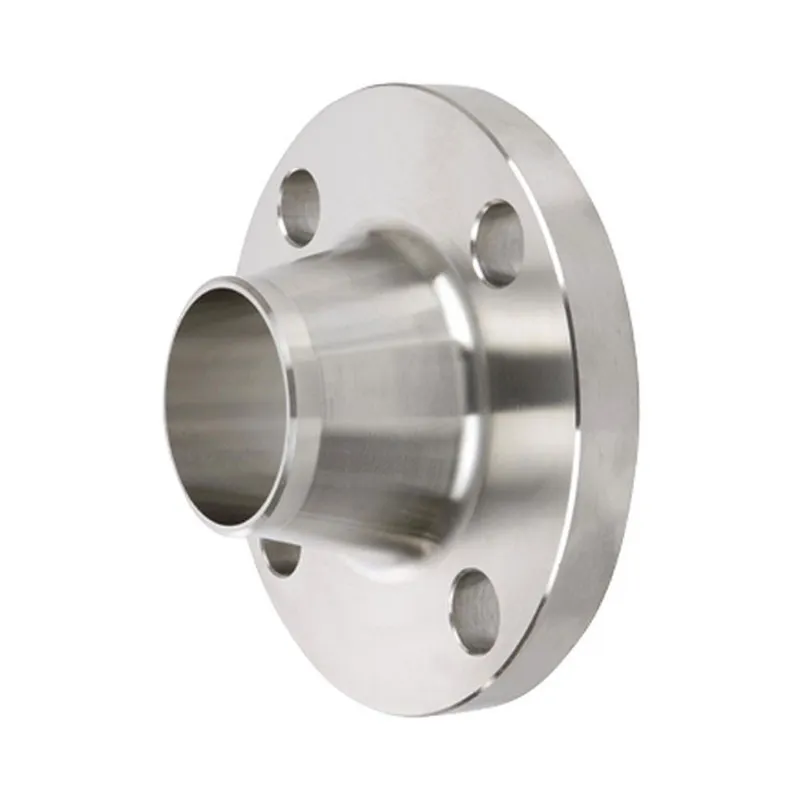
Best Sellingproducts
Best Selling Products-
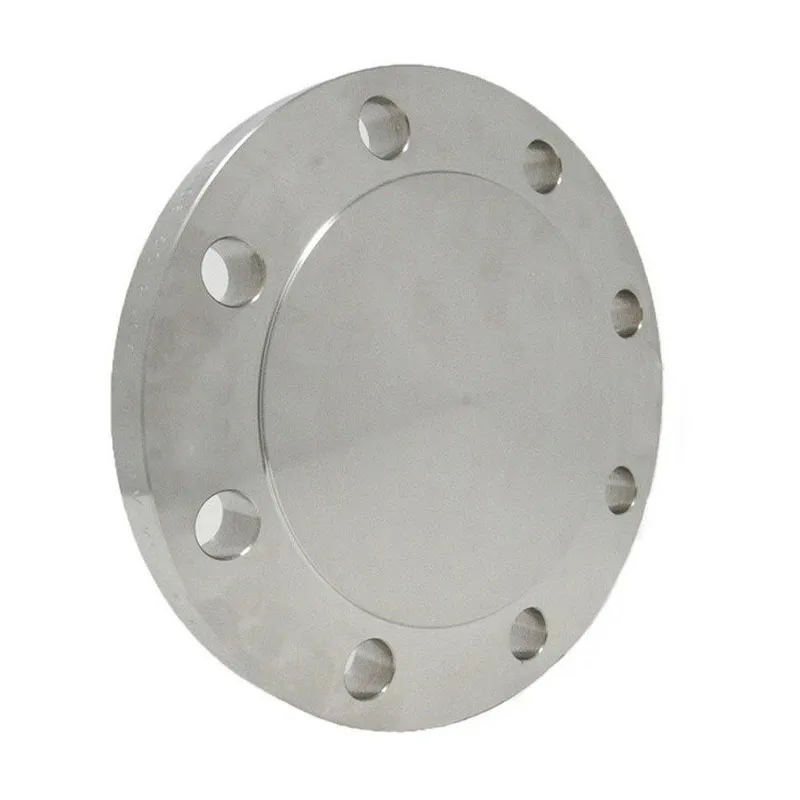 EN 1092-1 Blind flanges Type 05, PN10
 -
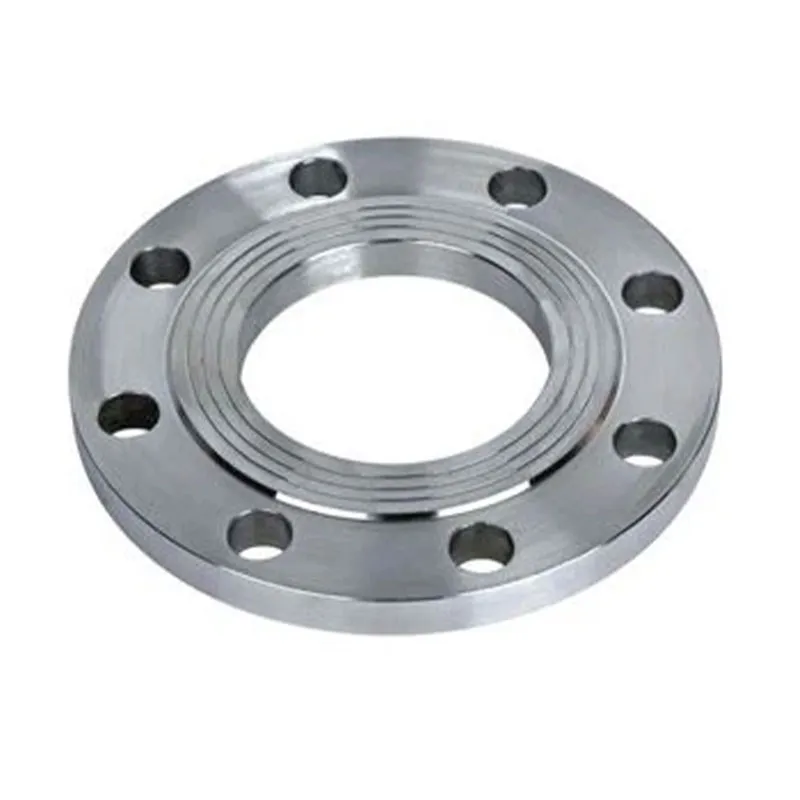 Butt weld flanges Class 150
 -
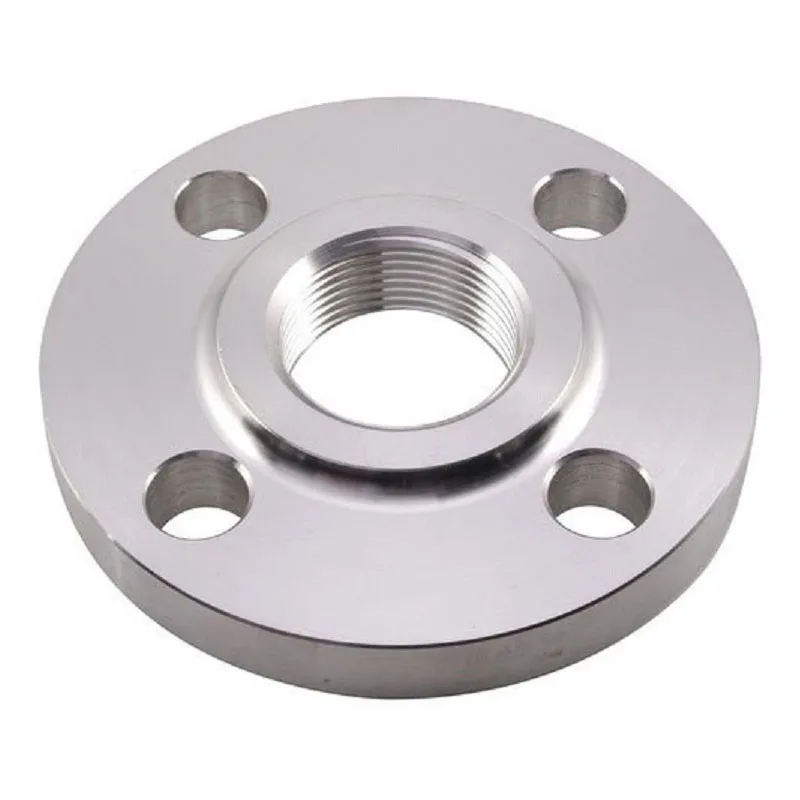 DIN 2566 Threaded flanges PN16
 -
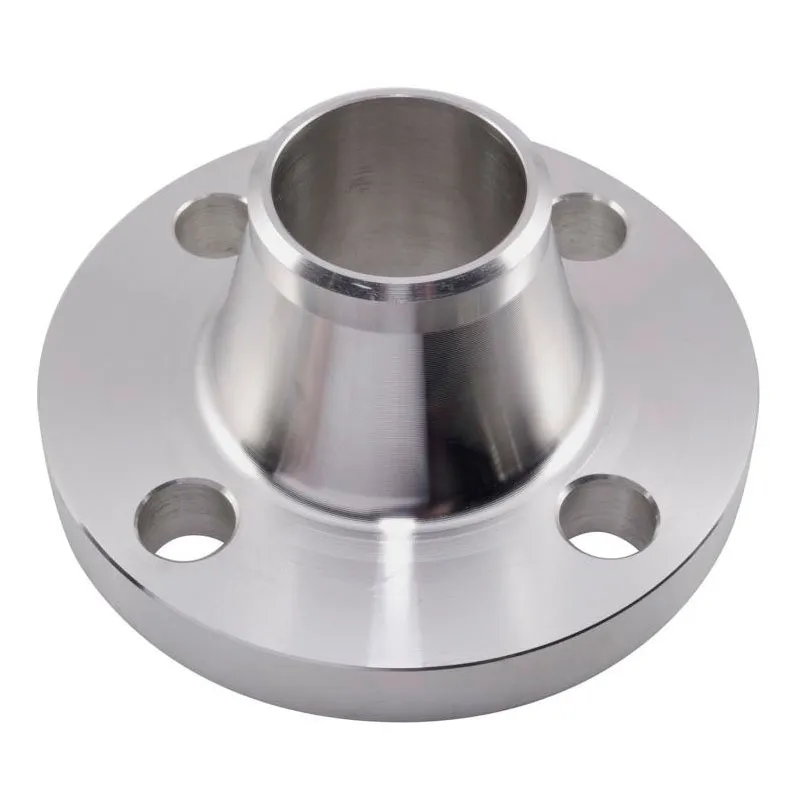 DIN Butt weld flanges PN10
 -
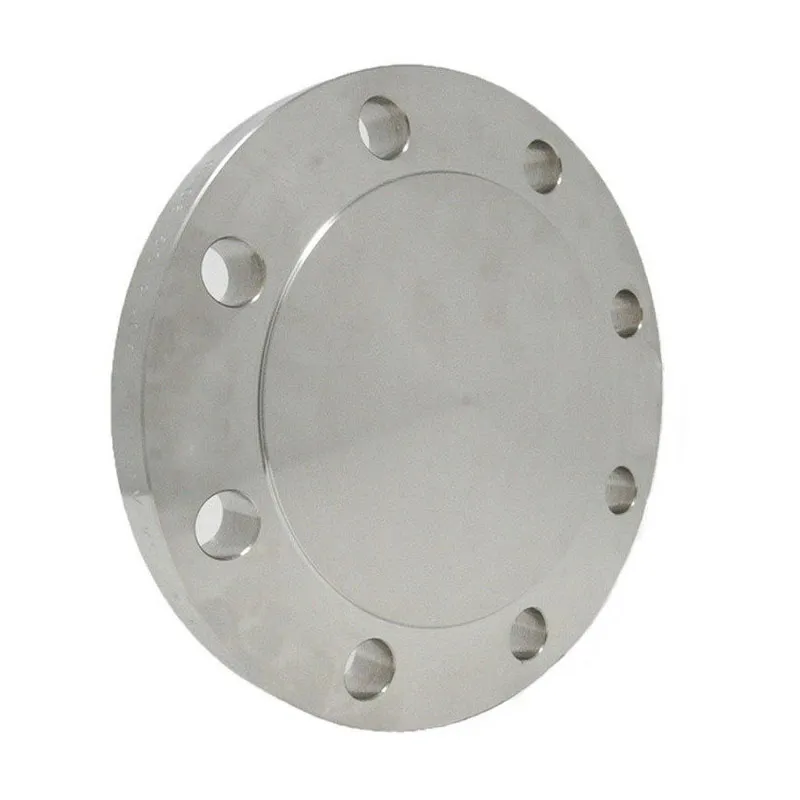 Blind flanges Class 150
 -
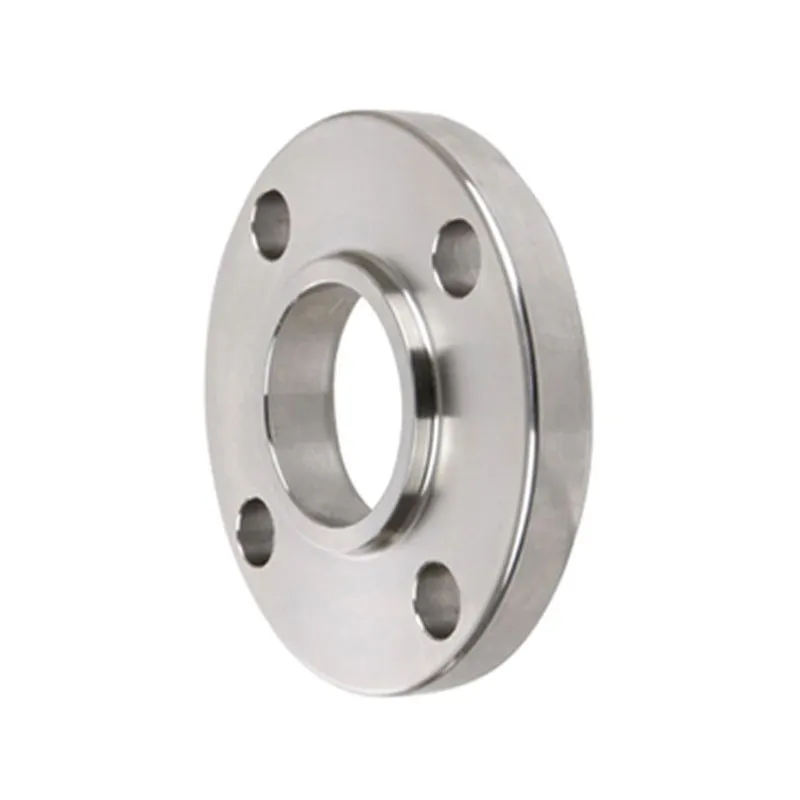 ANSI B16.5 Lap-on flanges Class 300
 -
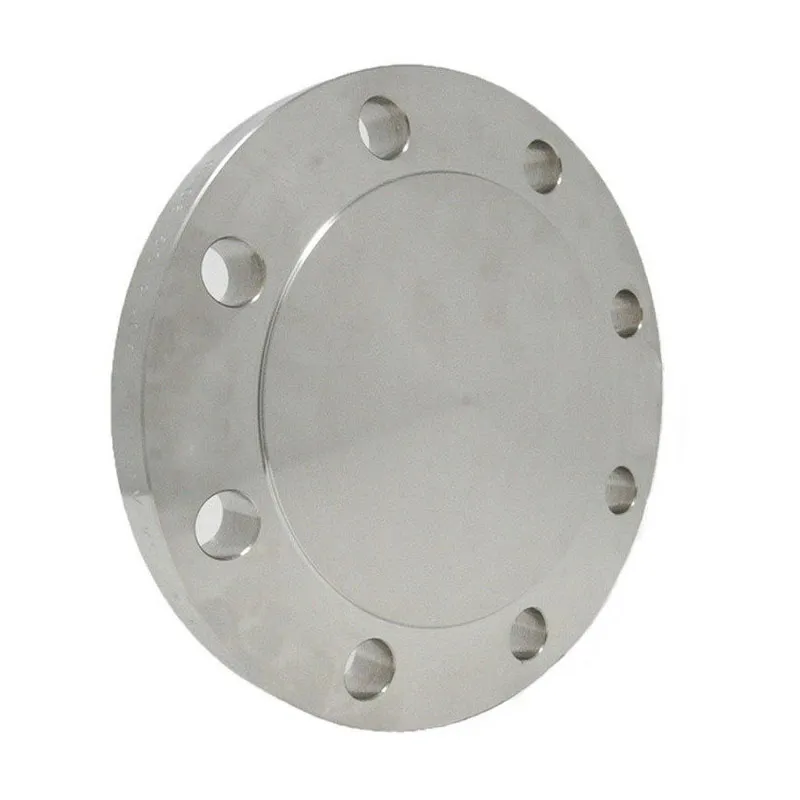 AWWA Blind Flanges Class D (Tables 1, 2, 3)
 -
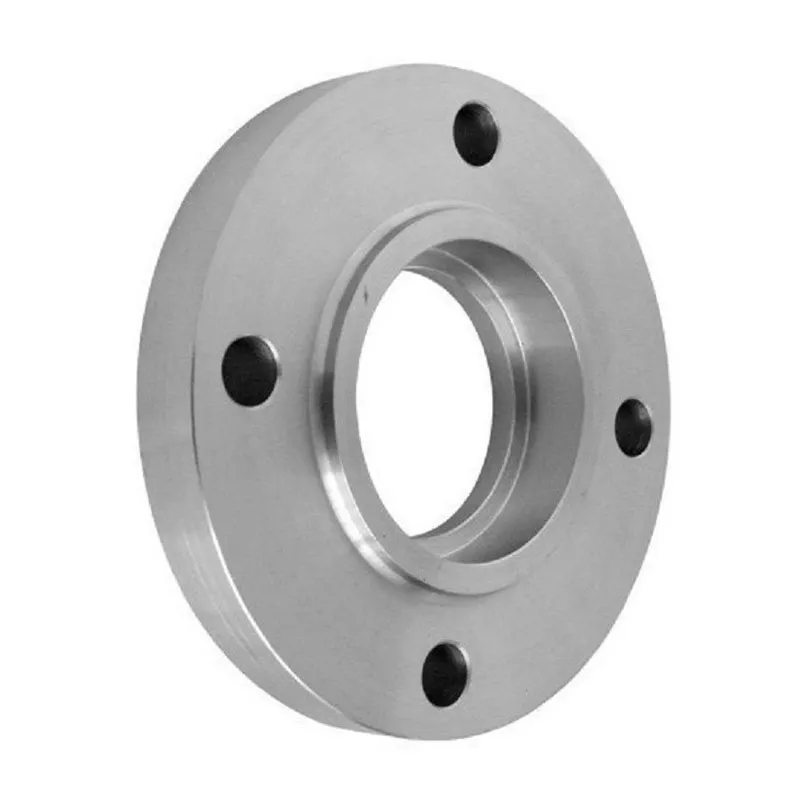 Socket Weld Flanges Class 300
 -
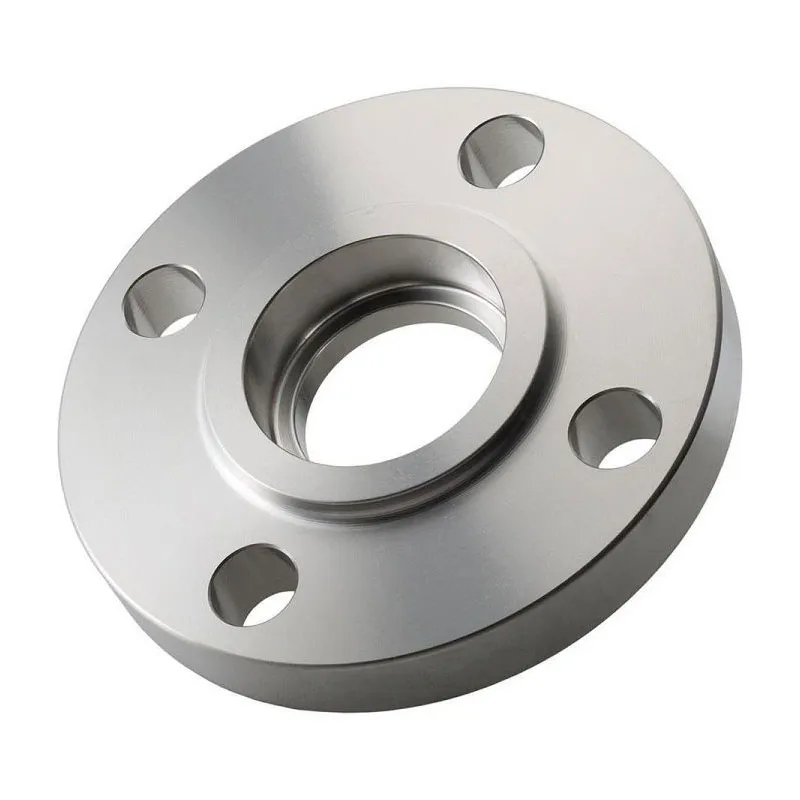 ANSI B16.5 Socket Weld Flanges Class 1500
 -
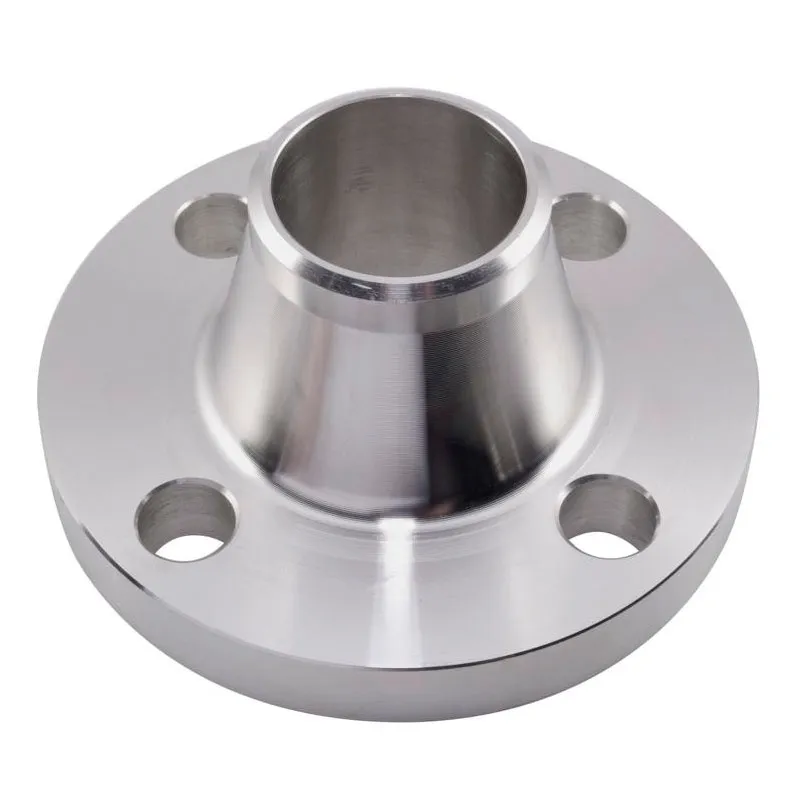 Butt weld flanges Class 900
 -
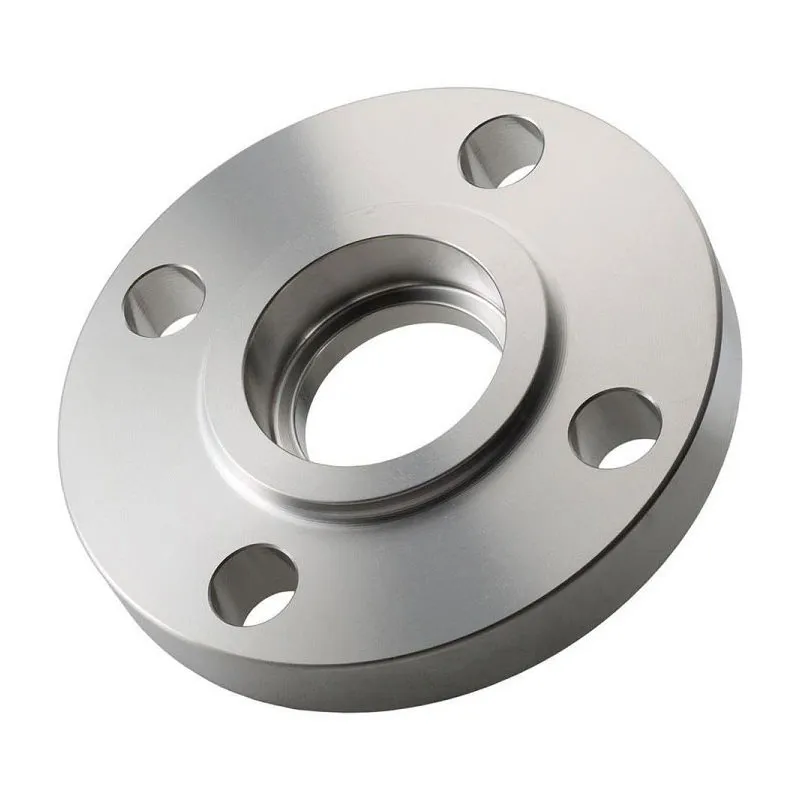 Flanges for socket welding
 -
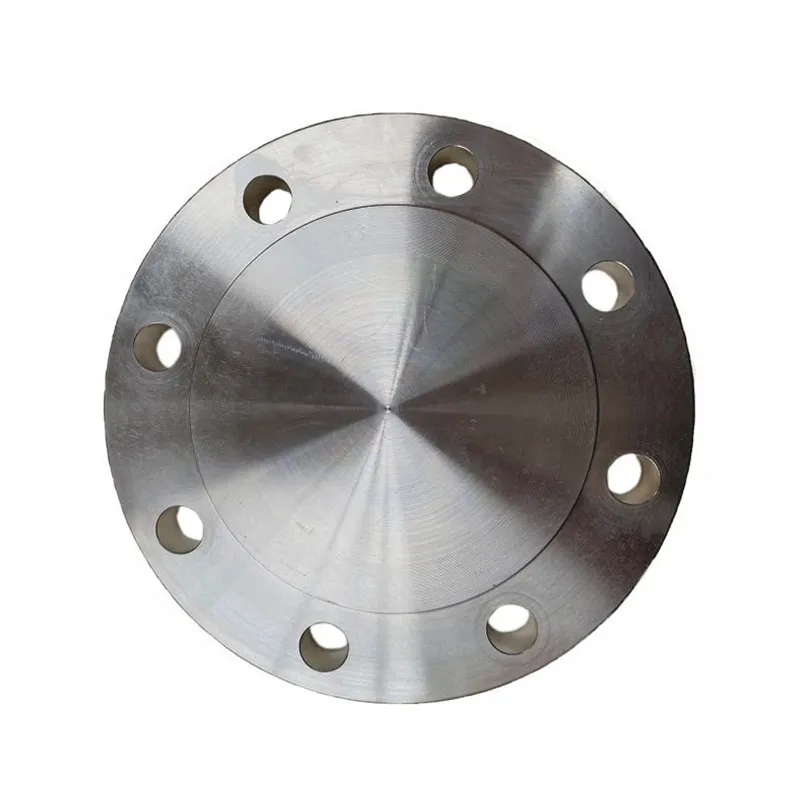 DIN 2527 Blind flanges PN10
Relatedsearch
Related Search- installation of insulating flange connections
- flange 1 150 10 GOST 12820
- flange connection protrusion protrusion
- steel gaskets for flanges
- flanges GOST 33259 dimensions table
- threaded flange 80
- insulating flange connection IFS 80
- flange 50 80
- flanges 12x18n10t GOST 12820 80
- stainless steel flat flange GOST 12820