
-
-
Phone
+86-13623462298



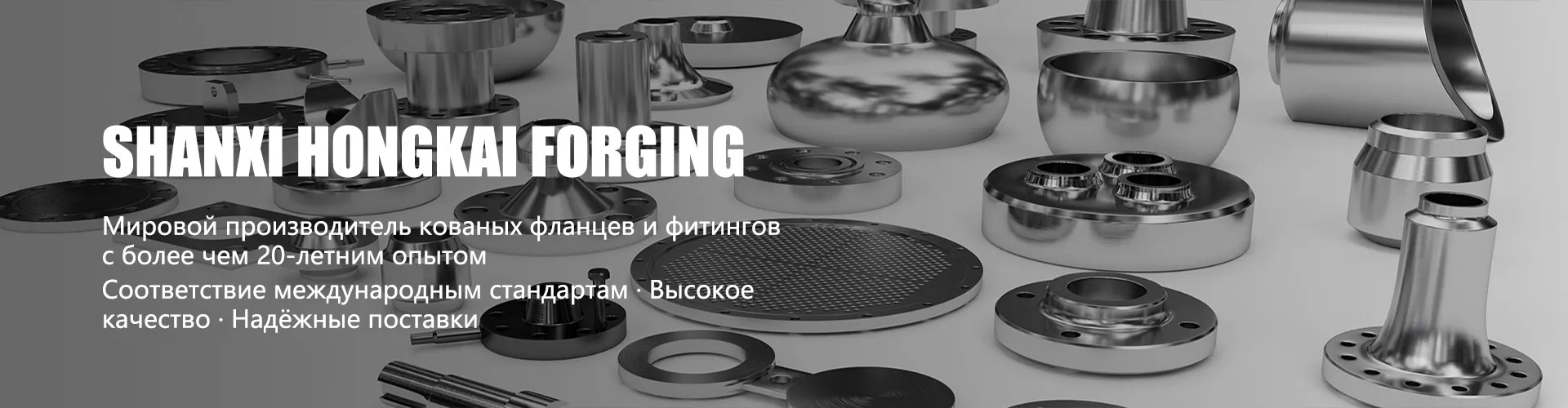
flange 50 80
When you see the request “flange 50 80?”, the first thing that comes to mind is that a person is looking for a transition. But here’s the rub: this combination of numbers is not completely clear. Is it DN50 to DN80? Or are we talking about the outer diameter and the diameter of the bolt circle? In practice, you constantly come across the fact that specifications are drawn up carelessly, and then compatibility problems begin on site. Many people think that the main thing is the numbers, and the standard and material are a secondary matter. Incorrect opinion, by the way.
Let's look at the numbers: not everything is so simple
Let's take, for example, a situation when an order arrives for “flange 50 80”. Without a drawing or at least an indication of a standard, it’s a lottery. It may turn out that you need an adapter flange with a nominal diameter of DN50 to DN80 in accordance with GOST 12820-80. Or maybe a flange with mounting dimensions for a pipe of 57 mm by 89 mm according to ASME B16.5. The difference is colossal, and if you mix it up, the knot simply won’t come together.
Once we had to sort out the installation delay precisely because of such uncertainty. The customer sent a request with these numbers, the manager, without going into details, shipped it according to our standard catalog. As a result, the flanges at the site did not match in terms of the number of holes and the diameter of the bolts. We had to urgently redo it and incur losses on urgent production and logistics. Now I always clarify: ?50 80 - what are the connecting dimensions? To what standard do we work??.
Often such confusion arises when working with outdated drawings or when a person who is far from technical details is involved in the purchase. Do you see in the specification simply “steel flange 50-80?” and you understand that a long correspondence is about to begin. The best practice is to immediately request a sketch or full designation according to the standard, even if this delays the process for a day or two.
Standards and materials: where reliability lies
The key point that many people miss is compliance with the standard. You can make an ideal geometry, but if the material does not meet the requirements of GOST 12816 or ASME SA-105, all the work is in vain. This is especially critical for the energy and petrochemical industries, where there are high pressures and temperatures.
In this regard, working with trusted manufacturers who do not skimp on metal and heat treatment is not just words. For example, when looking at products fromShanxi Hongkai Forging Co.,Ltd(their website ishkflange.ru), it is clear that they rely specifically on compliance. They declare production according to GOST, ASME, EN, DIN. This is not just marketing: when you request certificates for a batch of, say, flanges under the EN 1092-1 standard, they must be available. And they are. This is a manufacturer from a large forging center in China, which works not only for the domestic market, which means its products undergo stricter control.
As for the material for the conventional “50 80” flange, there is no universal answer here either. For water and low pressure steam, St20 is sufficient. For aggressive environments, you are already looking towards 12Х18Н10Т or even duplex steels. And this is where it is important that the manufacturer, be itShanxi Hongkai Forging Co.,Ltdor another, could provide not only mechanical tests, but also ultrasonic testing results to exclude internal defects in the forging. Because a small flange seems simple, but if there is a sink in it, it will burst at the most inopportune moment.
Application practice and common mistakes
In installation with such transition elements asflange 50 80, has its own subtleties. The most common mistake is uneven tightening of bolts. It seems that the small flange can be tightened “to the heart”. As a result, it warps, point stresses are created, and at the first hydrotest or thermal expansion, a leak appears. I always recommend using a torque wrench and a "crisscross" tightening pattern, even for DN80.
Another point is the condition of the sealing surfaces. For flanges with a tongue-and-groove connection. or ?protrusion-recess? (as per EN) surface cleanliness is critical. I have seen cases where the receiver simply visually checked and accepted. And then during installation, in order to eliminate the leak, we had to remove it, take it for machining and reinstall it. Downtime is more valuable than money.
And of course, compatibility. If you have flanges in line according to GOST, and you are trying to embed an adapter flange according to ASME, even if the nominal diameters in inches are approximately the same (say, 2' by 3'), the mounting diameters for the gasket and the depth of the groove may differ. This is the same situation when it’s “almost there?” equals “didn’t fit at all?”. Therefore, our supply department now always checks not only DN/PN, but also full geometric parameters against standard tables.
Non-standard situations and custom production
It happens that under the request “flange 50 80?” the need for a non-standard product is hidden. For example, a transition is needed not between the standard pressure ranges PN16 and PN25, but with special requirements for the height of the hub or the location of holes for non-standard fasteners. This is where manufacturers who work according to customer drawings come to the rescue.
From the descriptionShanxi Hongkai Forging Co.,Ltdit is clear that non-standard products are part of their range. For us, this was relevant when modernizing an old installation, where some of the pipelines were still of the Soviet type, and some already had elements meeting the European standard. We had to develop adapter flanges. It was important not only to make the geometry, but also to choose the right steel analog so that the chemical composition and mechanical properties were compatible with the parts being welded.
In such cases, skimping on manufacturing quality is a direct path to disaster. A craft workshop can do something “similar”, but without proper heat treatment (sorry, without proper heat treatment) and control. A large manufacturer that has press-forging equipment at its disposal, as indicated in the company description, can provide the desired metal structure. This is especially important for forgings, which will then operate under variable loads.
The process of ordering a non-standard flange always takes longer. It takes time to develop and approve the technical map, and to manufacture equipment, if necessary. But this is the case when you definitely shouldn’t rush.
Choosing a supplier: what to look for besides price
So let's get back to ourflange 50 80. Let's say we've decided on the parameters. Where to order? The temptation to buy cheaper is always great. But a cheap flange is often a waste. Either the material is questionable, or the geometry “floats,” or the surface treatment is rough. All this comes out at the installation stage or, worse, during operation.
When you evaluate a supplier, for example, the sameShanxi Hongkai Forging Co.,Ltd, you look at several things. Firstly, the size range. DN15–DN4000 stated. If they are capable of large forgings, then the equipment is serious, and there should be no problems with small sizes like our DN50-DN80. Secondly, nomenclature. They make all the basic types: butt weld, flat, loose. This means that you have experience in different technologies.
But the most important thing is documentation and compliance. Can the manufacturer provide a full package of certificates for a specific batch? Is non-destructive testing carried out? How are packaging and labeling organized? I remember how we received a batch of flanges, where the markings were applied with paint and were erased during transportation. I had to selectively send it to the laboratory to determine the grade of steel - that’s quite a hassle.
Therefore, my result is this: ?flange 50 80? - this is not just a commodity item. This is a technical product on which the integrity of the system depends. And the approach to its selection must be appropriate: from a clear technical specification to the choice of a responsible manufacturer who guarantees not just the size, but the performance of the unit under the given conditions. Anything else is a recipe for unplanned downtime and expenses.
Correspondingproducts
Related Products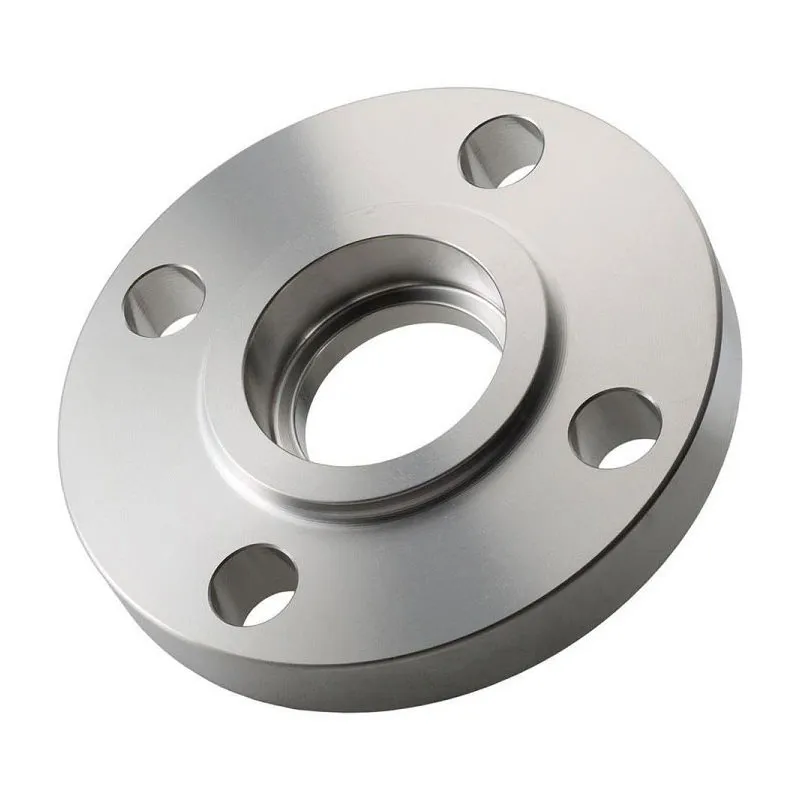
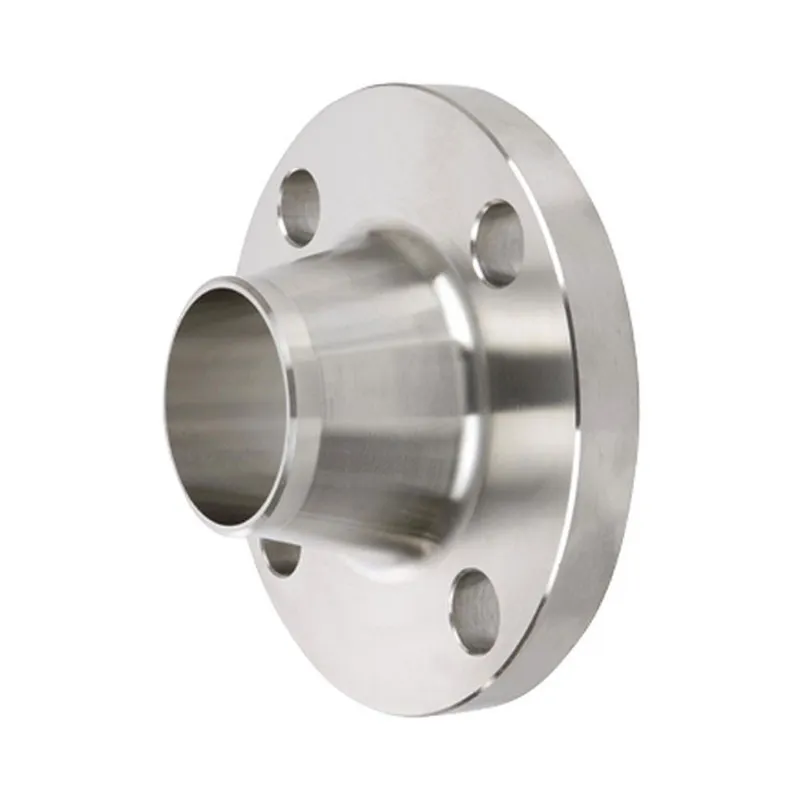
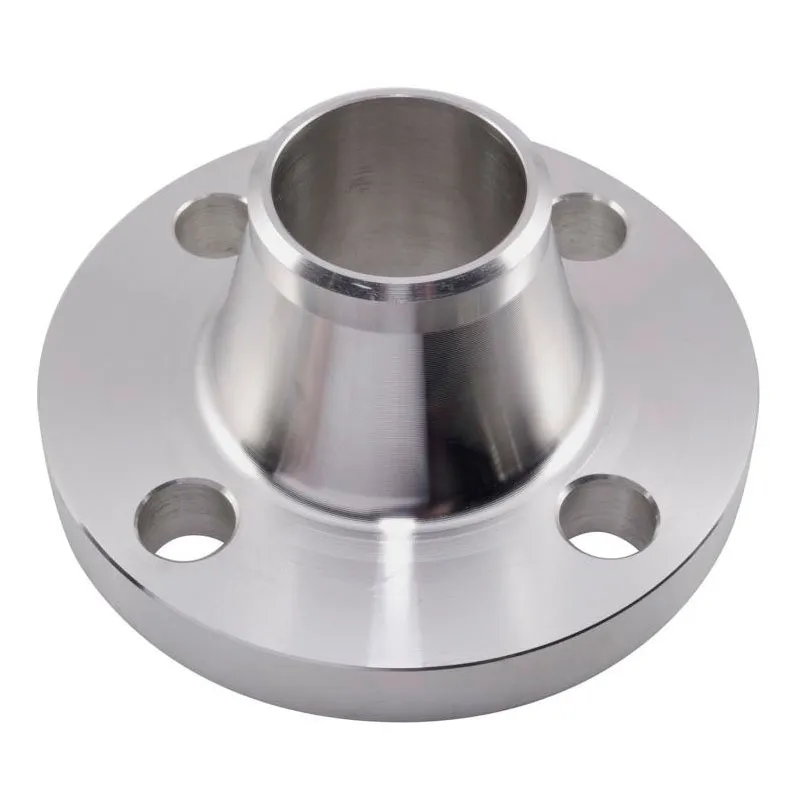
Best Sellingproducts
Best Selling Products-
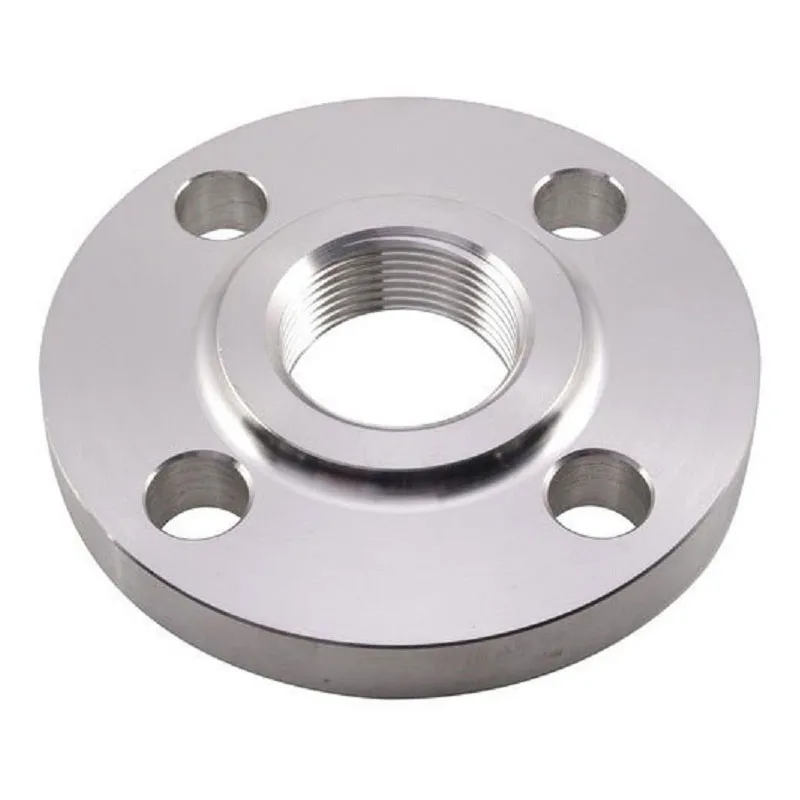 EN 1092-1 Threaded flanges Type 15, PN16
 -
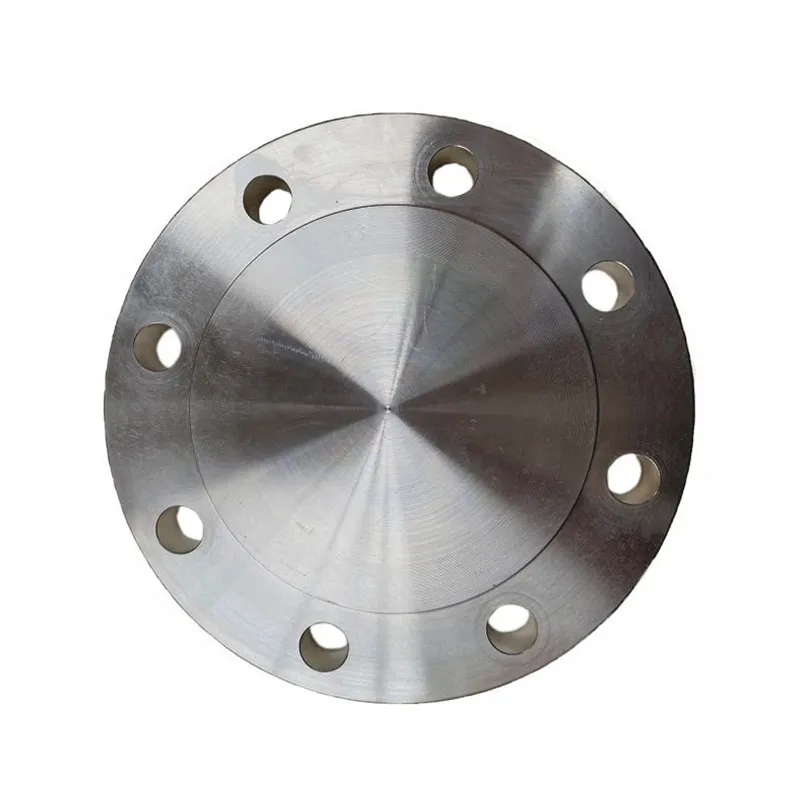 DIN 2527 Blind flanges PN10
 -
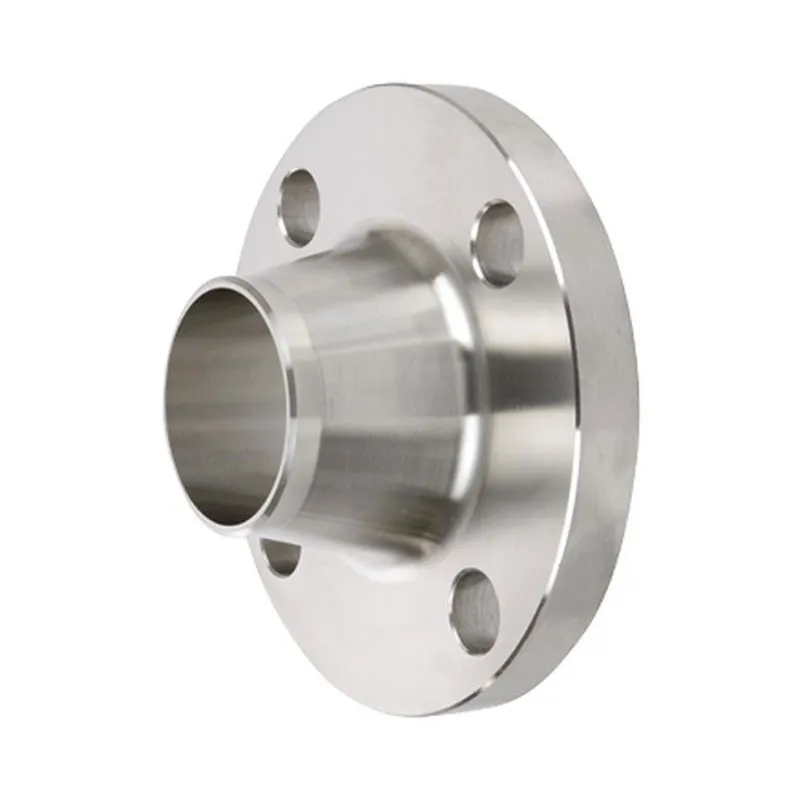 Ser.A Butt Weld Flanges Class 400
 -
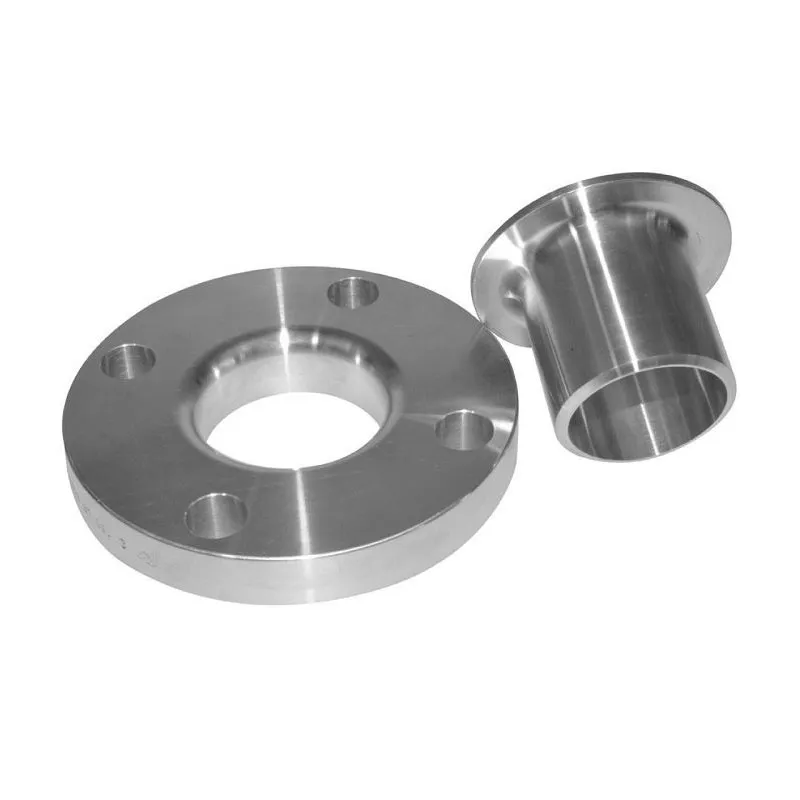 ANSI B16.5 Loose Ring Flanges Class 2500
 -
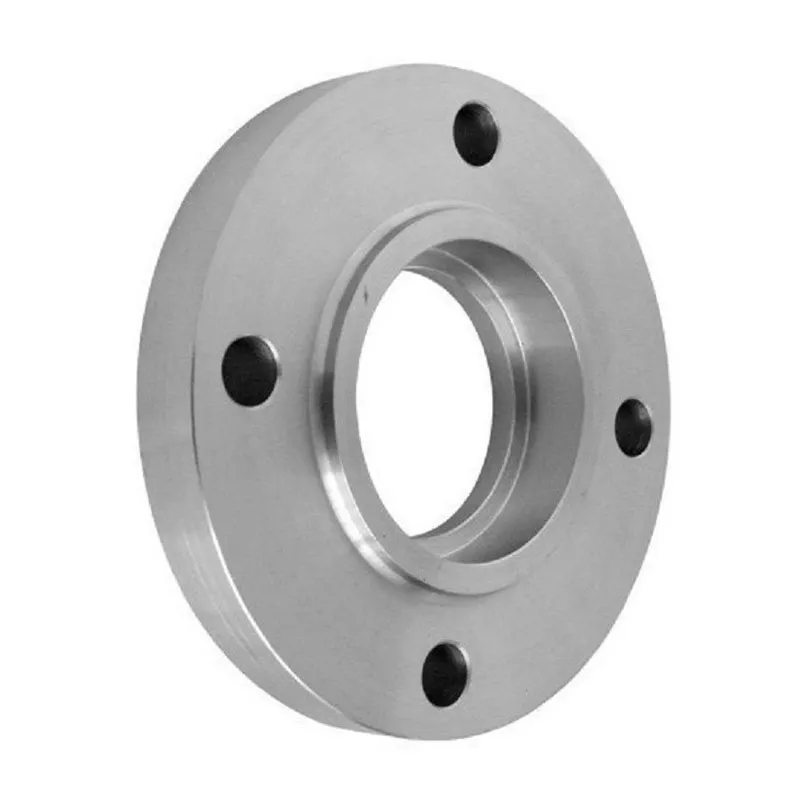 Socket Weld Flanges Class 300
 -
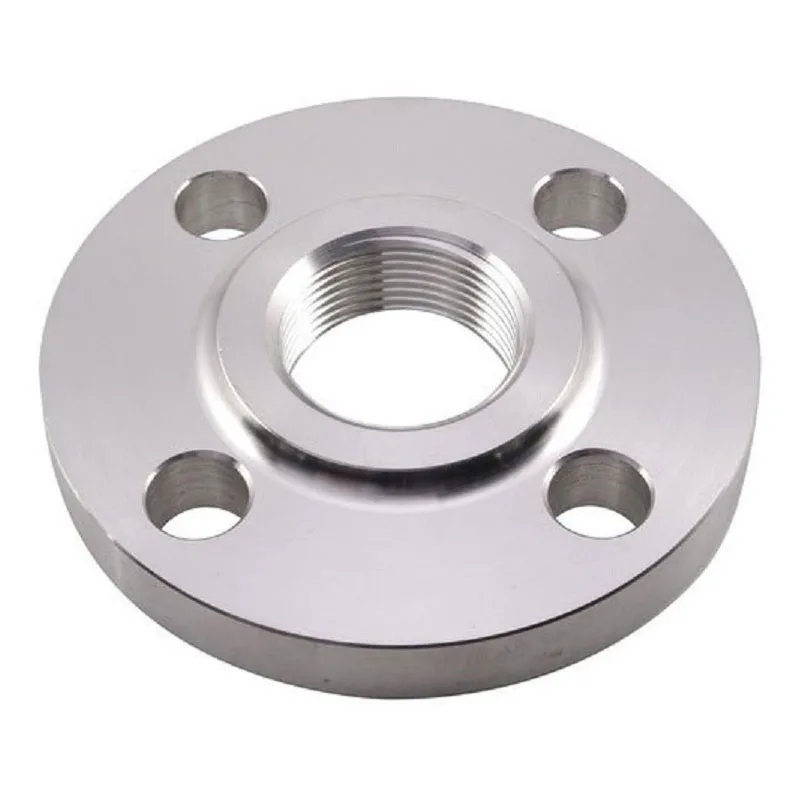 JIS 10K Threaded Flanges
 -
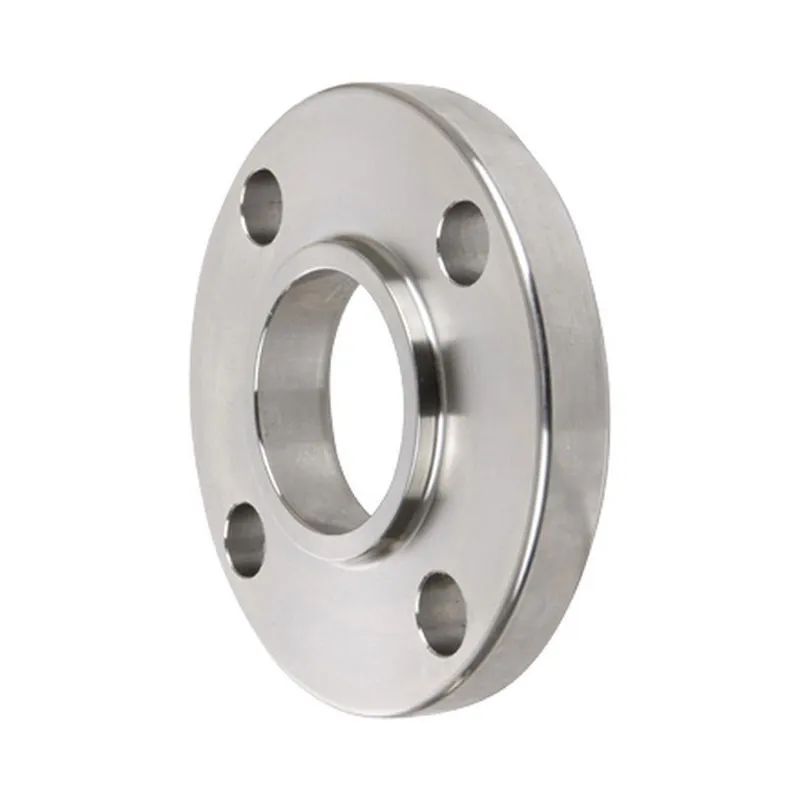 DIN 2501 Overlay flanges PN16
 -
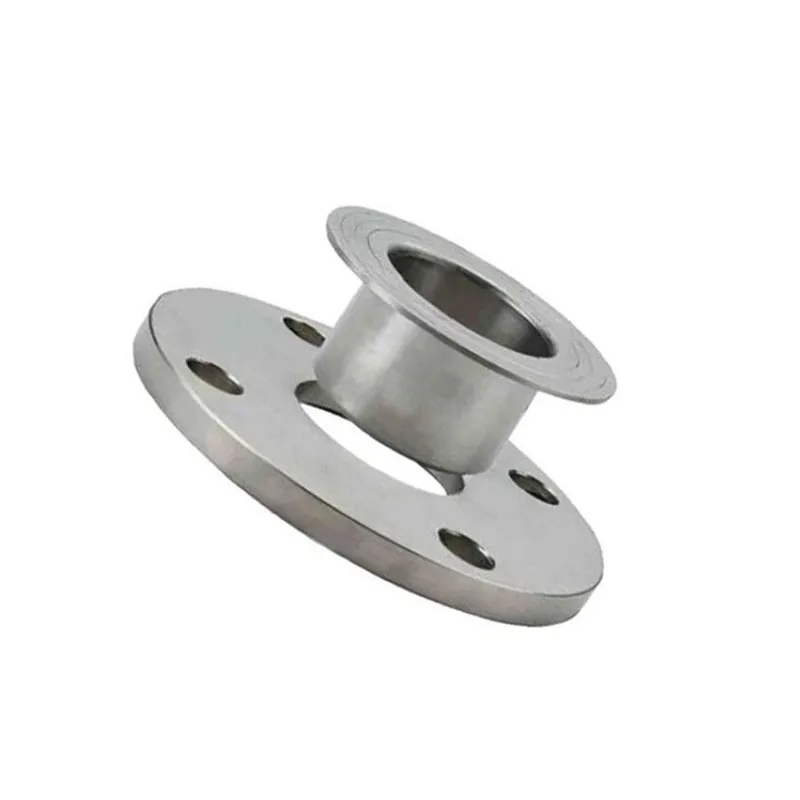 Free ring flanges Class 400
 -
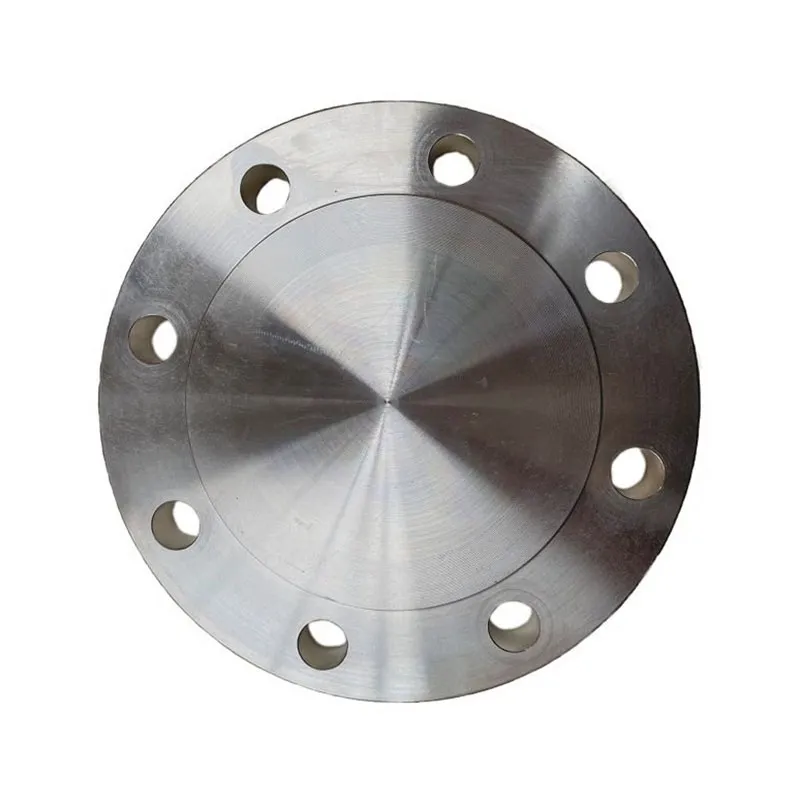 ASME B16.47 Ser.A Blind Flanges Class 400
 -
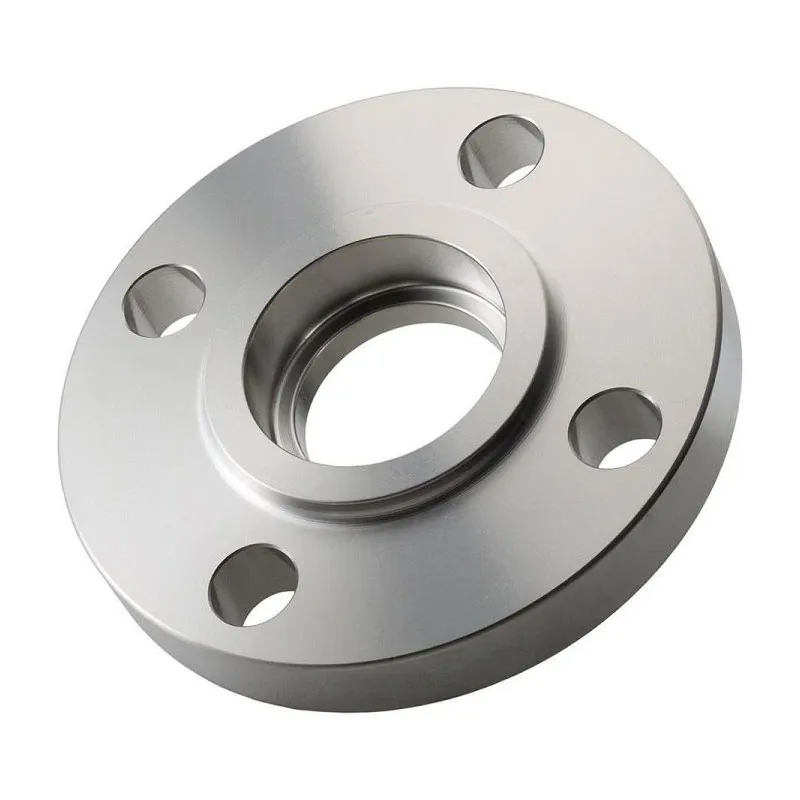 ANSI B16.5 Socket Weld Flanges Class 150
 -
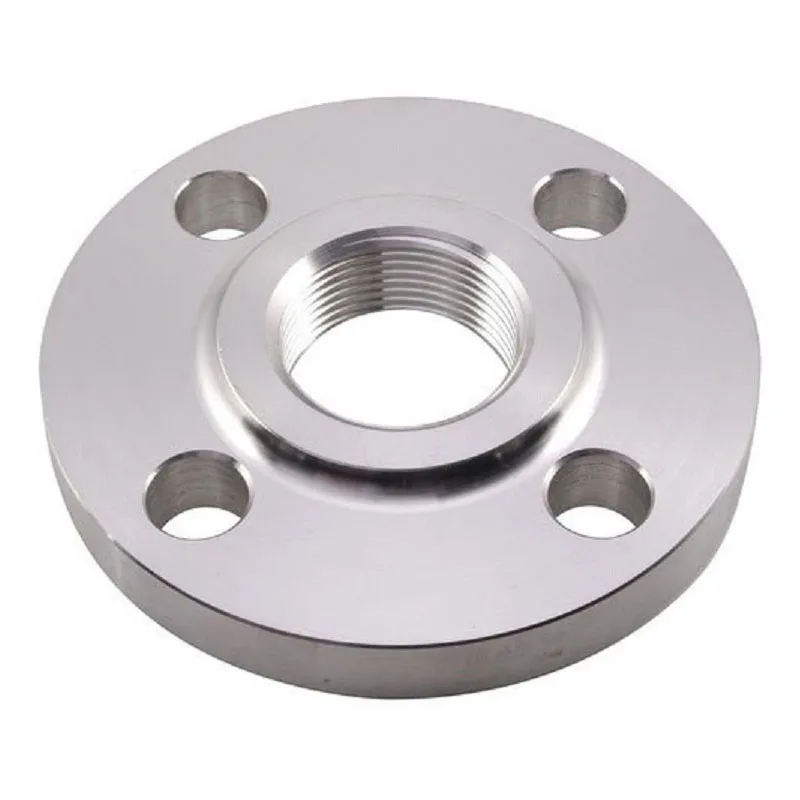 DIN 2566 Threaded flanges PN16
 -
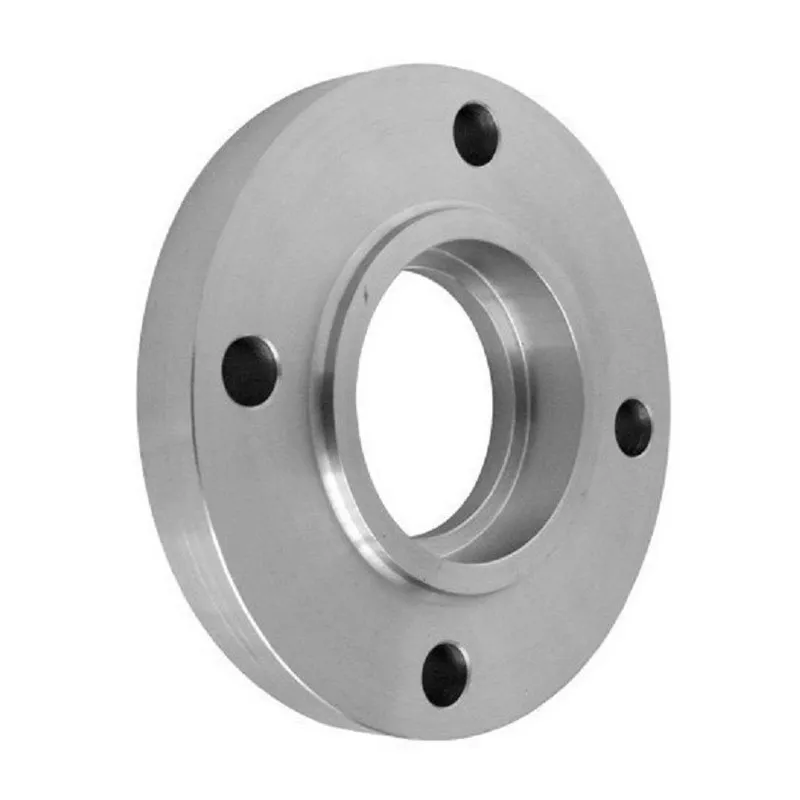 JIS 5K Socket Weld Flanges