
-
-
Phone
+86-13623462298



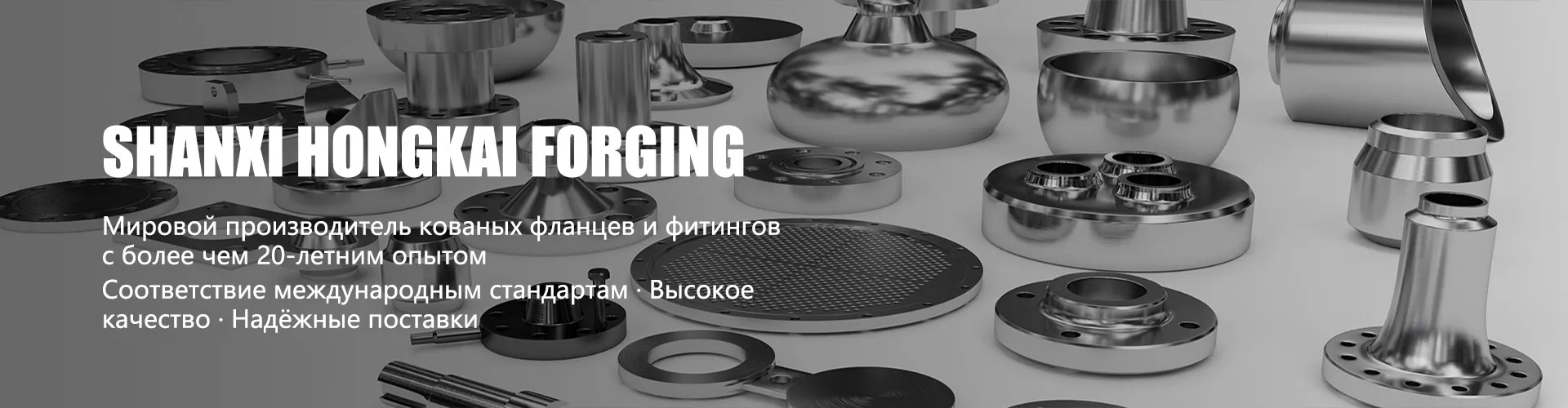
flange long
This is what immediately comes to mind when you hear “long flange?” - many people think that this is just an elongated collar on a butt-welded flange. But in practice everything is more complicated. Often this term hides the need to compensate for an installation gap, align a pipeline, or provide a specific connection to equipment. I have come across situations where the customer himself did not fully understand what he needed, he simply indicated “a long flange” in the technical specification, and then problems with alignment began at the site. This is not just a custom part - it is an engineering solution.
Where and why is it really needed?
The main scenario is compensation. It happens that the designer sets a standard length, but during installation it turns out that due to thermal expansion, vibration or inaccuracy in the manufacture of adjacent units, an inconsistency occurs. This is where they rememberflange long. You can’t just extend the collar—the stress distribution changes, especially under load and at cyclic temperatures.
A classic example from my practice is the piping of pumping units at a thermal power plant. Vibration, thermal movements. They installed standard flanges - after six months or a year, cracks appeared along the collar. We switched to products with calculated elongation, and the problem went away. But the key is in calculation, not in arbitrarily increasing the size.
Another point is connection to imported equipment. Let's say the pipe on a German heat exchanger has a non-standard extension. It’s expensive to redo the entire liner, but to make a transition lineflange long, which will compensate for this overhang and ensure a tight connection to our pipe - often the optimal solution. Here it is important to observe not only the geometry, but also the material that is compatible with both systems.
Pitfalls in production and materials
It would seem that it would be difficult to forge a longer collar. But when increasing the length without revising the forging and heat treatment technology, there is a risk of internal defects. In a conventional flange, the collar-to-plate transition area is a critical location. In the long term, this stress zone shifts, and if the modes are not adjusted, delamination or unacceptable residual stresses may occur.
We once received an order for a batch of flanges made of steel 09G2S in accordance with GOST 33259 for the northern order. Operating temperature -60°C. The customer requested an increased collar length for insulation. They made it using standard technology, as for ordinary ones. When testing impact strength at low temperatures in the transition zone, the indicators dropped. We had to redo it, making changes to the normalization process. Conclusion: material and heat treatment modes for non-standard geometry are a different story.
Now many manufacturers, especially in China, are ready to make anything according to the drawing. But quality is an issue. I have seen samples from various suppliers where the long flanges had obvious fibrousness in the longitudinal section of the collar - a sign of improper settling of the workpiece. For critical objects, such defects are critical. Therefore, it is important to choose a manufacturer with serious forging experience, and not just a lathe shop.
Experience with specific supplier: Shanxi Hongkai Forging
In the context of searching for a reliable manufacturer for complex tasks, it is worth mentioningShanxi Hongkai Forging Co.,Ltd. This is not just another factory from China. They are based in one of the key forging centres, which is evident in their approach. Their website -hkflange.ru— useful technical information on standards and capabilities, and not just price lists.
What appeals to me about their approach to non-standard products, such as the same long flange, is that they ask not just for a drawing, but for operating conditions: pressure, temperature, medium, type of load. This indicates an understanding of the essence. One day we submitted a request to them for flanges with an extended collar to connect sections of pipeline with different coefficients of thermal expansion. Their engineers returned with a question about the calculated movements and proposed their own version of the transition zone with a smooth change in thickness. In the end, the product worked perfectly.
Their range covers the range up to DN4000 and work in accordance with GOST, ASME, EN - this is important for us, since projects often come with a heterogeneous regulatory framework. Ability to manufactureflange longin accordance with a specific standard, and not just “similar to the picture?” is the key difference between a serious manufacturer and an intermediary contractor.
Standardization and drawings: how not to make a mistake
A common mistake is the lack of clear technical specifications. ?Make it 50mm longer? - this is not technical specification. It is necessary to indicate not only the final dimensions, but also alignment tolerances, the roughness of the seating surfaces, and ultrasonic control of the transition zone, if we are talking about critical parameters. Sometimes it is better to focus on ready-made standards, for example, ASME B16.5 has options with an extended collar, but they are strictly regulated.
In one chemical manufacturing project, the customer provided a drawing with a long flange, but did not indicate a weld control method for welding. Made as usual. Acceptance stalled - the inspector demanded the results of radiographic inspection of the joint of the collar with the pipe, since the length of the collar changed the design category of the seam according to ASME B31.3. I had to pay extra for unscheduled tests. Now we always clarify this point at the stage of discussing the technical specifications.
Working with the manufacturerShanxi Hongkai Forging Co.,Ltdsimplifies this part. As a manufacturer of forged flanges and forgings, they usually request the missing data themselves to meet standards. Their custom order form includes items on further operations (welding, heat treatment), which helps them suggest the optimal geometry and steel grade. This is a dialogue, not just the execution of a sketch.
Bottom line: don’t be afraid of the non-standard, but approach it wisely
So,flange long- it's not scary. This is a working tool for an engineer and installer. The main thing is to clearly understand why it is needed in each specific situation: for compensation, for connection, or to ensure special operating conditions. Without this understanding, even a perfectly manufactured part may not solve a problem, but create a new one.
Choosing a supplier here decides half the battle. We need a partner who can not only forge and sharpen metal, but also understand the essence of the task. Experience shows that cooperation with specialized factories that have their own forging production and engineering department, like the mentioned company, is in the long run more reliable and more profitable than working with resellers, even if their price is “on paper”? looks more attractive.
In the end, any non-standard product is a risk. But the risk is manageable. The closer the interaction between the designer, installer and manufacturer at the ordering stage, the higher the chance that a long flange will become exactly the solution that will ensure reliability and long service life of the unit, and not a headache at the commissioning stage.
Correspondingproducts
Related Products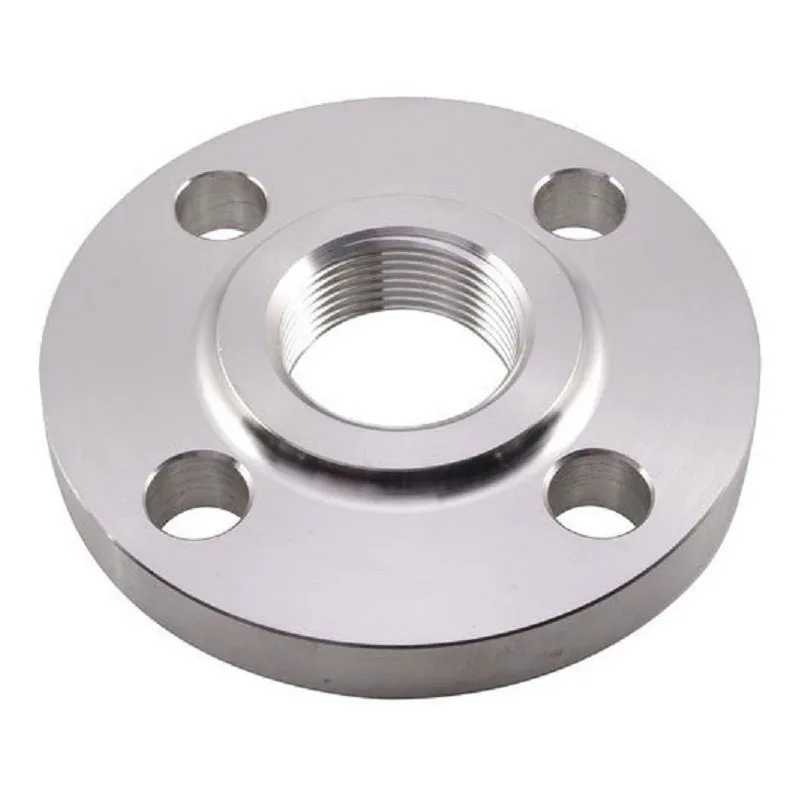
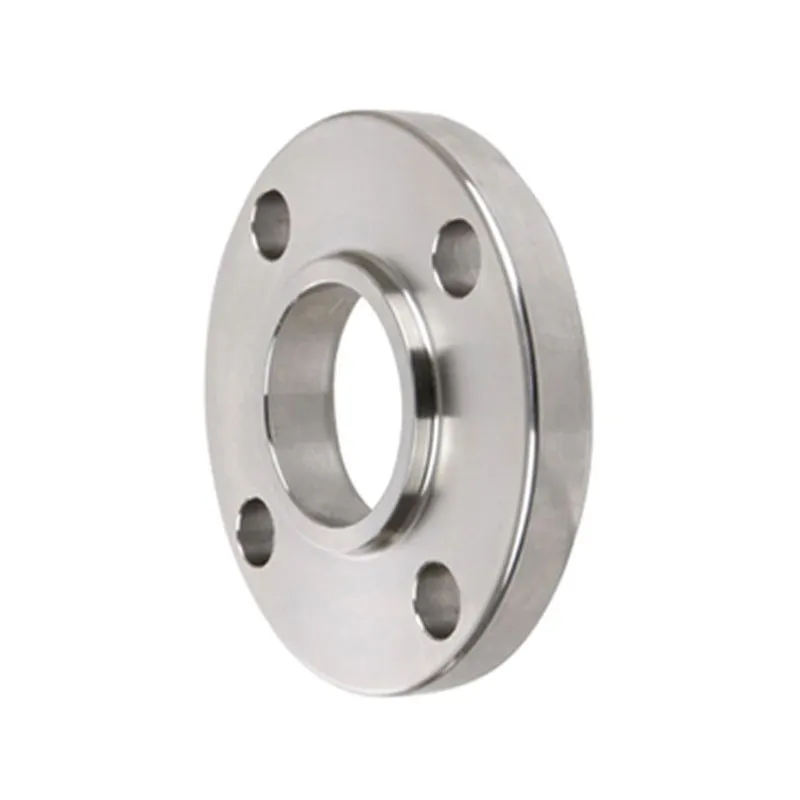
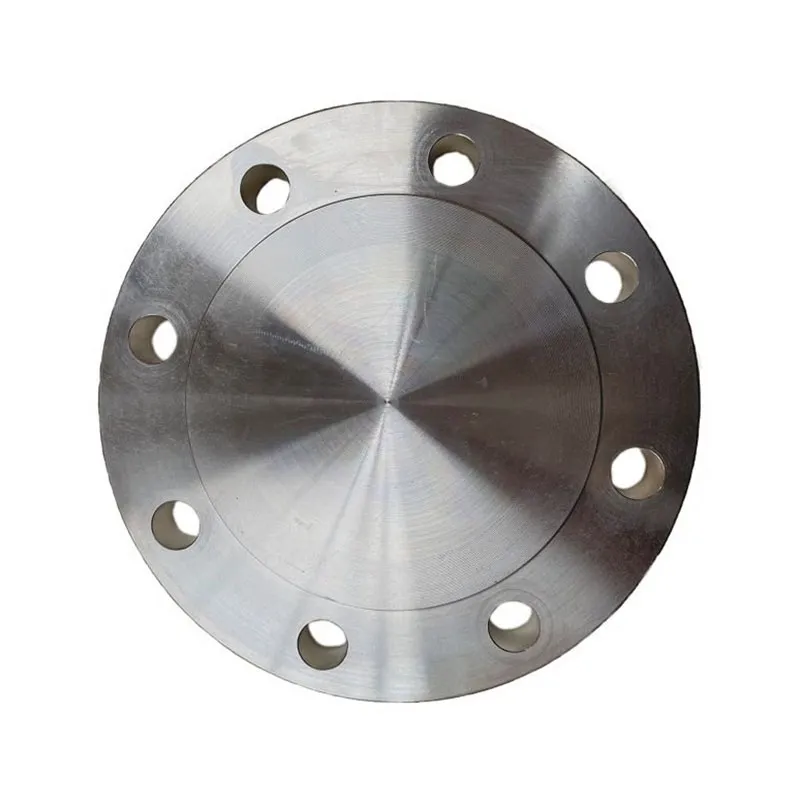
Best Sellingproducts
Best Selling Products-
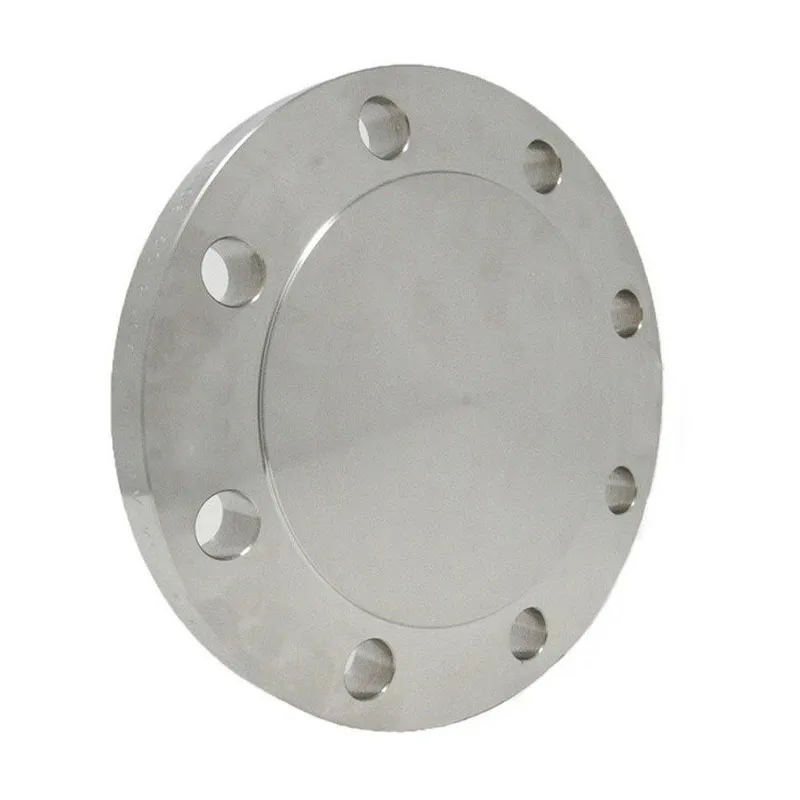 EN 1092-1 Blind flanges Type 05, PN10
 -
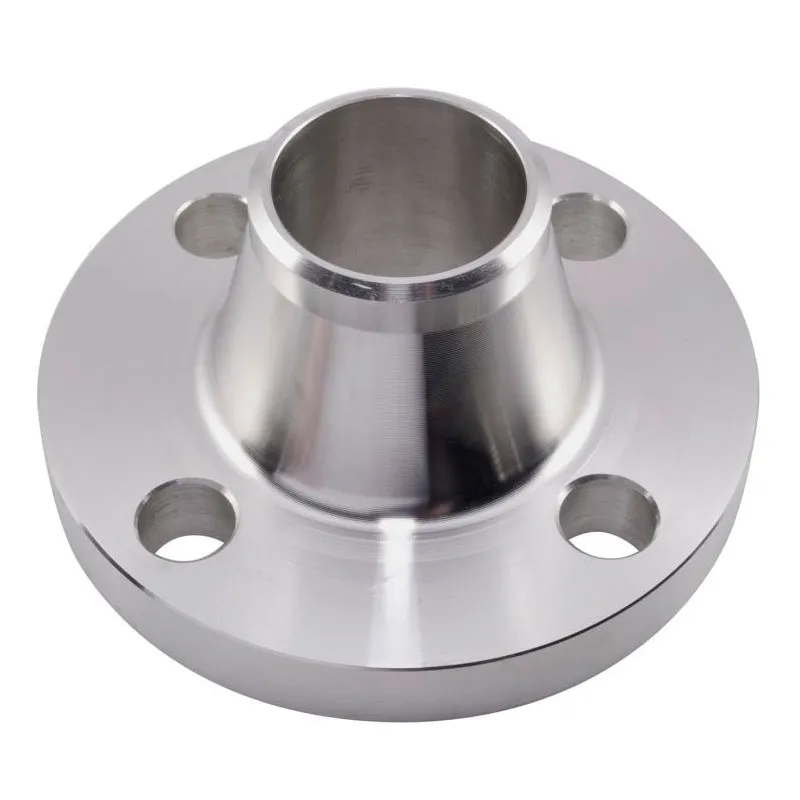 UNI 2281 Butt weld flanges PN10
 -
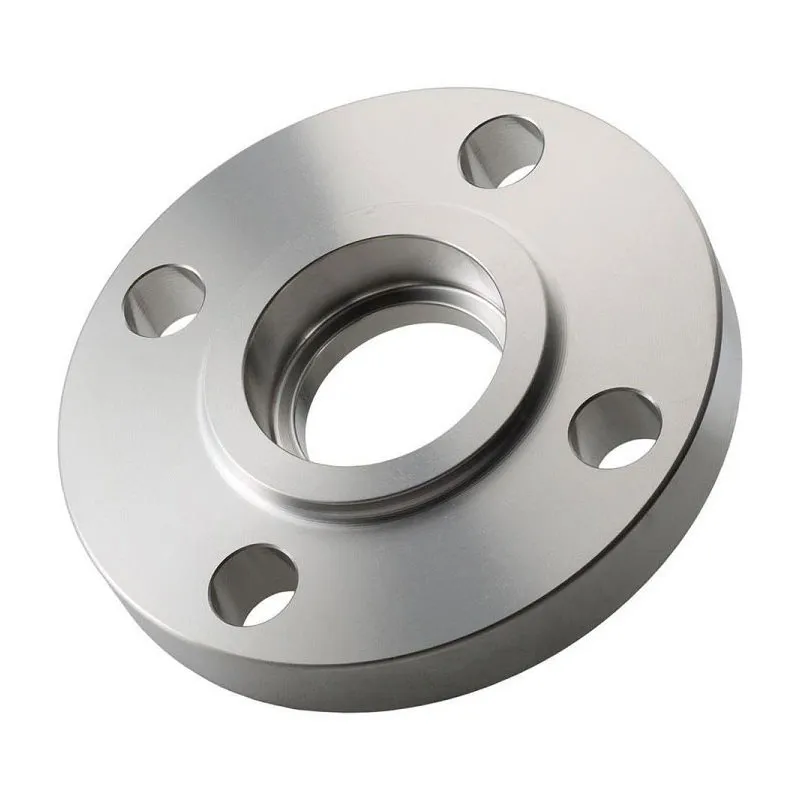 Flanges for socket welding
 -
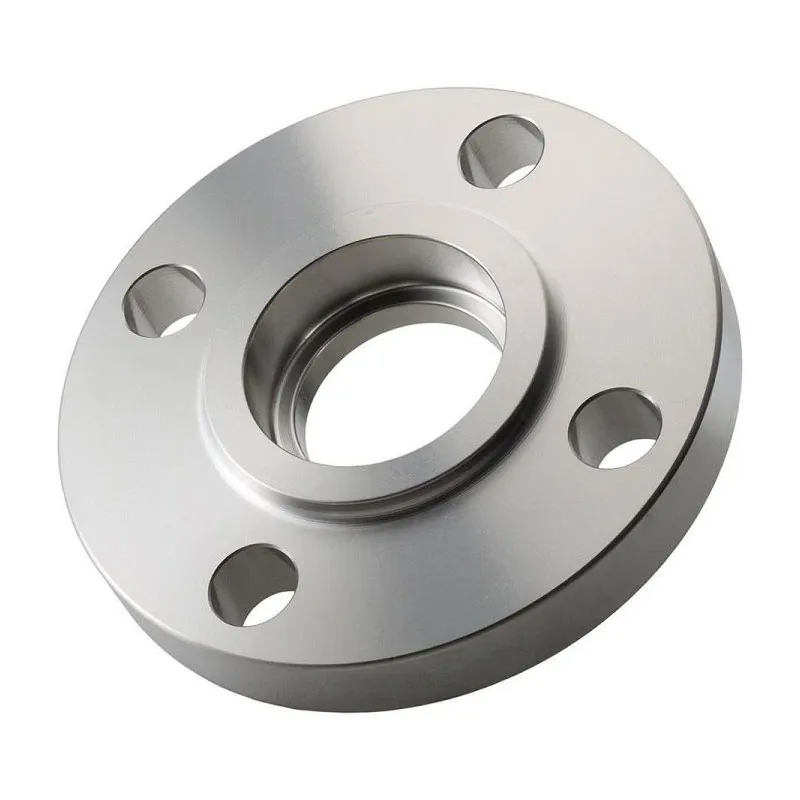 ANSI B16.5 Socket Weld Flanges Class 150
 -
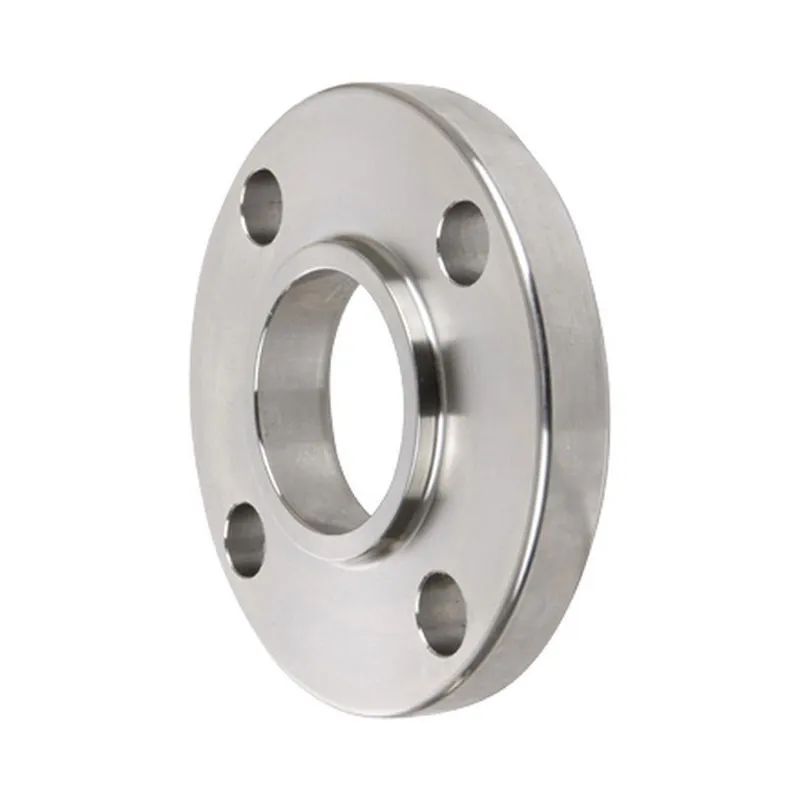 DIN 2501 Overlay flanges PN16
 -
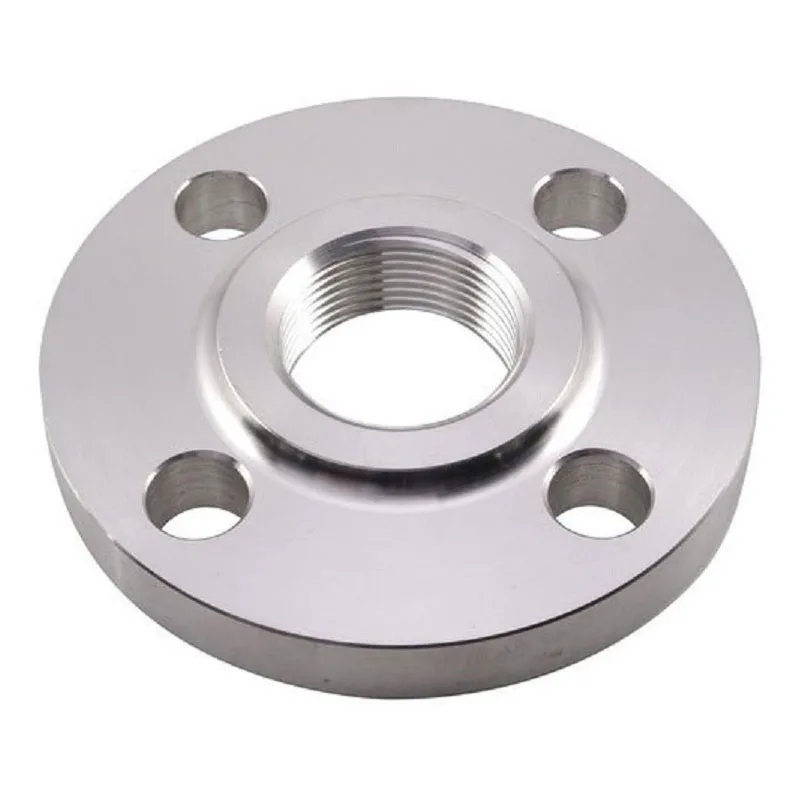 JIS 10K Threaded Flanges
 -
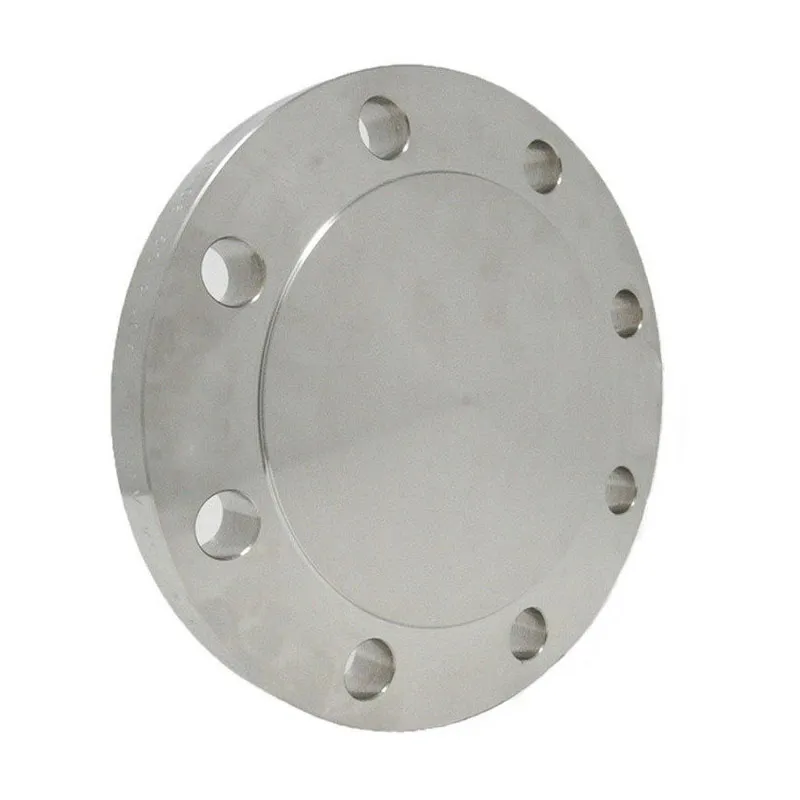 AWWA Blind Flanges Class D (Tables 1, 2, 3)
 -
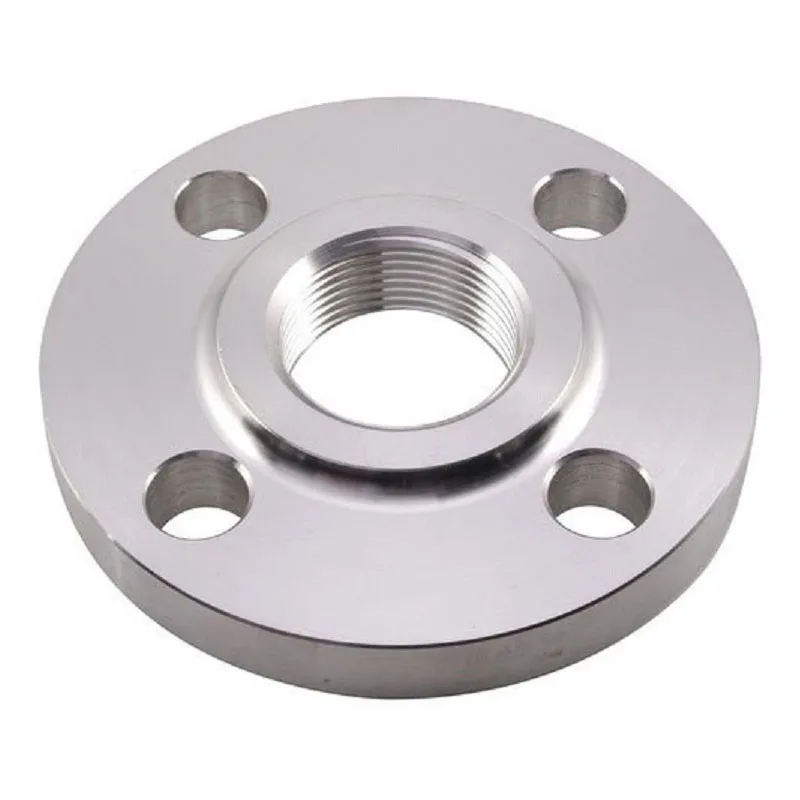 DIN 2566 Threaded flanges PN16
 -
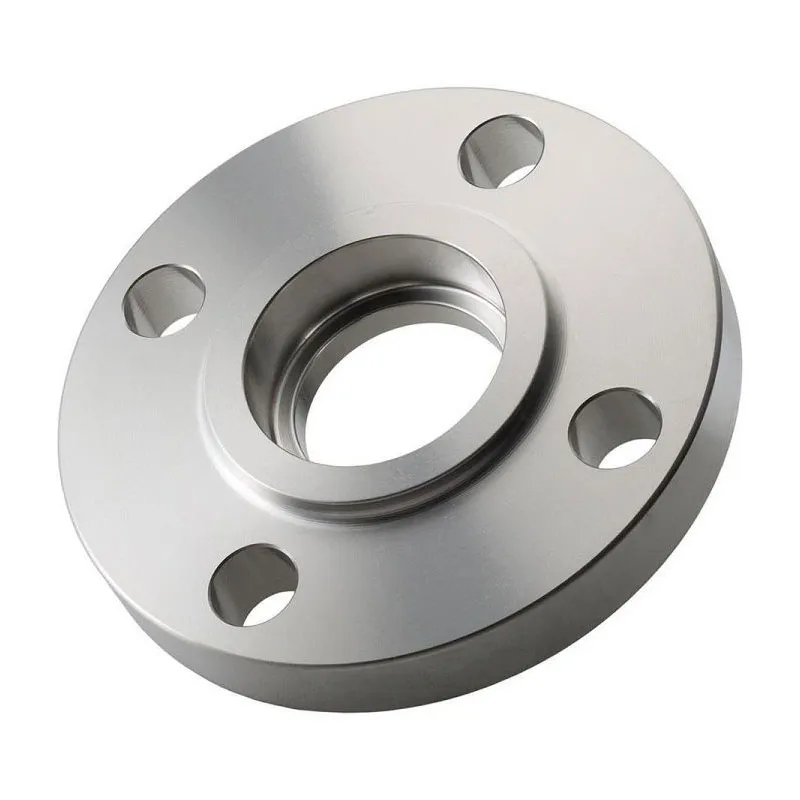 ANSI B16.5 Socket Weld Flanges Class 1500
 -
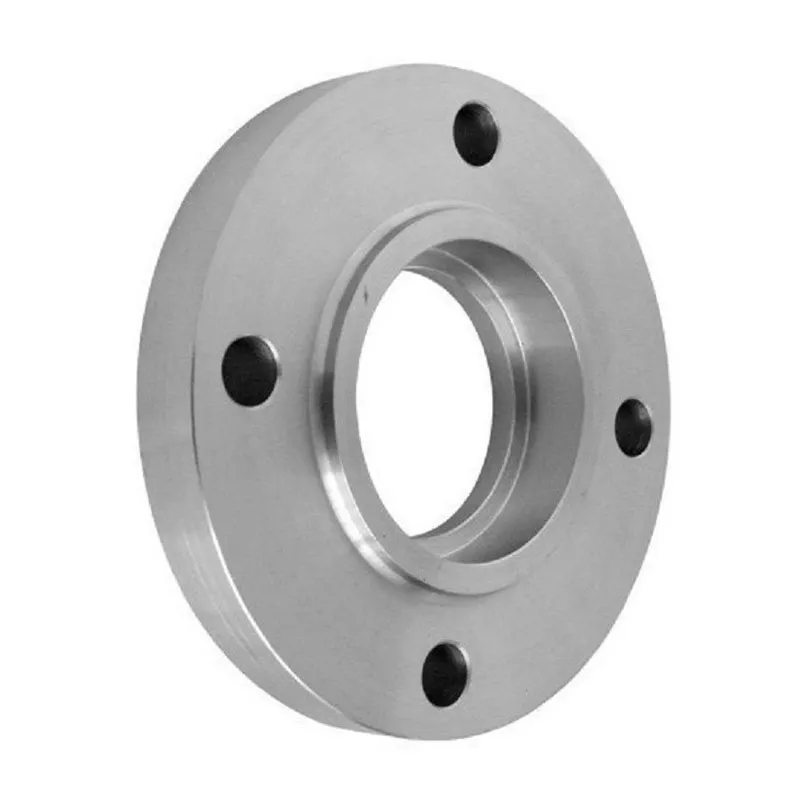 Socket Weld Flanges Class 300
 -
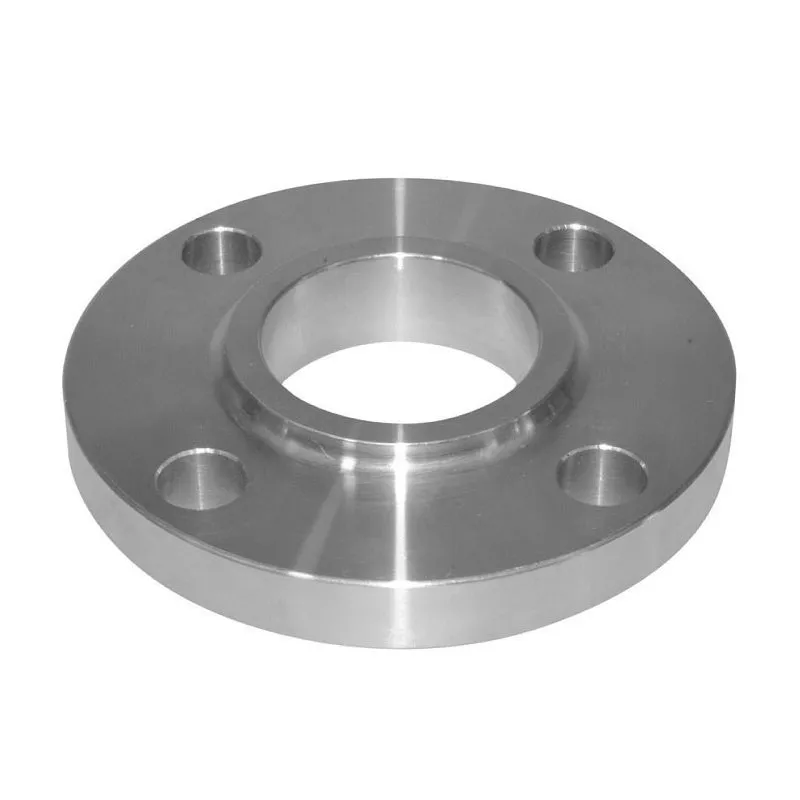 ANSI B16.5 Lap-on flanges Class 1500
 -
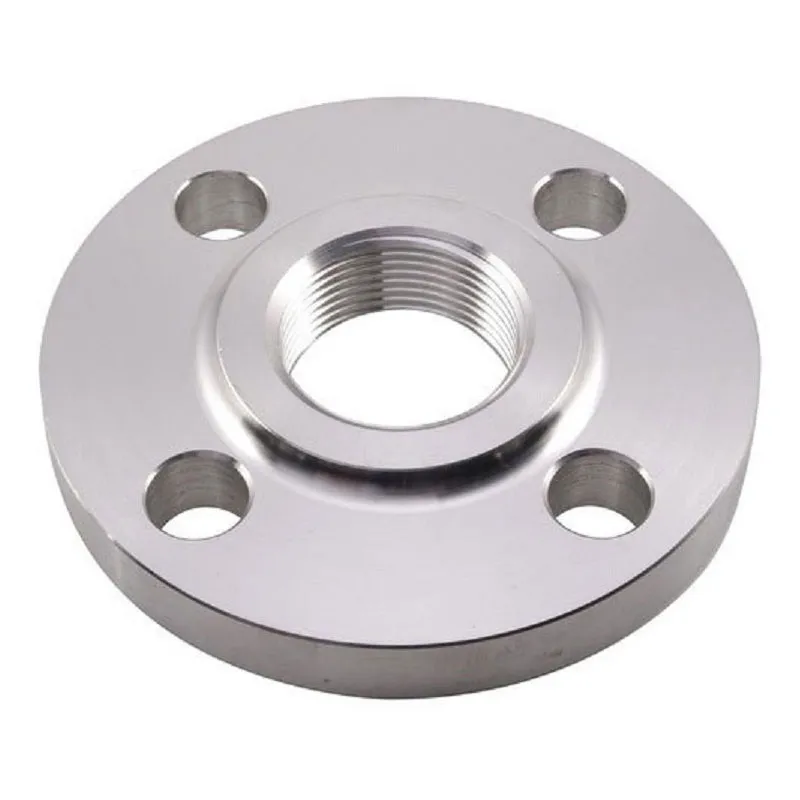 DIN 2565 Threaded flanges PN6
Relatedsearch
Related Search- in which places are flange connections allowed?
- calculation of flange connections of steel structures
- flange connection of lighting poles
- steel gaskets for flanges
- steel flange 12x18n9t
- flanges 300 16
- flanges GOST 12820 80 st 20
- flange DN 50 GOST 12820 80
- flange connection 110 4 pnd
- detachable flange connections