
-
-
Phone
+86-13623462298



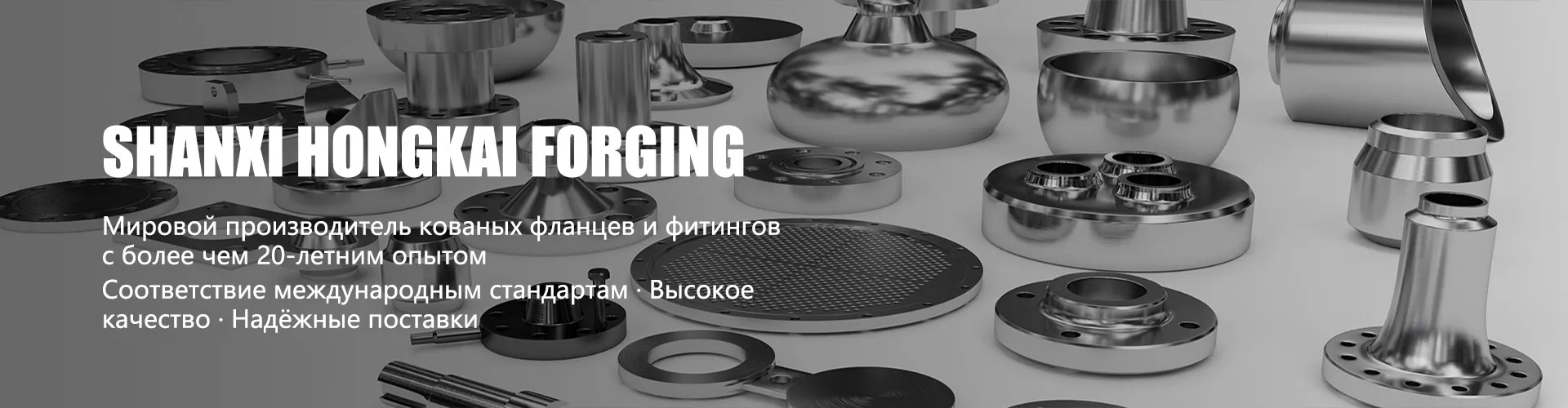
flange DN 100 16
Look at the request: flange DN 100 16? and it seems - what’s so complicated? DN 100, pressure 16 kgf/cm2, take it and install it. But this is where many, especially those who are just starting to work with pipeline fittings, fall into the trap. The numbers are standard, but the material, type of seal, design according to GOST or, say, ASME B16.5 is a completely different story. In our practice, there was a case when we ordered a batch of just such flanges for replacement on site, and they received a “similar” one. The products seem to be steel 20, and the dimensions are within the tolerance, but during installation it turned out that the geometry of the surface for the gasket does not comply with GOST 12815-80 for RU 16. The result is downtime, rework, and extra costs. Therefore, for me, these numbers are not just parameters, but a starting point for a whole series of technical clarifications.
Let's break it down piece by piece: pressure, pressure and non-obvious nuances
Let's start with the conditional diameter - DN 100. It would seem clear. But here’s a detail from practice: when ordering flanges for butt welding (pile) for this diameter, you need to clearly understand which pipe it goes under. The outer diameter of the pipe can “float” depending on standard and wall thickness. If a flange is made, for example, for a pipe in accordance with GOST 8732-78, and the site has a pipe in accordance with ASME B36.10, there may be inconsistencies in the fitting diameter, which is especially critical for butt welding. We somehow received a drawing from the customer, where “DN100” was simply indicated, and made it according to the common Russian assortment by default. It turned out that the project was in accordance with European standards, and had to be quickly redone.
Now about the pressure - RU 16 (or PN16). The key point here is the operating pressure at 20°C. What if the environment is hot? Let's say steam is 200°C. Then the permissible pressure for the same steel flange drops sharply. Many people forget to take this into account when looking only at the number in the specification. I had to see how at a boiler room they installed 16 kgf flanges on the saturated steam line, citing the fact that “the working capacity in the system is only 12”. In fact, taking into account the temperature, the safety margin was on the verge, which is unacceptable. You should always look at graphs of pressure versus temperature for a specific steel grade.
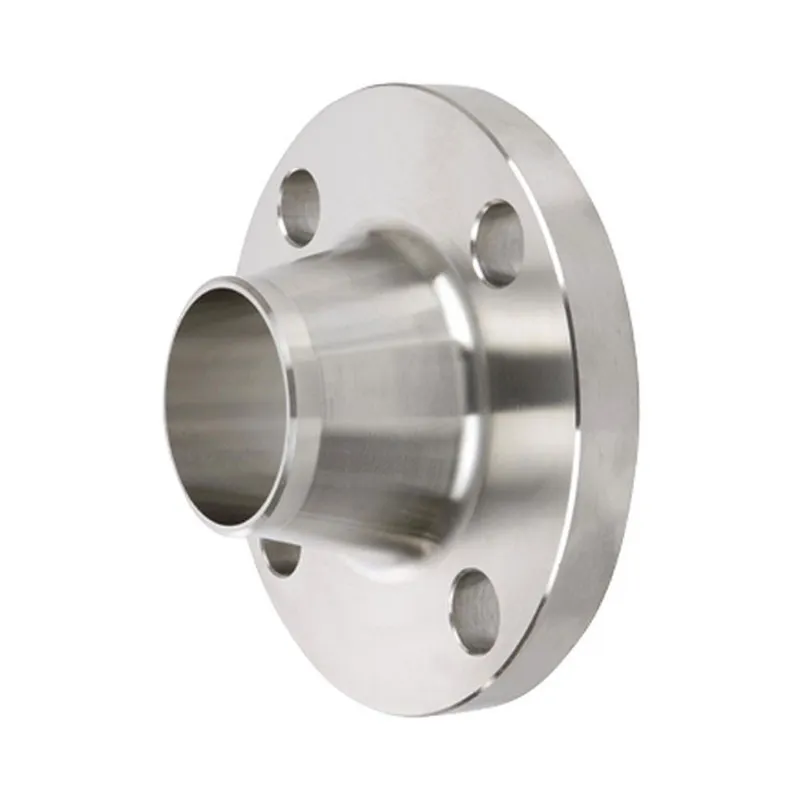
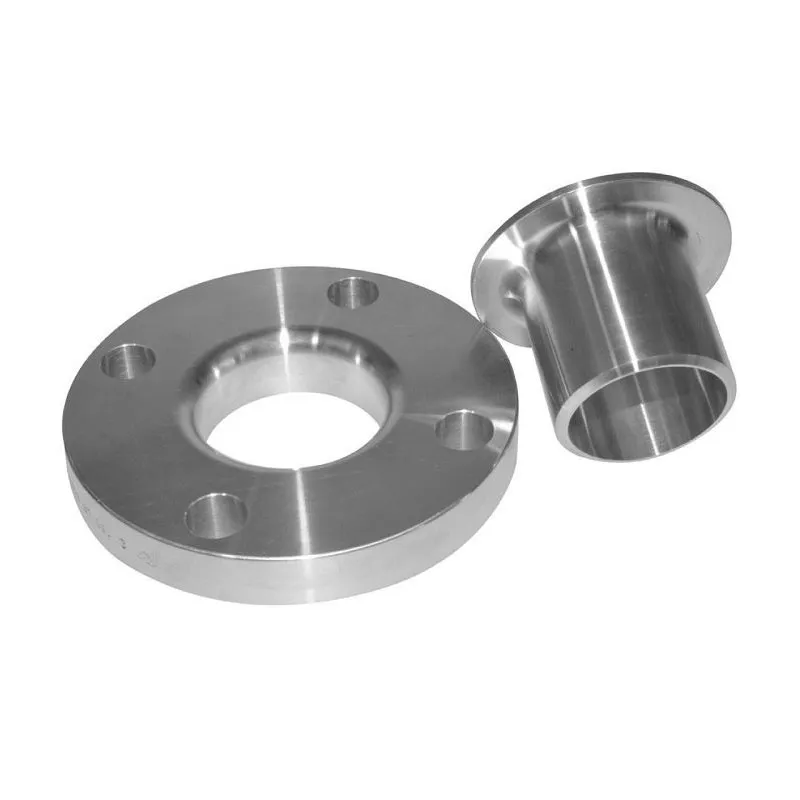
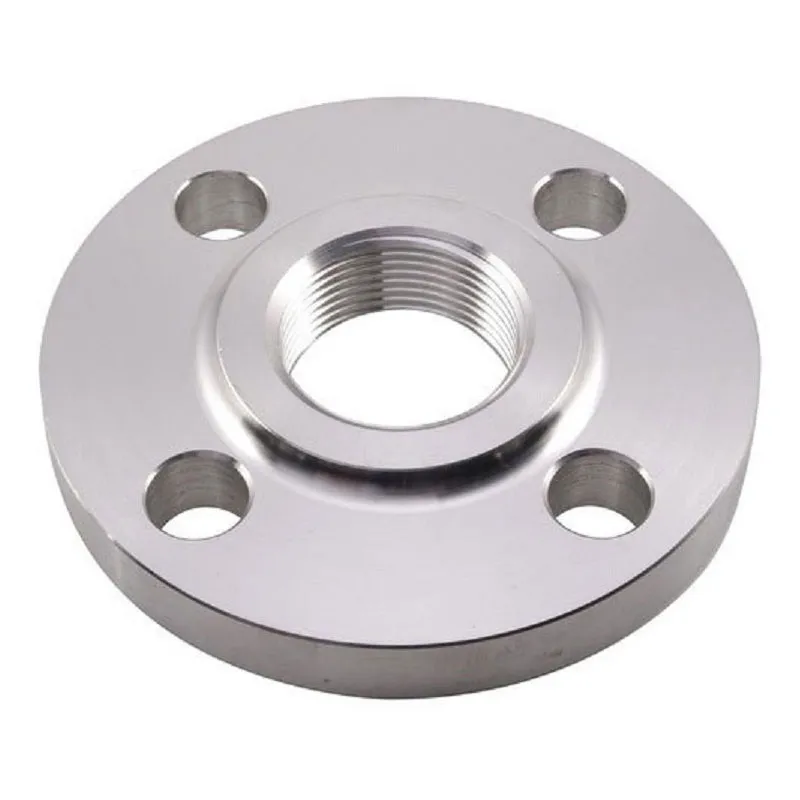
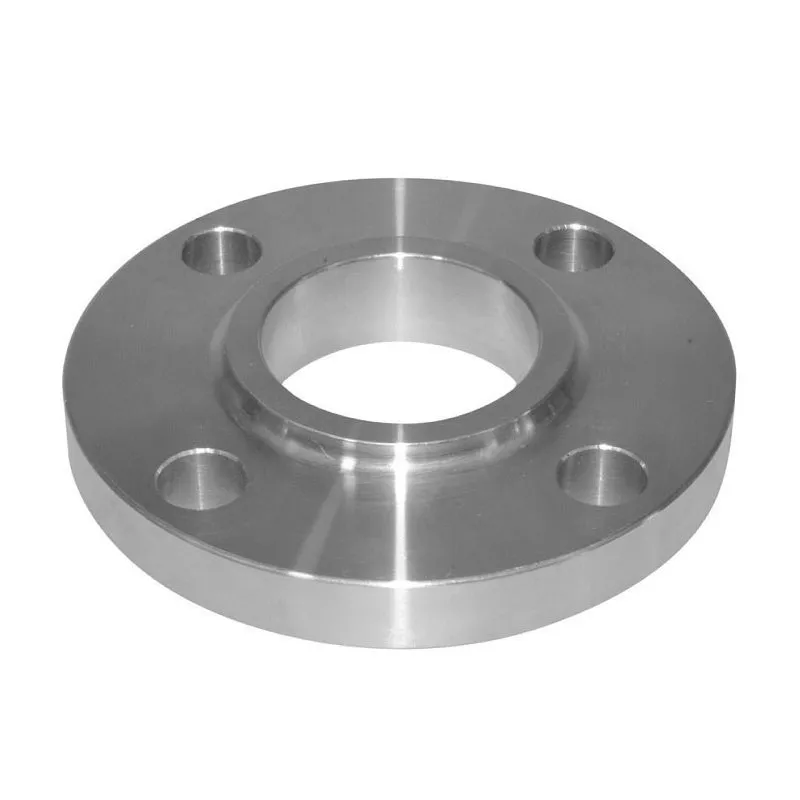
And the third, often overlooked aspect is the type of attachment.Flange DN 100 16can be flat welded (GOST 12820-80), butt welded (GOST 12821-80) or free on a welded ring. The choice depends not on desire, but on the installation and maintenance conditions. For frequent disassemblies, say, on filters or pumps, a loose flange is a lifesaver. But it is often confused when ordering a one-piece design, and then they struggle with adjusting the pipes when replacing the seal.
Material is the basis. Not all 20 steel is the same
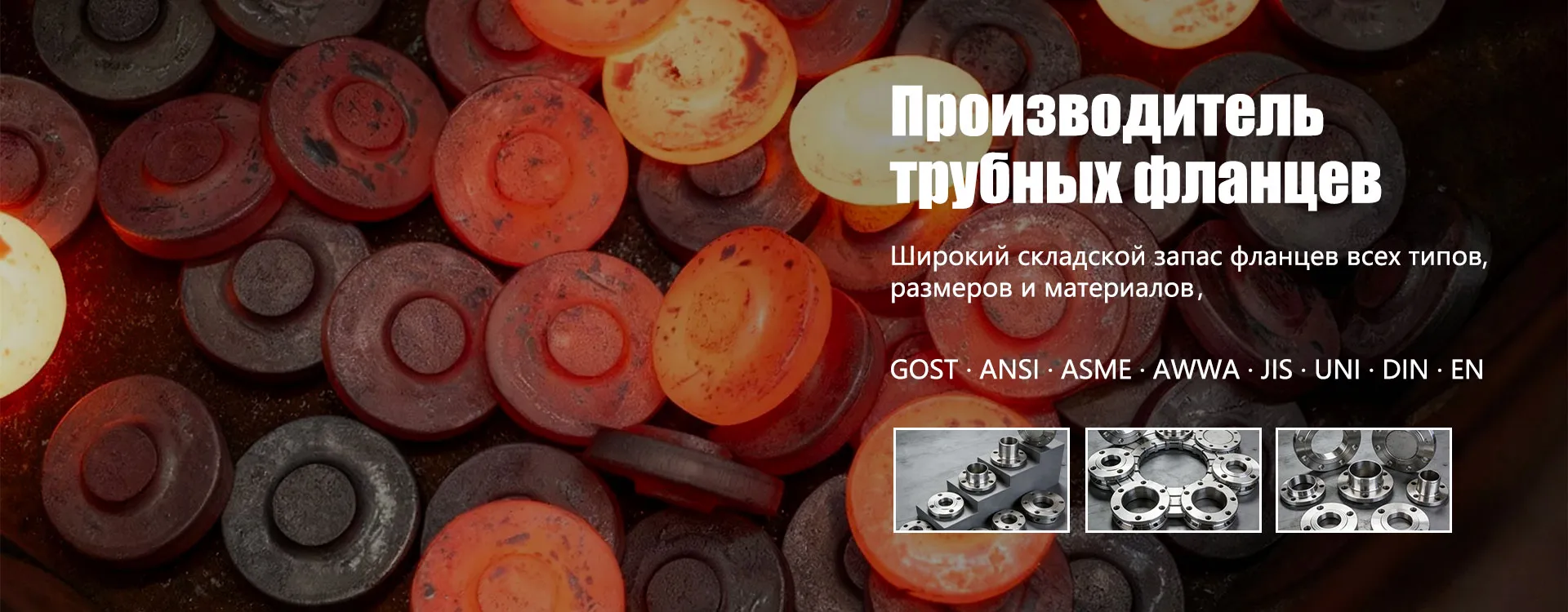
Most often, for parameters DN 100, steel 20 is used for DN 16. But there are pitfalls here too. Not only the chemical composition is important, but also the state of delivery - is the workpiece heat-treated or not? The weldability and behavior of the metal in the heat-affected zone depends on this. We cooperate with the manufacturerShanxi Hongkai Forging Co.,Ltd(their website ishkflange.ru), and they just focus on using high-quality forged workpieces. What's the difference? Forging has a better fine-grained structure, fewer internal stresses and defects compared to casting or cutting from sheet metal. For responsible nodes this is fundamental.
Once there was an incident on a heating main: a flange bought “cheaply?” from an unknown supplier, cracked in the body after the first seasonal start-stop. Upon opening, it turned out that the material did not match, there were non-metallic inclusions. Since then, we have always requested certificates, or better yet, mechanical test reports. MentionedShanxi Hongkai Forging Co.,LtdAs a manufacturer of forged flanges and forgings, we usually provide a complete package, including ultrasonic testing, which is a must have for industrial applications.
For aggressive environments, standard 20 carbon steel will not work. Here you need to look towards alloy steels such as 09G2S or 12Х18Н10Т. And here it is important: a stainless steel flange for the same DN 100 and PN 16 will have completely different dimensions and weight? No, the geometry according to GOST is the same. But the cost and manufacturing technology are different. Chinese manufacturers concentrating on the forging and pressing industry often have both options in their product range, which is convenient.
Standards and versions: margin for errors
When they say “flange DN 100 16”, in 90% of cases in Russia they mean GOST. But there are several GOSTs! The main ones are GOST 12815-80 (for the flanges themselves) and GOST (for pipeline fittings). Confusion arises with executions. Version 1, 2, 3... are different types of sealing surfaces: smooth, with a projection, with a cavity, tongue-and-groove, for a lens gasket. For Ru 16, the most common version is 1 (smooth) or 2 (with protrusion). But if you are replacing a flange on an existing line, you need to open the joint and look at what is standing, otherwise the connection will be leaky.
When working with international projects, you come across ASME B16.5 Class 150. This is an analogue, but not a complete equivalent. They have slightly different dimensions and tolerances. The ASME Class 150 flange can theoretically be joined to the GOST flange on Ru 16 through an adapter gasket, but this is an emergency situation that requires calculations. Manufacturers who work for export, likeShanxi Hongkai Forging Co.,Ltd, usually indicate compliance with standards in catalogs: their products comply with GOST, ASME, EN, and DIN. This is important for customers whose equipment is “assembled” geography of origin.
A separate topic is non-standard sizes. Let's say we need to putflange DN 100 16on the body of an old Czech-made pump. There is a drawing, but it does not fit into the standard rows. Many suppliers shrug their shoulders. In such cases, companies with a developed individual production workshop come to the rescue, as they undertake production according to the customer’s drawings. From the descriptionShanxi Hongkai Forging Co.,Ltdit is clear that non-standard products are part of their range, and the range up to DN4000 allows you to cover most non-standard tasks.
Installation and practical rakes
Theory is good, but everything is decided on the construction site. The first is proper tightening. For DN 100 at 16 atmospheres, a certain tightening torque for bolts (studs) is required, which depends on their strength class and type of gasket (paronite, fluoroplastic, spiral wound). Installers often pull by hand. or an impact wrench, which leads to misalignment and uneven loading. The result is a leak at the flange connection during the first hydrotests.
The second is alignment. When welding two counter flanges to different sections of the pipe, it can be difficult to maintain perfect alignment. This is especially true for loose flanges on a welded ring - here you need to first weld the ring, align the flange, and then weld the second end. I have repeatedly seen how welders grab a ring “live”, without alignment, and then cannot put on a loose flange due to misalignment.
And third - gaskets. For Ru 16 and moderate temperatures, paronite PONs are often used. But if there is, say, oil in the system, paronite can swell. Need to watch Wednesday. There is also a subtlety with the width of the gasket: it must completely cover the sealing surface of the flange, but not extend beyond the internal diameter, so as not to create local hydraulic resistance. A small thing, but it affects the operation of the system as a whole.
Choosing a supplier: price vs. reliability
The market is flooded with offers for flanges. You can buy it cheap from the nearest warehouse. But where does this warehouse come from? Often these are products of artisanal workshops with unknown quality of metal and processing. The accuracy of bolt holes, the roughness of the sealing surface, the quality of the chamfer for welding - all this is checked in operation, and not on a display case.
Therefore, for critical facilities, we prefer to work with trusted manufacturers who specialize in forging and have a full cycle. Here, for example,Shanxi Hongkai Forging Co.,Ltdis positioned as a manufacturer, and not just a trader. This is important. A manufacturer from the main center of the forging industry in China usually has serious equipment (presses, furnaces) and quality control at all stages. Their websitehkflange.rushows that they work according to international standards, which means that their products are accepted not only according to Russian, but also to more stringent foreign standards.
As a result, returning to ourflange DN 100 16: This is not just a piece of hardware. This is the unit on which the tightness and safety of the entire pipeline depends. His choice is a chain of technical decisions: on material, standard, design, supplier. If you save at the procurement stage, you can overpay many times over at the installation and operation stage. Tested in practice more than once. Therefore, now for me these numbers are always the beginning of a dialogue with the technologist and the buyer, and not just a line in the specification.
Correspondingproducts
Related Products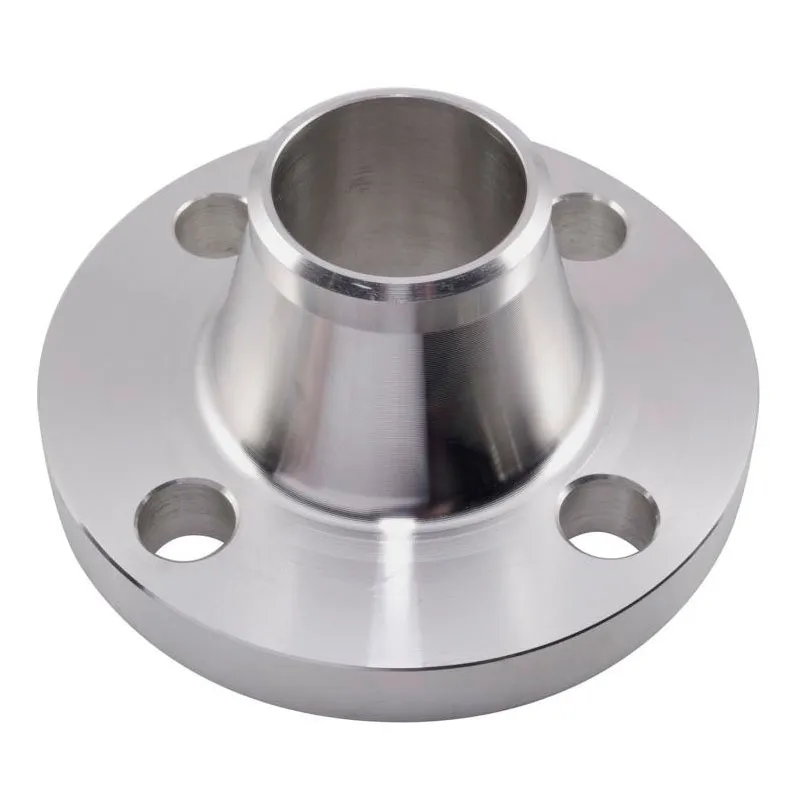
Best Sellingproducts
Best Selling Products-
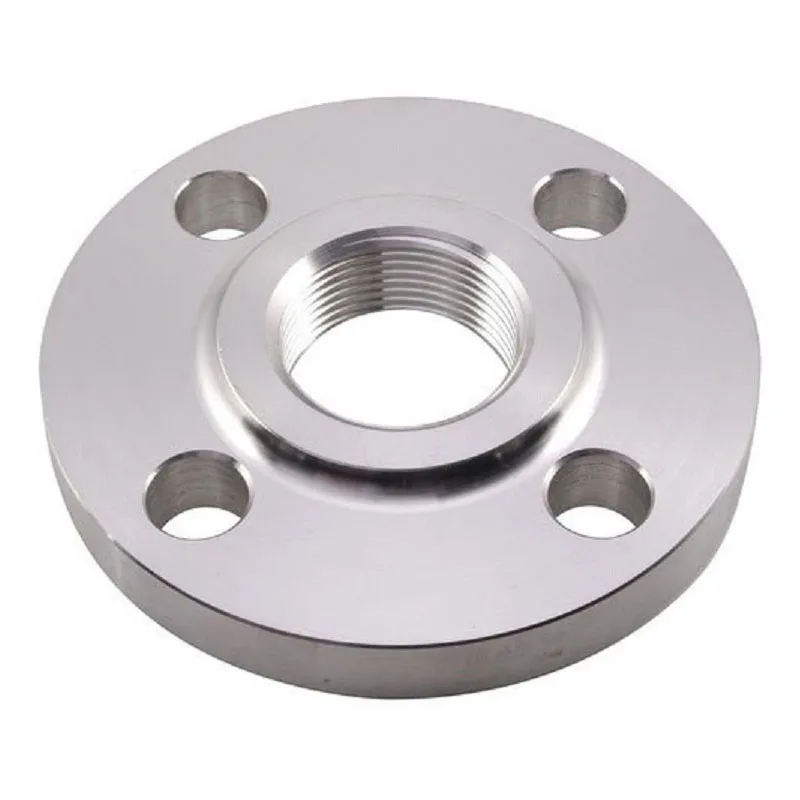 DIN 2566 Threaded flanges PN16
 -
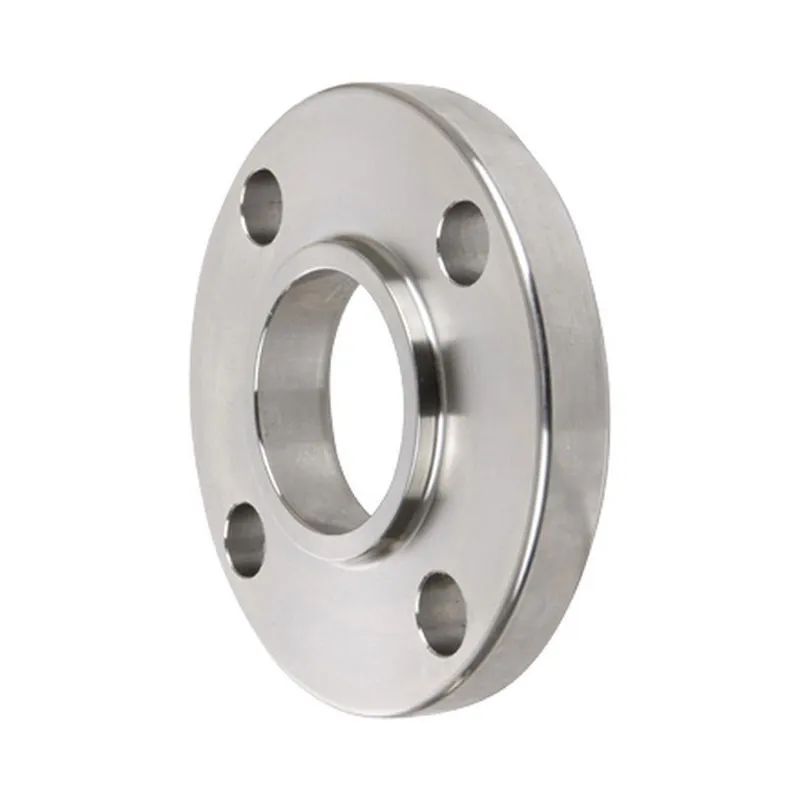 DIN 2501 Overlay flanges PN16
 -
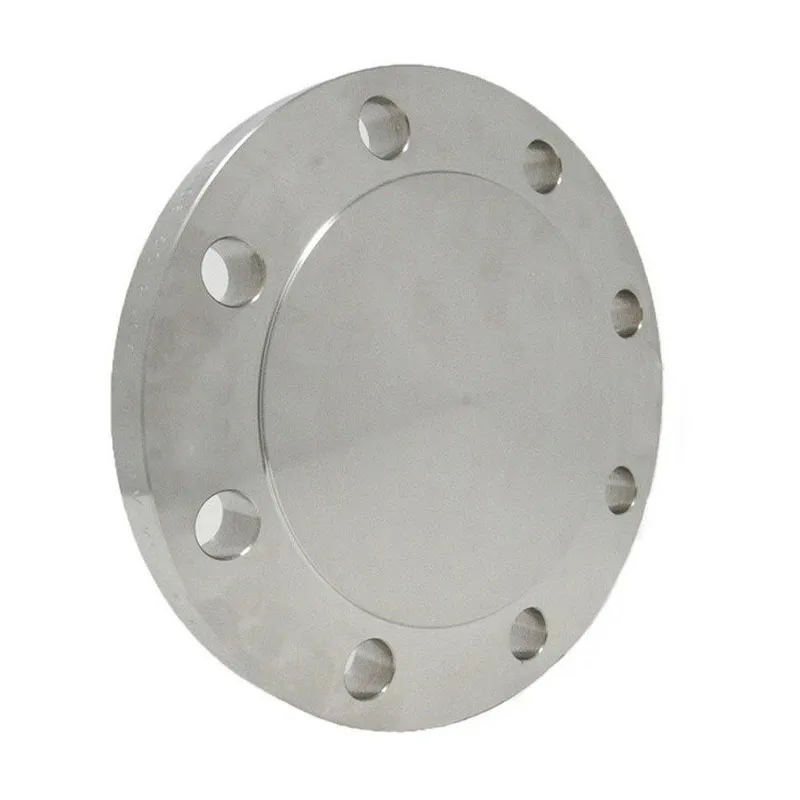 EN 1092-1 Blind flanges Type 05, PN10
 -
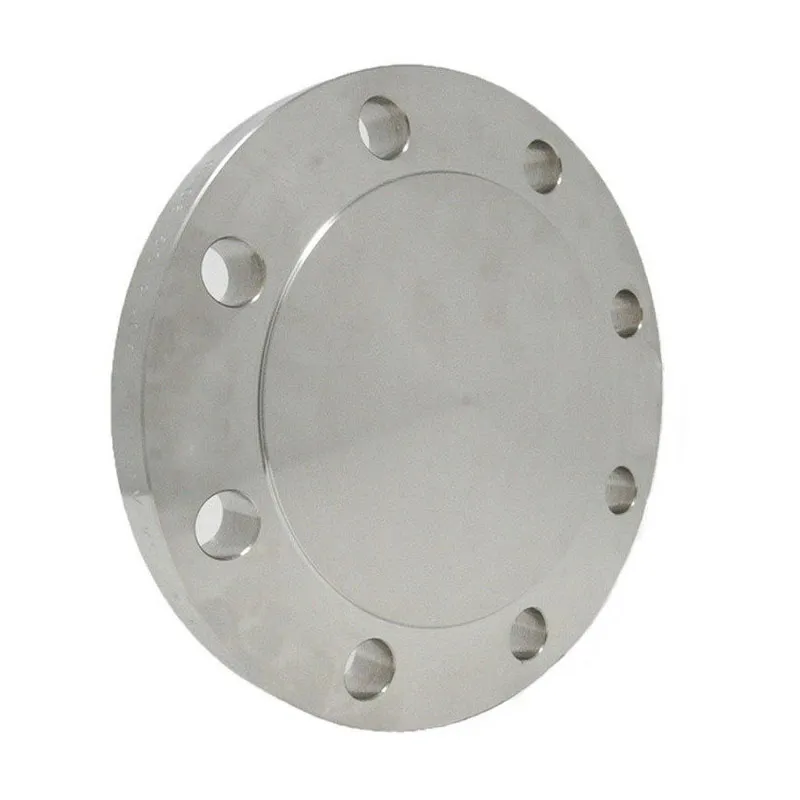 Blind flanges Class 150
 -
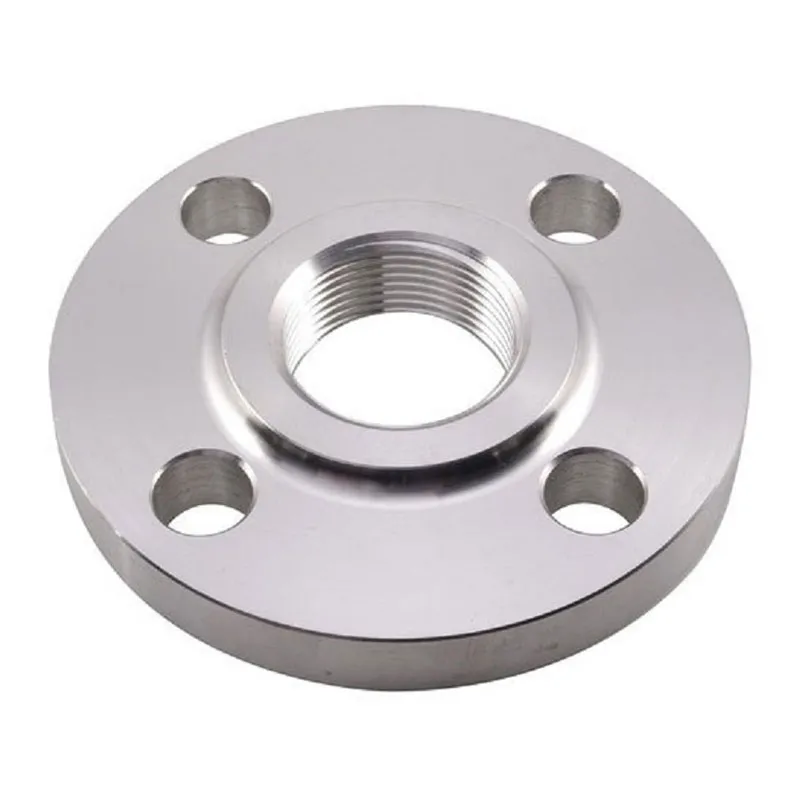 JIS 10K Overlay flanges
 -
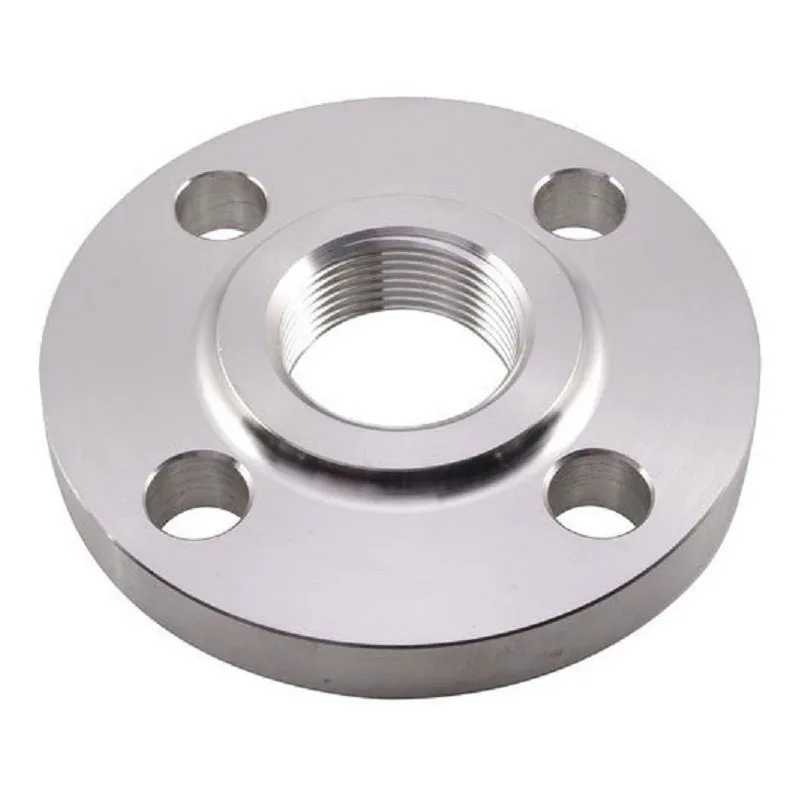 ANSI B16.5 Threaded Flanges Class 600
 -
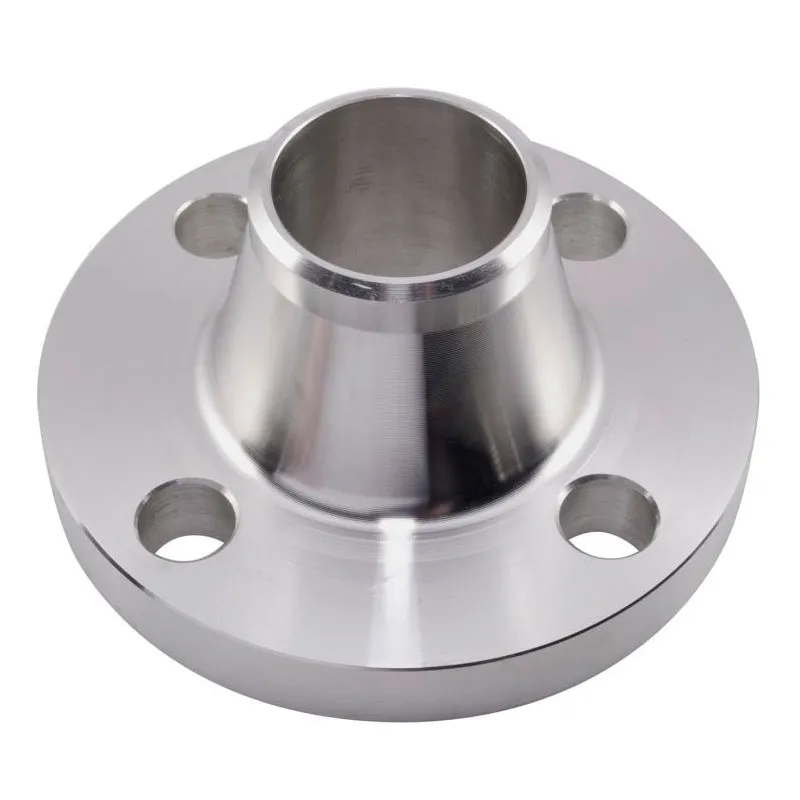 UNI 2281 Butt weld flanges PN10
 -
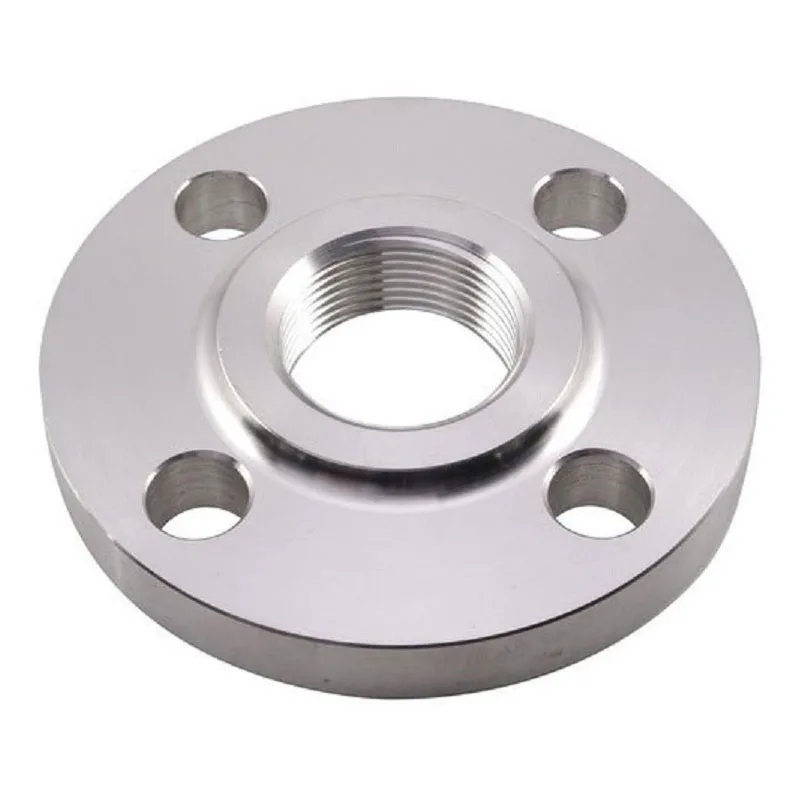 JIS 10K Threaded Flanges
 -
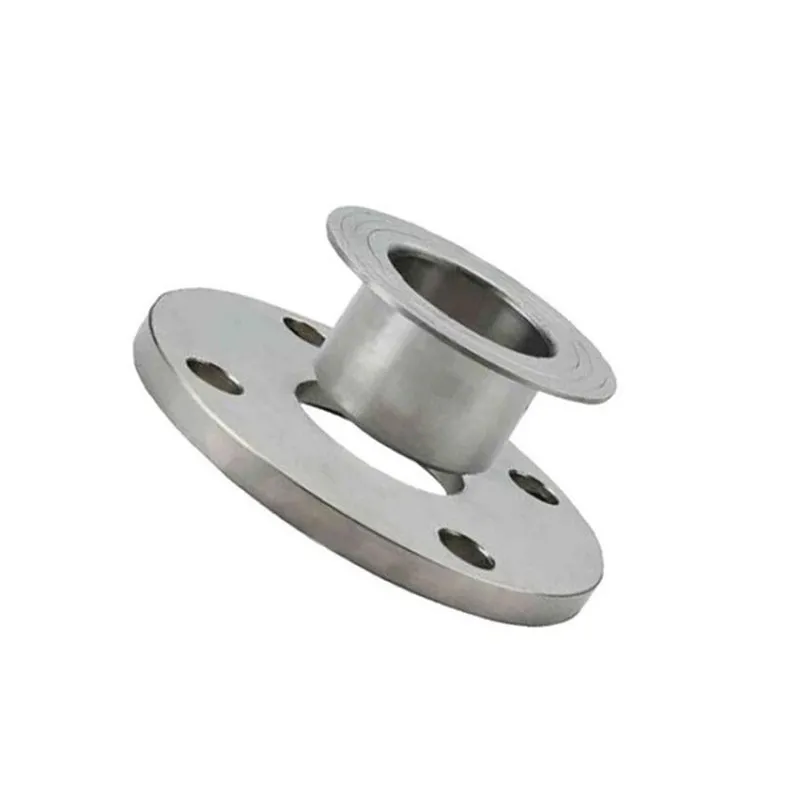 JIS 10K Loose Ring Flanges
 -
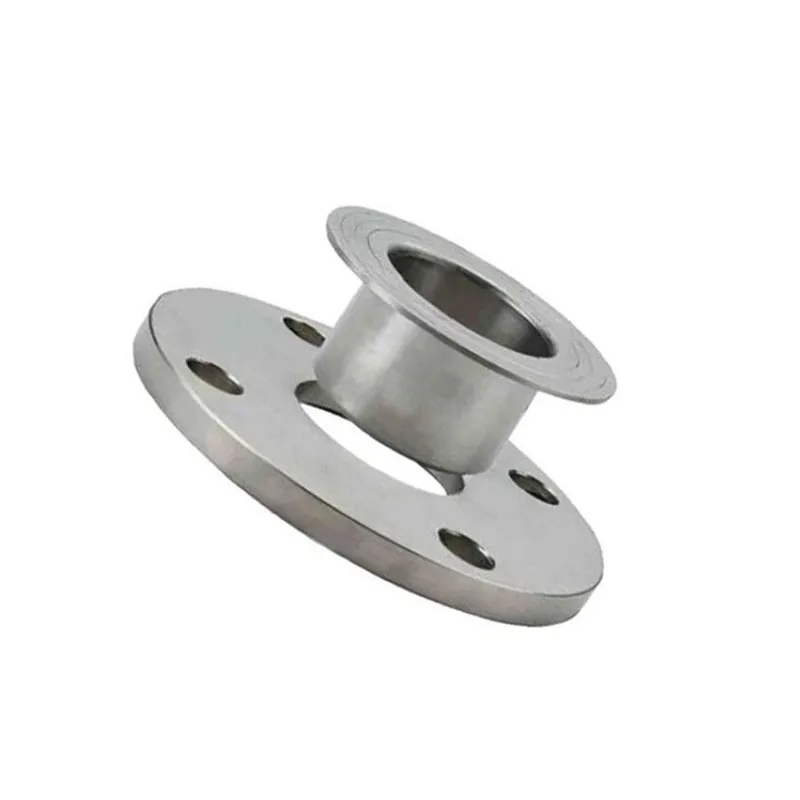 Free ring flanges Class 400
 -
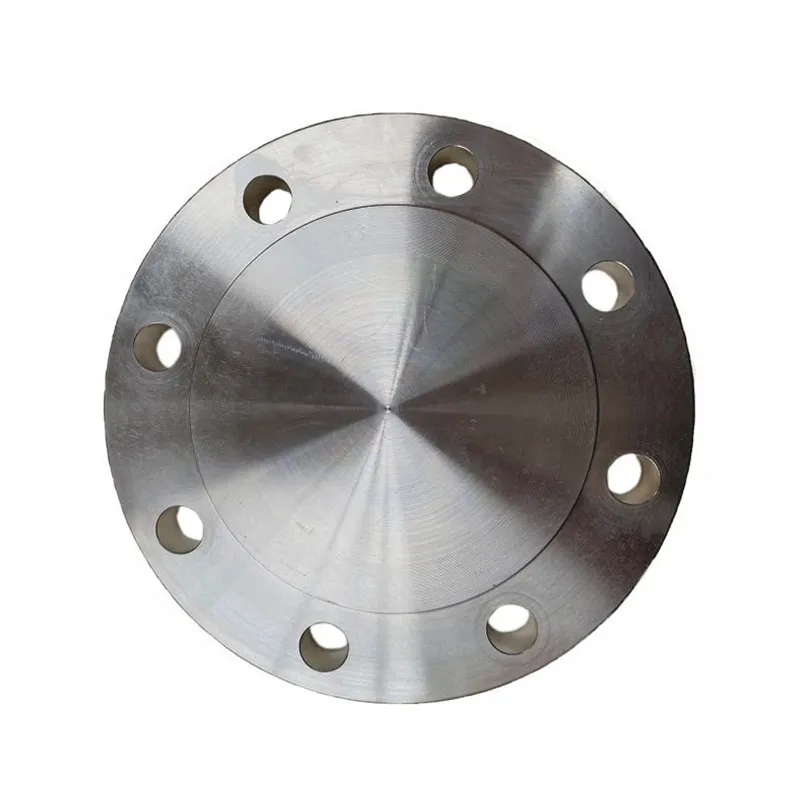 DIN 2527 Blind flanges PN10
 -
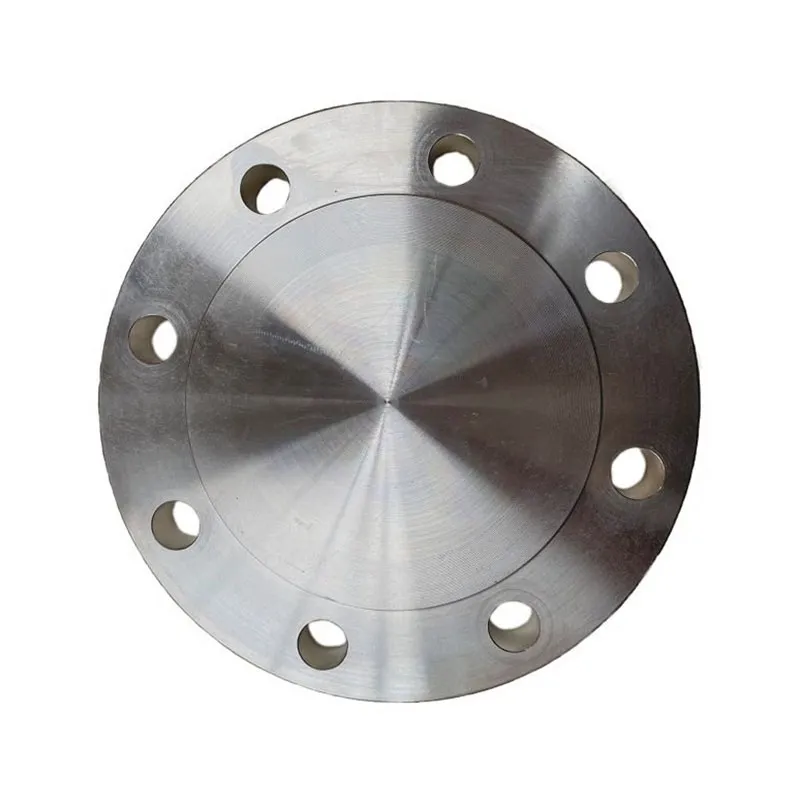 UNI 6092 Blind flanges PN10