
-
-
Phone
+86-13623462298




steel flange 300 mm
When they say “steel flange 300 mm?”, many immediately imagine just a disk with holes. But in practice, especially in critical pipelines, this is often the point where design tolerances meet shop reality. The most common mistake is to assume that the main thing is the diameter, and the material, type of execution and, critically, the standard are a secondary matter. Here, in the forging industry, we had to understand from the very beginning: 300 mm according to GOST is not 300 mm according to ASME, and certainly not just “about 12 inches”. The difference in installation dimensions, in thickness, in the geometry of the conical part for welding - all this is not on paper, but in the metal, which then will not fit together on site.
From drawing to forging: where the real flange is born
Take, for example, our experience with an order for a batchsteel flanges 300 mmaccording to GOST 12821-80 for a petrochemical enterprise. The terms of reference were clear: steel 09G2S, version 1, pressure Py 6.3 MPa. It would seem, take it and do it. But when analyzing the loads and the environment (there was an aggressive component), a question arose regarding impact strength. The standard gives a range, but for specific operating conditions, especially with possible thermal shocks, it is better to raise the bar. It was necessary to coordinate with the technologists and the customer the adjustment of the heat treatment regime. This was not a GOST requirement, it was a common sense requirement so that the flange would not become a weak link in five years.
This is where the value of a manufacturer with a forging bias comes into play, as we do inShanxi Hongkai Forging Co.,Ltd. We don't just cut from sheets or turn from rolled products. For such diameters and pressures, forging is often used, especially ring forging. The workpiece is forged, the metal fibers follow the contour, which dramatically increases the mechanical characteristics. For the samesteel flange 300 mmfor high blood pressure is not marketing, but a necessity. I once saw the consequences of installing a flange made from a simply cut sheet on a steam line. The crack did not go along the weld, but right along the body of the flange, between the holes for the studs. The metal is “raw”, heterogeneous.
There is also a nuance with processing. After forging comes machining. And here, for 300 mm, the coaxiality of the holes for the studs and the parallelism of the sealing surfaces are critical. There was a story when a third-party production company saved money on the finishing operation and resulted in runout. It seemed to be within the tolerance limits, but during installation the gasket kneaded unevenly and immediately began to leak during hydrotesting. I had to take it off and take it to boring. The downtime of the facility turned out to be several times more expensive than what was “saved”. That's why on our websitehkflange.ruWe always emphasize that geometry control is not only CNC, but also the final measurement of key parameters for each batch.
Standards and real objects: DIN, ASME, GOST - where are the pitfalls
Working for the international market, you are constantly faced with confusion in standards. The client says: ?Needsteel flange 300 mmby 150 pounds?. We are converting to DN300, but this is just the beginning. ASME B16.5 is one set of dimensions, DIN EN 1092-1 is another. What if this is a project for the CIS, but with an eye on European equipment? Often adapter flanges or designs with special seals (of the tongue-and-groove type according to DIN) are required, which are not provided for in GOST. Our production is precisely designed for such flexibility - from standard standard sizes to non-standard according to drawings.
Here is a specific case. An order from Kazakhstan for the reconstruction of the pipeline. Were neededsteel flangesexactly 300 mm, but for joining old Soviet equipment (GOST) with new German pumps (DIN). Simply taking a flange according to GOST and drilling it for another circle of bolts is not an option, as the sealing surface would not match. Essentially, they made a transitional design: on the one hand, the geometry and drilling were in accordance with GOST 12820-80 (flat flange), on the other, in accordance with DIN 2635. The key was to accurately maintain the thickness and distance between the surfaces, so as not to create bending moments on the pump nozzles. We made it, shipped it, based on feedback - it was installed without any problems.
Therefore, in the company descriptionShanxi Hongkai Forging Co.,LtdIt’s not for nothing that there is a long list of standards: GOST, ASME, EN, DIN. This is not for beauty in a catalogue. This is a daily practice. Some might think that the difference in millimeters is nonsense. But in the main pipe, where dozens of studs are tightened with a force of several tons, these millimeters and tenths of a millimeter determine whether the connection will be sealed for decades or will leak at the first serious pressure surge.
Loose vs butt welded: choice for 300 mm
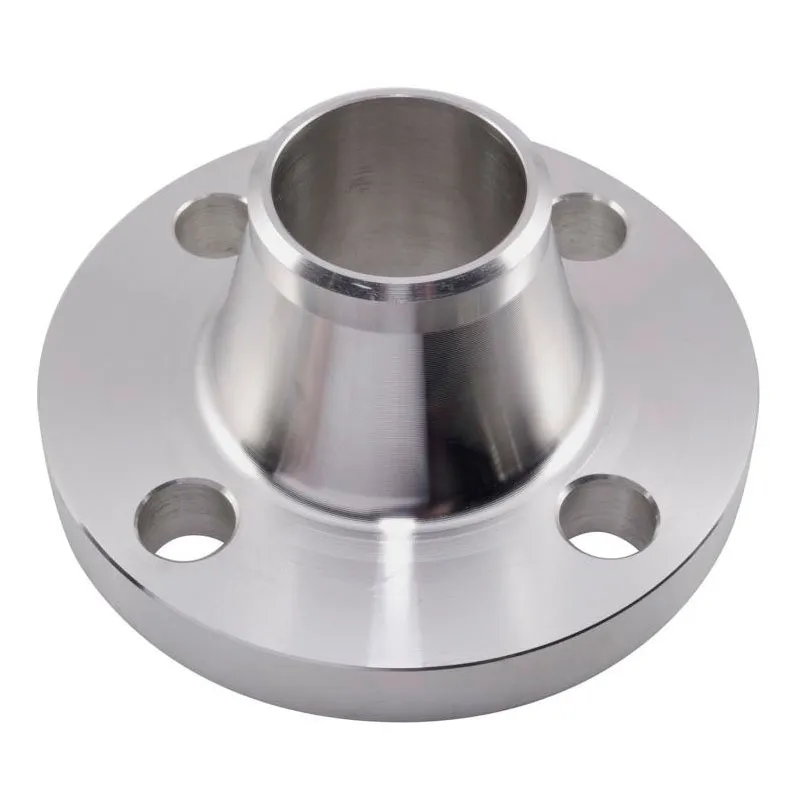
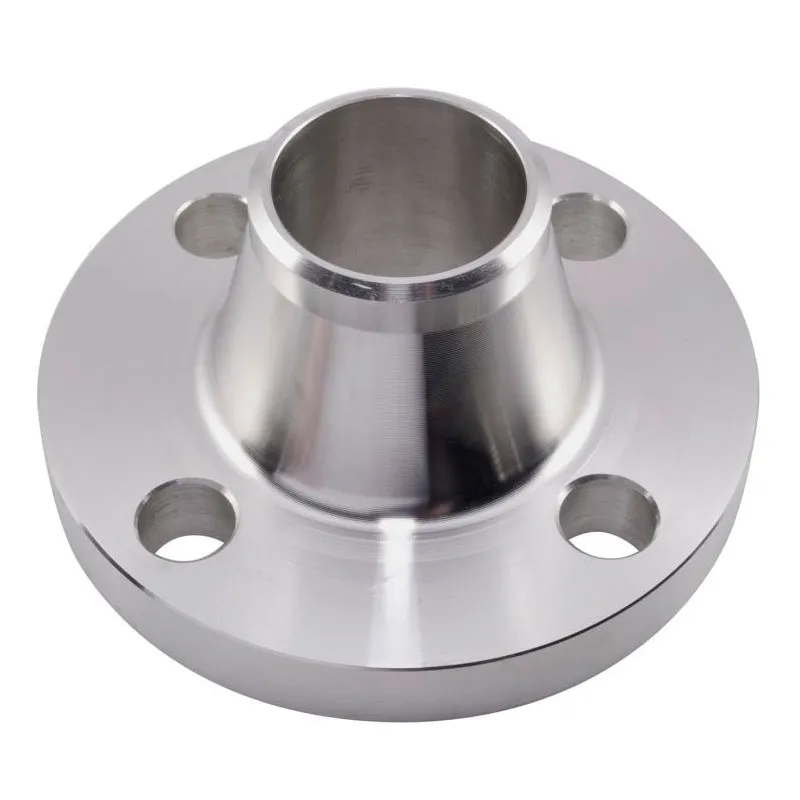
For a diameter of 300 mm, choosing the type of flange is already a serious technical and economic task. Often customers, saving money, ask for flat welded ones (GOST 12820). They are cheaper to produce. But for pressures above 2.5 MPa and especially at variable loads or high temperatures, I would always recommendbutt welded steel flanges(GOST 12821). Why? The butt flange has a tapered neck. It provides a smooth transition from the thickness of the pipe to the massive flange, reducing stress concentrations. For 300 mm this is critical. The flat flange, lap welded, creates a hard stepped transition - a risk point for fatigue cracks.
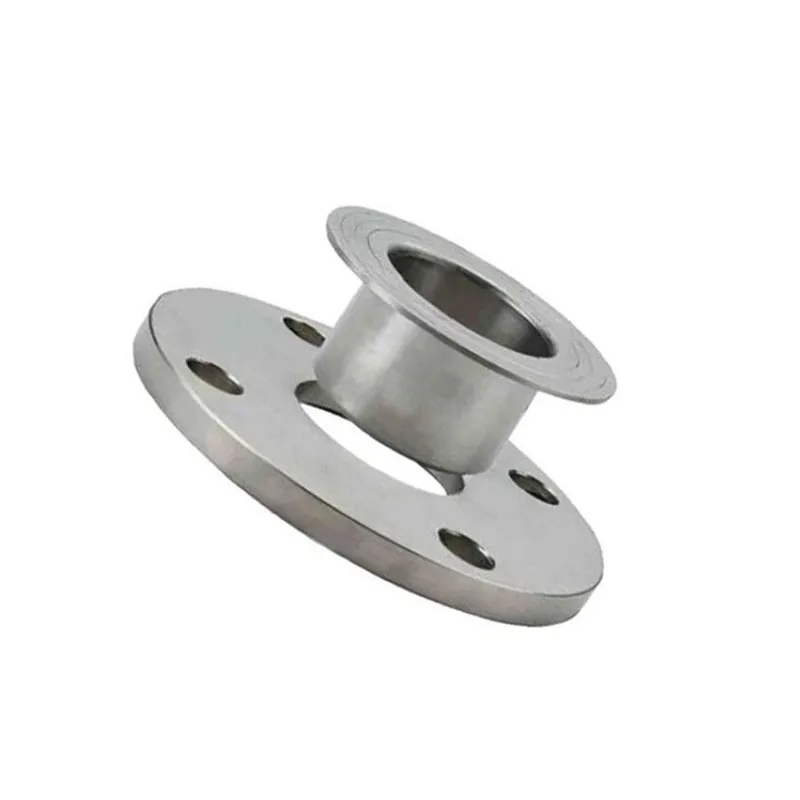
We had experience when, for installation on an existing pipeline, we ordered 300 mm loose flanges with a welded ring (GOST 12822). The customer’s logic was clear: installation is more convenient, you can accurately align the ring for welding, and then tighten the flange. But they did not take into account the pressure limit for loose flanges and the pipeline material (high-alloy steel). We made the ring from the required steel, and the free flange from carbon steel. As a result, due to the difference in the coefficients of thermal expansion during cyclic heating, a leak occurred at the joint. They converted them to solid forged butt joints - the problem went away. Lesson: For large diameters and difficult conditions, loose flanges are not a panacea; case by case must be considered.
In our production in China, one of the main forging centers, as noted in the company profile, we can offer both options. But technical specialists always ask for operating conditions: pressure, temperature, environment, nature of the loads. And even then they advise what will be more reliable. Sometimes, by the way, for 300 mm it is more profitable and reliable not to use a standard flange, but to use a solid forging “pipe-flange”, especially for rotary units or particularly critical areas. We do this too, but this is an individual calculation.
Control: what you should be wary of upon acceptance
Getting the lotsteel flanges 300 mm, it’s not enough to check the diameter and count the holes. The first thing I look at is the markings. It must be clear: trademark (for us it is HK), steel grade, nominal pressure, type of execution (for GOST), standard. If the marking is weak or applied with paint, then the seriousness of the manufacturer is a question.
The second is visual and measurement. Take a caliper and a micrometer. We measure the thickness of the disk, the height of the neck (for butt joints), and the diameters of the centers of the holes. Particular attention is paid to the sealing surface. It must be clean, without holes, burrs, or risks. Even a small scratch can become a path for leakage. We check the geometry - put the flange on the plate, look at the clearance. There shouldn't be a "propeller". For important orders, of course, ultrasonic testing or hardness testing is carried out, but this is already a laboratory. On the spot, it is often possible to weed out obvious defects.
And the third point is packaging. Seems small? No matter how it is. A flange weighing 30-40 kg, thrown into a container without gaskets, will receive chips on the edges or scratches on the surface during transportation. We always pack in wooden boxes with separators, each layer is shifted. This is to protect our own reputation. Go tohttps://www.hkflange.ru- this can be seen in the section with photographs of production and warehouse. Caring for the finished product is part of the quality culture.
Bottom line: 300 mm as a measure of responsibility
As a result,steel flange 300 mmis not just a position in the specification. This is the node on which the integrity of the circuit depends. Be it a heating network, an oil pipeline or a chemical reactor. The manufacturer's choice here is a choice between formal compliance with the drawing and a deep understanding of how this piece of metal will work in real, often non-ideal, conditions.
Our enterpriseShanxi Hongkai Forging Co.,Ltd, positions itself not as just another trading house, but as a manufacturer with a full cycle - from forging the workpiece to finishing and control. This allows us to not just make “discs with holes,” but to offer solutions that take into account both the standard and practical experience in installation and operation. The range up to DN4000 is not just for show, it means that we have the equipment and competence for large, complex products, where 300 mm is far from the limit.
So the next time you order flanges, look beyond the unit price. Ask how the workpiece is made, what kind of control has been passed, and whether the technologist and engineer are ready to discuss the non-standard conditions of your project. This is the very difference between scrap metal and a reliable element of pipeline fittings. And 300 millimeters is an excellent reason for such a serious conversation.
Correspondingproducts
Related Products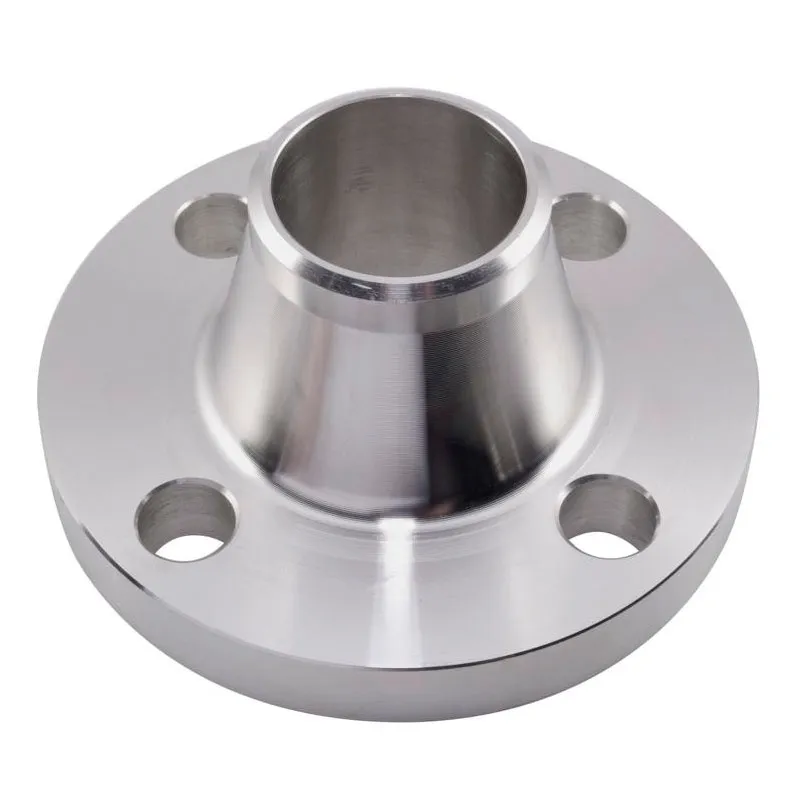

Best Sellingproducts
Best Selling Products-
 UNI 2281 Butt weld flanges PN10
 -
 Flanges for socket welding
 -
 DIN 2565 Threaded flanges PN6
 -
 DIN 2566 Threaded flanges PN16
 -
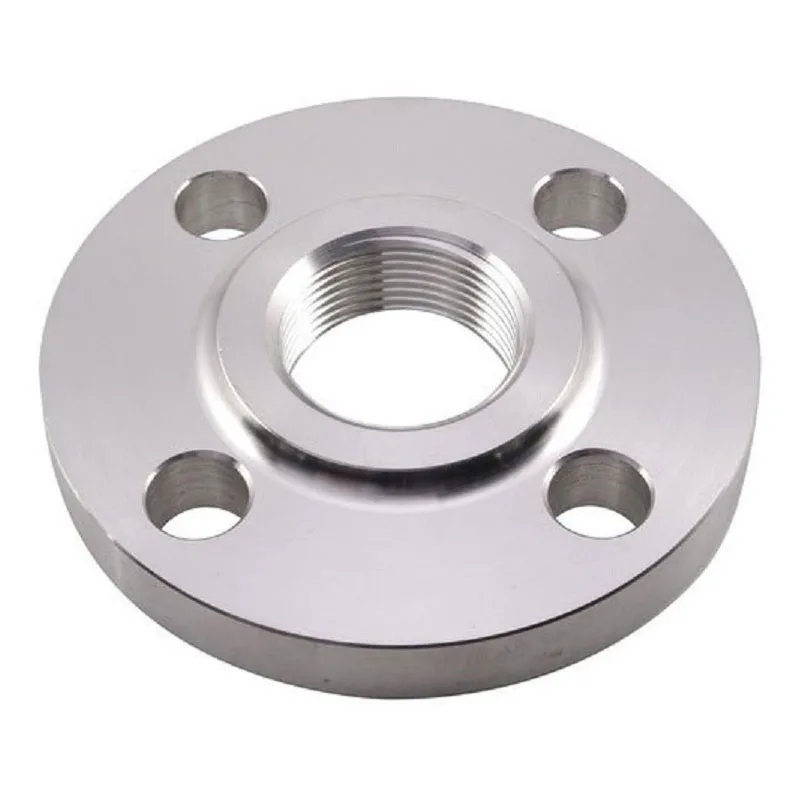 JIS 10K Threaded Flanges
 -
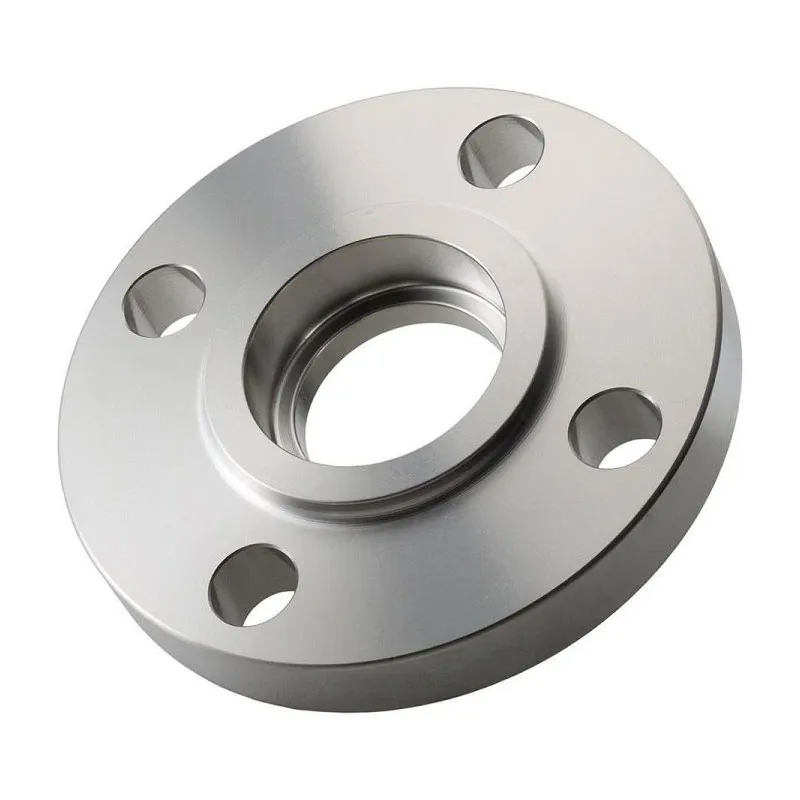 ANSI B16.5 Socket Weld Flanges Class 150
 -
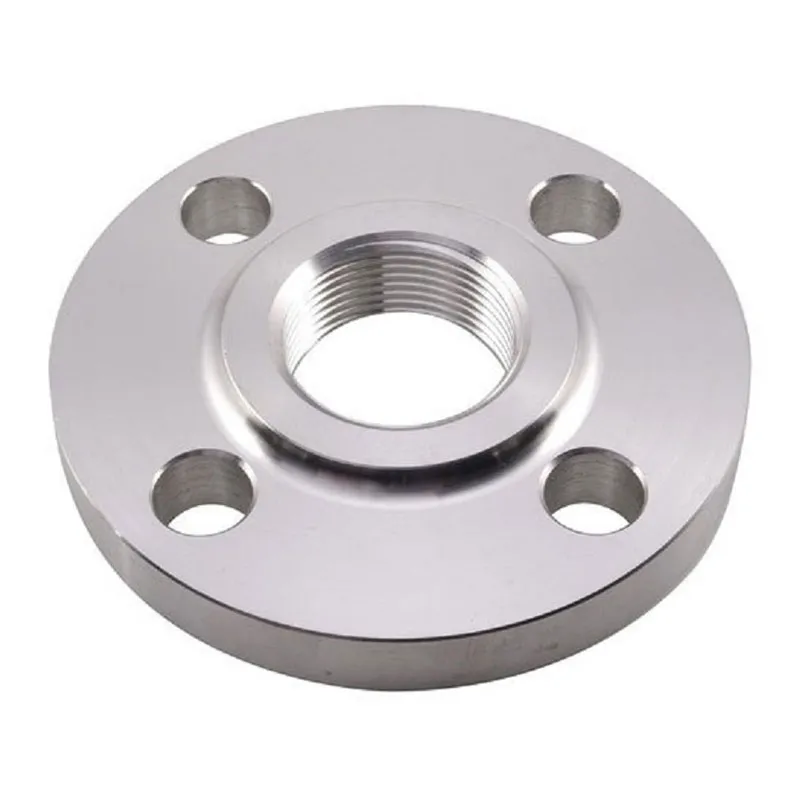 JIS 10K Overlay flanges
 -
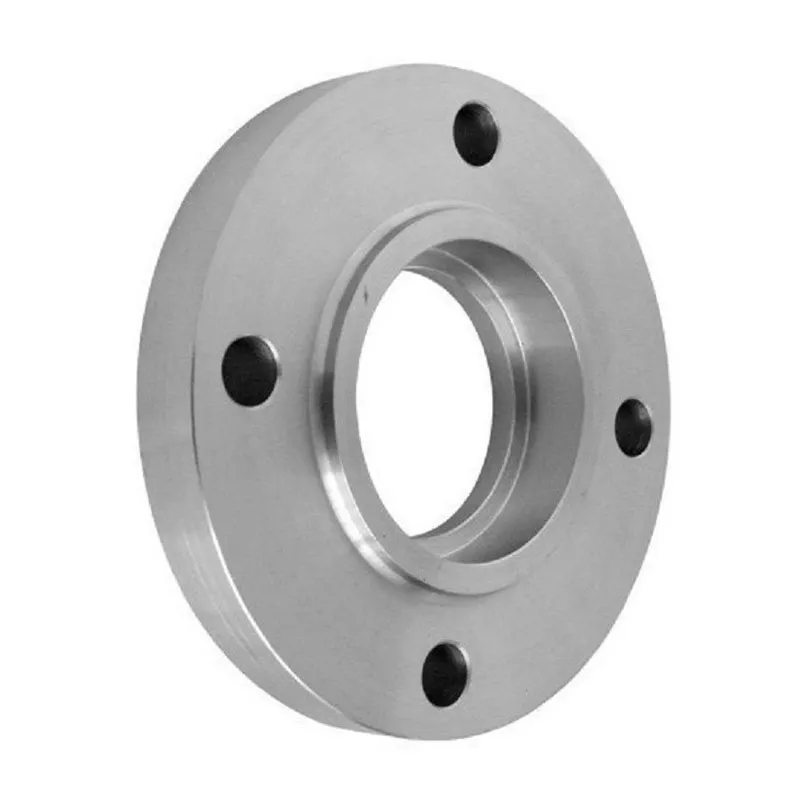 Socket Weld Flanges Class 300
 -
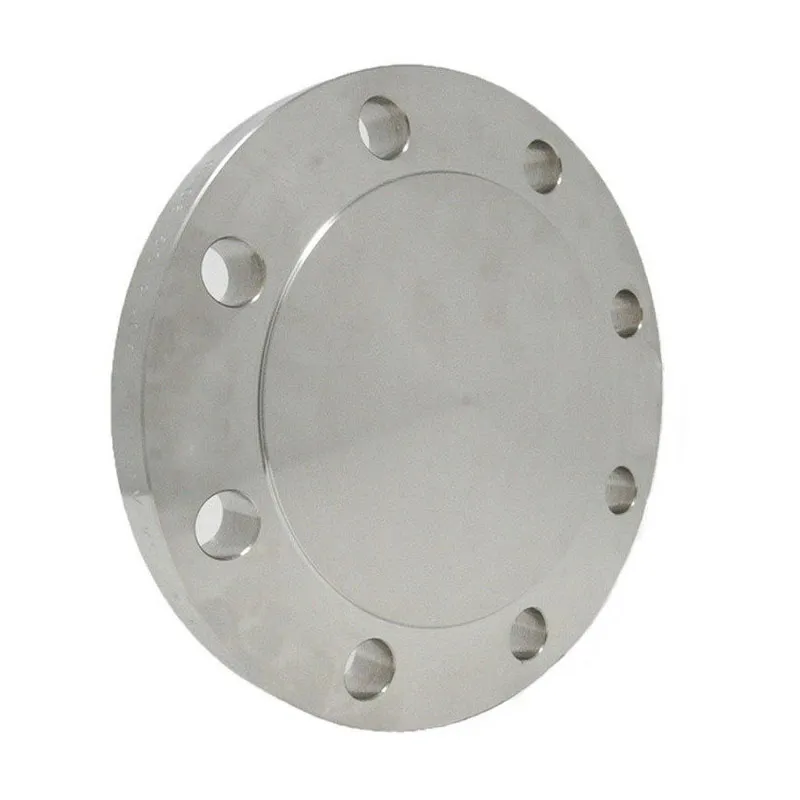 Blind flanges Class 150
 -
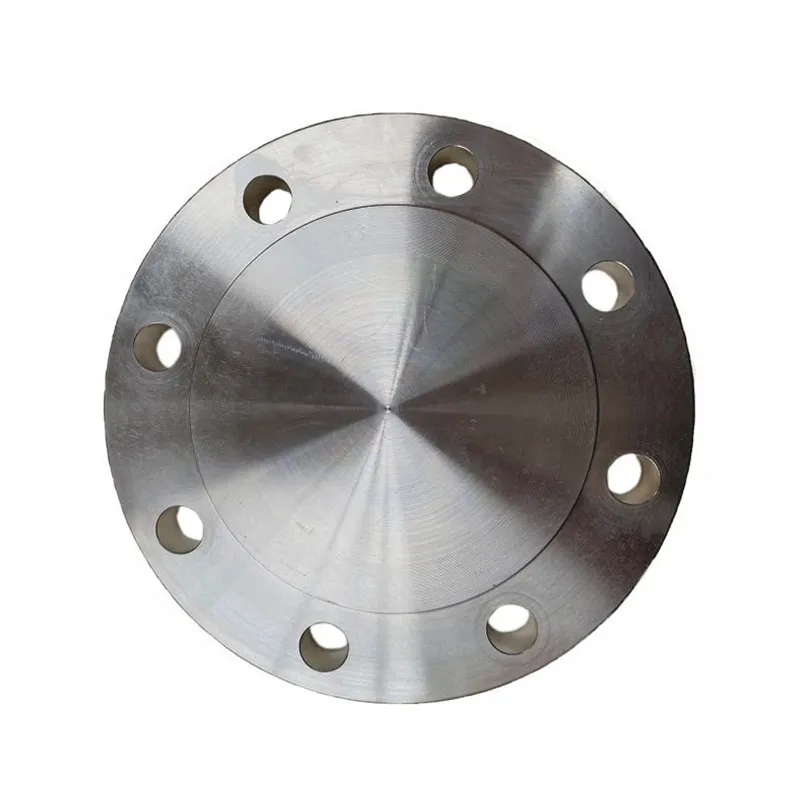 DIN 2527 Blind flanges PN10
 -
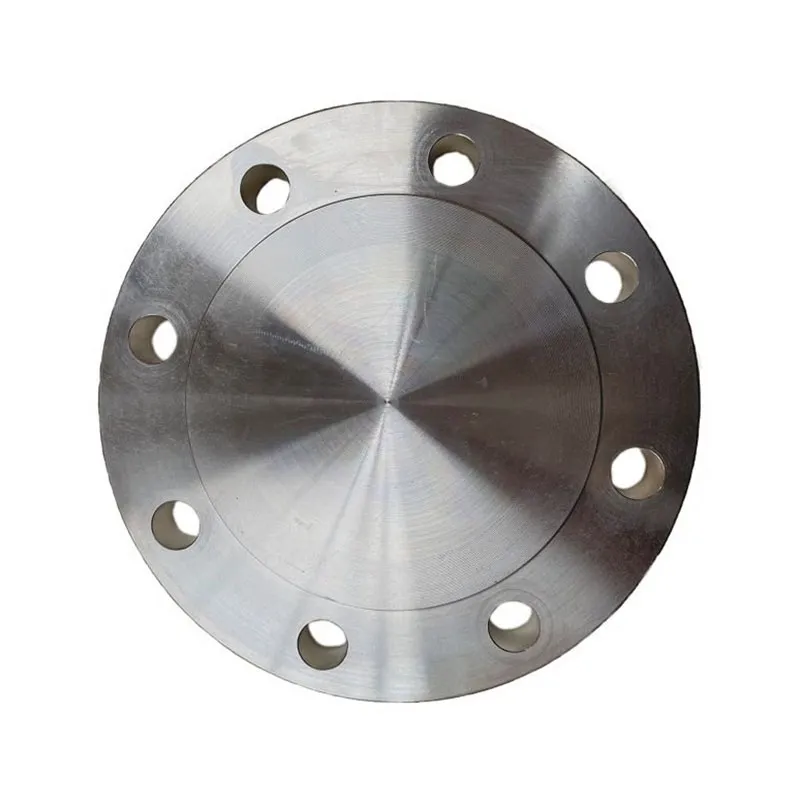 ASME B16.47 Ser.A Blind Flanges Class 400
 -
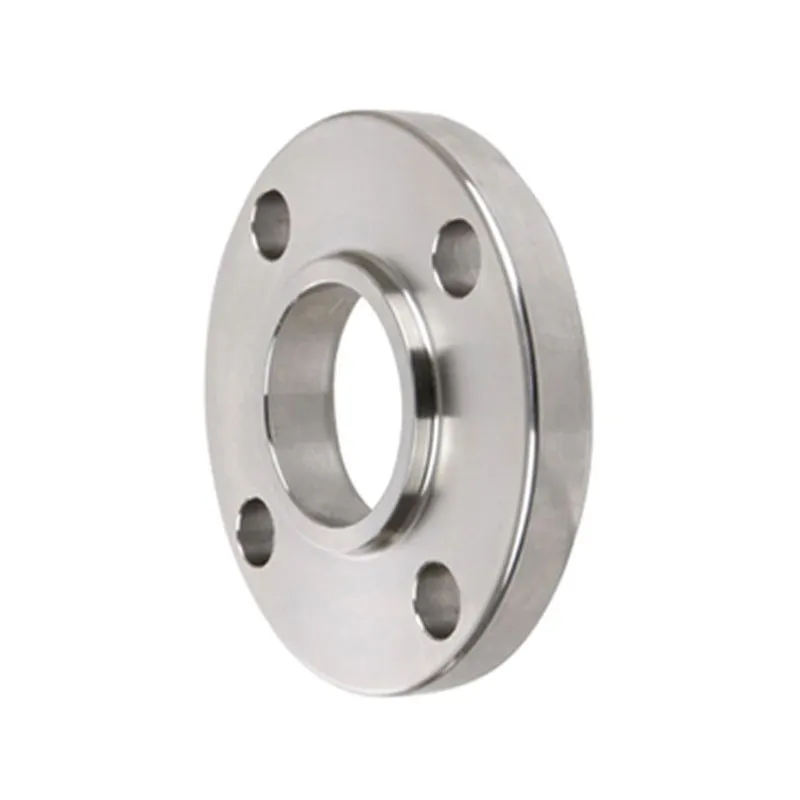 ANSI B16.5 Lap-on flanges Class 300