
-
-
Phone
+86-13623462298




flange on heating element
When they say “flange on a heating element,” many immediately imagine a standard flat flange with a pair of holes for bolts, which supposedly can be taken from any batch and placed on the heater. This is where the first pitfall lies. In reality, if we are talking about serious industrial equipment, for example, for the same boiler or process tank, this node is a critical connection. It operates under pressure, with cyclic temperature expansions, often in aggressive environments. And not everyoneflangewill do here. I myself believed for a long time that the main thing was compliance in diameter and pressure (conditional pressure, PN or Class), until I encountered a situation where a flange, formally suitable according to GOST, leaked after six months of operation. The reason turned out to be in the material and, oddly enough, in the manufacturing method - the cast flange could not withstand the vibrations that the heating element created. Since then, I always look at two things: is it forging or casting, and what grade of steel is it.
Material and production method: where the difference lies
Here experience suggests that forflange on heating elementin most critical cases, you need to look for forged products. Why? Forging has a fibrous metal structure, it is more uniform and durable, there are no internal cavities, like casting. This is especially important for flanges that will operate under temperature changes - forging has better fatigue resistance. I have seen specifications for replacement flanges in heat exchangers, which clearly stated: “forged, according to ASME B16.5, material A105?” This is not just a whim, it is a calculation of resources.
By the way, about materials. For steam systems or systems with hot coolant, steel 20 or 09G2S is often used according to our standards, and for aggressive environments - stainless steel, type 12Х18Н10Т or AISI 304/316. But here's a caveat: if the flange is made of stainless steel and the bolts are made of carbon steel, galvanic corrosion may occur. I had to disassemble such a connection where the bolts were literally “stuck?” because of this. Now I always check the “flange-fastener” pair. according to the material.
As for manufacturers, it is important to find a supplier who works specifically with forging, and not just sells everything. For example, lately for non-standard tasks I have been paying attention toShanxi Hongkai Forging Co.,Ltd. They are positioned as a manufacturer of forged flanges and forgings, and what is important is that they work to international standards. Their websitehttps://www.hkflange.ruIt is useful to look to understand the range. They make flanges in accordance with GOST, ASME, DIN and other standards, which indicates the possibility of selection for a specific project, and not just for “standard” ones. conditions. Their ability to make products according to customer drawings is especially valuable - for non-standard heating elements or hole locations this is often a necessity.
Design Features: More than just a flat flange
When you orderflange for heating element, in the application they often simply indicate “flat flange”. But there are many connection types. For a heating element, which is a replaceable element, it is sometimes more logical to use a loose flange on a welded ring (loose flange). This makes it possible not to weld the flange itself to the casing of the device, but only the ring, which simplifies installation and dismantling of the heater. But there is also a specificity here: you need to accurately maintain the alignment of the ring and the free flange, otherwise misalignment is guaranteed.
Another practical point is the thickness of the flange and the configuration of the sealing surface. The most commonly used is protrusion-recession (male-female, RF). But if the environment is volatile or high temperature, sometimes a tongue-and-groove connection is required. (tongue and groove). Once I had to redo the assembly because the designer specified a flat sealing surface (FF), but in fact the pressure was higher, and the gasket was constantly leaking. I had to mill this very cavity on a ready-made flange. Expensive and ugly.
The size range is a different story. UShanxi Hongkai Forging Co.,LtdThe nomenclature states a range from DN15 right up to DN4000. For heating elements, of course, small diameters are more often used - DN25, DN32, DN50. But for large electrode boilers or boilers, DN150 or even more may be required. It is important that the manufacturer can ensure not just the diameter, but full compliance with all dimensions according to the standard: thickness, bolt circle diameter, sealing surface dimensions. Because buying a DN100 flange and then discovering that the bolt holes do not match the mating part is a classic mistake when working with different standards (say, GOST versus DIN).
Installation and pitfalls on the spot
The biggest illusion is that the flange has been purchased, the heating element is there, and can be assembled. In practice, assembling this assembly is an art. The first thing is tightening the bolts. It needs to be driven crosswise, with a torque wrench, with a certain torque. If you drag it, you can tell a story. flange, breaking the plane. If you don't tighten it enough, it will leak. I always recommend that after the first warm-up of the system (after reaching operating temperature), re-tighten all bolted connections on the flanges. The metal expanded, the gasket shrank - you can’t do without it.
The second common problem is the choice of gasket. For heating elements, where temperatures can be 150-300°C and higher, a regular paronite gasket can be of benefit. and then you can’t tear it off. Here you need graphite or metal (spiral wound) gaskets. But they also have a nuance: a spiral-wound gasket requires appropriate processing of the sealing surfaces of the flanges - a certain roughness. If the surfaces are too smooth, the gasket may rotate when tightened.
And the third point that is often forgotten is thermal expansion. The flange material and the material of the device body (or pipe) may be different. When heated, they expand differently. If this is not taken into account, additional stresses arise in the connection, which can lead to cracks, especially in the weld area. Therefore, for critical components, sometimes they even use flanges made of the same material as the main device, even if it is more expensive.
Non-standard situations and working with the manufacturer
It happens that a flange with a non-standard arrangement of holes is needed - for example, when a design feature of the device interferes. Or a flange with an additional sensor connection is required. This is where the ability to manufacture according to drawings comes in handy. The main thing is to provide the most detailed sketch indicating not only dimensions, but also tolerances, surface roughness, and inspection marks. In my practice, there was a case when, to replace a heating element in imported equipment, a flange according to the sample was required. They took the dimensions, made a drawing, and sent it to the factory. The key question was: “Can you make it from a forging?” Positive response from the manufacturer, the sameShanxi Hongkai Forging Co.,Ltd, solved the matter. They specialize in forging, which means they can forge a workpiece to almost any shape, and then process it.
Another aspect is certification. For some facilities (especially in the energy and petrochemical industries) it is required that flanges have certificates of conformity, possibly even with additional tests (Ultrasonic testing, for example). It’s good when a manufacturer, especially one working in accordance with international standards such as ASME or EN, can provide a complete package of documents. This is not bureaucracy, this is a guarantee that you put into the system exactly what you expected.
In the end, what is correct?flange for heating element? This is not just a piece of hardware with holes. This is a design unit selected according to material, manufacturing method (forging is preferable), type, size and standard. This is an understanding of its operating conditions (temperature, pressure, environment) and installation. And this is a choice in favor of a manufacturer who does not just sell, but manufactures, understanding the essence of the process. Because in our work there are no trifles, and a leak at the flange connection of a heating element always means a shutdown of production, repairs and, worst of all, questions about the competence of the person who assembled this connection.
Correspondingproducts
Related Products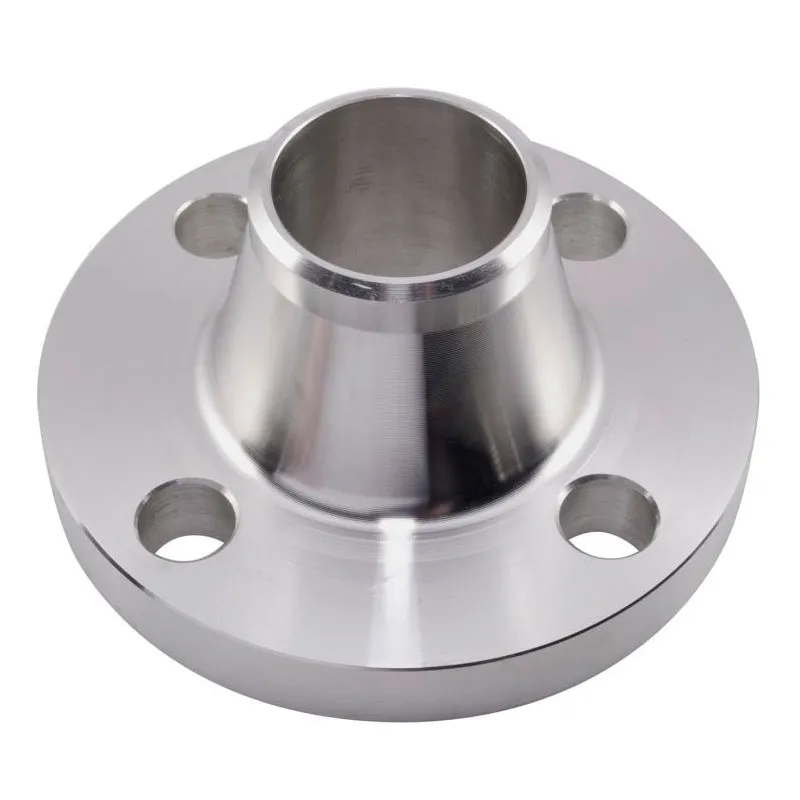
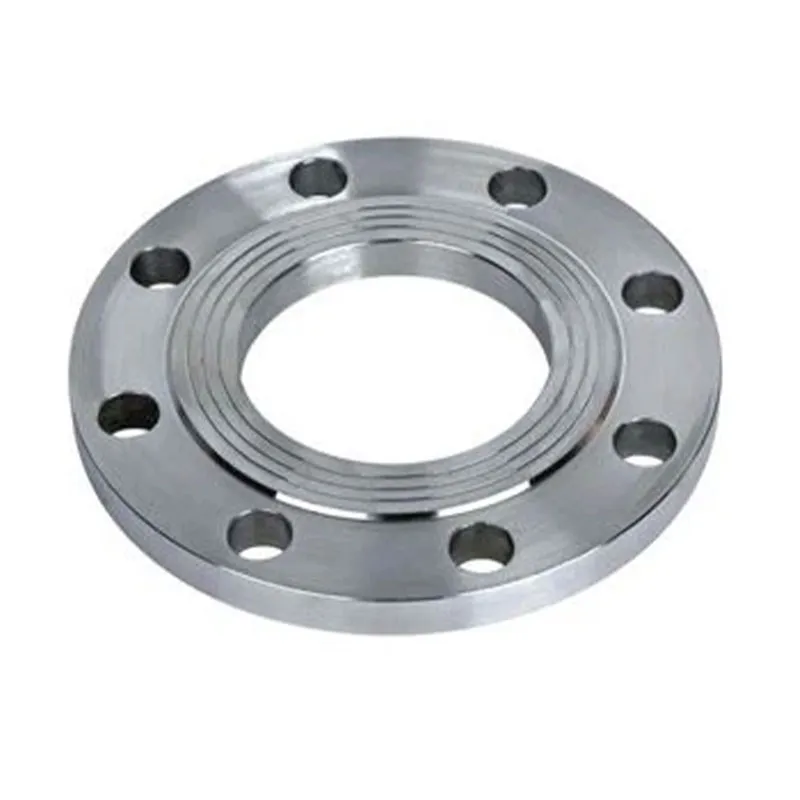
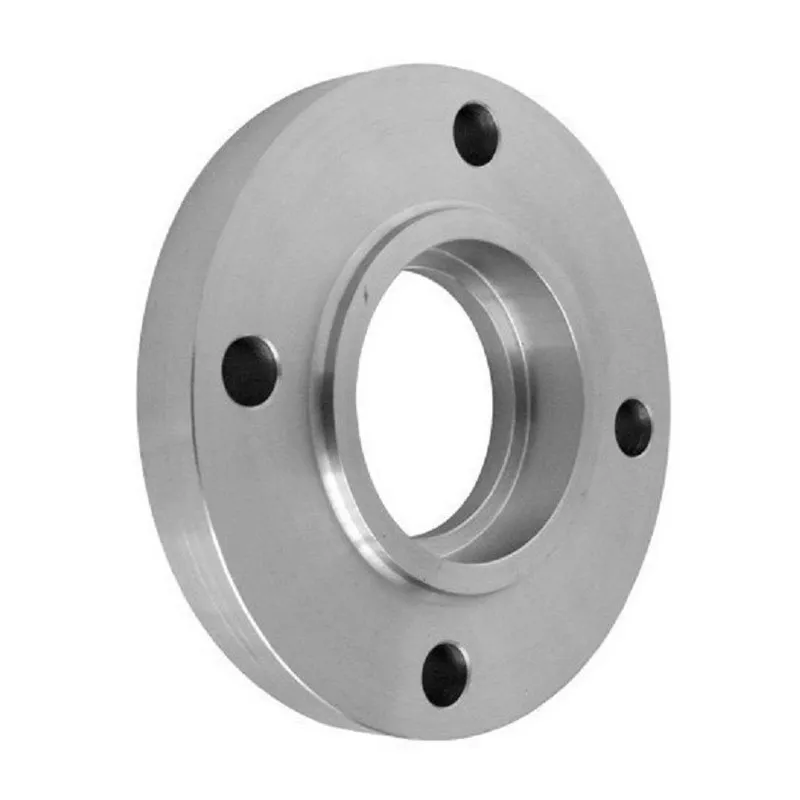
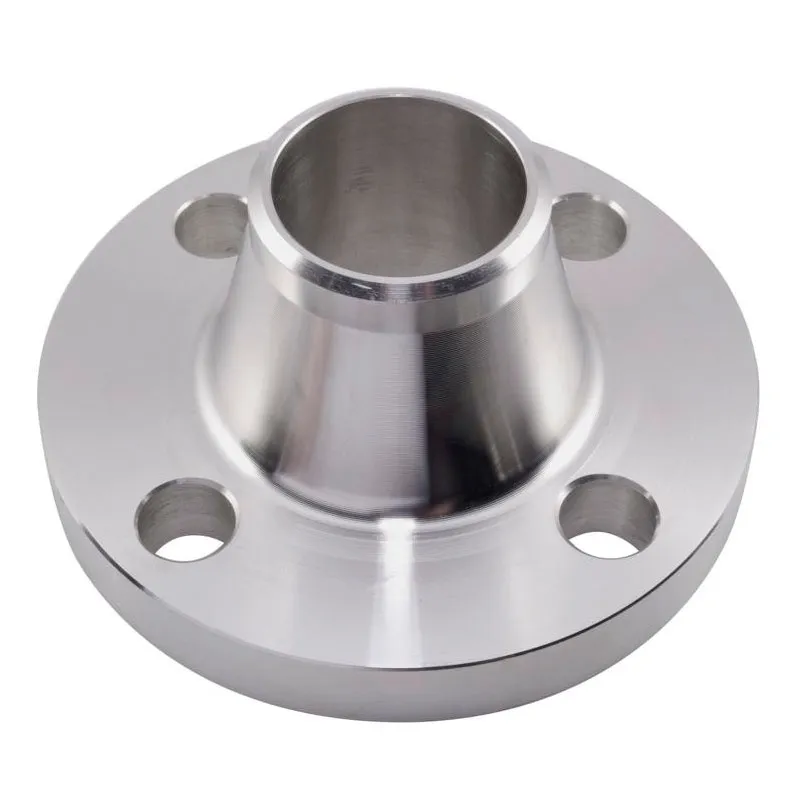

Best Sellingproducts
Best Selling Products-
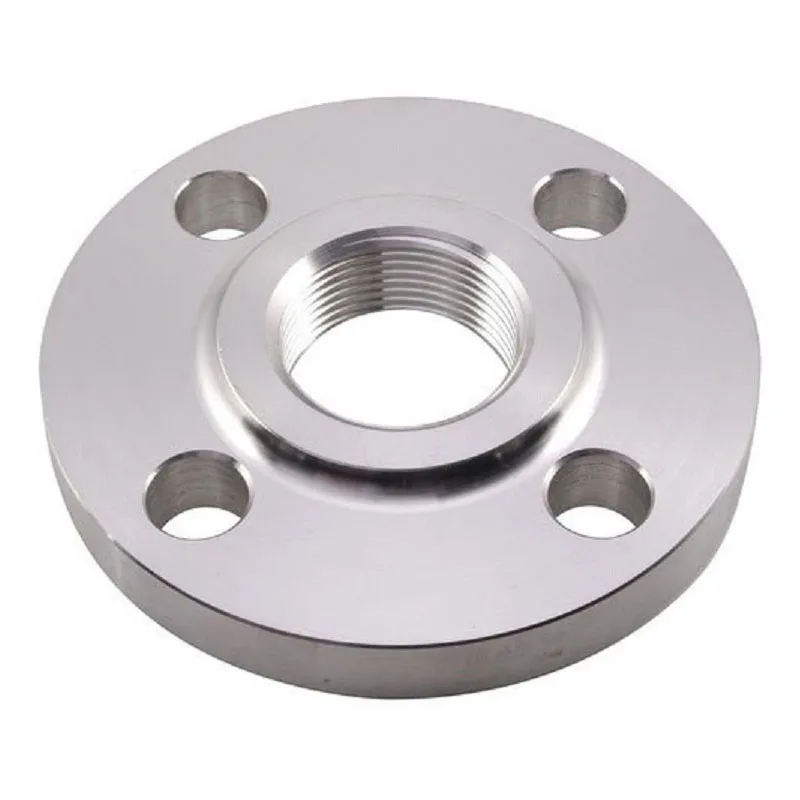
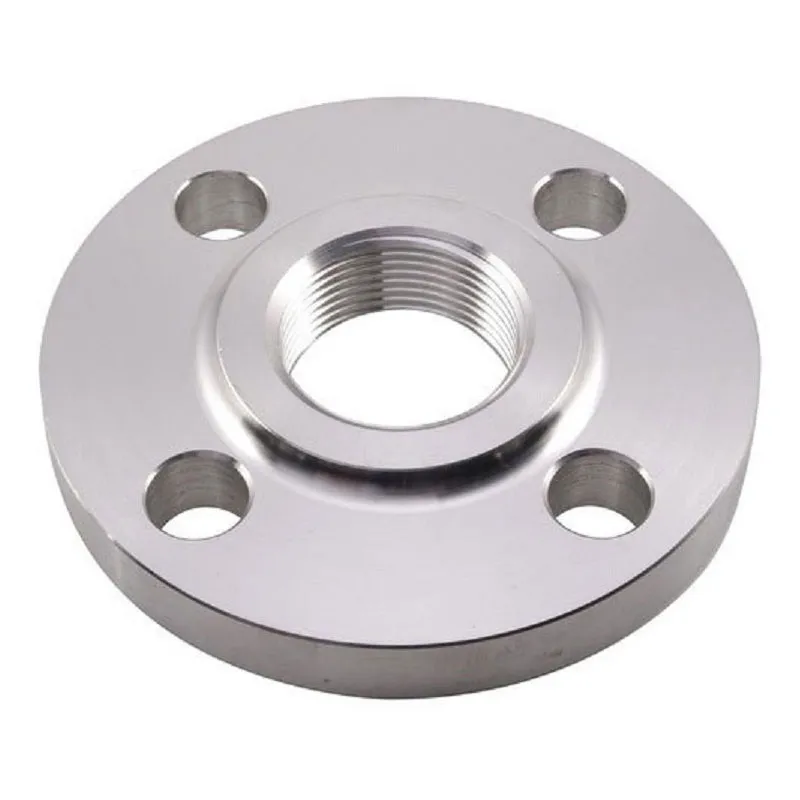 DIN 2565 Threaded flanges PN6
 -
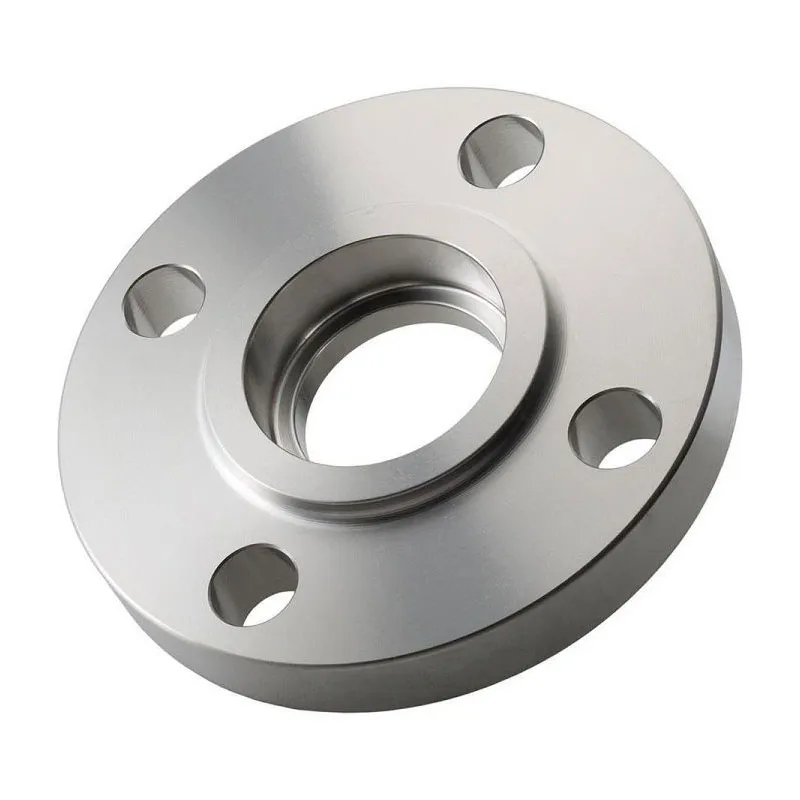
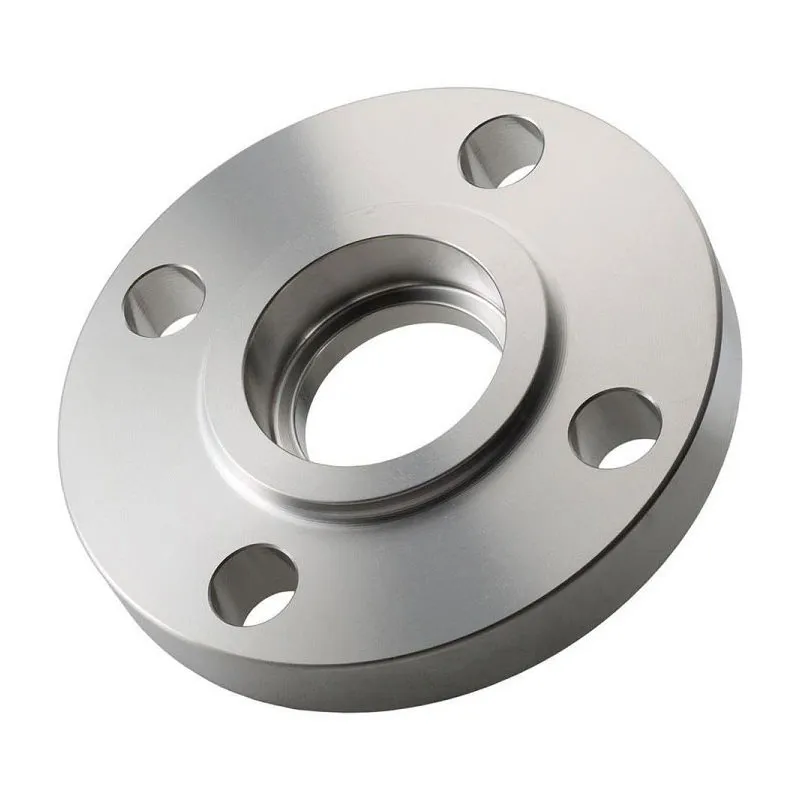 Flanges for socket welding
 -
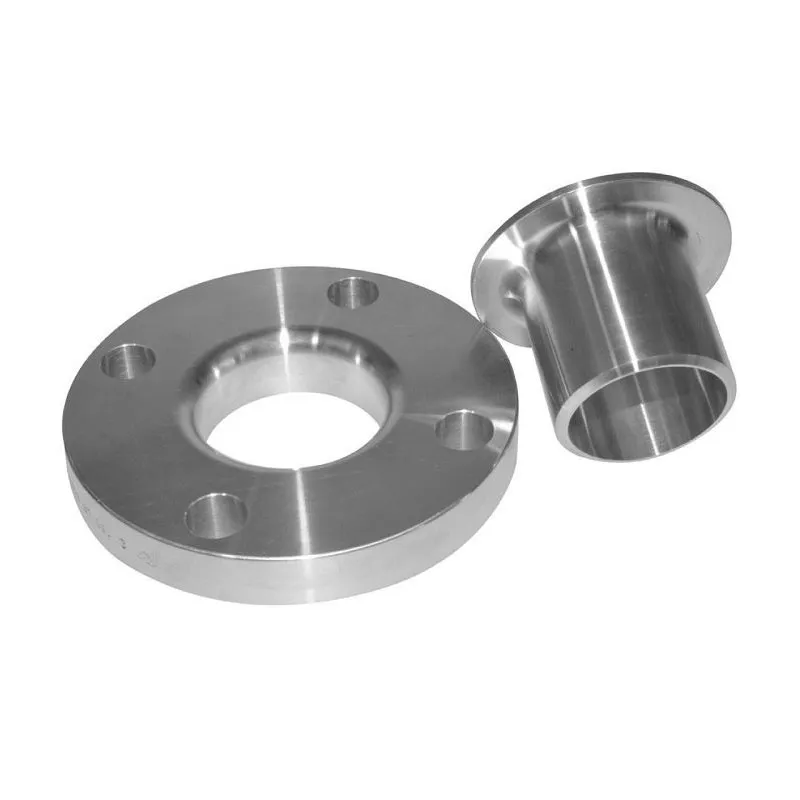 ANSI B16.5 Loose Ring Flanges Class 2500
 -
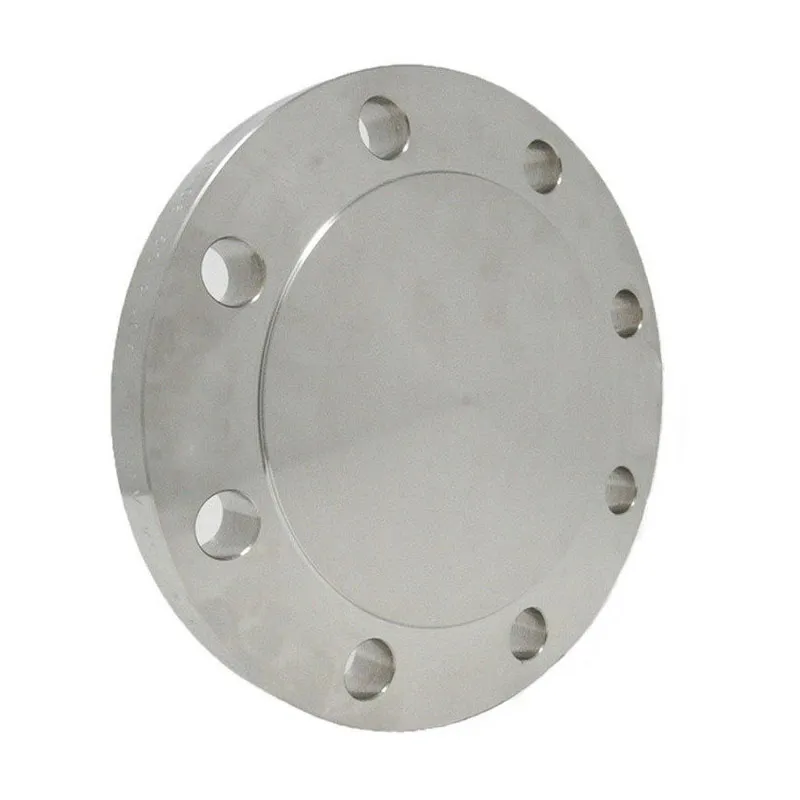 AWWA Blind Flanges Class D (Tables 1, 2, 3)
 -
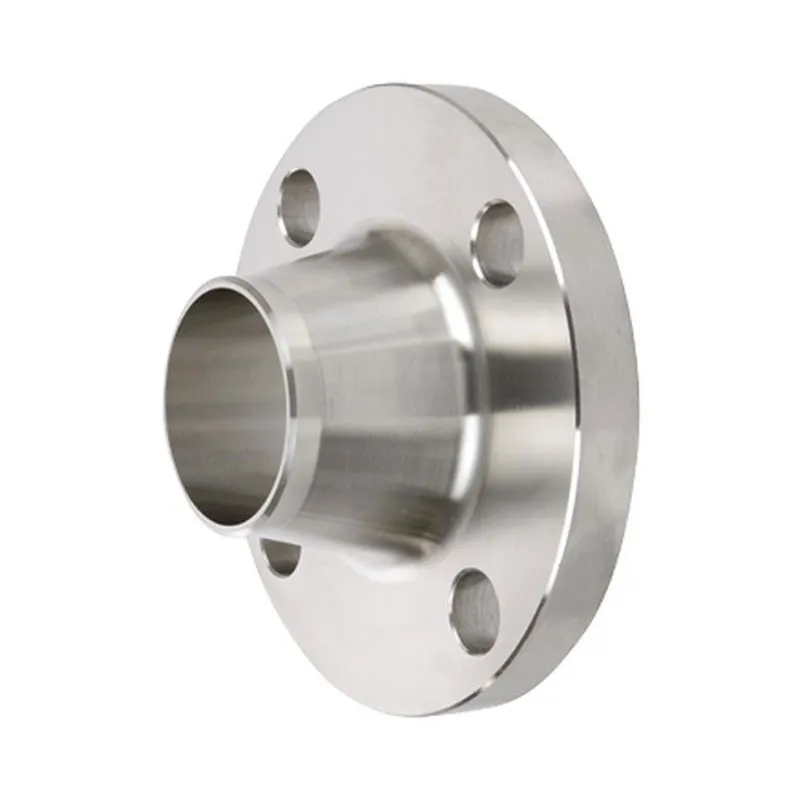 Ser.A Butt Weld Flanges Class 400
 -
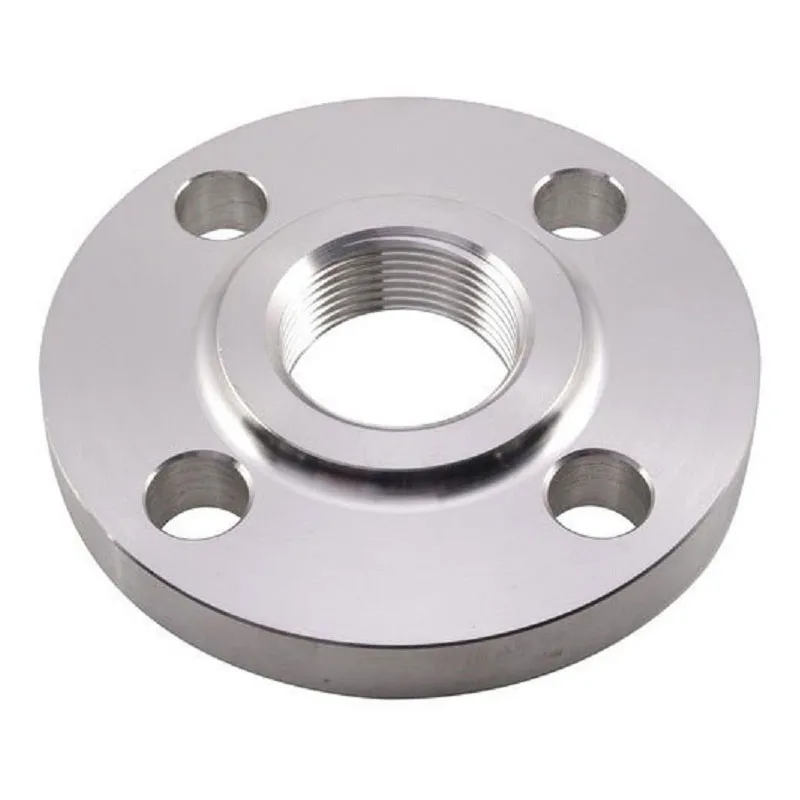 EN 1092-1 Threaded flanges Type 15, PN16
 -
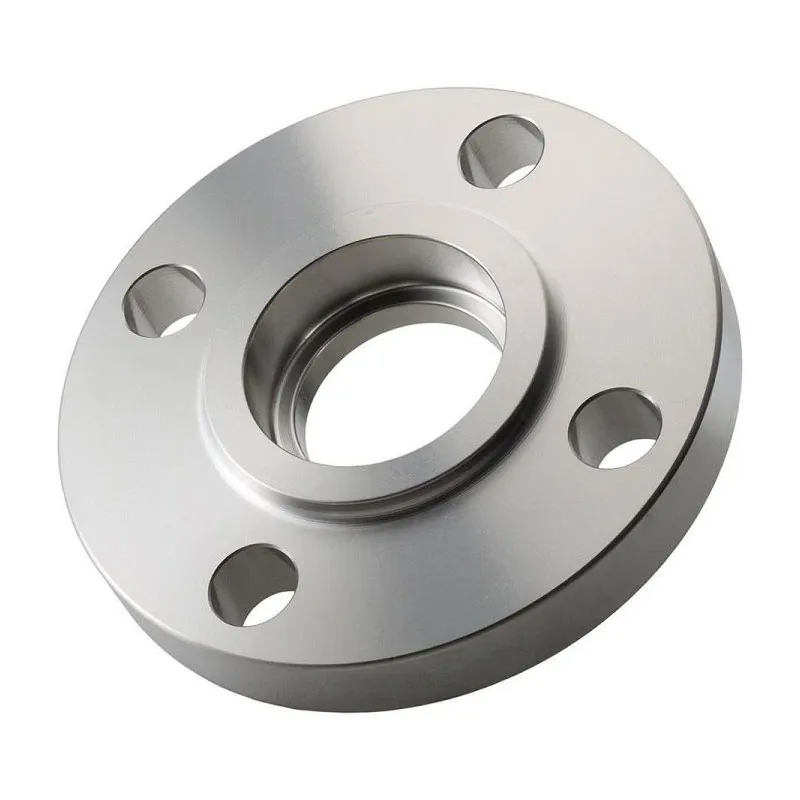 ANSI B16.5 Socket Weld Flanges Class 150
 -
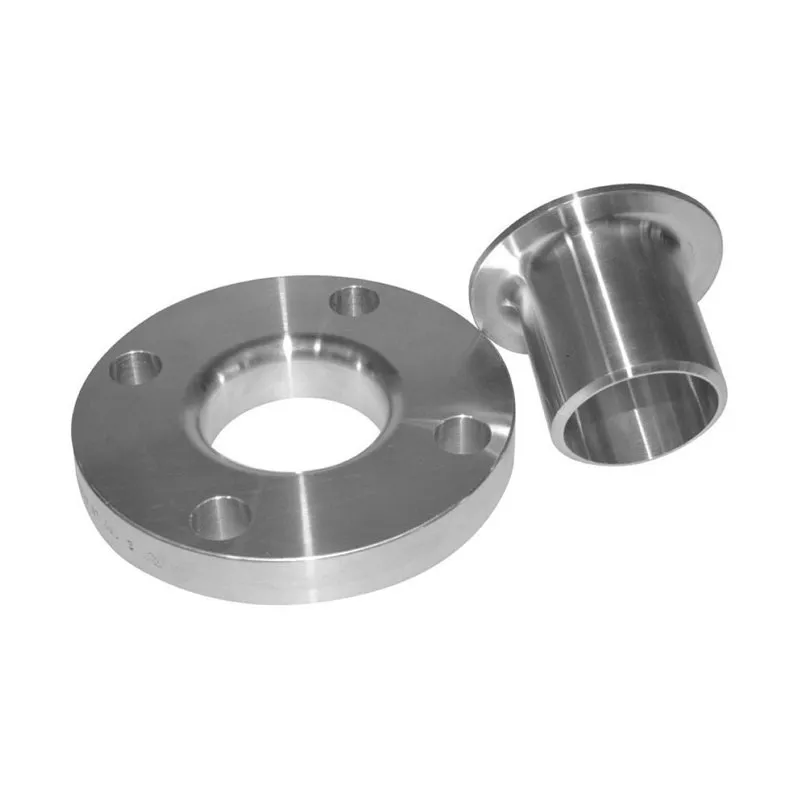 Free ring flanges Class 150
 -
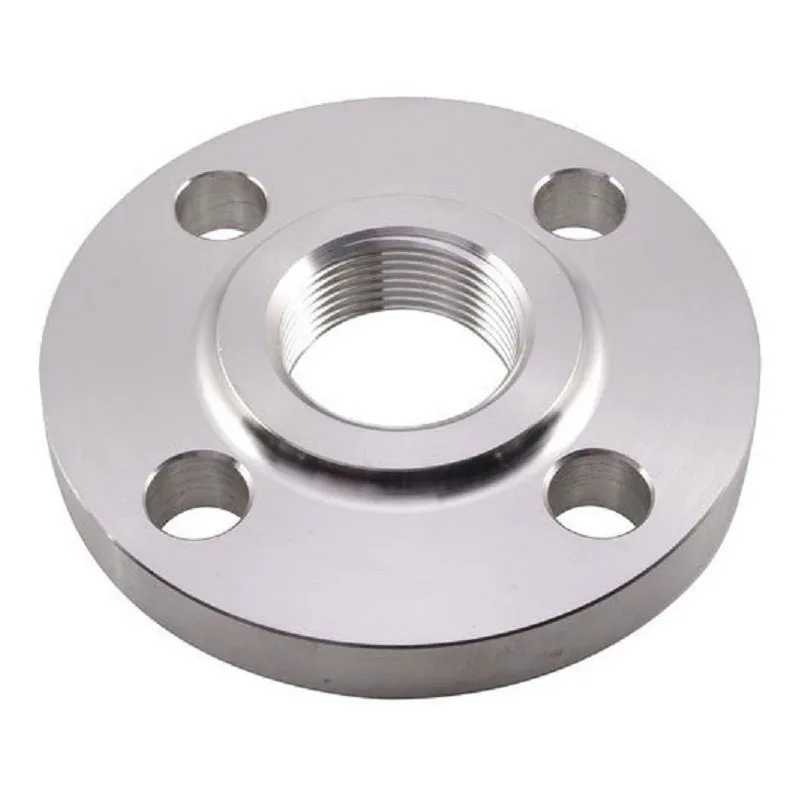 ANSI B16.5 Threaded Flanges Class 600
 -
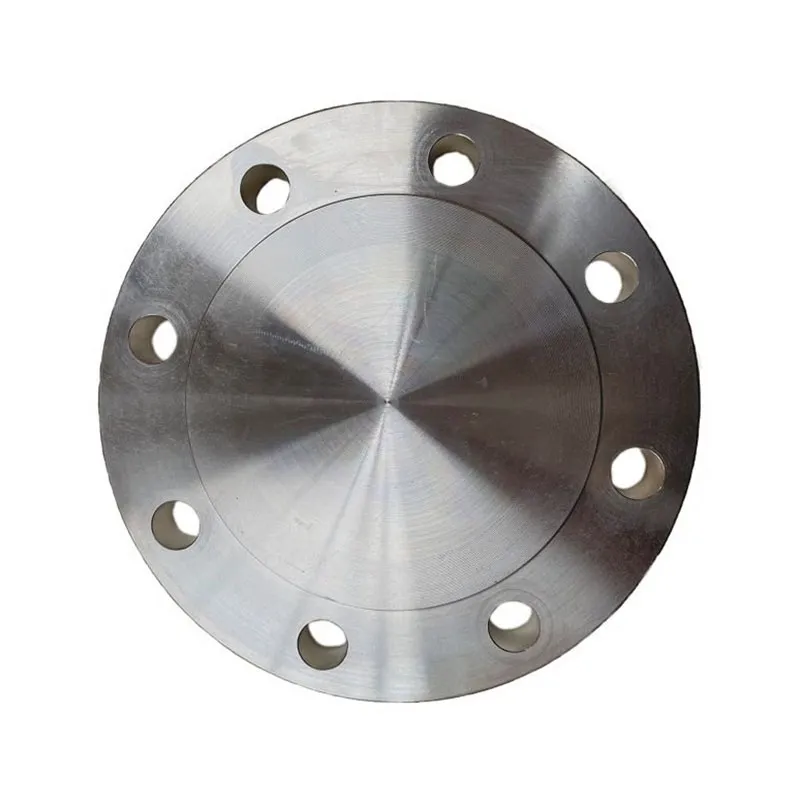
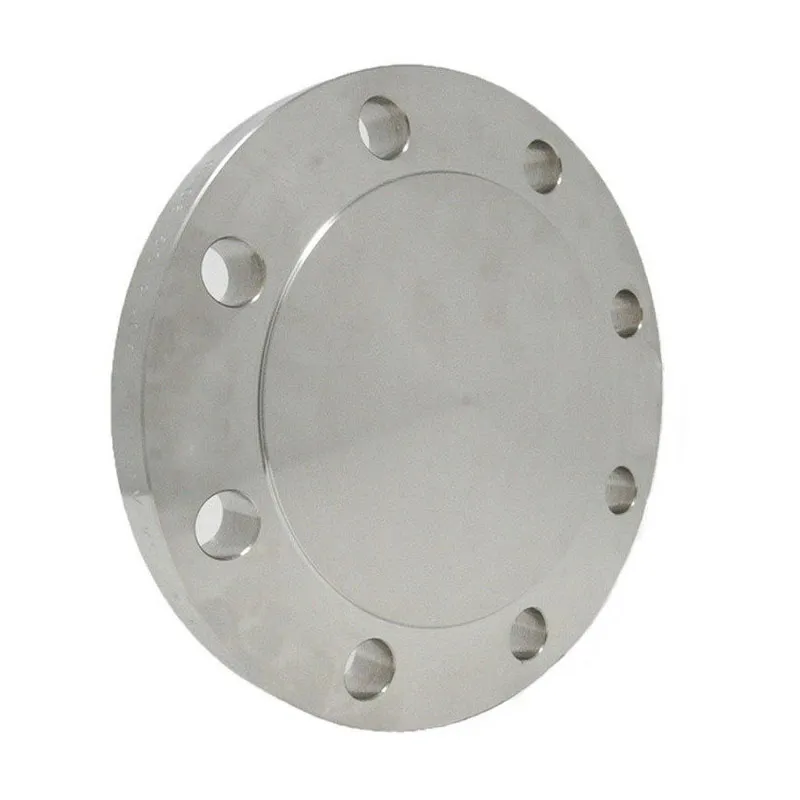 Blind flanges Class 150
 -
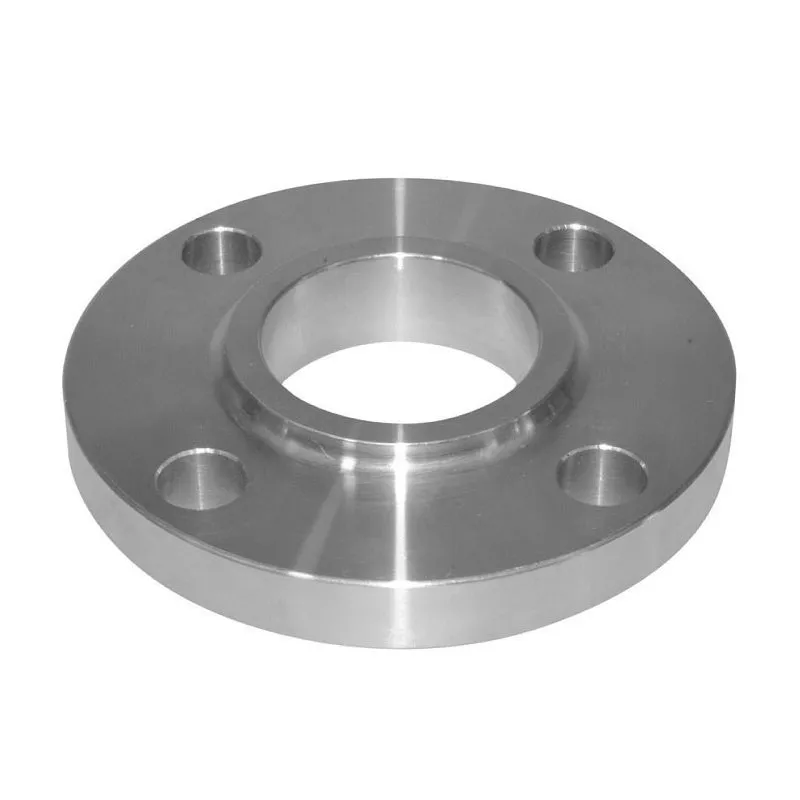 ANSI B16.5 Lap-on flanges Class 1500
 -
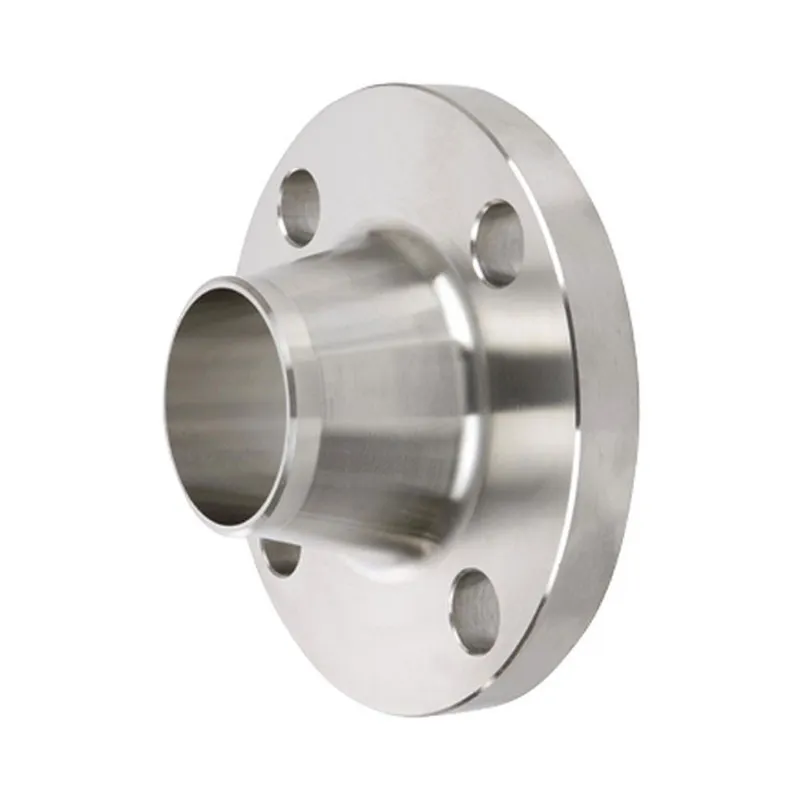 EN 1092-1 Butt weld flanges Type 11, PN25