
-
-
Phone
+86-13623462298




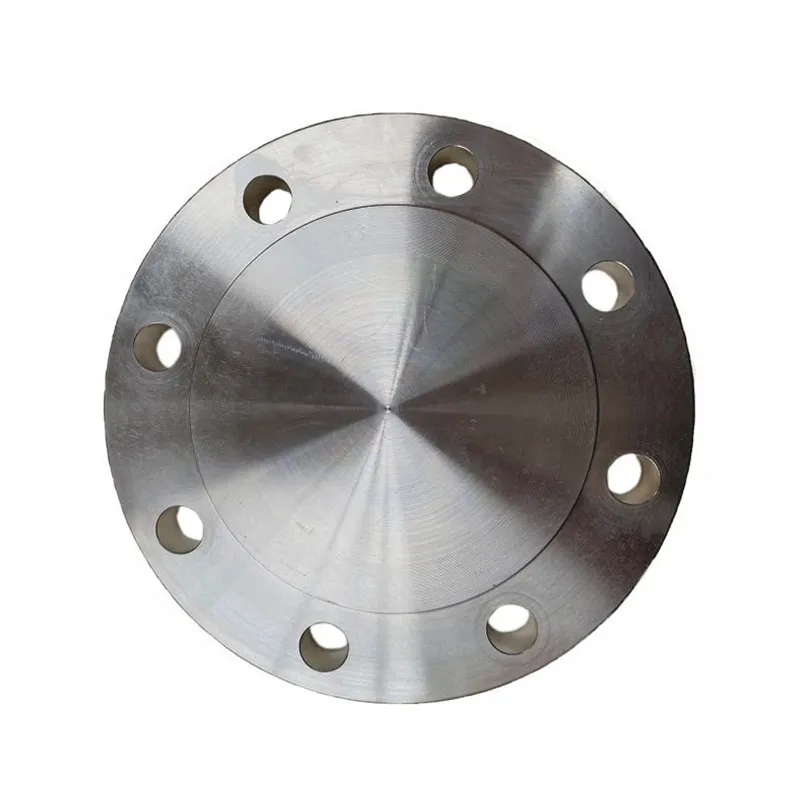
GOST 33259 15 steel flanges
When you hear “GOST 33259-15 steel flanges?”, the first thing that comes to mind is just another standard for pipeline connecting parts. Many people, especially those who are just starting to work with supplies from abroad, think that since there are numbers and letters, then everything is clear. But in practice, this marking hides a whole layer of subtleties that determine whether the flange will fall into place or whether you will have to urgently look for a replacement, stopping the object. The standard itself, of course, sets the parameters, but how these parameters are maintained in the metal is a question for the manufacturer and how deeply you delve into the details.
Not just numbers: what actually lies behind GOST 33259-15
To put it bluntly, GOST is an interstate standard for steel welded flanges for fittings, connecting parts and equipment. Pressure range, nominal diameters, geometry - everything is spelled out. But here is the key point that we experienced in our projects: the standard sets the “ideal”? form. But in reality, especially with large diameters, say, from DN700 and above, questions arise about warping after heat treatment or about the accuracy of the location of the holes for the studs. I have encountered more than once when flanges that formally comply with the standard required additional adjustment on site.
This is why the choice of supplier becomes critical. We need someone who works not only according to the drawing, but also with an understanding of how the product will behave during installation and operation. Here, by the way, people often turn to trusted manufacturers, such asShanxi Hongkai Forging Co.,Ltd. Their websitehttps://www.hkflange.ru— not just a business card, but rather a guide to opportunities. The company positions itself as a manufacturer of forged flanges and forgings in one of the key industrial centers of China, and what is important is that they claim to work according to GOST, among other standards. This is a serious argument for our market.
What is their practical value? They make flanges by forging, and not by casting or cutting from sheet metal. For critical pipelines, this is fundamental: the forged metal structure gives better mechanical properties, especially in terms of impact strength and fatigue resistance. And when the specification saysGOST 33259-15, and the order is for a large diameter, for example, for a main pipeline, then knowing that the flange will be forged adds peace of mind. Although, of course, there are nuances in controlling the chemical composition of steel and heat treatment modes.
From standard to warehouse: logistics and compatibility
When working with flanges in accordance with GOST 33259, we must not forget about their pair - counter flanges or fittings. The standard, fortunately, provides interchangeability, but only if both products strictly comply with it. I had a case at one thermal power plant: they brought a batch of valves with flanges according to the same GOST, but from a different plant. According to the passports, everything is perfect, but when docking there is a slight but critical distortion of the planes. We had to introduce additional gaskets, which is not good for tightness under pressure. The reason, as it turned out, was in the tolerances for axial runout, which were “plus” for one manufacturer, and “minus” for the other.
Therefore, now when ordering, especially a large batch, we always request not only certificates, but also protocols for monitoring the geometry of selected products. Suppliers likeShanxi Hongkai Forging Co.,Ltd, judging by the description of their nomenclature (which includes flat, butt-welded, and loose flanges up to DN4000), they are usually ready to provide such data. Their range, by the way, speaks of serious equipment - to make loose flanges (on a welded ring) of large diameters, you need powerful presses and ovens.
Another practical point is labeling. According to GOST 33259-15, it must be clear and include a bunch of data: type, nominal diameter, pressure, steel grade, manufacturer's mark. In the hustle and bustle of receiving things into the warehouse, sometimes they don’t pay attention to this, but in vain. Then, when installation is underway at the site, and you need to find a PN40 flange made of steel 20, but the markings on it have been erased, a headache begins. You have to either do a spectral analysis, or, worse, bet at random. Good manufacturers apply markings with both indelible paint and branding.
Material: steel is not just ?steel?
The standard specifies steel grades: from ordinary carbon, type St20, to alloyed, type 09G2S or even 12Х18Н10Т for aggressive environments. And here lies the trap for inexperienced buyers. Often in the application they simply write “flange according to GOST 33259-15”, without specifying the steel grade. And then it turns out that for cold climates you need steel with guaranteed impact strength at minus 40, but they brought it from ordinary St20, which is not suitable for such conditions.
A manufacturer that operates on the international market, likeShanxi Hongkai Forging Co.,Ltd, usually understands this point well. Their description directly states that they are manufactured according to international standards (ASME, EN), and this implies strict control of the material. For GOST 33259-15, they most likely offer a standard set of grades, but special requirements can always be agreed upon. We once ordered a batch of flanges for a facility in the Arctic, and it was with Chinese colleagues (not with this particular company, however) that we were able to spell out in detail all the chemistry and mechanics requirements for steel 09G2S-12 in order to obtain the required properties after normalization.
The forging itself that the company uses also affects the quality of the material. When forging, the metal fibers seem to “flow around” contour of the product, and are not cut, as during machining from rolled products. This reduces the risk of delamination and increases strength in the most loaded areas - at the neck and in the area of the holes. For flanges operating under variable loads (pump vibration, water hammer), this is not a theoretical advantage, but a practical necessity.
Non-standard and working according to drawings: when GOST is not enough
It happens that a typical flangeGOST 33259-15doesn't fit. For example, you need to shift the holes for a specific imported pump or add additional grooves for seals. The standard does not provide for this. And here it is important that the manufacturer is ready for such work. In the descriptionhttps://www.hkflange.ruit is expressly stated: “non-standard products according to customer drawings?”. This is an important phrase.
From personal experience: to modernize an old installation, adapter flanges from the DIN standard to GOST were required. The drawing was made by our own engineers and sent to several companies. Somewhere they immediately refused, citing being busy with serial orders. Somewhere they set a cosmic price and deadline. And those who specialize in forgings and flanges treated this as an ordinary task. The key was that they asked clarifying questions about tolerances for non-responsible dimensions and materials - it felt like the person on the other side understood what it was for, and was not just mechanically accepting the order.
When working from drawings, phasing is critical. First, the terms of reference and 3D model or sketch are agreed upon, then the drawing for manufacturing. A good manufacturer will always send his technological drawing for approval, where there may be proposals for changing the shape to improve forging or reduce cost without compromising function. The ability to conduct such a dialogue is a sign of a serious contractor.
Control and acceptance: trust, but verify
So, the flanges are made, even if they are from a well-known manufacturer likeShanxi Hongkai Forging Co.,Ltd. The biggest mistake is to accept the goods only after checking the quantity and integrity of the packaging. Acceptance of flanges according to GOST 33259-15 is a mini-test. It is imperative to check selectively, and for critical batches, each product: geometry (diameters, thickness, displacement of holes), surface quality (absence of holes, cracks, especially in the neck area), clarity of markings. It would be nice to have templates and calipers.
Particular attention is paid to the quality of the sealing surfaces. According to the standard, there are several types (smooth, with a connecting projection, with a depression, etc.). The surface must be free of burrs and risks, otherwise tightness cannot be ensured. We somehow missed the small shells on the surface of the ?tongue and groove? in one batch, it ended up leaking during crimping and had to be removed and polished on site, which took a lot of time.
And one last thing. Even if everything is perfect, it’s worth saving all the documents: certificates, passports, control protocols. They will be needed not only for reporting to the customer, but also in case questions arise about the batch in a few years. The flange is a durable part, and its history, confirmed by documents, increases the value of the entire pipeline. In general,GOST 33259-15 steel flanges- this is not the end of the work, but rather its beginning, where the quality of the result depends on attention to detail at every stage, from choosing a supplier to installation.
Correspondingproducts
Related Products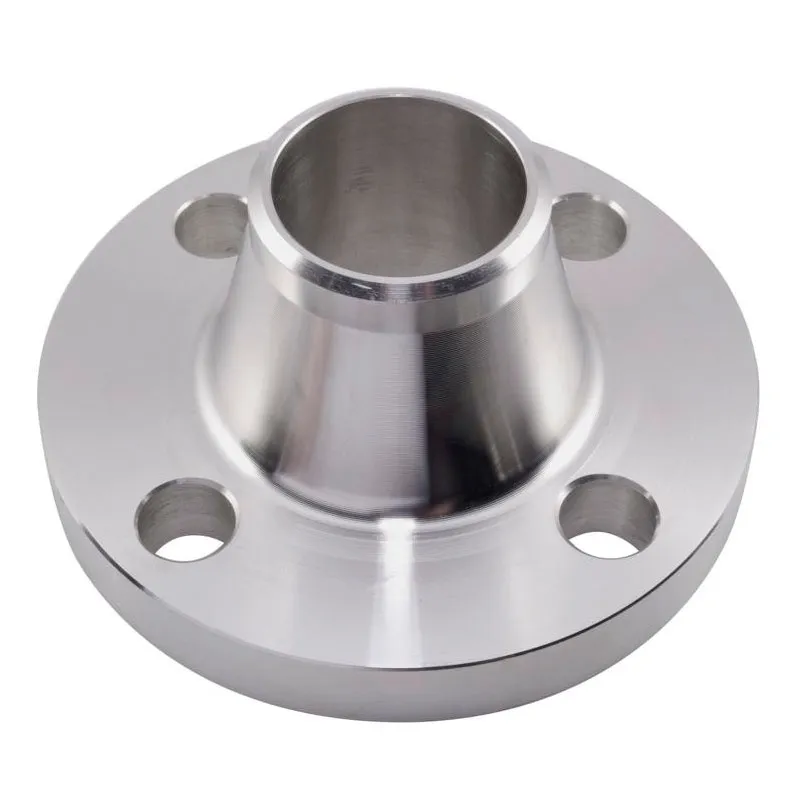
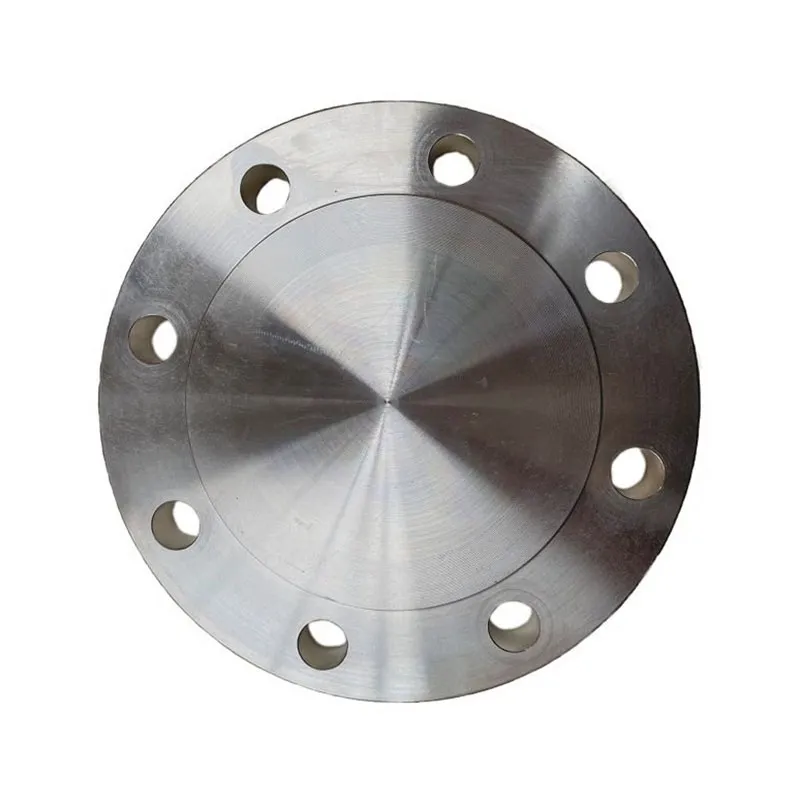
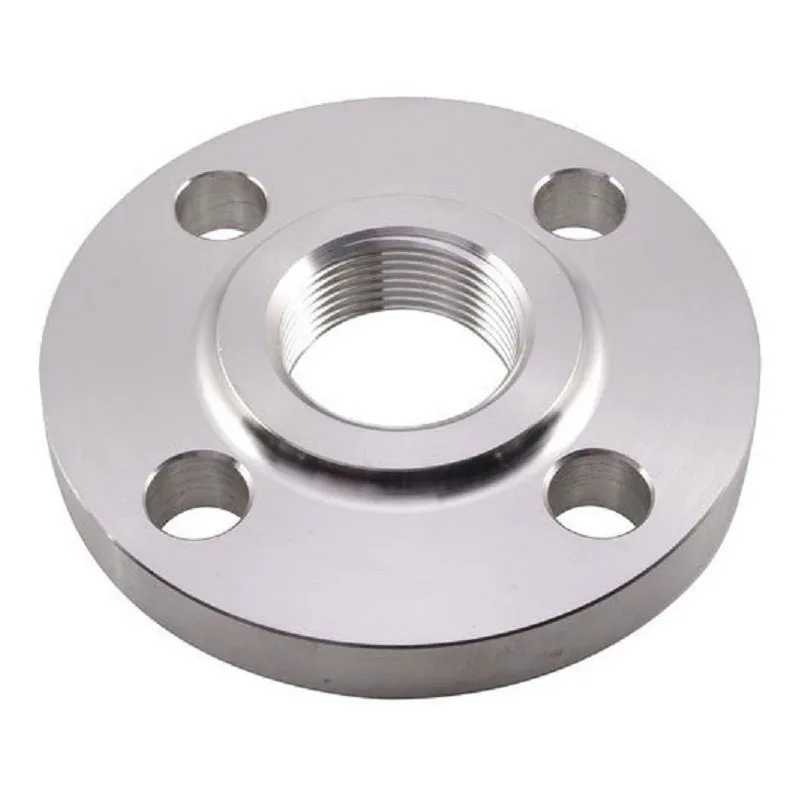
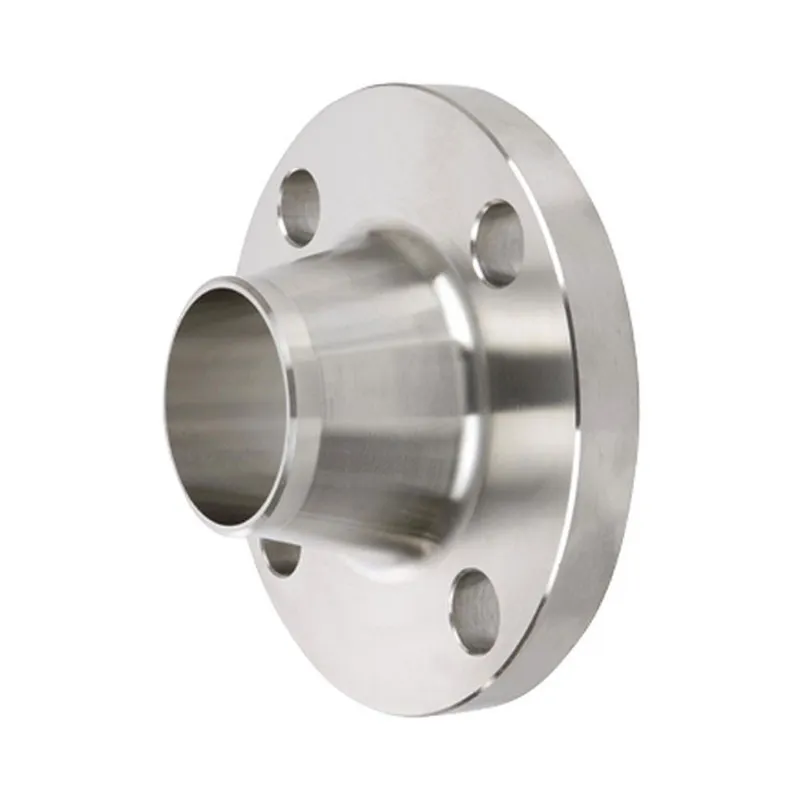
Best Sellingproducts
Best Selling Products-
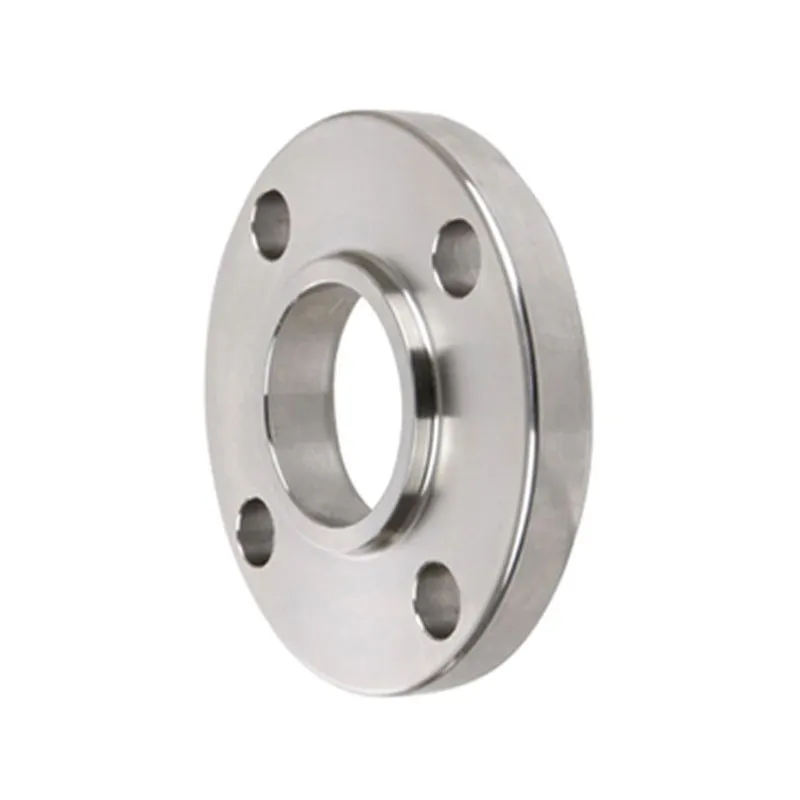 ANSI B16.5 Lap-on flanges Class 300
 -
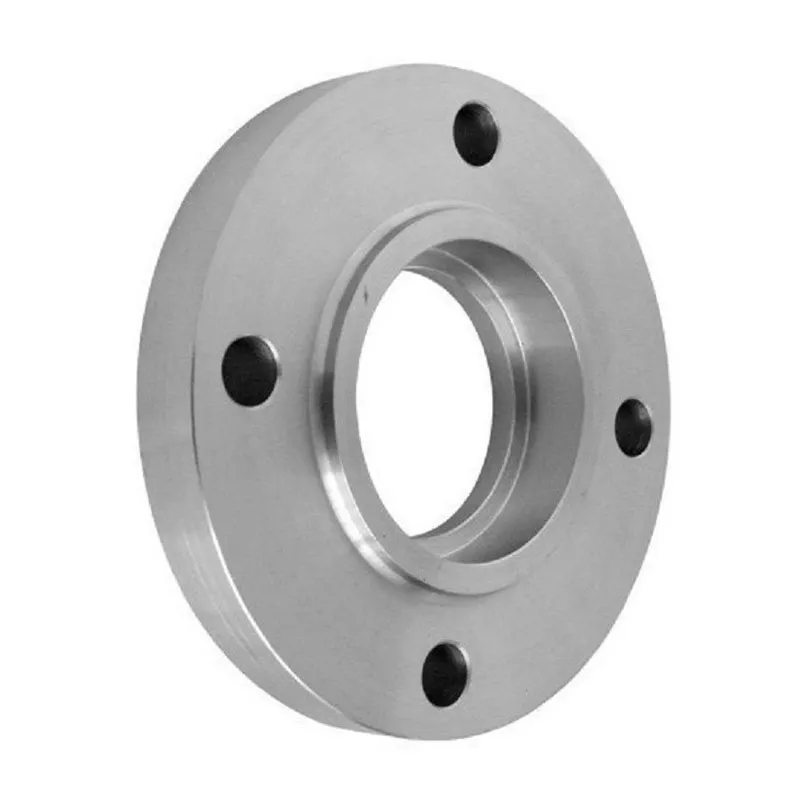 Socket Weld Flanges Class 300
 -
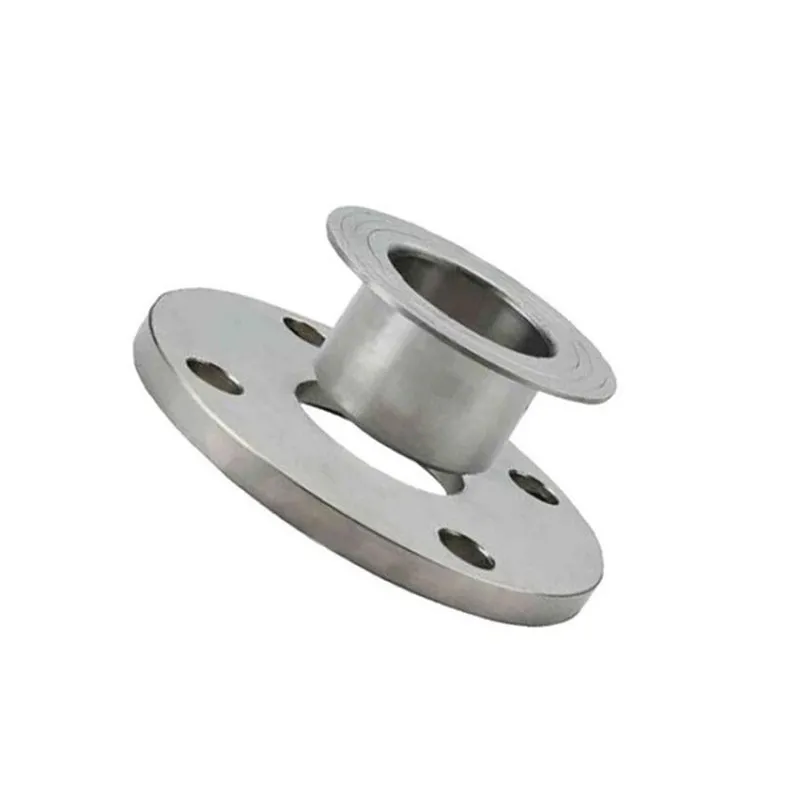 JIS 10K Loose Ring Flanges
 -
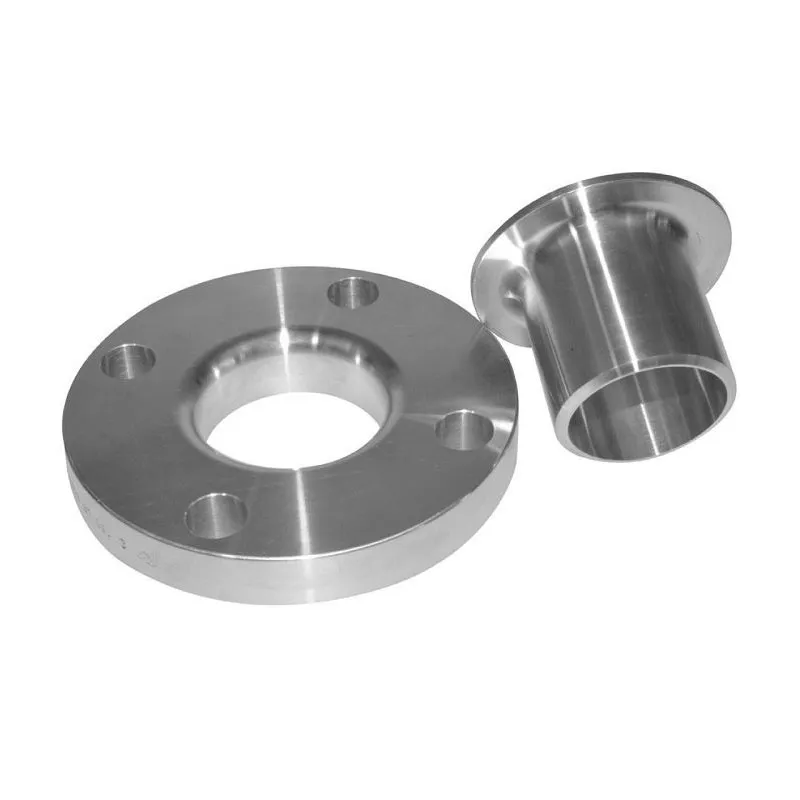 ANSI B16.5 Loose Ring Flanges Class 2500
 -
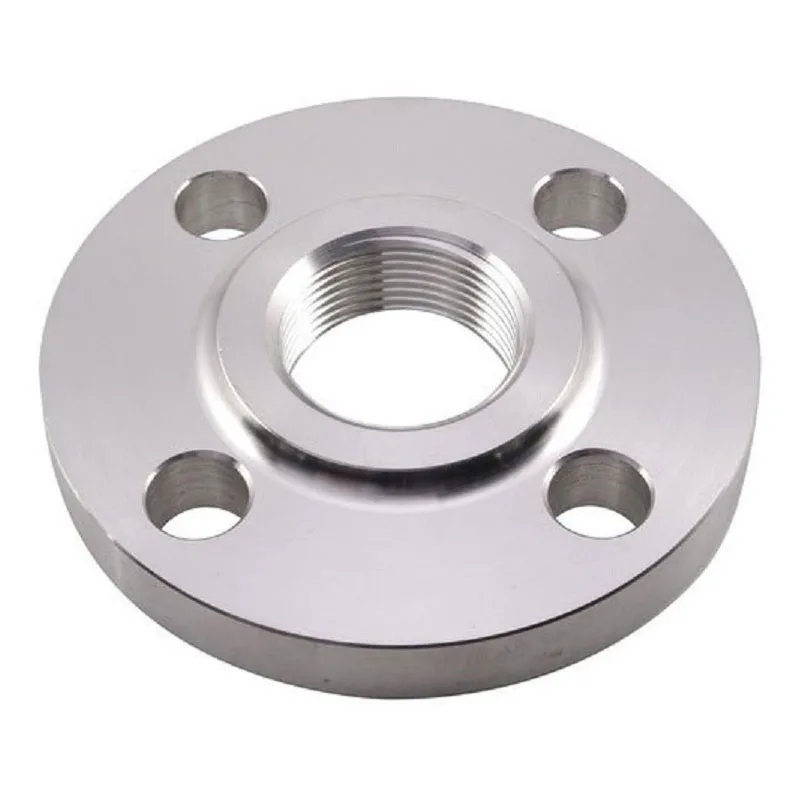 JIS 10K Threaded Flanges
 -
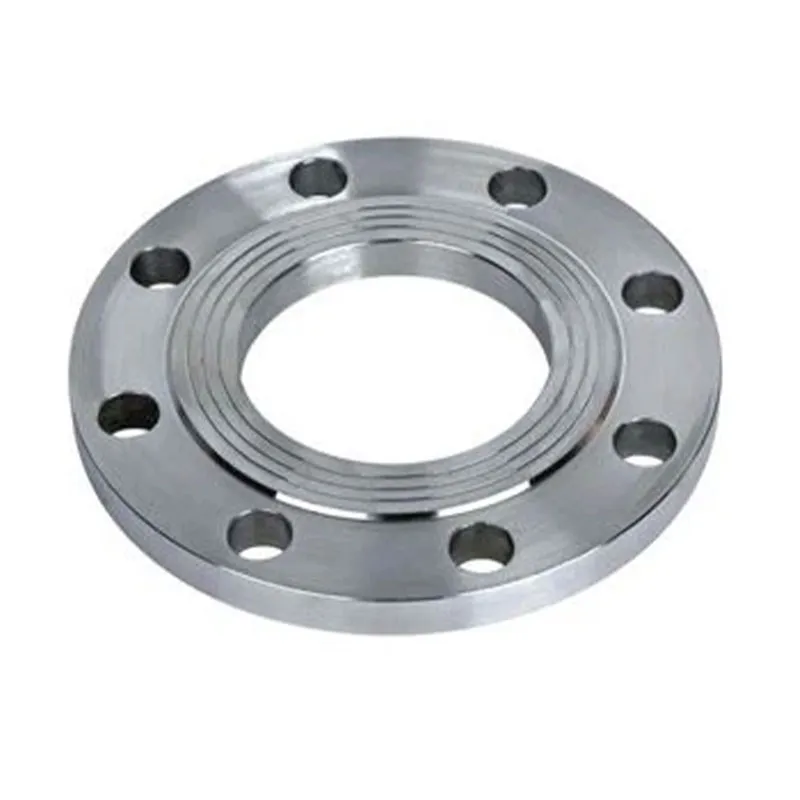 Butt weld flanges Class 150
 -
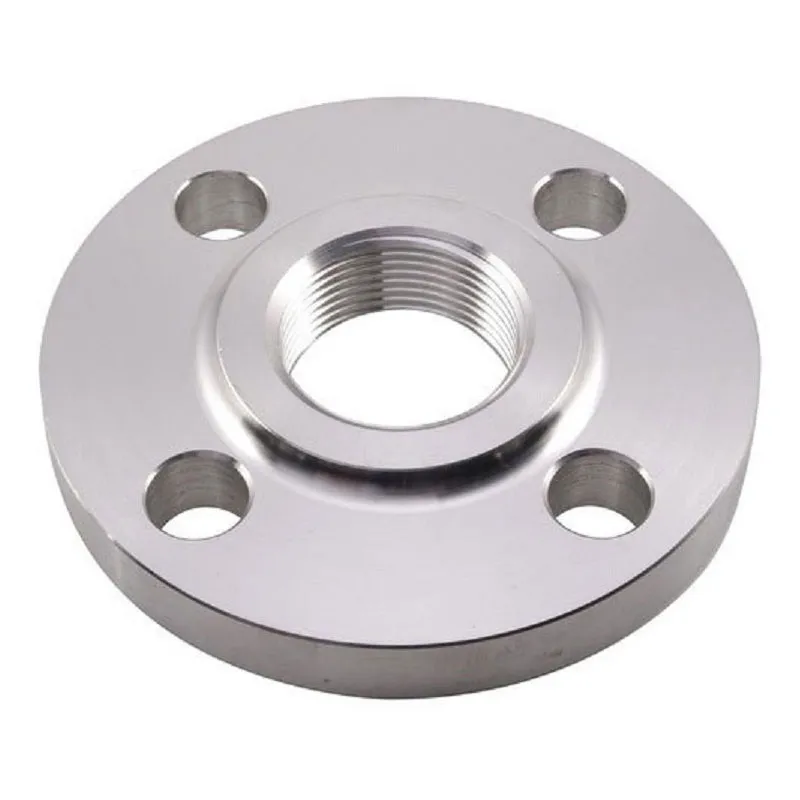 DIN 2565 Threaded flanges PN6
 -
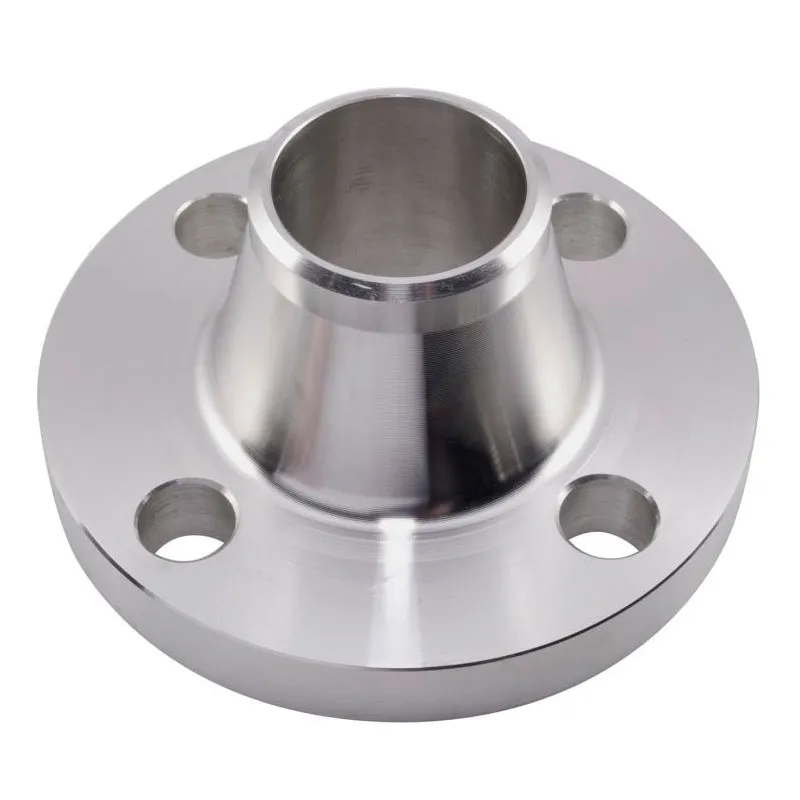 UNI 2281 Butt weld flanges PN10
 -
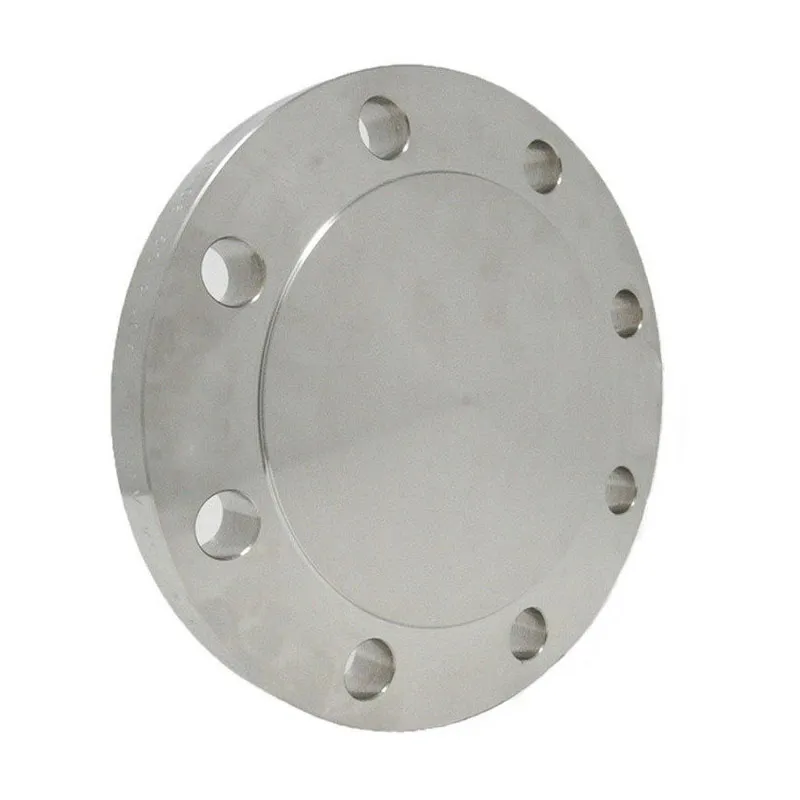 AWWA Blind Flanges Class D (Tables 1, 2, 3)
 -
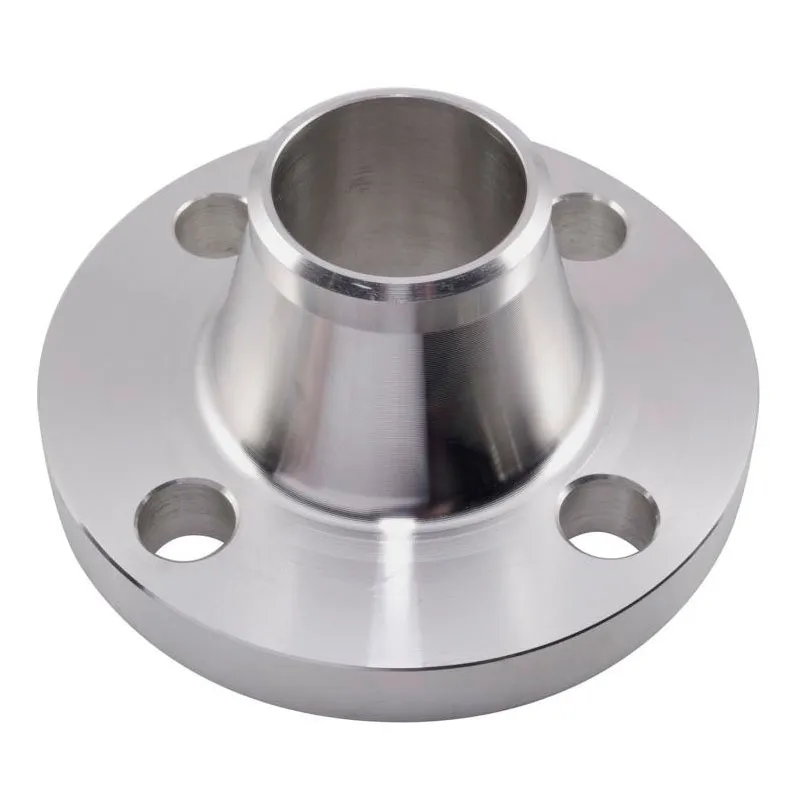 DIN Butt weld flanges PN10
 -
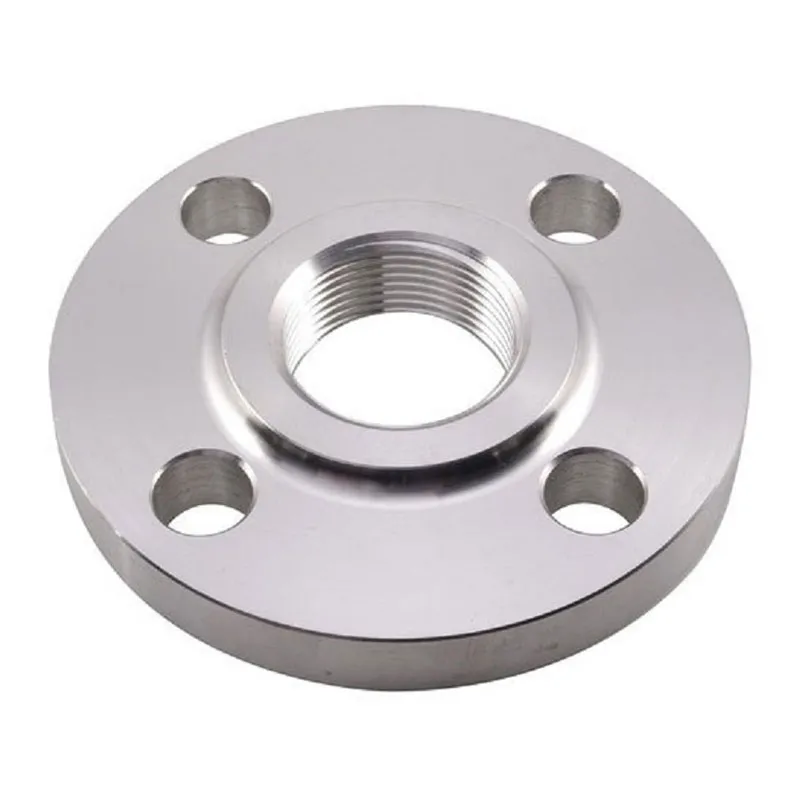 JIS 10K Overlay flanges
 -
 DIN 2527 Blind flanges PN10