
-
-
Phone
+86-13623462298



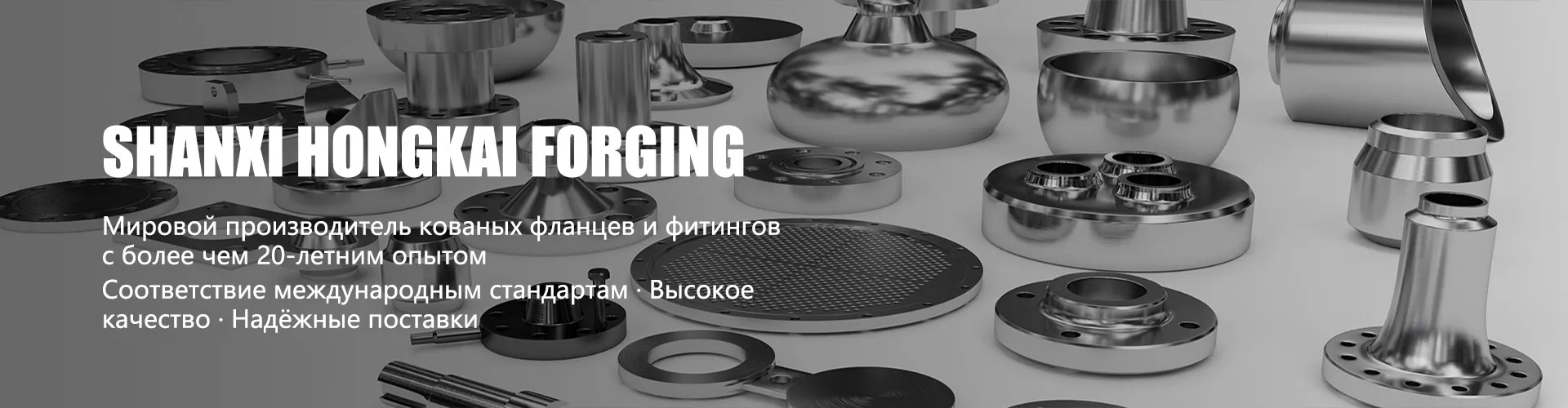
flanges pn6
I’ll say this right away: when you see in the specificationflanges pn6, many people immediately think - “easy”, almost temporary. But in vain. In practice, there are enough nuances with them, and if you approach them carelessly, you can mess up even a simple tank or ventilation piping. For a long time I thought that since the pressure is only 6 bar, then there’s no need to bother - take whatever diameter you have and install it. Until I encountered a situation at one of the facilities near Kazan, where, due to incorrect selection of flange material, leaks began to appear on the line of a slightly aggressive environment after six months. And this despite the fact that the pressure was within three atmospheres. It all depended on the material of execution and the quality of the sealing surface.
Where exactly is PN6 critical and where is it not?
The main application, of course, is low-pressure systems - water supply, air ducts, some technological lines in the food industry or ventilation. But here it is important not to confuse “low pressure”? with “unimportant parameters?”. For example, when it comes to temperature cycles, even at 6 bar, metal fatigue can play a role. I have seen cases when flanges, seemingly from a trusted supplier, began to “play?” at the joints after six months of constant heating to 90°C and cooling. Moreover, visually everything was in order, but when checking with ultrasound, microcracks were found in the transition zone from the hub to the disk.
Another point is the size range. Often customers, especially in design institutes, simply indicate “PN6 DN150 flange”, and the material is steel 20. But if the environment contains even a small percentage of hydrogen sulfide or carbon dioxide, steel 3 or 20 can begin to corrode precisely along the seating surfaces under the gasket. As a result, the tightness decreases, although the pressure is normal. Therefore, now I always clarify: conditions, environment, temperature schedule. And only then I see whether the standard option is suitable or whether I need a stainless steel type 12Х18Н10Т.
By the way, about standards. GOST 12820 and GOST 12821 are classics, but they have their pitfalls. For example, in GOST 12820 (flat flange) for PN6 the disk thickness is smaller, and with a large diameter (say, DN600 and above) there may be a problem with rigidity, especially if the pipeline vibrates. You have to either switch to butt welding (GOST 12821) or order reinforced options. But here the question of price and timing arises. It has happened more than once that it would have been easier to initially install a PN10 flange, but they saved on metal and then remade it.
Experience with suppliers and why it is important to look beyond the certificate
Previously, I worked mainly with local factories, but for the last five years I have been actively looking at Chinese manufacturers. Not everyone, of course, but those who specialize specifically in forging and have experience with international standards. Here, for example,flanges pn6from Shanxi Hongkai Forging Co.,Ltd. (https://www.hkflange.ru) came across in several projects. The company positions itself as a manufacturer of forged flanges and forgings from one of the centers of the forging industry in China. What is important is that they make products in accordance with GOST, ASME, EN, DIN, which is convenient when replacements or adaptation to existing lines are needed.
We tried their PN6 DN300 flanges made of 09G2S steel for a facility in Ufa. We worked on water with temperature differences from +5 to +70°C. There were no complaints about the geometry - the holes coincided, the sealing surface (protrusion-recess) was processed cleanly, without scoring. But there was a nuance: the certificate indicated mechanical properties that corresponded to the standard, but according to the results of chemical analysis (we randomly checked in our laboratory), the carbon content turned out to be closer to the upper limit. For PN6 this is not critical, but if we were talking about higher pressures or lower temperatures, it would have to be discussed.
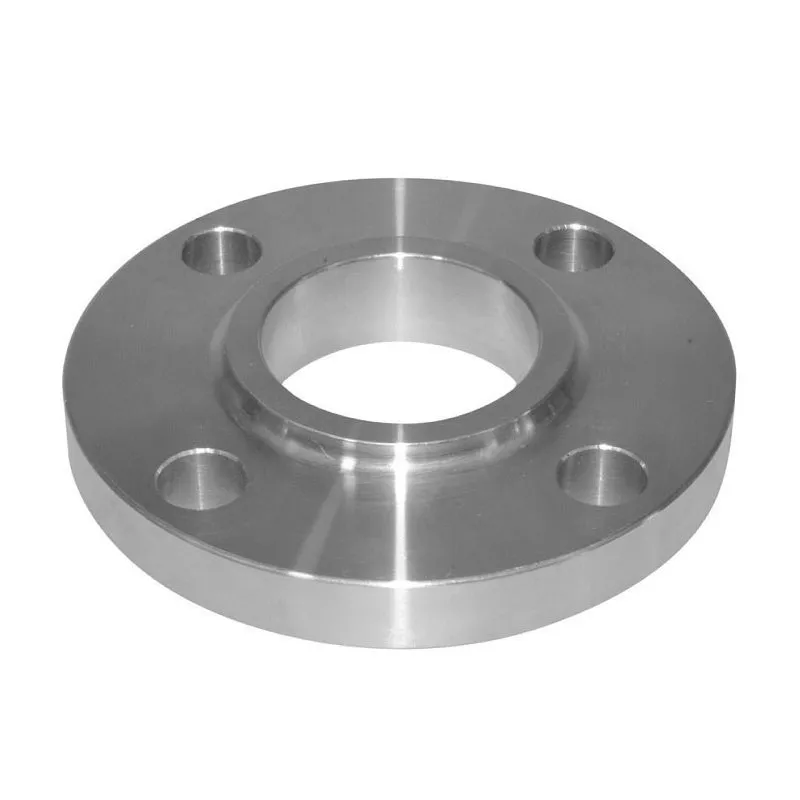
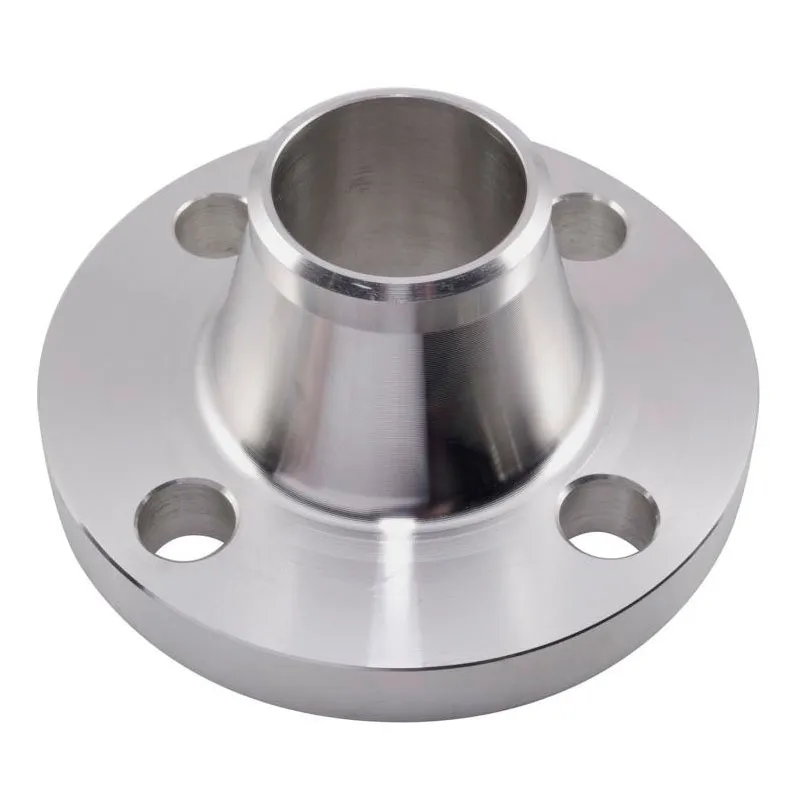
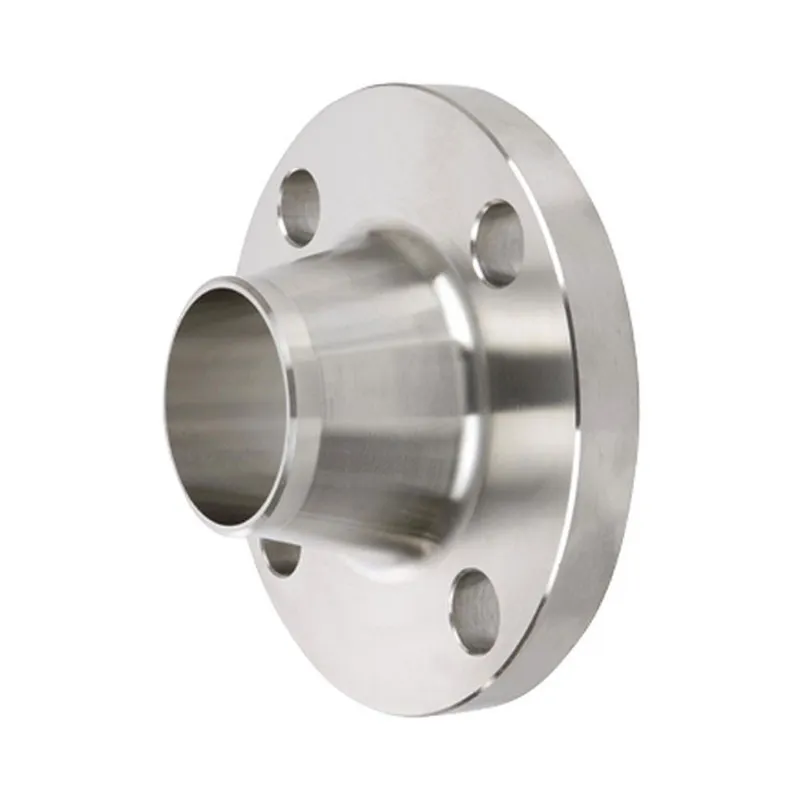
From their assortment for PN6, I most often take butt-welded ones (aka collar ones) and flat ones. Free ones with a ring were also ordered, but less often - mainly for installation in hard-to-reach places, where it is convenient to first weld to the pipe and then expose it. By the way, they have the ability to make non-standard products according to drawings. Once we ordered a flange with a non-standard arrangement of holes for studs (an old European unit), they did it without any problems, but the lead time increased by two weeks. This is fine.
Typical installation errors that nullify all characteristics
Even a perfect flange can be damaged during installation. The most common mistake is uneven tightening of the studs. For PN6, many installers do not use a torque wrench; they tighten it “by eye”. As a result, the distortion causes the gasket (especially paronite) to wrinkle unevenly, and after a couple of “heating-cooling” cycles? a leak appears. I myself sinned like this at the beginning of my career, until I had to redo a flange connection using hot water at night, in the cold. Since then, even for PN6, I have been trying to control the tightening at least according to the “crosswise” pattern.
The second mistake is ignoring the condition of the sealing surfaces. Even new flanges have minor scratches or traces of corrosion. For PN6, it is sometimes believed that there is no need to clear it. But if there is a rubber or fluoroplastic gasket, micro-irregularities will quickly wear it out. Before assembling, I always go over it with fine sandpaper or, if possible, check the roughness. This is especially true for flanges that were stored in a warehouse without preservation.
And third - gasket mismatch. Sometimes they install it too thick to compensate for the distortion. Or, conversely, thin when the distance between the flanges is large. For PN6, the standard gasket is 2-3 mm, but you need to look at it in pairs. If the medium is oily, for example, the rubber may swell and the tightening will loosen. I have to tighten it up in a couple of days. It is better to immediately install paronite or metal-graphite gaskets, if the temperature allows.
When is it worth switching to a higher nominal pressure, even if according to calculations PN6 is enough?
There are several situations where I now deliberately install PN10 flanges instead of PN6, even if the pressure passes. The first is vibration loads. For example, at pumping stations where there is pulsation. The PN10 flange has greater thickness and rigidity, and less “play”.
The second is large diameters, from DN500 and above. Here the question is not so much pressure as mechanical strength. Especially if the pipeline is above ground and there are wind loads. The third case is aggressive environments, even at low pressure. Often, PN10 flanges are made from more resistant steel grades or with additional coating. And if we take, for example, the same "Shanxi Hongkai Forging", then the difference in price between PN6 and PN10 for the same grade of steel and diameter is not always huge, but a margin of reliability is added.
But here it is important not to go to extremes. Set PN16 or PN25? just in case? - this is an overconsumption of metal and a complication of installation (more massive, harder to join). And the studs need a larger diameter, which changes the design of the supports. Everything must be adequate to the conditions.
Instead of conclusions: just thoughts along the way
In general,flanges pn6- this is not ?simple? topic. Require the same attention to material, workmanship and installation as higher pressures. Over the years of work, I have developed a habit: always request from the supplier not only a certificate of conformity, but also test reports for impact strength (if working in a cold climate) and chemical composition. Even for standard orders.
Of the manufacturers that work in our market, companies such as Shanxi Hongkai Forging LLC are convenient because they cover a wide range of sizes (they state up to DN4000) and work according to different standards. This is useful when you need to unify a fleet of equipment collected “from around the world one by one?” — part according to GOST, part according to DIN. But you always need to do selective input control. Don't take anyone's word for it, even if the reviews are good.
And lastly: never skimp on gaskets and fasteners. You can buy an excellent flange, but install cheap studs made of unknown steel, which will stretch at the first hot fit. Or a gasket that is not suitable for the environment. All this will come out later in the form of repairs, downtime and headaches. It is better to immediately consider the flange connection as a single unit, where everything is important - from the metal of the flange to the tightening torque. Then there will be no problems with PN6 either.
Correspondingproducts
Related Products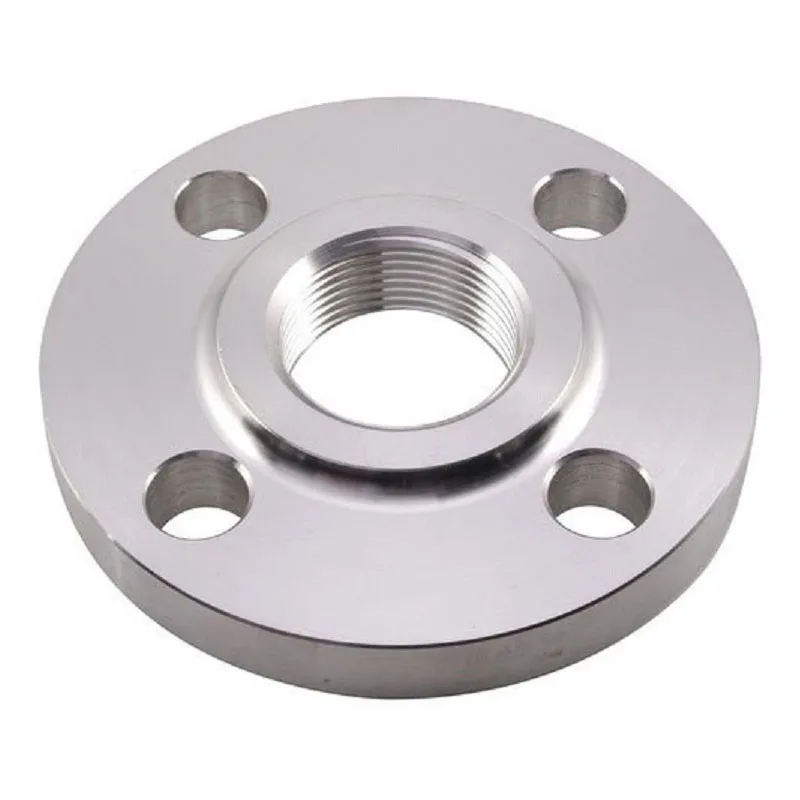
Best Sellingproducts
Best Selling Products-
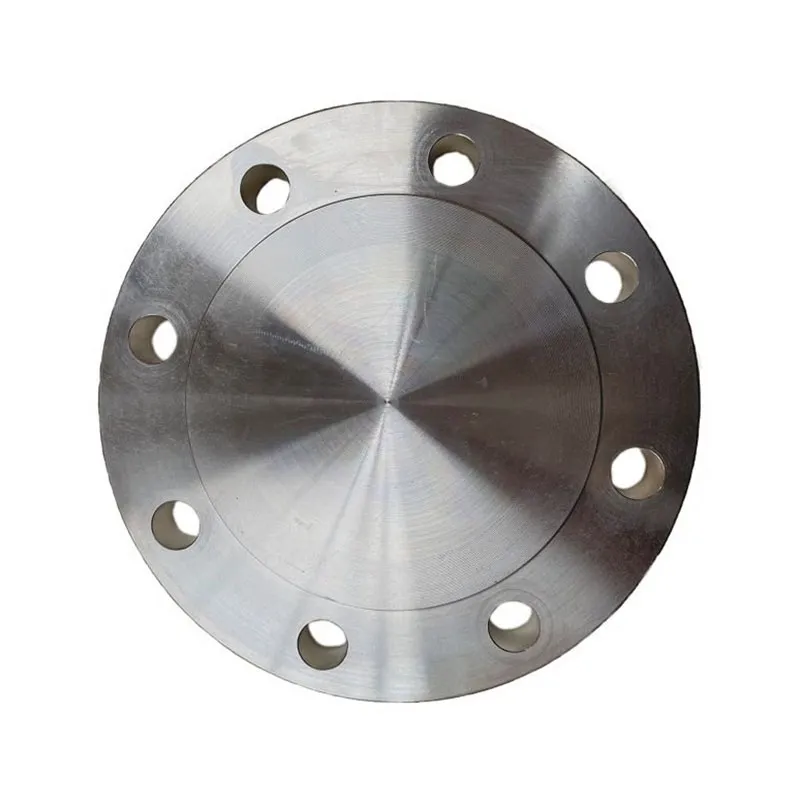 ASME B16.47 Ser.A Blind Flanges Class 400
 -
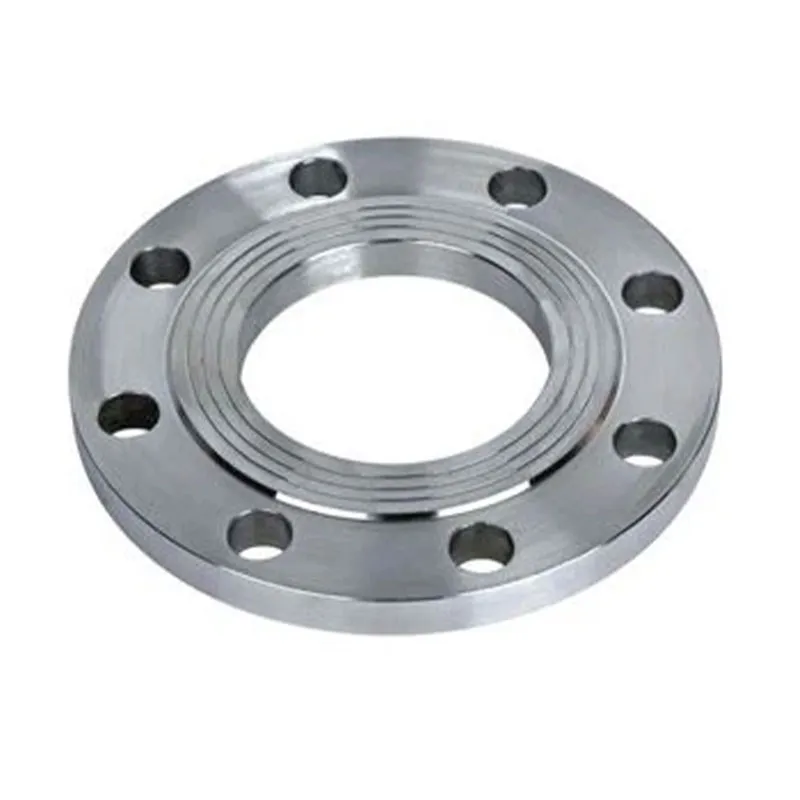 Butt weld flanges Class 150
 -
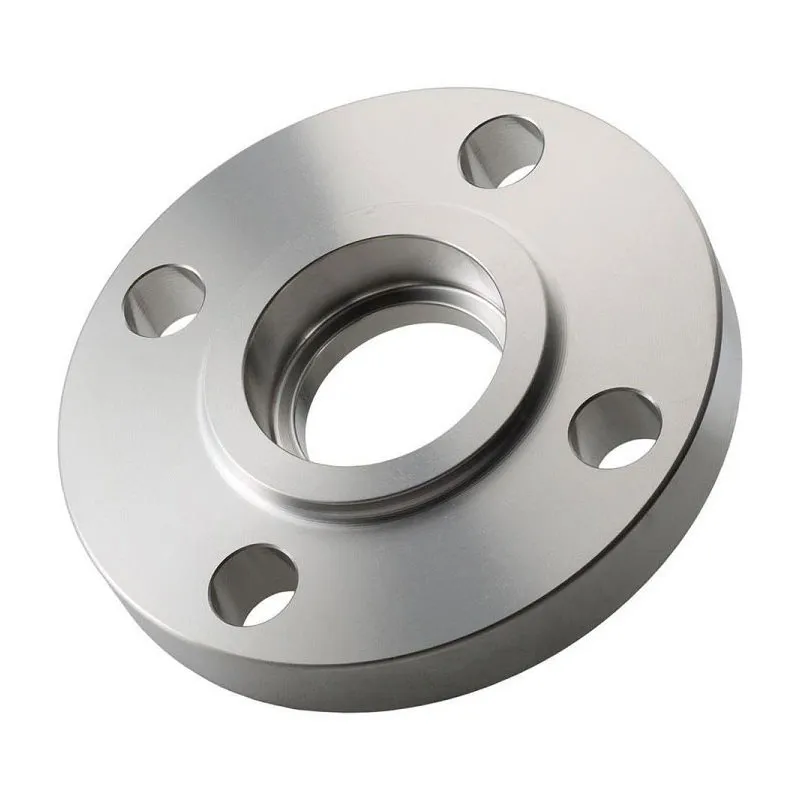 Flanges for socket welding
 -
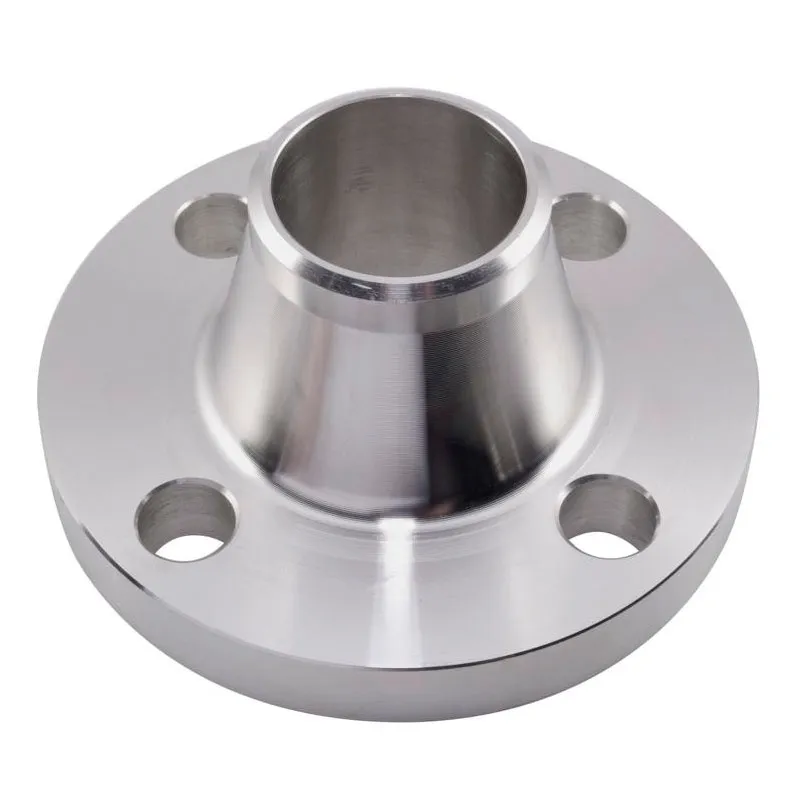 Butt weld flanges Class 900
 -
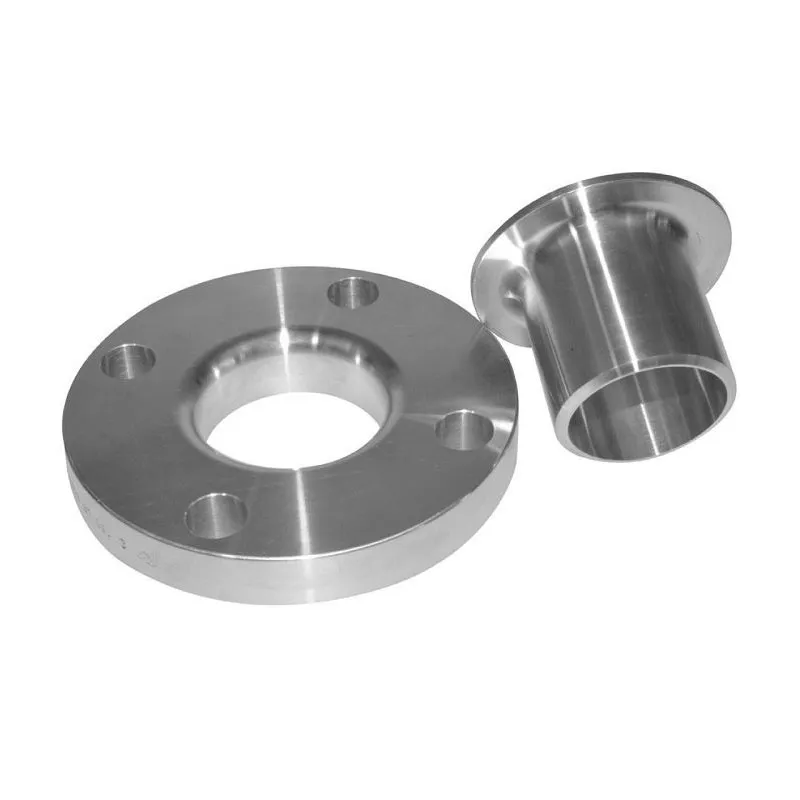 ANSI B16.5 Loose Ring Flanges Class 2500
 -
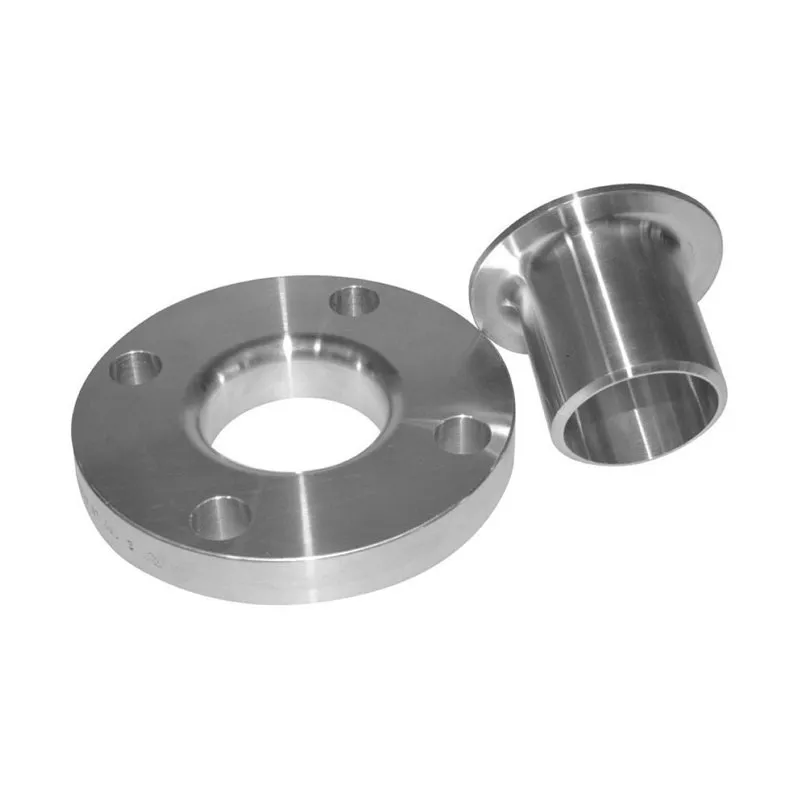 Free ring flanges Class 150
 -
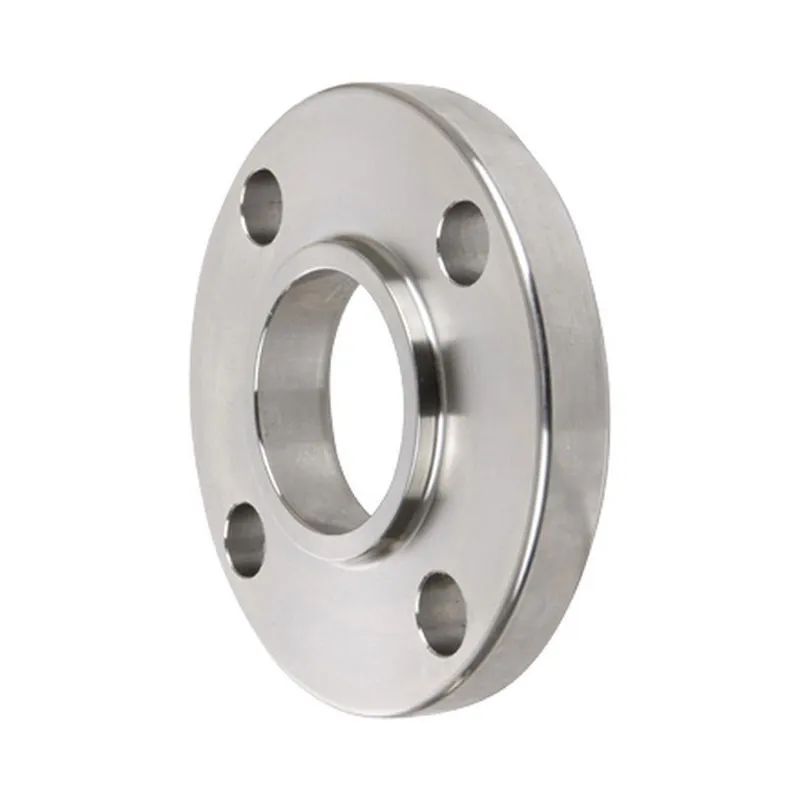 DIN 2501 Overlay flanges PN16
 -
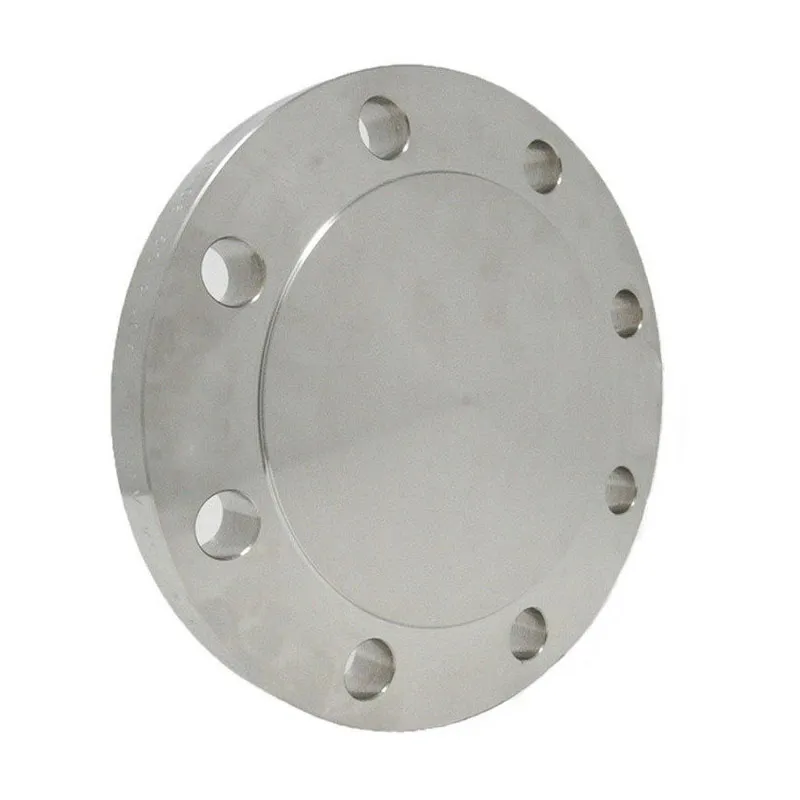 Blind flanges Class 150
 -
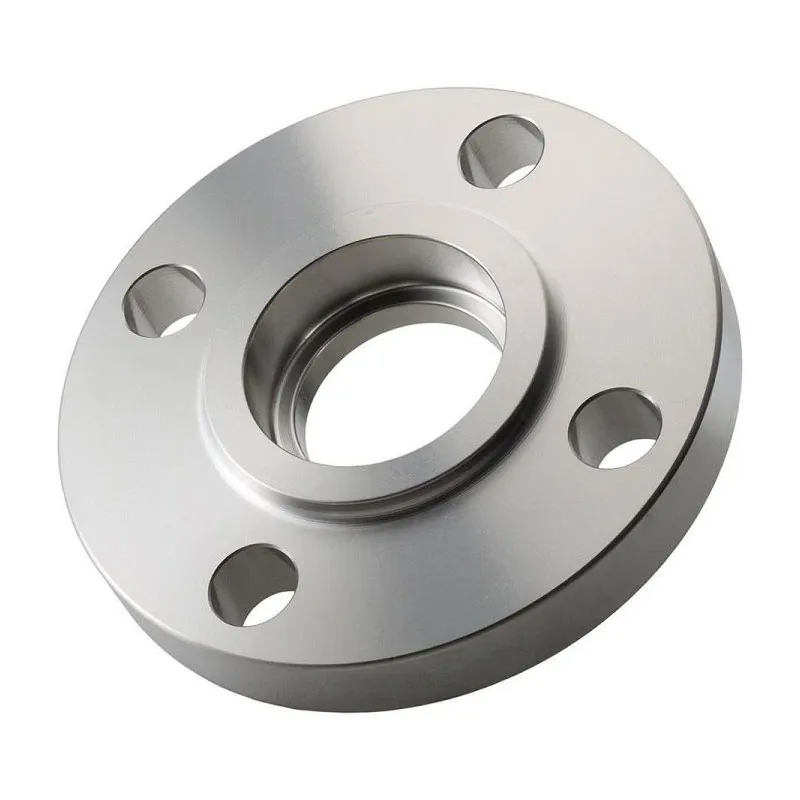 ANSI B16.5 Socket Weld Flanges Class 150
 -
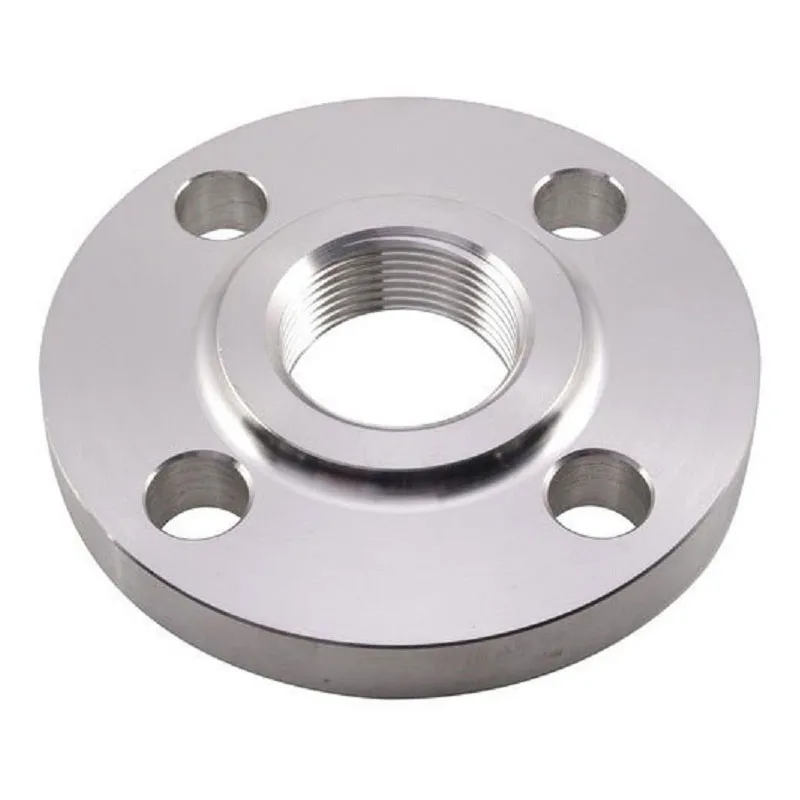 EN 1092-1 Threaded flanges Type 15, PN16
 -
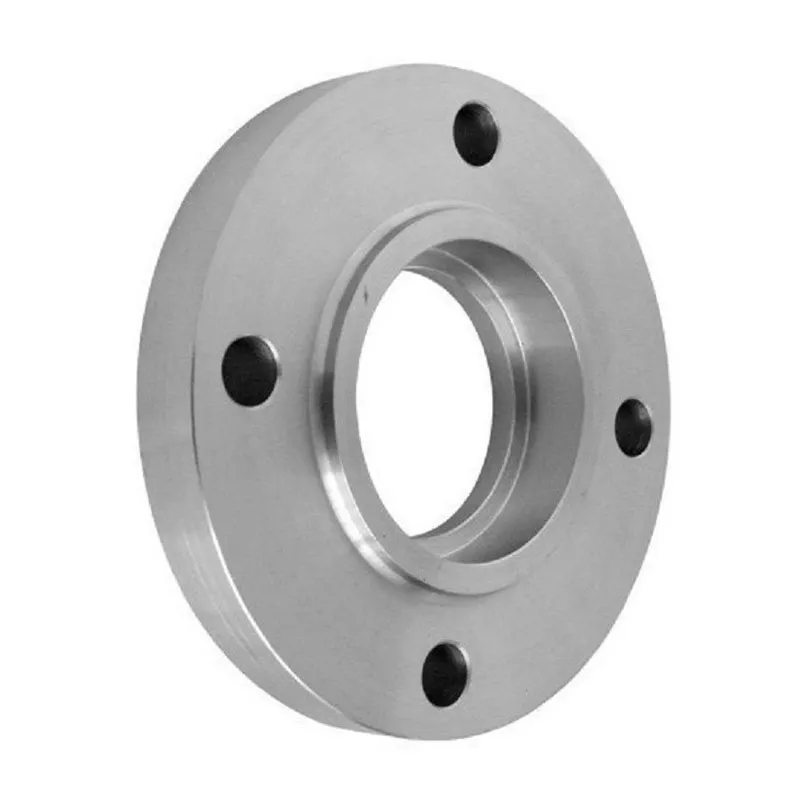 Socket Weld Flanges Class 300
 -
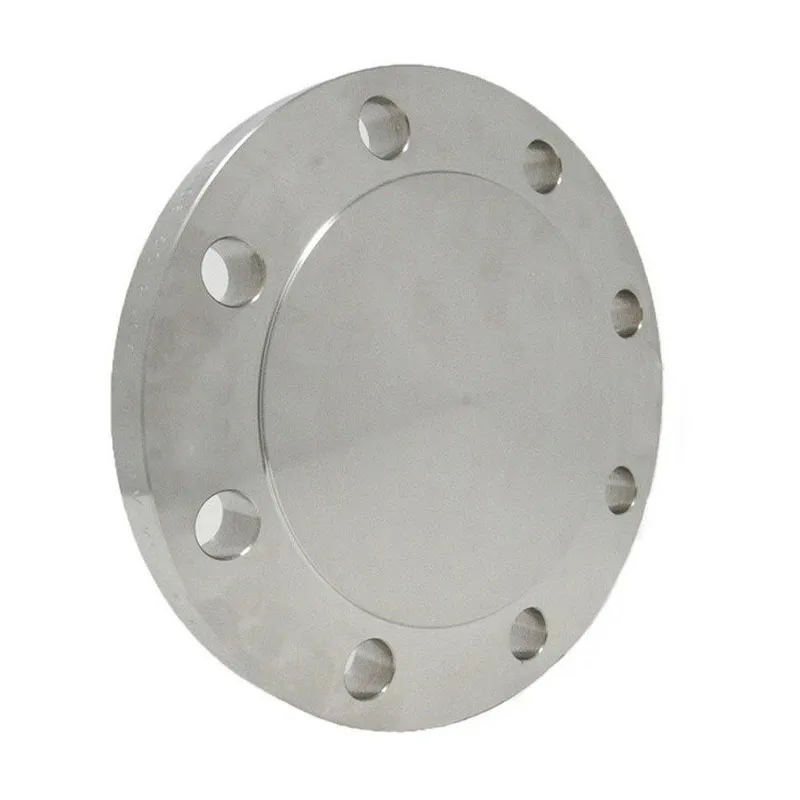 EN 1092-1 Blind flanges Type 05, PN10