
-
-
Phone
+86-13623462298



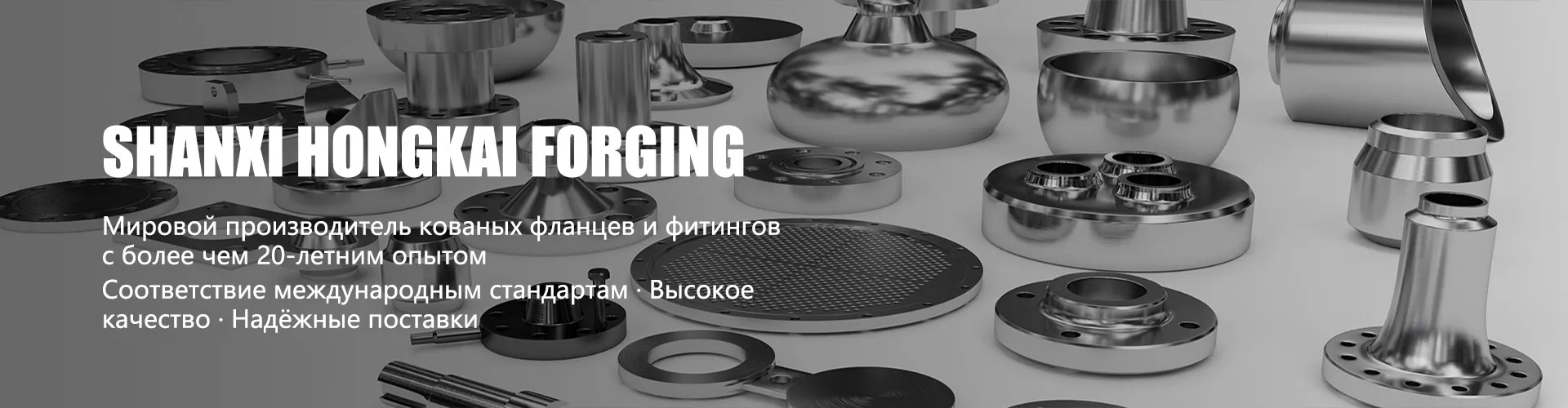
flange steel mounting
When they talk aboutflange steel mounting, many people immediately think about tightening the bolts. But this is just the tip of the iceberg. The main mistake is to underestimate preparation. The best quality flange, if incorrectly selected or prepared for joining, will create a problem for years. At our sites, we often encountered the fact that crews began installation without checking the geometry of the counter flanges or the condition of the sealing surface. The result is a leak during the first hydrotest. And then they blame the metal or the manufacturer, although the reason is in the approach.
Flange selection: standards and pitfalls
This is where it all starts. If we take, for example, products fromShanxi Hongkai Forging Co.,Ltd(their website ishkflange.ru), it is clear that the range is huge: from DN15 to DN4000, and according to GOST, ASME, EN standards. But the key thing is the forged flanges. Why is this important for editing? Forging gives a better metal structure, especially for critical components. There is less risk of internal defects that may appear after installation under pressure.
However, even with a high-quality product you can make a mistake. A common problem in practice is inconsistency of standards. Let's say the pipe is according to ASME, and the flange was ordered according to GOST. The threaded holes may not match the markings, or the thickness may differ. Particularly critical forflange steel mountingon imported equipment. I had to deal with when they quickly took a “similar” one. flange from a local warehouse, and then spent half a day re-drilling the holes, risking damage to the seal.
Therefore, now we always check not only by DN/PN, but also by the full drawing of the standard. Manufacturing companies like the aforementioned Shanxi Hongkai Forging LLC usually provide full geometric parameters for their forgings, which makes life much easier. Their profile just speaks of working according to international and national standards, including the production of non-standard products according to drawings. This is useful when you need to restore a unit on old equipment where the original flanges are no longer available.
Preparation for installation: what is often missed
Let's say the flange is selected correctly. The next stage is preparation. And it’s not just about cleaning the surfaces. It is important to check the flanges themselves for dents or nicks on the sealing surfaces. This is especially true for flanges for tongue-and-groove gaskets. or under lens seals. A microscopic dent from careless transportation - and the tightness is in question.
Another nuance is the condition of the threads in the holes for the studs. It would seem like a small thing. But if the thread is clogged with paint, scale or damaged, the tightening torque will be uncontrollable. The pin may “break off” ahead of time, creating a false sense of proper tightening. We always recommend beforeflange steel mountingrun threads with a tap, even on new products. This protects against surprises.
And of course, gaskets. The material must be suitable for the environment and pressure. But it is also important that the gasket is new and installed correctly. More than once I have seen how an old graphite gasket is used during repairs, they say, “it will still serve?”. It has already lost its plasticity and will not fill micro-irregularities. The savings are meager, but the risk of equipment downtime is huge.
The tightening process: not force, but uniformity
Now we have come to the most crucial moment. The basic rule is crisscross. Everyone knows about this, but in practice, in cramped conditions, under the pressure of deadlines, they begin to drag things out in circles. The result is flange misalignment. This is especially critical for large diameters, such as DN1000 and above. The sealing surface is not parallel, the gasket does not wrinkle evenly.
For critical connections, they are now increasingly switching to hydraulic tensioners or torque wrenches. This is no longer a luxury, but a necessity for high pressure systems. Allows you to achieve precise and uniform force on each stud. I remember an incident on a steam pipeline, where due to manual tightening “by eye” After starting it started leaking. I had to relieve the pressure, cool the assembly and go through everything again, but with a torque wrench and a tightening diagram.
An important point that is rarely discussed is the condition of the studs and nuts themselves. They must be of the same strength class as the flange. And if the flange, say, is made of steel 20, and the studs are made of stronger steel 35, this can create problems with different expansion coefficients during temperature changes. This is critical for high temperature environments.
Post-installation inspection and typical errors
The installation is complete, but the work is not. Visual control is required. Is there any misalignment? Does the gasket protrude evenly? Next - hydraulic or pneumatic tests. They are often in a hurry and increase the pressure too quickly. The flange, especially a large one, should “sit down” and the load should be distributed. A sudden surge in pressure can tear the gasket even if it is tightened correctly.
One of the most insidious mistakes is ignoring thermal expansion. If the system will operate with temperature changes, this must be taken into account during installation. Sometimes it is necessary to “understretch” in a cold state, so that at operating temperature, due to different expansion of the flange and stud materials, excessive stresses do not arise. This is already aerobatics and requires precise calculations and experience.
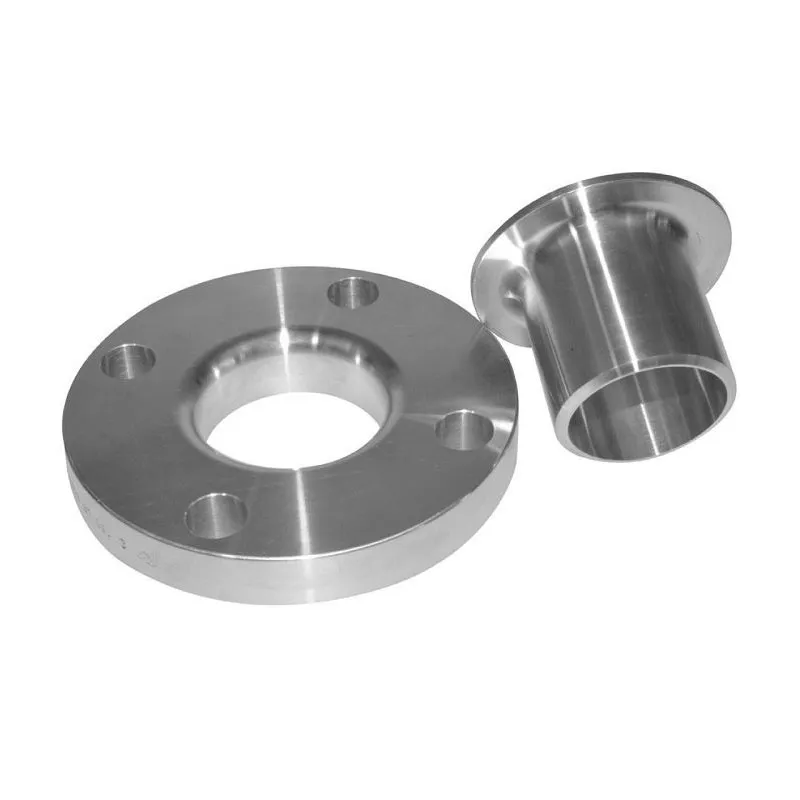
And the last thing is documentation. We always record which flanges are installed, from which manufacturer, batch, if possible. In the future, this will save a lot of time when repairing or expanding the system. For example, if forged flanges fromShanxi Hongkai Forging Co.,Ltd, then knowing their nomenclature (butt-welded, flat, loose, etc.) and the standard, you can quickly find or order exactly the same one for joining, without measuring everything again.
Instead of a conclusion: thinking out loud
Soflange steel mounting- this is a whole discipline. From choosing a reliable supplier who guarantees forging quality and compliance with standards, like the same manufacturer from Shanxi, to the intricacies of tightening and control. This is not an operation that can be entrusted to the most inexperienced member of the team. Each stage affects the outcome.
Now there are a lot of good products on the market, including those from China, where powerful forging production is concentrated. The main thing is to work with trusted companies that provide a full package of documents and manufacture according to drawings. Because there are no small details in editing. An incorrectly selected or installed flange means a potential accident, downtime, and losses.
I think many colleagues will agree that 90% of success is preparation and the correct selection of components. And the installation itself is an already established technology that just needs to be strictly followed, without trying to cut corners. Yes, sometimes it takes more time at the preparation stage, but then the system works for years without complaints. And this is the best indicator of the quality of work.
Correspondingproducts
Related Products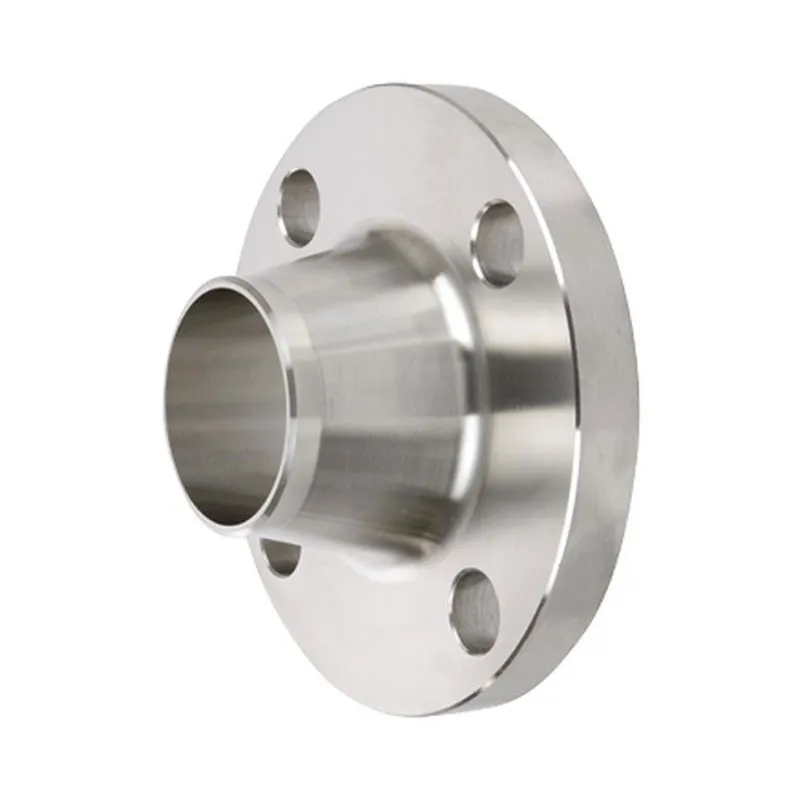
Best Sellingproducts
Best Selling Products-
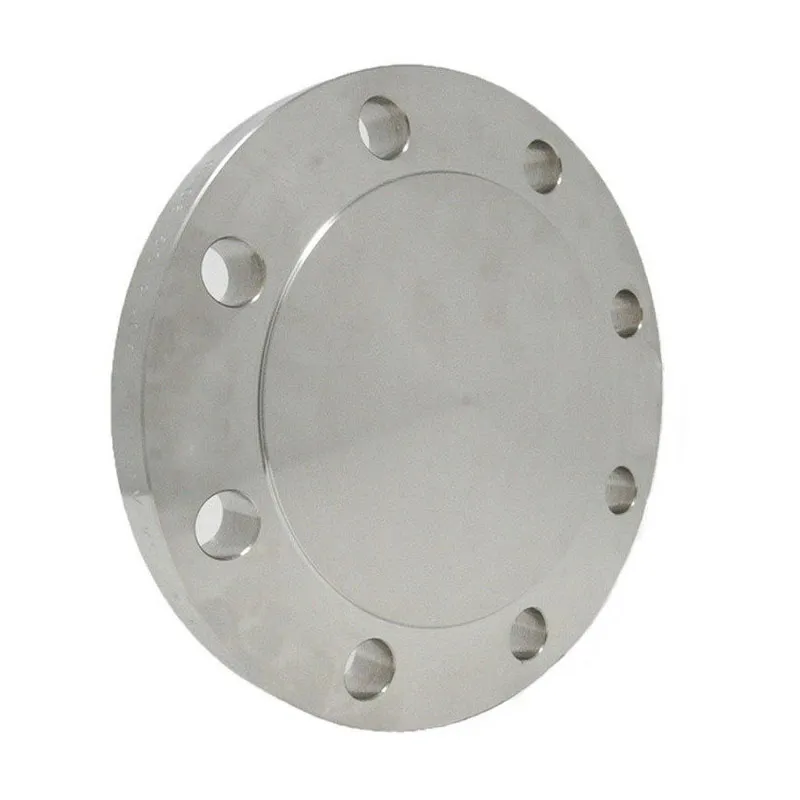 Blind flanges Class 150
 -
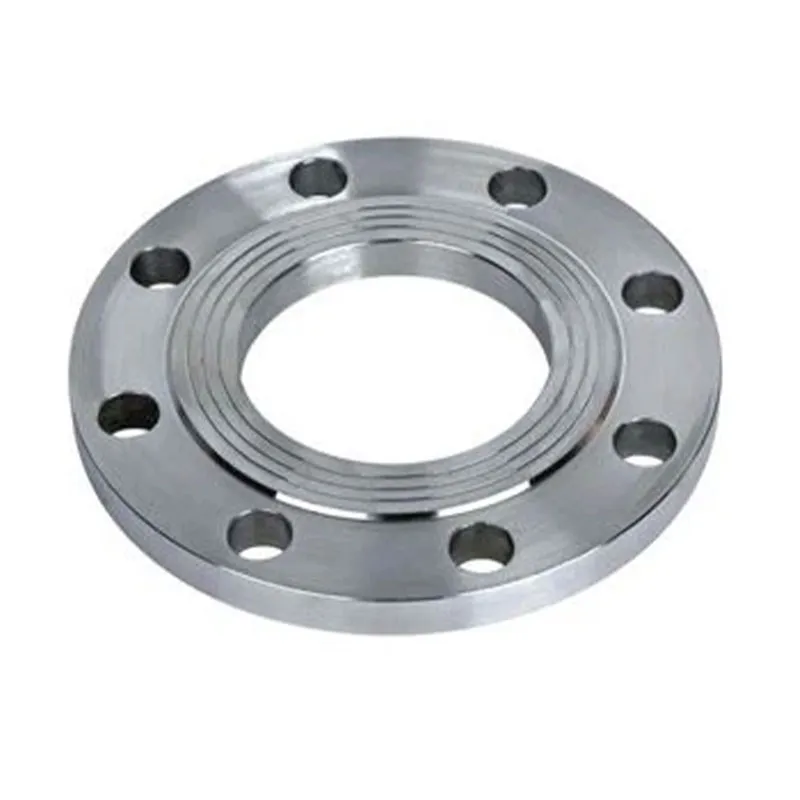 Butt weld flanges Class 150
 -
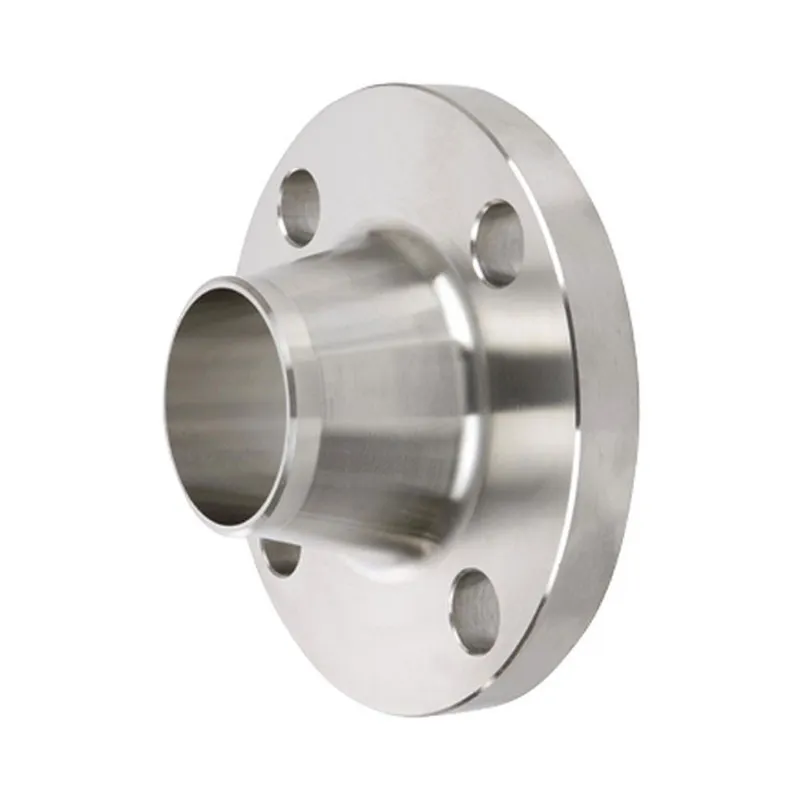 EN 1092-1 Butt weld flanges Type 11, PN25
 -
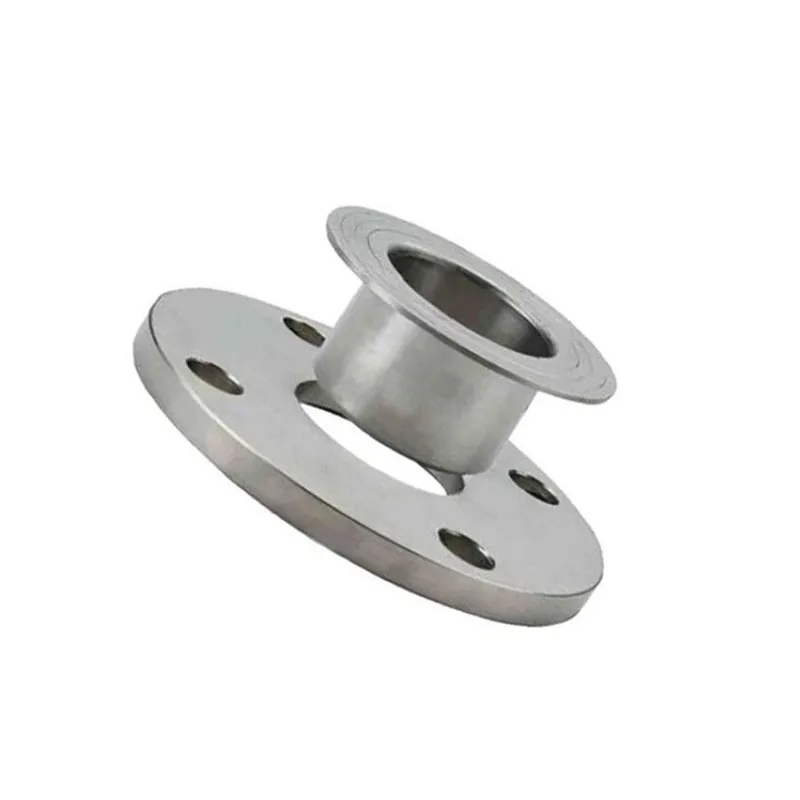 Free ring flanges Class 400
 -
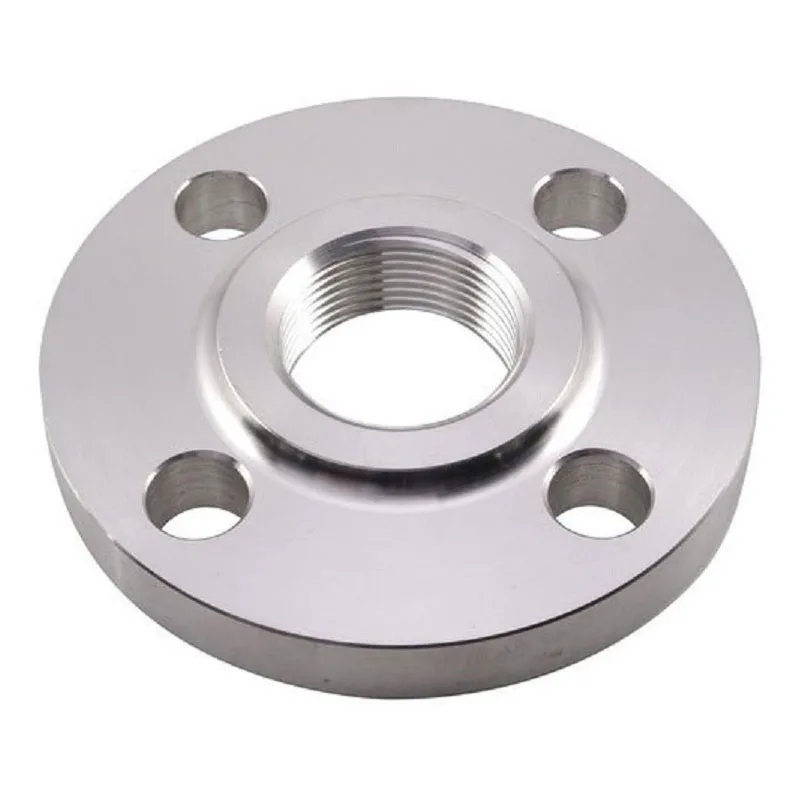 JIS 10K Threaded Flanges
 -
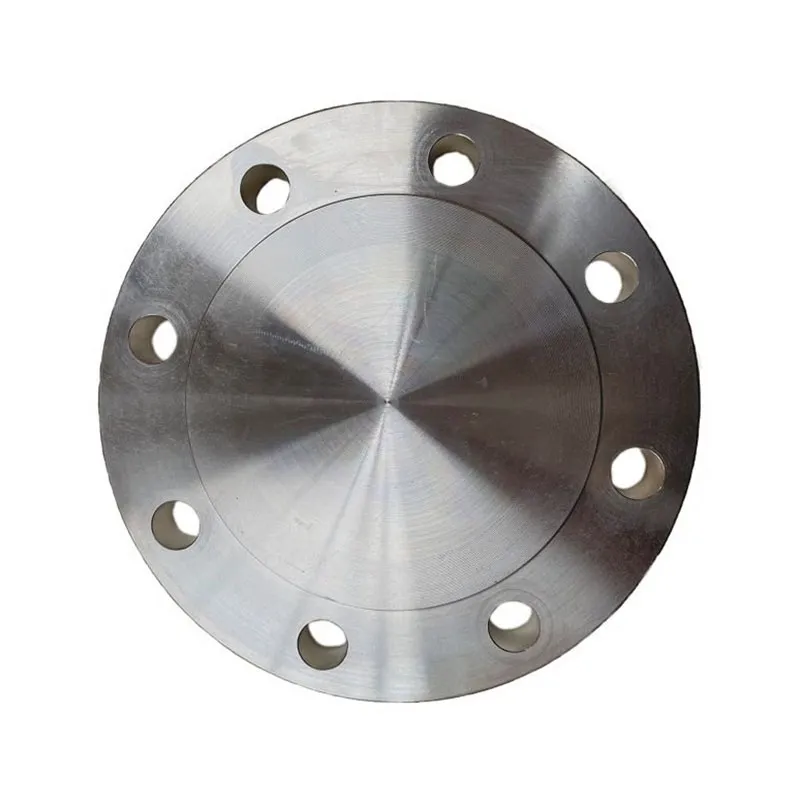 UNI 6092 Blind flanges PN10
 -
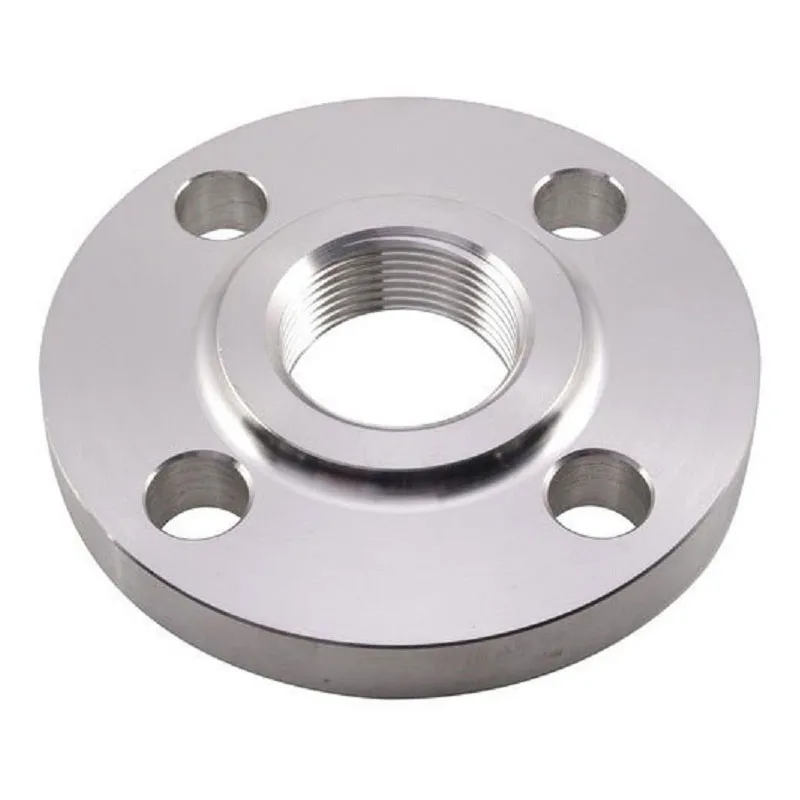 EN 1092-1 Threaded flanges Type 15, PN16
 -
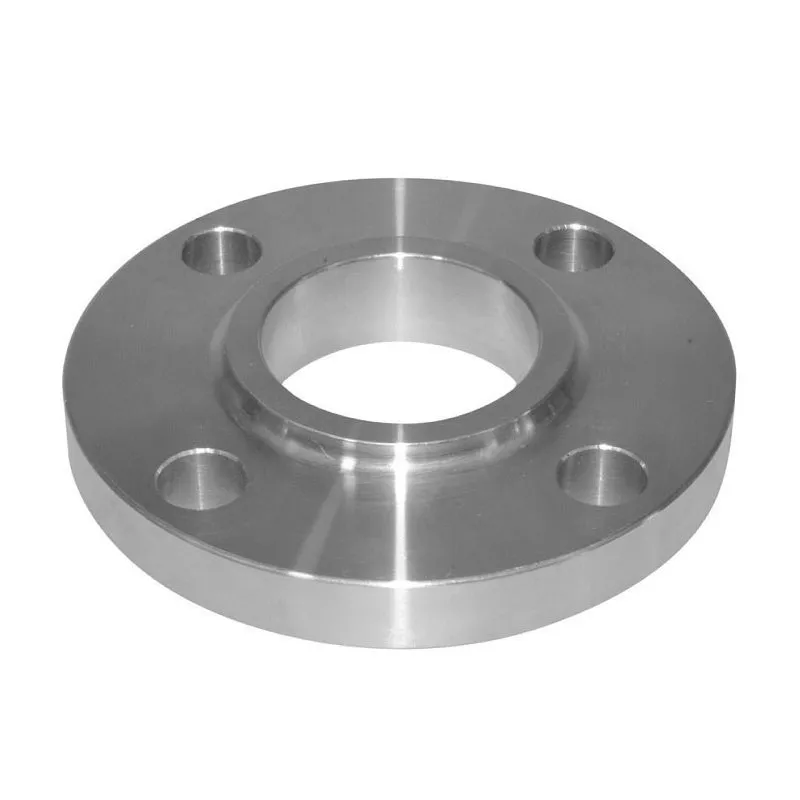 ANSI B16.5 Lap-on flanges Class 1500
 -
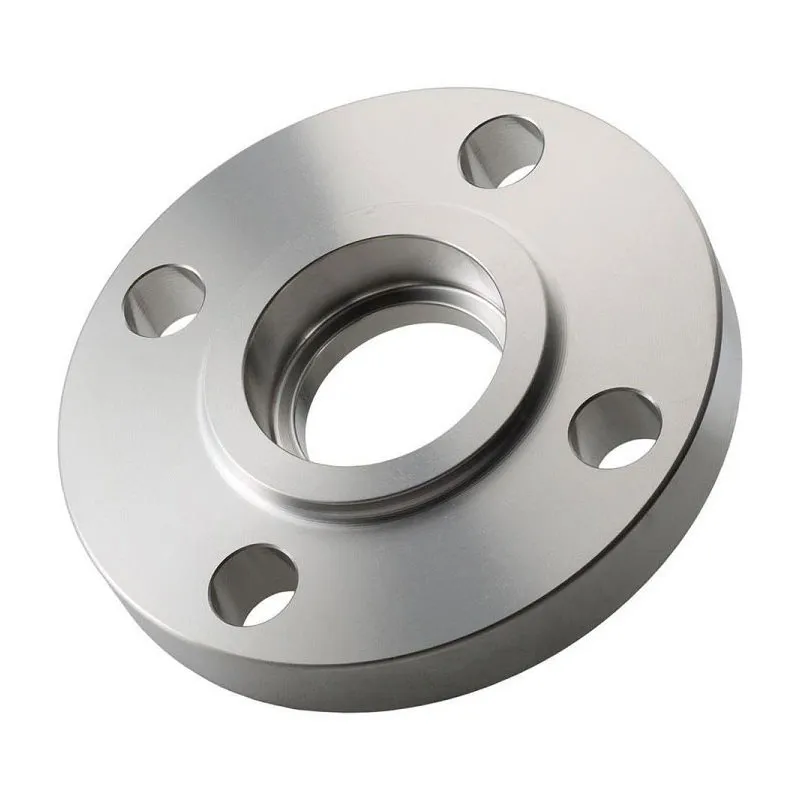 Flanges for socket welding
 -
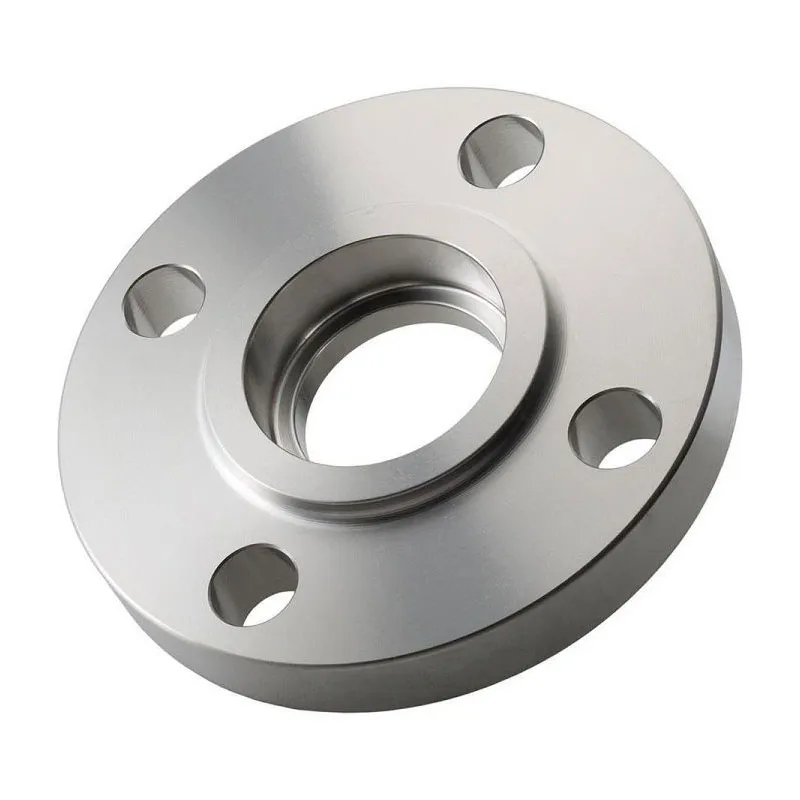 ANSI B16.5 Socket Weld Flanges Class 1500
 -
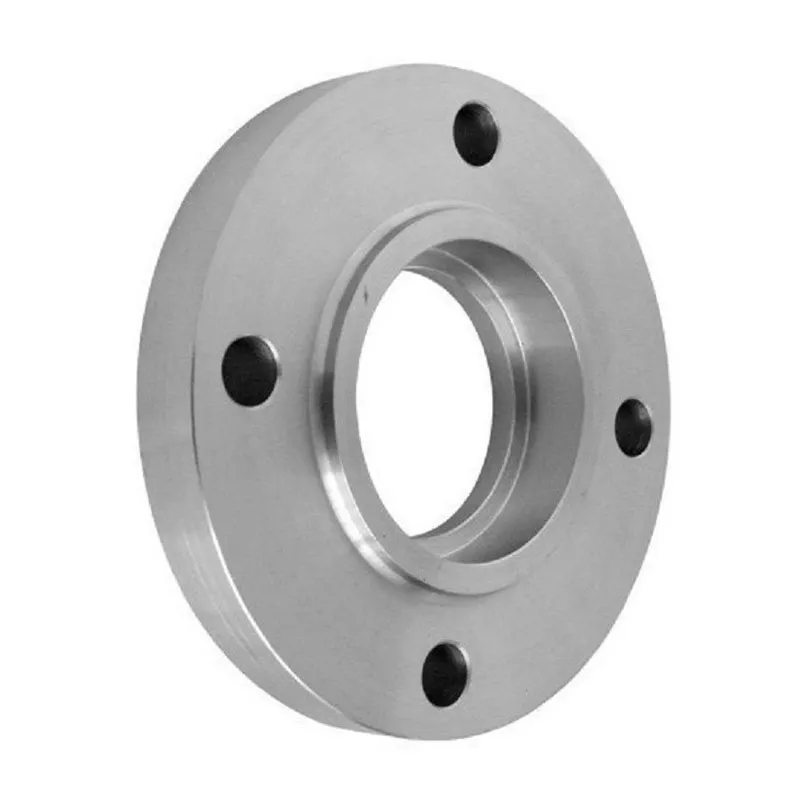 Socket Weld Flanges Class 300
 -
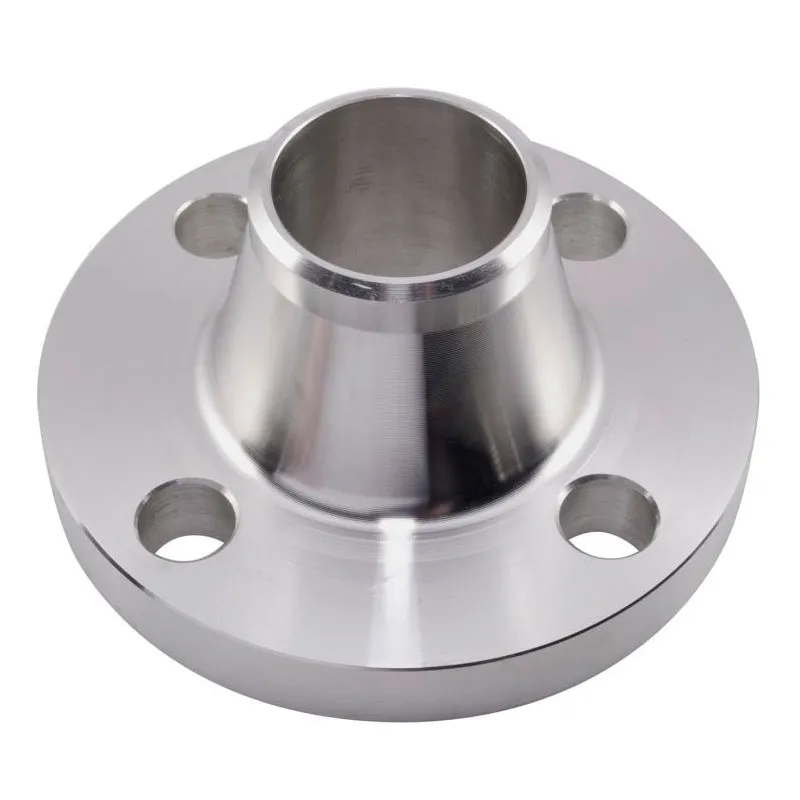 UNI 2281 Butt weld flanges PN10