
-
-
Phone
+86-13623462298



welded steel flange 300
When you see a request like “welded steel flange 300”, the first thing that comes to mind is, of course, pressure. 300 psi, PN40 European rating. But here’s the catch that many, especially those just starting out, miss: this figure is not an absolute truth for all conditions. I personally have encountered situations where a 300 flange, purchased “as standard,” began to leak on steam at temperatures above 300°C. And it was not a fault, but the fact that the material was not suitable for such temperature conditions. Therefore ?300? This is a starting point, not a finishing point. You need to look deeper: environment, temperature, type of steel, quality of the weld. Otherwise, you can easily get into trouble, even if you have a seemingly correct specification in hand.
Getting to the basics: more than just pressure
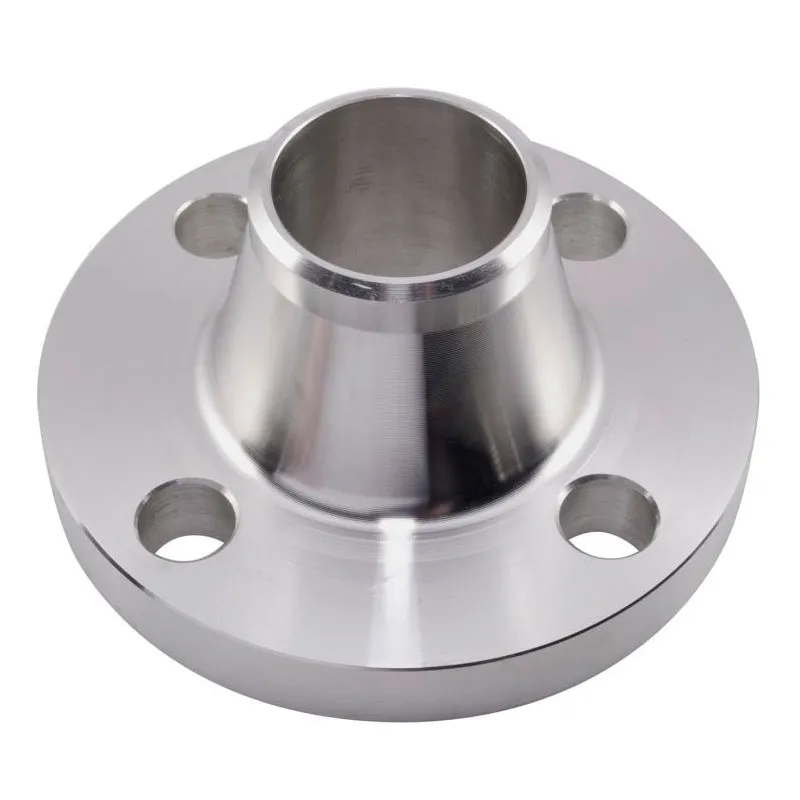
So,welded steel flange 300- This is, in fact, a connecting part for high-pressure pipelines. The key word is “welded”. This means that installation is carried out by welding, which gives a reliable, often permanent connection. But here’s something that is rarely discussed in open catalogues: the quality of end preparation for welding. Structurally, the geometry of the chamfer is important. Too sharp an angle - there is a risk of lack of penetration; too blunt - excessive consumption of electrodes and unnecessary voltage. From my own experience, I will say that this nuance can vary among different manufacturers, even if they work according to the same ASME B16.5 or GOST 33259. Sometimes you have to literally refine the edge with a grinder on the spot, before welding.
Another point is execution. Steel is a generic name. For the ?three hundredth? pressure is often carbon steel, for example, Art. 20 or A105. But if we are talking about aggressive environments, you need stainless steel 12Х18Н10Т or A182 F316. And here lies a common mistake: the customer requires a “steel flange 300”, but the project specifies an acidic environment. The supplier, without going into details, ships from black steel. The result is corrosion, leaks, emergency shutdown. Therefore, the application must always specify not only the pressure, but also the steel grade, and this must be clearly stated in the certificate.
As for the sizes, not everything is clear here either. The DN (or NPS) range for 300 pressure is a standard set. But there are non-standard wall thicknesses or diameters for drilling holes for studs. This is especially true when connecting equipment of different years of production or from different manufacturers. I remember a project where we had to order a batch of flanges with a non-standard arrangement of holes for an old imported pumping station. Standardweld flangeIf it didn’t fit, I would have to redo the entire assembly, which would be many times more expensive.
Supplier selection practice: where the risks lie
The market is now overflowing with offers. You can find a cheap onesteel flangeliterally on every corner. But cheapness often results in problems with geometry. The runout of the plane, the misalignment of the holes for the studs and the through hole itself are defects that come out already at the installation stage. It is necessary to check, at least selectively. We once took a batch from one local supplier, everything seemed to be in accordance with GOST. And during assembly it turned out that the holes were shifted by a couple of millimeters. I had to drill it out on the spot, wasting time. Since then, for critical components we have been working only with proven factories.
By the way, it is worth mentioning hereShanxi Hongkai Forging Co.,Ltd(websitehttps://www.hkflange.ru). We crossed paths with them on several projects. This is not just a trading house, but a manufacturer of forged flanges, which already indicates a different level of workpiece control. Forging, in contrast to casting or cutting from sheet metal, gives a more uniform metal structure and less internal stress. For the samewelded steel flange 300, which operates under pressure and vibration, this is critically important - fatigue strength is higher. Their product range includes butt-welded flanges for the entire pressure range, including the standards we need. What is valuable is that they also make non-standard products according to drawings, which, as I already said, is sometimes the only way out.
When choosing, I always request not only a certificate of conformity, but also test reports of mechanical properties (tensile strength, fluidity) and, if the environment is special, a chemical analysis. A good manufacturer, such as the one mentioned, will usually provide such documents without problems. If excuses begin, this is a red flag. Another practical tip: pay attention to the cleanliness of the surface in the weld area and on the sealing surface. Scuffs, holes, scale - all this interferes with a good fit and tightness. Sometimes you have to grind the contact surface on site, but it’s better when the product arrives ready for installation.
Installation subtleties that are not written about in the instructions
Let's say the flange is of high quality and the material is chosen correctly. The fun begins on the site. The first is preparation. The end of the pipe must be cut strictly perpendicular and cleaned. Any misalignment increases stress in the weld. The second is a potholder. The flange must be aligned with the pipe and grabbed at several points, checking with a level. A common mistake is to make a tack on one side, then when fully welded, the metal “leads” and the flange can stand at an angle.
The welding itself. Forsteel weld flangeUsually a double-sided suture or a root weld suture is required. A lot depends on the welder here. It is important to boil the root of the seam so that there are no voids left, which will then become centers of corrosion and potential destruction. After welding, it is good that the seam should be checked using non-destructive testing methods - ultrasound or radiography. This is what they do at especially critical facilities. But in practice, alas, they are often limited to visual inspection and leak testing.
Tightening studs is a science in itself. You need to tighten it crosswise, not on one side, and with a torque wrench with a certain torque. If you overtighten, you can damage the gasket or create excess stress in the flange, which will lead to its warping. If you don't do it enough, it will leak. The tightening torque depends on the diameter of the stud, the material of the gasket and, in fact, the pressure of the medium. All this should be on the installation map. At one of the old sites, I saw how installers tightened huge nuts with a gas wrench “by eye”. The result was constant leaks at the joints, which could only be eliminated by reassembling the unit and replacing the gaskets.
Case from practice: when the standard did not save
I would like to give an example that clearly illustrates that knowledge of standards alone does not guarantee success. We had an order for flanges for a superheated steam pipeline. Parameters: pressure 27 atm (this is right in the region of the same class 300), temperature 425°C. Ordered standardwelded steel flangesmade of steel 20. According to the passport, everything is fine. Installed and launched. After six months of operation, a slight leak appeared at one of the joints along the perimeter of the flange, not at the weld, but between the flange and the gasket.
They began to figure it out. It turned out that when working for a long time in this temperature regime, carbon steel 20 begins to creep - the material slowly deforms under load. The flange “floated”, the plane of contact was broken. The gasket could not compensate for this. The solution was non-standard: it was necessary to dismantle the unit and replace the flanges with ones made of heat-resistant steel 15Х5М. Yes, they are more expensive. But for these conditions, this was the only correct option. The standard allowed the use of Article 20 for such parameters, but practice has shown the opposite. This is the case when you need not just a seller, but a technically competent manufacturer who can advise on the material.
This is where the plant’s expertise is important. If we had initially consulted with engineers from a manufacturer such asShanxi Hongkai Forging Co.,LtdPerhaps this problem could have been avoided. On their websitehkflange.ruIt can be seen that they work with a wide range of steel grades, including alloy and stainless steels, and clearly face different technological challenges. Their profile is forged forgings for the energy and petrochemical industries, and there the conditions are often harsher than in a standard water supply network. The ability to make non-standard things according to drawings also speaks of a depth of understanding of the issue, and not just about stamping standard products.
Instead of a conclusion: a few short theses
So, let me summarize informally.Welded steel flange 300- this is not just a piece of iron with holes. This is a settlement node on which the security and uninterrupted operation of the entire system depends. The number 300 is just the tip of the iceberg. Always look at the material used and correlate it with actual operating conditions (temperature, environment, load cycles).
Don't skimp on the quality of the flange itself. Problems with geometry or metallurgy will appear at the installation stage or, worse, during operation. The cost of repairs or downtime will be disproportionately higher than the funds saved on purchases. Work with manufacturers who can provide a complete package of documents and provide technical advice.
And remember about installation. The best flange can be ruined by poor welding or improper tightening. This is a chain where every link is important. Therefore, my main advice is to consider the flange not as a separate part, but as part of the pipe-weld-flange-gasket-stud system. Only an integrated approach gives reliable results. And choosing forged products from specialized factories, like the one I mentioned, is often a worthwhile investment in that reliability.
Correspondingproducts
Related Products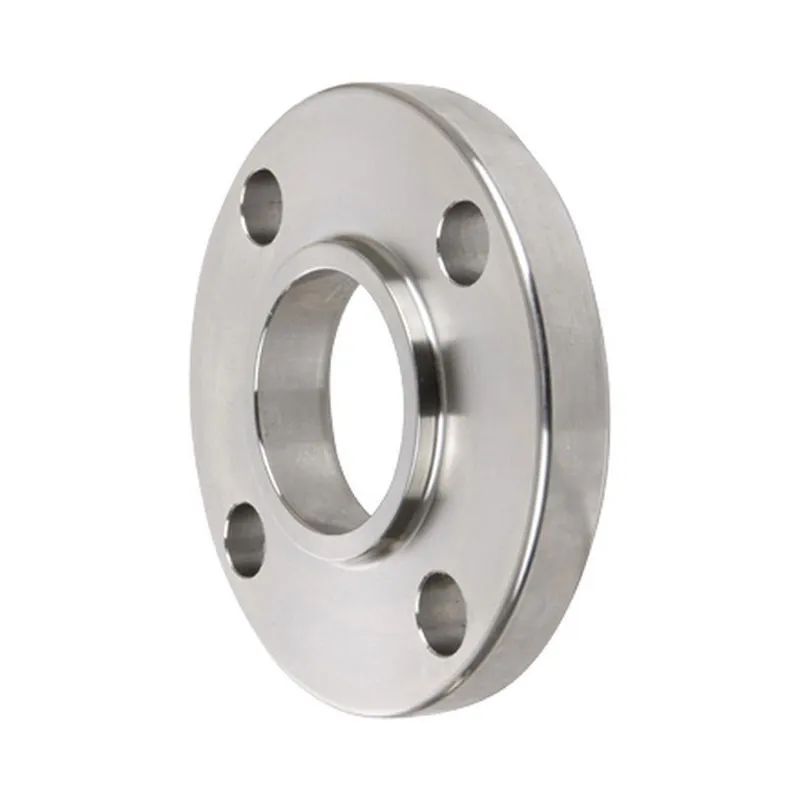
Best Sellingproducts
Best Selling Products-
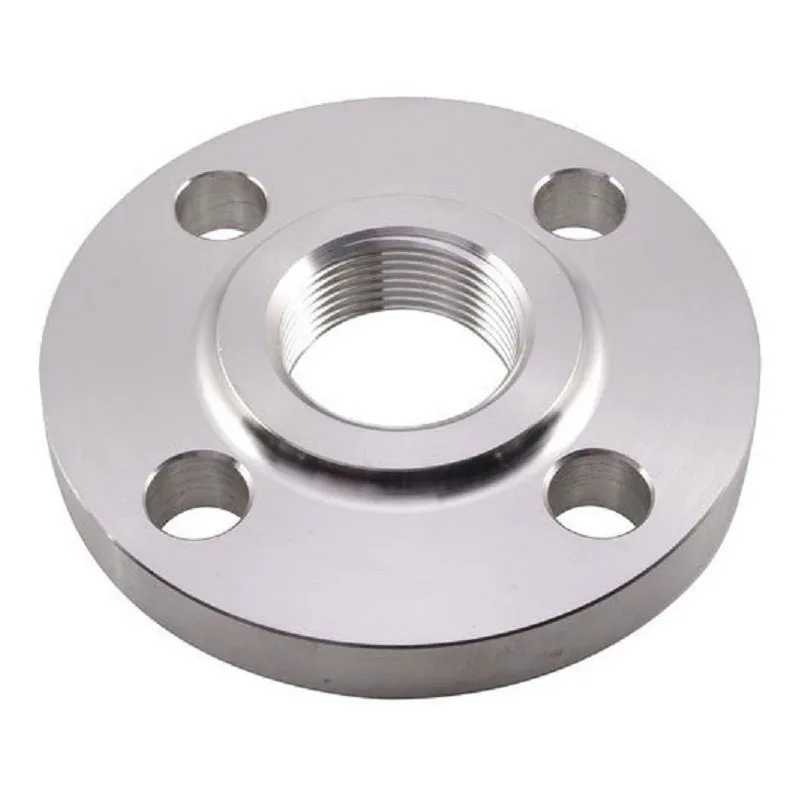 ANSI B16.5 Threaded Flanges Class 600
 -
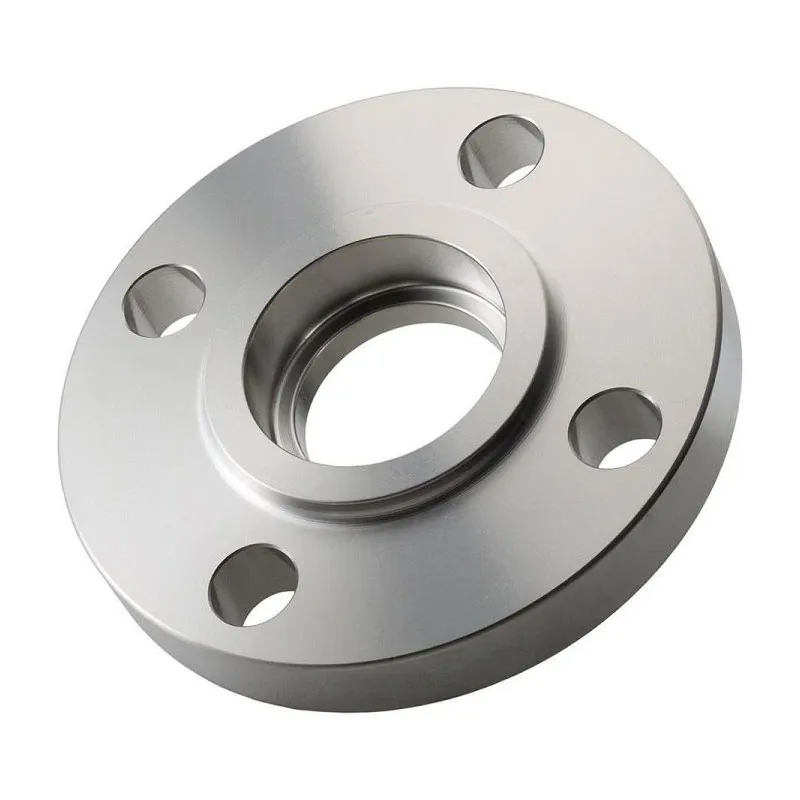 ANSI B16.5 Socket Weld Flanges Class 150
 -
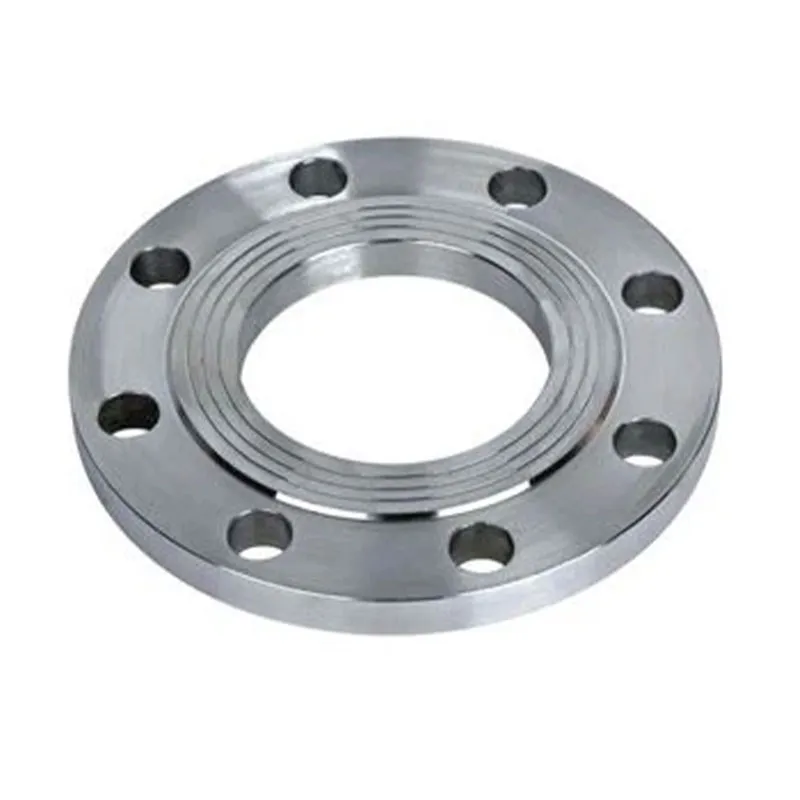 Butt weld flanges Class 150
 -
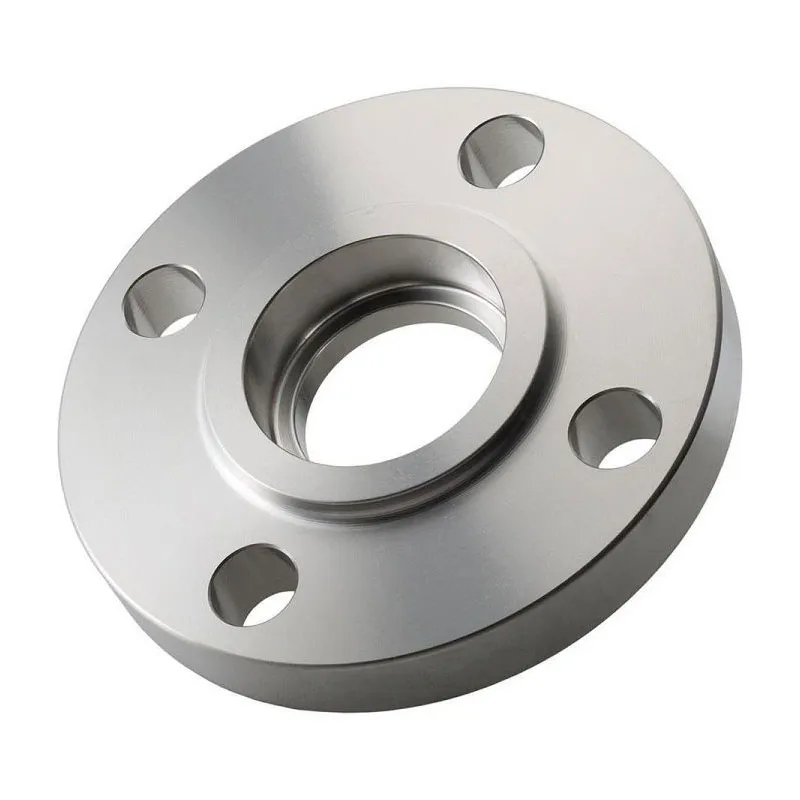 ANSI B16.5 Socket Weld Flanges Class 1500
 -
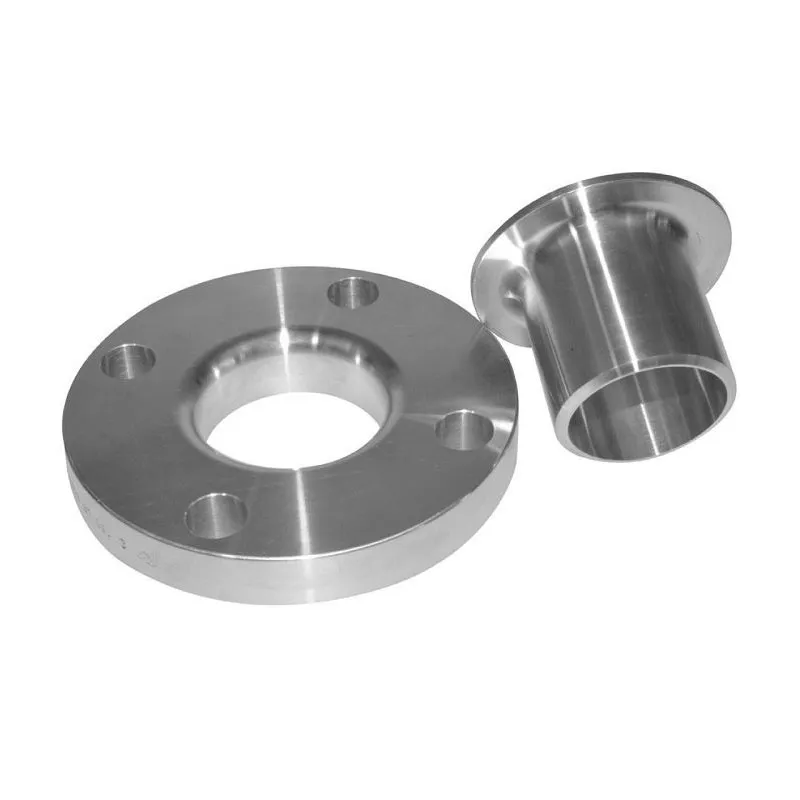 ANSI B16.5 Loose Ring Flanges Class 2500
 -
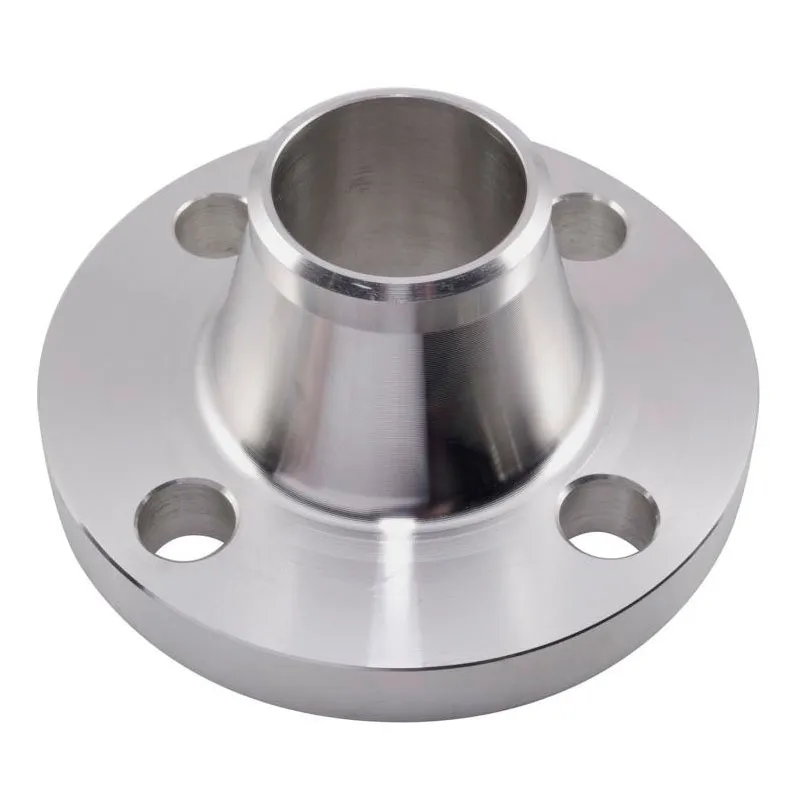 DIN Butt weld flanges PN10
 -
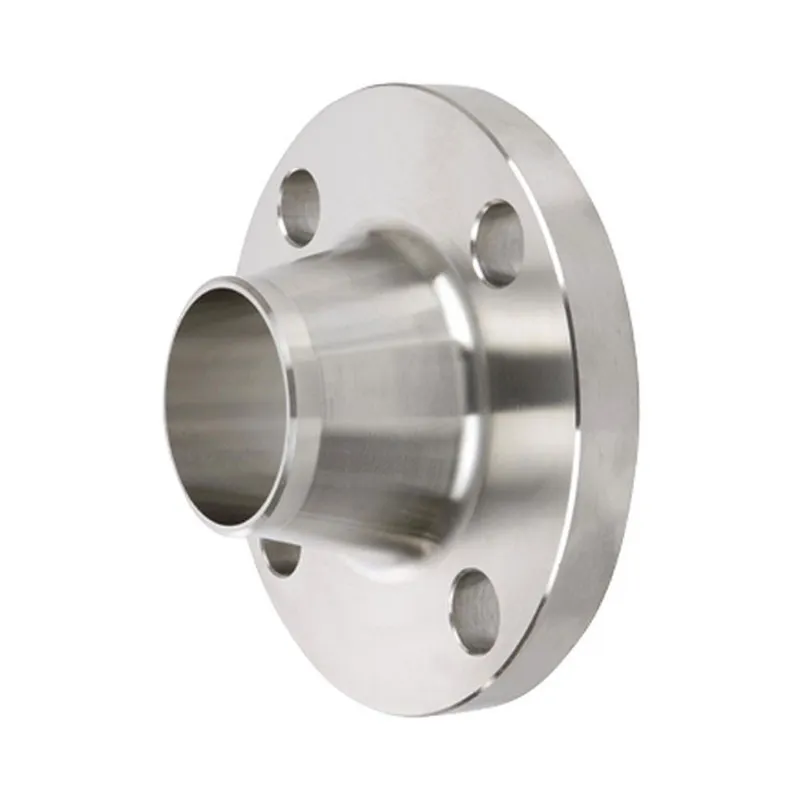 EN 1092-1 Butt weld flanges Type 11, PN25
 -
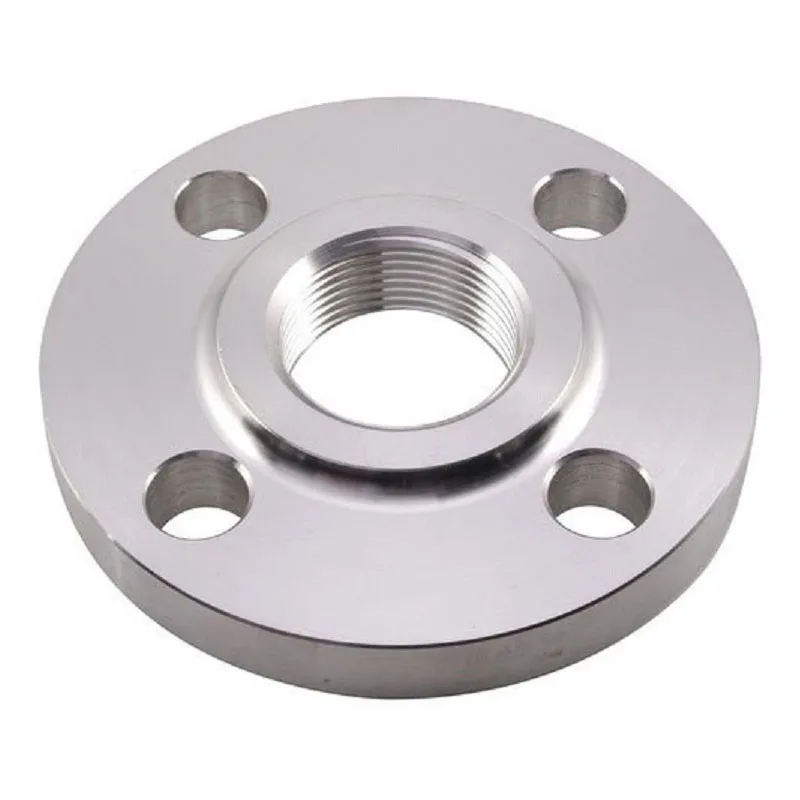 DIN 2566 Threaded flanges PN16
 -
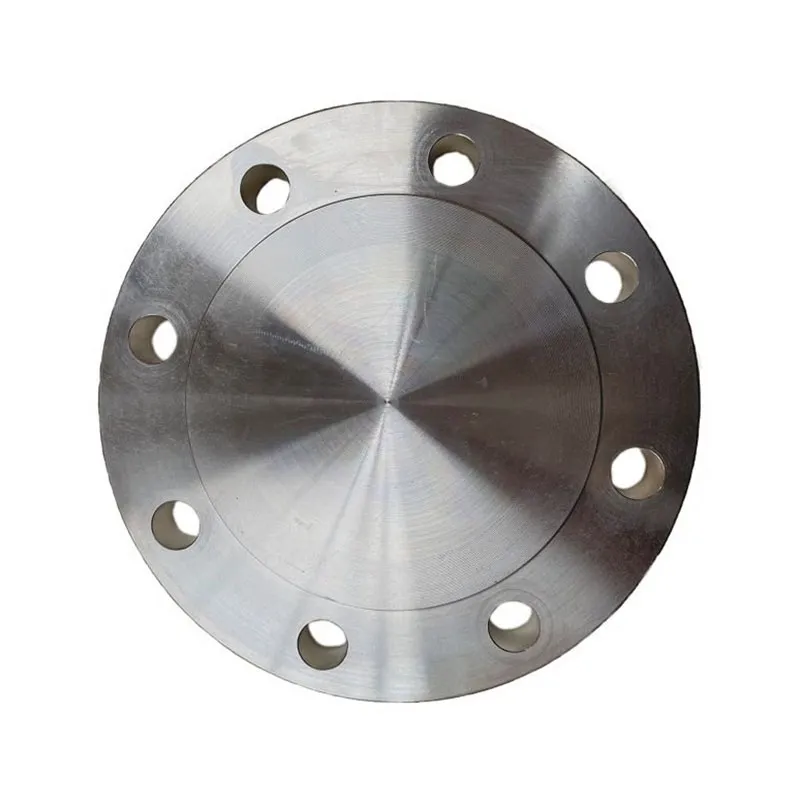 ASME B16.47 Ser.A Blind Flanges Class 400
 -
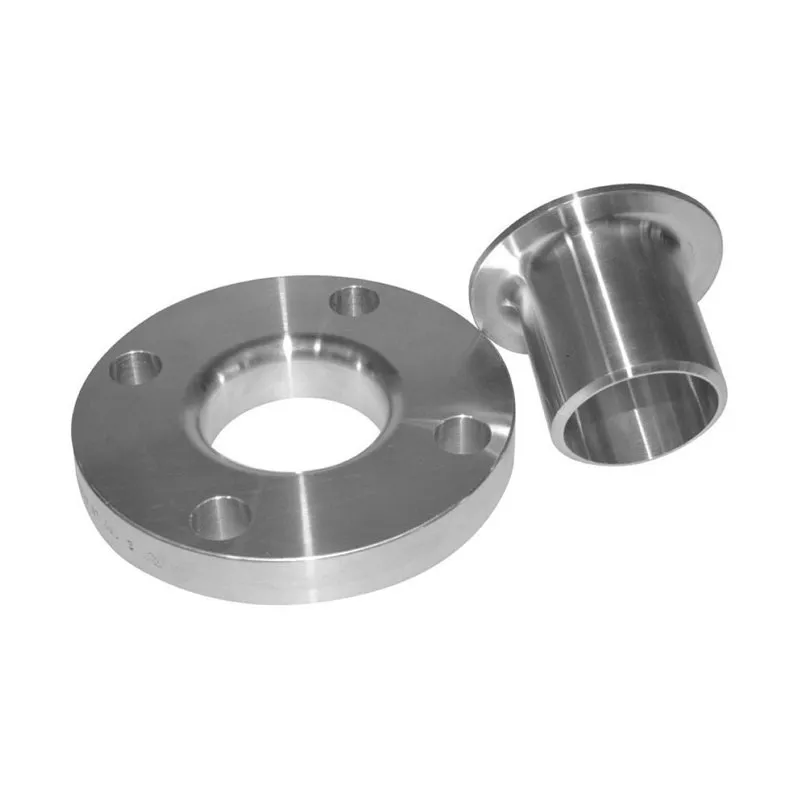 Free ring flanges Class 150
 -
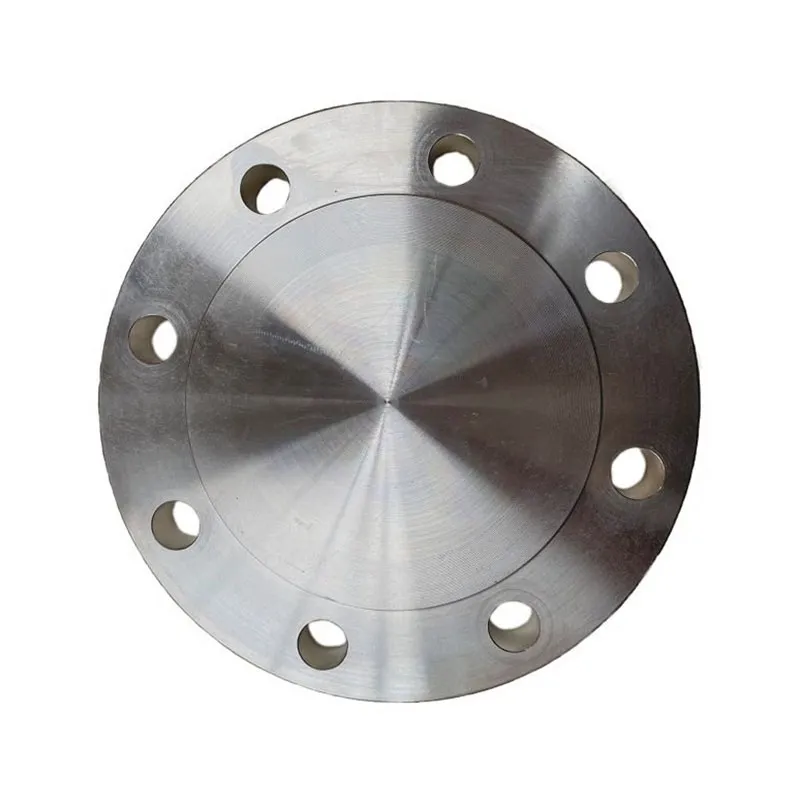 UNI 6092 Blind flanges PN10
 -
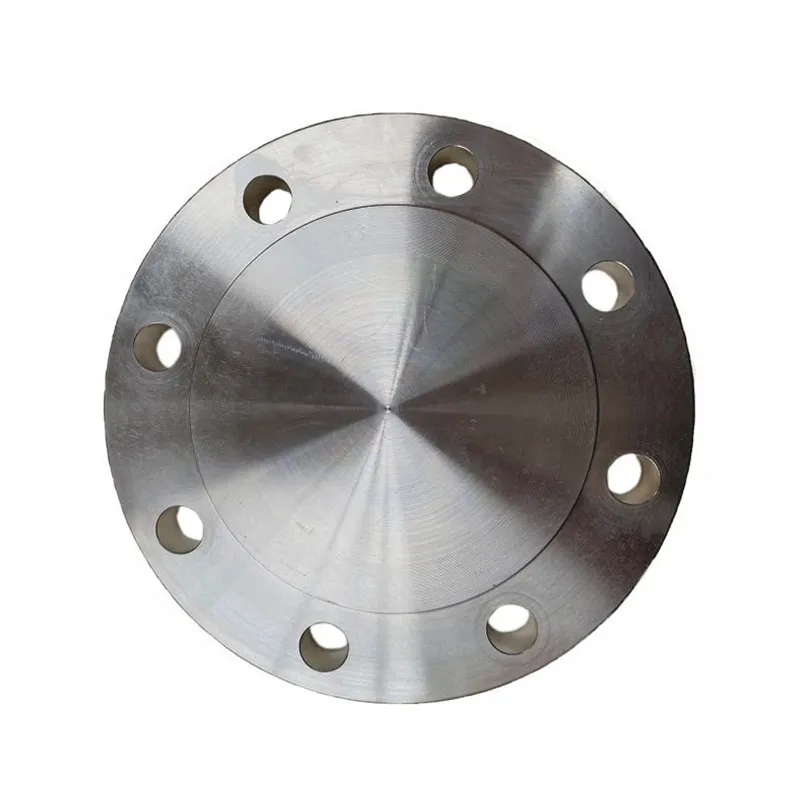 DIN 2527 Blind flanges PN10