
-
-
Phone
+86-13623462298




flange 210
When they say “flange 210”, many people immediately think of DN 210 or PN 20/25. But this is exactly the mistake that later comes back to haunt the facility. In reality, this often means the size according to GOST 12820-80 or 12821-80, but without specifying the pressure and type, you can get a completely wrong part. I encountered it myself when a flat flange for DN 200 was brought to the warehouse, but the specification stated “flange 210?” according to the old drawing, where the outer diameter was meant. Confusion for a week.
What's behind the number?
In practice, especially when working with post-Soviet objects, ?210? may be a nominal bore, an outer diameter, or even a reference to some outdated specification. The main thing is to never take it at face value without a drawing or technical specifications. Once we purchased a batch for repairs at a thermal power plant - the customer sent a request simply for “flange 210 steel 20”. It turned out they neededbutt weld flangeon Ru 25, but out of old habit the engineer indicated the approximate outer diameter. It’s good that we contacted for clarification and didn’t ship whatever was first available.
If we take standard rows, then underflange 210Most often they look for products with a nominal diameter of DN 200. But pressure is a different story. For a flat flange on PN 10 and for a butt flange on PN 25, the geometry and thickness will be different, although both may appear in the documentation as “210”. That is why in our company,Shanxi Hongkai Forging Co.,Ltd, we always ask for either a sketch or full marking according to the standard. Websitehttps://www.hkflange.ru- this is not just a catalogue, there is a section with technical data, where you can see how sizes change depending on Ru.
There was a non-standard case. I received a request for a flange with a mounting diameter for a seal of 210 mm. The client was sure that this was a standard part. I had to explain that this was most likely a modification for a specific device, and it had to be done according to the drawing. We made it from a 25L forging, everything came together. This is about the fact thatforged flangesgood for such non-standard solutions - the metal is denser, there are no internal sinks.
Material and pressure: where thin
For DN 200, the standard version is often steel 20 or 09G2S. But if we are talking about high parameters, say, in the energy sector, then there is already 15X5M or even 12X18N10T. And here is the number ?210? generally fades into the background. The certificate for mechanical properties and impact strength at minus becomes more important. In production, for important orders, we always carry out selective inspection of each heat. I remember how, for an order to Kazakhstan, I had to reject a whole batch of workpieces due to the high sulfur content - the welders would then swear.
Blood pressure is a separate headache.Flange 210on Ru 6 and on Ru 100 - these are, as they say in Odessa, two big differences. Especially in mass and in the configuration of the sealing surface. For high Rus, a tenon-groove or tongue-and-groove connection is often required, rather than just a tongue-and-groove joint. And if this was not indicated in the project, but was done as usual, there may be a leak during pressure testing. I came across this while testing the compressor piping - I had to urgently redo it.
It is worth noting here that the manufacturer seems toShanxi Hongkai Forging Co.,Ltd, being one of the centers of the forging industry, usually has established practices. They produce forgings in accordance with GOST, ASME, EN. But even so, when a request comes in according to DIN EN 1092-1 for a DN200 PN40 flange, we check which type of execution (B1 or B2) the customer needs. It's a small thing, but it has an impact.
Installation and pitfalls
Installation with flanges on DN 200 has its own nuance - weight. A forged flange, especially for high pressure, can weigh 20 kg or more. This means that during assembly you need not only the correct bolts (the thread length is often mistaken), but also the correct support. I saw how at a construction site they hung a pipeline with such flanges without proper supports - after a month, cracks appeared in the connections due to vibration.
Another point is centering. Larger flanges seem to be easier to fit together. In fact, if the holes for the bolts are offset even by a couple of millimeters, painful marking and drilling begins. We always recommend ordering flange pairs from the same manufacturer. From my own experience, when we took a forging fromHongkai Forgingand processed on site, and the counter part was bought “outside?” - had to be adjusted. Now we are trying to complete it.
Seals. For diameters of about 200 mm, spiral wound gaskets are often used. But if the flange has a non-standard surface (for example, for an oval seal), then a standard gasket will not work. Once the launch schedule was almost disrupted due to the fact that the gaskets were standard, but the flanges had a groove for a metal lens. Now we must check this item in the specification.
Non-standard situations and forging
Often ?flange 210? becomes the starting point for a non-standard product. For example, you need an adapter flange from DN 200 to DN 150, and even with a drainage outlet. In such cases, forging is an ideal option. Complex geometries can be forged and machined from a single piece while maintaining strength. We had an order for a similar unit for a chemical reactor - made from 12Х18Н10Т steel, with additional reinforcement in the transition zone. It has been working for five years, according to reviews.
By the way, about the sizes. On the websitehkflange.ruit is indicated that the range is right up to DN4000. But for sizes like 200 mm, this is rather a serial story. The beauty of large manufacturers is that they can provide stable quality within the production range. Forflange 210(relatively speaking) they probably have proven heat treatment modes and control templates.
It was a disastrous experience too. We tried to somehow save money and order flanges not forged, but from a bent-welded ring for an unimportant water pipeline. The pressure was low, Ru 6. But after hydrotesting, micro-leaks appeared along the welded seam of the ring. I had to change to solid forged ones. Conclusion: even for low pressures, if there is even the slightest load cycle, it is better not to take risks.
Instead of a conclusion: thinking out loud
So, when you hear “flange 210?”, you need to immediately turn on the clarification mode. Standard, pressure, material, seal type, medium temperature. Without this, any purchase is a lottery. Experienced installers and engineers know this, but young specialists often get into trouble.
Now the market is saturated with offers, from casting to forging. For critical applications, especially in oil and gas or energy, I would still look towards proven manufacturers of forged products, such asShanxi Hongkai Forging Co.,Ltd. Their profile is manufacturing according to international standards, which means there is less chance of stumbling upon a discrepancy. Yes, perhaps more expensive, but cheaper than stopping the facility due to a leak.
In general,flange 210- this is not just a line on the invoice. This is a story about a detail that should hold. And how carefully you approach it at the very beginning will determine whether it will actually hold. Tested more than once.
Correspondingproducts
Related Products

Best Sellingproducts
Best Selling Products-
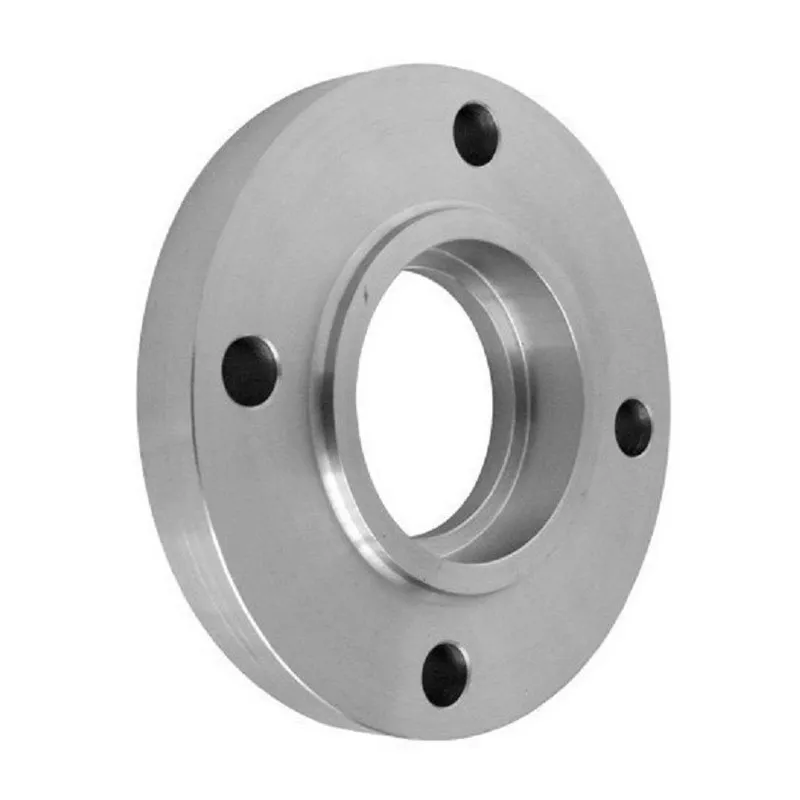 JIS 5K Socket Weld Flanges
 -
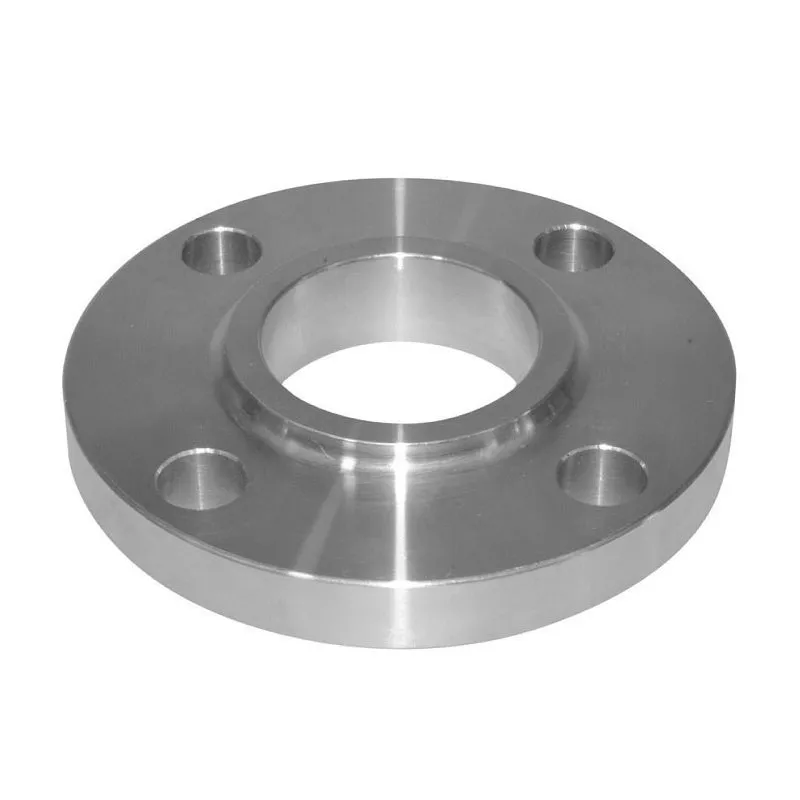 ANSI B16.5 Lap-on flanges Class 1500
 -
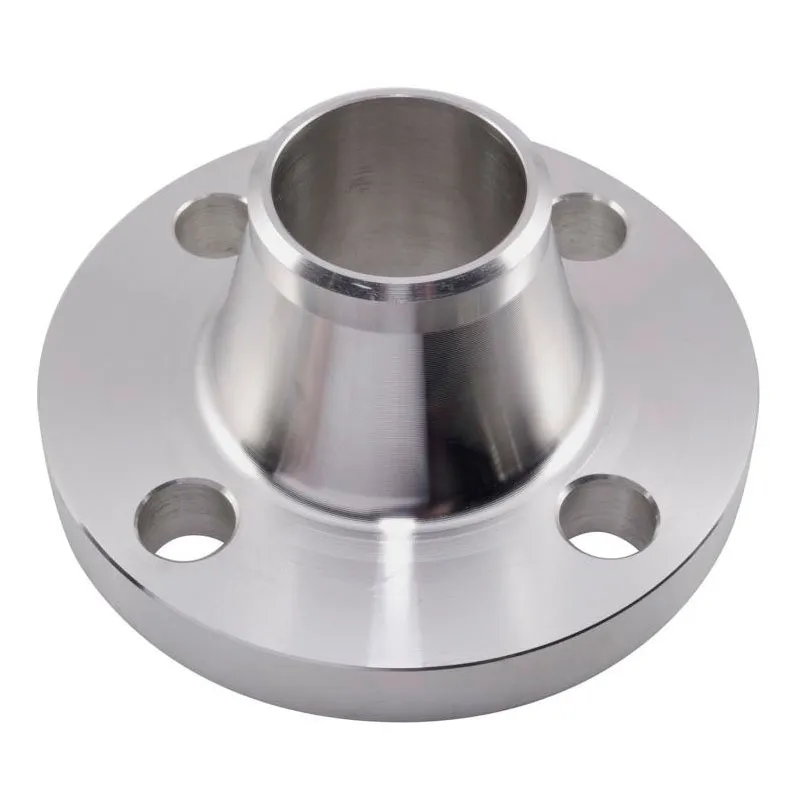 DIN Butt weld flanges PN10
 -
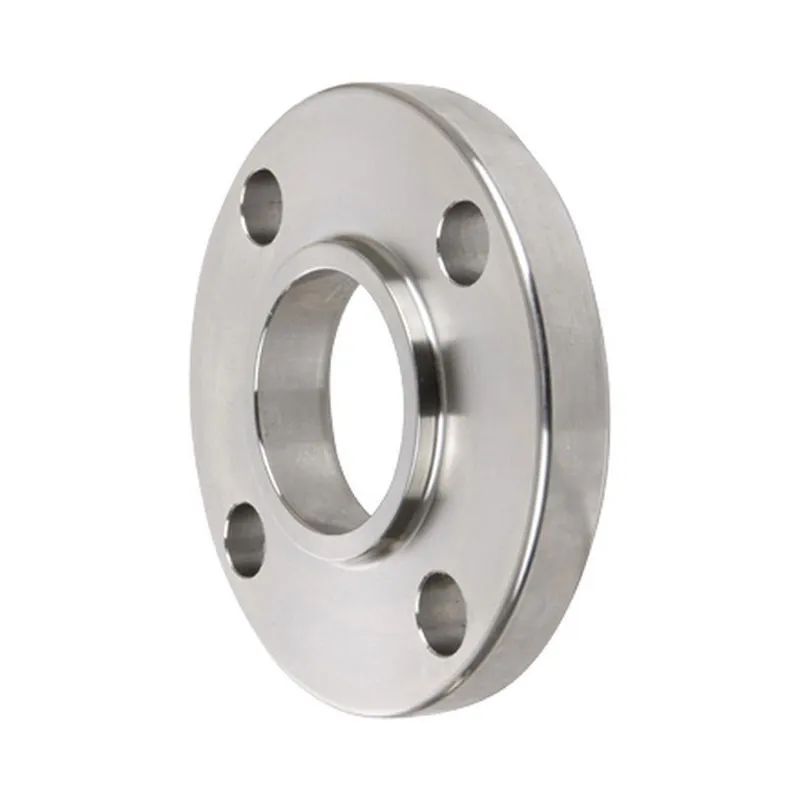 DIN 2501 Overlay flanges PN16
 -
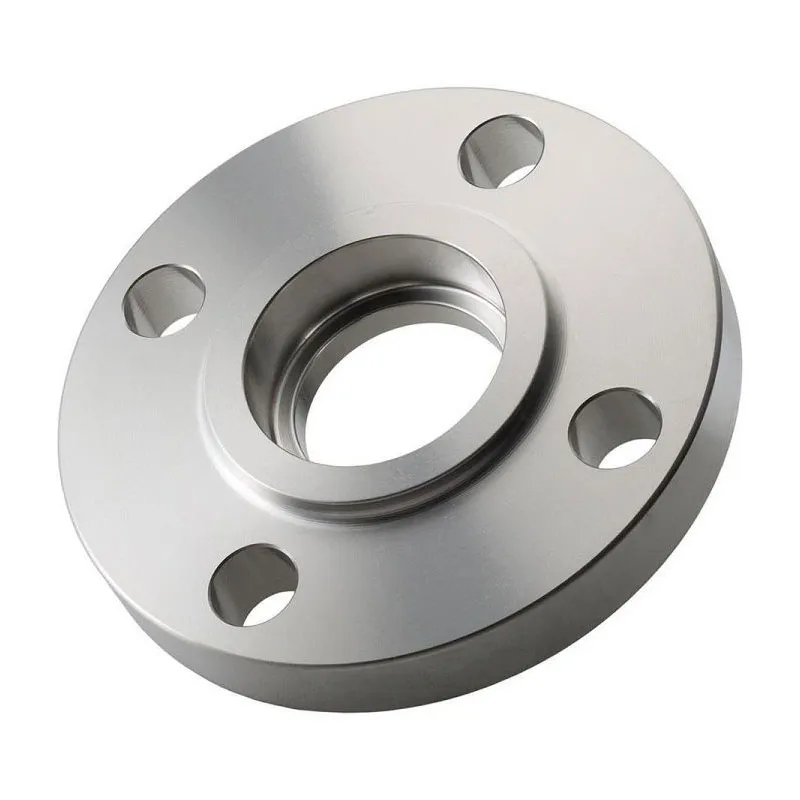 ANSI B16.5 Socket Weld Flanges Class 1500
 -
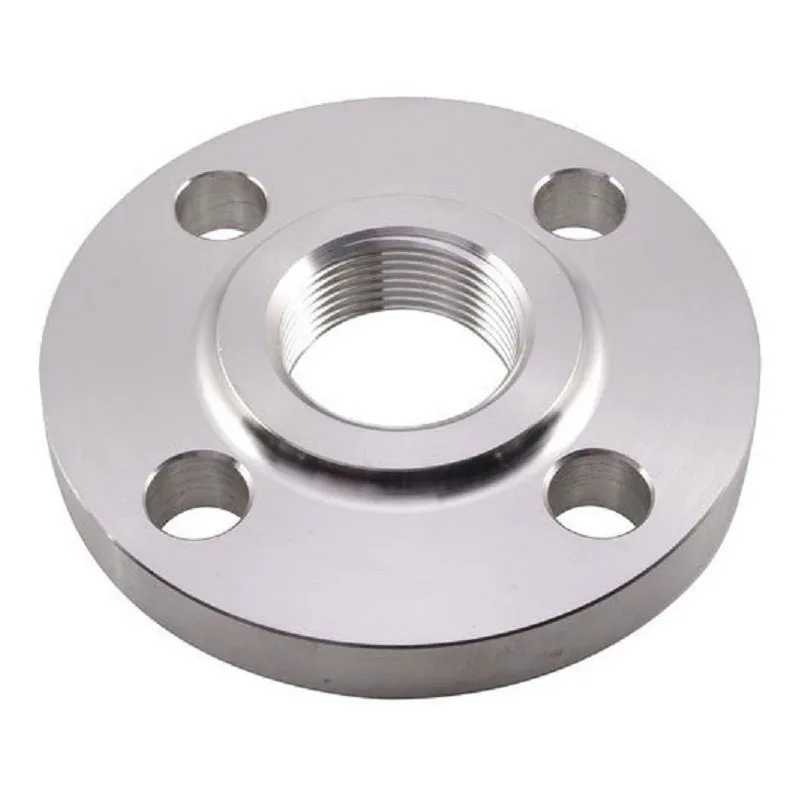 ANSI B16.5 Threaded Flanges Class 600
 -
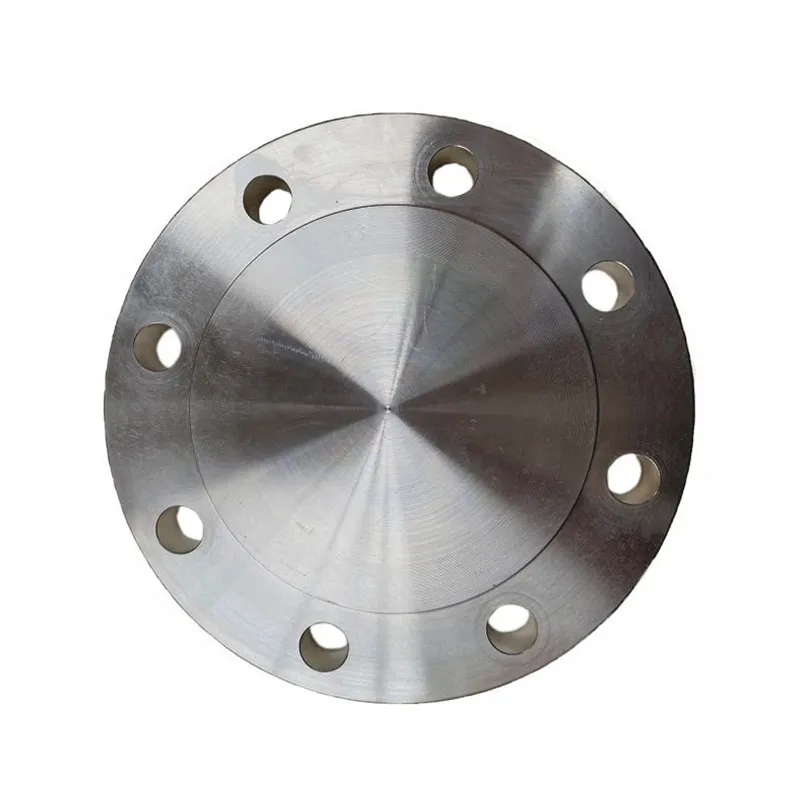 DIN 2527 Blind flanges PN10
 -
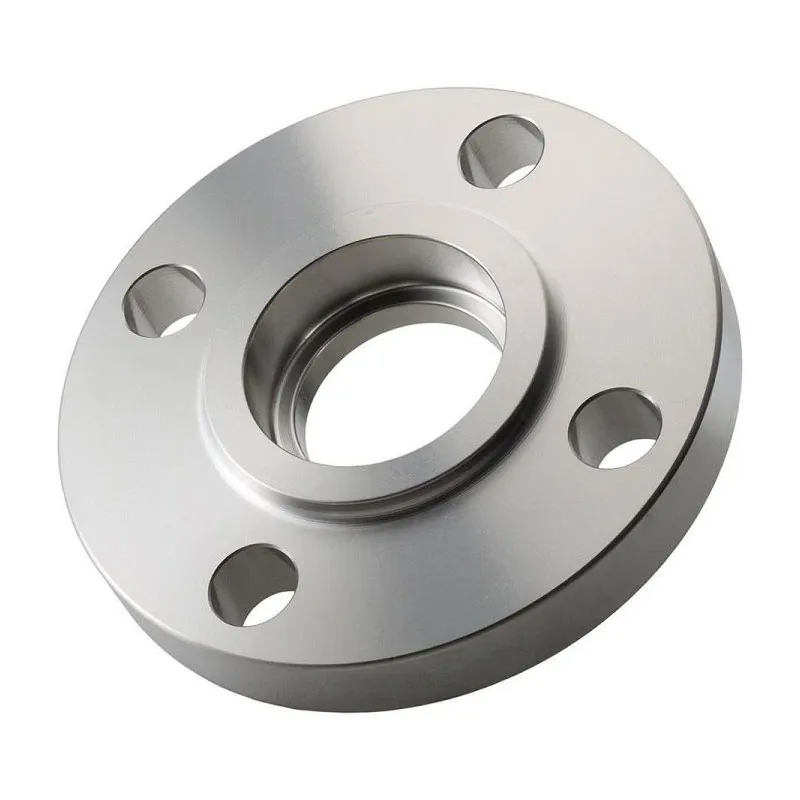 ANSI B16.5 Socket Weld Flanges Class 150
 -
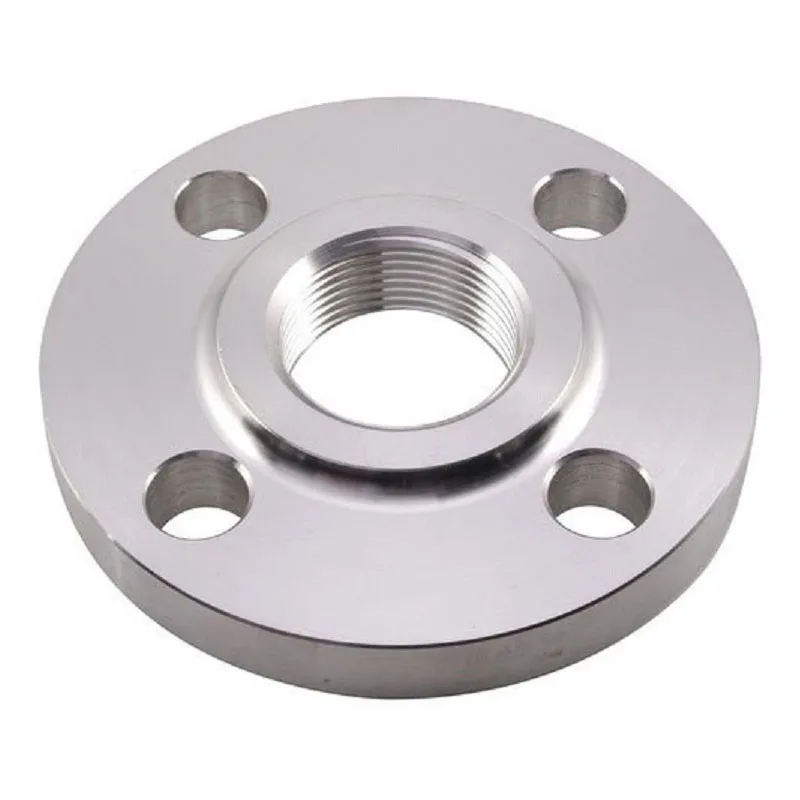 DIN 2566 Threaded flanges PN16
 -
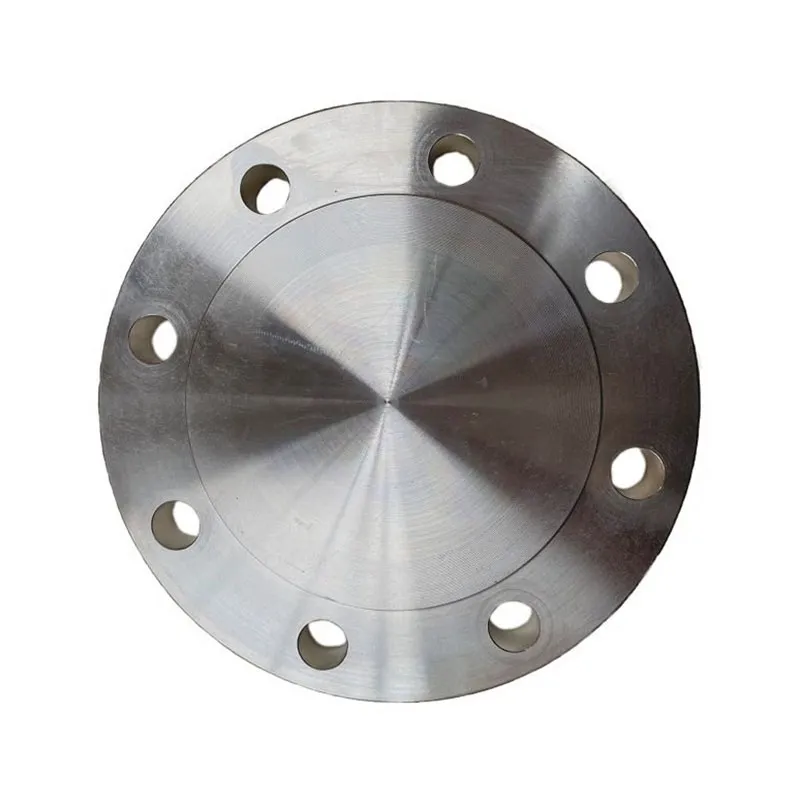 ASME B16.47 Ser.A Blind Flanges Class 400
 -
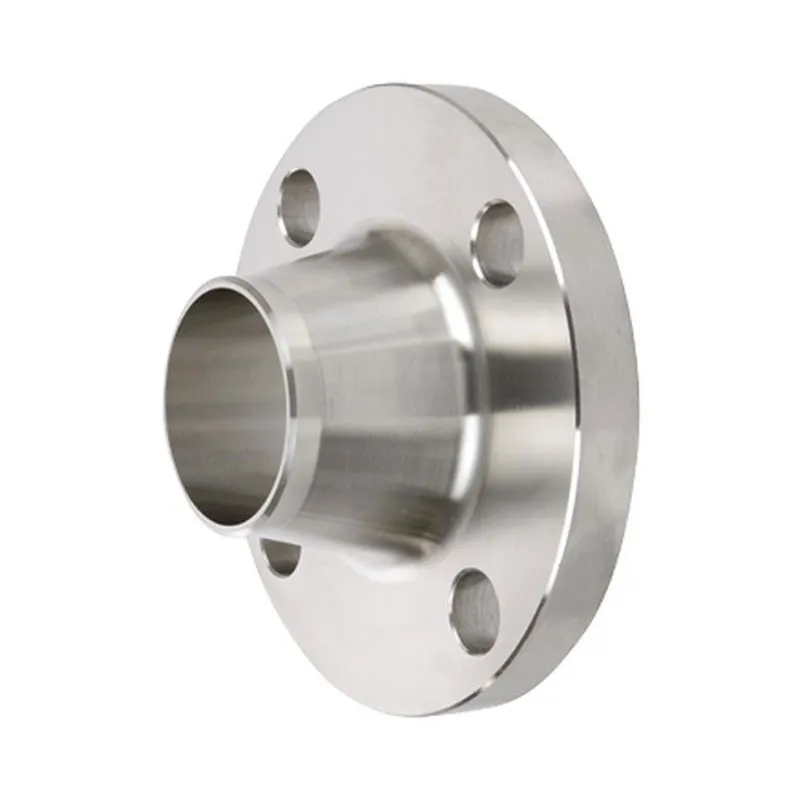 Ser.A Butt Weld Flanges Class 400
 -
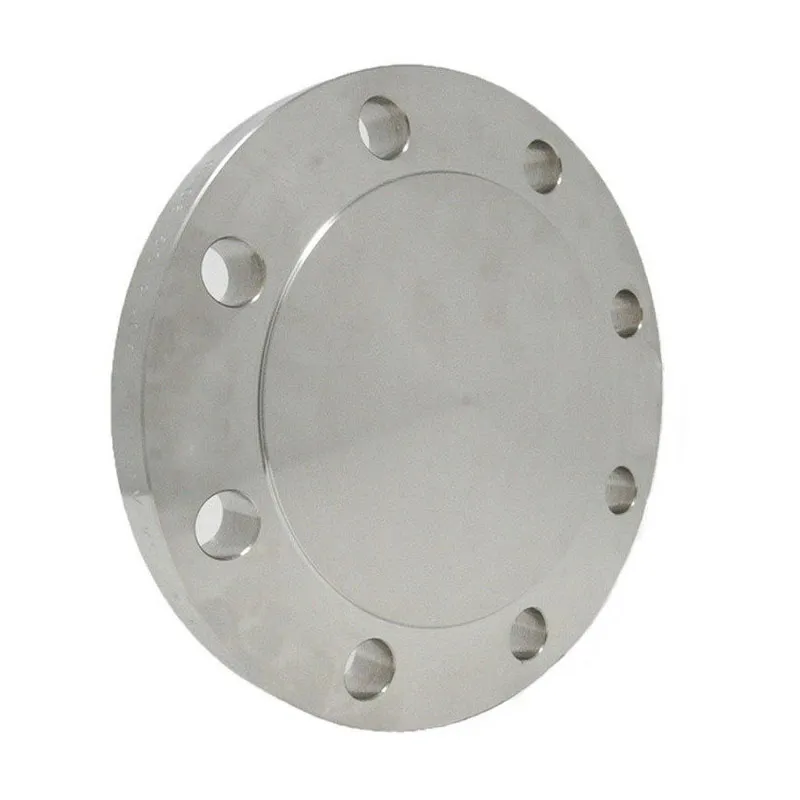 Blind flanges Class 150