
-
-
Phone
+86-13623462298



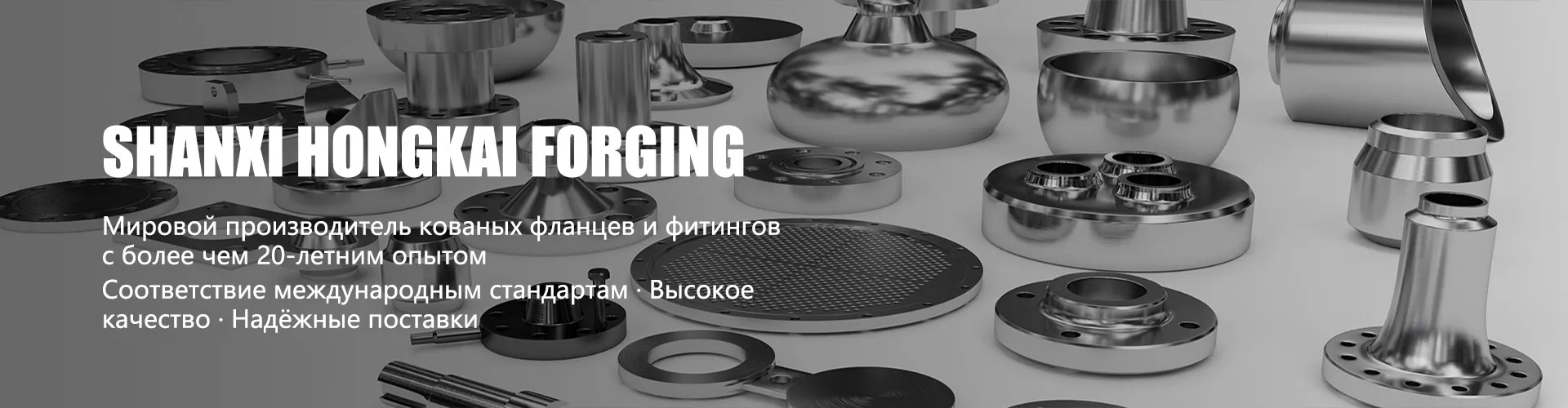
steel flange 80 sizes
When you search for “steel flange size 80”, you often encounter confusion. Many people immediately think of DN 80, but there is also pressure, right? PN16, PN25, PN40 - dimensions according to GOST or ASME B16.5 will differ. The most common request is, of course, butt welding on DN80, but even here, not everything is simple. Diameters, thickness, number of holes for studs immediately pop into your head, and you understand that without a drawing or a specific standard, you can easily make a mistake in your order.
What is hidden behind the number 80? in the notation
The number 80 is a conditional passage, Du. But the thickness of the disk, the outer diameter, the diameter of the bolt circle - this is already a story about pressure. Take, for example, a steel flange 80 on Ru16. According to GOST, the outer diameter will be 200 mm, and the bolt circle diameter will be 160 mm. And if it is Ru40, then it is already 215 mm and 180 mm, respectively. The difference is obvious, and if you mix it up, joining on the pipeline will become a headache.
A common mistake on sites is to assume that all DN80 flanges are interchangeable. They brought a batch according to ASME B16.5 Class 150, and the pipe is in accordance with GOST 33259 for PN16. The holes will not line up and the sealing surface may be different (RF instead of flat). You have to either redo it or look for transitional solutions, which leads to downtime.
I personally came across a situation where the Soviet/Russian standard was required to repair an old site. Modern analogues seem to be suitable according to the new GOST, but the seating dimensions for the old seal had micron differences, which leaked during testing. I had to look for a manufacturer who works with archival drawings. This is where I rememberedShanxi Hongkai Forging Co.,Ltd (https://www.hkflange.ru). They manufacture forgings and flanges according to a wide range of standards, including GOST, and can work according to individual drawings. For non-standard or obsolete sizes, this is often the only option.
Selection and installation practice: from drawing to tightening
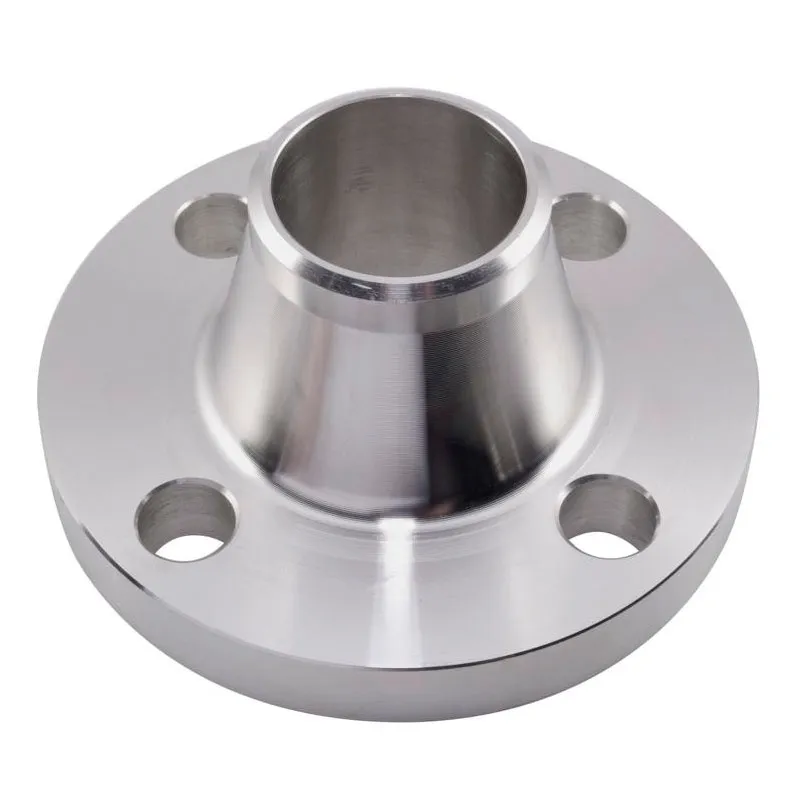
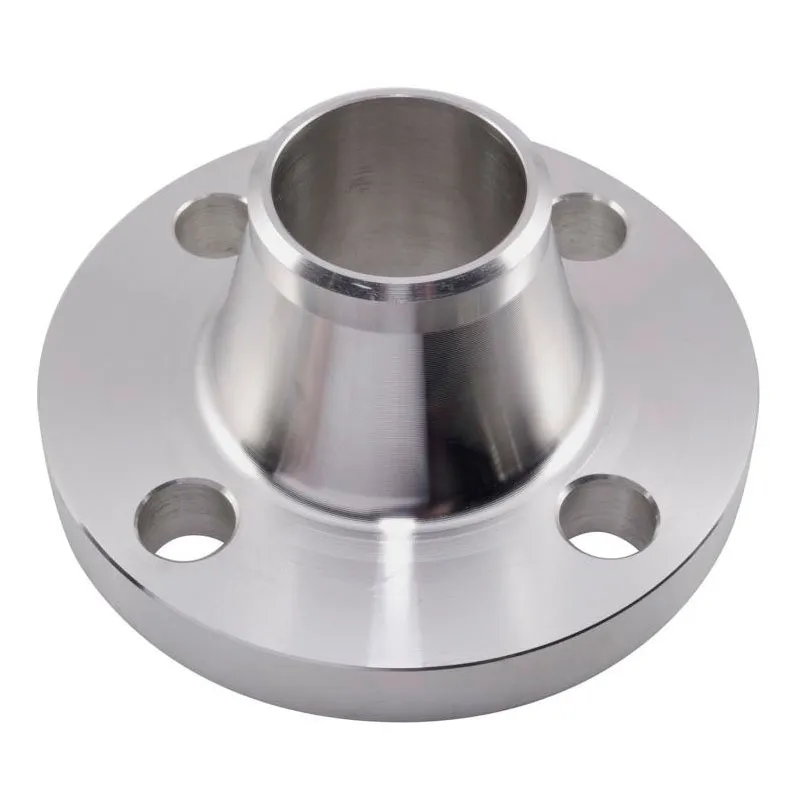
In my work I never rely solely on a size chart. The first thing is to find out the full marking: type (for example, 01 - butt weld), Du, Ru, material and standard. Forsteel flange 80this is critical. I pick up a caliper and measure the old sample, if there is one, especially the diameter of the bore for the pipe and the recess for the seal.
Editing is a different matter. Even if the dimensions match perfectly, it is important to maintain alignment. Once, during the installation of a DN80 steam pipeline, we encountered a misalignment of a couple of millimeters due to subsidence of the support. I had to loosen all the connections in the section, align them and re-tighten them crosswise with a torque wrench. The tightening torque, by the way, for M16 studs on a DN80 PN40 flange is a specific figure from calculation, and not “by hand”.
The quality of the surface also plays a role. I saw flanges with small shells on the sealing surface. It seems that the dimensions are normal, but during hydraulic tests under pressure it begins to “sweat”. You have to either grind it or immediately require a replacement. Therefore, now, when ordering, I always specify quality control, especially for critical components. On the same sitehkflange.ruit is clear that the company positions itself as a manufacturer in one of the forging centers of China, and this often means serious control over the forging process, which is better for the mechanical properties of the product than simple cutting from a sheet.
Standards and materials: not only steel 20
When we say “steel”, we often mean carbon steel 20 or 09G2S. But forsteel flange 80 sizes- this is one story, and the material is another. For aggressive environments or high temperatures, steels 12Х18Н10Т, 15Х5М are needed. And here the dimensions, especially in thickness, can be adjusted due to other mechanical properties of the material.
Worked with an order for DN80 flanges for nitric acid. According to the standard, the dimensions were standard for PN16, but due to the use of 12Х18Н10Т stainless steel, it was necessary to additionally coordinate heat treatment after forging to relieve stress in order to avoid corrosion cracking. The manufacturer that does forgings rather than just machining is the winner here.
I look at the nomenclatureShanxi Hongkai Forging Co.,Ltd- they claim a range of up to DN4000 and work in accordance with GOST, ASME, EN, DIN. This speaks volumes about production capabilities. For a standard DN80 this may not be so critical, but when a non-standard adapter flange from DN80 to DN150 with special requirements for impact strength at low temperatures is needed, such capabilities become key. Their experience in forging is exactly what gives the desired density of the metal in the product.
Non-standard situations and solutions
It happens that you need not just a flange, but, say, a flange with an extended neck or with an additional fitting for drainage on the same DN80. You don't always find such things in catalogs. This is where the ability to manufacture according to customer drawings comes in handy. The main thing is to draw up this drawing correctly, take into account welding stresses and provide access for tightening the nuts.
One day, the designers laid a DN80 flange connection flush against a concrete wall. A standard wrench wouldn't fit. I had to order flanges with a reduced bolt circle diameter (not according to the standard) and use a special socket wrench. This is to the question that the theory of dimensions and the practice of installation sometimes come into conflict.
In such cases, you turn to manufacturers who have a flexible approach to the task. From the descriptionShanxi Hongkai Forgingit is clear that non-standard products according to the drawings are part of their profile. For an installer or mechanic, this is important information: it means that you can solve the problem not with a makeshift modification, but get a ready-made factory solution, which is always more reliable from the point of view of quality control and responsibility.
Final Selection Considerations
So, returning to the request “steel flange 80 sizes?”. The main conclusion is that dimensions do not exist in a vacuum. They are tied to pressure (PN/PN/Class), flange type, standard and material. The first step is to accurately determine all these parameters. The second is to find a manufacturer who does not just sell from stock, but understands the context of the application and can ensure quality, especially when it comes to forged products for critical systems.
Many are suitable for serial standard items. But when you have doubts, you need a non-standard or work with old standards - then you look at full-cycle companies, like the one mentioned. Their location in the forging center is not just words, but an indicator of potential control over the key stage - obtaining the forging itself.
In the end the right onesteel flange 80- this is not just a piece of iron with holes. This is a calculated, tested product, on which the tightness and safety of the entire assembly depends. And its dimensions are only the starting point for a whole range of technical solutions and the search for a reliable supplier capable of implementing these solutions.
Correspondingproducts
Related Products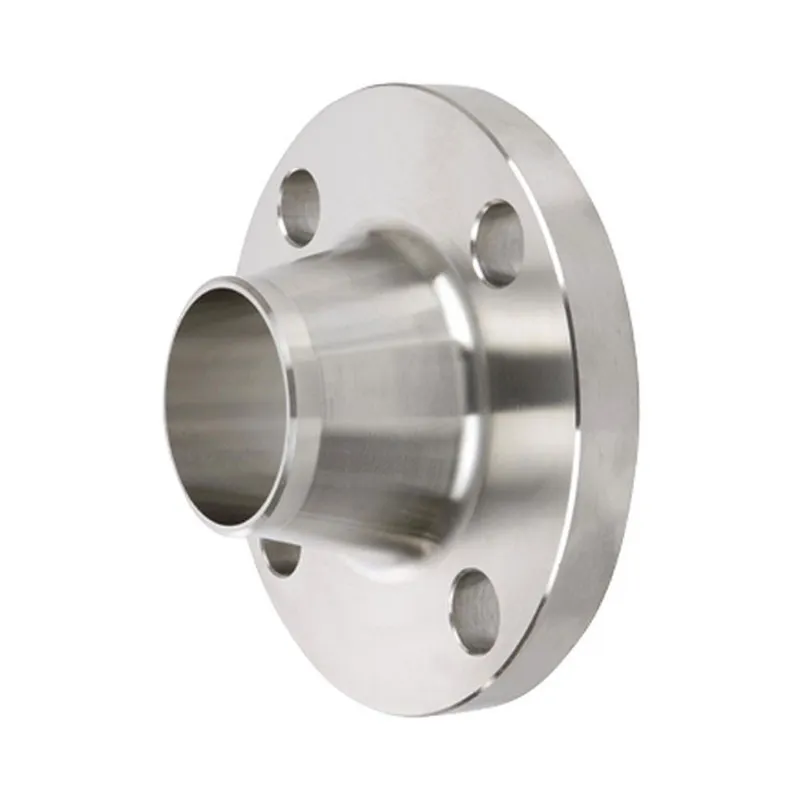
Best Sellingproducts
Best Selling Products-
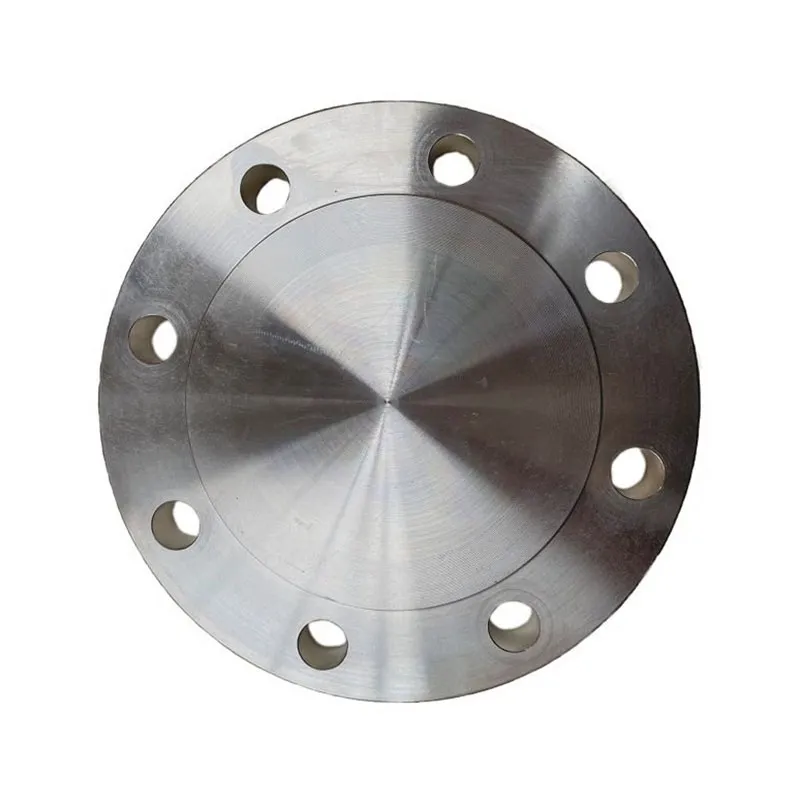 UNI 6092 Blind flanges PN10
 -
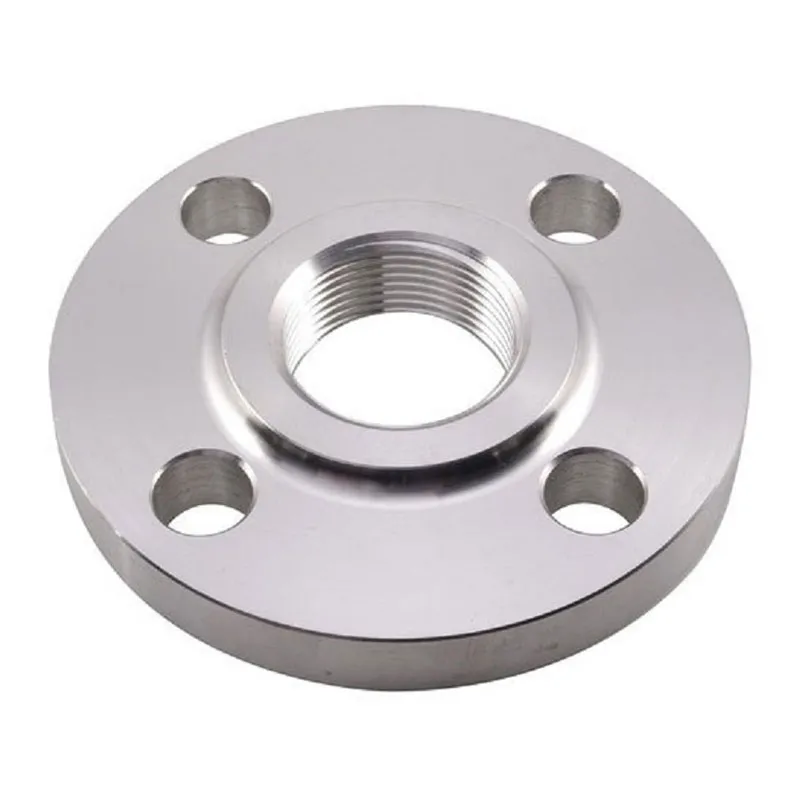 JIS 10K Overlay flanges
 -
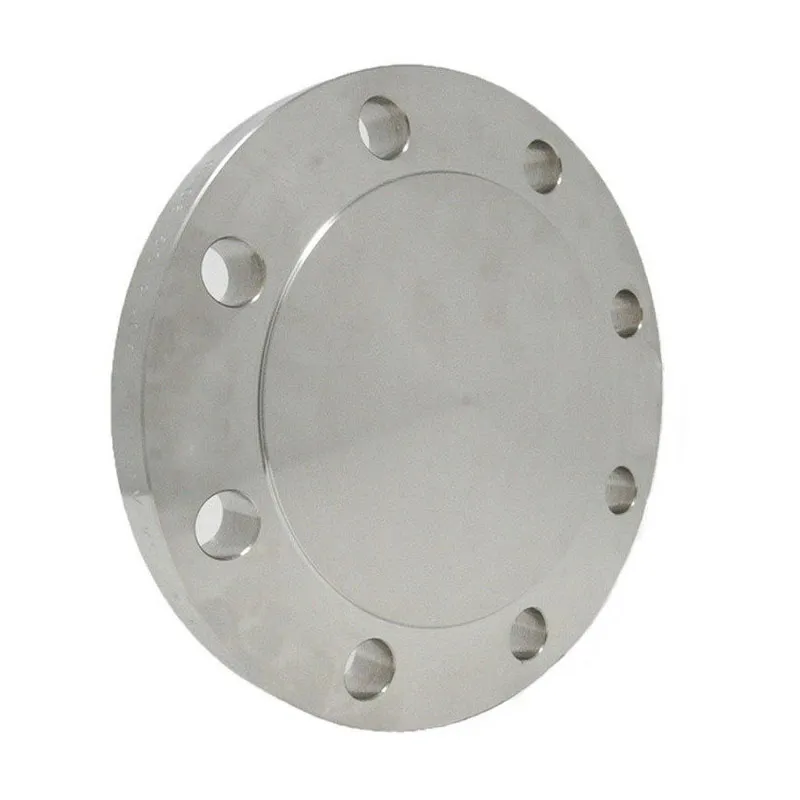 Blind flanges Class 150
 -
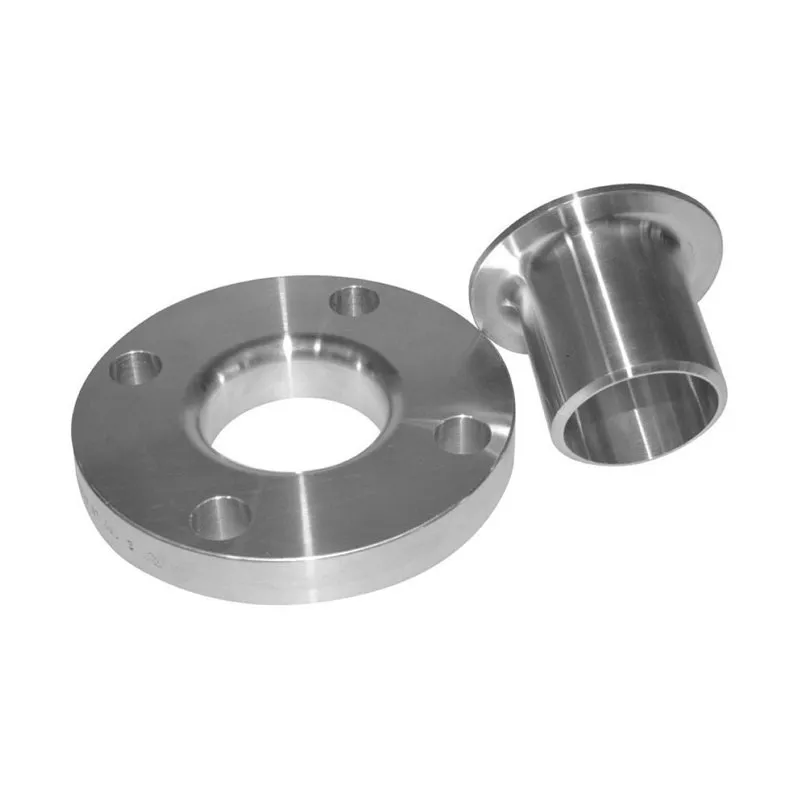 Free ring flanges Class 150
 -
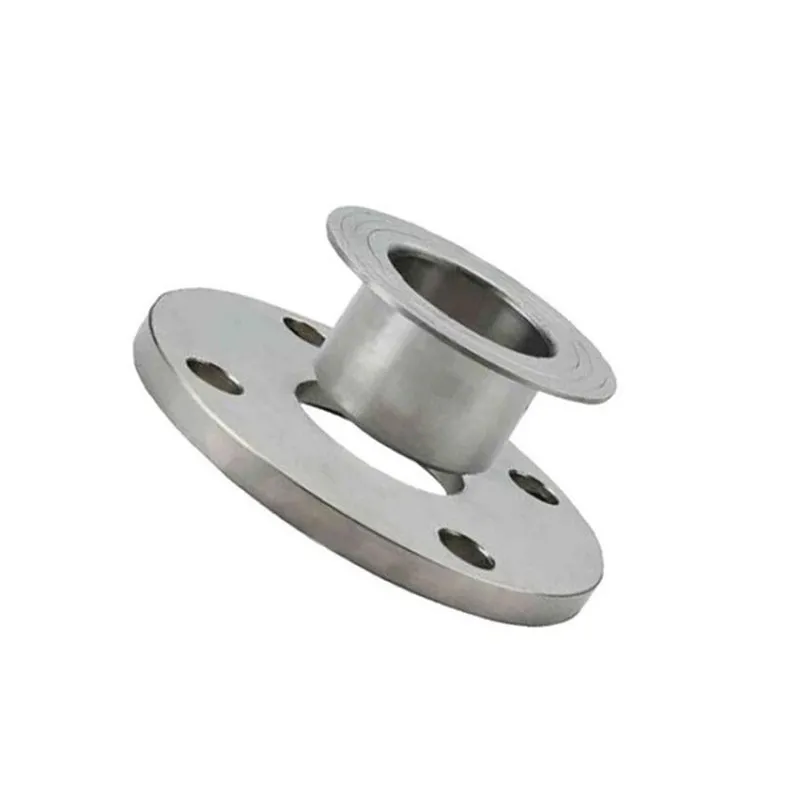 JIS 10K Loose Ring Flanges
 -
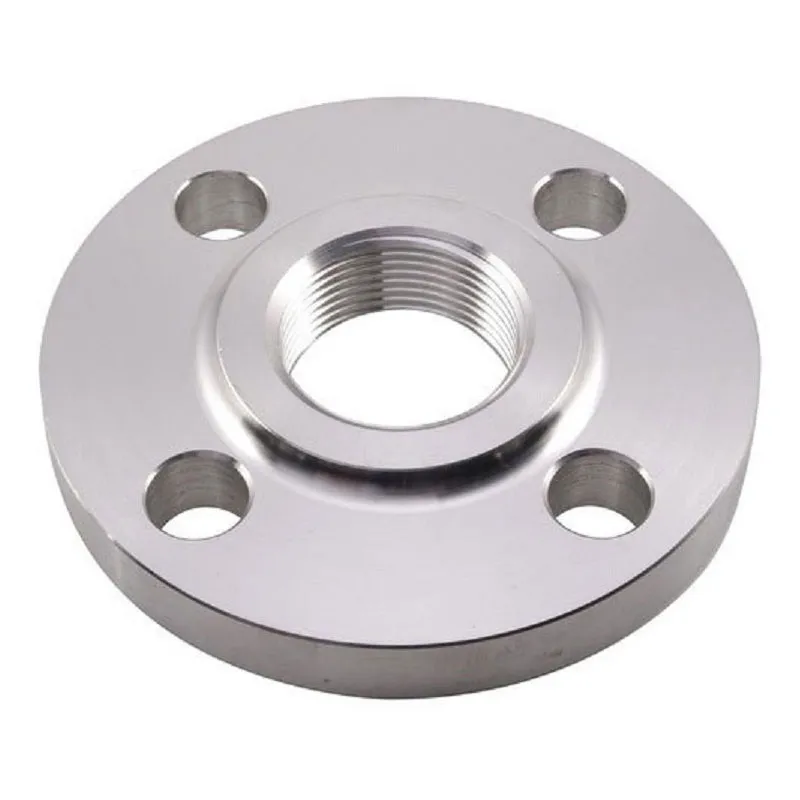 DIN 2565 Threaded flanges PN6
 -
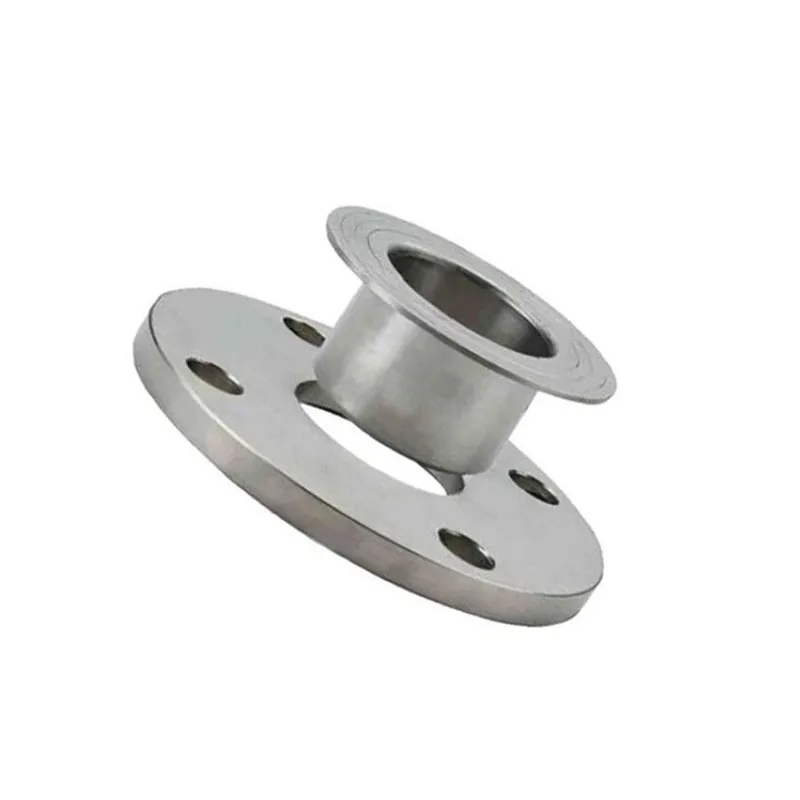 Free ring flanges Class 400
 -
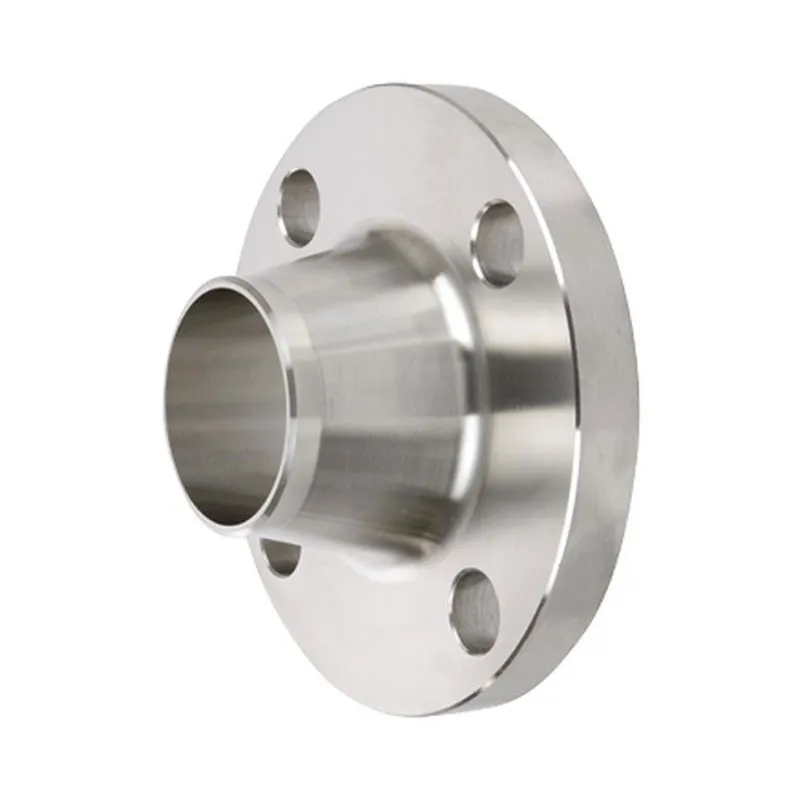 Ser.A Butt Weld Flanges Class 400
 -
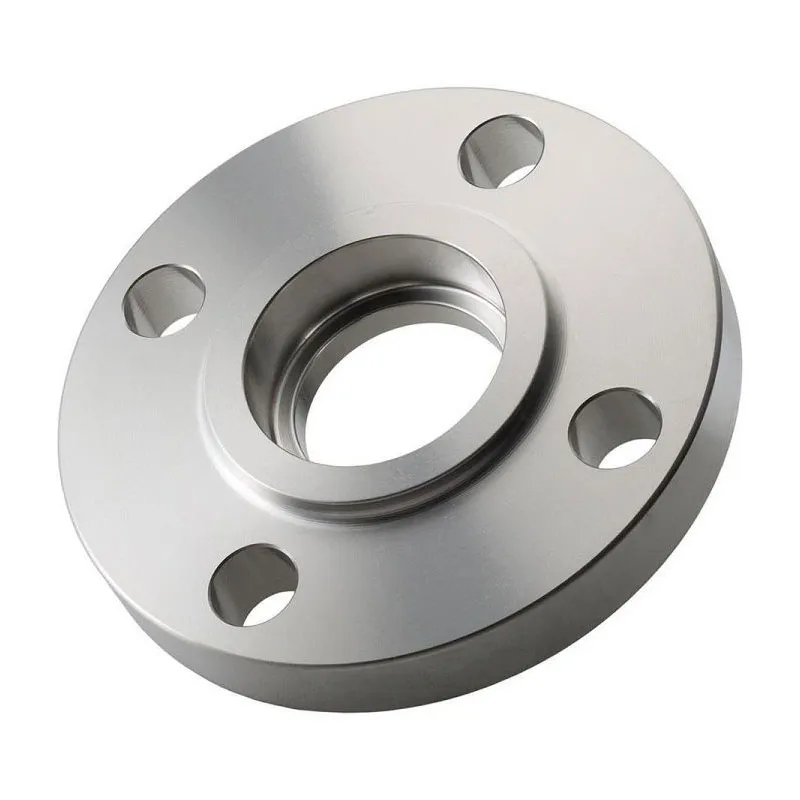 ANSI B16.5 Socket Weld Flanges Class 1500
 -
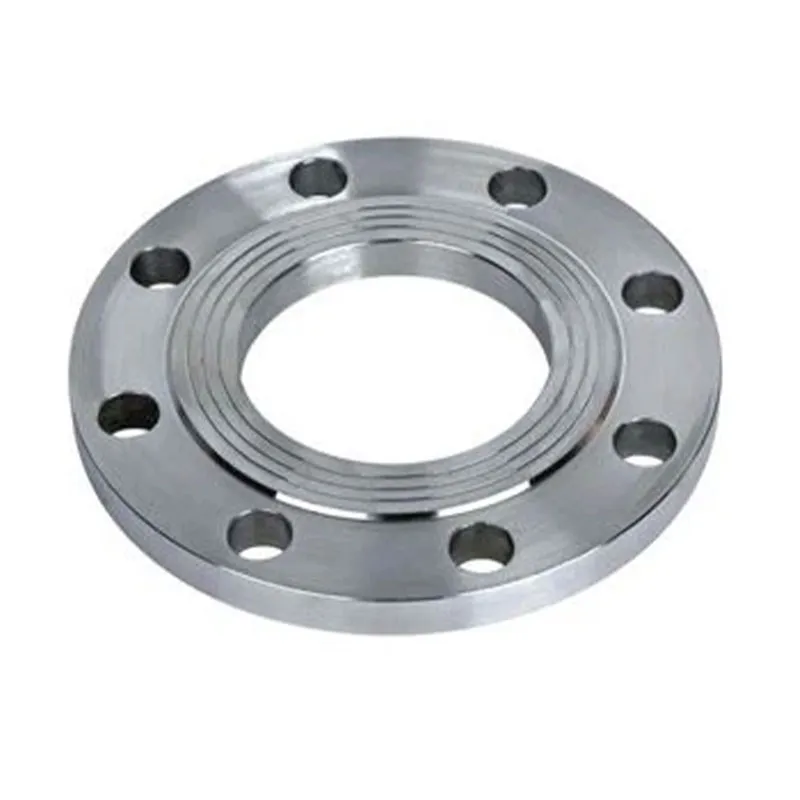 Butt weld flanges Class 150
 -
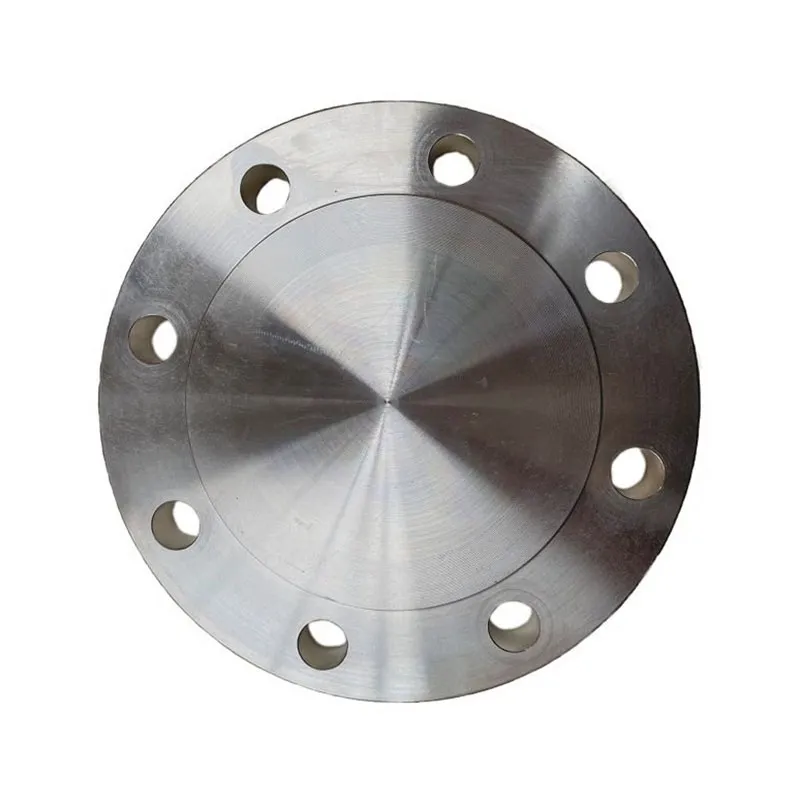 ASME B16.47 Ser.A Blind Flanges Class 400
 -
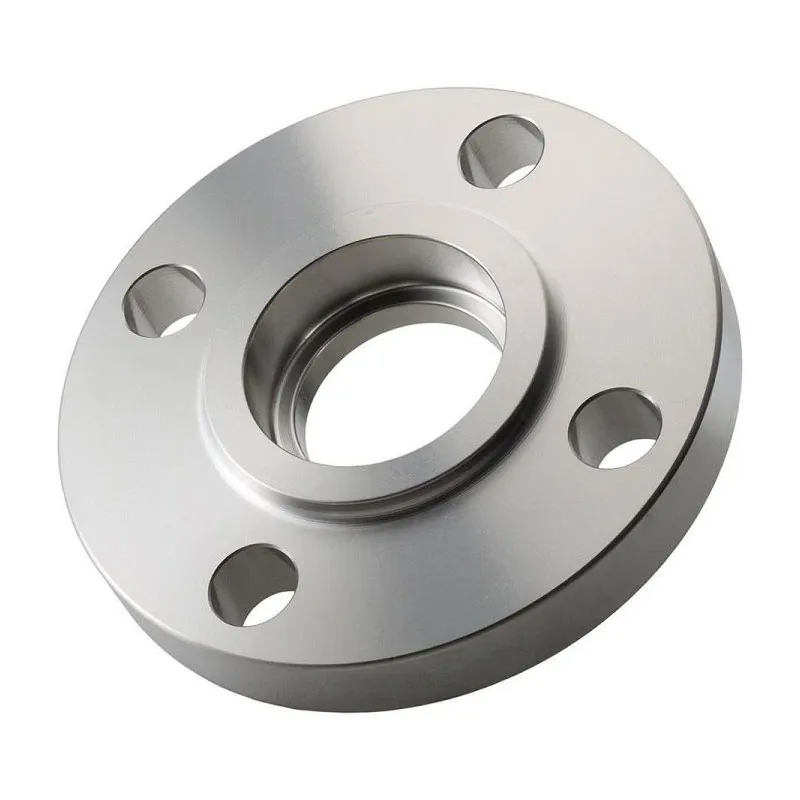 ANSI B16.5 Socket Weld Flanges Class 150