
-
-
Phone
+86-13623462298




wedge flanges
When they talk aboutwedge flanges, many people immediately think about a simple connection, like - install it, tighten it, and that’s it. But in practice, especially with large diameters or in vibration conditions, this ?simplicity? results in additional hours of adjustment, or even an unscheduled stop. The term itself is sometimes misleading - as if it were some kind of separate, special type. In fact, we are often talking about a flange connection, where wedges are used for alignment and fixation during the installation process, or about the flange design itself, which provides wedge locking. Confusion about terms is common in applications and is something we encounter all the time.
Where and why are they really needed?
The main area where I worked with them was large-sized pipelines, heat exchange equipment, and inlet units of devices. Not those “homemade” ones? DN50, and from DN700 and above. Where the weight of the sash or section is enormous, and simply aligning the holes for the pins is unrealistic. Here wedges inserted around the perimeter before the final screed are the only way to carry out installation without permanent support cranes.
But an important nuance that is often missed from projects: the wedges must be made of the same or softer material than the flange. Otherwise, you risk damaging the sealing surface. I saw a case at one thermal power plant - they used hardened wedges to join steel flanges. Everything seemed to be assembled, but the hydraulics started leaking around the perimeter. During disassembly, deep grooves were found on the surface. I had to chamfer it and take it for machining. Downtime was costly.
Another point is geometry. The wedges should not just be strip scraps. The optimal angle is a separate calculation. Too sharp - they may fly out during pre-tightening; too shallow - they will not provide the necessary force for centering. We usually ordered them along with a set of flanges from a trusted manufacturer, e.g.Shanxi Hongkai Forging Co.,Ltd. On their websitehkflange.ruIt is expressly stated that they make custom products according to drawings, including all auxiliary fasteners. This is more reliable than sharpening on the knee? in the workshop.
Errors in selection and installation
The most common mistake is to try to usewedge flangesor wedge fixation method for systems with high cyclic thermal expansion. It seems logical: it’s firmly centered, it should hold. But in reality, with constant “movement?” pipeline, the wedge joint can become a point of increased stress. There was a story with a steam pipeline, where after six months of operation cracks appeared just in the area where the wedges were installed. The reason is that compensation for thermal growth was not taken into account. We had to redesign the assembly by adding a lens compensator.
The second mistake is saving on the material of the wedges themselves. This is not a consumable that can be thrown away. They should be considered as part of a flange kit. If the main flange is made of stainless steel 12Х18Н10Т, then the wedges should be made of similar or, as I said, more ductile steel. Otherwise, galvanic couple, corrosion... The consequences are clear.
And third, neglecting the lubrication stage. Not just any lubricant can be used. Especially in chemical or food environments. Wedges inserted “dry” become so sticky that they can only be cut off later. We have developed a rule: always use molybdenum disulfide-based paste for high temperatures or a special food-grade lubricant for the corresponding industries. It’s a small thing, but it saves a lot of time during repairs.
Experience with manufacturers and standards
Working with different suppliers, I drew attention to the importance of clear technical specifications. You can’t just write “flanges with wedges” in the request. It is necessary to indicate: these are separate wedges for mounting standard flanges (and then attach their drawing) or is this a flange with a structurally designed wedge groove (as in some detachable connections of devices).
This is where the experience of companies that specialize in custom-made forgings and flanges comes in handy. SameShanxi Hongkai Forging Co.,Ltd, judging by the description on their website, just one of those. They work in accordance with GOST, ASME, EN, DIN - this is critically important. Because, for example, the thickness and outer diameter of the flange according to ASME B16.5 and according to GOST 33259 are different. And the wedges for them will be different. If a manufacturer claims to work to a wide range of standards, as this company does, then they most likely have an understanding of these nuances. Their range up to DN4000 indicates the possibility of making large piece things, where issues of alignment and installation are precisely solved with wedges.
I personally ordered forgings from them to repair valves. Not assembled flanges, but blanks. The quality of the metallography was up to par. This gives confidence that they will not compromise on the material when it comes to auxiliary elements, such as wedges.
Practical advice from the workshop
To summarize practical experience, here is what is important to remember about working with wedge joints on flanges. First, always ask the manufacturer or supplier for material data sheets for both wedges and flanges. This is not bureaucracy, but insurance. Secondly, include in the installation map the stage “installation and removal of mounting wedges?” indicating the locations of their quantity and installation points. This disciplines the brigade.
Third, do not use wedges as the final element to compensate for misalignment. The distortion must be corrected by adjusting the supports, and the wedges are only a temporary installation tool for aligning the holes. After tightening the studs, they need to be knocked out. Yes, sometimes they are left “just in case”, but this is bad practice.
And one last thing. For critical components, it is worth considering flanges with a structural wedge lock - although they are more expensive, they provide ideal alignment and detachability in field conditions. But this is a topic for another discussion, and such solutions need to be laid down at the design stage, and not look for a replacement for them during repairs.
Instead of a conclusion: thinking out loud
It often seems that all the wisdom lies in high pressures, temperatures, and in the choice of steel grade. But the foundation for the reliability of pipeline fittings is laid in such seemingly trifles as the correct usewedge flanges. This is the case where attention to detail and understanding of the physics of the installation process saves you from accidents and downtime. Experience, including negative ones, is the best teacher. And it’s great when there are suppliers like the mentioned Chinese forging company who can not just sell a standard catalog, but delve into the task and do exactly what is needed for specific, albeit non-standard, conditions. In the end, the reliability of the system is always determined by the weakest link, and in a flange connection this link can be that very inconspicuous mounting wedge.
Correspondingproducts
Related Products
Best Sellingproducts
Best Selling Products-
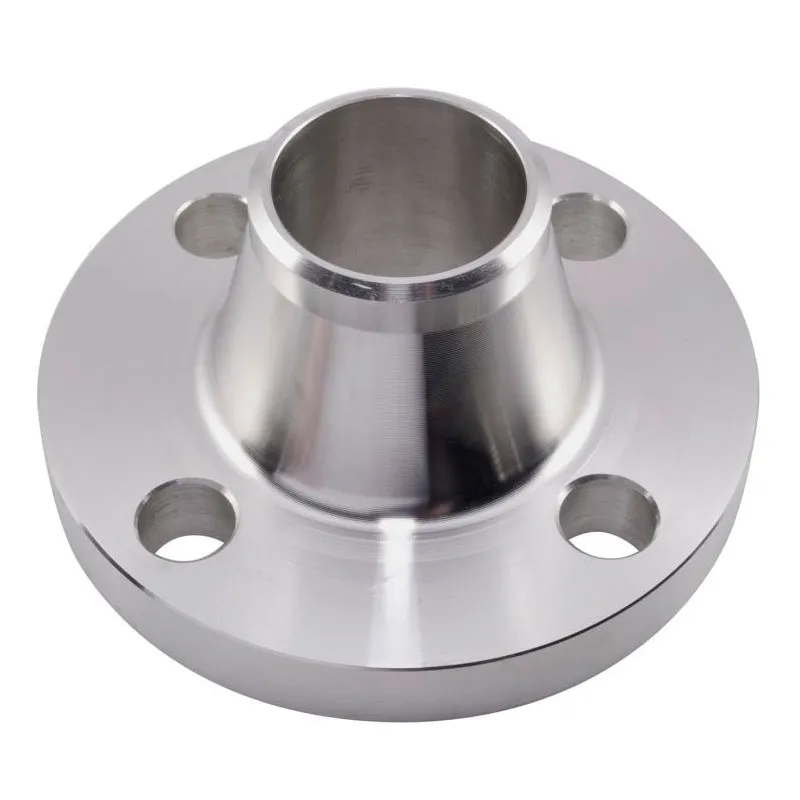 UNI 2281 Butt weld flanges PN10
 -
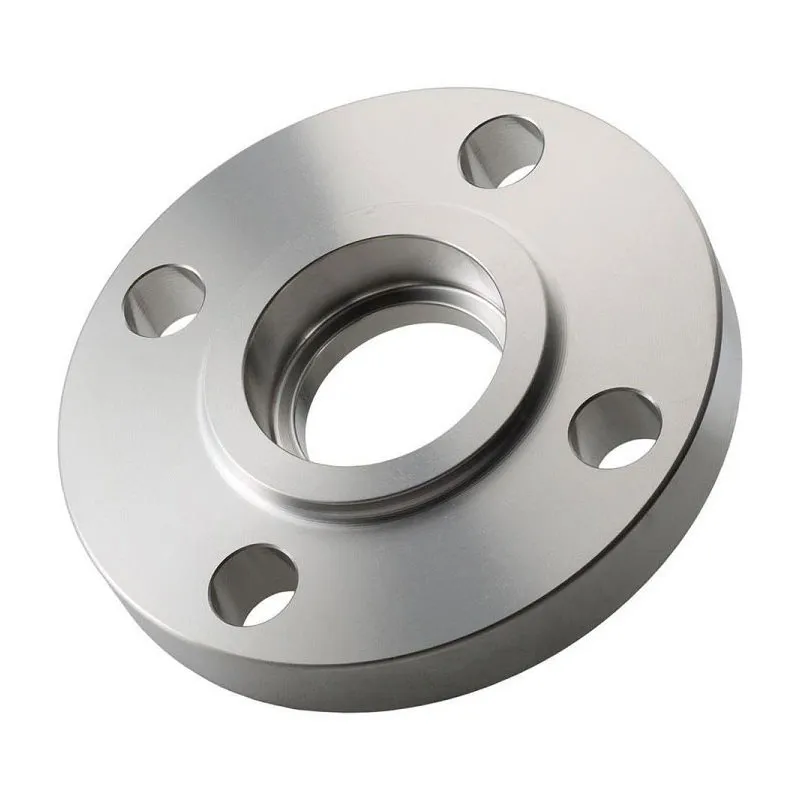 Flanges for socket welding
 -
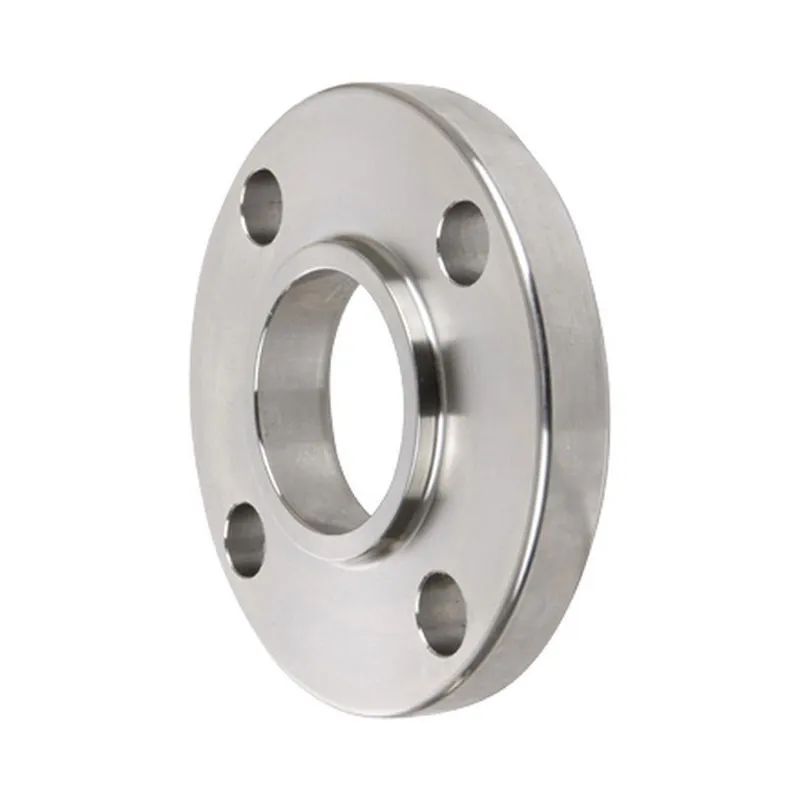 DIN 2501 Overlay flanges PN16
 -
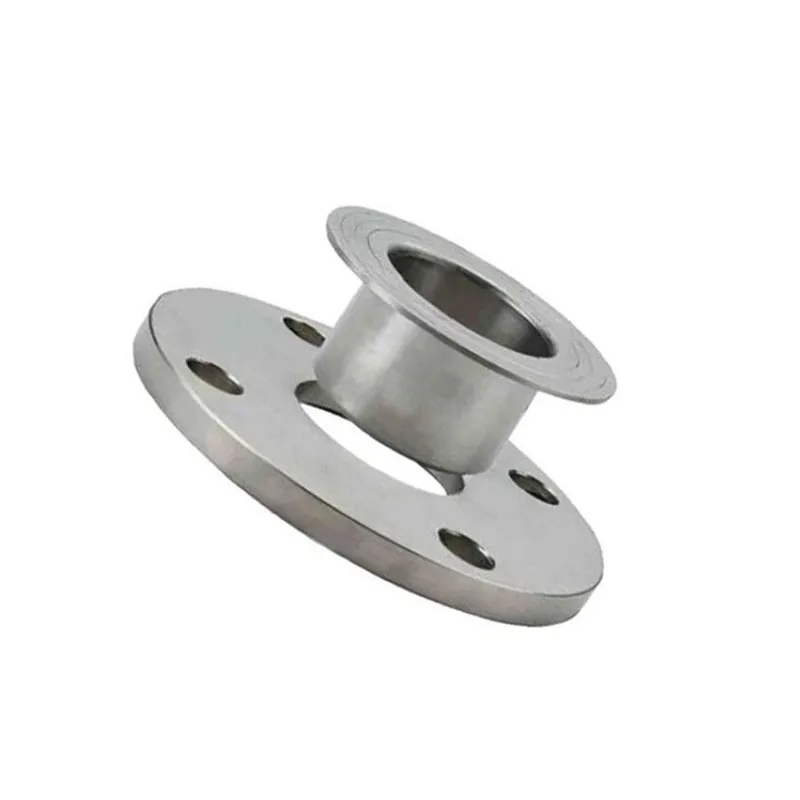 Free ring flanges Class 400
 -
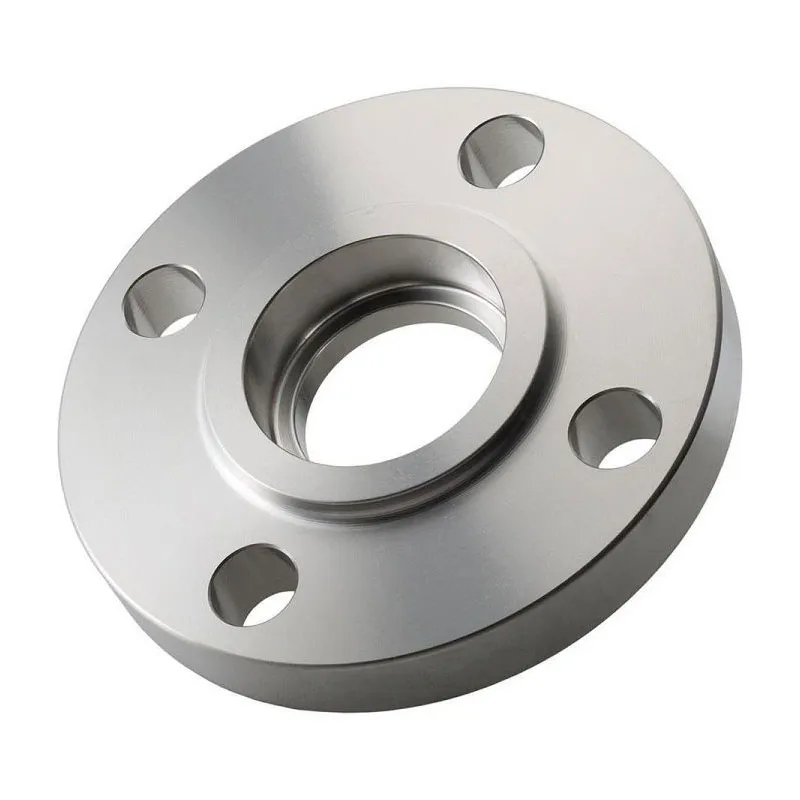 ANSI B16.5 Socket Weld Flanges Class 1500
 -
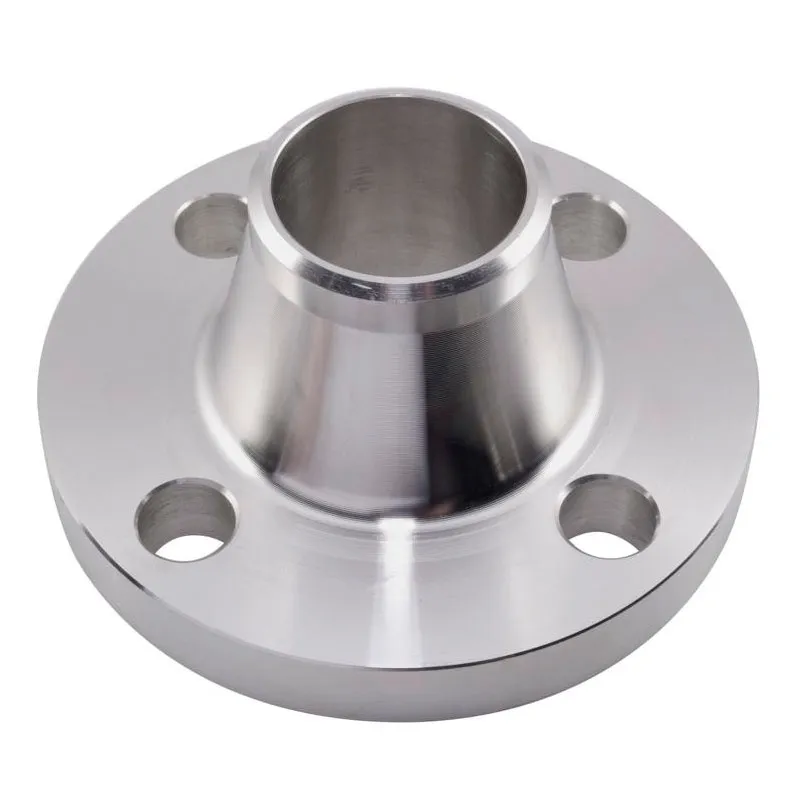 Butt weld flanges Class 900
 -
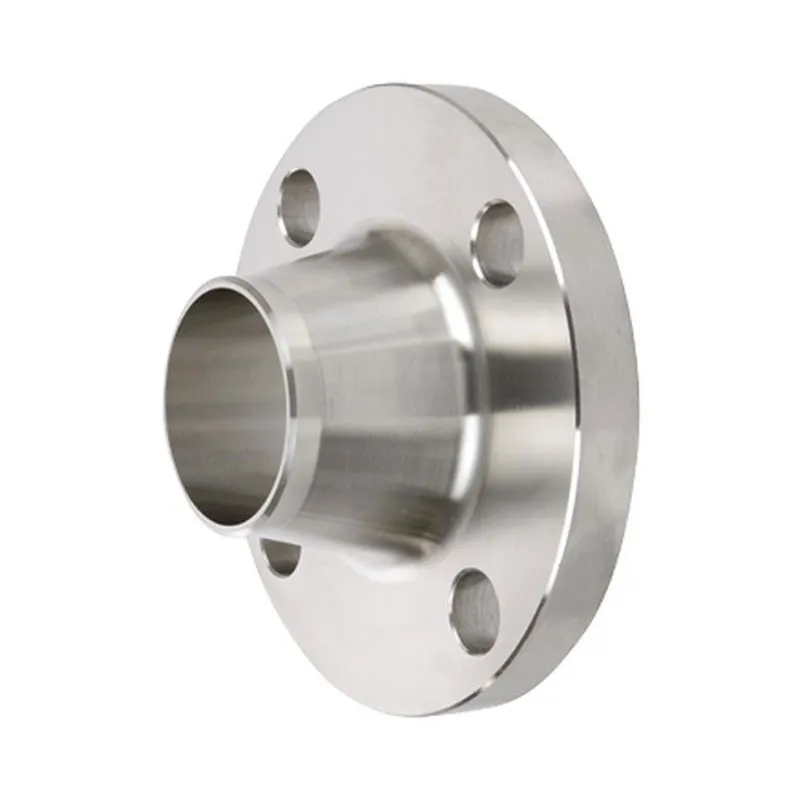 Ser.A Butt Weld Flanges Class 400
 -
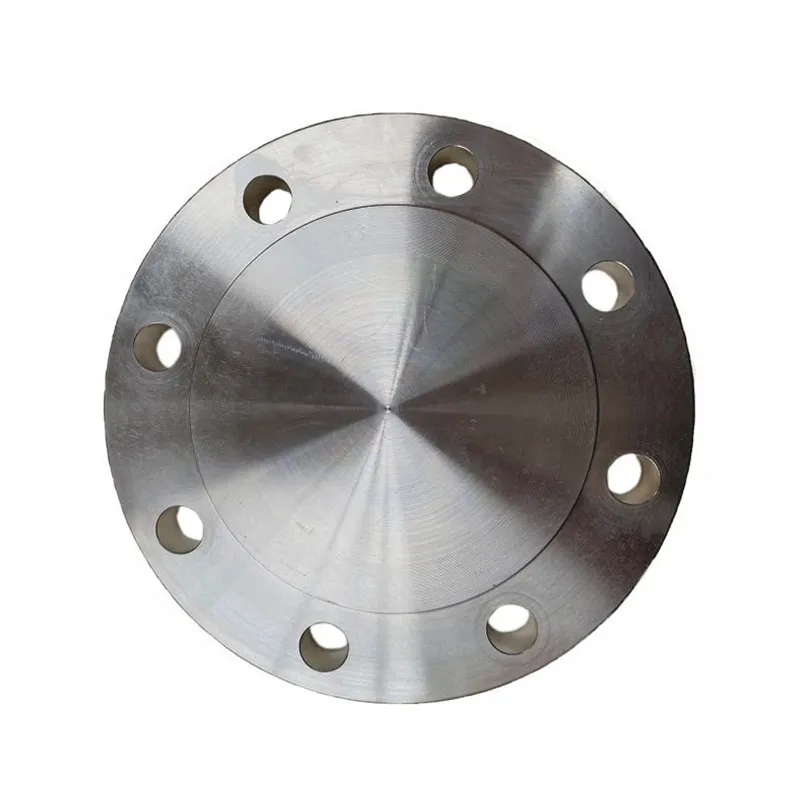 DIN 2527 Blind flanges PN10
 -
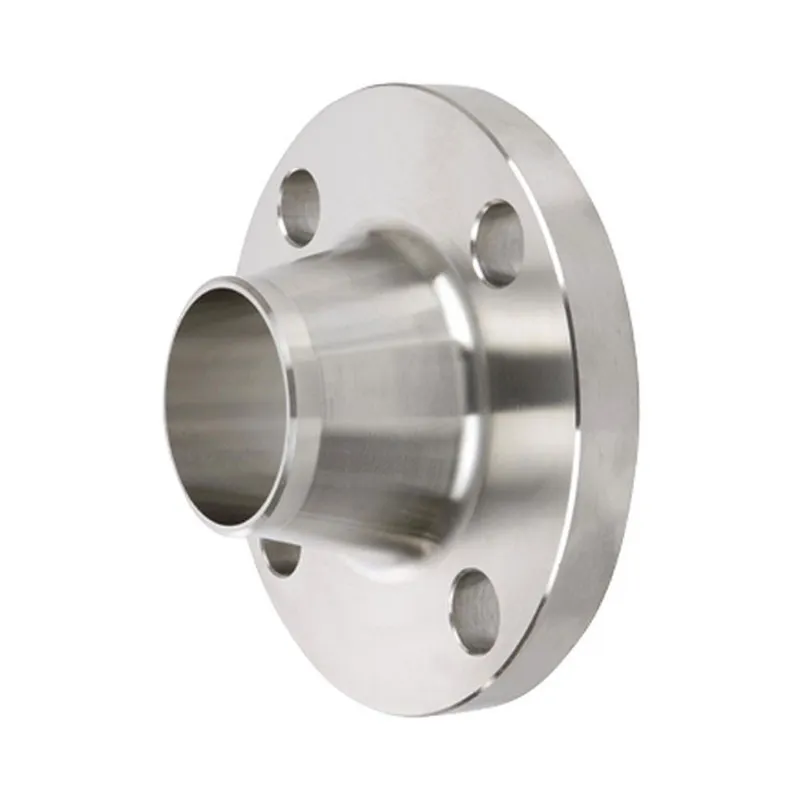 EN 1092-1 Butt weld flanges Type 11, PN25
 -
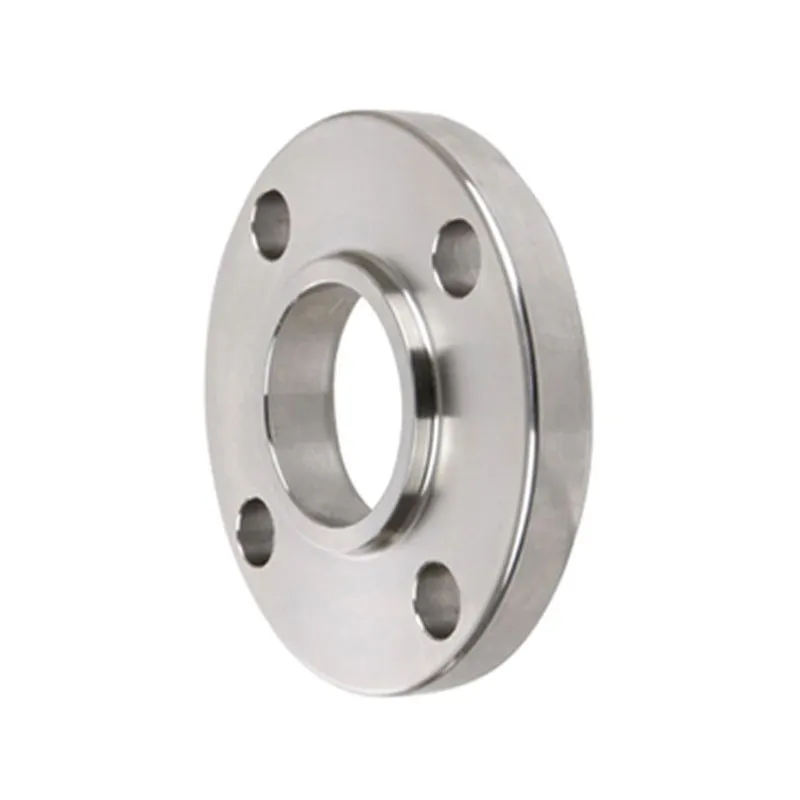 ANSI B16.5 Lap-on flanges Class 300
 -
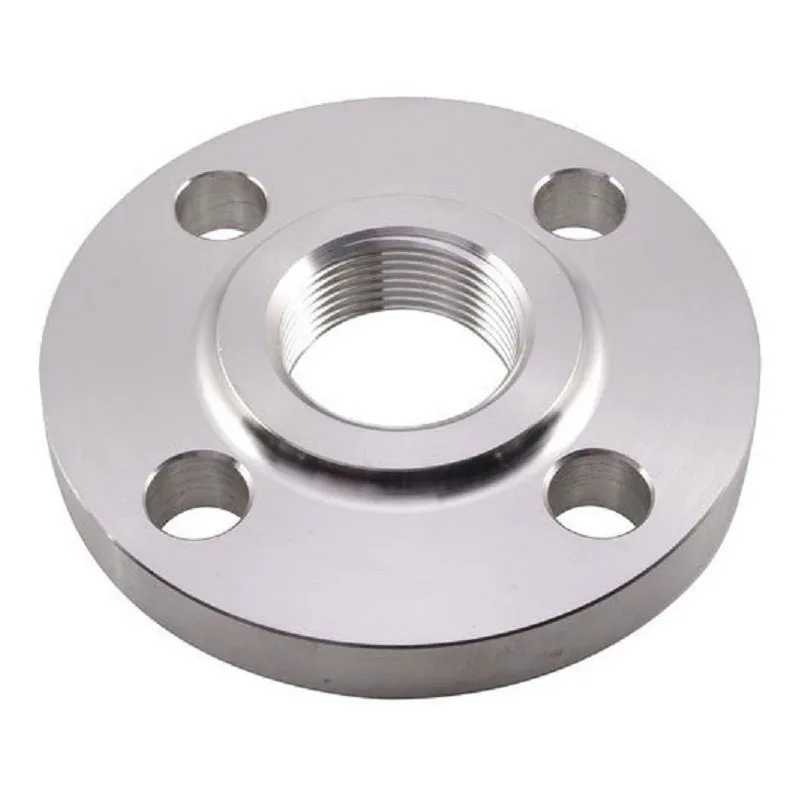 ANSI B16.5 Threaded Flanges Class 600
 -
 UNI 6092 Blind flanges PN10