
-
-
Phone
+86-13623462298



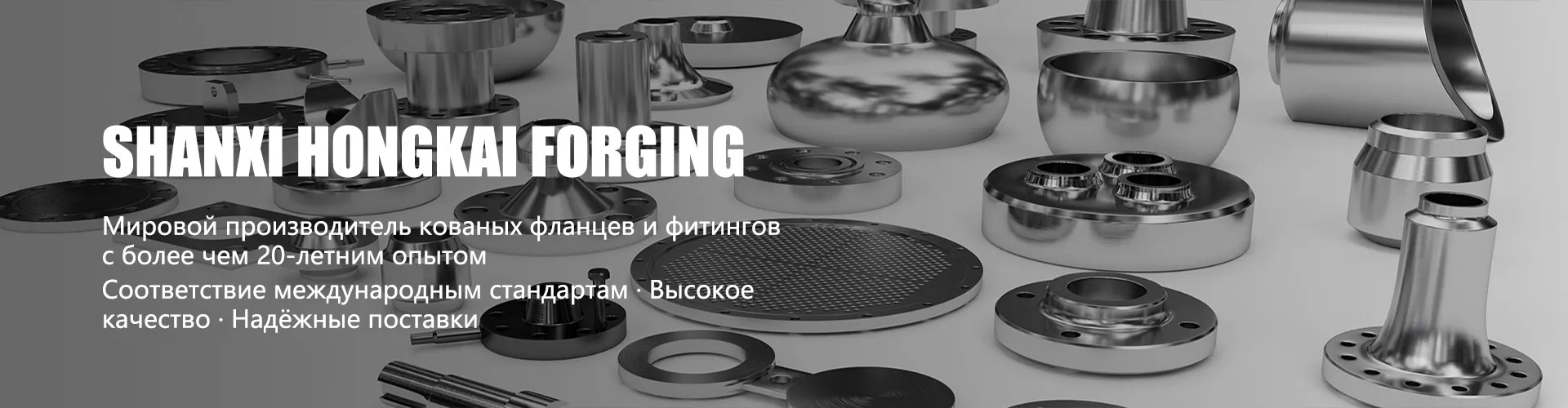
Shakman flange
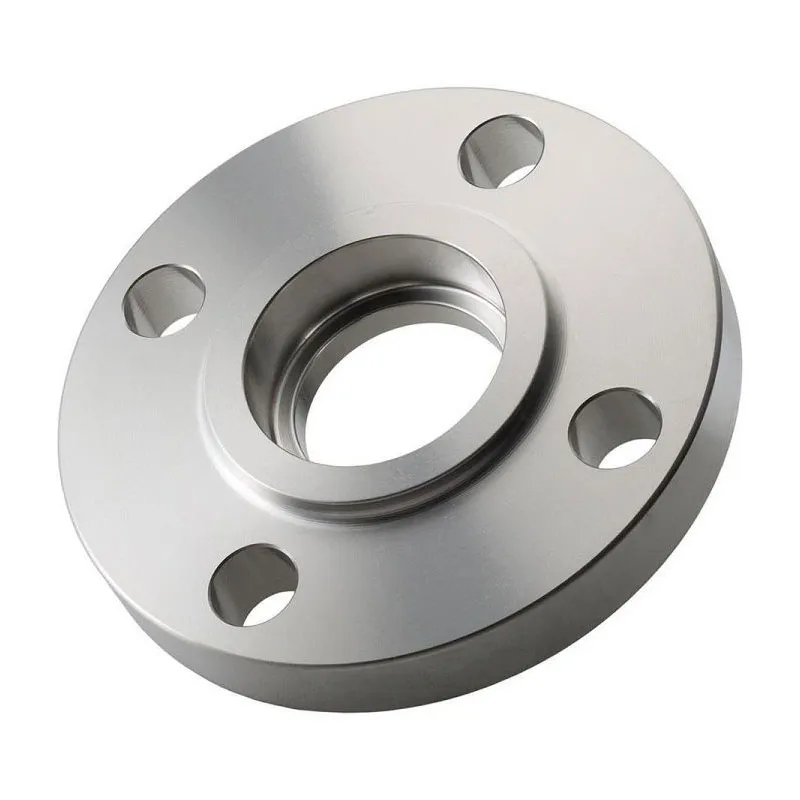
Honestly, when you hear from a customer “we need a Shakman flange?”, the first thought is that again, someone somewhere heard something and is now looking for something that is not exactly what they need. This term floats around in discussions, often meaning simply a large, massive, non-standard flange, usually for difficult conditions. But if you dig into the specifications, especially in old Soviet or post-Soviet projects, sometimes it’s “Shakman” that comes up. as a designation of a structure or even a method of fastening. I came across it myself when they were dismantling equipment at one of the processing plants - there was exactly this word in the passport, but in fact it wasflangebutt welded, but with a reinforced neck and a non-standard arrangement of holes for the studs. So the confusion comes from practice, not from standards.
From terminology to metal: what we actually produce
In our work onShanxi Hongkai Forging Co.,LtdWe rarely receive technical specifications with the wording “Shakman flange”. More often you receive a drawing or a link to a standard - ASME B16.5, EN 1092-1, GOST 33259. And this is where the real business begins. If the client insists on a “Shakman”, we first ask for a sketch or, at worst, a detailed description of the operating conditions: pressure, temperature, medium, type of connection. Because this word can hide both a flat flange for DN600 for high pressure, and a loose flange with a shank for frequent installation and dismantling.
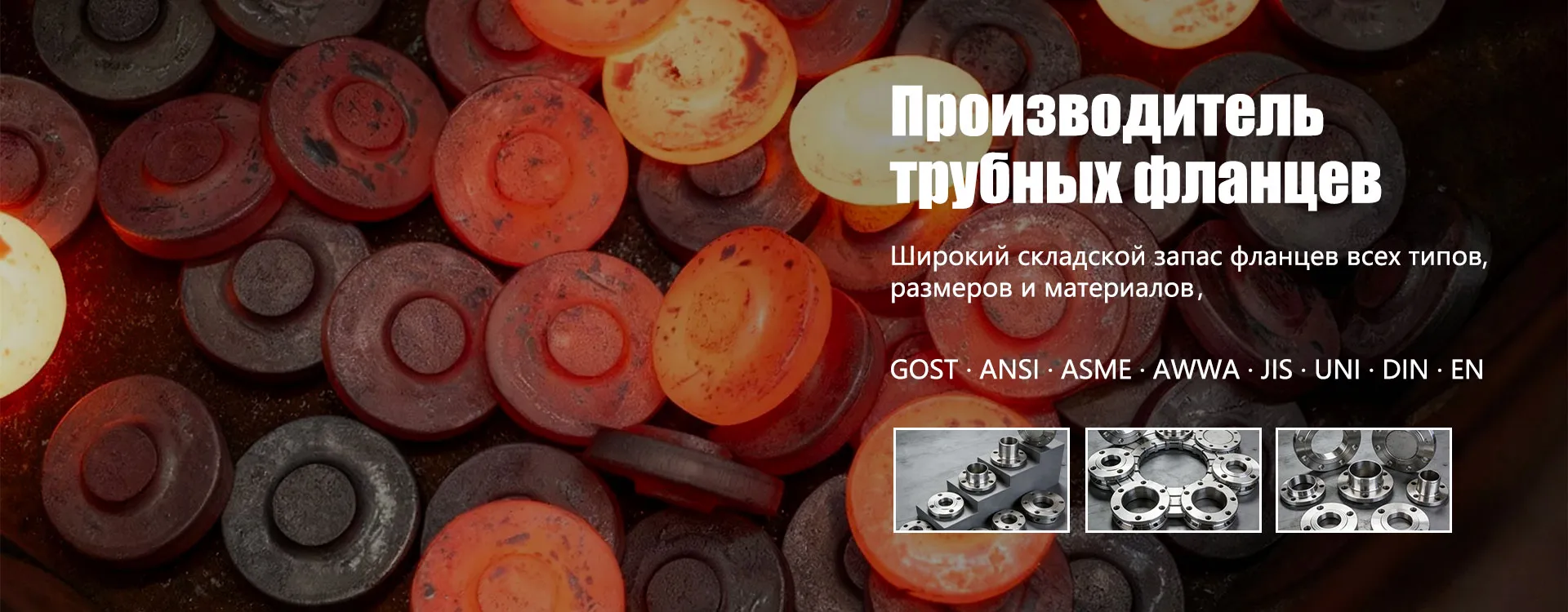
Our main product is, of course, forged flanges. Forging, not casting or stamping. Why? For critical applications where there is vibration, temperature changes, and aggressive environments, the fibrous structure of the forging provides much greater reliability. This is especially critical for large diameters, such as DN1000 and above. I remember the case with an order for a petrochemical plant: the specification requiredflangeaccording to EN 1092-1 Type 11. The client initially asked about “shakman”, but after consultation with their engineers they sent a normal drawing. Made from A350 LF2 steel, with a full set of tests, including ultrasonic testing. It's been running for five years now, no complaints.
But with non-standard products the story is more interesting. Somehow I received a request specifically for the “Shakman flange?” for the reconstruction of an old coal feed. The diameter is about 2000 mm, but not round, but with a square connection and asymmetrical holes. There is no such thing in any standard. We made it according to the customer’s sketch, but during the manufacturing process we had to make adjustments - according to the drawing, the thickness was, in our opinion, insufficient for the design pressure. We agreed on the changes and strengthened the structure with stiffeners. The result is a heavy, individual product, which, in fact, can be called the same “Shakman” - powerful, made for a specific task.
Practical difficulties: from material to control
When you talk about big onesflanges, especially in the context of non-standard solutions, you can’t just pick it up and forge it. Material is a separate issue. For standard conditions, carbon and alloy steels are used: st. 20, 09G2S, 12Х18Н10Т. But if the environment contains, for example, hydrogen sulfide, you need steel with increased resistance to hydrogen cracking. Or for cryogenic temperatures - materials with guaranteed impact strength at -60°C. We once made a batch for an LNG terminal, where each melt was accompanied by additional tests from the metal supplier.
The technological process also makes its own adjustments. Forging a large flange is not just a matter of heating and forging. The sequence of operations is important here: upsetting the workpiece, piercing a hole (if necessary), rolling, calibration. Incorrect forging temperatures can lead to microcracks. We had a sad experience at the beginning of our work, when, due to haste, the workpiece was slightly underheated underflangeDN800. It seems that they underwent ultrasonic testing, but after mechanical processing, minor defects appeared on the surface. I had to recycle it. Since then, the temperature regime has been controlled much more strictly.
And, of course, control. You can make a part that is ideal from a geometric point of view, but if you don’t check its internal structure, everything will go down the drain. We make sure to carry out ultrasonic testing for forgings operating under pressure. And we didn’t just “check”, but build a defect map. For particularly important orders, which are sometimes called “shakmans,” we add hardness control over the entire surface and macro-section to evaluate the structure. This makes the product more expensive, but the client receives a guarantee, and we get a restful sleep.
Standards and reality: why GOST is not always a panacea
Many clients, especially from the CIS, are accustomed to using GOST. And that's okay. We produce flanges in accordance with GOST 33259, this is the current standard. But here’s a nuance: projects often contain references to outdated GOST 12820-80 or 12821-80. And when they ask for a “Shakman flange”, sometimes it turns out that they need it exactly according to the old standard, but with some parameters not taken into account there. In such cases, we do not blindly follow the paper, but propose a transition to the current standard while maintaining all connecting dimensions. It is safer and more technologically advanced.
International standards are a different story. ASME, EN, DIN - there the requirements for materials and testing are often even stricter. For example, ASME B16.5 requires etching to control the surface after heat treatment. We are on our websitehkflange.ruWe indicate that we work according to these standards, and these are not just words. To do this, you need to have not only equipment, but also properly structured technological processes and certified personnel. Otherwise you will not receive a certificate. By the way, on the website you can see our main range - from flat and loose flanges to blind flanges, and all this in the range from DN15 to DN4000, which covers most needs, including those large non-standard “shakmans”.
Regarding the companyShanxi Hongkai Forging Co.,Ltd, then our location in one of the forging centers of China is not just a geographical detail. This is access to powerful presses (we have hydraulic presses of 8,000 tons or more), a developed metallurgical base and, importantly, accumulated experience in the forging industry. This allows you to take on complex orders where forgings are needed, and not cheaper analogues. When a client comes with a request for something large and non-standard, he is looking not just for a supplier, but for a partner who understands the essence of the task. And often this task is formulated precisely through a request for that same mysterious “Shakman”.
Failures as part of experience: what problematic orders teach
Talking only about successes is dishonest. When working with flanges, especially non-standard ones, there are mistakes. One of the most significant cases was connected with a product that the customer called “Shakman”. It was a large flange loose with a welded ring, with a diameter of DN1500. According to the drawing, a special cleanliness of the surface in the compaction area was required - almost polishing. We did everything as usual, but after processing on a large lathe, microscopic ring marks remained. Visually imperceptible, but according to measurements the roughness was slightly higher than required.
The customer, to his credit, sent his inspector. He, using a profilometer, recorded these risks. It was necessary to urgently organize manual finishing of the surface with special abrasive stones. The work is painstaking, expensive, the deadlines were missed. But in the end they gave in. Conclusion? For such precision requirements, it is necessary to include a separate finishing operation in the routing in advance, rather than relying on finishing turning capabilities. Now we do this for critical sealing surfaces.
Another common problem is logistics.Flangeon DN3000 it is no longer just a part, it is a load. Its weight, dimensions, attachment points for transportation - everything needs to be calculated in advance. There was a case when the finished product did not fit into a standard container. I had to order a special platform, which significantly increased the delivery cost for the client. Now, when discussing an order for large diameters, we immediately raise the issue of transportation and packaging and offer options. This is a part of the job that is often forgotten until confronted.
Bottom line: so what is a Shakman flange?
Back to the beginning. After all these cases, conversations with technologists and installers, my opinion is this:Shakman flange? - this is rather a slang, professional designation for not just a large, but a responsible, often individually designed flange connection, which is subject to increased reliability requirements. This is not a standard, but rather a task level. And such problems need to be solved not by searching for a mythical product in a catalog, but through a dialogue with the manufacturer, who is able to forge, process and control the product under specific conditions.
Therefore, when to visit usShanxi Hongkai Forging Co.,Ltdmake such a request, we do not look for this word in our catalogs. We start asking questions. About pressure, temperature, environment, about the standard, if there is one, or we request a drawing. Our task as a manufacturer is to translate the request from the language of practitioners into the language of technology and standards, and then translate it into metal. Whether it's a standard ASME butt weld flange or a complex forging with a unique configuration tailored to a customer's drawing.
Ultimately, it's not the name that matters, but the result: a reliable connection that will last its entire life without surprises. And this requires not so much fancy terms as the right material, proven forging technology, precise machining and strict control. Everything else is details. This is exactly what we are focused on, producing flanges and forgings, which, who knows, maybe someone will later call it “Shakman”.
Correspondingproducts
Related Products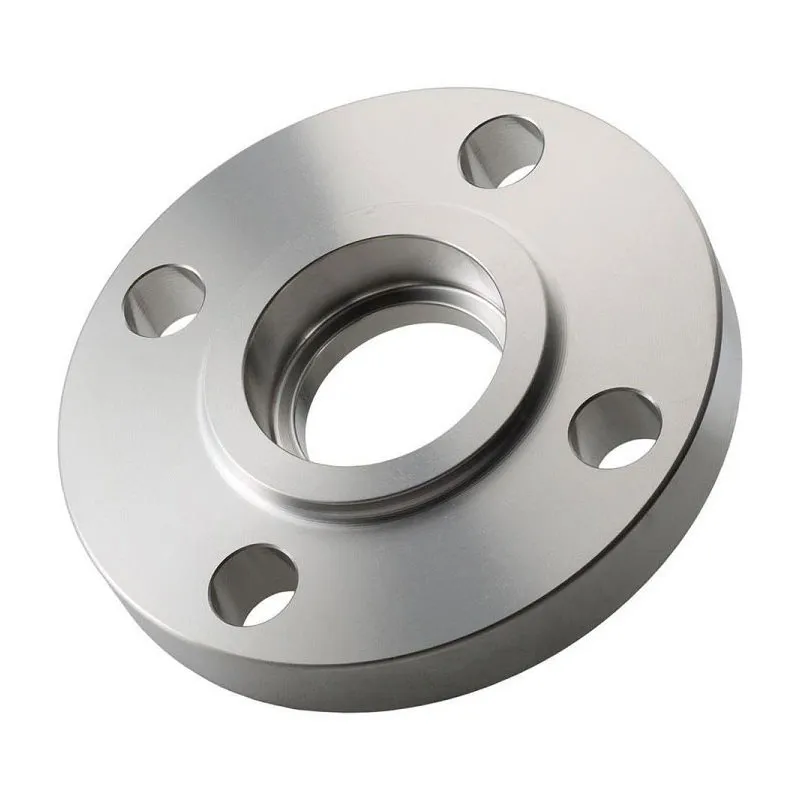
Best Sellingproducts
Best Selling Products-
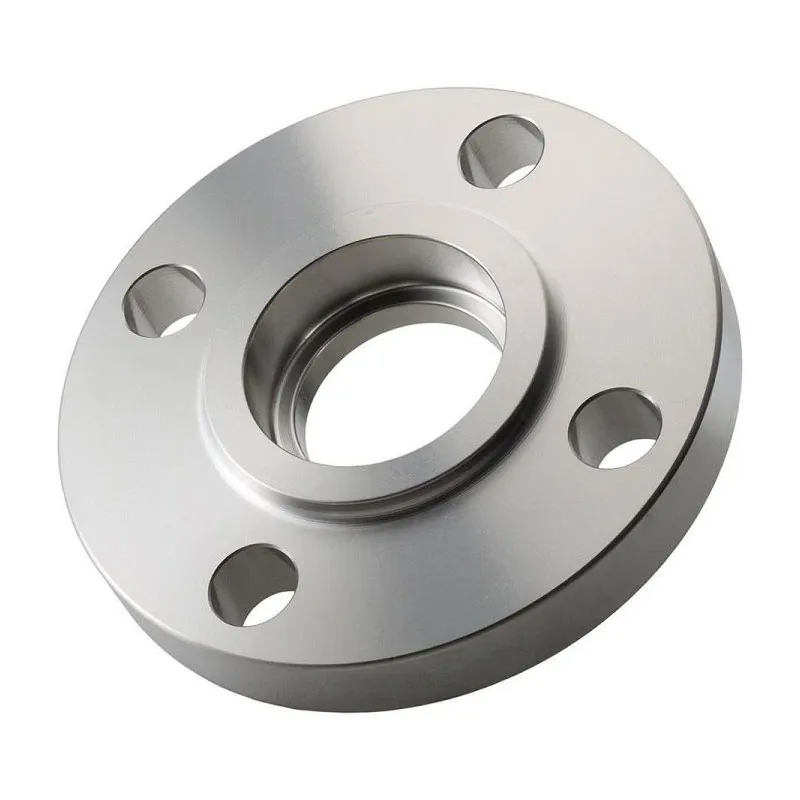 ANSI B16.5 Socket Weld Flanges Class 150
 -
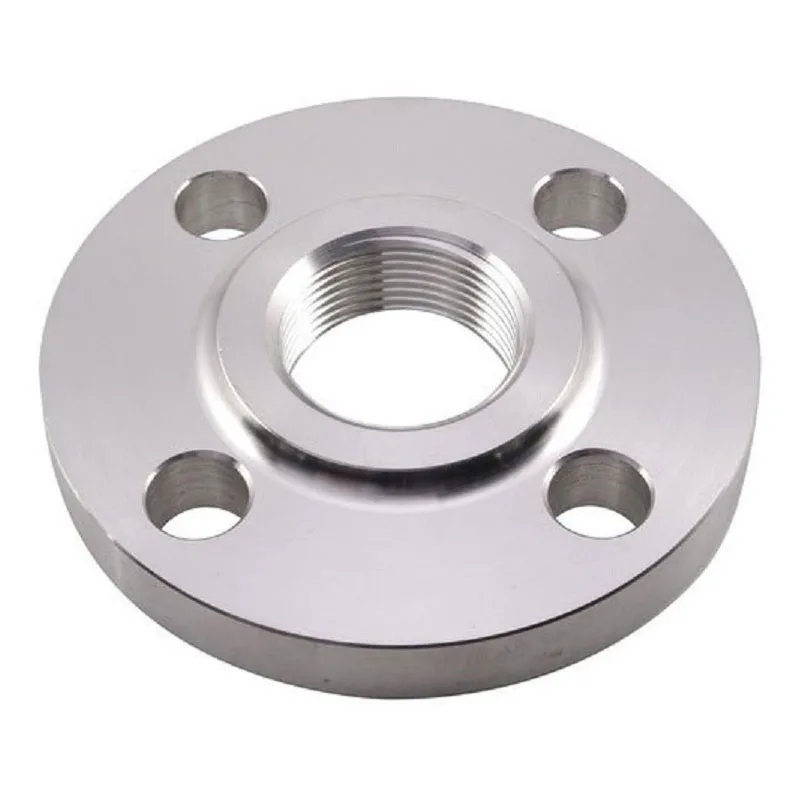 JIS 10K Threaded Flanges
 -
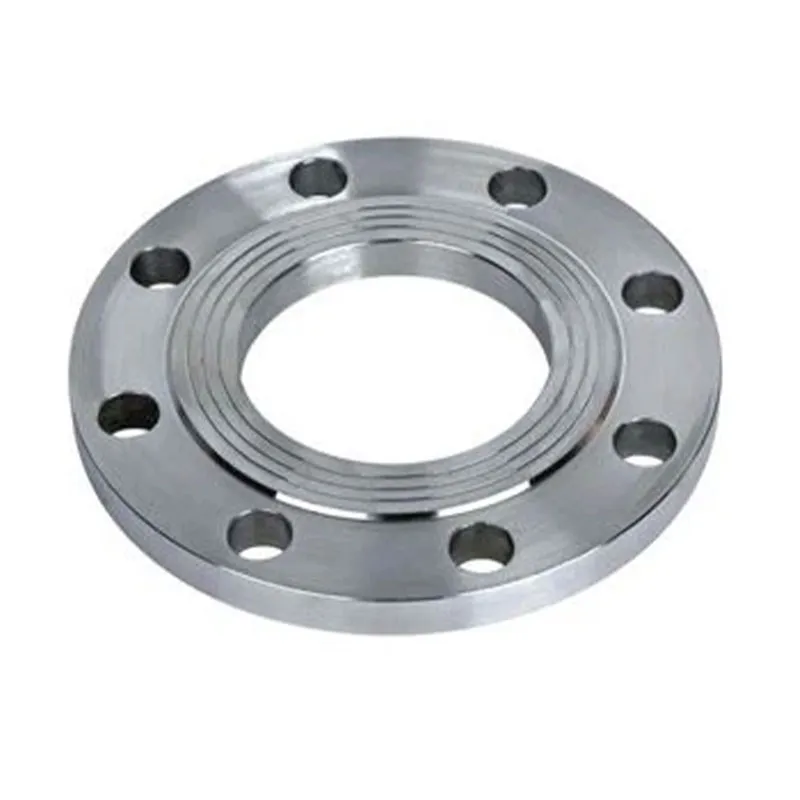 Butt weld flanges Class 150
 -
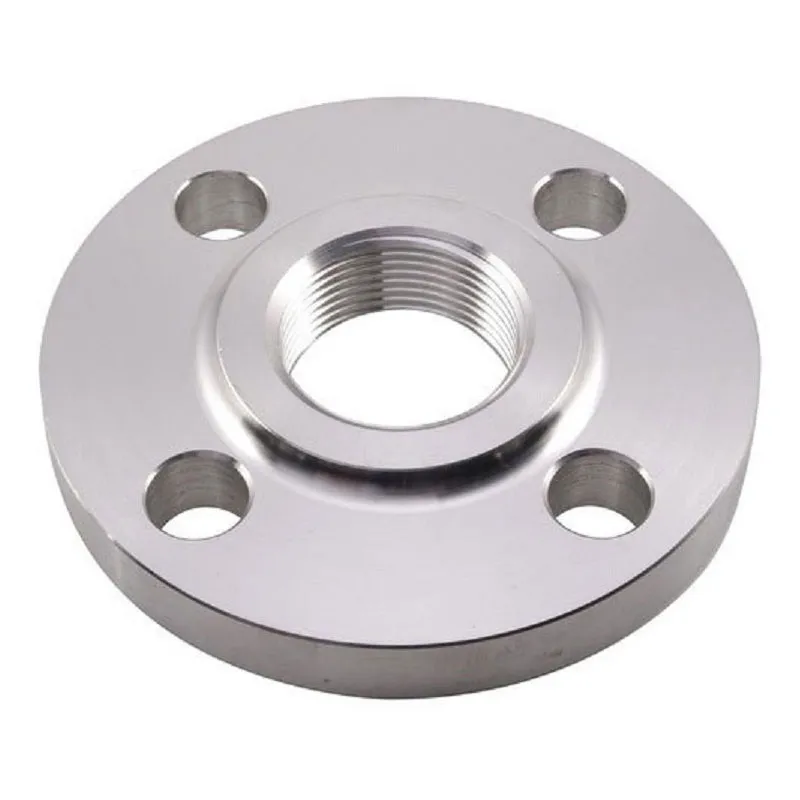 DIN 2565 Threaded flanges PN6
 -
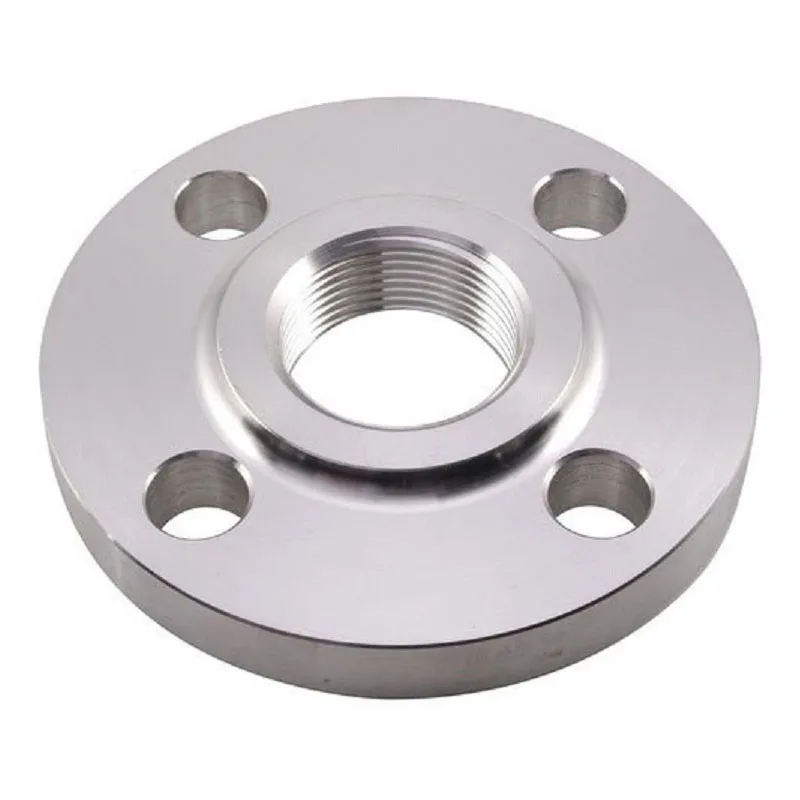 DIN 2566 Threaded flanges PN16
 -
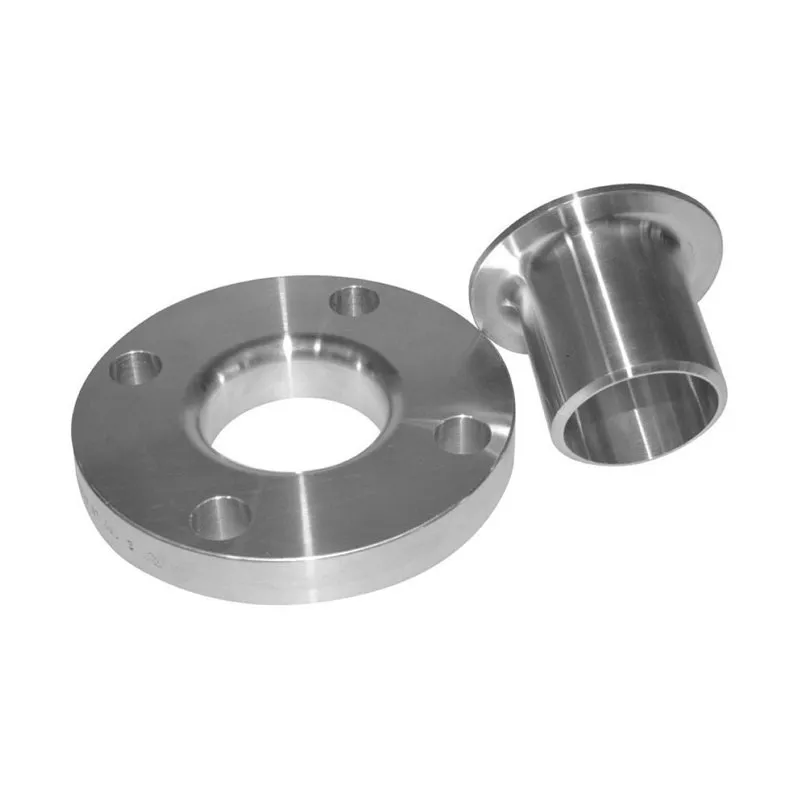
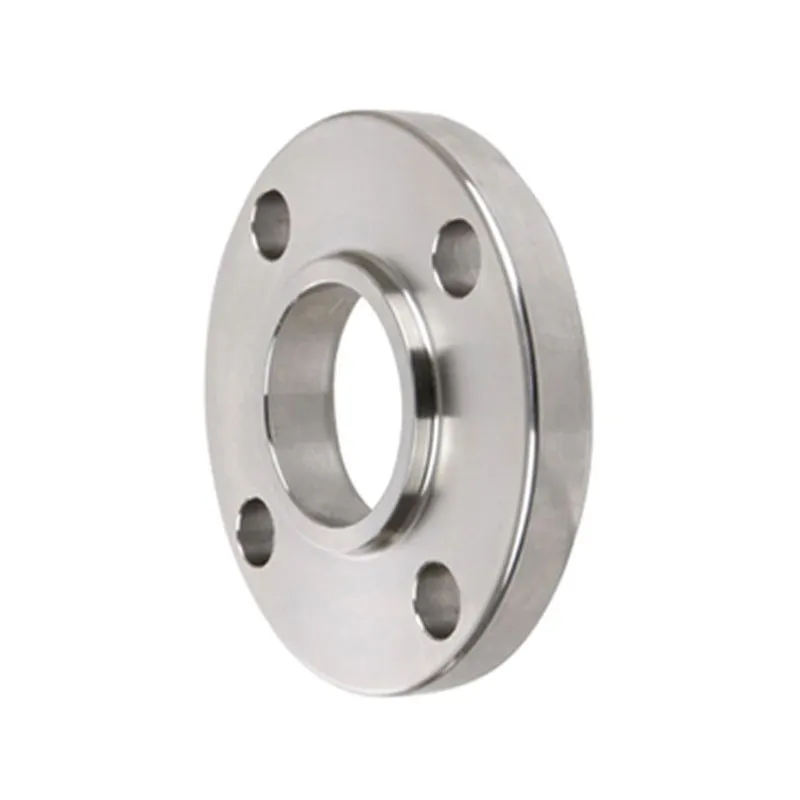 ANSI B16.5 Lap-on flanges Class 300
 -
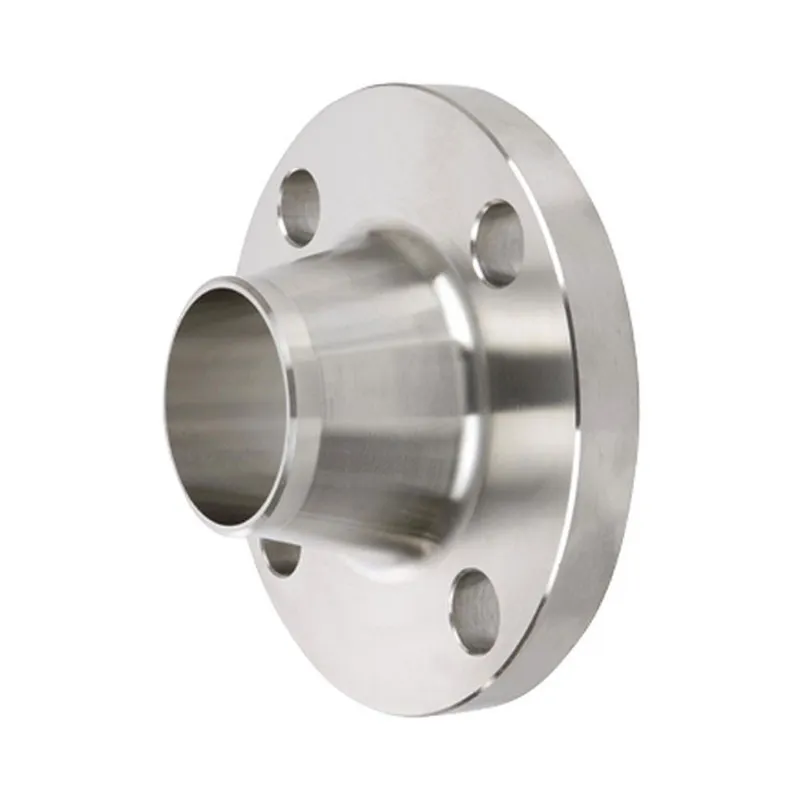 EN 1092-1 Butt weld flanges Type 11, PN25
 -
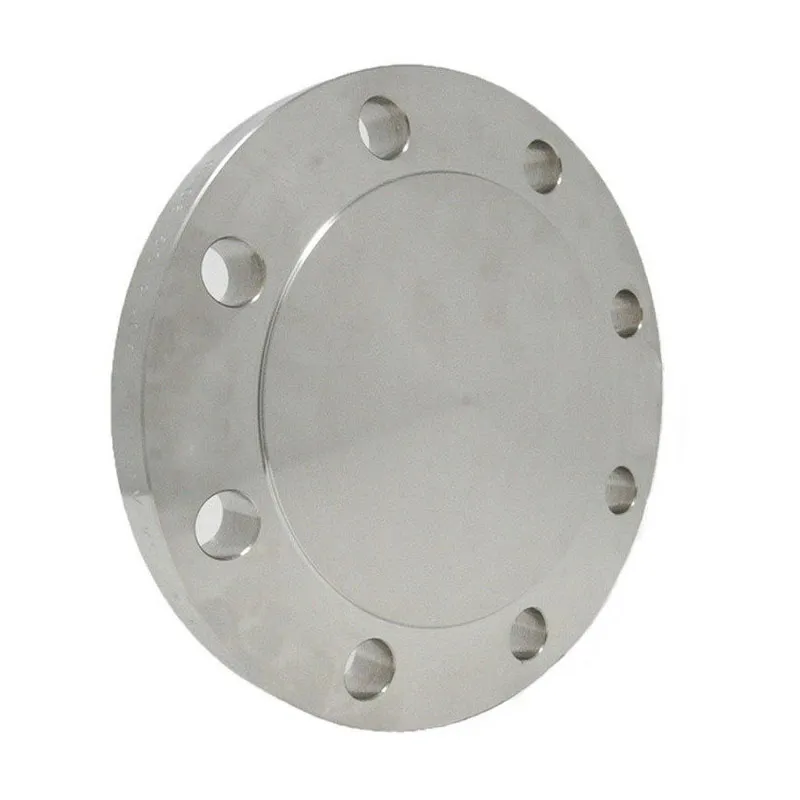
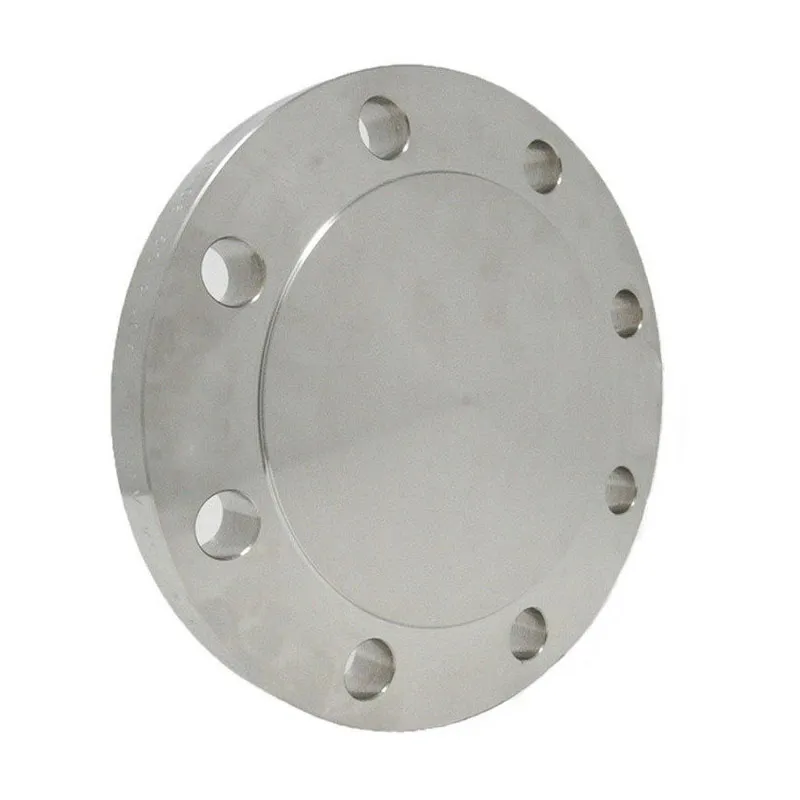 Blind flanges Class 150
 -
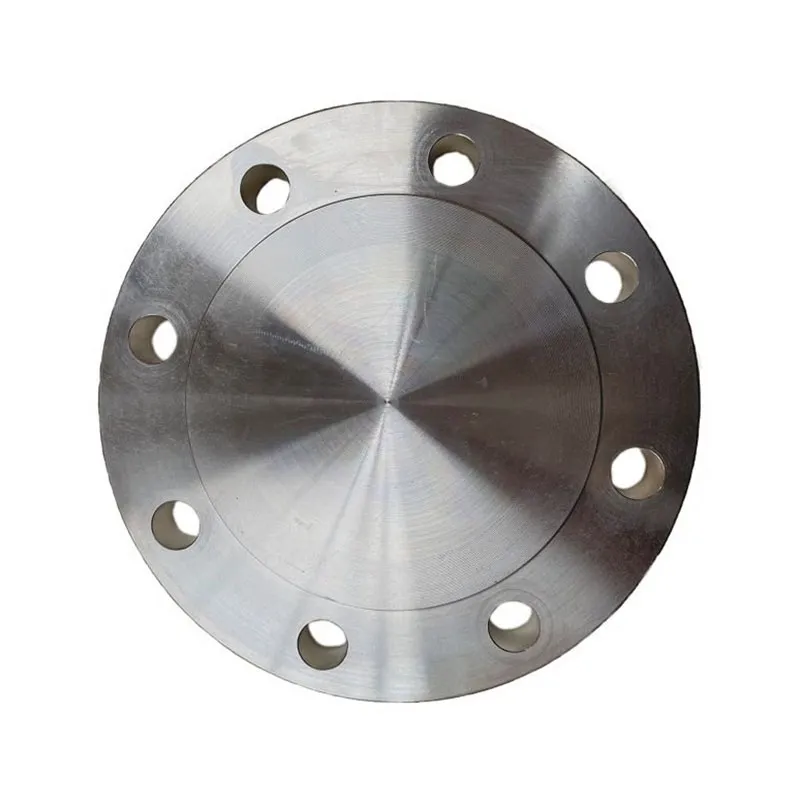 ASME B16.47 Ser.A Blind Flanges Class 400
 -
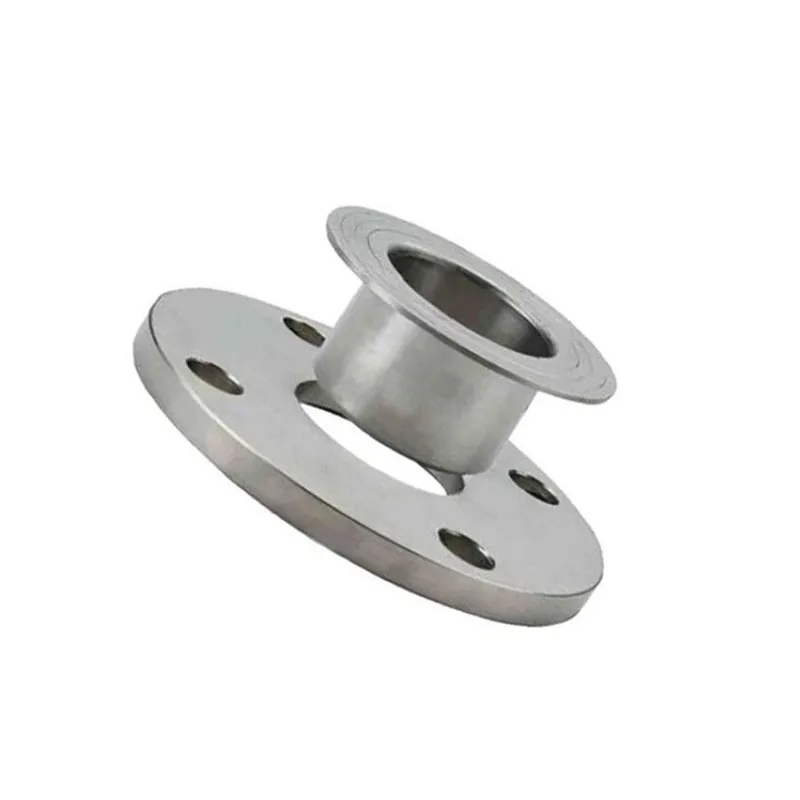 Free ring flanges Class 400
 -
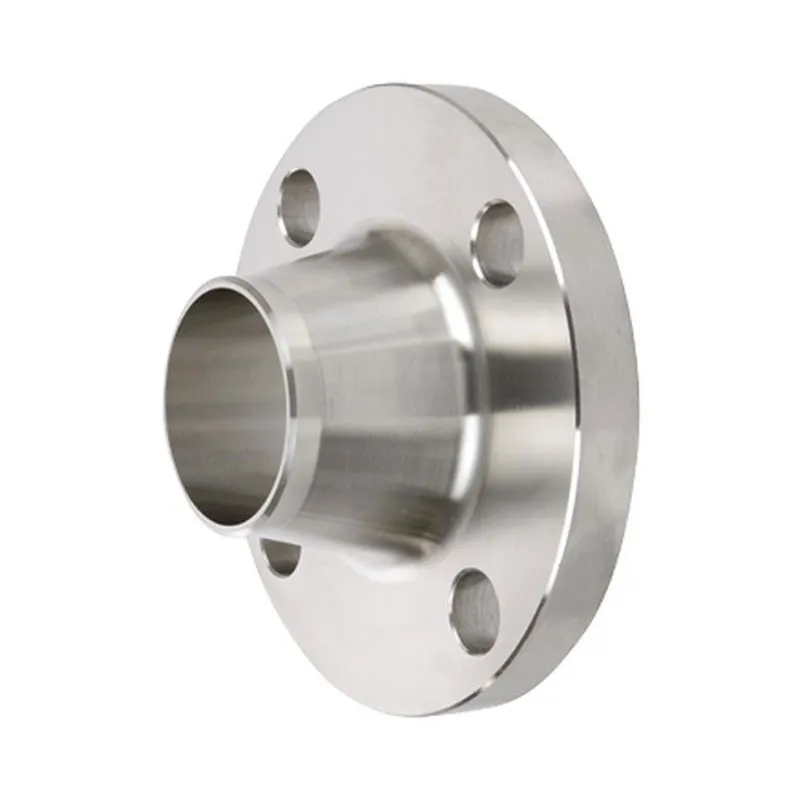 Ser.A Butt Weld Flanges Class 400
 -
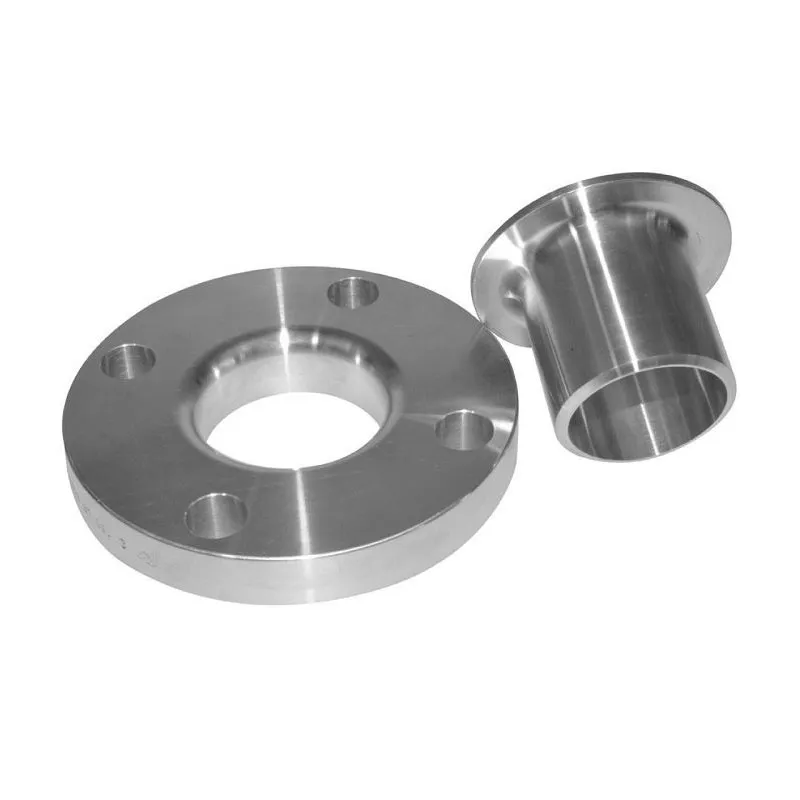 ANSI B16.5 Loose Ring Flanges Class 2500