
-
-
Phone
+86-13623462298



flanges dn 25
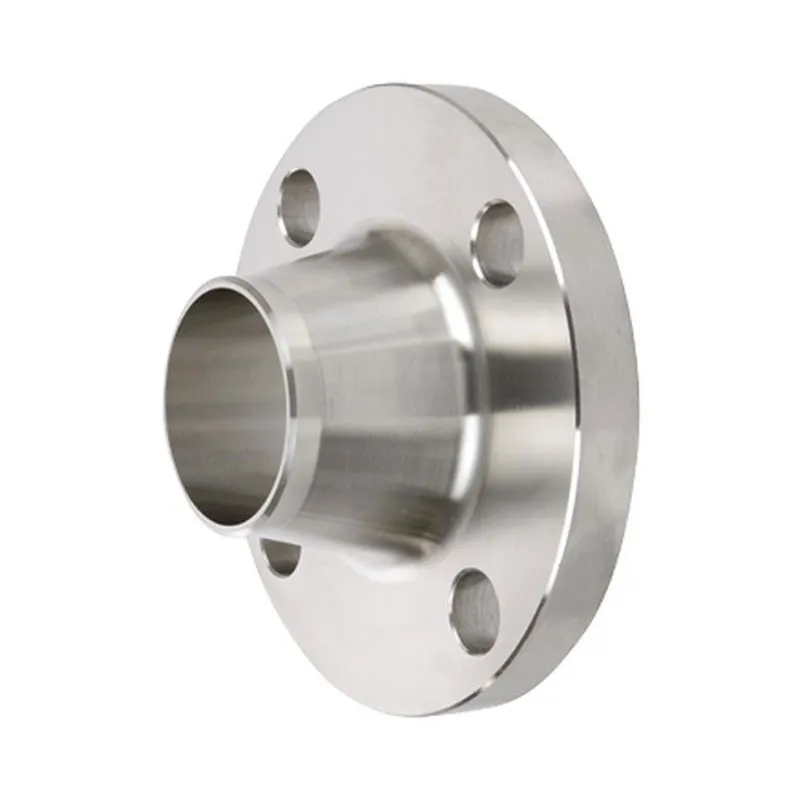
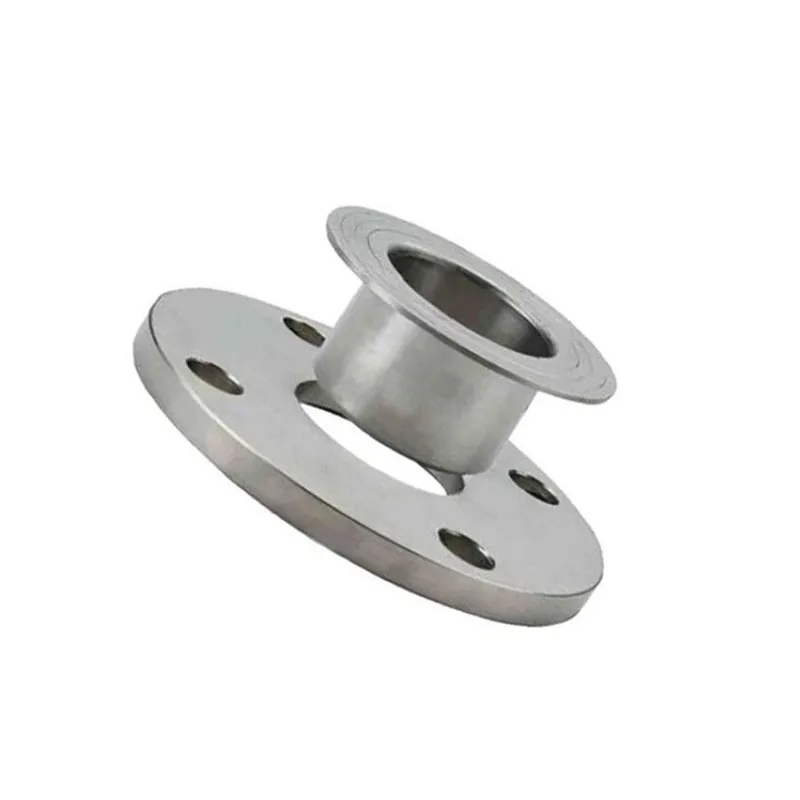
When they talk about dn 25 flanges, many people immediately think - a trifle, the simplest position, take any. But it is precisely these seemingly standard dimensions that hide the pitfalls, because of which the units then have to be redone on site. I myself have encountered more than once when a customer, saving money, took something cheaper, and then it turned out that the geometry of the holes was not in accordance with GOST or the thickness of the mating surface “floated”. This is especially critical for low-pressure steam pipelines or process lines in chemical shops, where even a microscopic misalignment during joining leads to leaks. Therefore, for me, DN 25 is not just a number in a catalog, but a whole set of nuances regarding material, design and, most importantly, supplier.
Why does DN 25 fail so often?
The issue here is apparent simplicity. Due to their small diameter, the flanges are subject to high precision requirements - there is little space for laying, and any deviation in the parallelism of the surfaces or the alignment of the holes for the studs becomes fatal. I remember an incident at one of the boiler houses: they installed flanges with a nominal bore of 25 mm, but from an unverified manufacturer. During pressure testing, water flowed right along the line of the bolted connection. It turned out that the holes were offset by half a millimeter, and when tightening, uneven tension was created. I had to urgently look for a replacement.
Another point is the choice of sealing surface design. For DN 25, version ?A? is often automatically selected. (smooth), but if we are talking about slightly volatile media, for example, some solvents, it is better to look towards ?E? or ?F? (tongue and groove, lens gasket). This is not always obvious from the design documentation, where there may simply be a “steel flange DN 25”. This requires expertise and sometimes even a dispute with the designer to justify the need for a different type of connection.
And of course, the material. For water and steam up to 100°C, St20 will also do, but if we are talking about a more aggressive environment, even in such small diameters you need to look towards 09G2S or 12Х18Н10Т. A mistake in choosing a steel grade means a guaranteed replacement of the unit after six months to a year of operation. I tested it in practice: they placed ordinary carbon flanges in line with an alkaline medium - after 8 months, fistulas appeared in the body of the flange itself, and not in the weld.
Suppliers and real procurement experience
The market is saturated with offers, but not everyone can provide stable quality in small standard sizes. Often large factories focus on mass production of large flanges, and DN 15-50 they produce almost as “leftovers”, without proper control. Therefore, I have long paid attention to specialized manufacturers who work specifically with forged assortments. Here, for example,Shanxi Hongkai Forging Co.,Ltd— their websitehkflange.ruI found it several years ago when I was looking for a supplier for a specific order based on a drawing. What is important is that they position themselves as a manufacturer of forged flanges and forgings, and not just a trading house. This immediately reduces risks.
Working with them on DN 25 flanges to the ASME B16.5 standard, I noted several points. Firstly, they provide a full package of certificates, including the results of mechanical tests and ultrasonic testing specifically for the batch. This is rare for such a ?small? size. Secondly, the geometry was flawless - calibrated holes for studs, clear thickness and roughness of the sealing surface. We used them to assemble sampling lines for the laboratory - there were no complaints.
But there was also a negative experience, although not with this company. Once we purchased a batch of DN 25 GOST 12820-80 flanges from another supplier. The product arrived, everything seemed to be fine, but upon visual inspection I noticed small shells on the back side of the flange. We decided to check it with a hardness tester - the indicators “floated”. It was probably not a forging, but a casting passed off as a forged product. I had to return the entire batch. Since then, I have always requested photos of the production process or selective control reports, especially for critical components, even if the diameter is small.
Nuances of installation and selection of components
The most common problem when installing DN 25 flange connections is the incorrect selection of fasteners. M10 studs are often used for larger sizes, but 25 diameters usually require M8. If you use thicker fasteners, you can strip the threads in the flange hole when tightening. There was an incident during the installation of an inert gas pipeline - the installers, without looking at the specification, installed M10 studs. As a result, during torque tightening, the threads in the two flanges were simply “cut off”. I had to drill and tap larger diameter threads on site, which is undesirable for critical connections.
The second point is gaskets. For DN 25, spiral wound gaskets (SWG) are often used, but they must be selected correctly in terms of size and winding material. Once I saw how they installed a paronite gasket, but it was of the wrong section - it was a little wider and when tightened it was “squeezed out”. inside the passage, creating local narrowing and turbulence of the flow. In a system with coolant circulation, this led to increased noise and vibration. It’s a small thing, but it affects the operation of the entire line.
And third is the tightening order. For small flanges, many installers neglect the cross tightening pattern, tightening the bolts in a circle. This almost always leads to skew. Learned to require crews to use a torque wrench even for these small connections, especially when it comes to flangesdn 25for test benches where the pressure is abrupt.
Standards and non-standard situations
The bulk of orders are according to standards: GOST, ASME, DIN. For DN 25, the difference between them is not only in size, but also in tolerances. For example, according to GOST 12820, the thickness of the flange may be slightly greater than that of a similar one according to ASME B16.5 Class 150. This must be taken into account when designing bimetallic transitions or when joining equipment of different origins. We had a project where it was necessary to connect a Russian pump (with GOST flanges) with a German filter (DIN). We had to order adapter flanges as non-standard products according to the drawings.
This is where the experience of working with manufacturers who are ready to make one-piece items comes in handy. On the samehkflange.rufromShanxi Hongkai Forging Co.,LtdThe product section lists non-standard products according to customer drawings. We sent them a sketch of an adapter flange DN 25 GOST to DIN with a changed thickness and hole configuration - they made it without problems, and what is important, from the required grade of steel 13HFA. This saved the project timeline.
There are also very funny cases. Once, DN 25 flanges were needed to repair an old Italian compressor that used the UNI standard. In Russia, such an assortment is simply not available. I had to look for someone who could make it according to the original drawing. It turned out that many large factories refuse such small and non-standard batches. I found a solution through the same specialized manufacturer - they took on a batch of only 10 pieces, because they just have pressing equipment that allows them to work economically with small forgings. This is an important factor when choosing a supplier for non-standard tasks.
Conclusions and subjective recommendations
So, what have I learned over the years of working with small diameter flanges? First, never treat them as minor details. The reliability of the system is often determined by the weakest link, and this link may just be a low-quality flange on DN 25. Secondly, carefully select a supplier, focusing not on price, but on the ability to provide complete documentation and evidence of quality specifically for the required batch. Business card sites, where there are no technical details, are immediately to the side.
For standard applications, such as plumbing or ventilation, you can also take stock items, but always with a spot check. For more critical environments - only on order with a full control cycle. And here, based on personal experience, I can note that companies such asShanxi Hongkai Forging Co.,Ltd, whose production is concentrated in one of the forging centers of China and which operates to international standards, often turn out to be more flexible and of higher quality than some of the “promoted” ones. trademarks. Their range up to DN 4000 speaks of serious power, but the ability to work with the small size of DN 25 is an indicator of attention to detail.
In the end, choosing a flange is always a compromise between cost, service life and reliability. But, as practice shows, you cannot save on small things. It’s better to spend time finding the right supplier and coordinating all the details once, than to rework components in an emergency, incur losses from downtime and, worst of all, undermine your reputation. A DN 25 flange is not just a ring with holes, it is a full-fledged element of an engineering system, and it must be treated accordingly.
Correspondingproducts
Related Products
Best Sellingproducts
Best Selling Products-
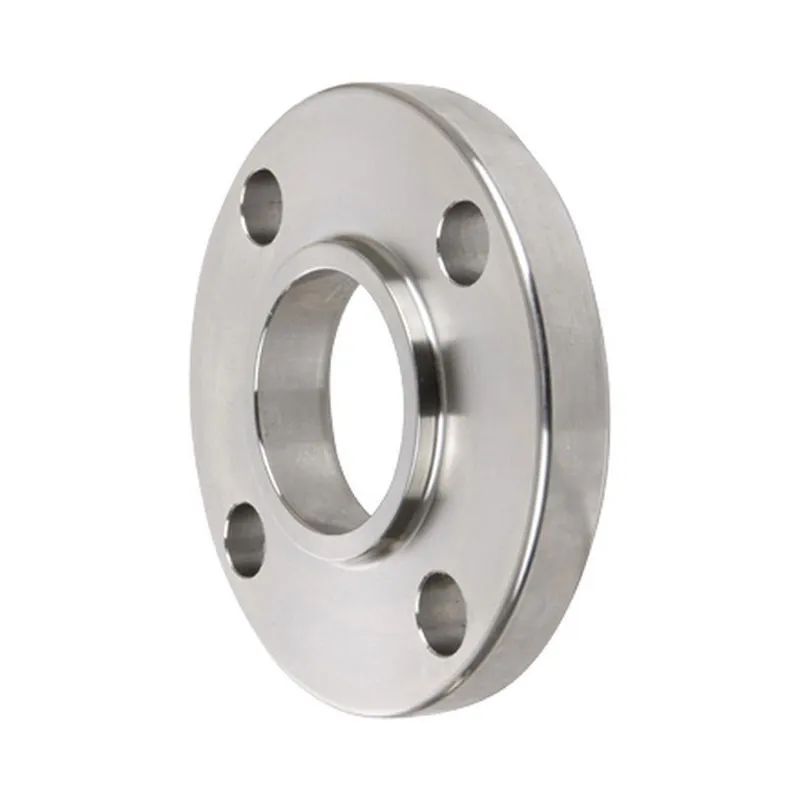 DIN 2501 Overlay flanges PN16
 -
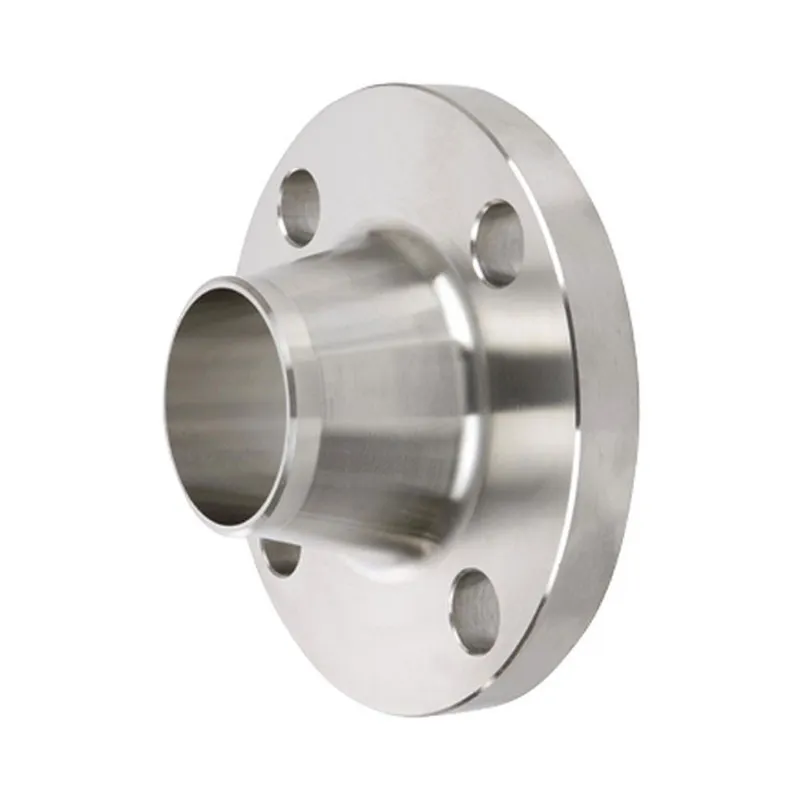 EN 1092-1 Butt weld flanges Type 11, PN25
 -
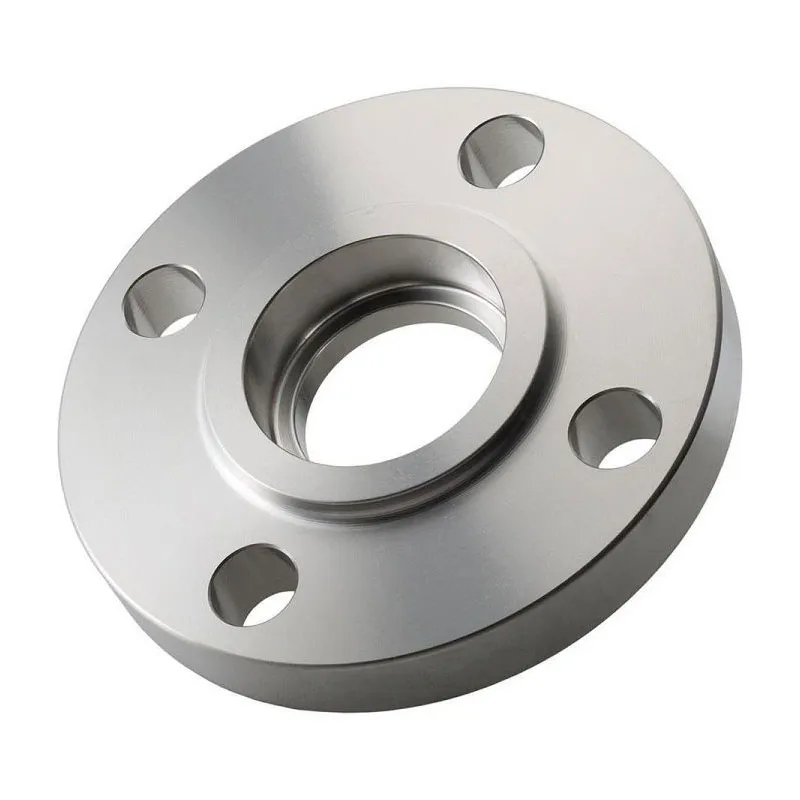 ANSI B16.5 Socket Weld Flanges Class 1500
 -
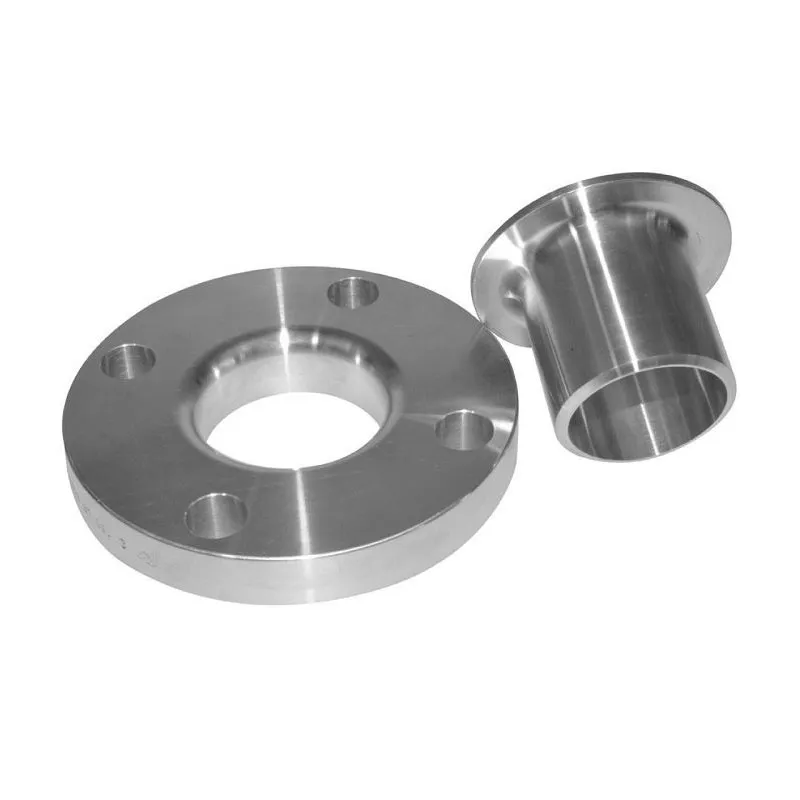 ANSI B16.5 Loose Ring Flanges Class 2500
 -
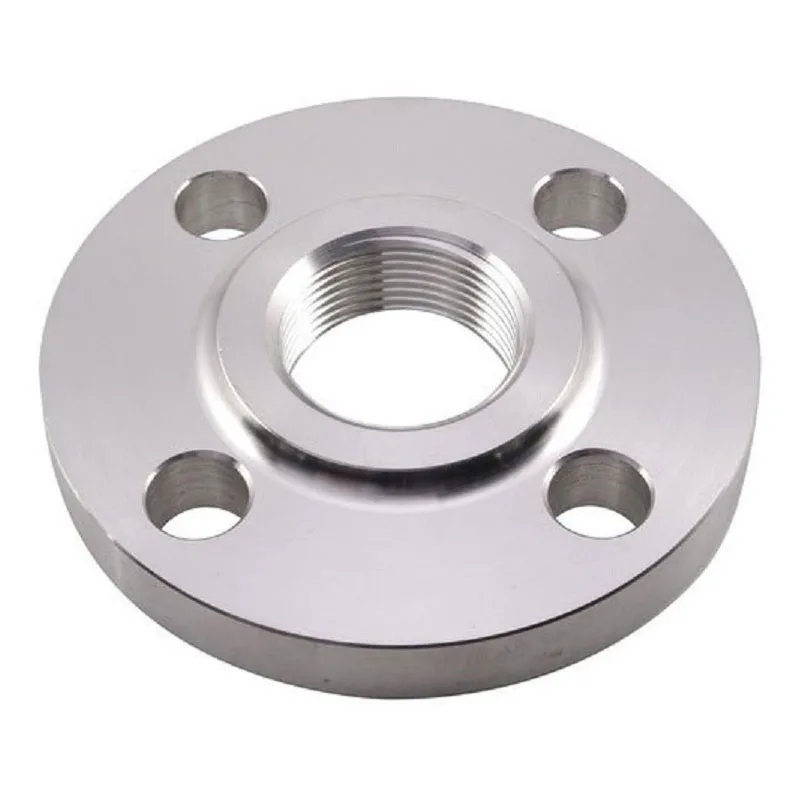 JIS 10K Threaded Flanges
 -
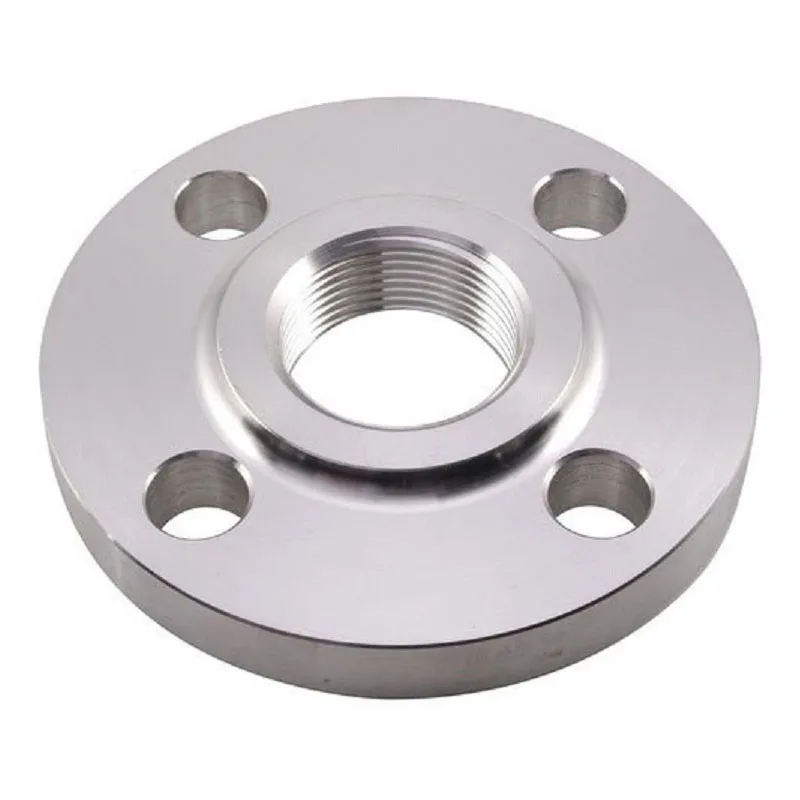 DIN 2566 Threaded flanges PN16
 -
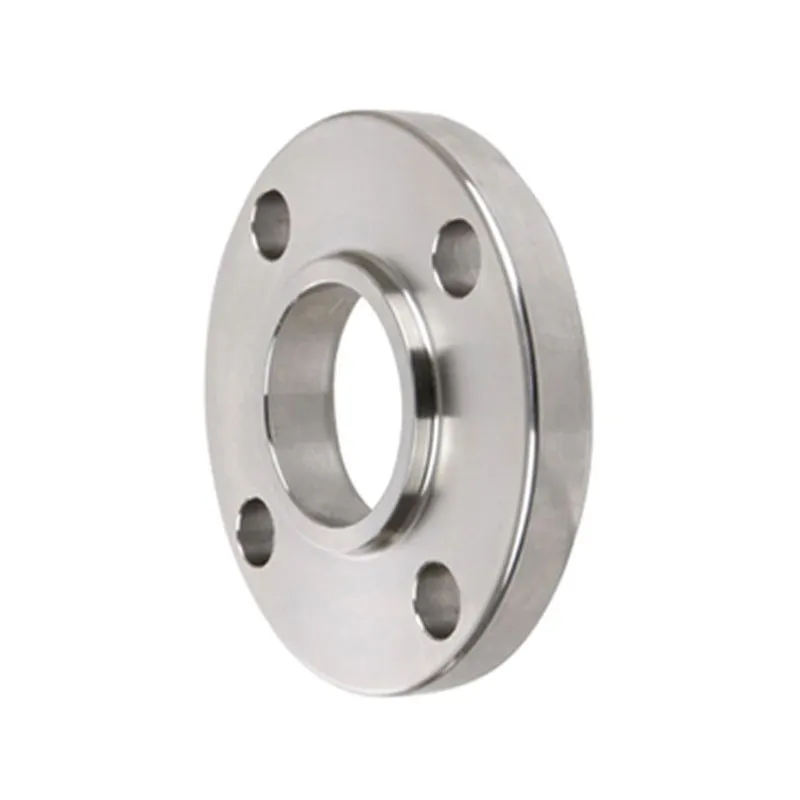 ANSI B16.5 Lap-on flanges Class 300
 -
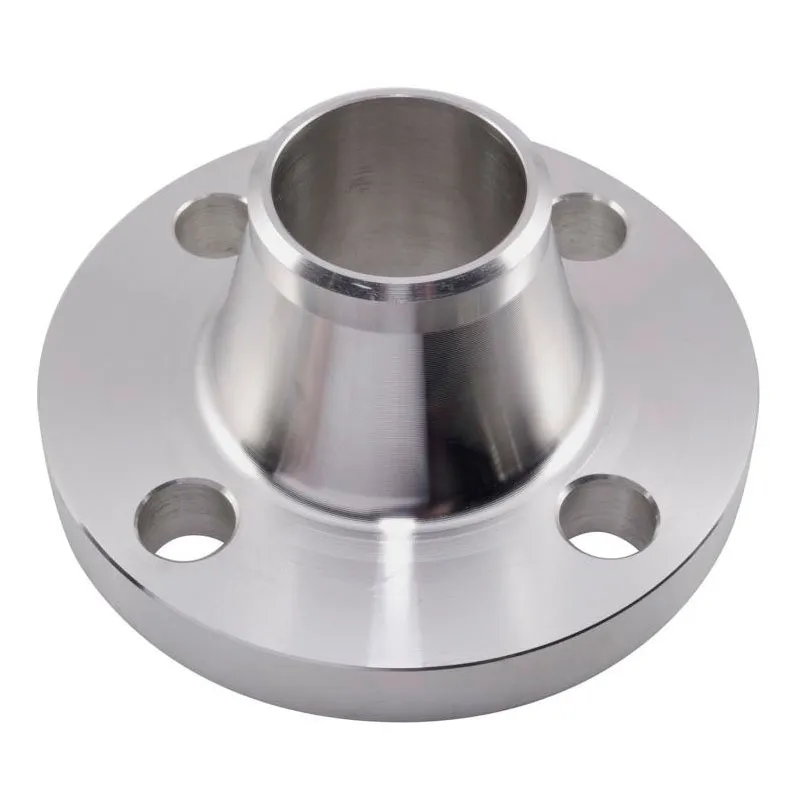 DIN Butt weld flanges PN10
 -
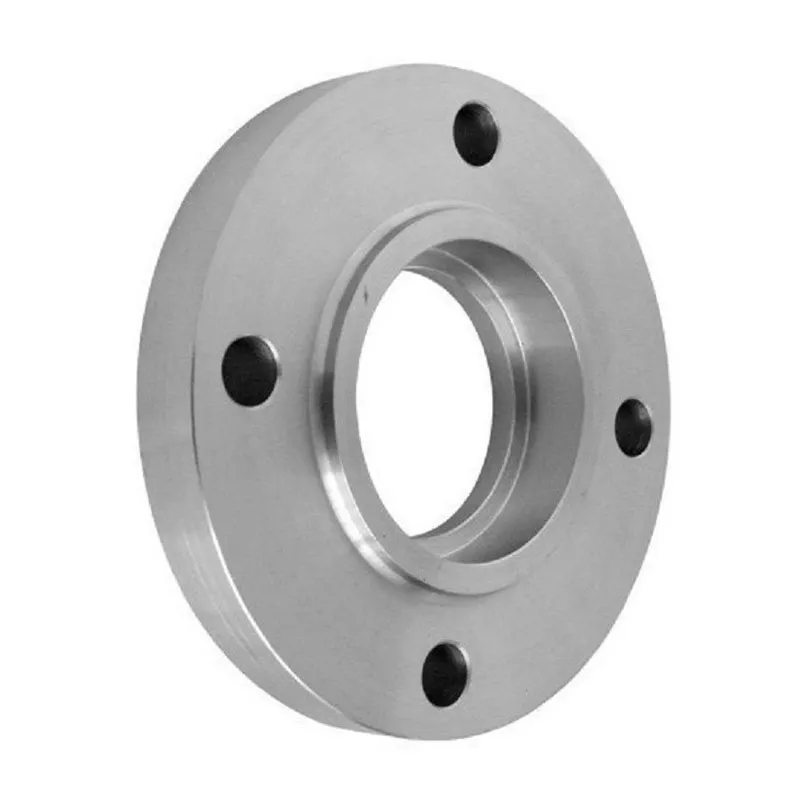 Socket Weld Flanges Class 300
 -
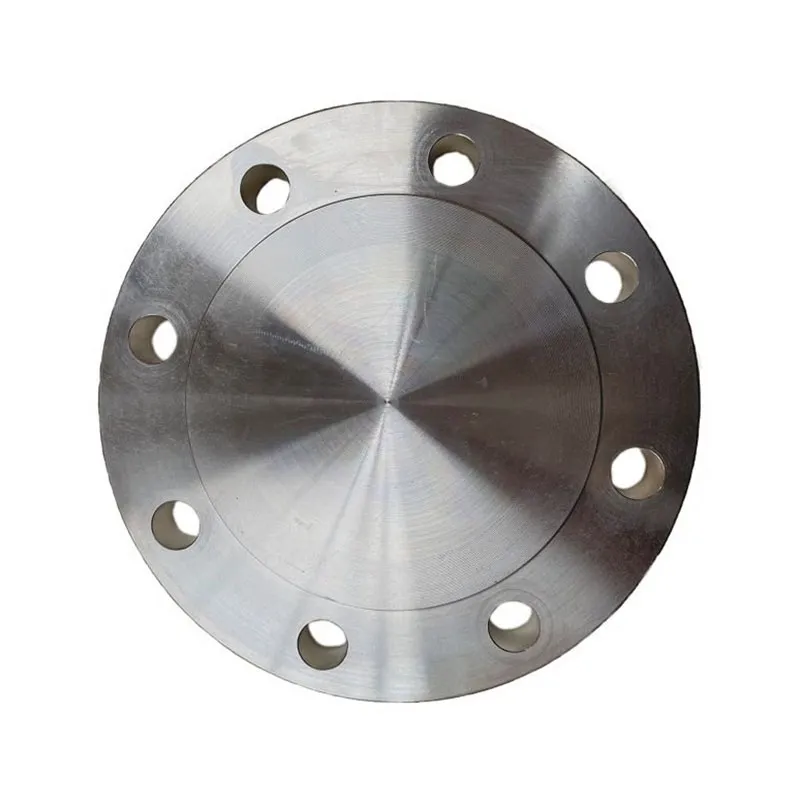 ASME B16.47 Ser.A Blind Flanges Class 400
 -
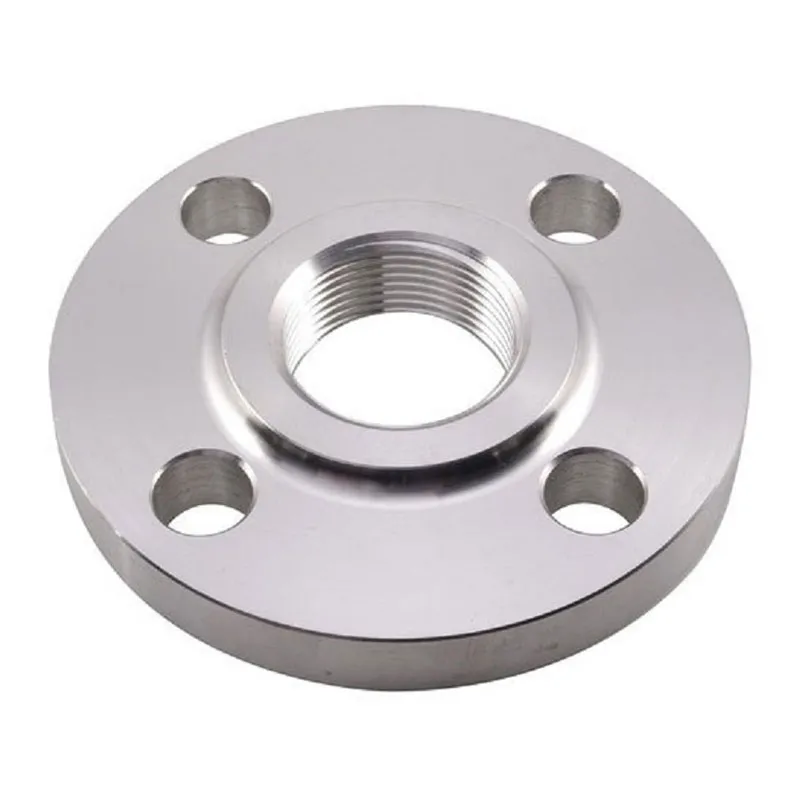 JIS 10K Overlay flanges
 -
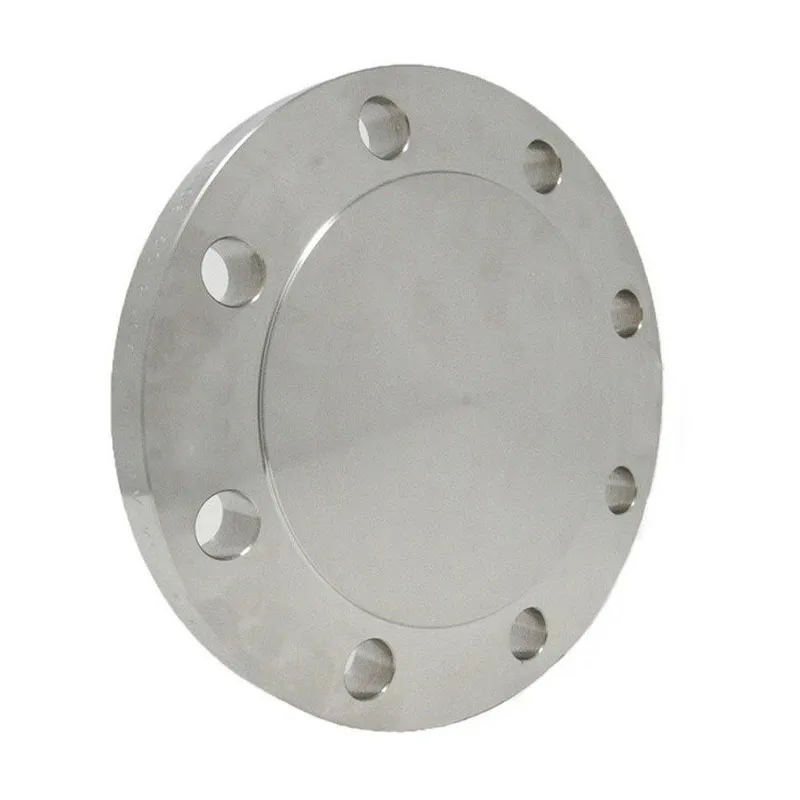 EN 1092-1 Blind flanges Type 05, PN10