
-
-
Phone
+86-13623462298



flange 1 20 40
Do you see in the specification or request ?flange 1 20 40? - the first thought is that this is some kind of special standard size or, perhaps, a conditional passage with pressure. But you can’t say that right away. You often come across this when a request comes from designers who themselves received the drawings “inherited”, and there these numbers float without a clear link to the standard. My experience suggests that in 80% of cases this is an attempt to describe a flange in accordance with GOST 12820-80 or, possibly, 12821-80, but indicating the parameters: nominal bore (DN) 20 mm and nominal pressure (PN) 40 kgf/cm2. Although ?1? at the beginning it is often confusing - whether it is the type of surface design, or simply the serial number in the statement. We have to clarify, and it often turns out that the customer himself is not sure, it was just written to him in the terms of reference. Let's start with this.
Let's break down the numbers piece by piece: from a request to a real drawing
When I first received a request with this designation several years ago, I also looked into the reference books. It turned out that a direct analogue is most often a steel flat flangeflange 1 20 40according to GOST 12820-80. Du 20, Ru 40. But ?1? - this is version 1 according to the same GOST, that is, with a connecting protrusion. Here's the solution for you. But it's not that simple. If we are talking about a butt-welded flange, then this is already GOST 12821-80, and there is also version 1. Therefore, without a drawing or a clear indication of the standard, it is a guessing game. Once we supplied a batch of flat flanges, and the customer was waiting for butt flanges. I had to figure it out, it turned out, in their internal classifier ?1? meant the type of connection was “tab”, but did not indicate whether it was flat or butt. Now I always ask clarifying questions.
And it also happens that ?40? - this is not pressure, but, excuse me, material, some kind of 40X steel. But this is less common. More often than not, it's pressure. And here is an important point: Ru 40 kgf/cm2 is approximately 4 MPa. For DN 20 this is a standard story, but if the environment is aggressive or the temperature is high, you need to look into the tables of permissible pressures and look at the material. We once made a batch of 09G2S steel for a chemical plant with these parameters, but at a temperature of 450°C. So, according to calculations, the working pressure was no longer 40, but much lower. We had to agree on an increase in thickness.
It is in such situations that a manufacturer is valued, who can not just sell a standardflange 1 20 40, but to consult. I often look at what my colleagues offer. For example, on the websiteShanxi Hongkai Forging Co.,Ltd (https://www.hkflange.ru) it is clear that they work both according to GOST and ASME, and make forgings. This is important. Because if you need not just an assortment, but a forged flange for a critical assembly, then the possibility of manufacturing from a forging is a big plus. The mechanical properties of forgings are better than those of stamping or, especially, cut products. Their nomenclature specifically states flanges from DN 15 all the way up to 4000, so DN 20 is a trifle for them, but it is important that even small things are taken seriously.
Application practice and frequent mistakes during installation
Now let's move on from the drawings to the hardware. The DN 20 flange is a small thing, but if there are thousands of them at a facility, as at a thermal power plant or in the piping of pumps, any mistake costs a pretty penny. The most common problem is a discrepancy between the execution of the sealing surface. We had a case: we installed flanges with design 1 (protrusion-recess), and purchased flat gaskets for connection with a smooth surface (design 2). Naturally, the tightness was zero. We had to urgently shift all the nodes. Since then, in commercial offers I have highlighted in bold not only Du and Ru, but also the performance according to GOST 12815-80 (this is just about surfaces).
Another point is the quality of the holes for the studs. Cheap flanges are sometimes drilled “haphazardly”, and it turns out that the holes do not line up when connecting to fittings or equipment. It's especially annoying when the flange is already welded. You have to drill on site, which is not always permissible according to technical regulations. Therefore, we now work only with trusted suppliers who control the geometry. The sameShanxi Hongkai Forging Co.,Ltdpositioned as a manufacturer, not a reseller. From the description it is clear that they make products according to international standards - for me this is a signal that there should be a normal quality control department. Although, of course, everything is checked upon acceptance of the first batch.
And about welding. A flat flange for DN 20 is usually welded with two seams - on the inside and outside of the pipe. It would seem that there is nothing complicated here. But if the welder overheats, the plane may move. We always check with a square and against light. But a butt-welded flange (aka “collar” flange) is easier and more reliable to weld from a mechanical point of view, but it is more expensive. Sometimes customers, trying to save money, take flat ones, and then wonder why flange connections leak on a vibrating line. For dynamic loads, end-to-end is clearly better.
When the standard is not enough: non-standard solutions and forgings
It happens that the parametersflange 1 20 40- this is just a starting point. For example, you need a flange made of a special grade of steel that is not included in the standard, or with a non-standard thickness, or with additional technological holes. This is where work with the manufacturer begins at the level of technical specifications and drawings. The mentioned company from Shanxi claims to manufacture according to customer drawings. It's valuable.
We had a project that required a flange with DN 20, PN 40, but with an extended neck to compensate for the installation offset. The standard one didn't fit. I had to make a drawing. It was the forged product that was important, because a cast product would not withstand cyclic loads. We sent requests to several factories, including those in China. Working with Chinese manufacturers such asShanxi Hongkai Forging Co.,Ltd, has its own specifics: it is important to spell out all the technical requirements very clearly, including control methods (ultrasonic testing, hardness tester), otherwise you will get “something similar?” But if the dialogue is established, the result can be very good at a competitive price. The main thing is not to chase the lowest price, but to look for an adequate ratio.
It is in the non-standard that the manufacturer’s qualifications are visible. Can he suggest the optimal manufacturing technology? Hot stamping is often used for small flanges, but for critical applications, especially in the energy or petrochemical industries, forging is required. On the websitehkflange.ruIt is expressly stated that they are a manufacturer of forged flanges and forgings, and that they are located in one of the centers of the forging industry. This is no accident. The Shanxi region is famous for its blacksmithing capabilities.
Price issue and logistics: what the catalogs are silent about
The cost of a DN 20 flange is pennies. But when you need a large batch, plus special materials, plus urgency, the price changes. And here the main margin is often hidden. Some suppliers play on the fact that the client does not know the real market value of the forging or processing. I always ask for a breakdown: the cost of the blank (forging), the cost of machining, coating (if necessary), packaging. This helps you compare offers.
Logistics from China is a separate issue. If you order a container, then everything is more or less predictable. And if you need to ship a small batch, say 100 pieces, as part of a groupage cargo, then there may be delays at customs and with transshipment. You need to set aside time. Plus documents: material certificates, certificates of conformity, product passports. Manufacturer levelShanxi Hongkai Forging Co.,Ltd, who works for export, usually has no problems with this, he provides all the documents. But checking them for compliance with our PB (for pressure vessels) or SP standards is already our task.
And one more thing about coatings. Often the flanges are galvanized or coated with anti-corrosion paint. For DN 20 this seems unnecessary, but if the pipeline is outdoors or in an aggressive atmosphere, then it is necessary. You need to make sure that the coating does not get on the sealing surfaces - they need to be protected with plastic plugs during transportation. A small detail, but if not observed, you will have to clean each connection by hand.
Conclusions for practitioners: how to work with such requests
So what did I take away from this whole story withflange 1 20 40? First of all, never take numbers for granted. Always ask again, specify the standard, medium, temperature, flange material and gasket material. It’s better to spend five minutes clarifying than to deal with inconsistencies later.
Secondly, choose a supplier not only by price, but by the possibility of dialogue and technical competence. Having our own forging and pressing production, like a company from Shanxi, is a serious plus, especially for non-standard and critical products. They most likely also make standard flanges well, since they work according to a wide range of standards (GOST, ASME, EN, DIN).
Thirdly, remember the little things: surface finish, hole quality, coating, packaging. They are the ones who determine whether the installation will go without a hitch. A flange is a seemingly simple part, but there are no small details in pipeline fittings. Every connection is a potential leak point. Therefore, even to something likeflange 1 20 40, must be treated with utmost care. How you feel is how the whole system works in the end.
Correspondingproducts
Related Products
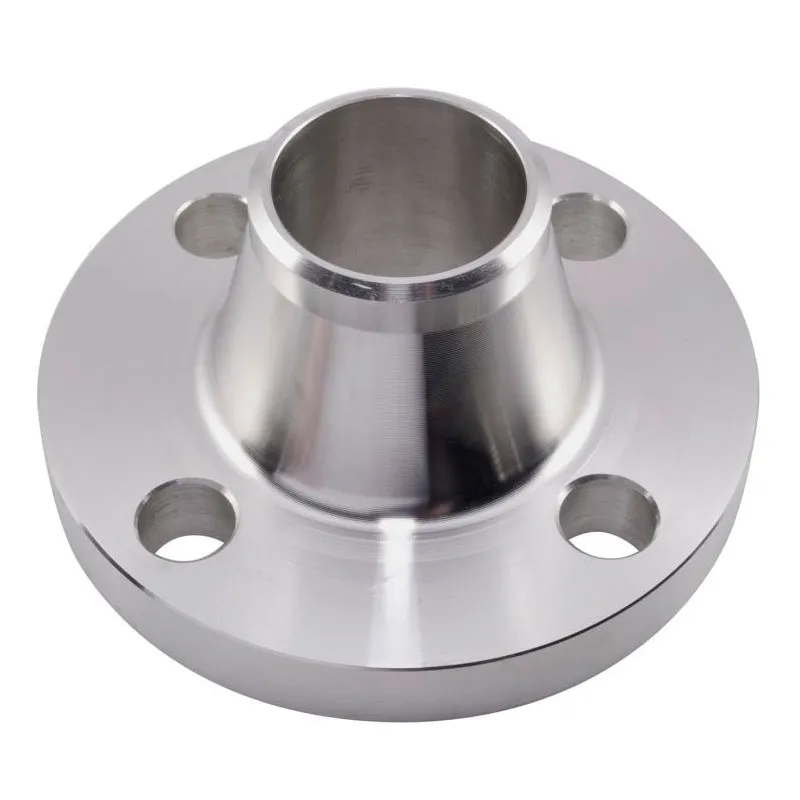
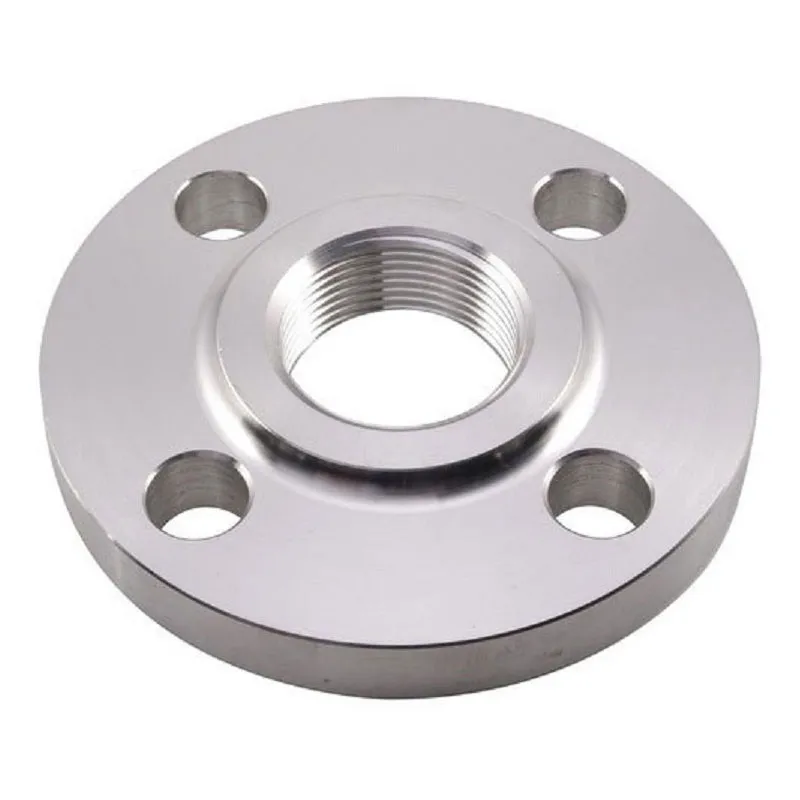
Best Sellingproducts
Best Selling Products-
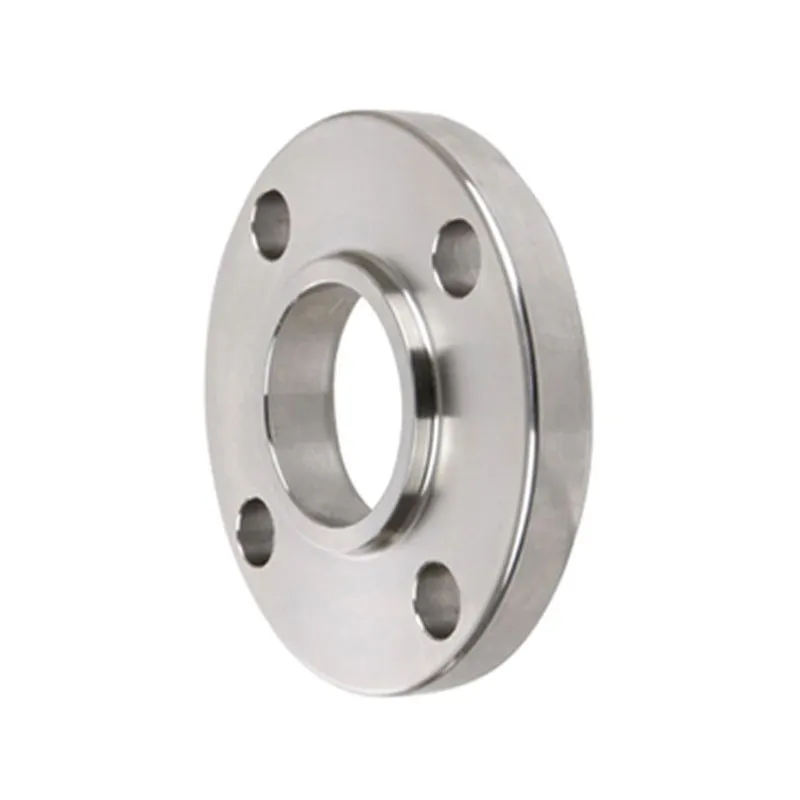 ANSI B16.5 Lap-on flanges Class 300
 -
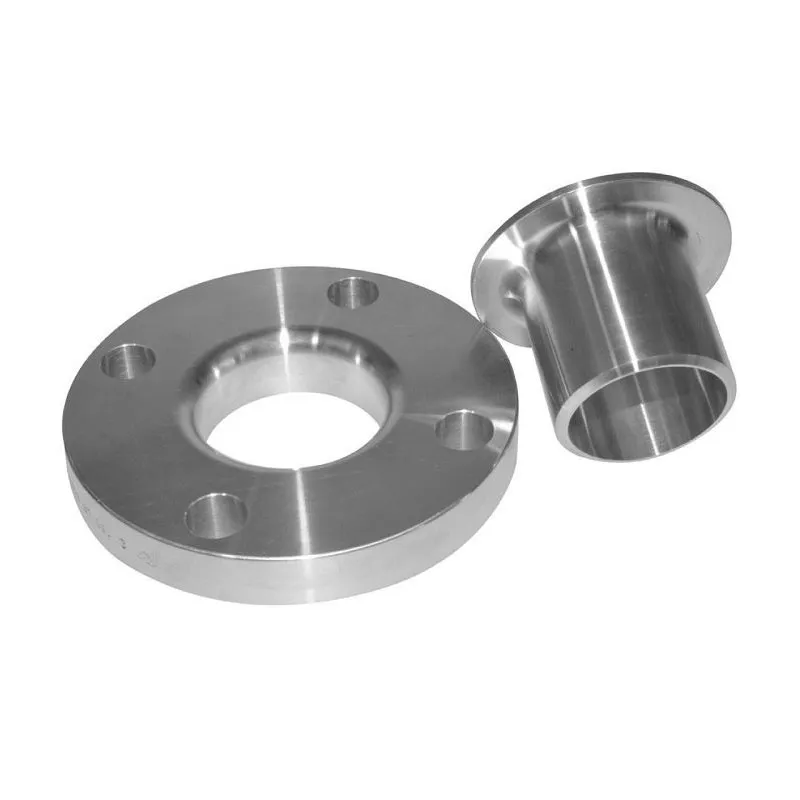 ANSI B16.5 Loose Ring Flanges Class 2500
 -
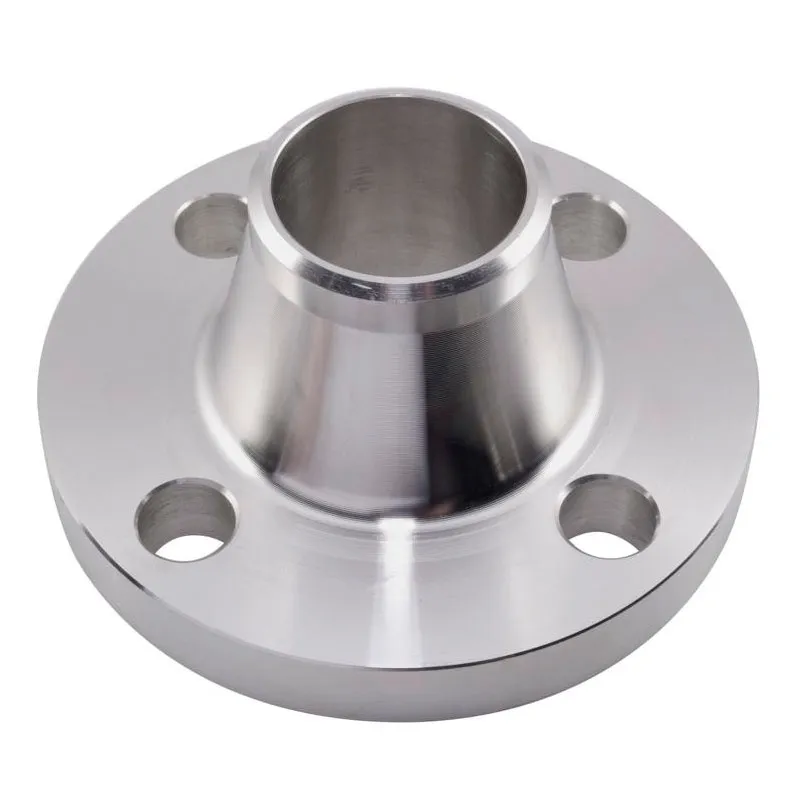 Butt weld flanges Class 900
 -
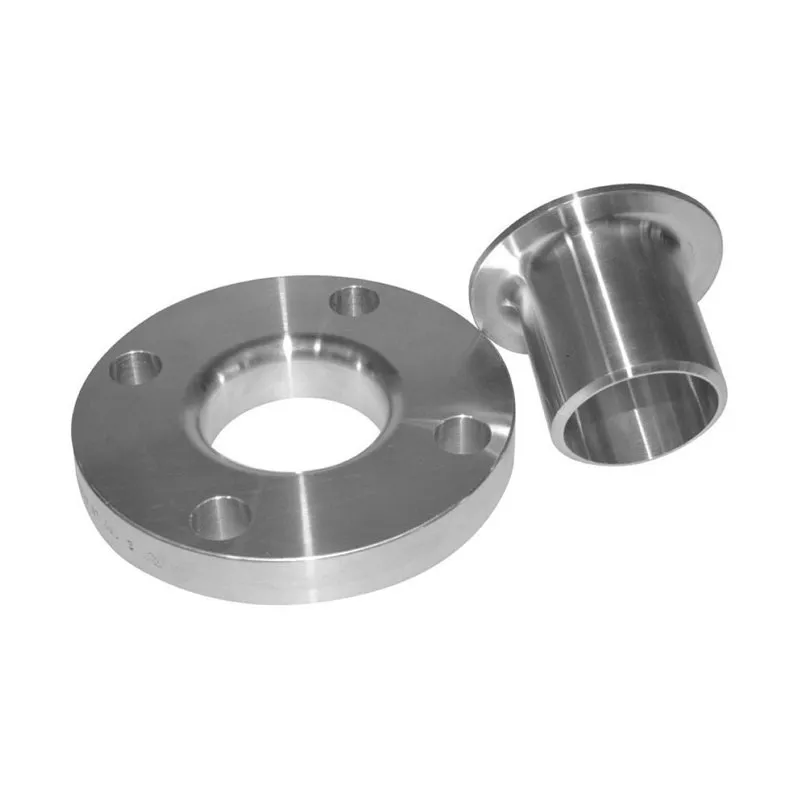 Free ring flanges Class 150
 -
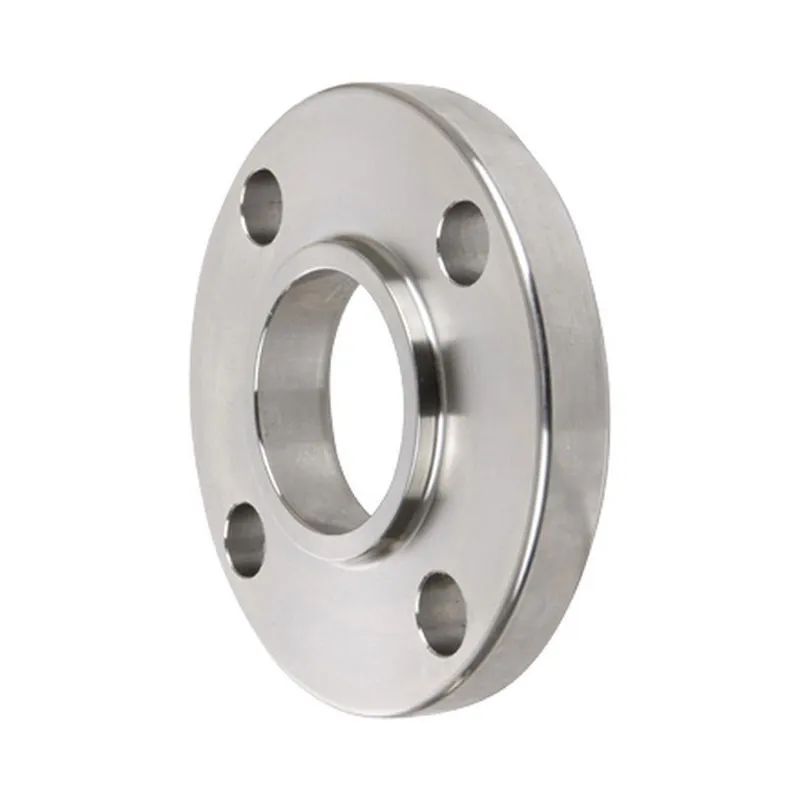 DIN 2501 Overlay flanges PN16
 -
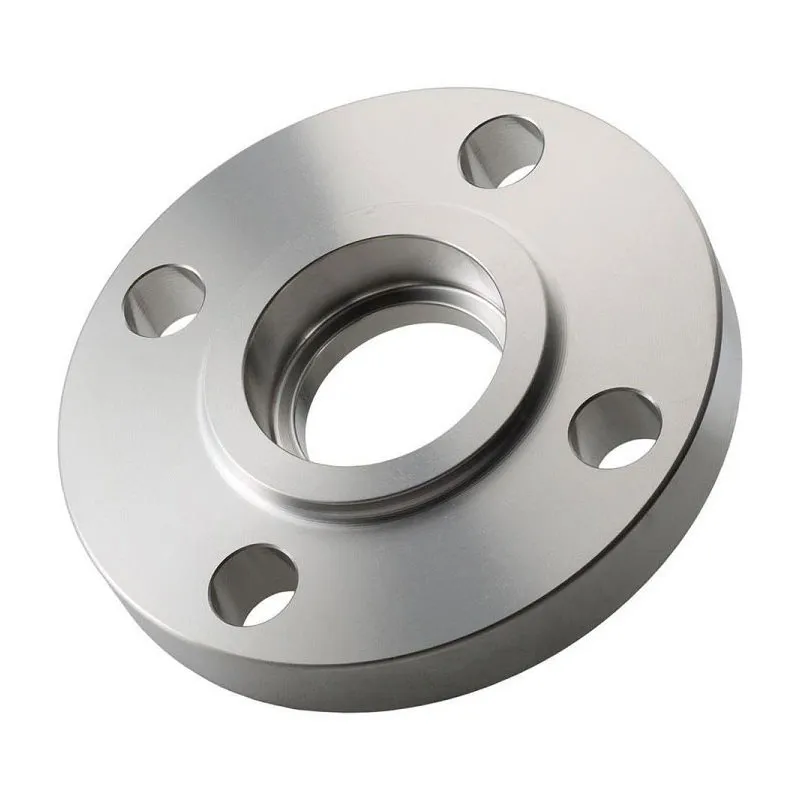 Flanges for socket welding
 -
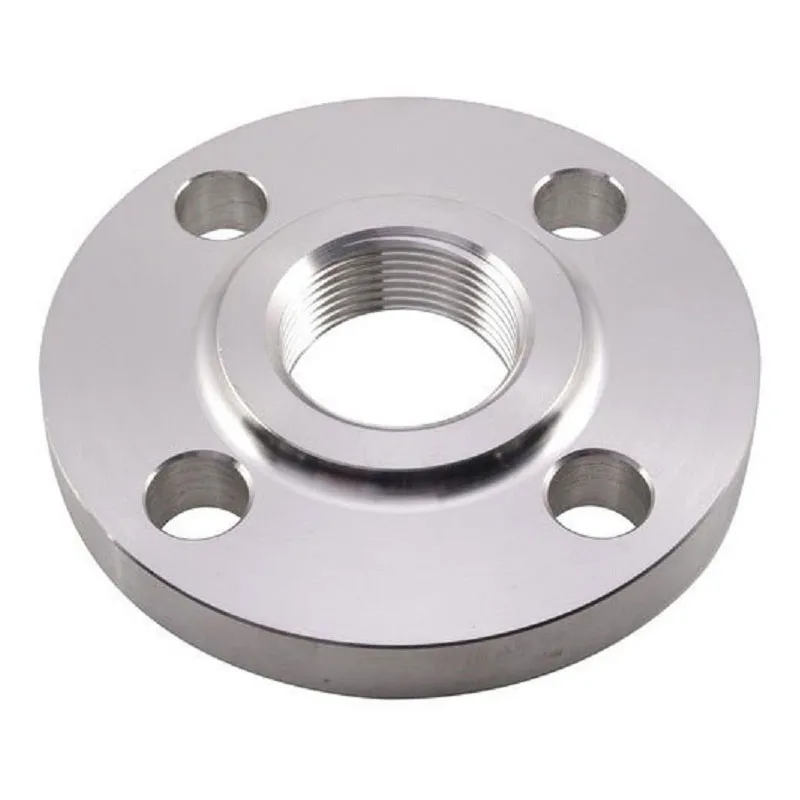 EN 1092-1 Threaded flanges Type 15, PN16
 -
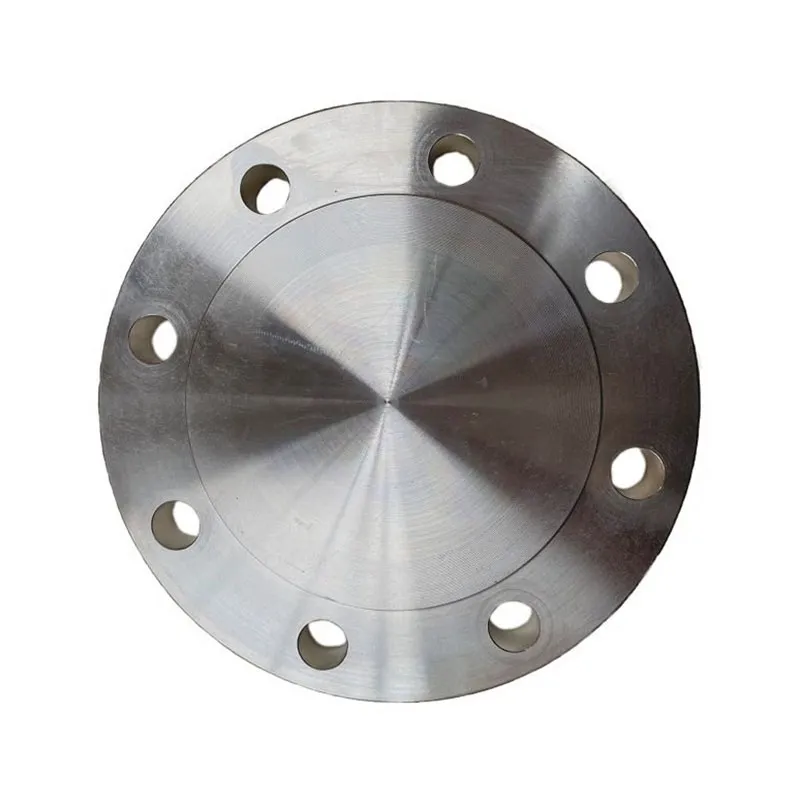 ASME B16.47 Ser.A Blind Flanges Class 400
 -
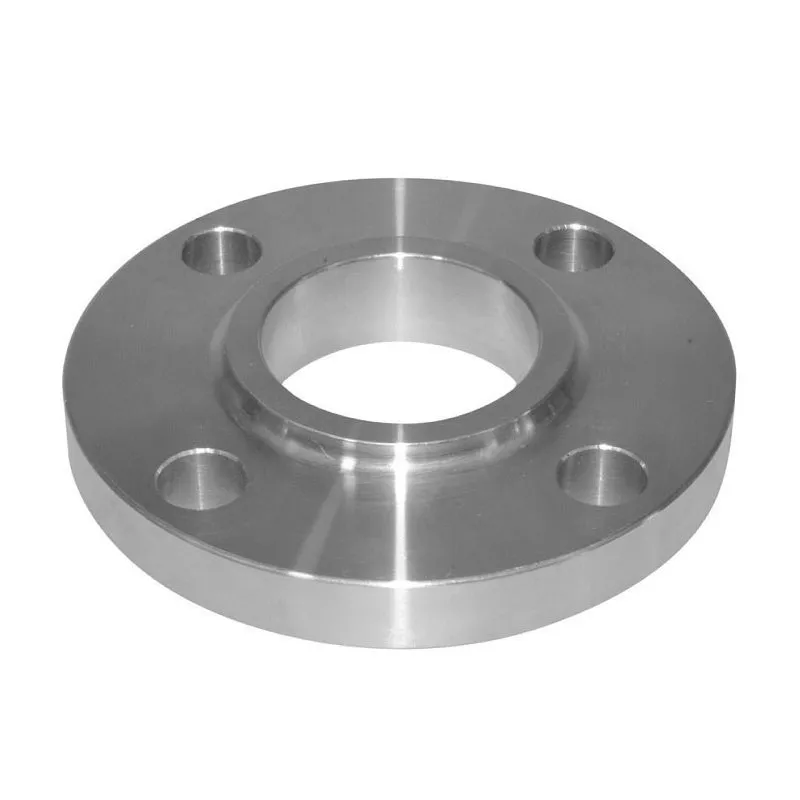 ANSI B16.5 Lap-on flanges Class 1500
 -
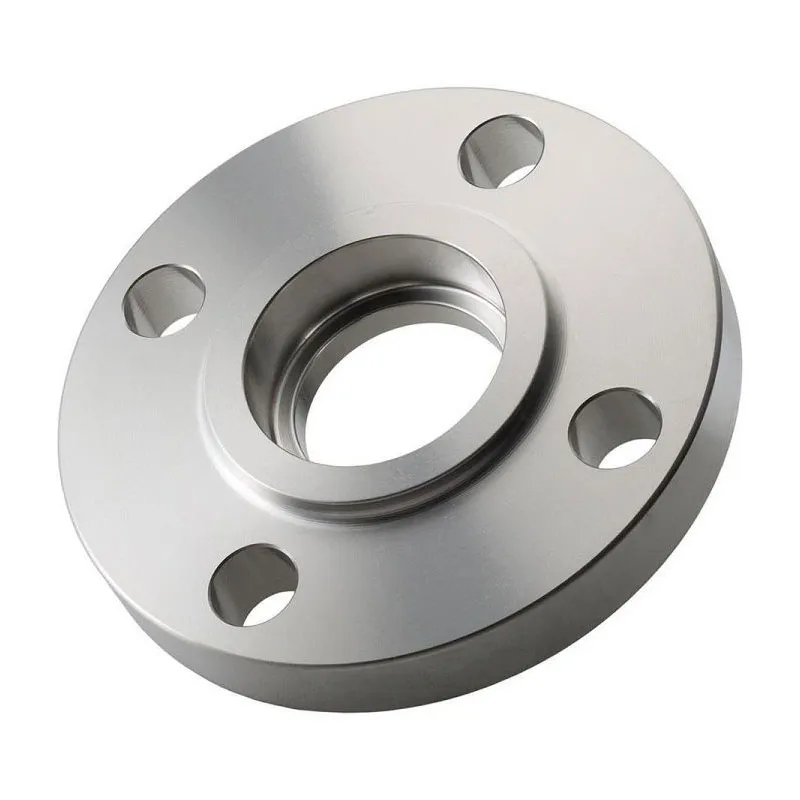 ANSI B16.5 Socket Weld Flanges Class 1500
 -
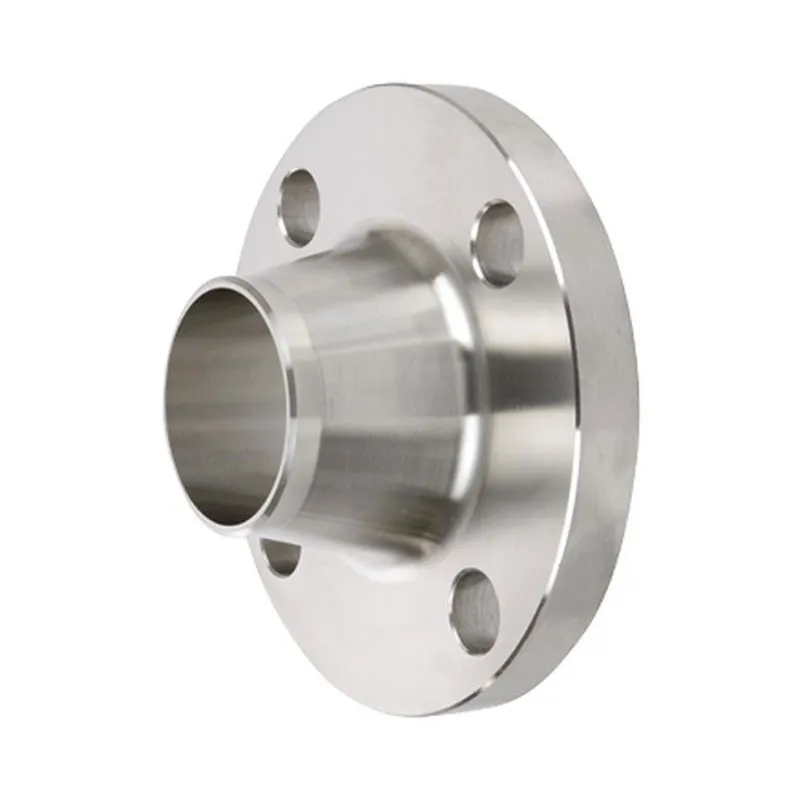 Ser.A Butt Weld Flanges Class 400
 -
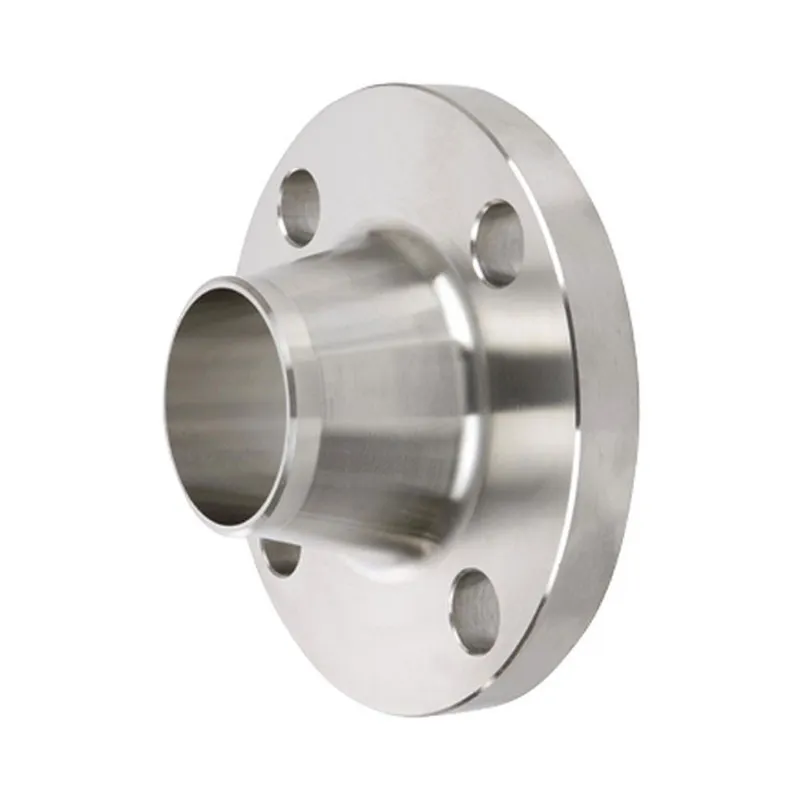 EN 1092-1 Butt weld flanges Type 11, PN25