
-
-
Phone
+86-13623462298



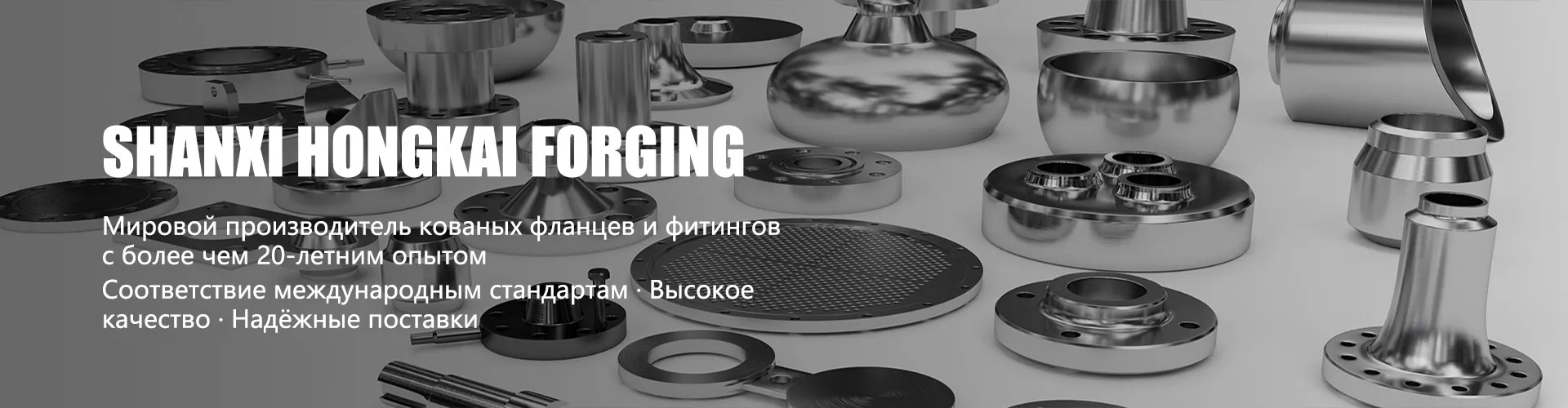
flange 300 10
When you see “flange 300 10” in the application, the first thought is steel, flat, for a pressure of 10 kgf/cm2 according to the old GOST. But here's the catch: these markings, especially when they come from the customer without specifying a standard, can mean a bunch of different things. Someone means exactlyflange 300 10according to GOST 12820-80, some have a nominal bore of 300 mm and a pressure of PN10 according to European standards, and sometimes they even mean a nominal pressure of 10 MPa. You have to clarify right away, otherwise you might do something completely wrong. I got burned by this myself about seven years ago, when a batch was shipped according to the Russian standard, and the client needed an analogue according to EN 1092-1. Since then, I have clearly divided it for myself: if we are talking about the post-Soviet space, then it is almost certainly a steel flat flange of DN300 on PN10. But ?almost? is not a guarantee, so the first question is always about the drawing or full designation.
From designation to material: what is hidden behind the numbers
Let’s say we figured out what is needed exactly according to GOST 12820.Flange 300 10— the thing is massive, the outer diameter is about 430 mm, the thickness is about 26 mm. The weight of one product exceeds 30 kg. This is where practice begins. For Ru10, the standard material is St20, 09G2S or similar. But if the environment is aggressive or the temperature is low, alloy steel may also be prescribed in the project. I have seen cases when customers demanded 12Х18Н10Т for ordinary water, citing “reliability”. From a technical point of view, the overpayment is colossal, but if the technical conditions are such, then we do it. The most common request is still for carbon steel 20. An important nuance is the quality of the forging. The workpiece must be free of delamination and looseness. We look especially carefully at the end and the area for drilling holes.
This is where the experience of suppliers plays a role. For example, we have been working with forging production for a long timeShanxi Hongkai Forging Co.,Ltd. They specialize specifically in forged flanges and forgings, which is essential for critical connections. A rolled wheel or sheet is one thing, but a forged billet is another, the metal fibers are distributed differently, and the strength is higher. For the sameflange 300 10this is critical, especially when it comes to vibration loads. The company works in accordance with GOST, ASME, EN, so they can produce an exact analogue for different standards. This eliminates the headache of adapting sizes - they range up to DN4000, so DN300 is a mass-produced product.
A problem that I have encountered more than once is geometry. It would seem that everything is according to the drawing: diameters, thickness, number of holes. But if the plane of the mating surface “leads” Even by a couple of tenths of a millimeter, there will be a misalignment during installation and the gasket will not seal properly. Once, during the installation of a pipeline, I had to manually grind two of these flanges because they were “looking?” on top of each other with a gap. Since then, incoming inspection has included checking for flatness with a surface plate and caliper in several sections. Cheap supplies often suffer from this - they save on finishing machining.
Installation and pitfalls on site
A box offlanges 300 10. We unpacked it, checked the markings - everything seemed to be correct. But the fun begins when docking. First, the bolts. For Du300 you need 12 of them, usually M20. And here is a common mistake - they use bolts of strength class 4.6, when according to the rules for such a pressure a minimum of 8.8 is required. Seems like a small thing? During hydraulic tests or thermal expansion, weak bolts will pull and the connection will leak. We have to explain it to installers, who often want to save on small things.
Secondly, alignment. Pipes may have a slight oval, especially after transportation. Fitting a flange onto a pipe is quite a task. Sometimes you need to warm it up a little, but only evenly, with a gas burner, so that it doesn’t lead to heat. I remember a story at one thermal power plant: they installed a section with hot water, put flanges on the pipes? using a hydraulic press, but did not take into account the expansion coefficient. When starting the system, when the temperature rose to 120°C, the flanges jammed tightly on the pipes and it became impossible to move them for alignment. I had to cut it. The conclusion is to always leave a small gap, but within the standard tolerance.
And third - gaskets. For water and steam, paronite ones are often installed on Ru10. But if the medium is oil or petroleum products, the paronite will swell and lose its tightness. You need fluoroplastic or metal ones. I once observed how, after replacing the medium in a pipeline without changing gaskets, all connectionsflanges 300leaked within a week. They redid it in an emergency manner. Now I always clarify the environment not only for choosing a flange material, but also for components.
When the standard option is not suitable
It happens that a request comes forflange 300 10, but with additional conditions: non-standard arrangement of holes, the presence of a process fitting, increased thickness due to high cyclic loads. The standard GOST does not provide for this option. Then we work according to the customer’s drawings. This is already the territory of non-standard products, where close interaction with the manufacturer is important.
This is just the place for the possibility of the sameShanxi Hongkai Forging Co.,Ltd. As a manufacturer of forgings and flanges, they accept orders based on custom drawings. The process is usually like this: we send a sketch, they carry out a technological study - can it be forged, how best to shape it in order to avoid unnecessary metal consumption. For a non-standard flange on DN300, this is important, because forging is an expensive pleasure, and an error in the design of the workpiece leads to unnecessary machining and a cost increase.
From personal experience: we once made a flange with an additional stiffening belt on the inside (the customer was afraid of vibration from the pump). The standard forging did not fit. Hunkai specialists proposed a variant of composite forging with subsequent welding and heat treatment. They made it, tested it, and withstood all the loads. But the production time, of course, almost doubled compared to a serial product. The client was warned, so there was no conflict. The main lesson: non-standard is always a dialogue and search for a compromise between the ideal design and technological feasibility.
Quality control: what to look for besides size
It is generally accepted that if a flange has passed an ultrasonic test or x-ray, then it is suitable. This is true, but not entirely. Forflange 300 10, especially forged, the heat treatment stage - annealing - is also important. It relieves internal stresses after forging and machining. If annealing is carried out incorrectly (underheating, rapid cooling), stress will remain in the material. They may appear later, during installation, when the flange is tightened with bolts - microdeformation will occur, which over time will lead to metal creep and weakening of the connection.
I practice random testing of Brinell hardness. You take the device and take measurements at several points, especially in the transition zone from the hub to the disk. The values must be within the normal range for a given steel grade. A couple of times I caught “unfinished” ones this way. flanges from another supplier - hardness was uneven. Returned for revision.
Another point is labeling. It must be clear, indelible and contain not only the size, but also the steel grade, manufacturer's mark, heat number (for critical products). This is not bureaucracy, but a necessity. If a problem suddenly arises in operation, using this data you can track the entire history of the product. Chinese manufacturers, like the aforementioned Hongkai, now strictly follow these requirements, realizing that without this they cannot enter the international market. On their products, the markings are usually applied electrochemically - they stick well.
Cost of issue and final considerations
Costflange 300 10fluctuates very much. It all depends on the material, standard, circulation and, most importantly, the manufacturing method. Stamped from a sheet will be cheaper than forged, but for pressure Ru10, stamping is often acceptable. However, if the project directly states “forged?” (and for energy and chemistry this is a common requirement), then there are no options. Here the price is determined by the weight of the workpiece and the complexity of machining.
By working with regular suppliers, such as trusted factories, you can negotiate batch discounts. But chasing the lowest price is dangerous. A cheap flange often means skimping on inspection, unknown material or simplified technology. Repairs or accidents due to poor-quality flange connections will cost hundreds of times more. Therefore, my approach is to find a balance between reliability and cost, choosing manufacturers with a name and proven reputation, who, like Shanxi Hongkai Forging LLC, specialize in this particular product and have experience in supplying different standards.
As a result, ?flange 300 10? - this is not just a line on the invoice. This is a unit on which the tightness of an entire section of the pipeline depends. Its selection, acceptance and installation is a chain of technical decisions where there are no trifles. Experience comes precisely through these details: through an extra question to the customer, through an extra check at the warehouse, through an analysis of an unsuccessful installation. And this experience is worth a lot, because it turns abstract ?300 10? into a specific, reliable and working product.
Correspondingproducts
Related Products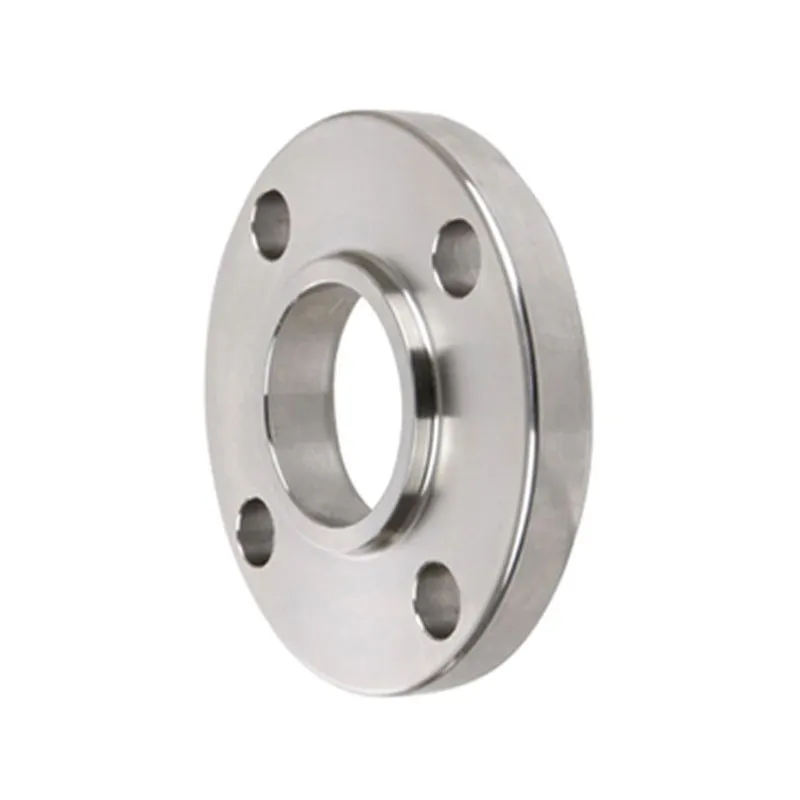
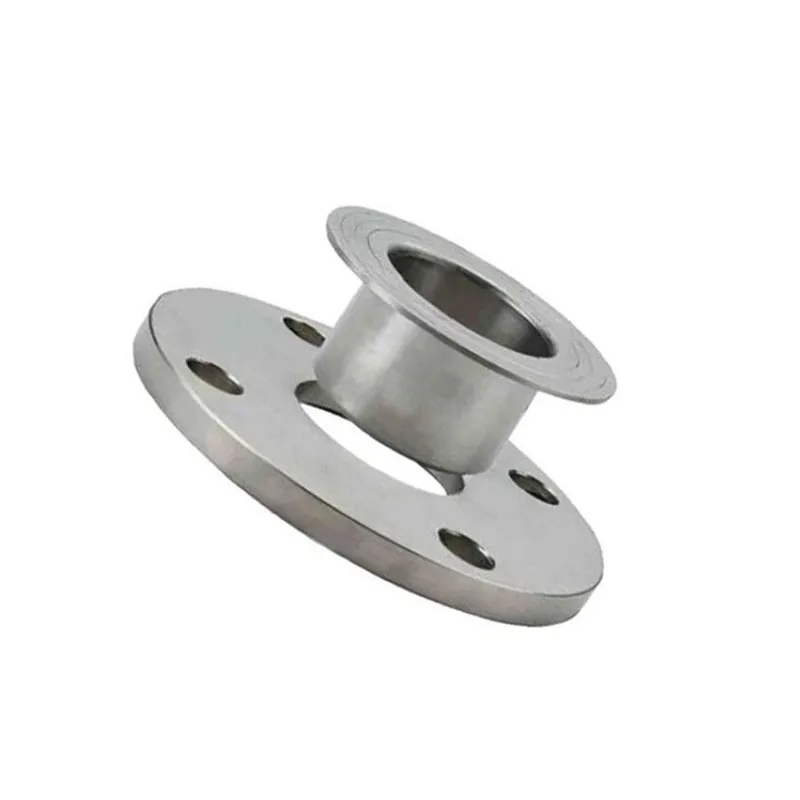
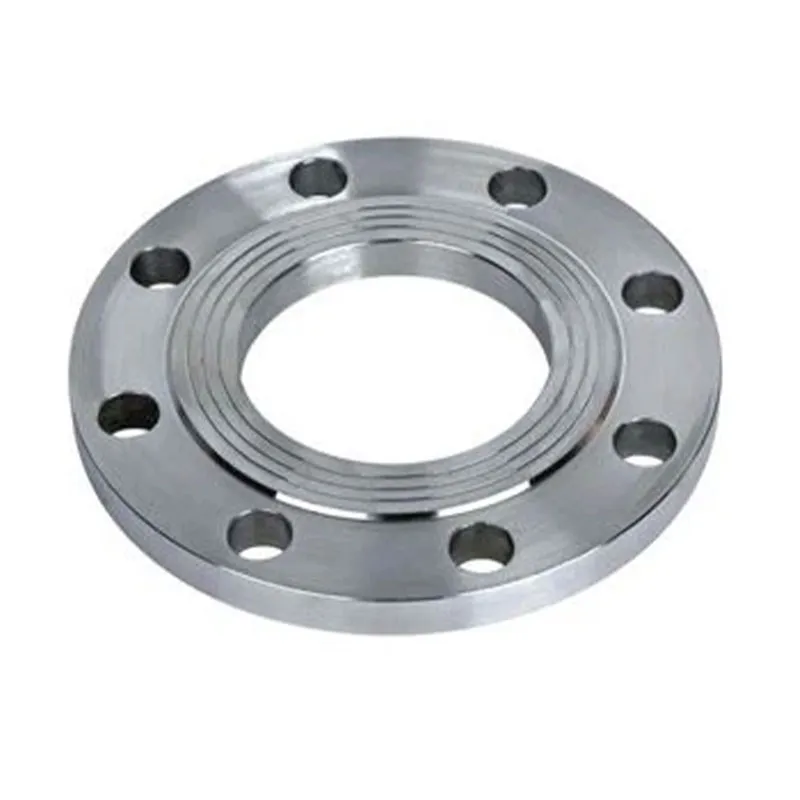
Best Sellingproducts
Best Selling Products-
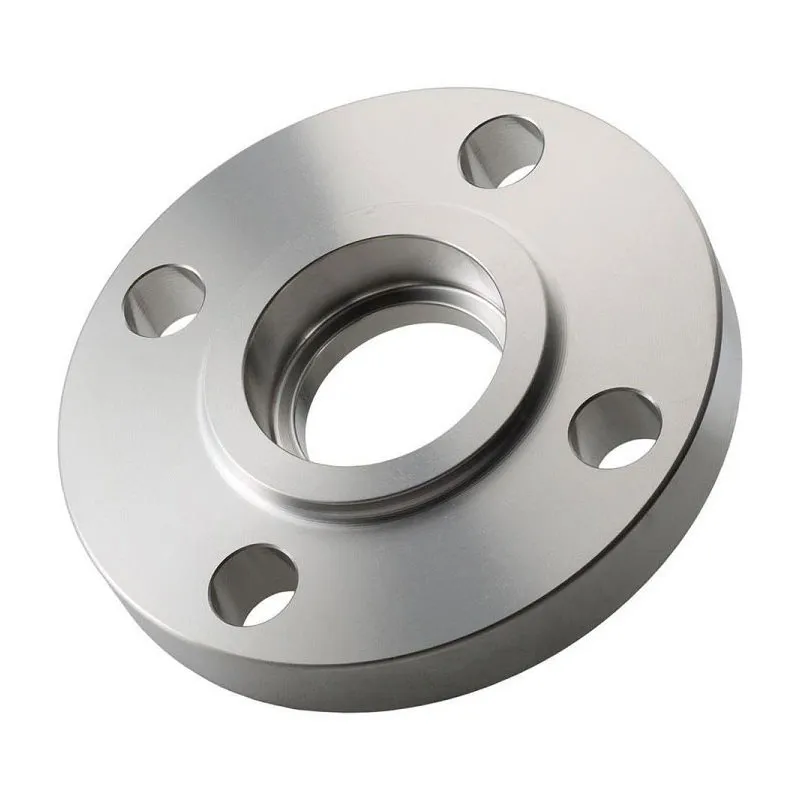 Flanges for socket welding
 -
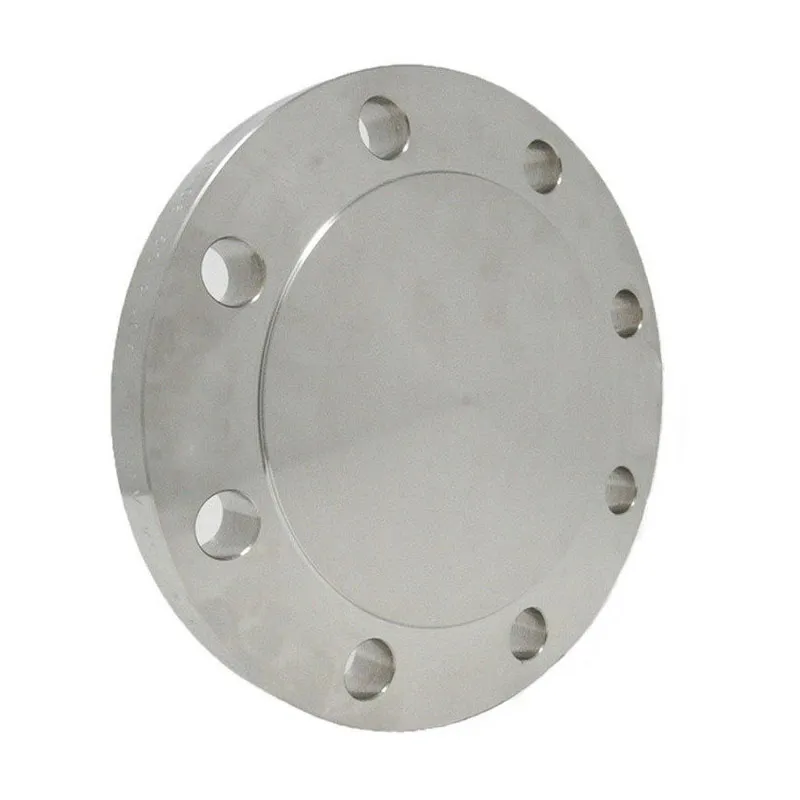 AWWA Blind Flanges Class D (Tables 1, 2, 3)
 -
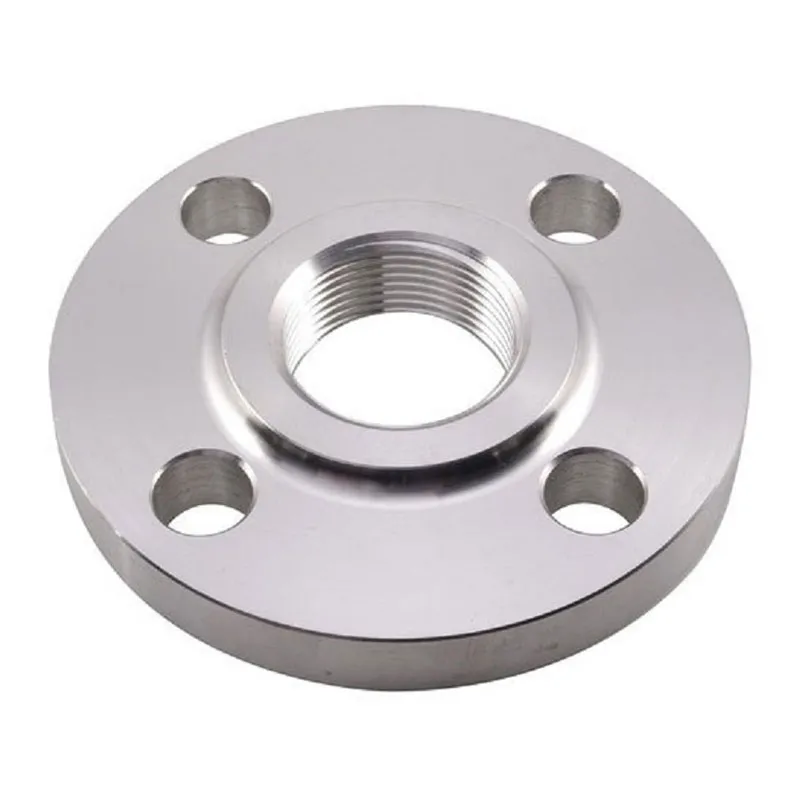 JIS 10K Overlay flanges
 -
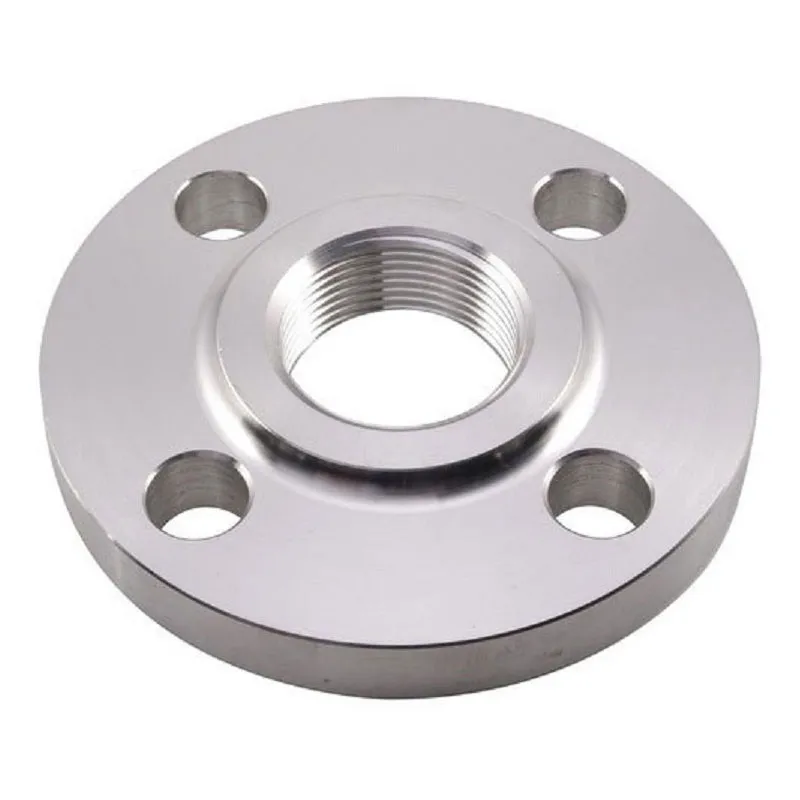 DIN 2565 Threaded flanges PN6
 -
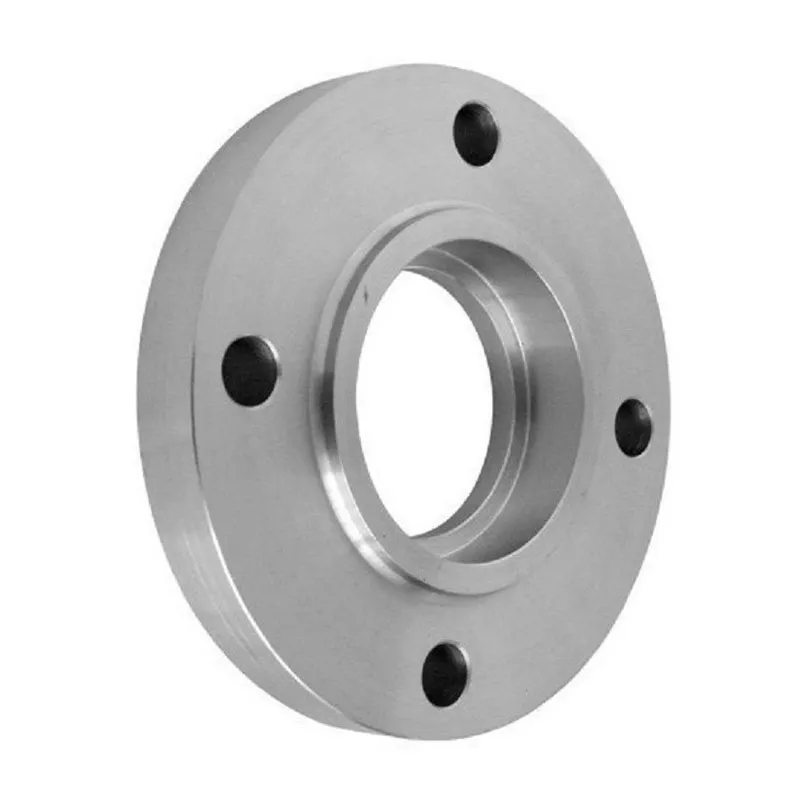 Socket Weld Flanges Class 300
 -
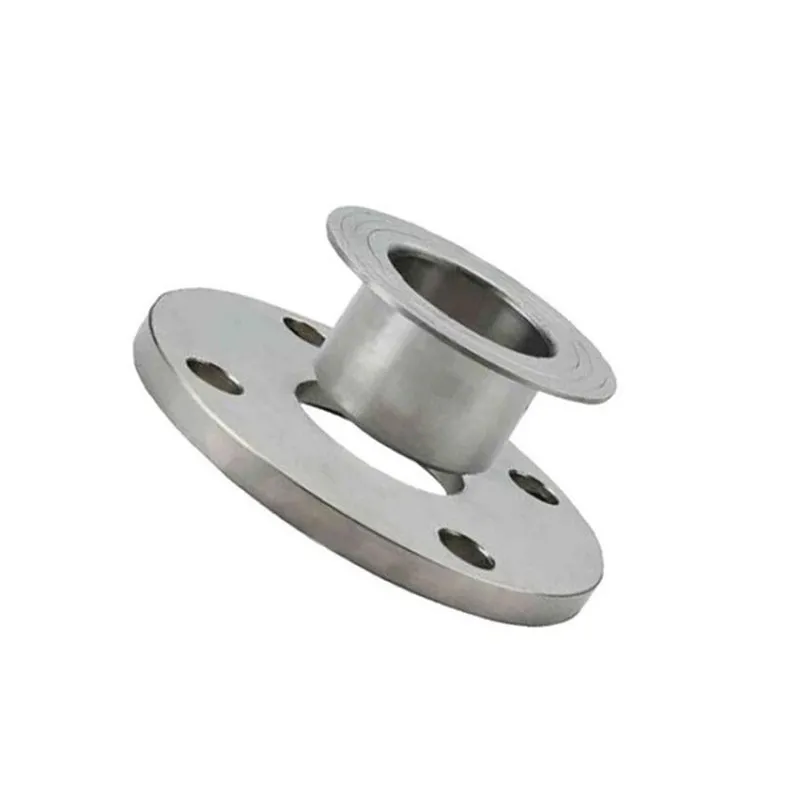 JIS 10K Loose Ring Flanges
 -
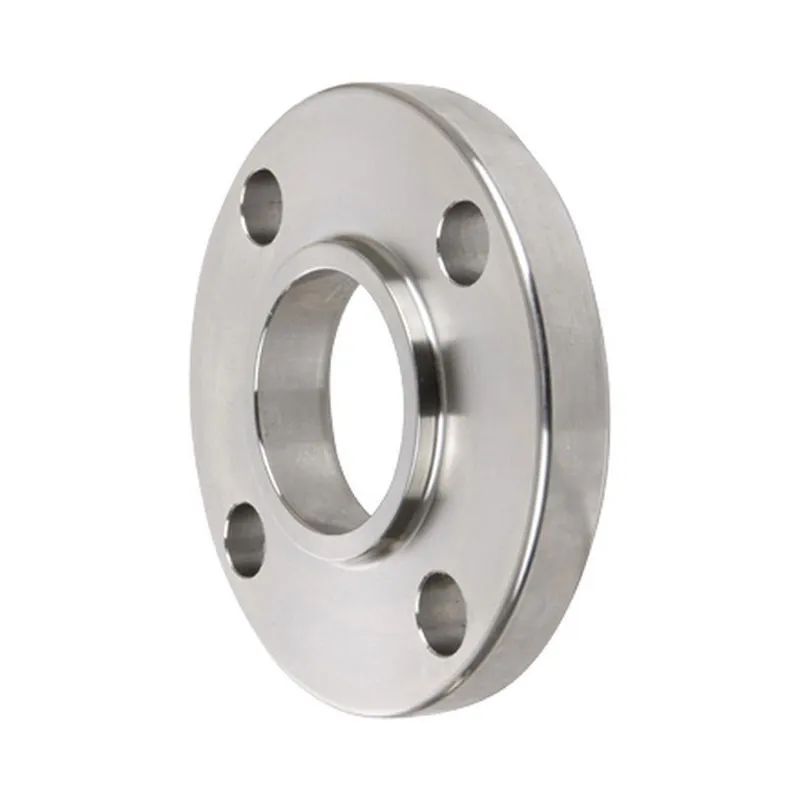 DIN 2501 Overlay flanges PN16
 -
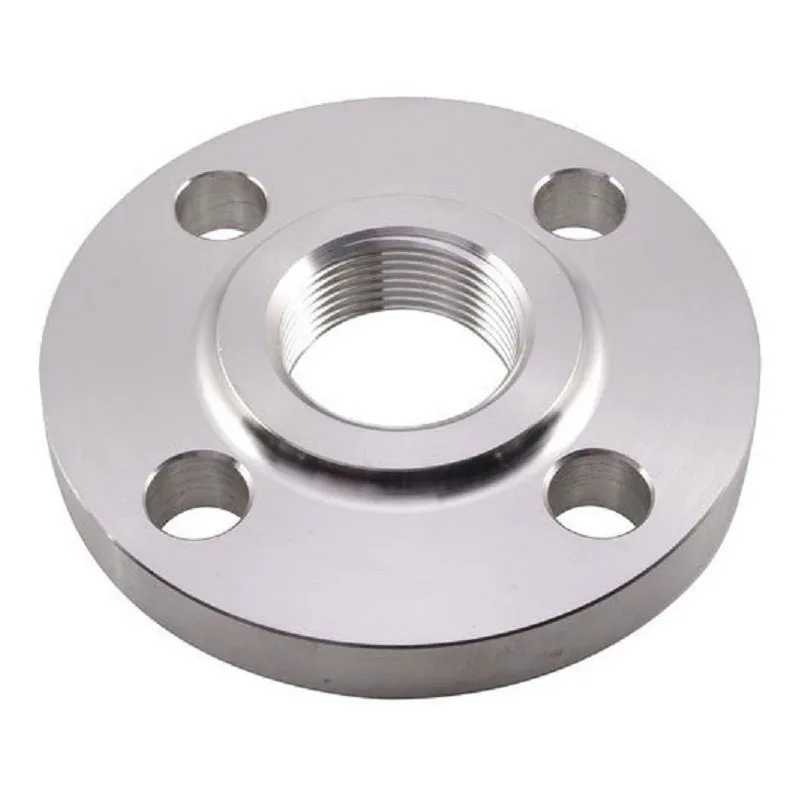 ANSI B16.5 Threaded Flanges Class 600
 -
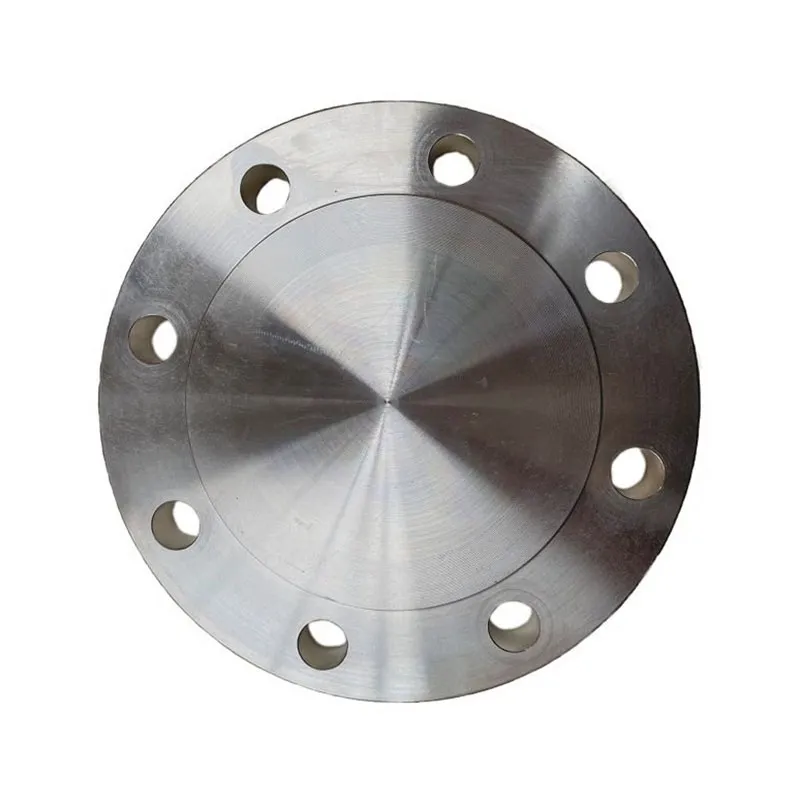 ASME B16.47 Ser.A Blind Flanges Class 400
 -
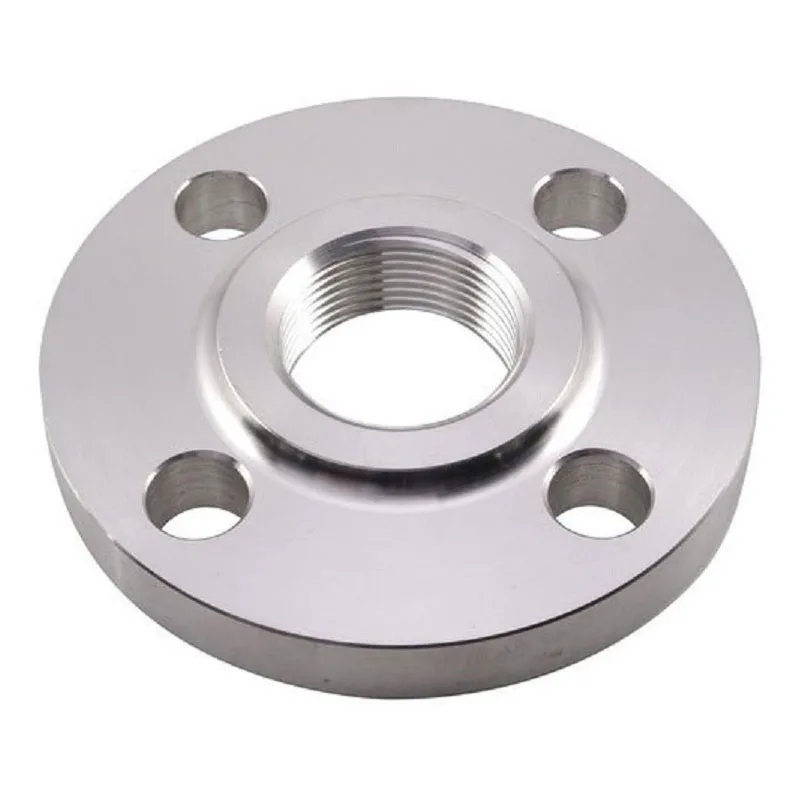 JIS 10K Threaded Flanges
 -
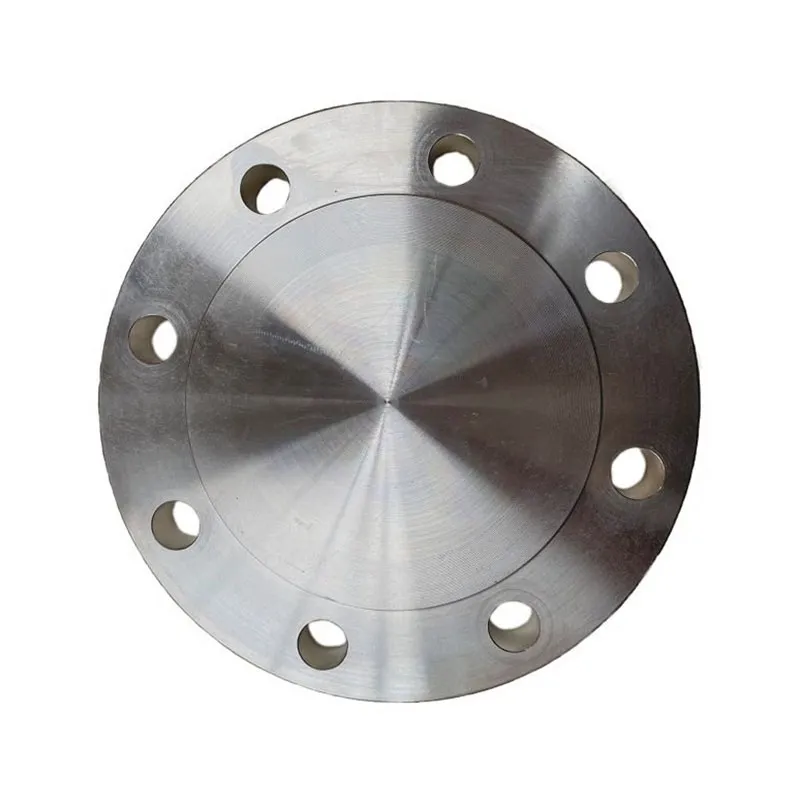 UNI 6092 Blind flanges PN10
 -
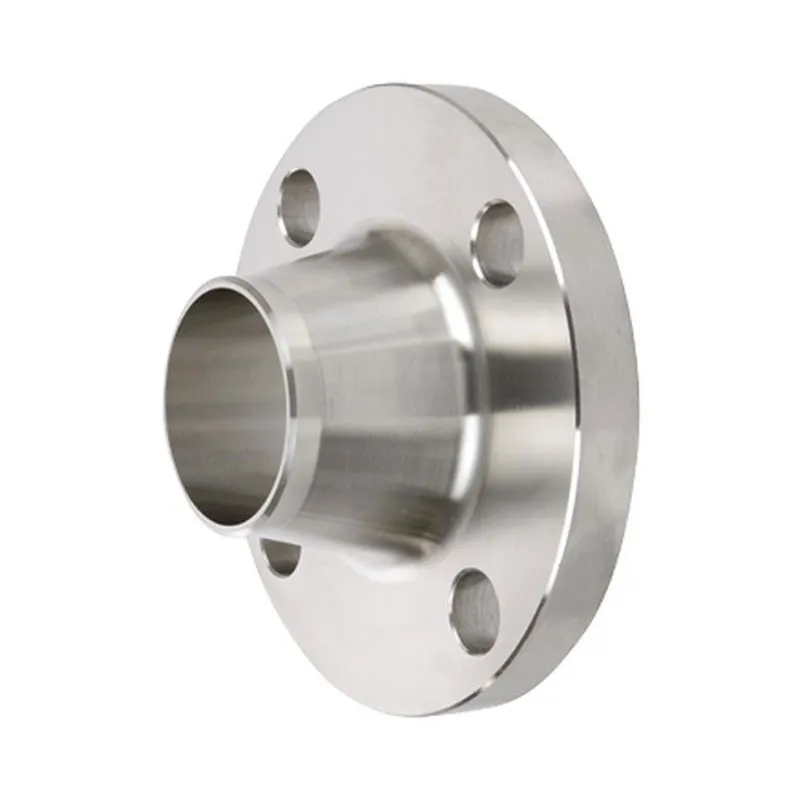 Ser.A Butt Weld Flanges Class 400
Relatedsearch
Related Search- flange 80 16 GOST 33259 2015
- threaded and flanged gas pipeline connections
- flange DN50 with 2 inch thread
- flanges GOST 33259 2015 st 12x18n10t
- dismantling the flange connection
- steel flanges 50mm
- ls on flange connection
- steel flange 200 GOST 33259 2015
- steel flanges diameter 50 mm
- examples of flange connection calculations