
-
-
Phone
+86-13623462298




flange 1 250 16
When you see a request like “flange 1 250 16?”, the first thing that comes to mind is most likely a search for a specific standard size according to GOST, probably 12820-80 or 12821-80. But here’s the catch: such an entry, without specifying a standard, already creates the ground for misunderstanding. Many people, especially those who are just starting to work with pipeline fittings, think that this is a universal code. In fact, ?1? — this is the nominal diameter (DN), ?250? — pressure (conventional, RU) in kgf/cm2, and ?16? - this is, as a rule, a material design or type. But without reference to a drawing or the full designation of the standard, you can easily make a mistake with the design - is a butt weld a flange or a flat one? What about the material? For Ru 250 these are already serious loads, here there is steel 20, and 09G2S, and 12Х18Н10Т - each option for its own conditions. I myself have encountered more than once when a flange with the required numbers was brought to the site, but of the wrong design, and the installation got stuck.
Let's get to the bottom of this: what's behind the numbers?
So, let's take the classic version as an example:flange 1 250 16according to GOST 12821-80. This is a steel butt-welded flange (collar) with a nominal bore of DN 10 mm (yes, “1?” is exactly DN 10), designed for a nominal pressure of PN of 250 kgf/cm2. Version 1 is just for working environments with temperatures from -40 to +650 °C. The key here is pressure. Ru 250 is already a high class, requiring impeccable forging quality. Poor quality workpiece, internal shells - and under pressure a crack may occur. Therefore, the origin of the flange is critical.
Here it is worth mentioning reliable suppliers. For example, the company is well known on the Russian marketShanxi Hongkai Forging Co.,Ltd. They do not just trade, but produce forged flanges using their own forging and pressing equipment in one of the key industrial centers of China. Why is this important? Because for a pressure of 250 atmospheres, forging is often preferable to casting; it gives a more uniform metal structure. On their websitehkflange.ruyou can see that they work according to GOST, ASME, DIN and other standards, and their range of sizes is huge - from DN15 right up to DN4000. For ourflange 1 250 16such a manufacturer is a good option, since, judging by the nomenclature, they are accustomed to making non-standard things according to drawings, which means they can clearly comply with all geometric parameters, including collar thickness and diameters.
But let's return to the number ?16? in execution. In old Soviet reference books you can find confusion. Sometimes ?16? attributed to the material - steel 16GS. Therefore, when ordering, you should always specify: “version 1 according to GOST 12821-80?” or directly indicate the steel grade. I once got into trouble by mistaking the performance for an indication of the material, and it’s good that the supervising engineer requested the certificates in time. It turned out that the flange was 20 steel, but for the specific environment (with minor corrosive components) this was sufficient. But lesson learned - detail everything.
Installation practice and common mistakes
The installation of such flanges (DN 10, PN 250) has its own specifics. It would seem that the diameter is small, what could be difficult? But high blood pressure changes everything. First, alignment. The slightest misalignment during butt welding creates local stress, which during hydrotesting or in operating mode can lead to leakage around the perimeter of the seam. You need to be especially careful when welding the collar flange to the pipe—the weld must be complete throughout its entire thickness.
Secondly, compaction. For Ru 250, conventional paronite gaskets may not be suitable, especially at high temperatures. Metal oval or octagonal cross-sections, or fluoroplastic ones are more often used. But here you need to look at the environment. Once at the installation they replaced the flange on the steam line, installed a new one with the correct gasket, but forgot to check the condition of the counter flange on the valve. It was old, with barely noticeable scratches on the surface. As a result, they leaked during pressure testing. I had to remove it and take it for machining to grind off the chamfer. We lost a day. Moral: a flange is always a pair. And, if possible, both need to be changed.
Another nuance is the tightening of the bolts. For high pressure, a strict tightening pattern (criss-cross pattern) and a calibrated torque wrench are used. Tighten by eye? or an impact wrench - a direct path to uneven load and destruction of the seal. The calculation of the tightening torque depends on the diameter of the bolt, material, and type of gasket. People are often too lazy to look for this information, but it is critical.
Choosing a supplier: why is forging important?
In the context of high parameters, I return to the issue of production. Forflange 1 250 16or any critical component, I always try to choose forged products rather than cast ones. Why? Forging, especially die forging, which is used in large industries likeShanxi Hongkai Forging Co.,Ltd, compacts the metal structure, destroys casting porosity, and directs fibers along the contours of the part. This improves fatigue strength and toughness. The manufacturer’s website states that they manufacture products according to international standards - this is also a plus, which means there is a quality control system, probably ultrasonic testing of forgings, which is practically a necessity for a pressure of PN 250.
I had the experience of ordering a non-standard flange with additional holes for impulse lines just for Ru 160 (close to our case). We worked with one local workshop and made it from forgings. But during the machining process, an internal discontinuity was revealed - the shell. It's good that we found it before sending it to the site. I had to urgently look for another supplier. That’s when we turned our attention to specialized companies that focus specifically on forged flanges, and not on everything in a row. The presence of a full cycle from the blank to the finished product, like the mentioned company, reduces such risks.
By the way, about the sizes. DN 10 is a small flange. But the same manufacturer has a range up to DN4000. This indicates capacities capable of making giant forgings for the energy or petrochemical industries. And if they can do big and complex things, then with small onesflange 1 250 16They definitely won’t have any problems - the technology has been tested on more serious things.
Standards and documents: without paper you...
Not a single serious installation or purchase can be completed without checking the documentation. For a flange under a pressure of 250 atmospheres, this is sacred. What should be ideal? Certificate of conformity for the material (chemical composition, mechanical properties), certificate for the finished product indicating all geometric parameters, control results (visual, dimensional, possibly ultrasonic testing), heat treatment mark (if provided for by the standard or specifications).
When working with products that comply with GOST, ASME or EN, you get a predictable result. For example, GOST 12821-80 clearly states all dimensions, tolerances, and weights. A manufacturer who declares work according to these standards asShanxi Hongkai Forging Co.,Ltd, is obliged to comply with them. This is not a 100% guarantee, but it is a serious filter. In practice, upon receiving a batch, we always selectively double-checked key dimensions with a caliper and a micrometer - the thickness of the collar, the diameters of the bolt circles. There were almost no discrepancies if it was a product from a well-known plant.
But with “normals?” or with products without a clear link to the standard, there were surprises. Either the holes for the bolts are marked with a deviation of half a millimeter, and the studs do not fit, or the thickness of the disk is less. A trifle, but a stop in editing. Therefore, now the rule is: if the specification indicates “flange 1-250-16?”, then in the application and contract this should be deciphered as “Flange 1-250-16 GOST 12821-80, version 1, material St20”. And demand a certificate specifically for this position.
Results and personal observations
So, to summarize. Request ?flange 1 250 16? - this is not just an article for searching in a catalogue. This is the starting point for a range of technical solutions and tests. From the correct interpretation of the standard and material to the subtleties of installation and selection of a responsible manufacturer. In modern practice, when supplies come from different countries, it is important to focus on companies with their own serious production, and not just resellers.
Sites likehkflange.ru, where the manufacturer openly displays the nomenclature (butt weld, flat, loose, ring weld), standards and ranges, facilitates initial selection. But the final decision should always be supported by technical documentation and, if the volumes are large, by the possibility of a production audit. For one-time but critical purchases of small high-pressure flanges, requesting certificates and reviews becomes a mandatory step.
In the end, such a seemingly inconspicuous element asflange 1 250 16- this is a small but vital node in the system, on which the safety and trouble-free operation of the entire circuit depends. It cannot be treated carelessly, and experience, full of cones on such “little things”, constantly confirms this. It is better to spend an extra day on clarifications and checks than to later eliminate the consequences under pressure.
Correspondingproducts
Related Products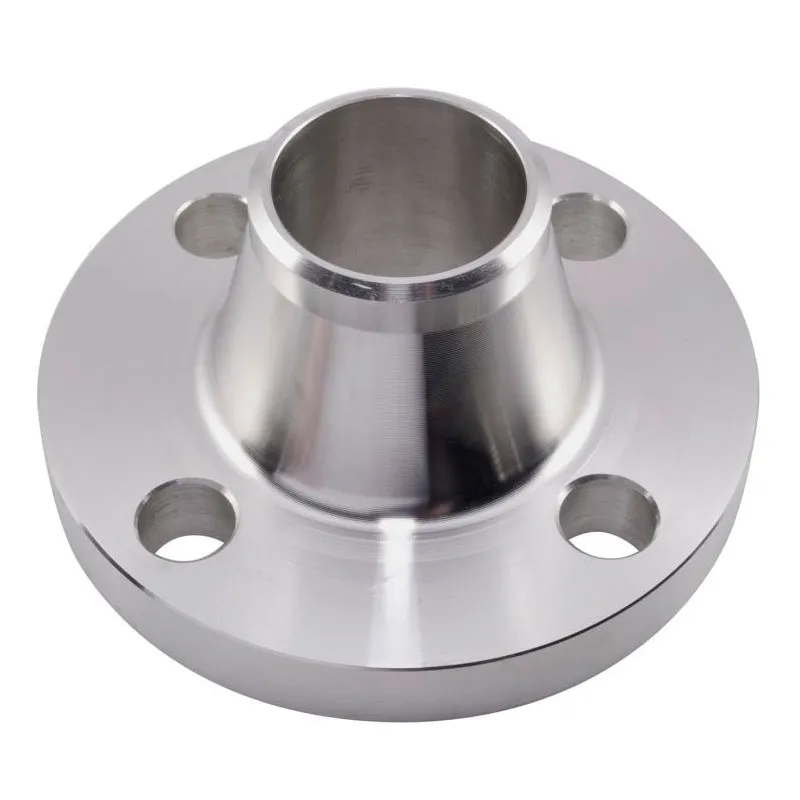
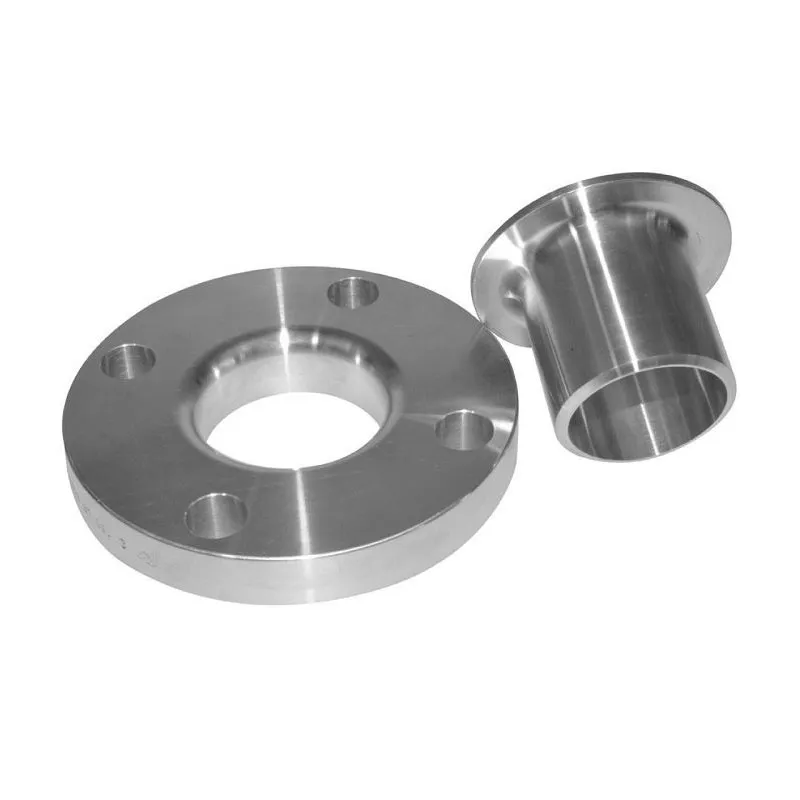
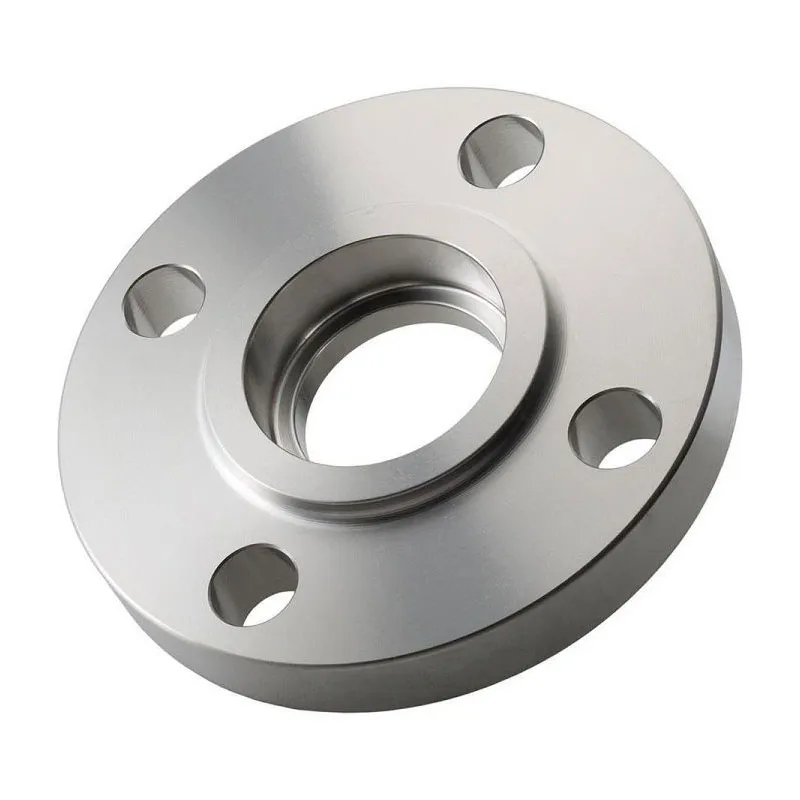
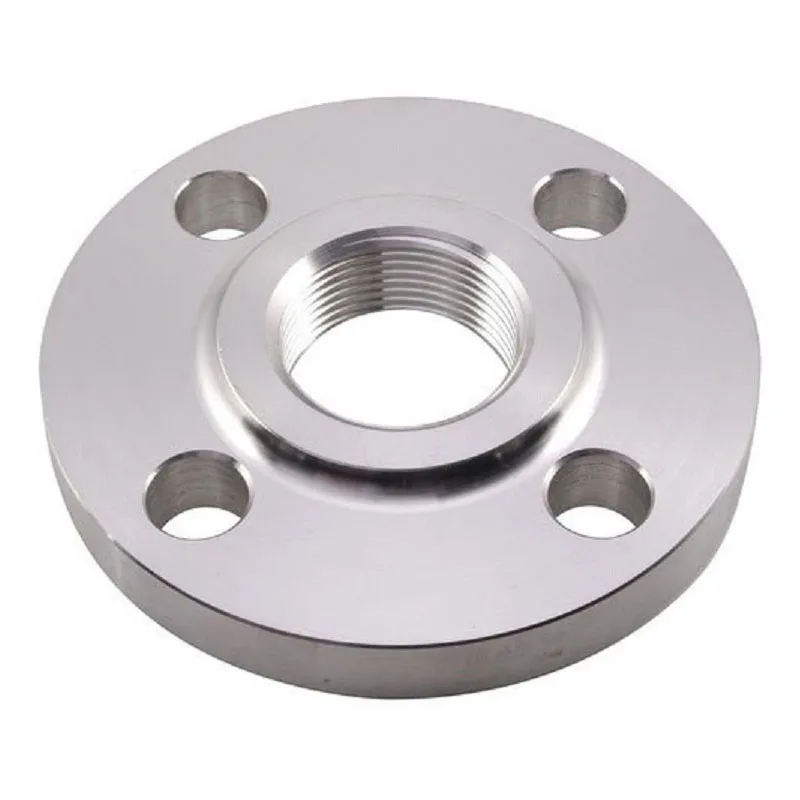
Best Sellingproducts
Best Selling Products-
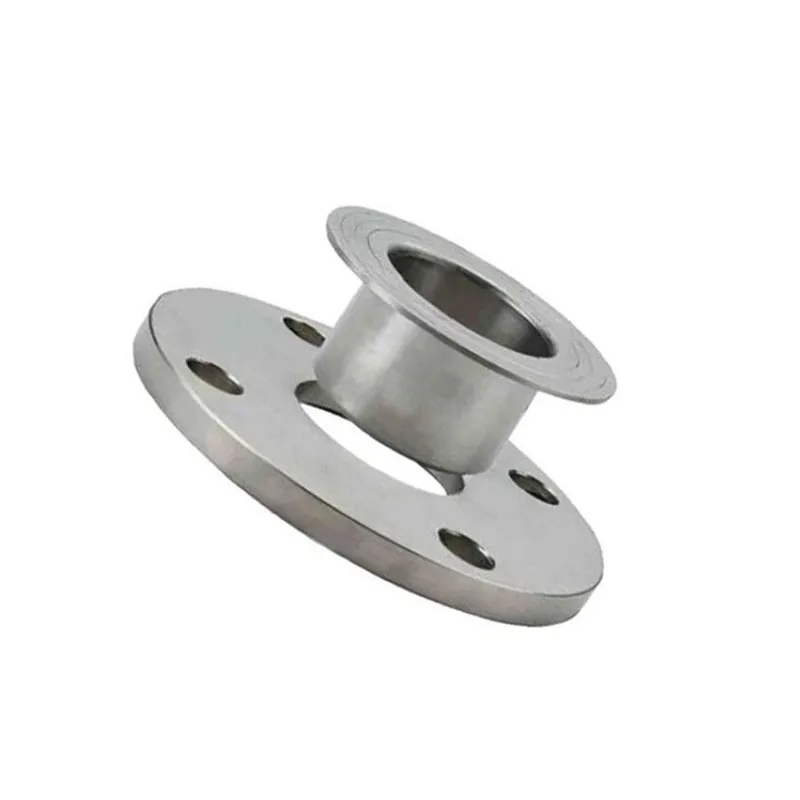 Free ring flanges Class 400
 -
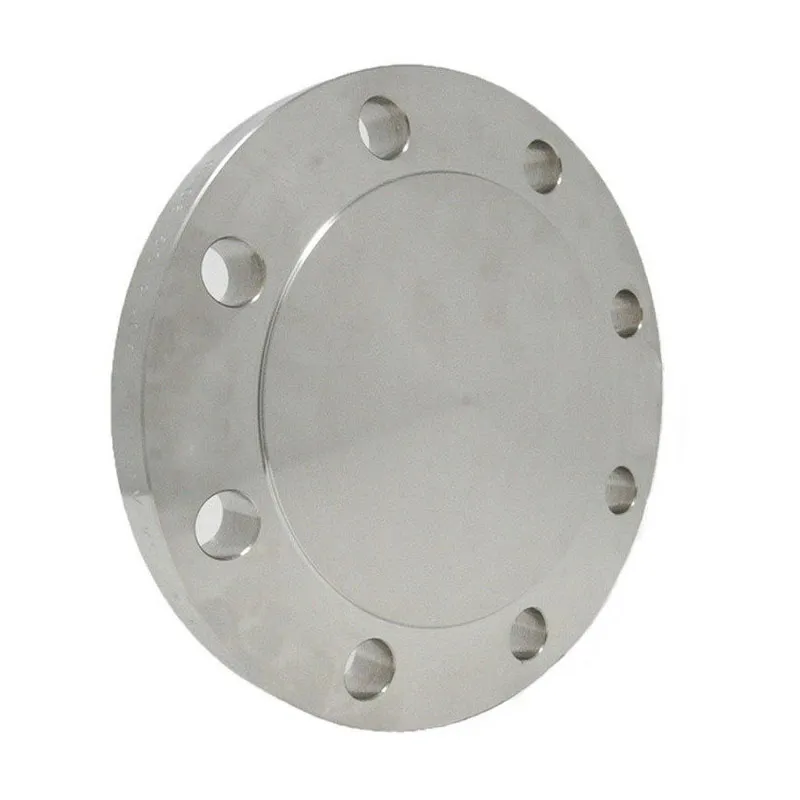 AWWA Blind Flanges Class D (Tables 1, 2, 3)
 -
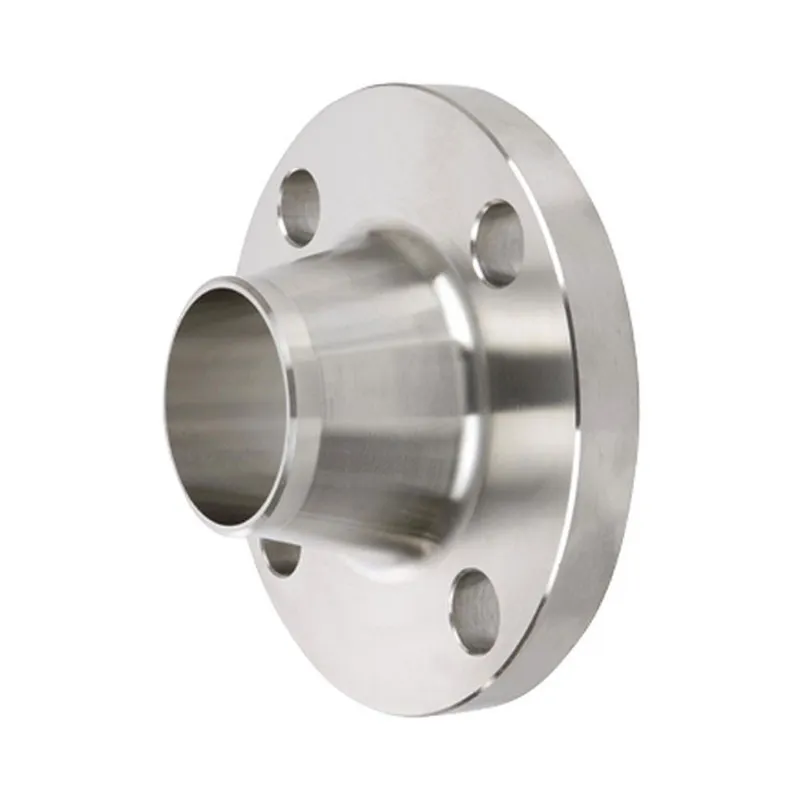 EN 1092-1 Butt weld flanges Type 11, PN25
 -
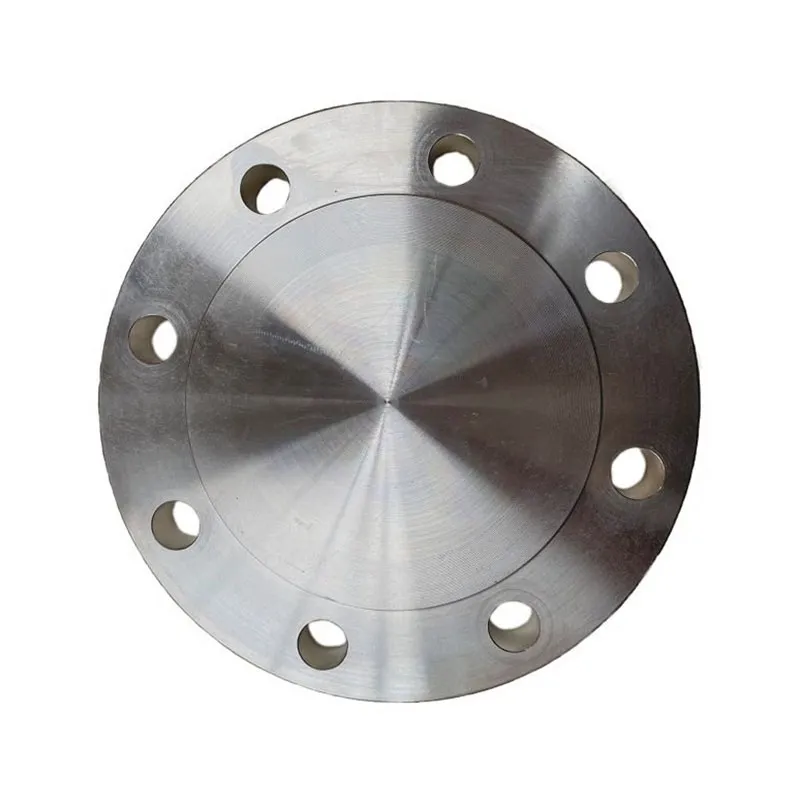 UNI 6092 Blind flanges PN10
 -
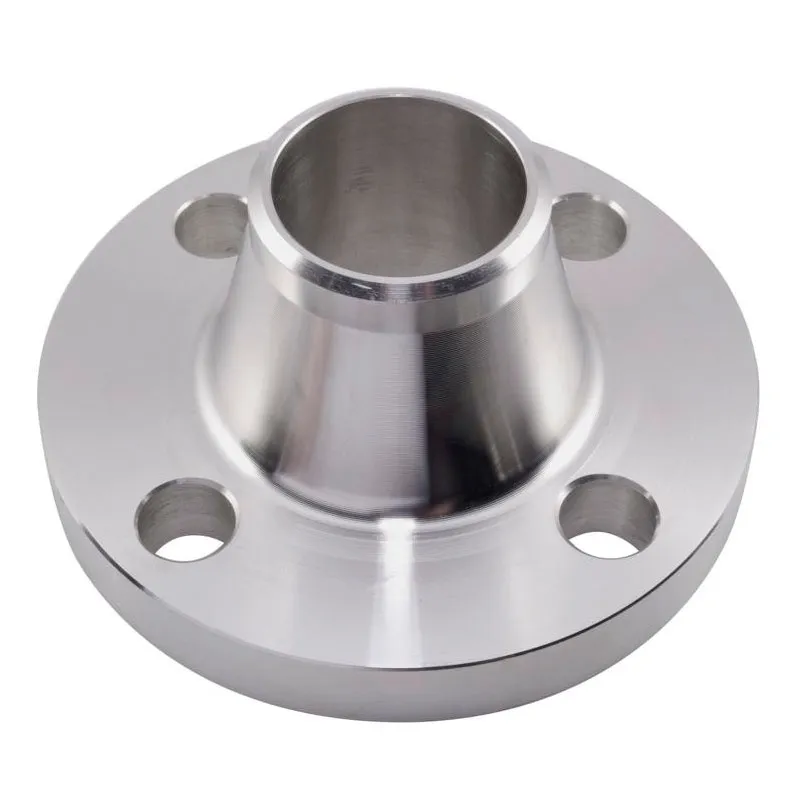 Butt weld flanges Class 900
 -
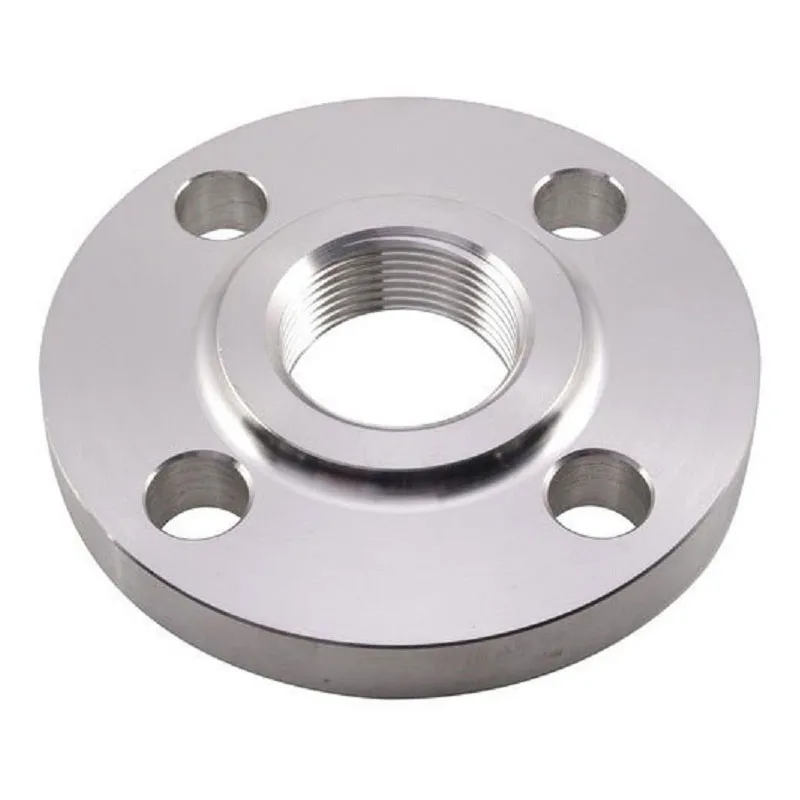 EN 1092-1 Threaded flanges Type 15, PN16
 -
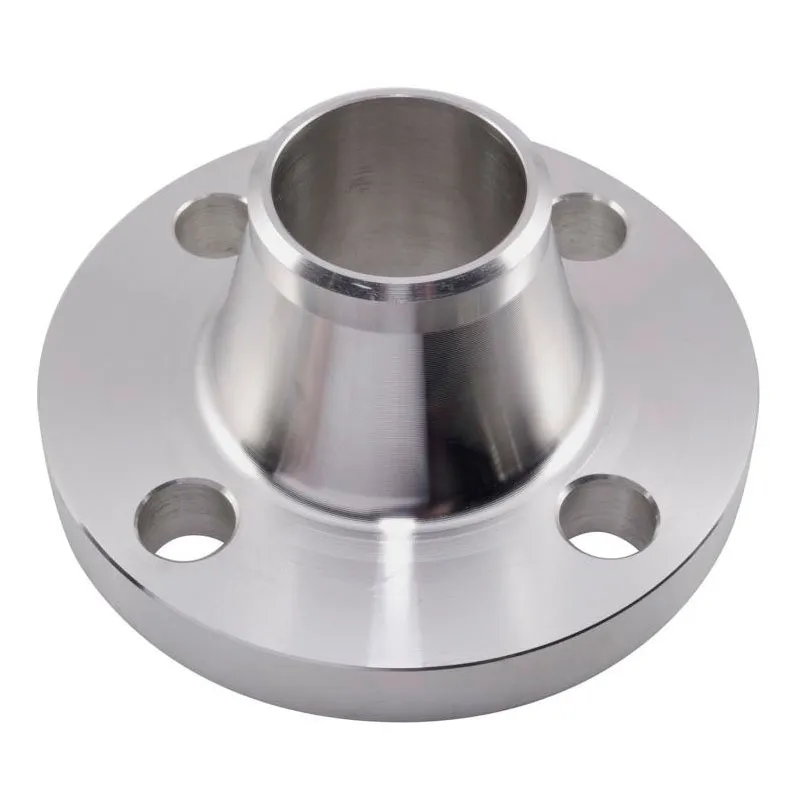 DIN Butt weld flanges PN10
 -
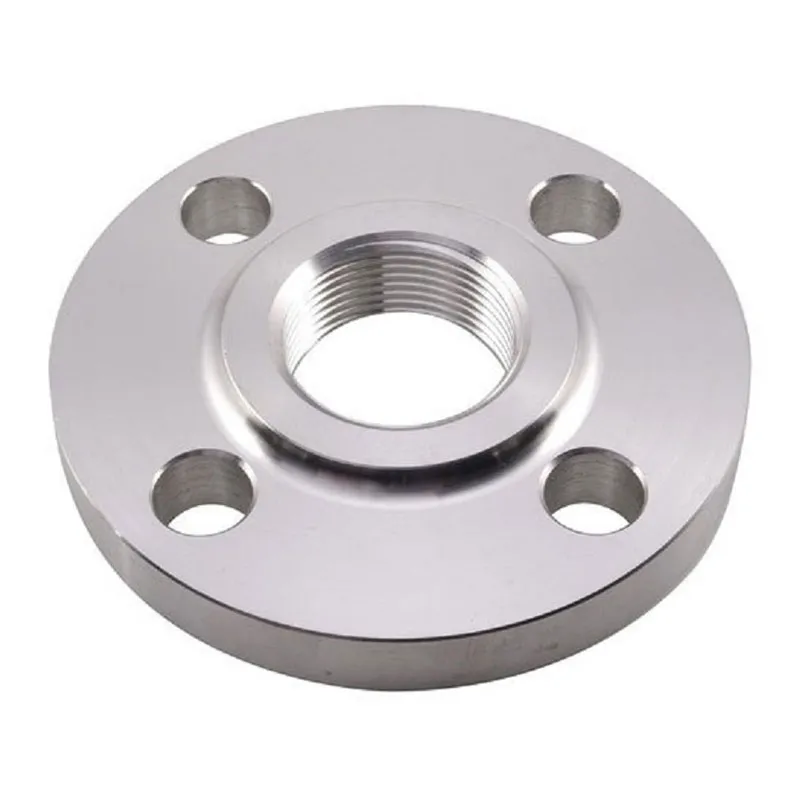 JIS 10K Overlay flanges
 -
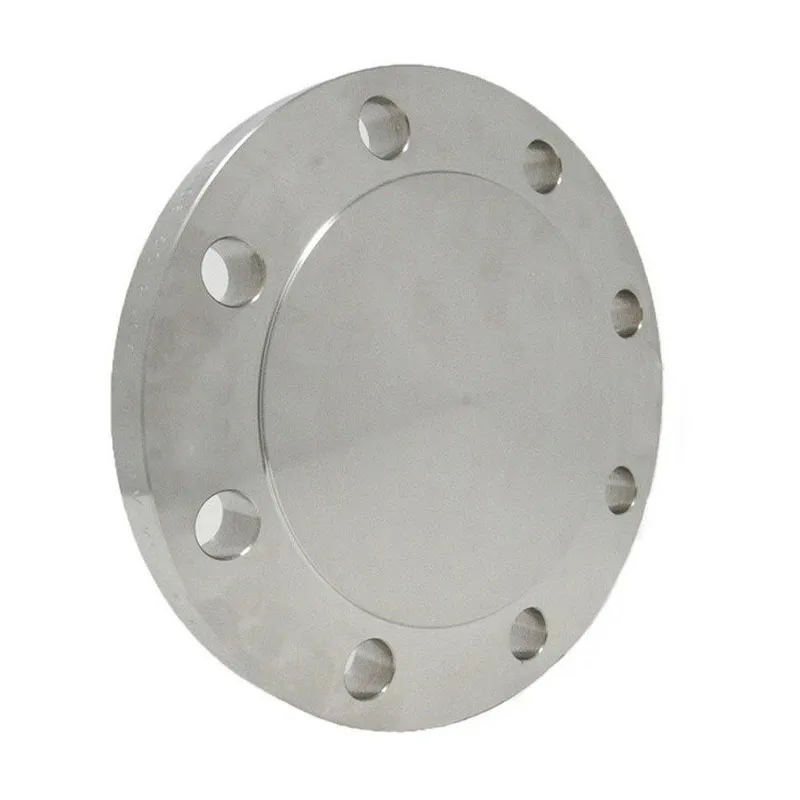 EN 1092-1 Blind flanges Type 05, PN10
 -
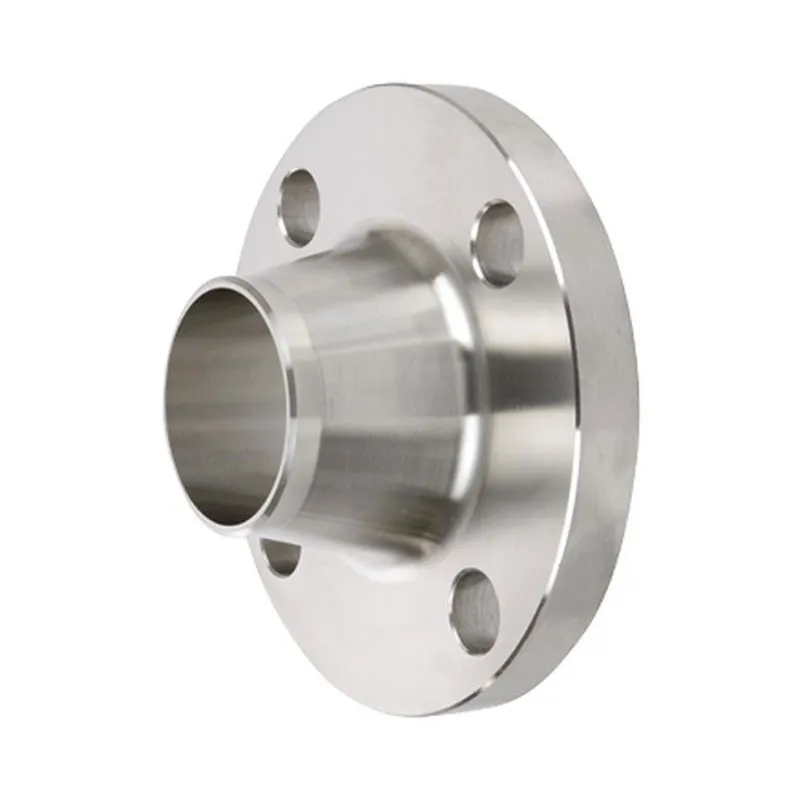 Ser.A Butt Weld Flanges Class 400
 -
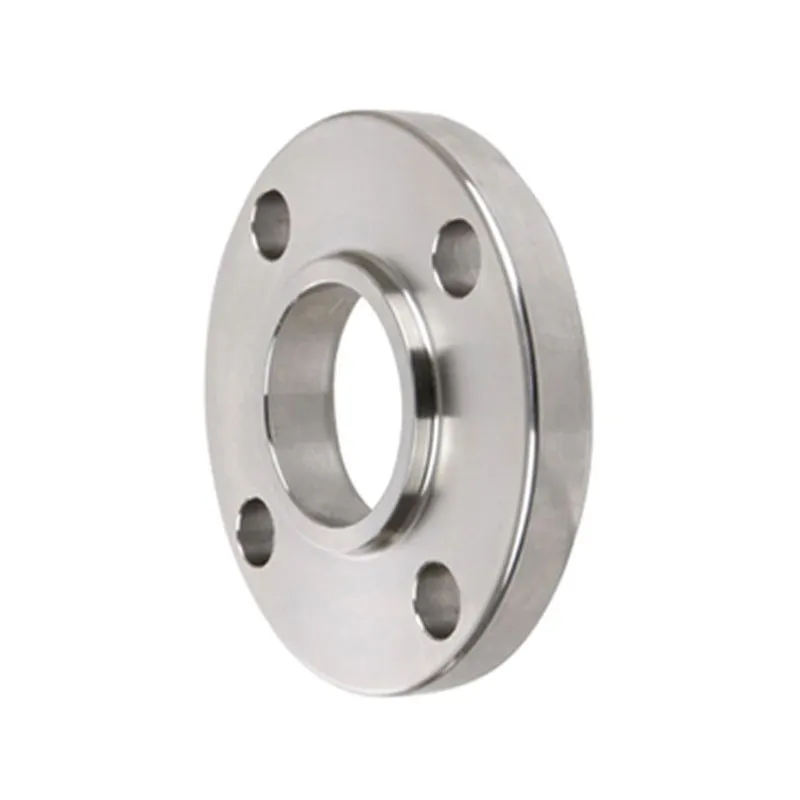 ANSI B16.5 Lap-on flanges Class 300
 -
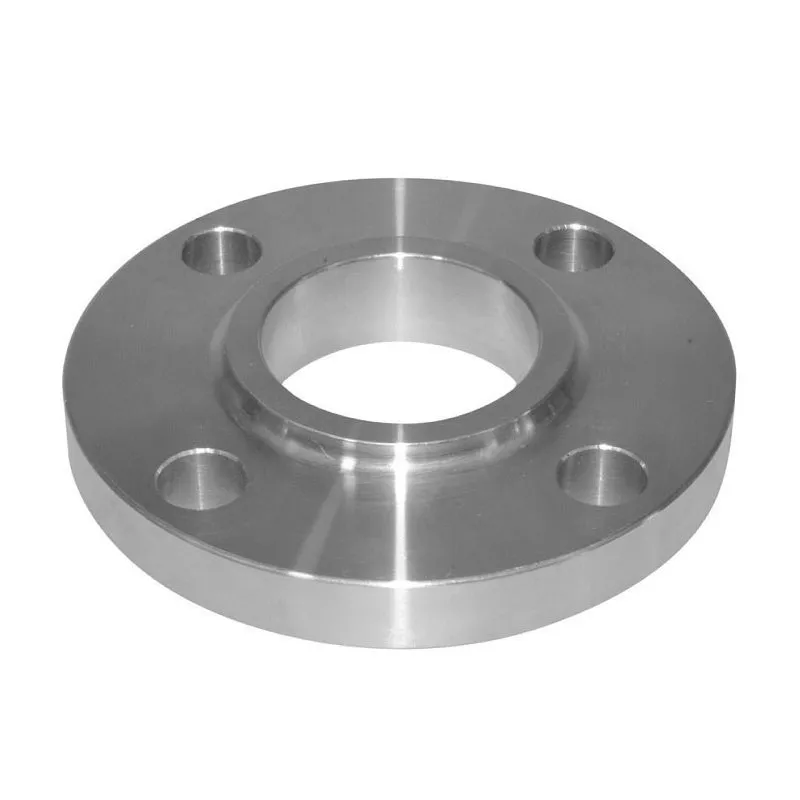 ANSI B16.5 Lap-on flanges Class 1500