
-
-
Phone
+86-13623462298



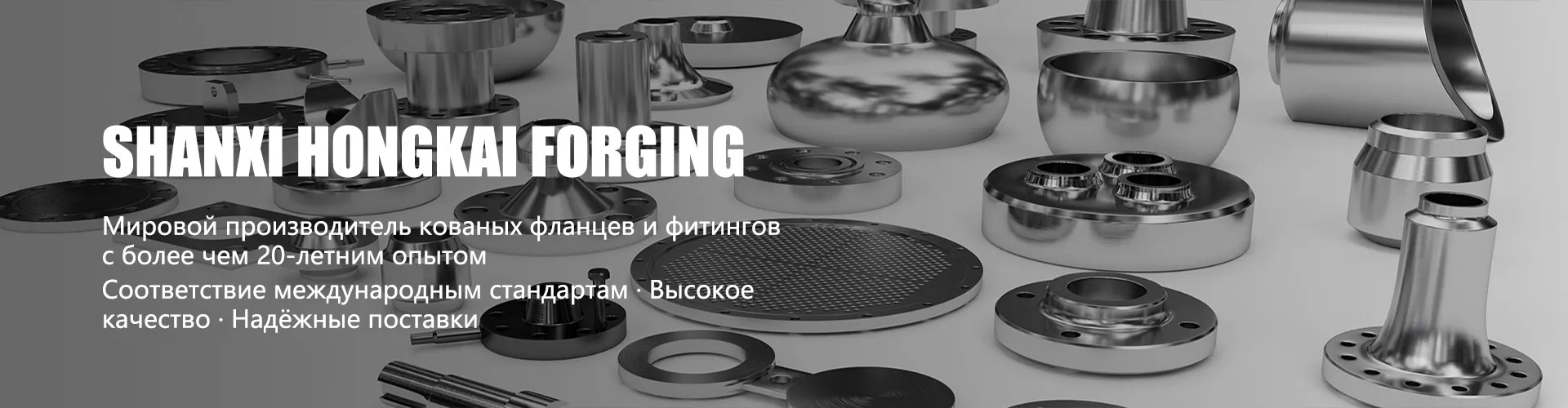
flange 52
When you hear “flange 52”, many people immediately think of DN 50, the standard adapter. But in practice this often turns out to be a trap. In specifications, especially old ones, this may hide both the connecting size for the fittings and a non-standard mounting diameter for the seal. The most common problem is confusion between the nominal diameter DN and the outer diameter of the flange itself or the holes for the studs. You are working on the repair of an old heating plant, they write in your report “flange 52”, and you come to the warehouse - and there are both DN 50 according to GOST 12820 and DN 50 according to GOST 12821 with different pressures, and even with different numbers of holes. Or, worse, it turns out that this is a flange for a 52 mm pipe on the outside of the pipe, and not on the standard row. Therefore, the first rule: always require a drawing or at least a full designation of the standard. Without this, an order is a game of roulette.
From specification to metal
For example, we had an order for a batch to modernize a site at a chemical plant. The specifications stated: “Flange 52, steel 09G2S, Ru 16?”. It would seem that everything is clear. But when we started preparing for production, it turned out that the customer intended version 1 according to GOST 12820-80 for butt welding, and in our regular shipments for this pressure, version 2 was more often used. The difference is in the thickness of the connecting protrusion and in the shape of the chamfer. If they had assembled it their own way, during installation there could have been problems with alignment and weld penetration. We had to urgently clarify and redo the technical maps. This is the case when a dialogue with a supplier who really understands, and does not just sell from a warehouse, saved the deadline. How, for example, do they work inShanxi Hongkai Forging Co.,Ltd— they always request as much data as possible before production, even if everything seems to be spelled out in the application. Their websitehkflange.ru— this is not just a catalogue, there are technical sections with explanations on marking, which already eliminates a lot of misunderstandings at the start.
By the way, about steel 09G2S forflange 52. It is often considered universal for moderate temperatures. But in one project in the North, we had to replace a batch on exactly these flanges. The customer initially saved money by specifying 09G2S for a line operating at -45°C. And this steel, as is known, without special heat treatment loses its impact strength somewhere after -40°C. It was impossible to take risks, they persuaded us to use 10G2FBU steel, which, although more expensive, is more reliable for low temperatures. The supplier, by the way, is the sameShanxi Hongkai Forging Co.,Ltd, quickly reoriented forging to a different material - they have a wide range of steel grades, including alloyed ones, which is critically important for non-standard conditions.
Another nuance is the coating. For the sameflange 52, which goes to external pipelines with anti-corrosion insulation, often requires phosphating or priming, rather than just galvanizing. Galvanizing may conflict with some types of mastics. I once saw a site where they had to remove the galvanic coating from the surface for welding and the contact area with the seal, because it began to peel off and was interfering with the seal. Now I always discuss this point separately, especially if the flange will work in an aggressive environment.
Non-standard is common practice
Often ?flange 52? becomes the starting point for a non-standard product. The standard row ends, and the technological piping requires exactly this size. For example, you need to connect an imported pump with a bore diameter of 52 mm to a domestic pipe DN 50. Here you already need an adapter flange, where one side is according to GOST or ASME B16.5 for class 150, and the other is for a specific pump pipe size. Here you can’t do without an individual drawing. In such cases, the manufacturer’s ability to work according to the customer’s sketches is valuable. On the same sitehkflange.ruIt is directly stated that the company produces non-standard forgings and flanges according to drawings, and this is not just advertising. I personally ordered an adapter flange from them from DN50 to a non-standard 52 mm for an elliptical bottom. It was important to maintain not only the dimensions, but also the slope of the surface for a certain type of gasket. They did it without any questions, according to the sketch provided, with a full package of certificates.
When working with non-standardflange 52the key is geometry control after forging and machining. Especially the alignment of the holes for the studs and the parallelism of the sealing surfaces. There was a story when a third-party workshop made a batch, and during the control assembly on the mandrel it turned out that the holes were shifted by half a millimeter. It would seem like a small thing. But when tightening, uneven tension was created, and the gasket was squeezed out. I had to re-drill everything on site, which is several times more expensive than doing it right right away. Therefore, now, when choosing a manufacturer, I look at the availability of control equipment - mention of coordinate measuring machines in the descriptionShanxi Hongkai Forging Co.,Ltdas one of the main centers of the forging industry speaks volumes.
Another practical point is weight. Non-standardflange 52with increased thickness due to high pressure, it can weigh one and a half to two times more than the standard one. This affects the calculation of loads on supports and brackets. Once, during installation, this advantage was not taken into account, and it was necessary to urgently strengthen the support structure. Now in my specifications I always, even for seemingly small sizes, indicate the calculated weight, especially if the material is not carbon steel, but something denser.
Standards: a battlefield of interpretations
Mentioning standards in a company description is not for show. Forflange 52compliance with GOST, ASME or EN is a guarantee that the product will fit the mating part. But there are pitfalls here too. Let's take, for example, GOST 12820 and GOST 12821 for DN 50 (relatively close to 52). In one the flange is flat welded, in the other it is butt welded. The outer diameters and diameters of the hole circles may coincide, but the thickness and design of the hub do not. Confusion results in the flanges not mating. I saw how “illiquid assets” lay in the warehouse for months. precisely because of such an error in the procurement documentation. A manufacturer that clearly separates these nomenclatures in its catalog asShanxi Hongkai Forging Co.,Ltd, makes life easier for everyone.
The story of pressure stands out.Flange 52, manufactured according to GOST on Ru 16, and the same according to ASME B16.5 on Class 150 - these are not always interchangeable things. Their operating pressure may differ at different temperatures. For critical lines, we always recalculate the pressure or, more reliably, order flanges as a set to ensure full compatibility. The manufacturer’s ability to work to different standards within one order is a big plus. The company's annotation states that they work according to GOST, ASME, EN, DIN and others - this means that you can order a batch where some of the flanges will be according to Russian standards, and some will be for export equipment, and everything will be done in one place, with the same approach to quality.
People often forget about the quality of the sealing surface treatment. For standardflange 52it can be smooth, with notches (spiral-cut pattern) or under a lens gasket. In ASME specifications, for example, this is clearly regulated (facing types). If you do not specify this, you will get some kind of average design, which may not be suitable for metal gaskets of the tongue-and-groove type. When ordering, I always spell out this parameter, and a normal manufacturer’s technologist will always clarify it if it is unclear from the drawing.
From forging to packaging: what is important besides size
The technological process for such a seemingly simple product asflange 52, decides everything. Free forging, which is practiced in serious industries, like the one mentionedShanxi Hongkai Forging, gives a better macrostructure of the metal compared to stamping or cutting from a sheet. The metal fibers follow the contour of the product, which increases strength to cyclic loads. For flanges operating in vibration conditions (pumping units, compressors), this is not a trifle. Once, when opening a failed flange cut from a slab, I saw a crack running just across the fibers. Since then I have preferred forged products for critical components.
Markings - These are often not noticed until a problem occurs. Each flange must be clearly stamped with: trademark or manufacturer's mark, steel grade, nominal pressure, size. Forflange 52supplied with equipment for export, this requirement is mandatory. Lack of markings or their illegibility may lead to refusal of acceptance by the inspector. I check this on the first delivery from a new supplier. Packaging is also part of professionalism. Flanges must be protected from damage during transportation, especially the sealing surfaces. Simply wrapping it with stretch film without rigid packaging at the corners leads to chips and dents.
And the last thing is testing. A certificate with mechanical tests and results of ultrasonic testing or hardness testing is not just a piece of paper. For flanges for high pressure or hazardous media this is a must have. A reliable manufacturer always provides such documents without reminders. This is the same “information density” that distinguishes a serious supply from an ordinary one. When you see the phrase “manufactured in accordance with international and national standards” in a company’s description, you expect to see a full package of accompanying documents confirming this compliance. And this is perhaps the main result:flange 52- this is not just a piece of hardware with holes, but a unit on which the tightness and safety of the system depends. And the approach to its selection and order should be appropriate.
Correspondingproducts
Related Products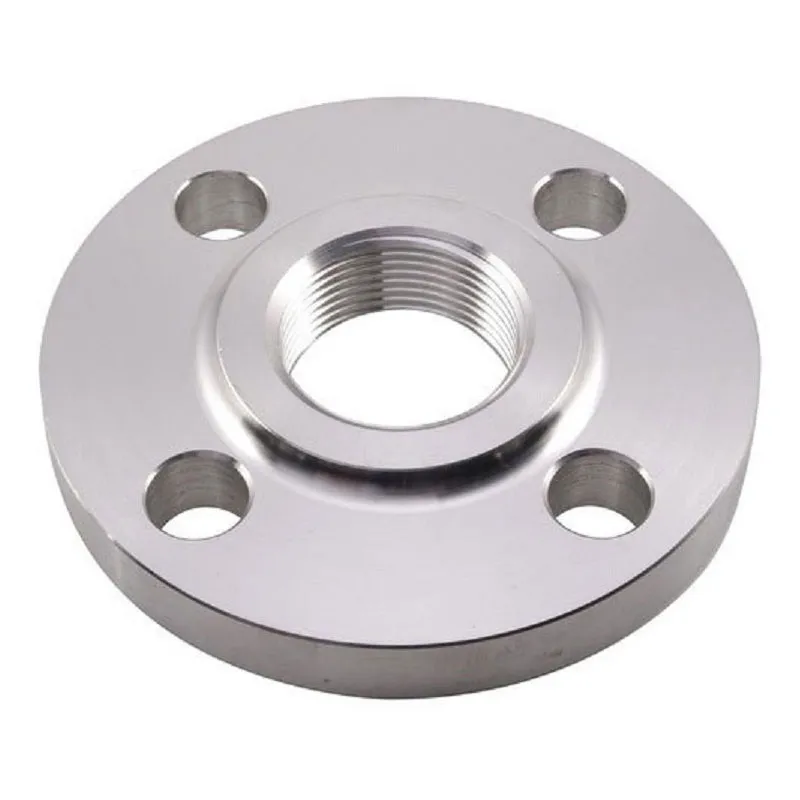
Best Sellingproducts
Best Selling Products-
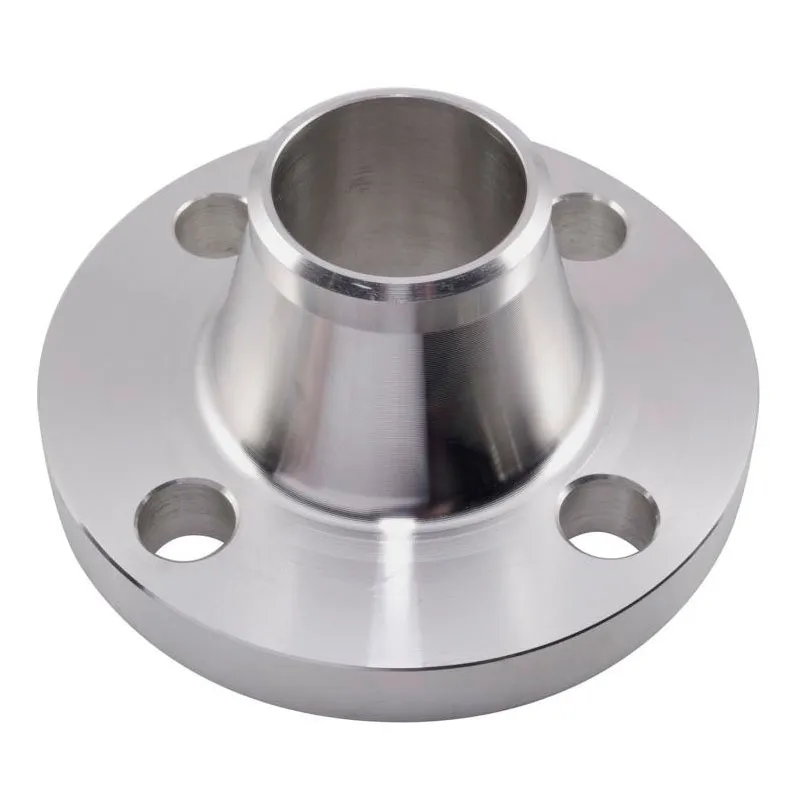 DIN Butt weld flanges PN10
 -
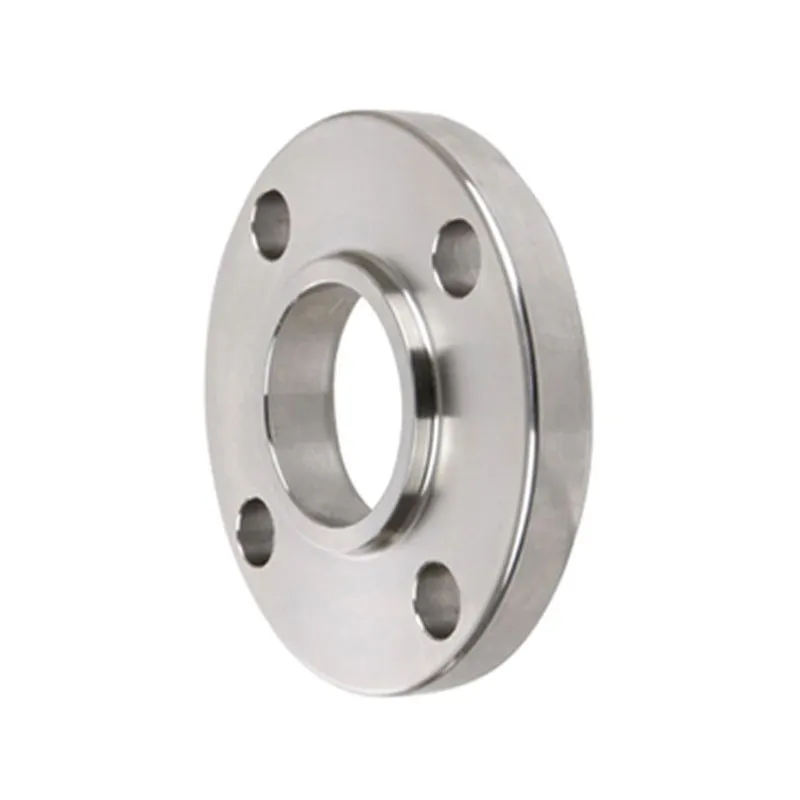 ANSI B16.5 Lap-on flanges Class 300
 -
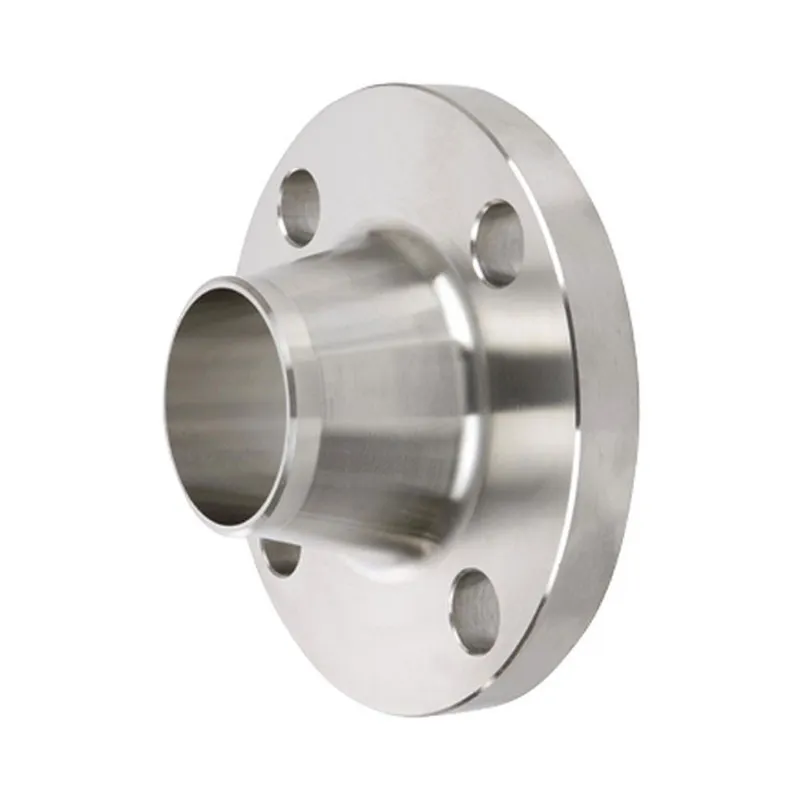 EN 1092-1 Butt weld flanges Type 11, PN25
 -
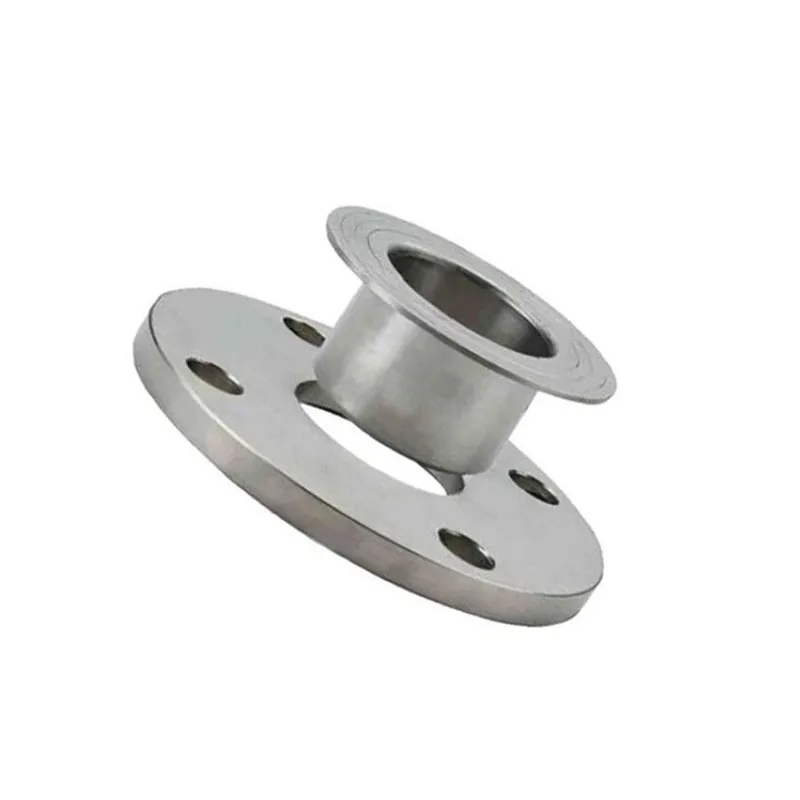 Free ring flanges Class 400
 -
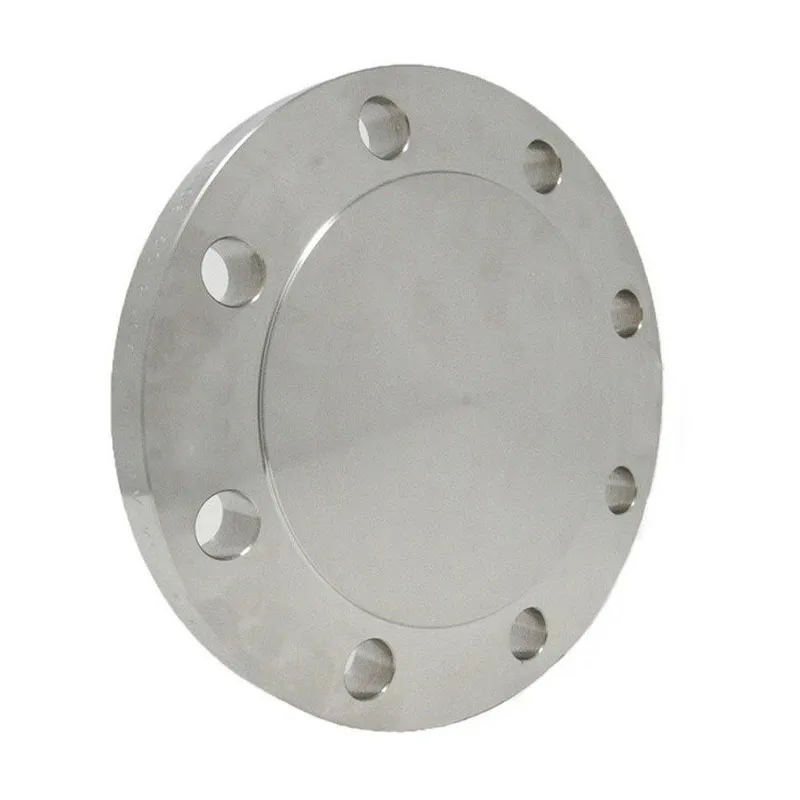 EN 1092-1 Blind flanges Type 05, PN10
 -
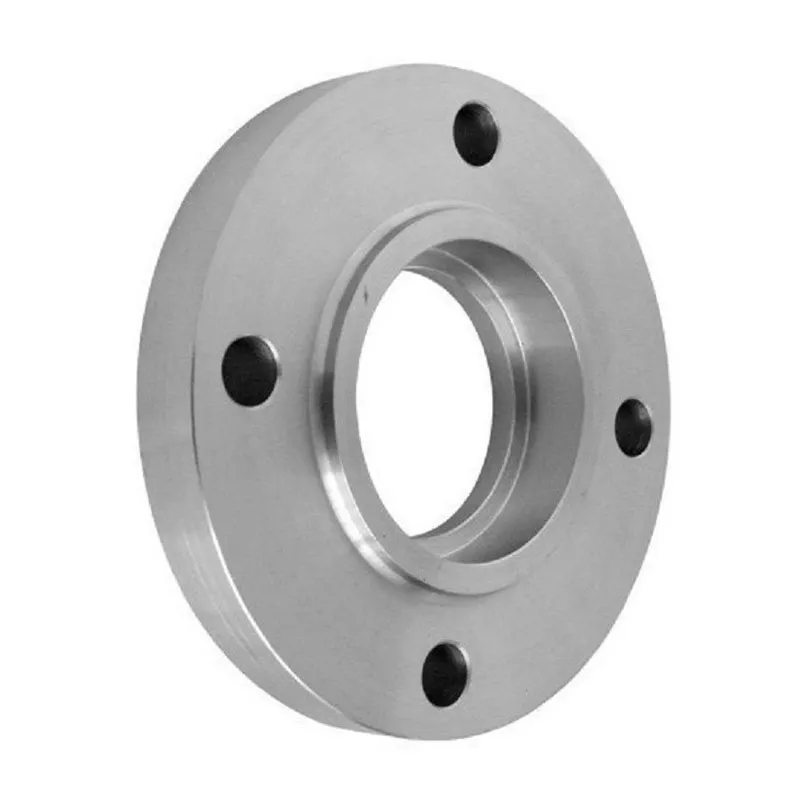 Socket Weld Flanges Class 300
 -
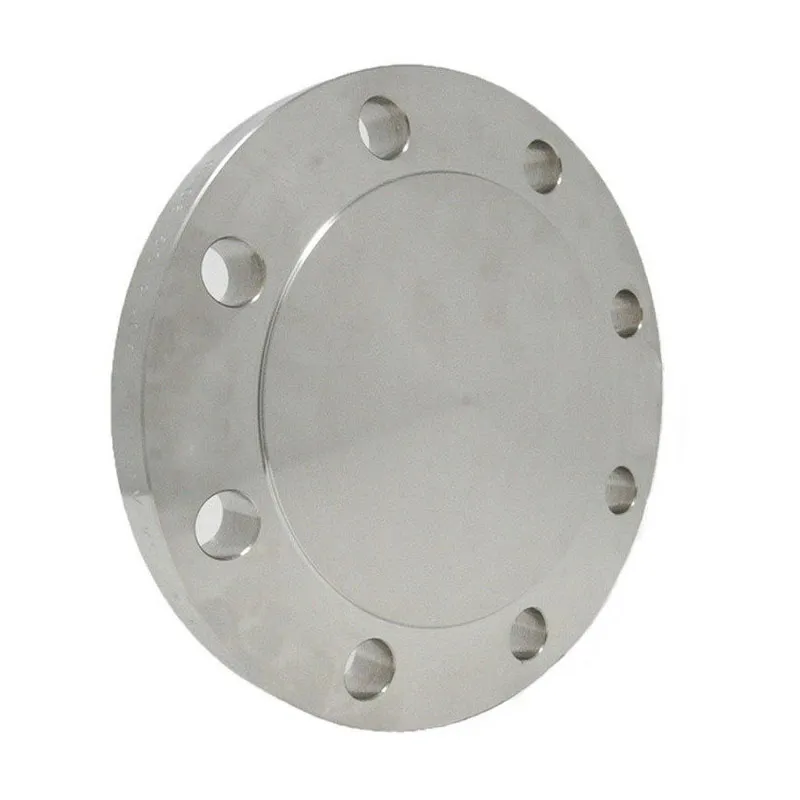 AWWA Blind Flanges Class D (Tables 1, 2, 3)
 -
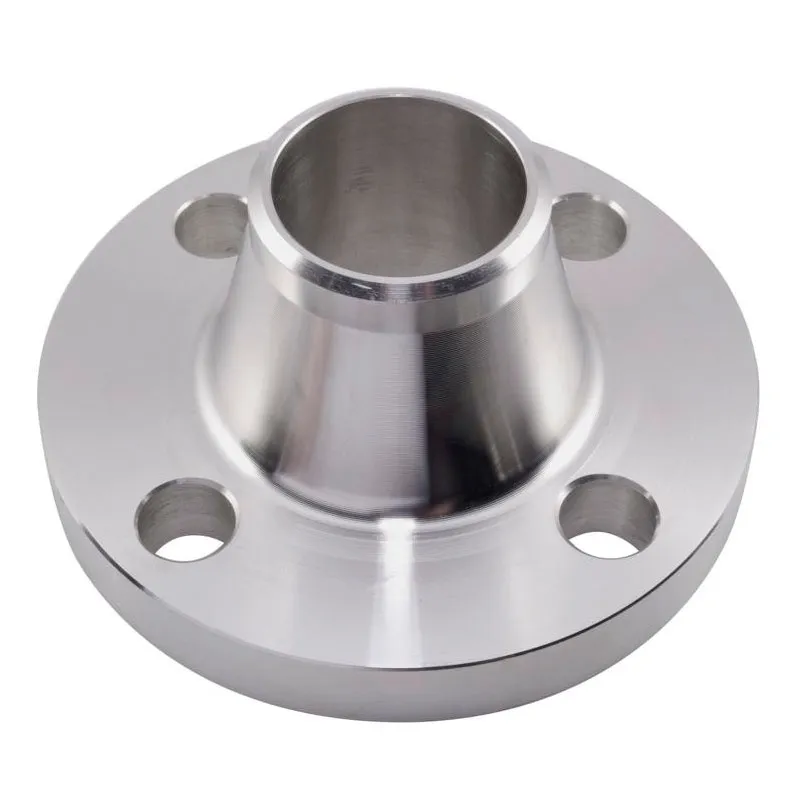 Butt weld flanges Class 900
 -
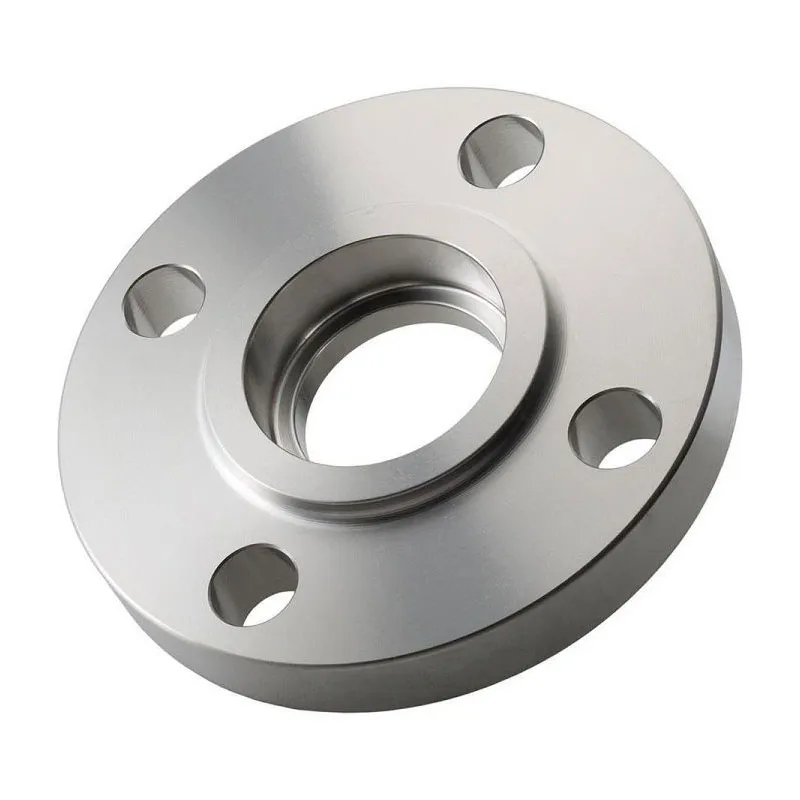 ANSI B16.5 Socket Weld Flanges Class 1500
 -
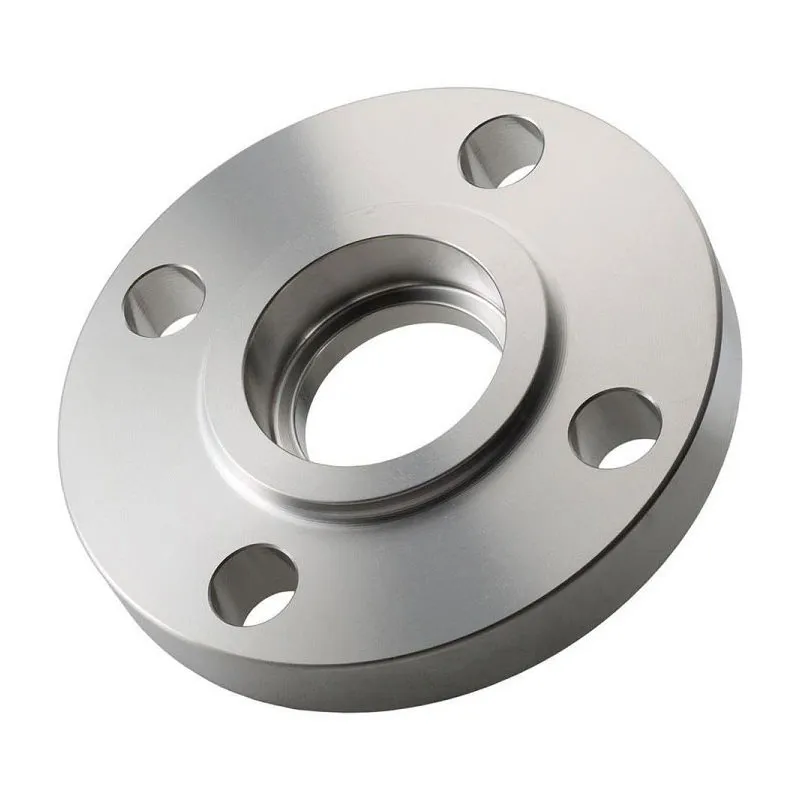 Flanges for socket welding
 -
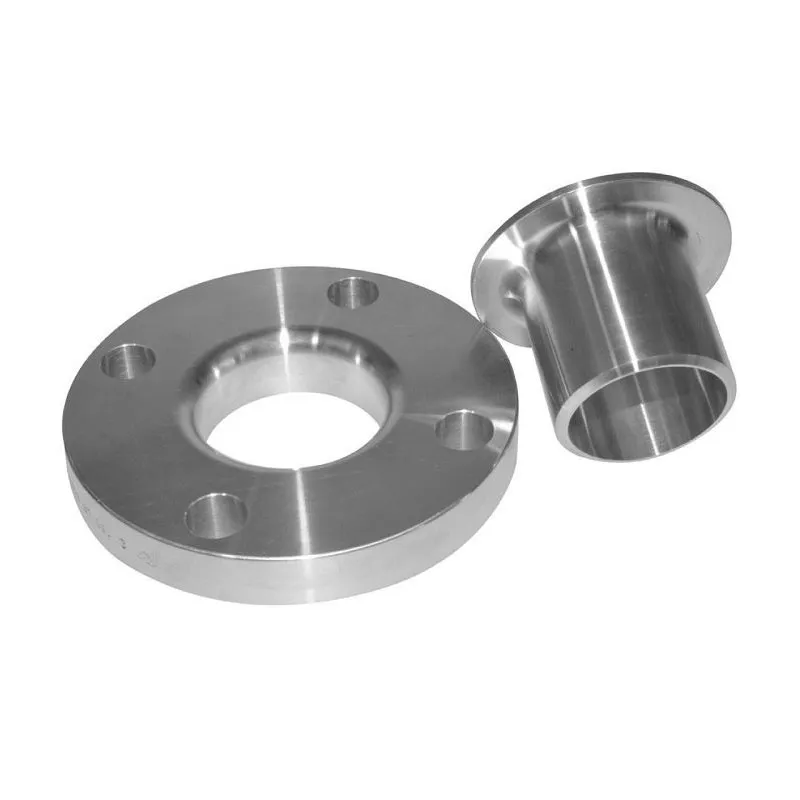 ANSI B16.5 Loose Ring Flanges Class 2500
 -
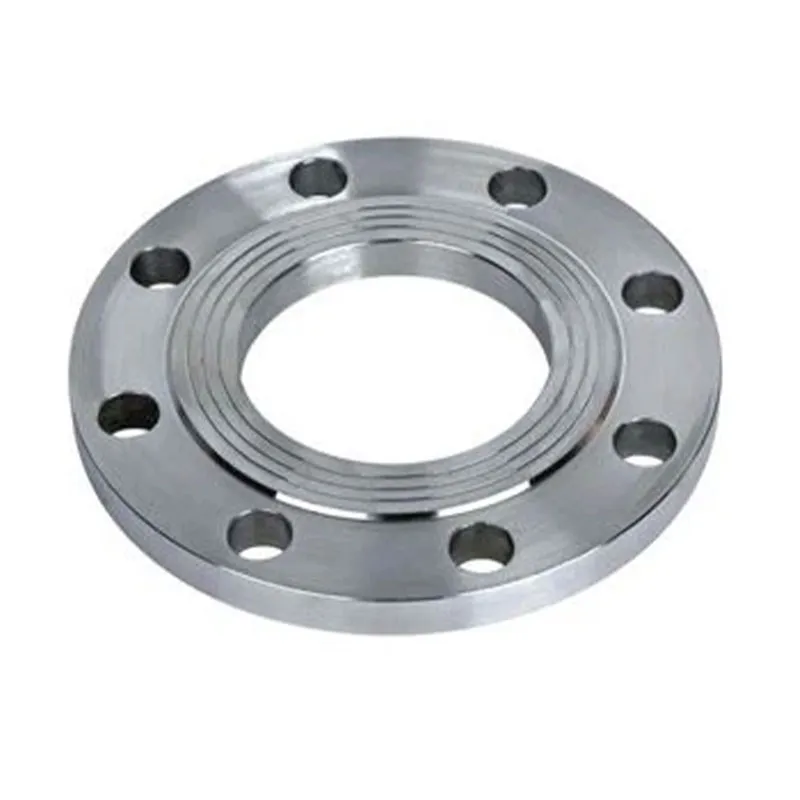 Butt weld flanges Class 150