
-
-
Phone
+86-13623462298



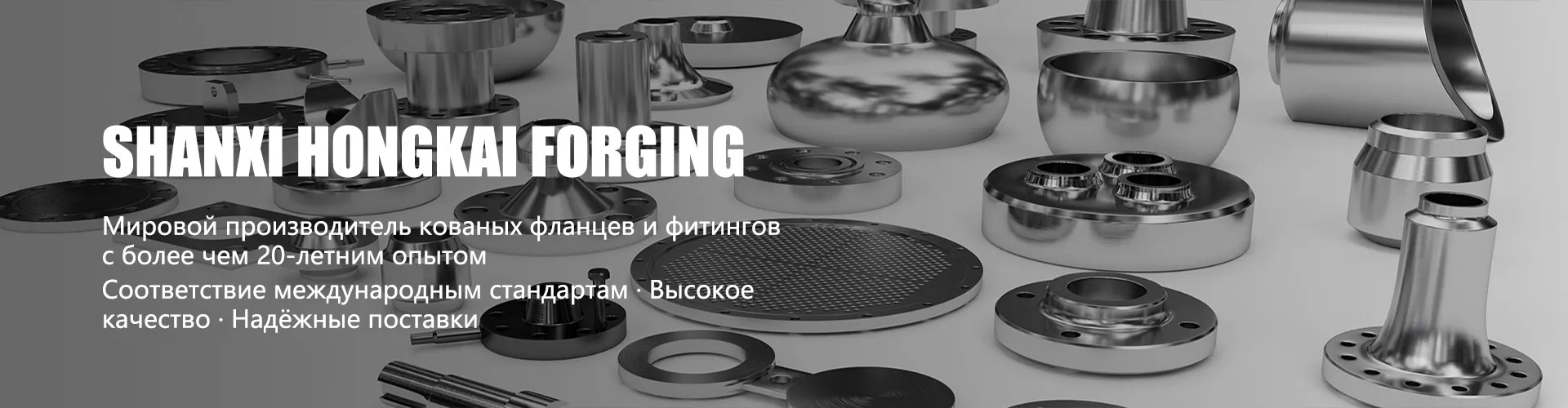
steel flange DN 400
When you hear “steel flange DN 400”, the first thing that comes to mind is, of course, the size. But here’s the catch: many, especially those who are just starting to work with pipeline fittings, think that the main thing is the number 400. They say, I selected it according to DN, and everything is in order. In practice, especially with diameters such as DN 400, the fun begins. There is no longer just a “bolt-nut”, but a whole story with the material, flange type, pressure, standard and, most importantly, who manufactured this product and how. I myself have more than once encountered situations where a customer sent a request specifically for a steel flange DN 400, but without specifying the standard or pressure, and then compatibility problems arose during installation. So let's take it in order.
Why DN 400 is already a serious scale
Working with flanges on DN 400 is a transition to another class of tasks. This is no longer small piping, but often main lines, process pipelines in factories, and energy. The weight of one such flange, depending on the type and pressure, can easily exceed 50-60 kg, or even more. This immediately affects logistics, storage and, most importantly, installation. You can’t just take and tighten the bolts by hand - you need a torque wrench and a clear tightening pattern. Once I observed how a team tried to “press out” the distortion at the junction of two such flanges with a sledgehammer - as a result, the sealing surface was damaged and had to be removed and taken for machining. Waste of time and money.
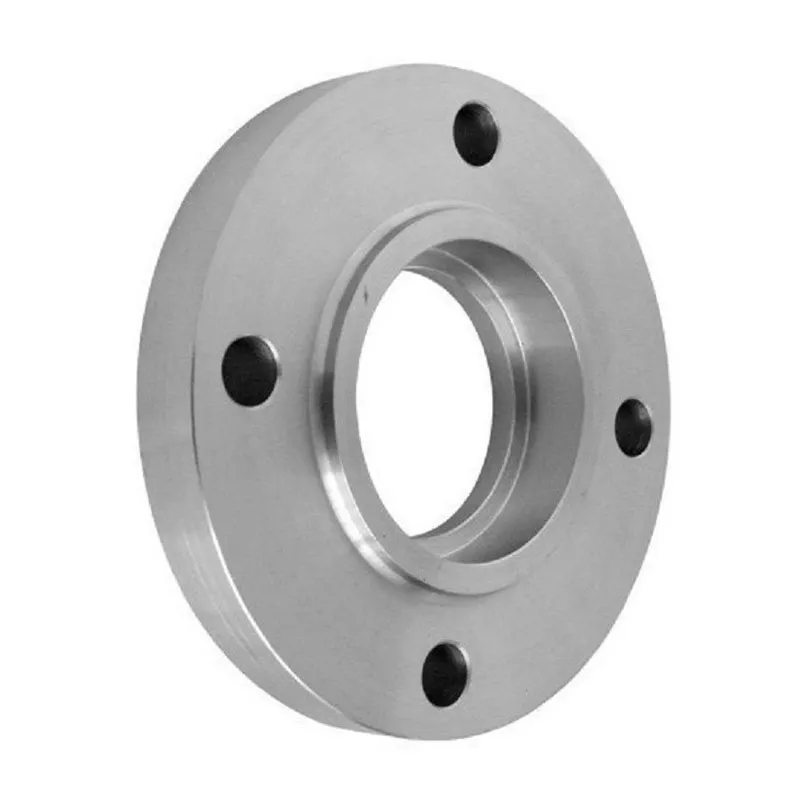
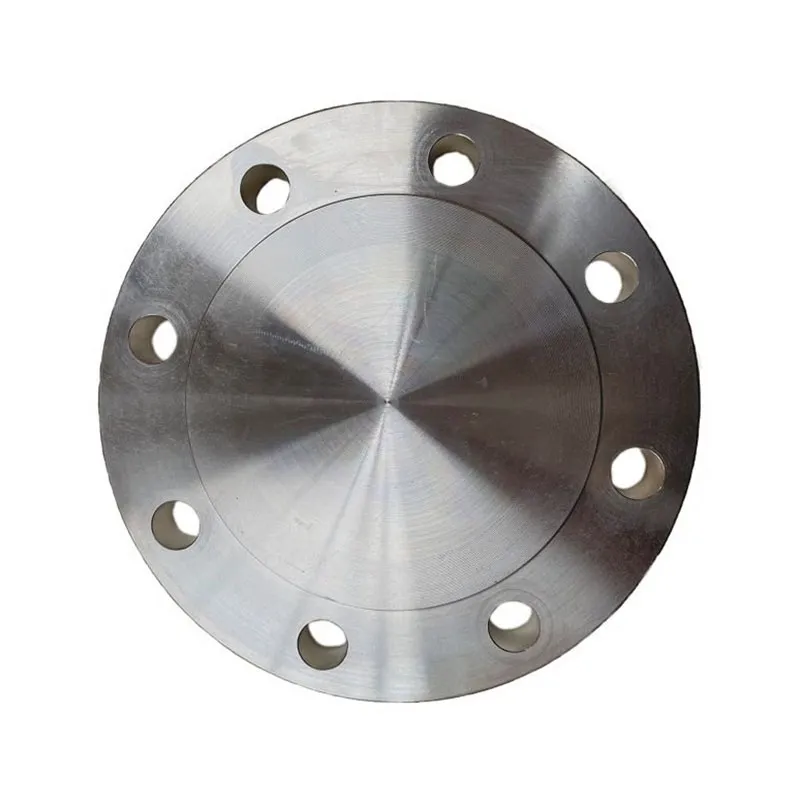
It is for these diameters that the choice of flange type is critical.Steel butt weld flange(GOST, also an analogue of ASME B16.5) for DN 400 - this is a classic for high pressures. Its skirt allows for optimal redistribution of mechanical stress from the pipeline. But often, trying to save money, they order a flat welded flange (GOST, type 01). For low pressures this is an option, but if the line vibrates or temperature expansions are possible, then cracks may occur in the neck-to-pipe welding area. I saw this on heating networks.
Another nuance is the design of the sealing surface. For DN 400, the 'tongue and groove' (Tongue and Groove) or 'protrusion-groove' (Male-Female) design is often used, especially in the petrochemical industry, where tightness to aggressive environments is important. But here it is important that both flanges in a pair are of the same design! It would seem obvious, but warehouses sometimes contain “mismatched” old stocks, and installers take what they have. Then - a leak.
Material and standard: without this - nowhere
Just 'steel' doesn't mean anything. Steel is different. For flanges DN 400 operating at temperatures down to minus 40°C, steel 09G2S or its analogues according to foreign standards (A350 LF2) is already needed. If the environment contains hydrogen sulfide, steels with increased stress corrosion resistance are required, for example, with reduced hardness according to HRC. I had experience in supplying a batch of flanges for DN 400 from steel 20 (regular carbon) for a nominal pressure of PN 25. The customer saved money. And then it turned out that in winter the temperature was around -30°C - and the material became brittle. Fortunately, during the hydraulic testing stage, microcracks were discovered in the area of the holes for the studs. Replaced with flanges from 09G2S.
A standard is the language engineers speak. The indication 'flange DN 400' without GOST, ASME, EN or DIN is a road to nowhere. Geometry, diameters and number of holes for studs, thickness, diameters - everything is regulated. For example, according to GOST 33259 for a DN 400 flange on PN 10 the number of holes is 20, but on PN 100 there are already 28. And the studs are different. If the project has mixed standards (say, a pipe according to ASME and flanges according to GOST), then joining becomes a headache. It is necessary to manufacture adapter or non-standard flanges, which is expensive and time consuming.
In this context, by the way, working with trusted manufacturers who strictly adhere to standards is not a whim, but a necessity. I often pay attention to company websites, where their product range and understanding of standards are visible. Here, for example,Shanxi Hongkai Forging Co.,Ltd (https://www.hkflange.ru). Their description clearly states that they manufacture forged flanges and forgings to international and national standards including GOST, ASME, EN, DIN. And what’s important is that their size range is stated right up to DN4000. This suggests that for them, the production of a flange for DN 400 is not exotic, but an ordinary task. A manufacturer of forged flanges that works with these dimensions usually has the appropriate equipment (presses, furnaces) and a quality control system. This inspires confidence. Forging, in contrast to casting or cutting from sheet metal, gives a more uniform metal structure, which is critical for critical assemblies with large diameters.
Installation and pitfalls on site
The most beautiful and high-quality part can be damaged during installation. For flange connections DN 400 this is an axiom. The first is cleaning the sealing surfaces. Any scale, rust, scratch is a potential leak. According to the standard, most connections require processing to a roughness of Ra 3.2-6.3 microns, but often the delivered flanges are only roughly processed or coated with a conservation lubricant. It must be removed with special means that do not leave a film.
The second is centering. Large diameter pipes have their own deflection. The flanges to be joined must be strictly parallel and coaxial. The tolerances are small. Using even one extra spacer for alignment is a serious mistake, leading to uneven tightening and leaks under pressure. It is better to spend time adjusting the pipeline.
Third, and most important, is tightening the studs. Here you need a strict sequence (crosswise) and control of the tightening torque with a torque wrench. Often installers do it 'by eye', and then during crimping the connection 'sweats'. Or, worse, one side is overtightened and the other undertightened - the flange works skewed. For DN 400 this can lead to warping. It is recommended to tighten in several stages, with a gradual increase in torque, especially if a spiral wound gasket is used.
When do you need a non-standard and where to look for it?
It happens that the standard series is not suitable. For example, it is necessary to dock equipment with a non-standard center-to-center distance of holes, or a flange with a special material for chemical resistance is required, or a transition from DN 400 to another diameter, but with restrictions on dimensions. This is where the search for manufacturers who work with individual drawings begins.
It is always more expensive and longer than taking it from a warehouse. But sometimes it's the only way. Key points when ordering a non-standard flange for DN 400: provide the most detailed drawing indicating all dimensions, material, hardness, type of surface treatment; discuss manufacturing technology (forging, stamping, processing); agree on control methods (ultrasonic testing, hardness tester).
Here again it makes sense to look towards specialized forging manufacturers. If we go back to the exampleShanxi Hongkai Forging Co.,Ltd, then their description directly states that they also manufacture non-standard products according to customer drawings. For a company that positions itself as a manufacturer in one of the main centers of the forging industry, this is logical. They most likely have process engineers who can calculate forging and subsequent machining for a specific task. This is better than going to a universal metal store that simply resells something of unknown origin.
Bottom line: don’t go cheap, consider the total cost
Drawing a line under thoughts aboutsteel flange DN 400, I would like to say the main thing: with such parameters, the initial savings on the price of the part itself almost always results in multiple losses at the stage of installation, commissioning or, God forbid, repairs after an accident. The cost of downtime of a production line due to a leak in a flange connection is not comparable to the difference in price between a conventionally 'simple' and a high-quality flange.
Therefore, the algorithm should be like this: 1) Accurate determination of parameters (DN, PN, environment, temperature, standard). 2) Selection of flange type and material for these conditions. 3) Search for a reliable manufacturer supplier who guarantees compliance with standards and provides the necessary certificates. 4) Strict adherence to the rules of storage, transportation and installation.
A high-quality flange is not just a piece of metal with holes. This is a calculation node on which the safety and uninterrupted operation of the entire system depends. And its choice for a diameter of 400 mm must be approached with precisely this yardstick.
Correspondingproducts
Related Products
Best Sellingproducts
Best Selling Products-
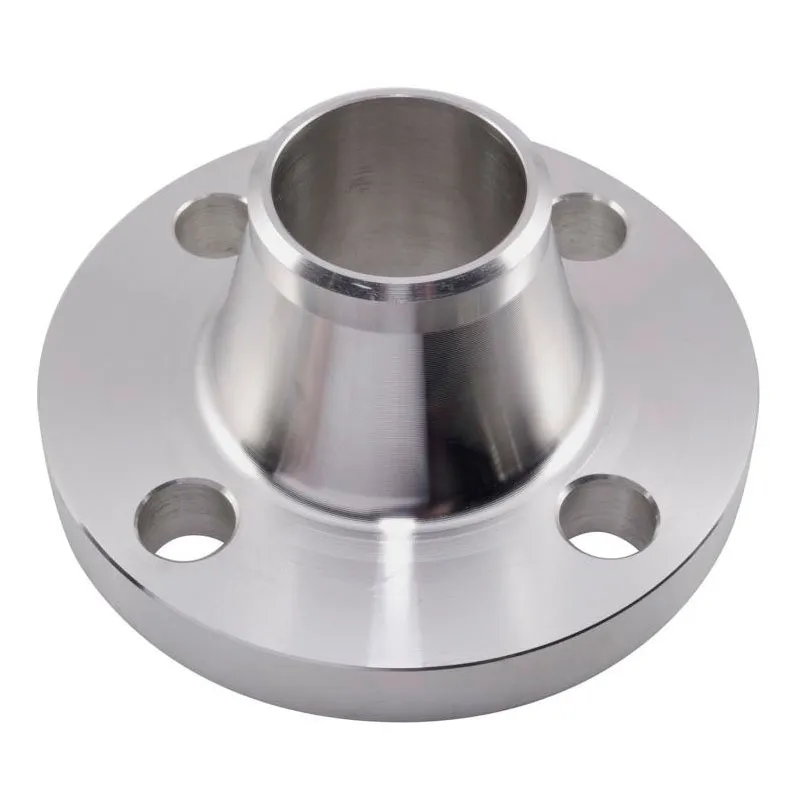 DIN Butt weld flanges PN10
 -
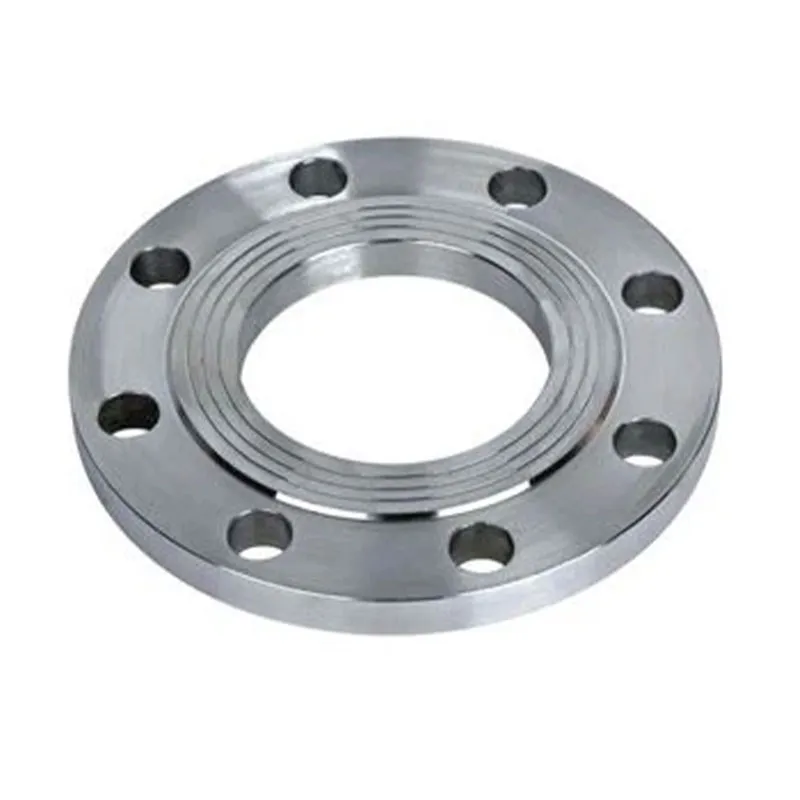 Butt weld flanges Class 150
 -
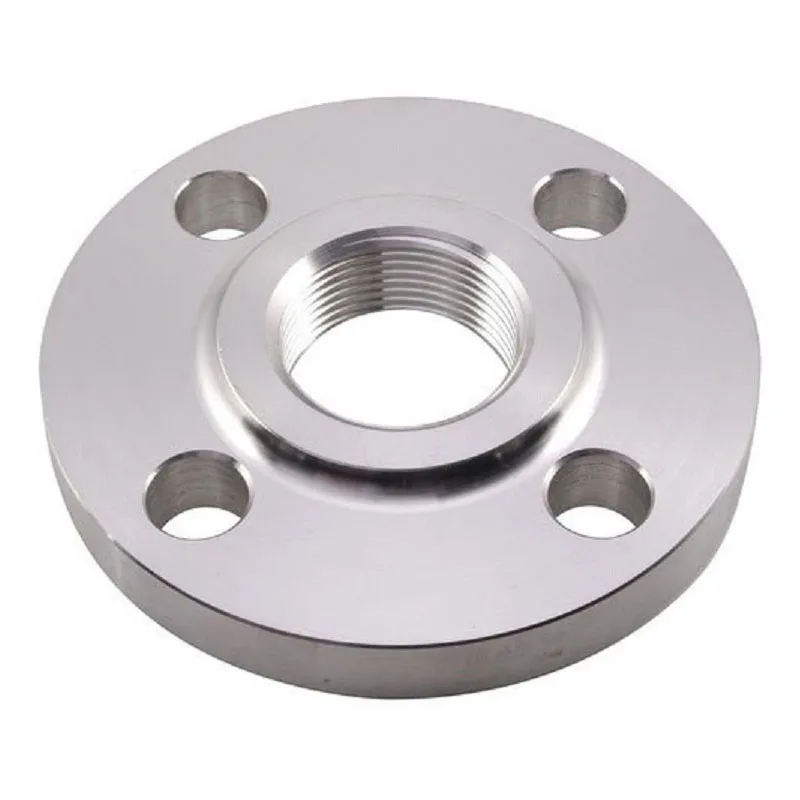 DIN 2566 Threaded flanges PN16
 -
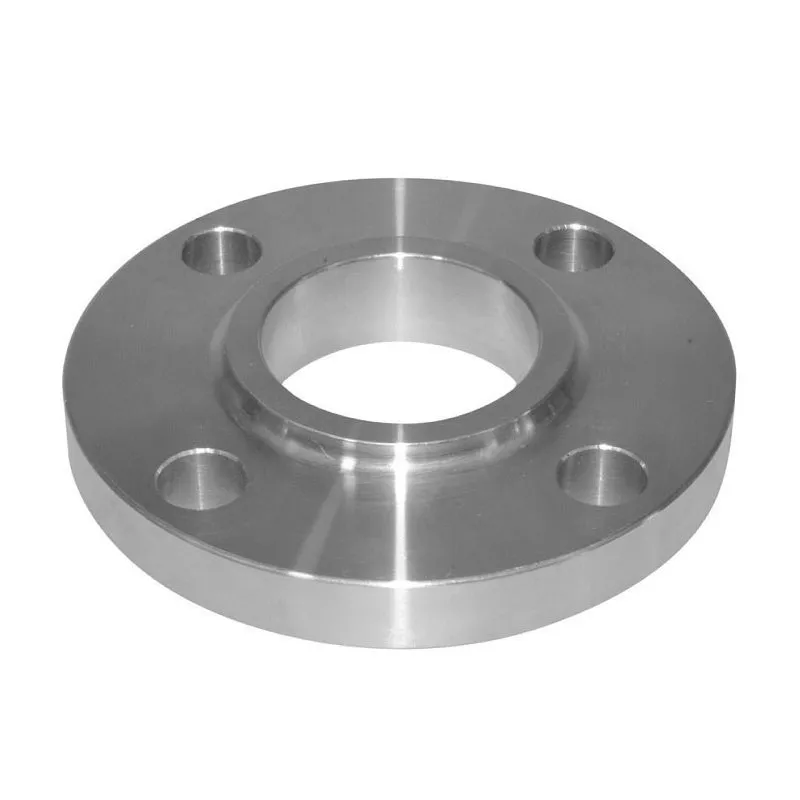 ANSI B16.5 Lap-on flanges Class 1500
 -
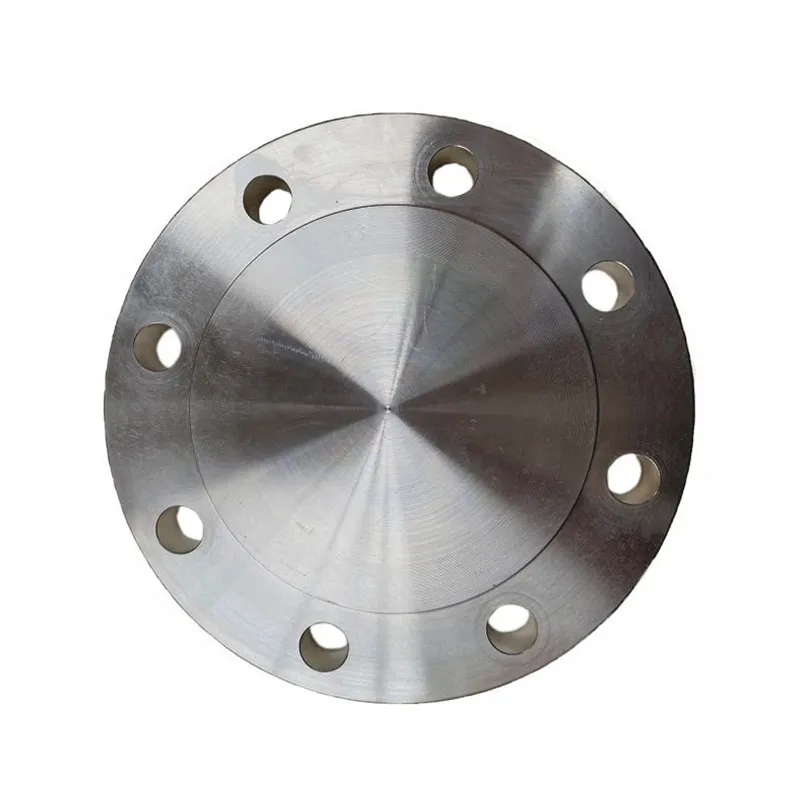 DIN 2527 Blind flanges PN10
 -
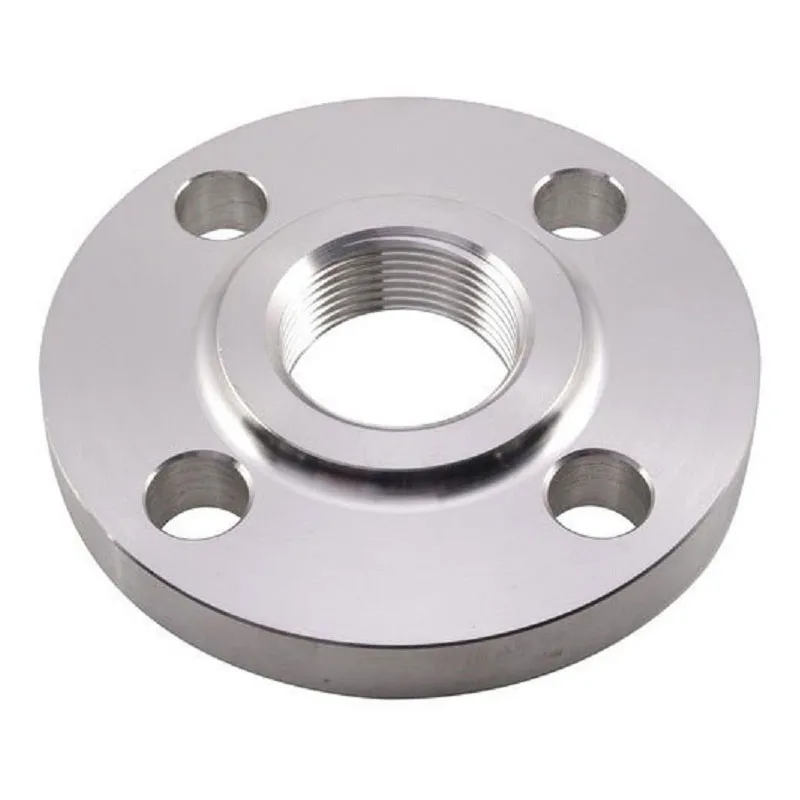 EN 1092-1 Threaded flanges Type 15, PN16
 -
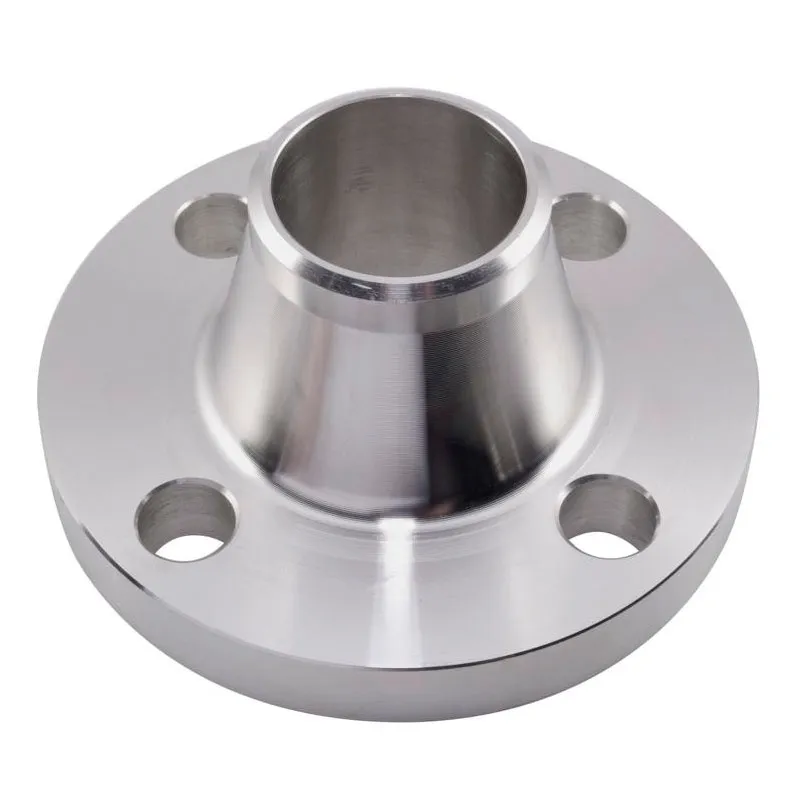 Butt weld flanges Class 900
 -
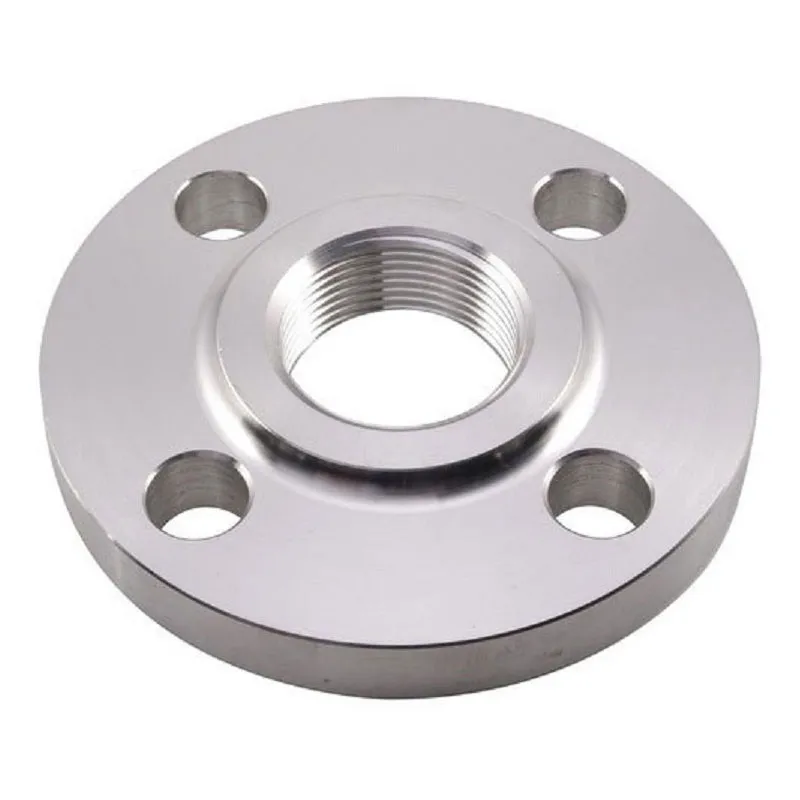 DIN 2565 Threaded flanges PN6
 -
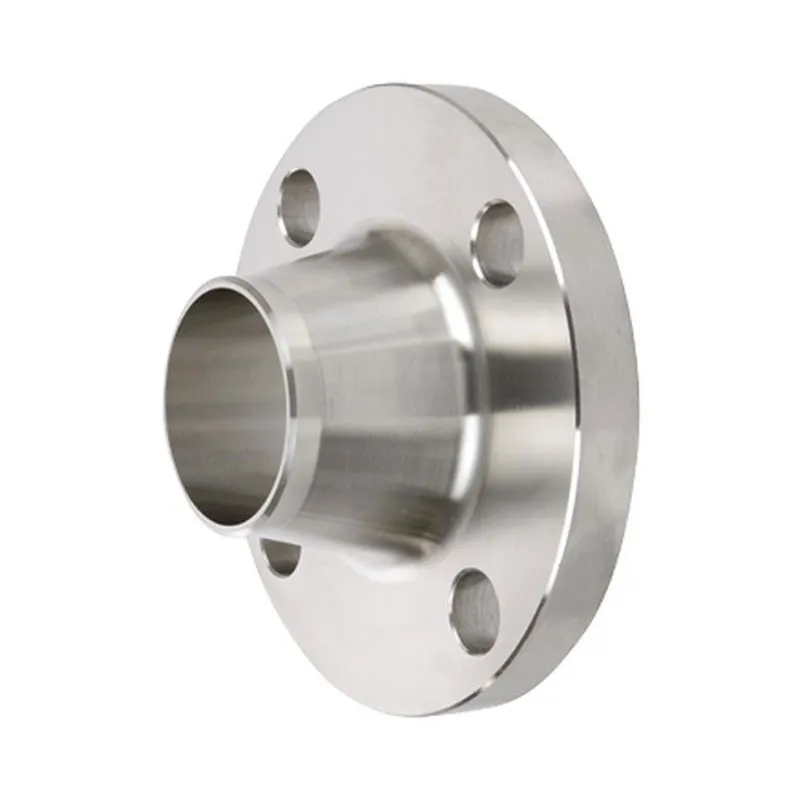 Ser.A Butt Weld Flanges Class 400
 -
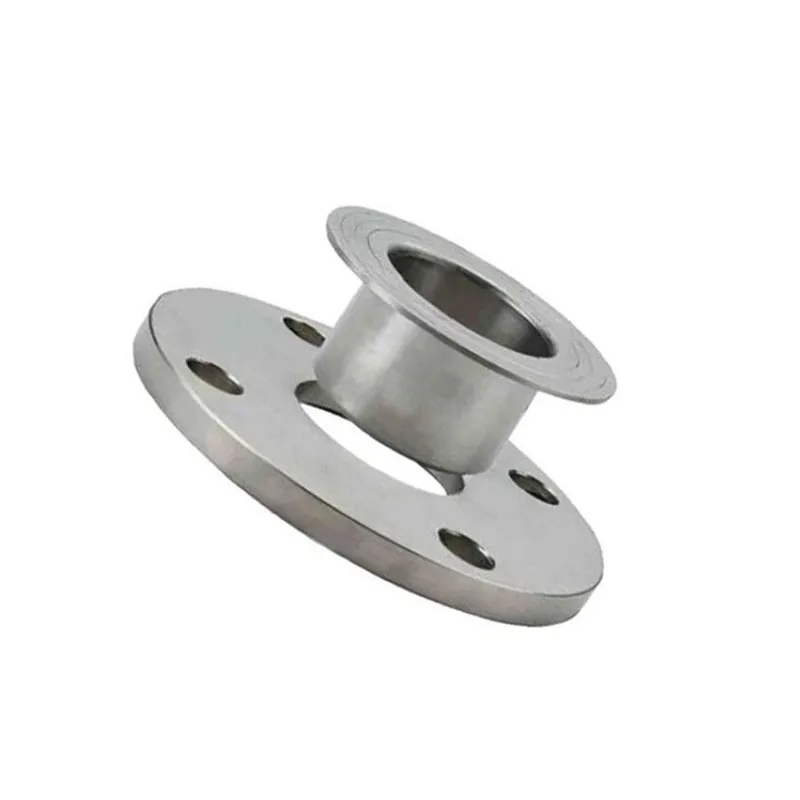 Free ring flanges Class 400
 -
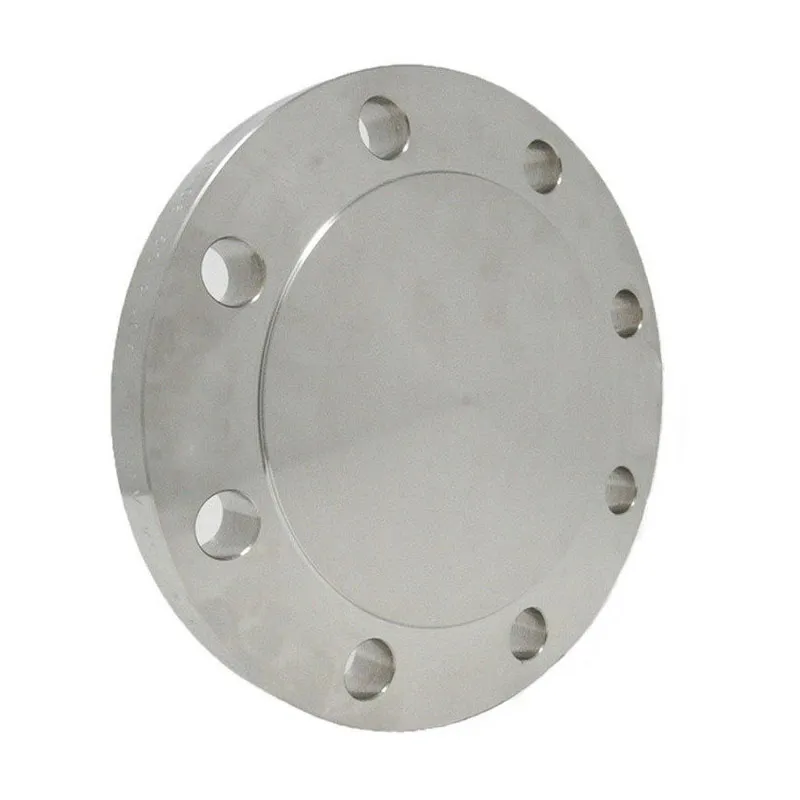 AWWA Blind Flanges Class D (Tables 1, 2, 3)
 -
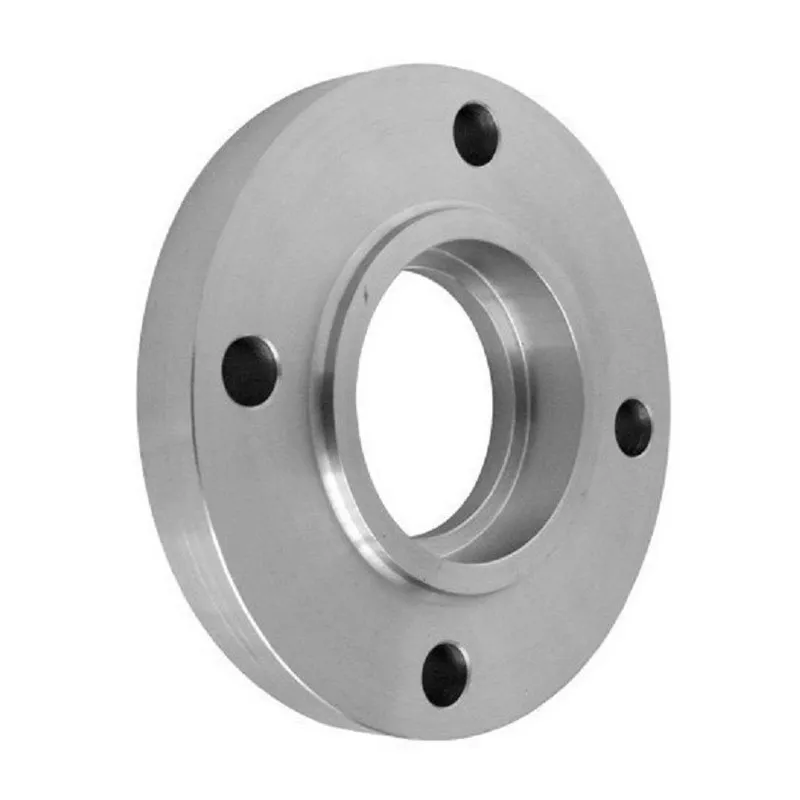 JIS 5K Socket Weld Flanges