
-
-
Phone
+86-13623462298



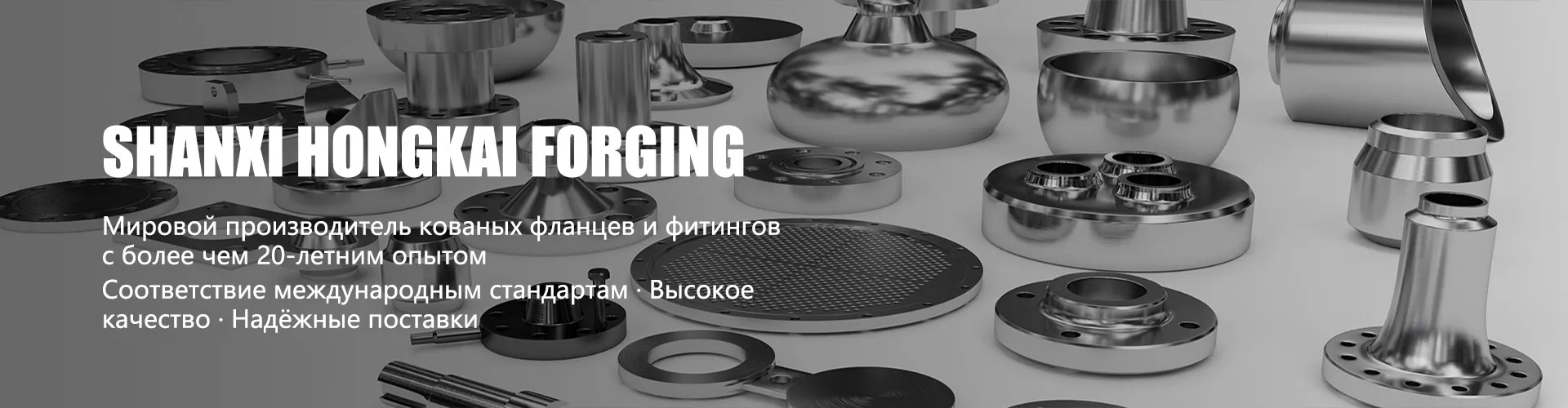
flange 1 80 25
When you see “flange 1 80 25” in a specification or request, the first thought is that everything is clear, standard flat flange for DN 80, pressure 25 kgf/cm2. But here lies the first pitfall, because of which a whole batch of unnecessary parts once accumulated in our warehouse. Number ?1? - this is the conditional pressure according to the old GOST, 1 MPa, which really roughly corresponds to 10 atmospheres, and not 25. And? 25? — is this most likely the thickness? Or is it something else? In general, if you take such designations on faith without clarifying the standard, you can get into trouble.
Let's take the designation apart
In practice, especially on older projects or when working with certain contractors, this mixture of notations is encountered. ?1? - this is a series, standard size according to GOST 12820-80 or 12821-80. ?80? - this is, without a doubt, a conditional passage, DN 80. But ?25?... There are several options here. Maybe this is the thickness of the flange in millimeters? For a flat flange on Ru 10 (1 MPa) and Du 80, the thickness according to the same GOST 12820-80 is 20 mm. 25 mm is already closer to the flange on PN 16 or 25. Or this is an indication of a pressure of 25 kgf/cm2 (2.5 MPa), but then series ?1? doesn't fit. Often this marking is used as an abbreviation, meaning a series 1 flange for DN 80 for a pipeline with a pressure of 25 atmospheres. But this is informal and requires mandatory decoding in the passport or drawing.
That is why in our work we always require full designation according to the standard: flange type, nominal diameter, nominal pressure, design of the sealing surface, material and the standard itself. Because the order ?flange 1 80 25? from one client may mean a steel flat flange for 10 atmospheres, and from another -butt weld flangeby 25. The difference in dimensions, weight and, most importantly, in application is colossal. Not to mention that different media (water, steam, aggressive media) and temperatures require different grades of steel.
We had a case: an urgent order came specifically for “flange 1 80 25?” for repairs at thermal power plants. The manager, without thinking twice, shipped flat flanges for RU 10 from the warehouse. And at the site it turned out that they needed butt flanges for RU 25 for the steam pipeline. Naturally, the docking did not work out, and the repair deadlines were missed. We had to urgently look for a manufacturer who could quickly make precise forgings and process them. It was then that we began to work closely withShanxi Hongkai Forging Co.,Ltd (https://www.hkflange.ru). They specialize in forged flanges and forgings, including those made to non-standard drawings. Their advantage is that they operate from a blank - a forging, which for critical components under high pressure is much more reliable than flanges made from cut sheets.
Why is the forging important and not the sheet?
If we are talking about real pressure of 25 atmospheres (2.5 MPa) or higher, especially under variable loads or high temperatures,forged flange- this is not a whim, but a necessity. The metal fibers in the forging are deformed according to the shape of the product, creating a continuous and directional structure. This gives better mechanical properties, fatigue strength and resistance to brittle fracture compared to flanges cut from rolled stock, where the fibers are simply cut.
For the same DN 80 on PN 25, the difference may not be so obvious at first glance, but when you assemble a unit that will work for ten to fifteen years without stopping, such nuances come to the fore. Especially in places where stress is concentrated - in the neckbutt weld flangeor in the transition area from the hub to the disc.
CompanyShanxi Hongkai Forging Co.,Ltd- a manufacturer from a region with a strong blacksmith tradition. They make forgings on presses rather than by free hammer forging, which ensures a more stable and dense metal structure throughout the entire mass of the workpiece. Browsing their catalog onhkflange.ru, it is clear that they cover a huge range of sizes - from DN15 right up to DN4000, and work with all major standards: GOST, ASME, DIN. This is important because our ?flange 1 80 25? may also be required for a system designed according to German standards, where a DIN 2635 flange on PN25 will be needed.
From drawing to bolt: practical nuances of installation
Let's say we figured out the designation and material and ordered the correct forged flange. But the story doesn't end there. A box with beautiful parts arrives, but problems begin during assembly. For example, holes for studs. According to GOST, for a flange for DN 80 there should be 4 or 8 of them? Hole diameter? What if the flange is imported and the studs are domestic? It happened that the holes did not coincide by half a millimeter, and they had to be countersunk. This is unacceptable for critical connections.
Or sealing surface. Execution ?for lens gasket? or ?for an oval gasket?? For our hypothetical pressure of 25 kgf/cm2 this is already relevant. If you don’t specify it in the order, they will send you the most popular ones - a tongue-and-groove or a ridge-and-groove. And then it turns out that the gaskets at the facility are flat graphite. It won't dock.
Here again, it helps to work with a manufacturer who can do everything on a turnkey basis. according to one drawing. On the websiteShanxi Hongkai Forging Co.,LtdIt is expressly stated that they undertake non-standard products according to customer drawings. This means you can send them not just “flange 1 80 25”, but a full technical request with a sketch indicating all dimensions, tolerances, surface roughness and even packaging requirements (for example, for sea transportation).
When standard does not mean simple
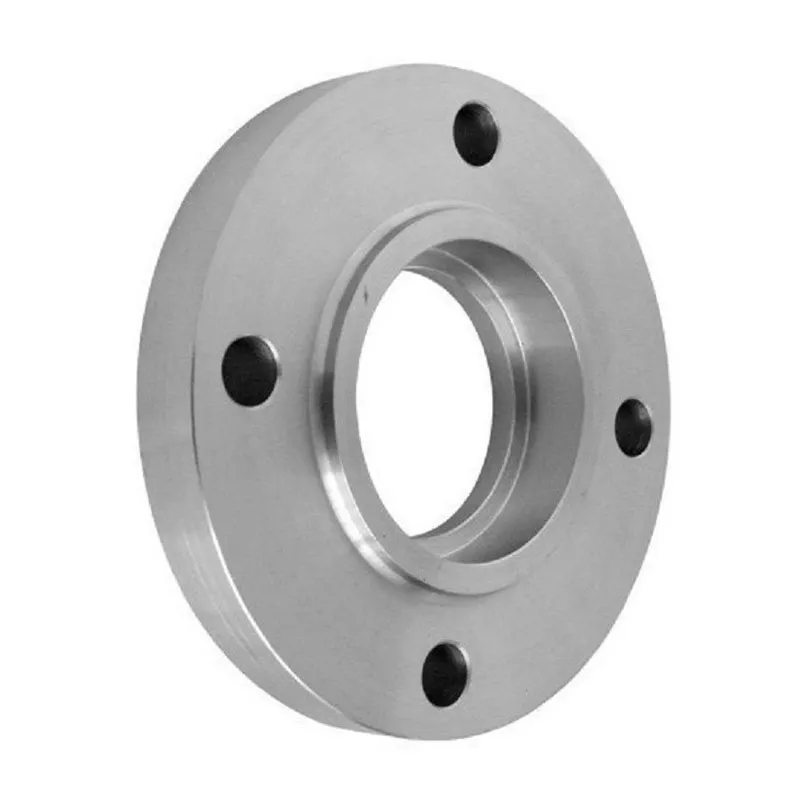
It would seem that what could be simpler than a standard flange? But even the mass nomenclature has its subtleties. Let's take the same flat flange. According to GOST 12820-80 for Ru 10 and Du 80, the outer diameter is 195 mm, the bolt circle diameter is 160 mm, the bolt diameter is M16, quantity is 4 pieces. Everything is clear. But what if this flange works in tandem with a butt flange from another device? Their connecting dimensions must match perfectly, otherwise there will be distortion and leakage.
Therefore, even for standard items, we often request certificates from suppliers with actual dimensions after machining. This is especially true regarding the parallelism of the sealing surfaces and the perpendicularity of the axis of the bolt holes to the plane of the flange. UShanxi Hongkai Forging Co.,Ltd, judging by the description, control at all stages - from the selection of the workpiece to finishing. This gives confidence that a batch of twenty pieces will be as one, and you won’t have to adjust each flange to its location.
And more about the material. Steel 20, 09G2S, 12Х18Н10Т? For ?25 atmospheres? and, say, temperatures up to 300°C, steel 20 is suitable. But if the medium is crude oil and gas with hydrogen sulfide, you need steel with special properties that is resistant to hydrogen sulfide cracking. The manufacturer who makes the forgings usually has the ability to offer different grades of steel or even perform heat treatment (normalization, tempering) to relieve internal stresses after forging.
Conclusions born of cones
So what is it in the end? flange 1 80 25?? This is not the name of the product, but a hint, a starting point for dialogue. These numbers should be followed by the question: “By what standard?” What is the working pressure and medium? What type and material??. Only after receiving answers can you formulate an accurate application.
Experience, including negative ones, has taught us not to skimp on such seemingly simple details as flanges. A reliable unit is assembled from reliable components manufactured with an understanding of their function in the system. Therefore, for critical applications we are increasingly looking towards specialized forging manufacturers such asShanxi Hongkai Forging Co.,Ltd. Their expertise in the field of forged flanges, willingness to work to international standards and manufacture custom products removes many headaches at the procurement and installation stage.
Next time, when I see the laconic “flange 1 80 25” in an application, I won’t guess. I will open a drawing of the assembly, clarify all the parameters and send the supplier not an abstract request, but a technical specification. And if there is no drawing, then you need to make one first. Because there are no small details in pipeline fittings, and every number in the designation must be painstakingly tested and verified.
Correspondingproducts
Related Products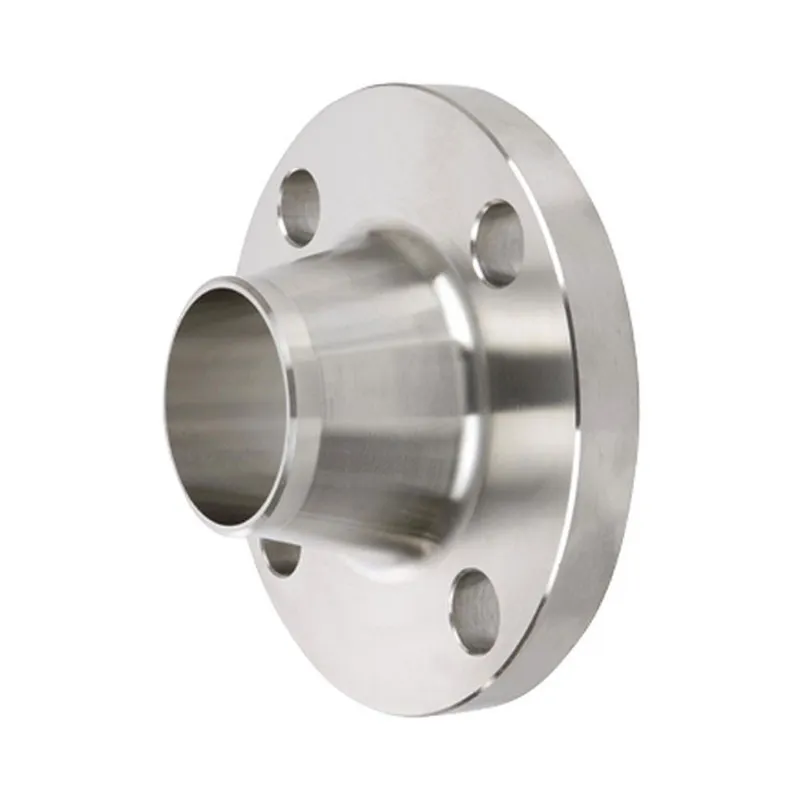
Best Sellingproducts
Best Selling Products-
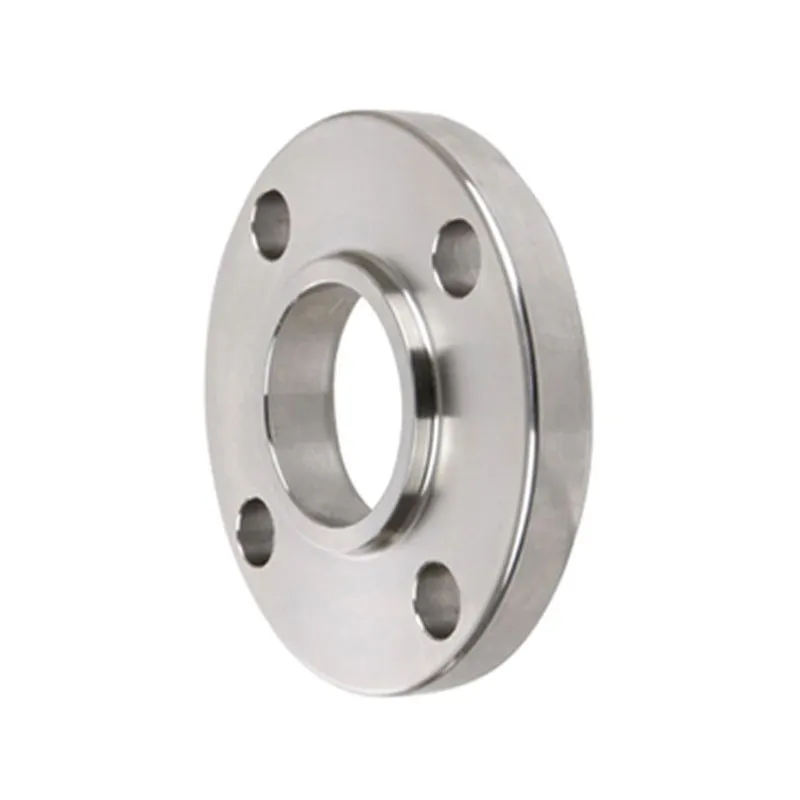 ANSI B16.5 Lap-on flanges Class 300
 -
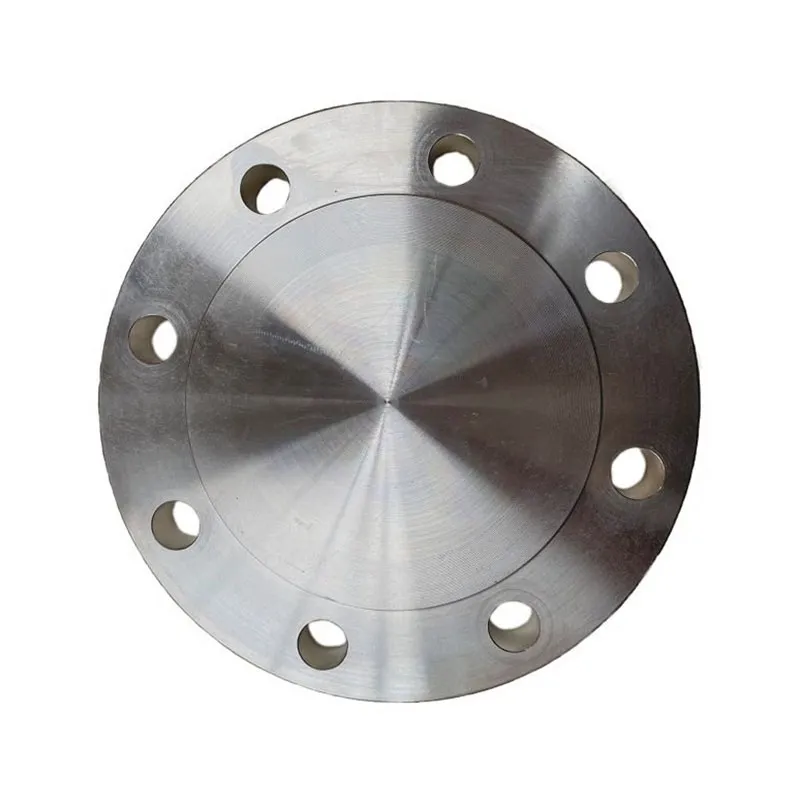
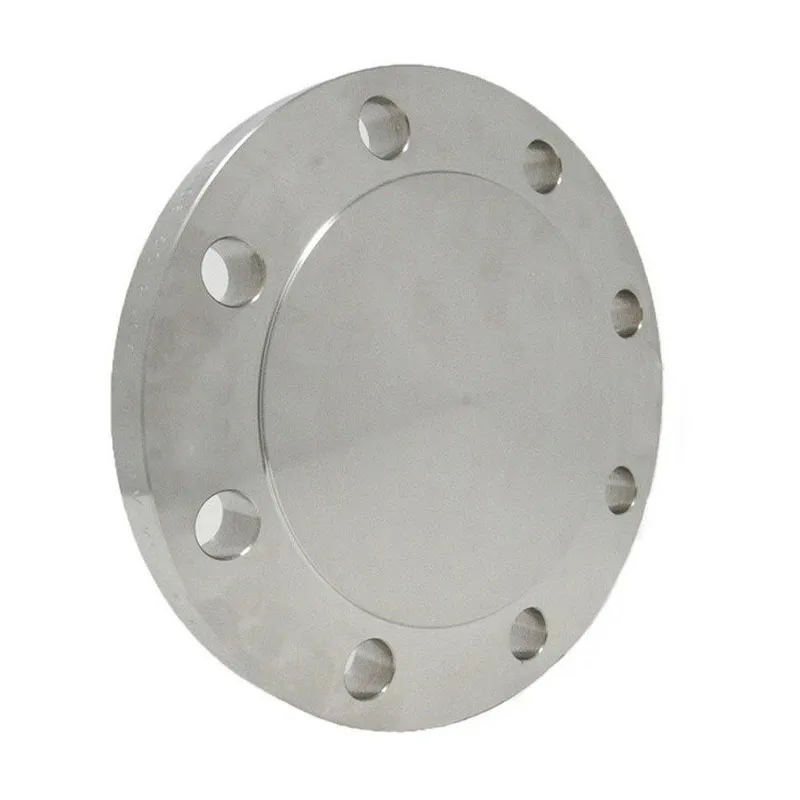 EN 1092-1 Blind flanges Type 05, PN10
 -
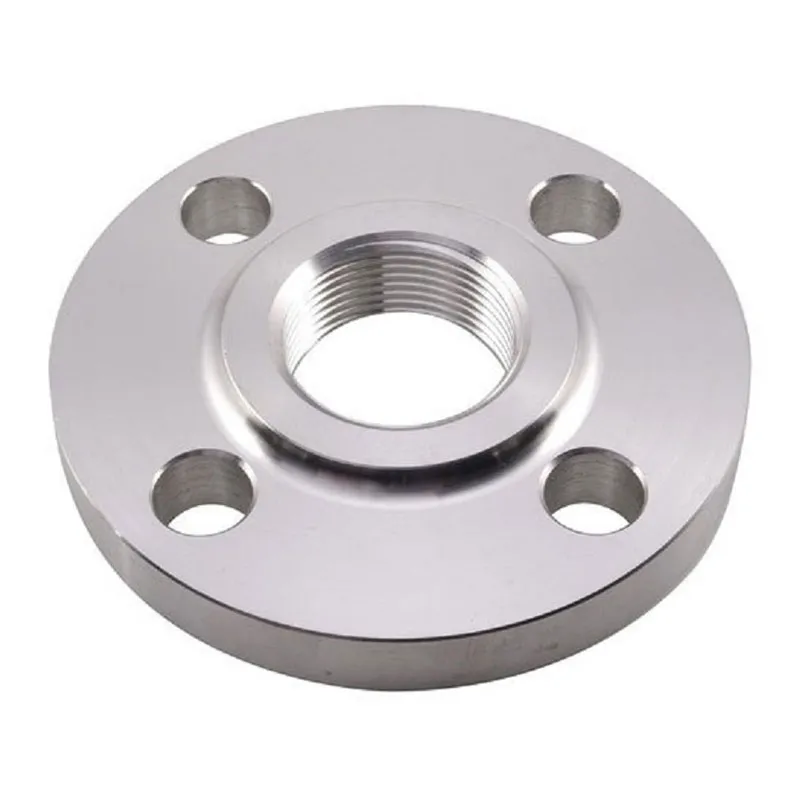 JIS 10K Overlay flanges
 -
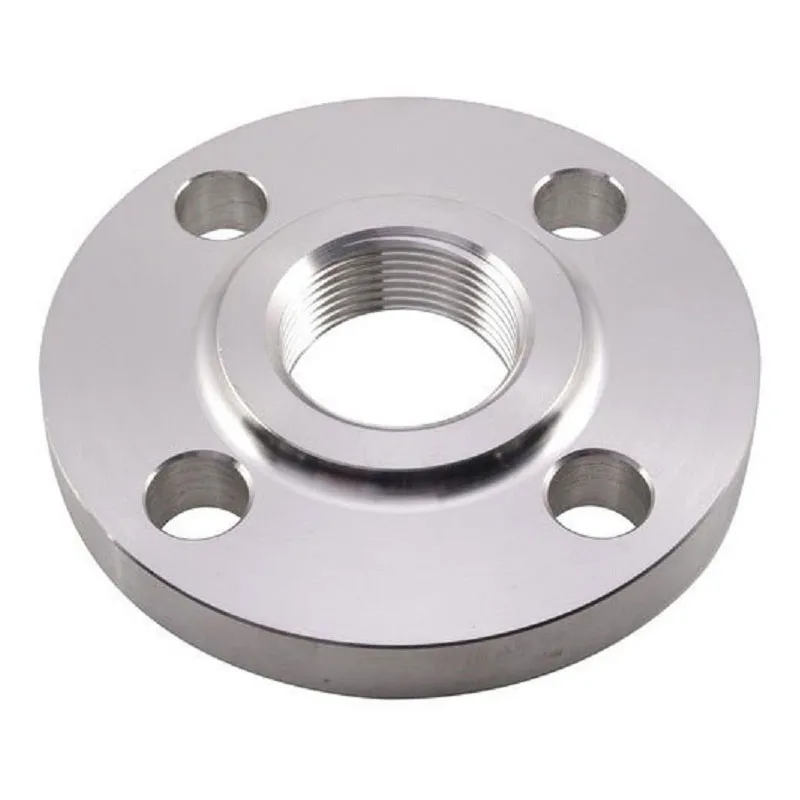 EN 1092-1 Threaded flanges Type 15, PN16
 -
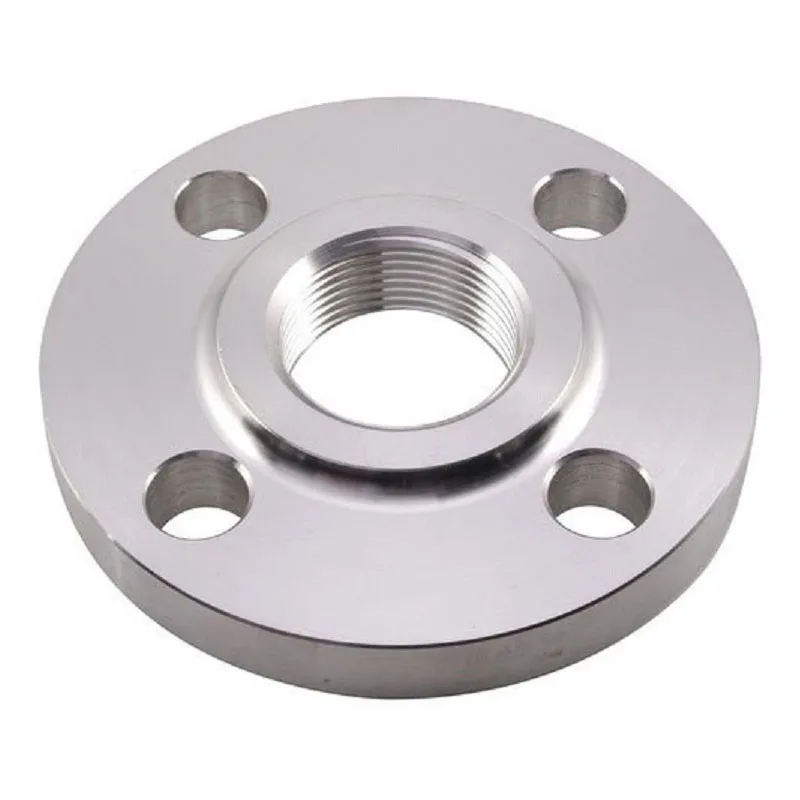 DIN 2566 Threaded flanges PN16
 -
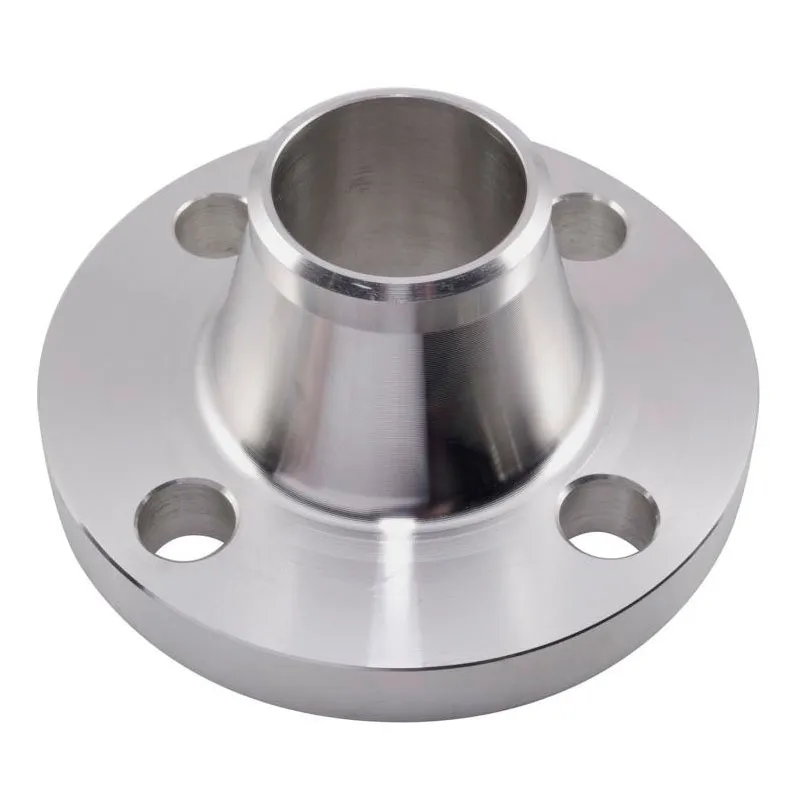 DIN Butt weld flanges PN10
 -
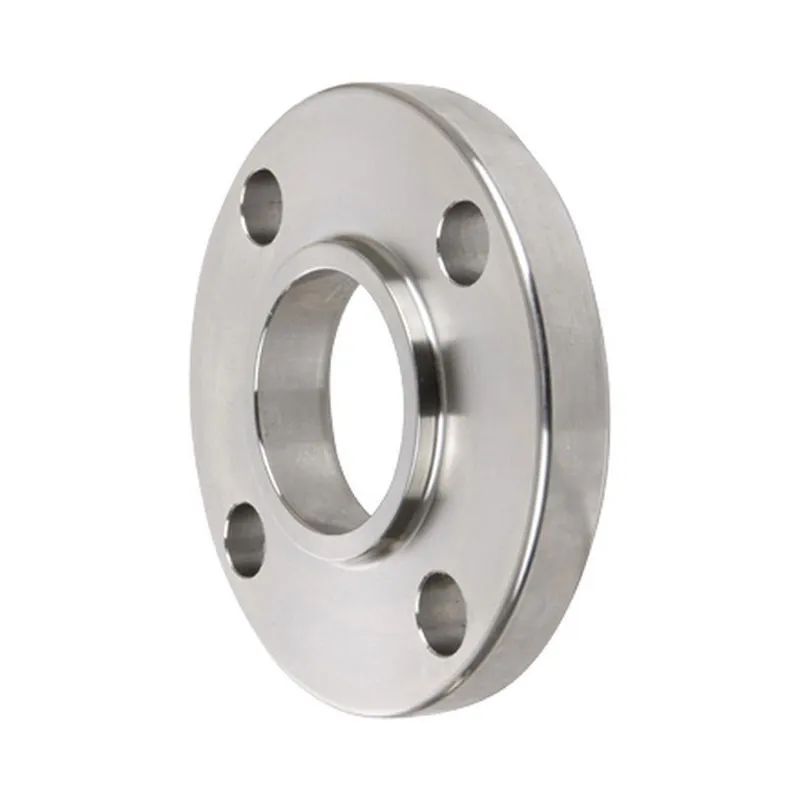 DIN 2501 Overlay flanges PN16
 -
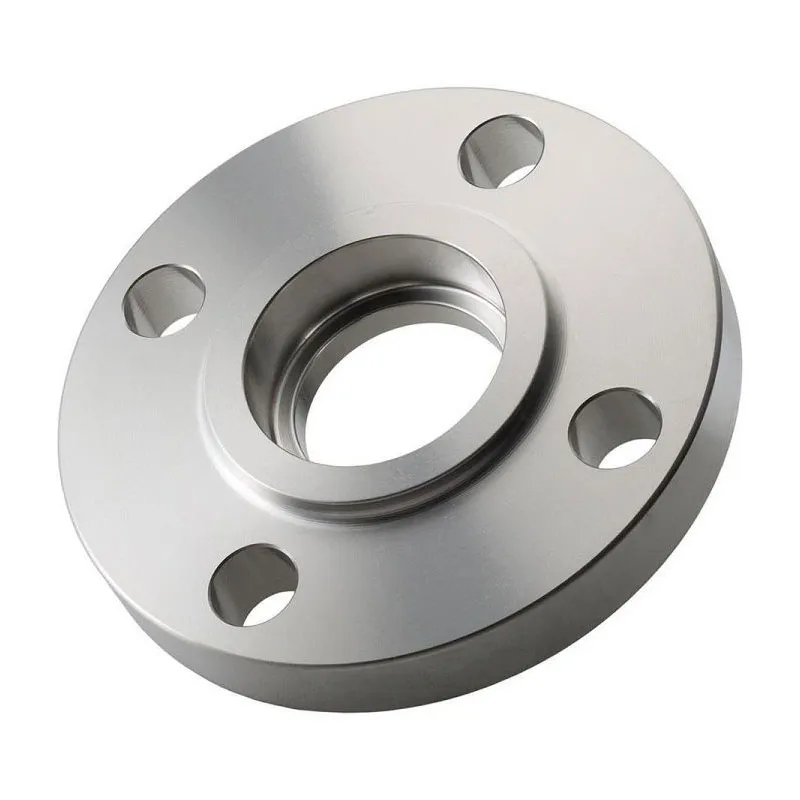 ANSI B16.5 Socket Weld Flanges Class 1500
 -
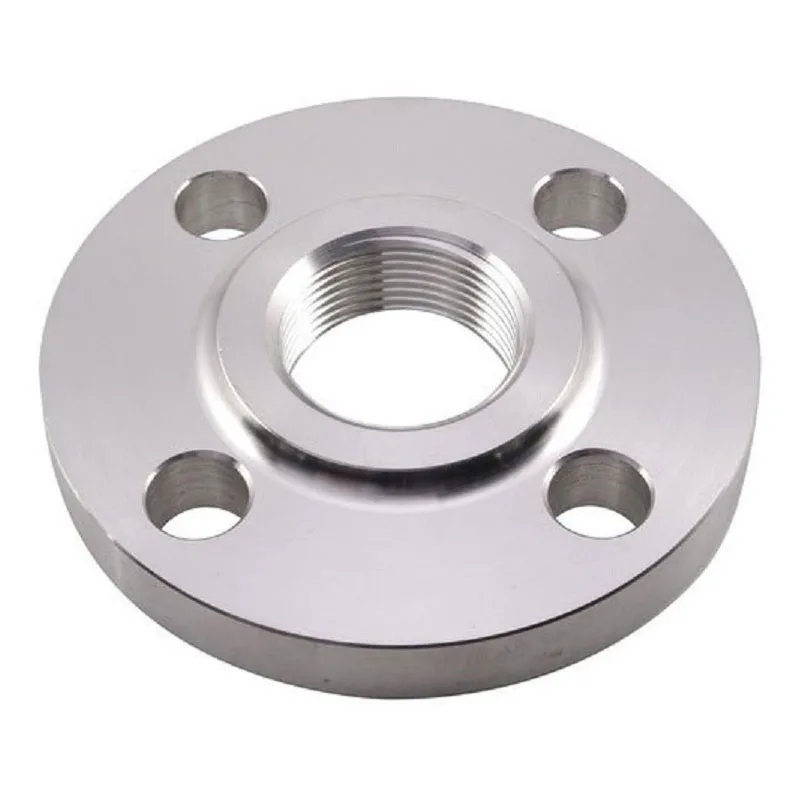 JIS 10K Threaded Flanges
 -
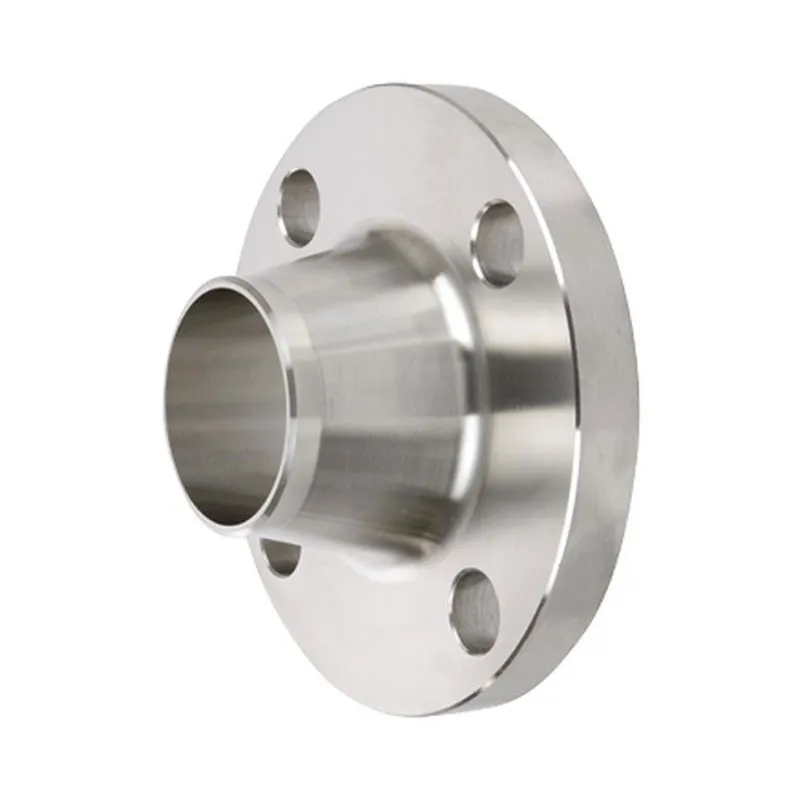 Ser.A Butt Weld Flanges Class 400
 -
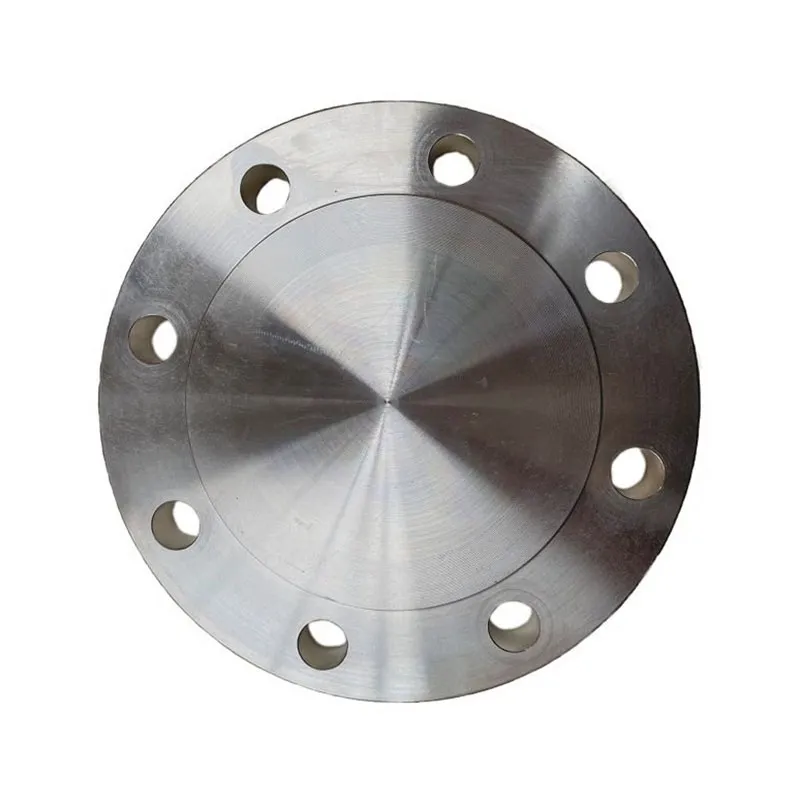 ASME B16.47 Ser.A Blind Flanges Class 400
 -
 ANSI B16.5 Loose Ring Flanges Class 2500