
-
-
Phone
+86-13623462298



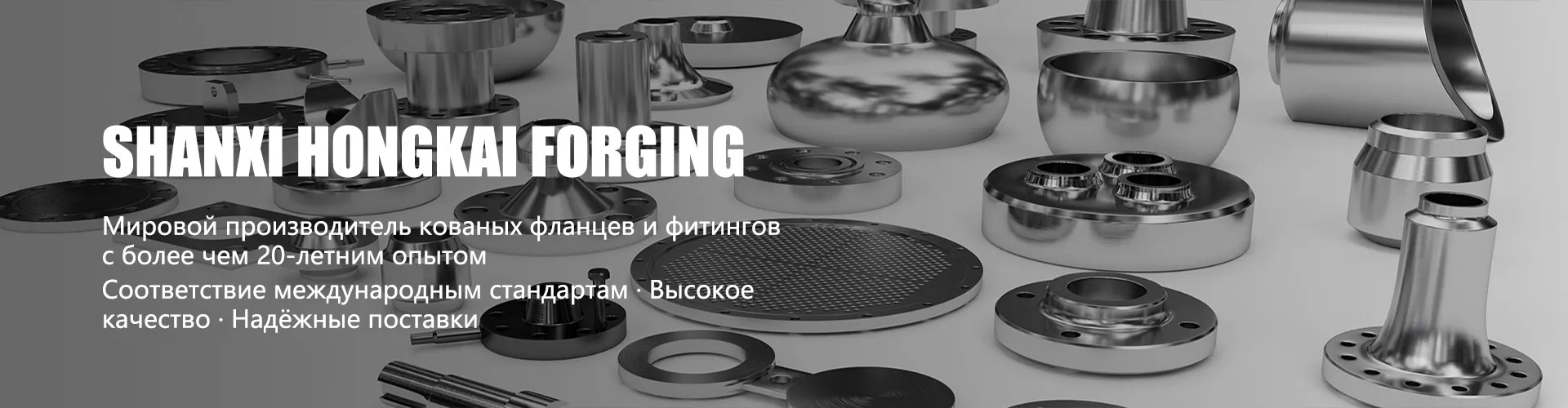
flanges 1400
When they say “1400 flanges,” many people immediately think of a simple cast disk with holes. In practice, especially in high-pressure main pipelines, this is a whole complex of engineering solutions. The most common mistake is to assume that the main thing here is the diameter, and the material and manufacturing technology are secondary. For a conventional DN1400 (this is approximately 1420 mm along the outer diameter of the flange), the difference between stamping and free forging can be the difference between a reliable unit for decades and an accident at the hydrotesting stage. At our site we somehow came across flanges from an unknown supplier, they seemed to be according to the drawing, but when they were being tied, they turned out to be cast, with internal stresses. Since then, I have paid special attention to the origin of a product of this caliber.
Why DN1400 is in a different league
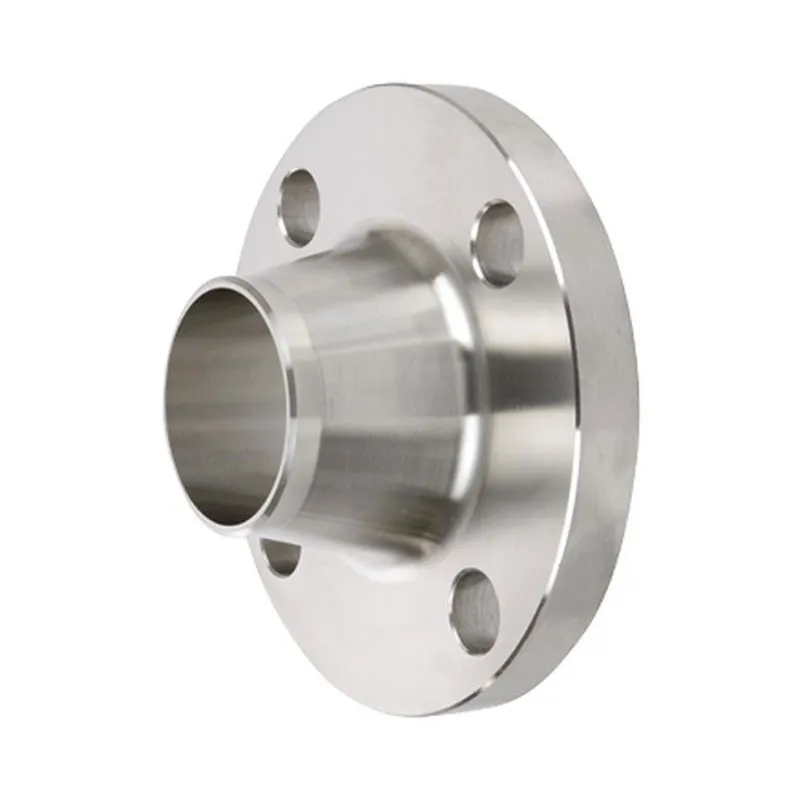
Once you cross the 1200 mm mark, you actually stop working with the “part?” and you start working with the “design”. The weight of one 1400 mm butt weld (WN) flange according to ASME B16.5 made of carbon steel easily exceeds 600 kg, or even more, depending on the pressure (class). It is no longer easy to deliver and install it - you need a detailed plan for logistics, lifting, and adjustment. The slightest distortion when welding to a pipe - and a leak is guaranteed. I remember how at one thermal power plant they struggled with a flange connection at the steam outlet: they took what was cheaper, and then patched it for six months, because the sealing surface (working surface) had micro-roughnesses, and the gasket was “eaten up?” per month.
Here you can no longer get by with ordinary steel 20. For medium and high parameters we are talking about alloy steels such as 09G2S, 12Х18Н10Т or even 15Х5М. And here lies the key point: how this steel was processed. Cold stamping for such grades and thicknesses is a road to nowhere; the material “remembers” stress and may crack. What is needed is hot volumetric forging, which crushes the cast metal structure and makes its fibers directed and homogeneous. This dramatically increases toughness and creep resistance. Therefore, in technical specifications for critical objects they increasingly often write directly: “forged flanges?”.
By the way, about standards. For 1400 mm, they often move away from conventional DN/PN to more specific ASME B16.47 Series A/B or GOST (to replace the old GOST 12820-80 for large diameters). The difference in the size of the mounting holes, thickness, and diameter of the concentric protrusions (rises) are little things that can stop the entire installation. Once I had to urgently drill out the hub by 2 mm, because they had delivered a flange according to ASME, and the pipe had a mating surface according to GOST. Time, money, hassle.
Experience with forged solutions and specific manufacturer
After that incident with cast flanges, I began to look for specialized manufacturers who focus specifically on forging. The company came into viewShanxi Hongkai Forging Co.,Ltd. Their websitehkflange.ruIt immediately makes clear its specialization: forged flanges and forgings. This is important because many factories do everything, but here is the focus. They position themselves as a manufacturer from one of the centers of the forging industry in China, which usually means access to serious presses (thousands of tons) and furnaces for proper heat treatment.
What attracted them to their approach was its openness to standards. The nomenclature includes GOST, ASME, EN, and DIN. Forflanges 1400this is critical, since the project can be either Russian or internationally funded. The mentioned range up to DN4000 suggests that they work with really large products, where experience in processing massive forgings is invaluable.
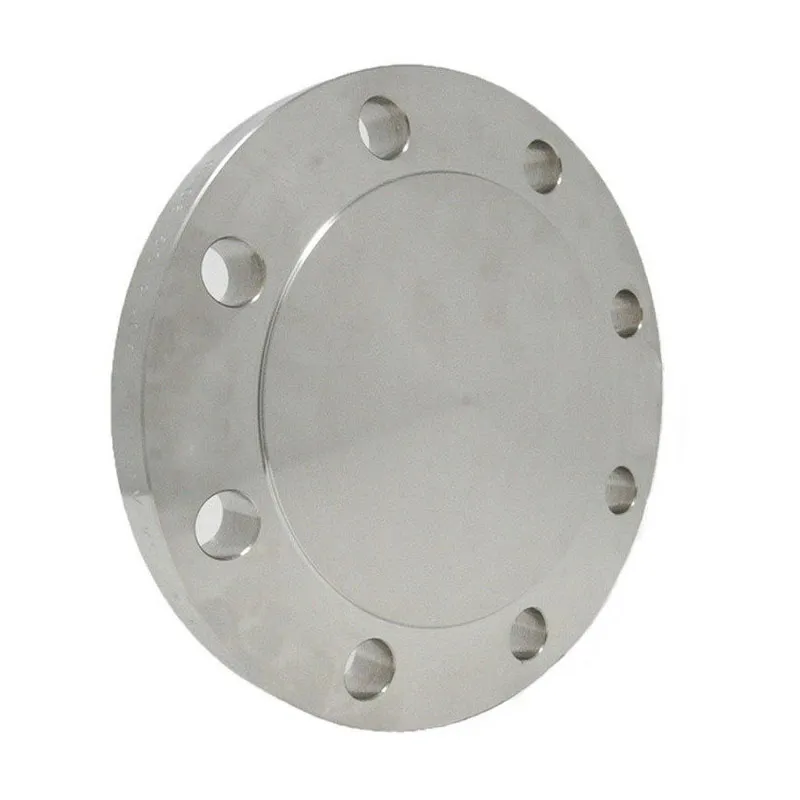
We once ordered a trial batch of 1400 mm blind flanges (BL), ASME class 150, made of A350 LF2 steel for low temperatures. It came not just a product, but with a full package of documents: a material certificate, ultrasonic testing reports, mechanical test reports. The quality of the surface for the gasket itself was excellent, without any cavities. But the main thing is that after machining (we ourselves bored out the groove for the gasket), no warping occurred, which indicates that internal stresses were relieved after forging and normalization.
Nuances that are not written about in catalogs
Working with such dimensions, you understand that theory from a textbook and practice on a construction site are two different things. For example, transportation and storage.Flange 1400- it's almost like a big wheel. If you lay it flat on the ground without pads, it may “sag?” from its own weight, especially if it is flat (SO). We always require packaging in a wooden lattice cage so that all holes can be raftered evenly.
Another point is fasteners. For a 1400 mm flange, say, PN40 pressure, there can be 32 M36 bolts. And they all must be tightened with a certain torque, sequentially, according to the “star” pattern. If the flange itself has even minimal unevenness in thickness (variation in thickness), it is unrealistic to achieve uniform compression of the gasket. Therefore, control of geometry after machining is not a whim, but a necessity. At the sameShanxi Hongkai Forging Co.,Ltdin the description there is a phrase about manufacturing according to customer drawings, which implies precisely such an individual approach to size control, and not just shipment of standard products from a warehouse.
And of course, welding. A butt weld flange for a 1400 mm pipe is a weld that takes several days to complete. Preheating, multi-layer welding, interpass temperature control, then stress-relieving heat treatment (tempering). If the geometry of the flange shank (collar) is not ideal, fitting it to the pipe will take welders a lot of time and gas cutting. Therefore, high-quality mechanical processing of the rear part for welding is as important a criterion as the front sealing surface.
When standards are not enough: non-standard tasks
There are situations when the standard flange in the catalog is not suitable. Let's say you need to connect a 1400 mm pipe with a device that has a non-standard location or size of holes for the studs. Or a transition flange is required, from one diameter to another, but with different pressures. This is where the flexibility of the manufacturer is tested.
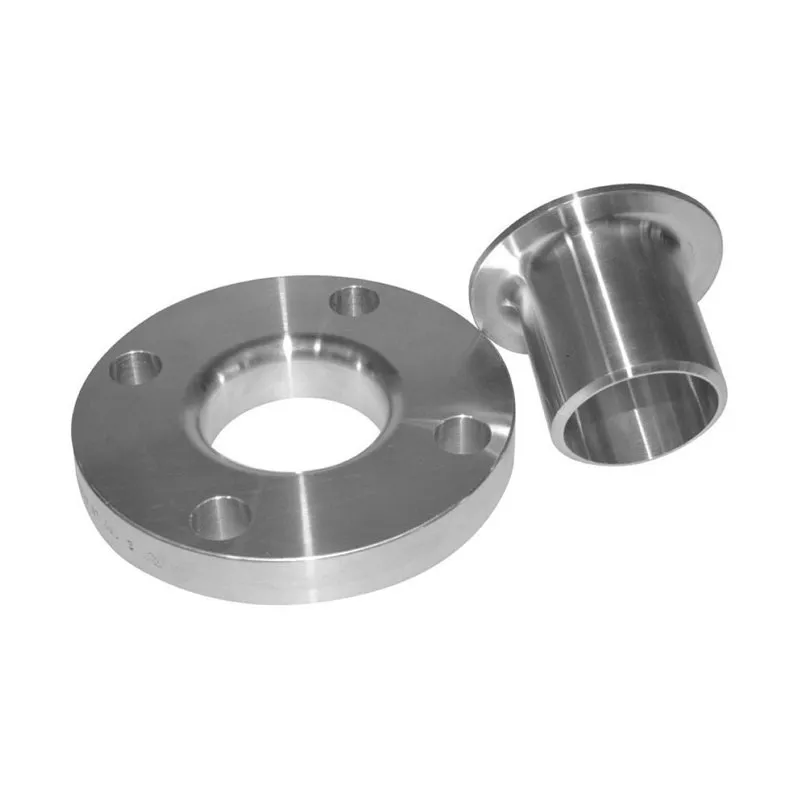
In one of our projects to modernize an oil pumping station, a loose flange on a ring (loose flange with a lap joint stub end) of 1400 mm was required, but due to cramped installation conditions, the thickness of the ring had to be increased by 30% without changing the landing diameter. We came up with this drawing. It took time to make, but they did it. It is important that they agreed on the choice of steel grade, since the increased thickness changed the heat treatment regime to preserve properties.
This is an indicator of the level: not just sell what you have, but delve into the task. On the websiteShanxi Hongkai Forging Co.,Ltdit is directly stated about non-standard products according to drawings, and this is not just a nice phrase. For large diameters, such a service is often the only option.
Final Considerations: What to Look for When Choosing
So, to sum up the informal results.Flanges 1400- This is not a product for spontaneous purchase at a minimum price. This is an investment in the safety and continuity of the entire pipeline assembly. The first thing I always look at now is manufacturing technology. Forging, and specifically volumetric. The second is the completeness of the control documentation package (certificates, NDT reports). Third, the manufacturer’s ability to work under non-standard conditions and provide technical advice.
Experience working with suppliers such as the one mentioned shows that reliability consists of little things: correct packaging, strict compliance with the drawing (even in grooves for gaskets), transparency in terms of deadlines. The price, of course, is higher than for cast analogues, but the cost of possible downtime or repairs due to a failed connection is incomparable.
Ultimately, choosing a 1400mm flange is a technical decision, not a purchasing transaction. And it must be made with the participation of engineers who understand what is behind this number in the specification. This is not just a disk with holes, it is a key node on which it depends whether what is supposed to flow through the pipe in the right direction and without losses.
Correspondingproducts
Related Products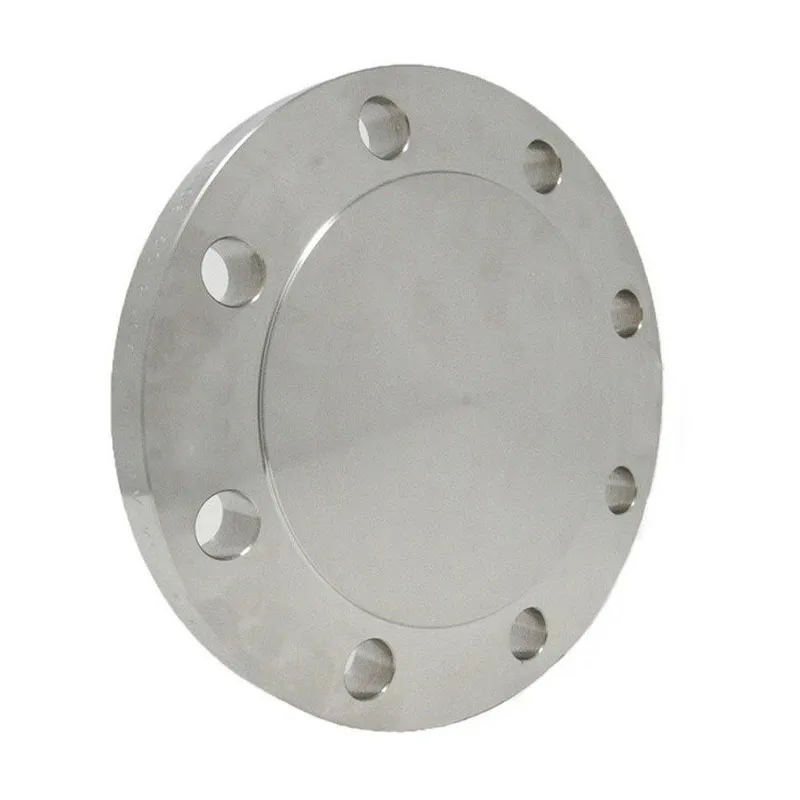
Best Sellingproducts
Best Selling Products-
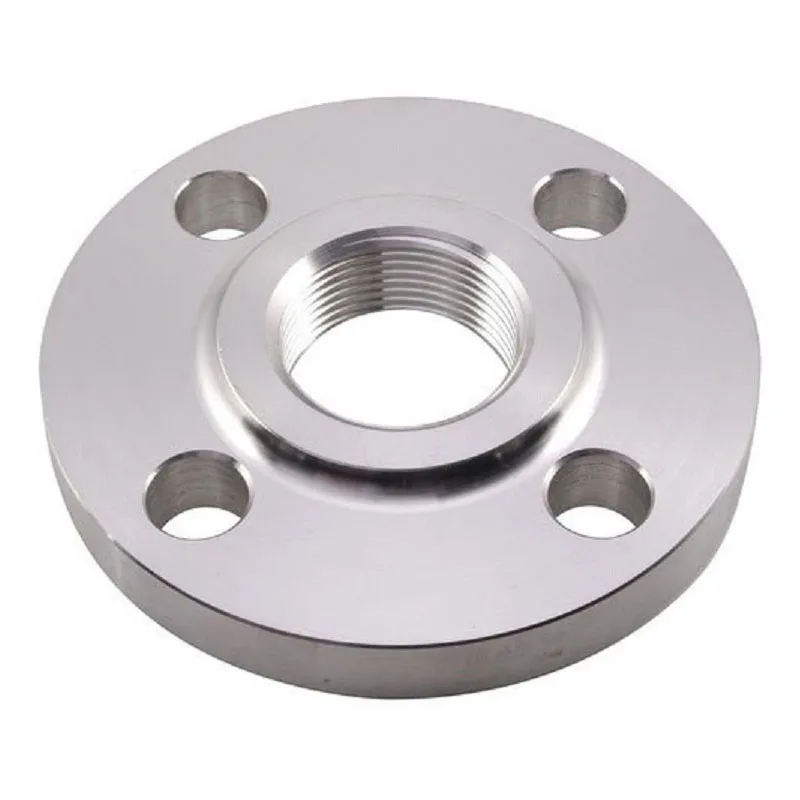 DIN 2566 Threaded flanges PN16
 -
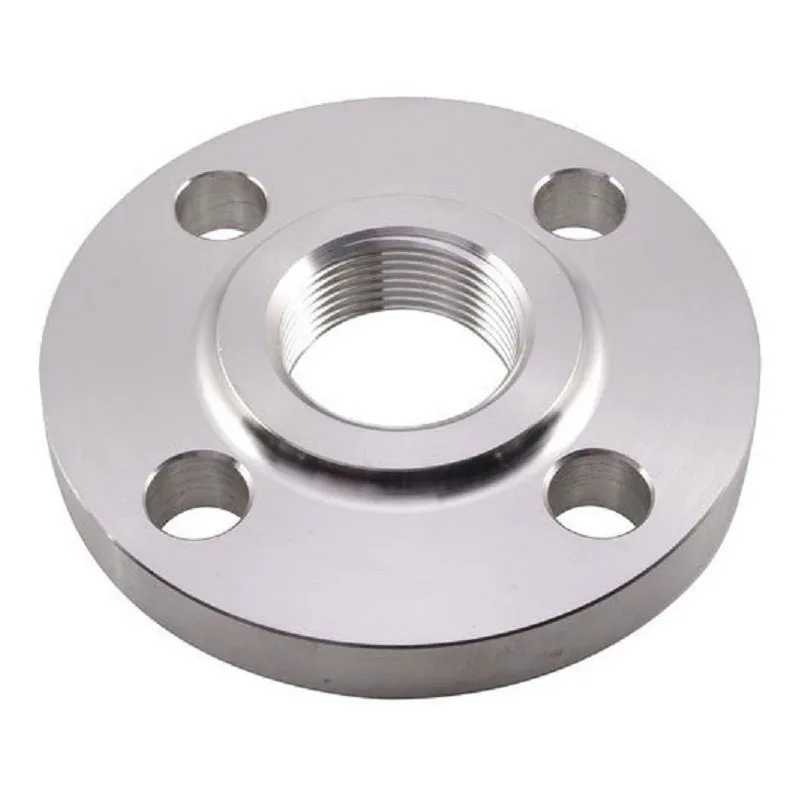 ANSI B16.5 Threaded Flanges Class 600
 -
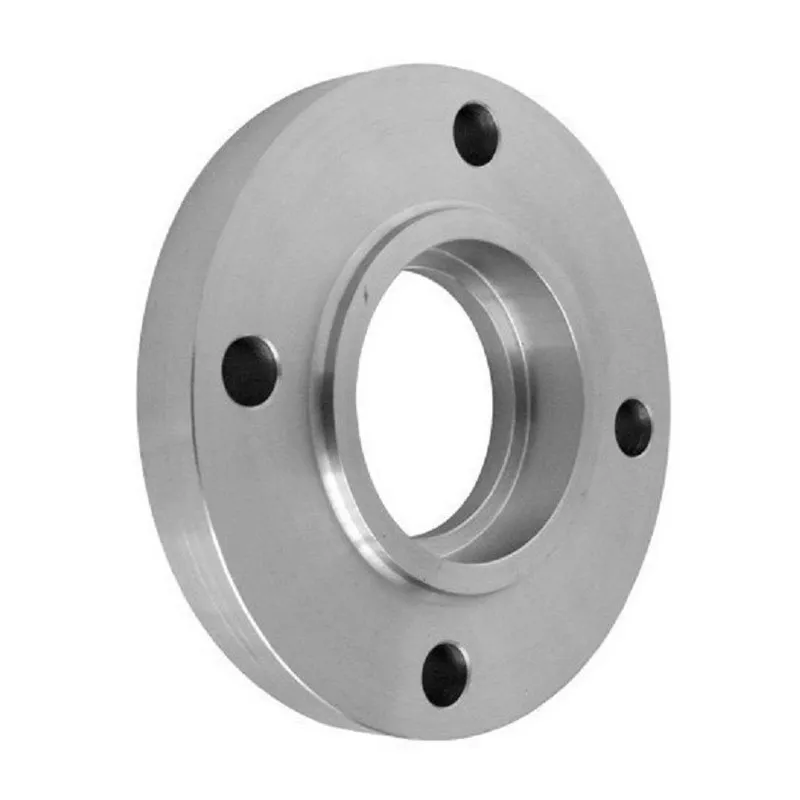 JIS 5K Socket Weld Flanges
 -
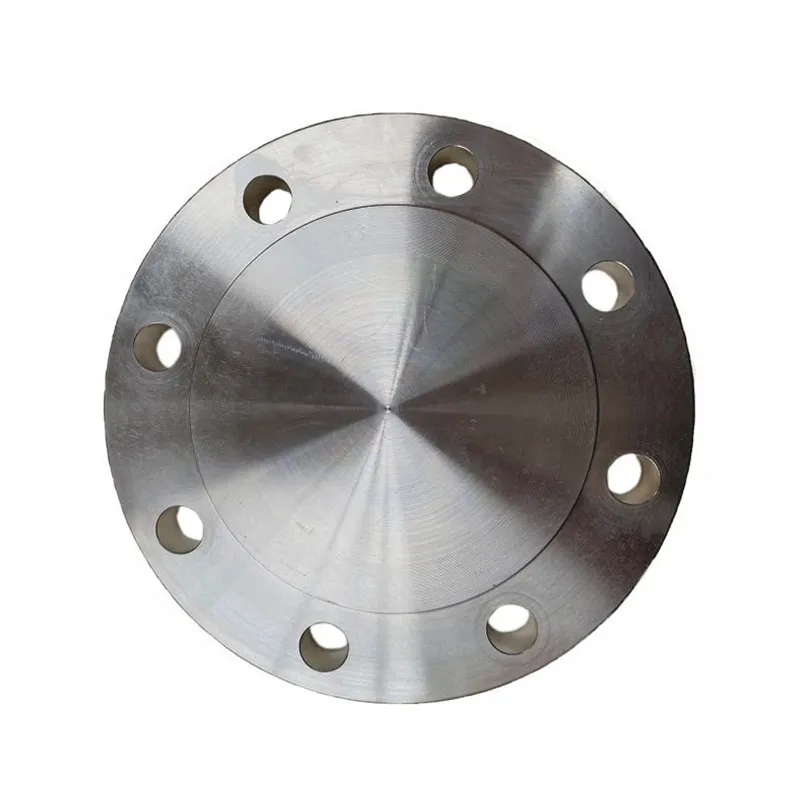 DIN 2527 Blind flanges PN10
 -
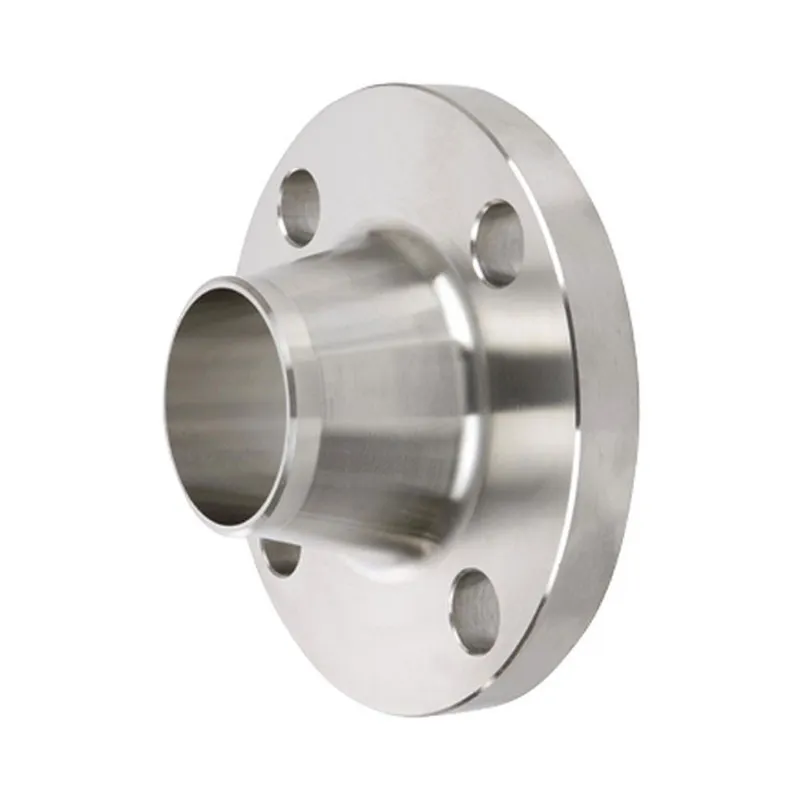 EN 1092-1 Butt weld flanges Type 11, PN25
 -
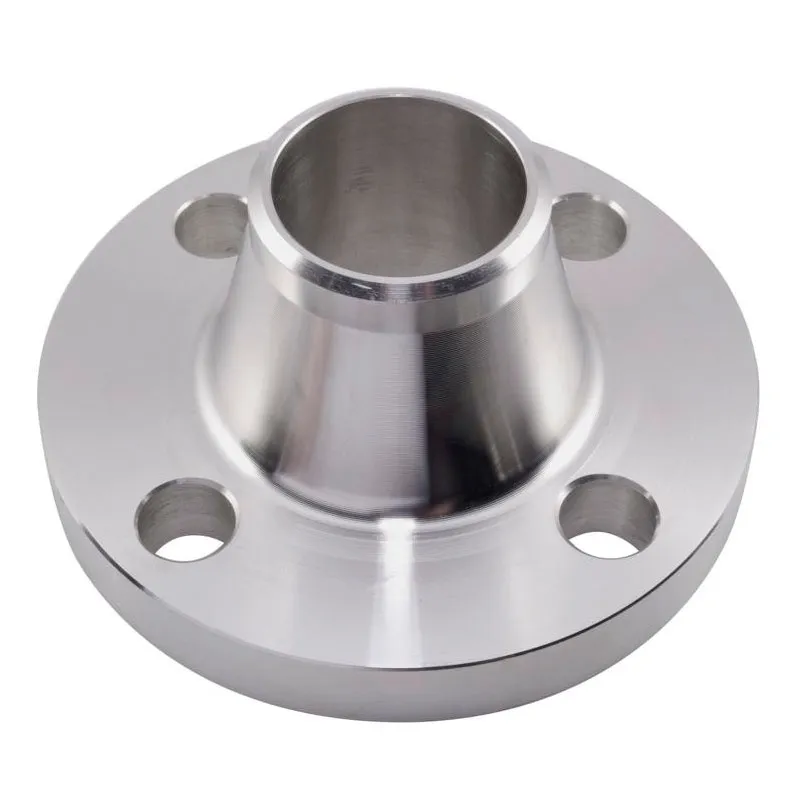 Butt weld flanges Class 900
 -
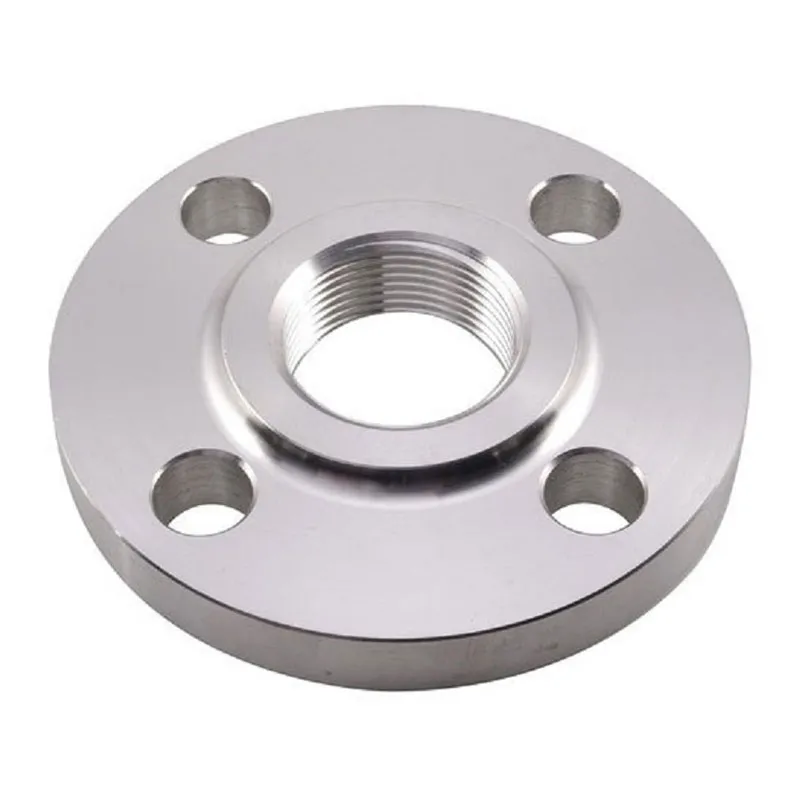 JIS 10K Overlay flanges
 -
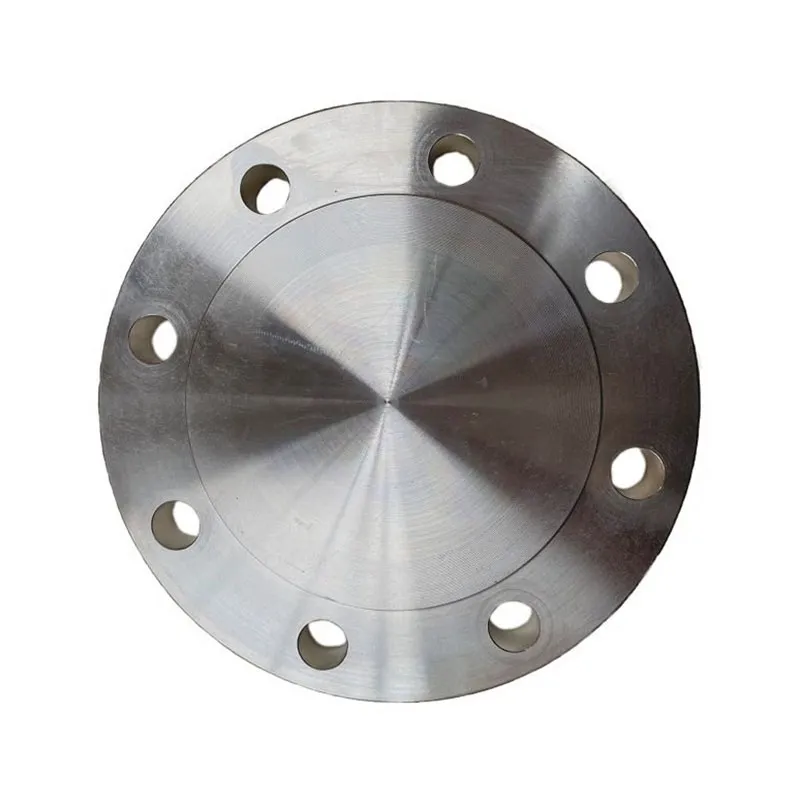 ASME B16.47 Ser.A Blind Flanges Class 400
 -
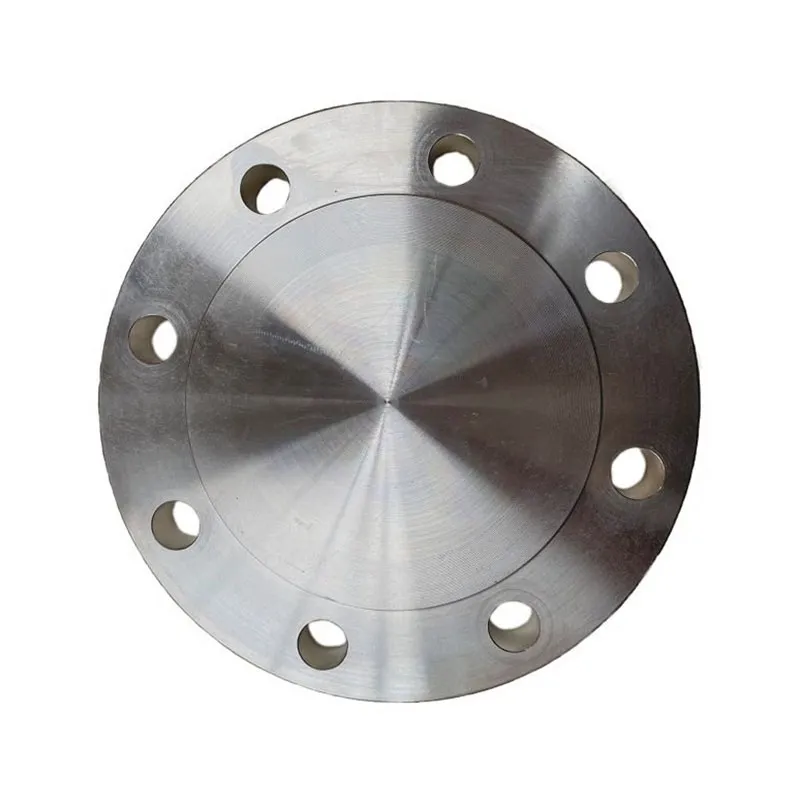 UNI 6092 Blind flanges PN10
 -
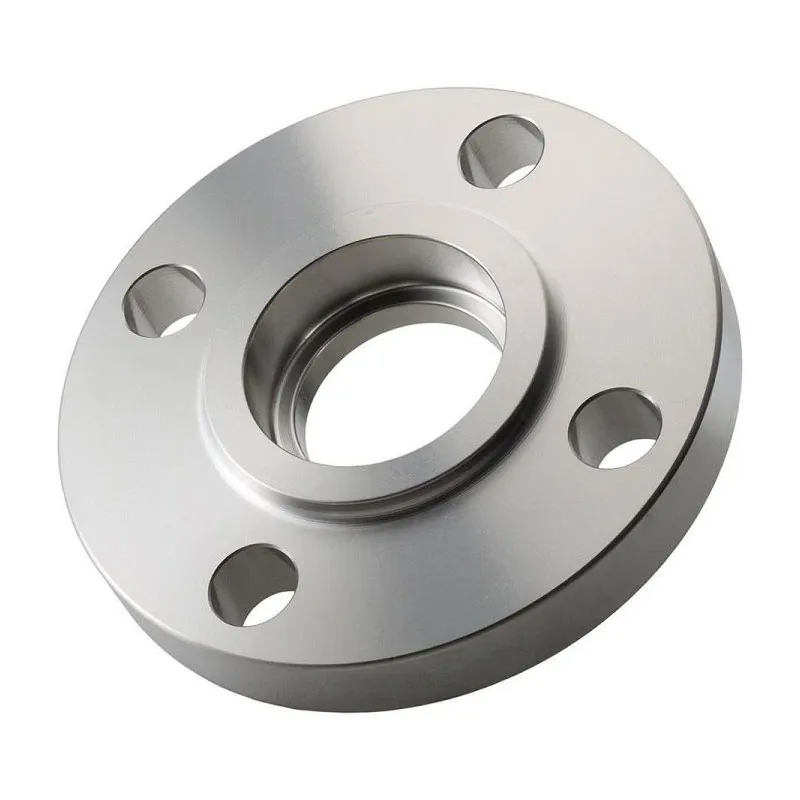 ANSI B16.5 Socket Weld Flanges Class 150
 -
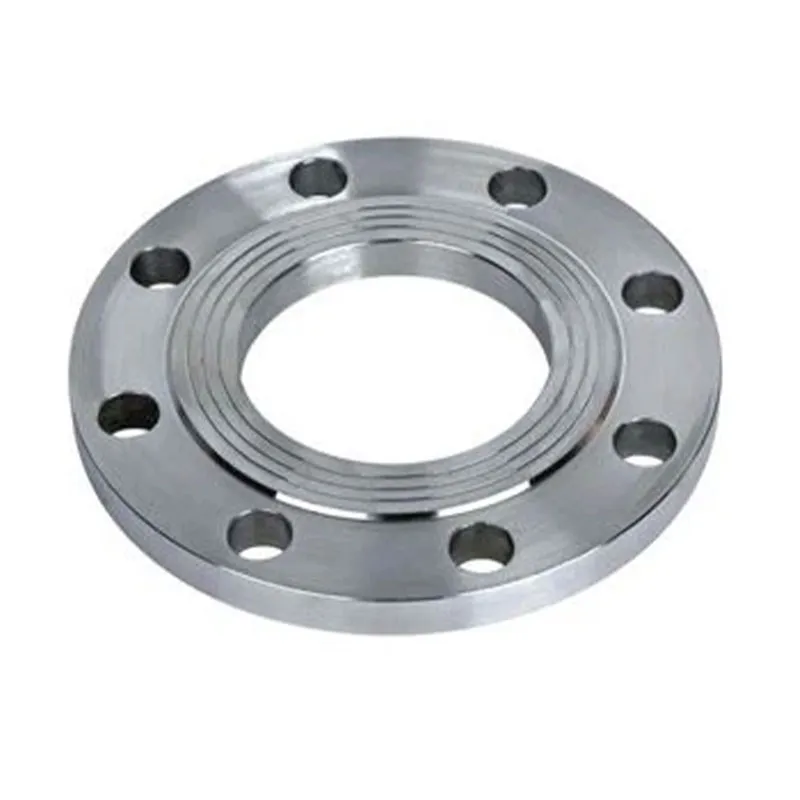 Butt weld flanges Class 150
 -
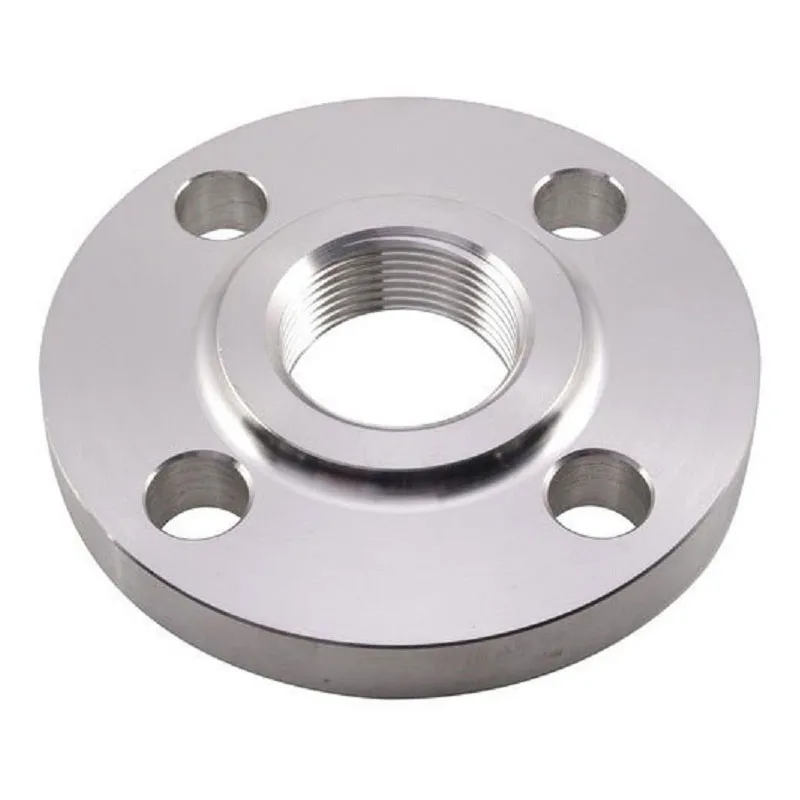 EN 1092-1 Threaded flanges Type 15, PN16