
-
-
Phone
+86-13623462298




flange 1 80 6
When you see a request like “flange 1 80 6?”, the first thing that comes to mind is most likely a search for a specific standard size using some old drawing or specification. But here’s the catch: such a record, without specifying a standard, can be interpreted in different ways. This is often meantflangefor a nominal diameter, say, DN80, for a pressure of 6 kgf/cm2 (or, more likely, PN6 according to the modern classification), and, possibly, version 1 according to some outdated GOST or TU. But this is already a matter of speculation. In practice, without a full designation - standard, type, material - working with such markings is risky. I myself have encountered more than once when “the same 1-80-6 flange” was brought to the site, but it did not fit the mating part in terms of mounting dimensions or thickness. It turned out that the customer had in mind a design according to the old industry standard, and we shipped according to GOST 12820-80 at PN6. The difference is a few millimeters in the diameter of the bolt circle - and that’s it, the installation is complete. Therefore, now I have clearly understood for myself: any numbers without context are a reason for a clarifying call, and not for automatic selection from a catalog.
From labeling to substance: what lies behind the numbers?
If we put aside the uncertainty, then in most cases, when in Russian practice they say “1-80-6?”, we are talking about a steel flat welded flange (type 1 according to the old GOST 12820-80) on DN80 for pressure PN6. But here it is important to understand the evolution of standards. The same GOST 12820-80 is outdated, it was replaced by GOST (based on EN 1092-1). And if you are looking for an exact analogue for a replacement or a new project, you need to look at the designation, for example, Flange 1-80-6 Art. 20 GOST 12820-80. The key parameter is pressure. PN6 (6 bar) is a relatively low pressure; such flanges are often used in water supply, ventilation systems, and in non-aggressive environments at low temperatures. The material is usually carbon steel type St20 or 09G2S for the northern version.
But here's a nuance that many people miss: the designation itself ?PN6? after the transition to European standards, it means test pressure, not working pressure. The operating pressure for the same PN6 flange made of carbon steel at temperatures up to 120°C can be higher, about 10 bar. This often leads to confusion in calculations. I remember a case at one boiler house, where the designers, accustomed to the old kgf/cm2 system, installed PN6 flanges in an area with a nominal pressure of 10 atm. at 150°C. Formally, according to the new standard, this was already a risk zone. It’s good that the installers paid attention and asked for a recalculation. As a result, they replaced it with PN10 flanges, although initially the same mysterious “1-80-6” was listed on the list.
Another point is the design of the sealing surface. For a flat welded flange according to the old GOST, this is usually version A (smooth surface) or B (with a projection). This is often not indicated in specifications, but for the tightness of the connection, especially with soft gaskets (paronite, rubber), this is critical. I had to somehow deal with a leak in the cold water pipeline right at DN80. The flange had a smooth surface, and the gasket was spiral-wound, which requires a projection. We changed it to a rubber gasket and the problem went away. So these six numbers in the request are just the tip of the iceberg.
Practice of selection and logistics: where and how to look for what you need
When you need to find such a flange not for show in the specification, but for actual installation tomorrow, the fun begins. The market is flooded with offers, but quality and compliance are a big question. Many times I have seen products where the bolt holes are offset by a couple of degrees, or the thickness of the disk does not meet the standard. This then results in distortions and additional efforts during screeding. Therefore, I have long preferred to work with trusted manufacturers who provide clear tracing according to standards. One such resource that often turns out to be useful is the websiteShanxi Hongkai Forging Co.,Ltd (https://www.hkflange.ru). This is not an advertisement, but a statement of fact: when large quantities or non-standard sizes under pressure are needed, their catalog with filtration according to GOST, ASME, DIN comes to the rescue. They position themselves as a manufacturer of forged flanges and forgings from one of the main centers of the forging industry in China, and what is important is that they declare production in accordance with international and national standards, including our GOST.
Specifically, according to our “flange 1-80-6”: on their website you can relatively quickly find an analogue, knowing what you are looking for. Their product range includes flat welded flanges (the same type 1) in a wide range of sizes from DN15 to DN4000. For DN80 and pressure PN6 (or Class 150) they are usually in stock in Russia or produced to order. The price tag is often competitive compared to some domestic warehouses, especially if purchased in bulk. But the main thing for me is the ability to request certificates of conformity and a mechanical test report. For responsible facilities this is a must-have.
However, there are pitfalls here too. Working with a foreign manufacturer, even with a representative office in the Russian Federation, requires time for logistics. If you need a flange “yesterday”, then warehouse balances in Moscow or Yekaterinburg are a lifesaver. But if the project is planned and we are talking about hundreds of pieces, then a direct order from the manufacturer, the sameShanxi Hongkai Forging Co.,Ltd, may be more profitable. It is only important to draw up a clear technical specification: not “flange 1-80-6”, but a full designation indicating the standard, material, type of surface, possibly the need for heat treatment or control and measurement operations. Their profile is precisely manufacturing according to customer drawings, which is invaluable for non-standard solutions.
Non-standard situations and adaptation to the task
In life, everything rarely goes according to the textbook. It happens that a flange is needed to connect old equipment where the dimensions do not fit into modern standards. Or modification is required. A classic example is the need to increase the number of holes for studs for more uniform pressure under high vibrations. Simply taking a standard PN6 DN80 flange and drilling additional holes in it is a bad idea. The structure will weaken and a stress crack may occur. The right way is to order a non-standard product. This is where production services from drawings, which are offered by many serious factories, including the mentioned company, come in handy. We once ordered flanges from them with a transition from DN80 to DN100, and even with offset axes, for the reconstruction of a pipeline. They were made according to our sketches, from material 09G2S, with ultrasonic testing of welds (if it was a welded assembly). It turned out to be more expensive and longer, but the connection has been working for the fifth year without a hint of leakage.
Another common scenario is working in hostile environments. Standard flange from St20 for ?flange 1-80-6? not suitable, say, for weak solutions of acids or alkalis. You need stainless steel, for example, 12Х18Н10Т. And here the question of labeling arises again. The specification must clearly state: Flange 1-80-6 st. 12Х18Н10Т GOST 12820-80. And when ordering, this needs to be emphasized, because many suppliers roll carbon steel by default. The same manufacturer that we are considering has a product range, judging by the website, that can be manufactured from various grades of steel, which expands the scope of application.
Sometimes the problem is not in the flange itself, but in the accompanying materials. Bolts, nuts, washers - their strength class must correspond to the pressure. For PN6 on DN80, bolts of strength class 4.6 are usually sufficient, but if the ambient temperature is above 100°C, it is better to look towards 5.6 or 8.8. And, of course, the gasket. For water and steam up to 120°C - paronite, for higher temperatures - fluoroplastic or graphite. An incorrectly selected set of fasteners and seals will negate all the benefits of a quality flange. This is the little thing that many installers stumble over when rushing to complete the task.
Conclusions and final thoughts
So what is ?flange 1 80 6?? This is not a product item, but rather a hint, a starting point for a dialogue between an engineer, supplier and manufacturer. This is a reminder that there should be no room for ambiguity in technical documentation. For effective operation, you need to require full designation, check the geometry against standard tables, and take into account operating conditions - pressure, temperature, environment.
From a practical point of view, the search and acquisition of such an element today is not an insurmountable task. The presence on the market of large manufacturers with clear standardization, such asShanxi Hongkai Forging Co.,Ltd, which offer products in accordance with GOST, ASME, EN and other standards, simplifies the process. Their ability to make products according to individual drawings is insurance against non-standard situations. The main thing is not to be lazy in formulating your request in as much detail as possible and checking the accompanying documentation.
Ultimately, even such a seemingly simple assembly as a flange requires a careful, thoughtful approach. Experience suggests that half an hour saved at the selection and verification stage can result in days of downtime at the site later. Therefore, let the request ?flange 1-80-6? will remain in the history of search engines, and working documents and applications will contain clear, complete technical specifications. This will save headaches for all participants in the process.
Correspondingproducts
Related Products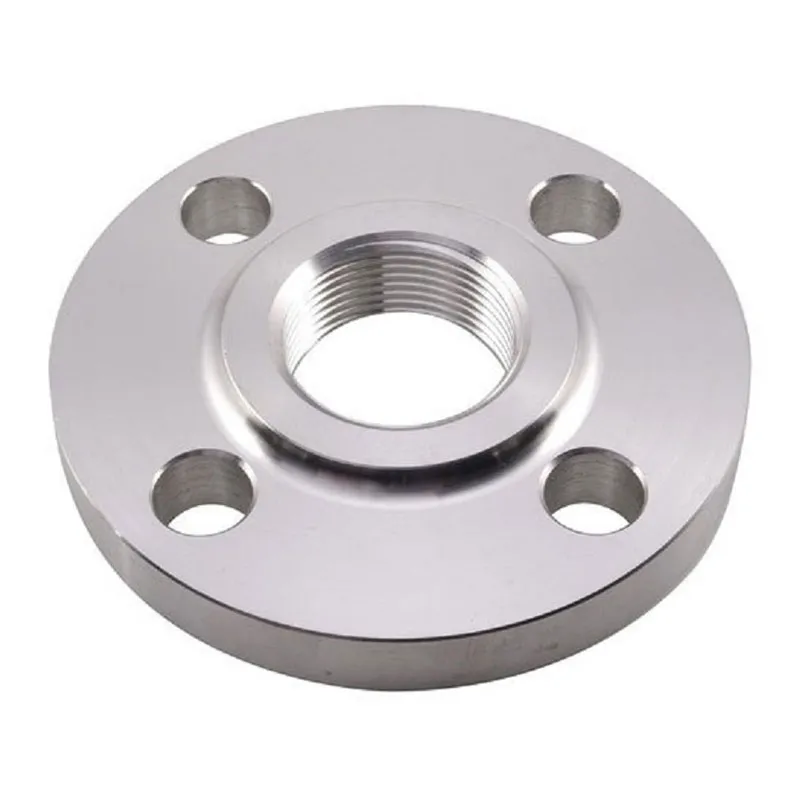
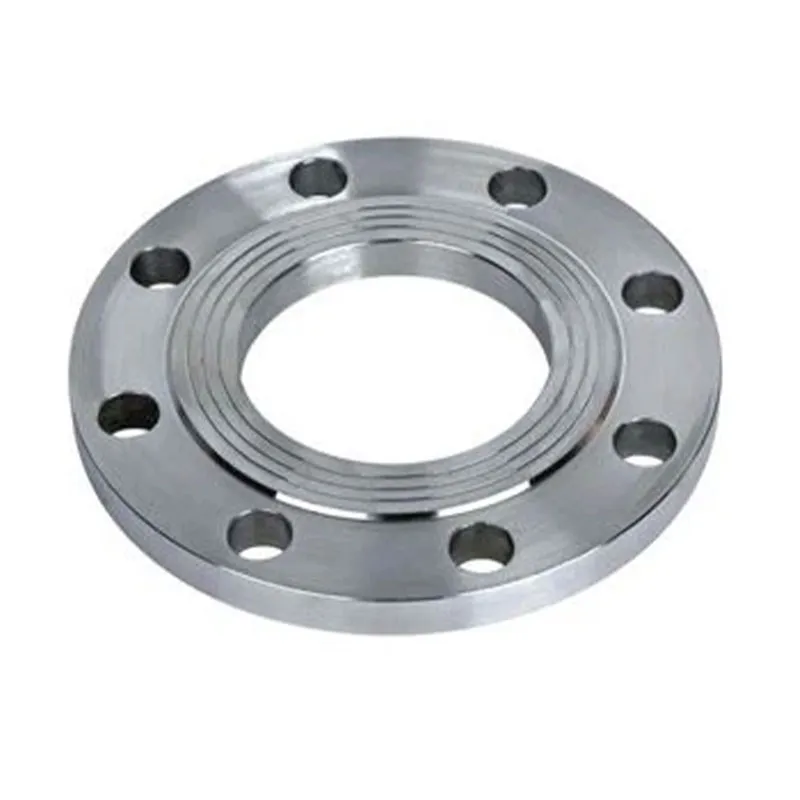
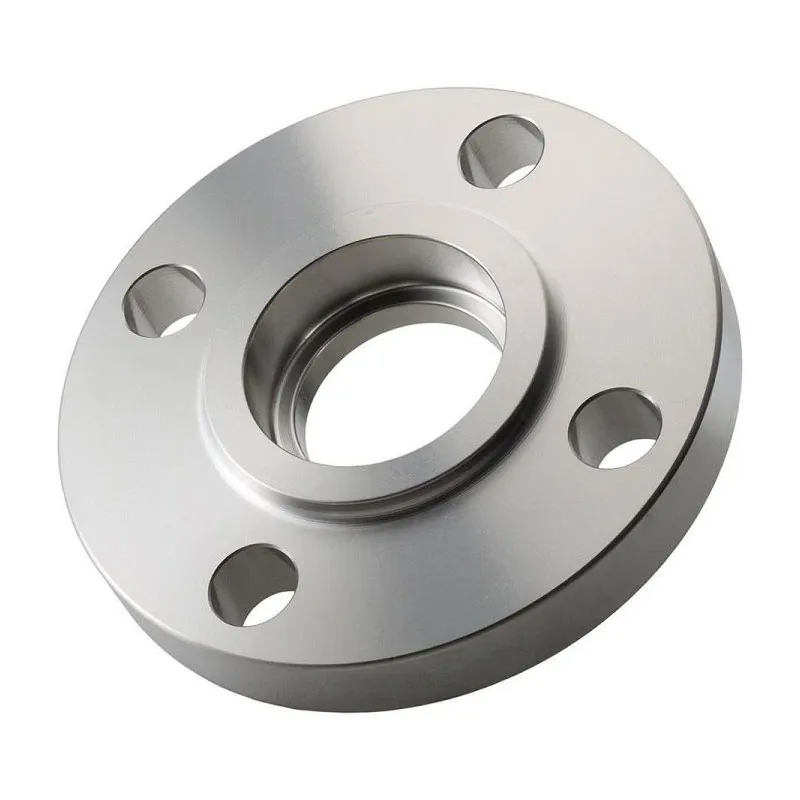
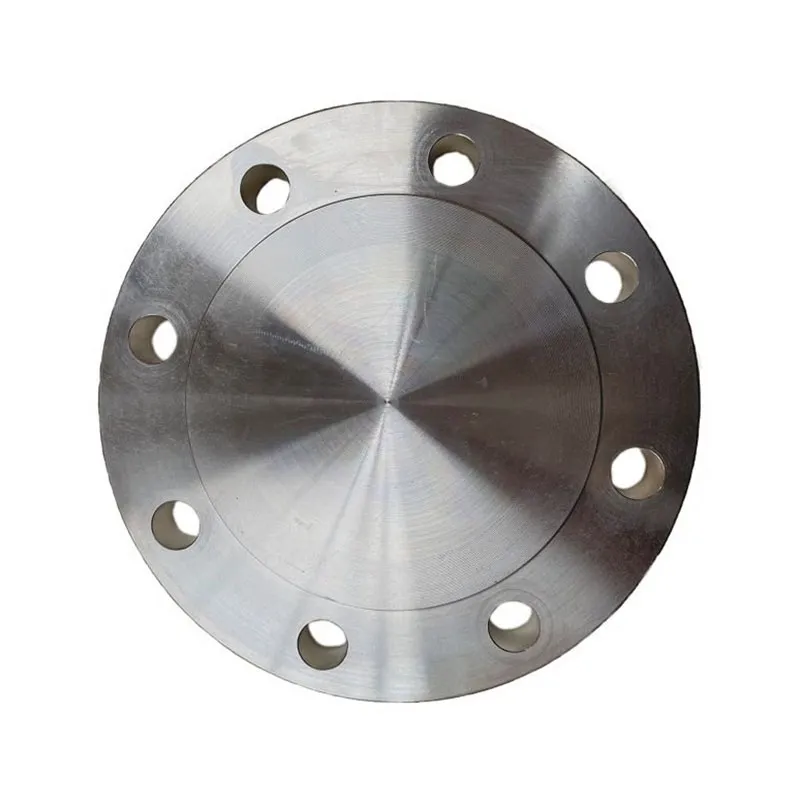
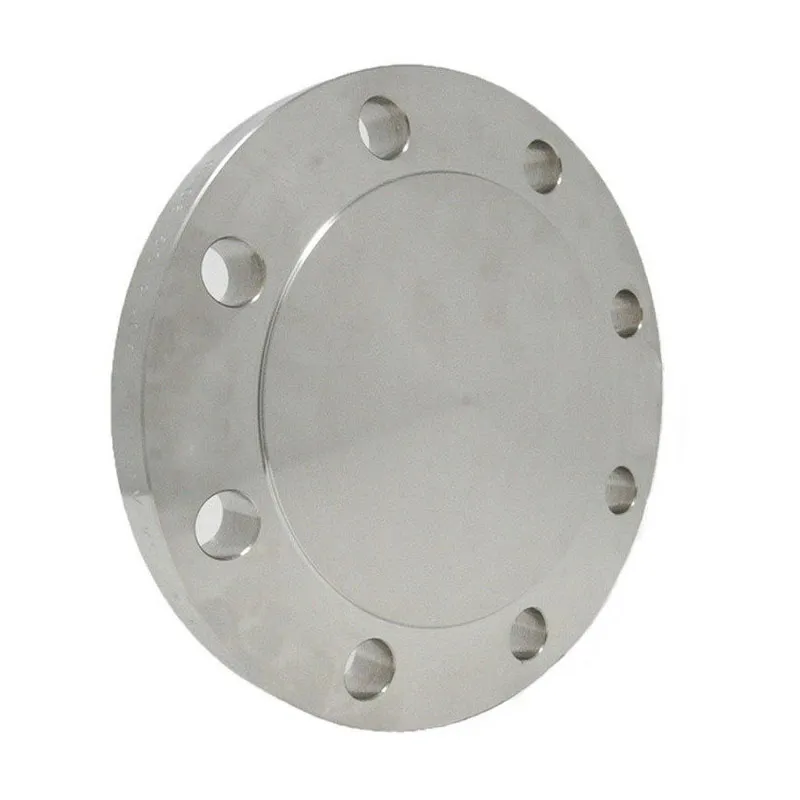
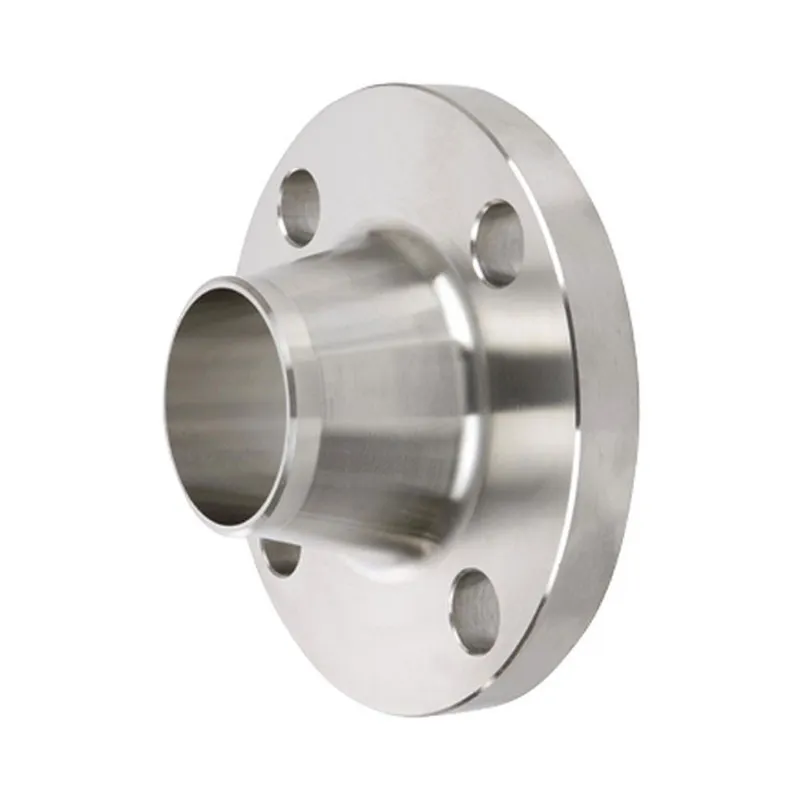

Best Sellingproducts
Best Selling Products-
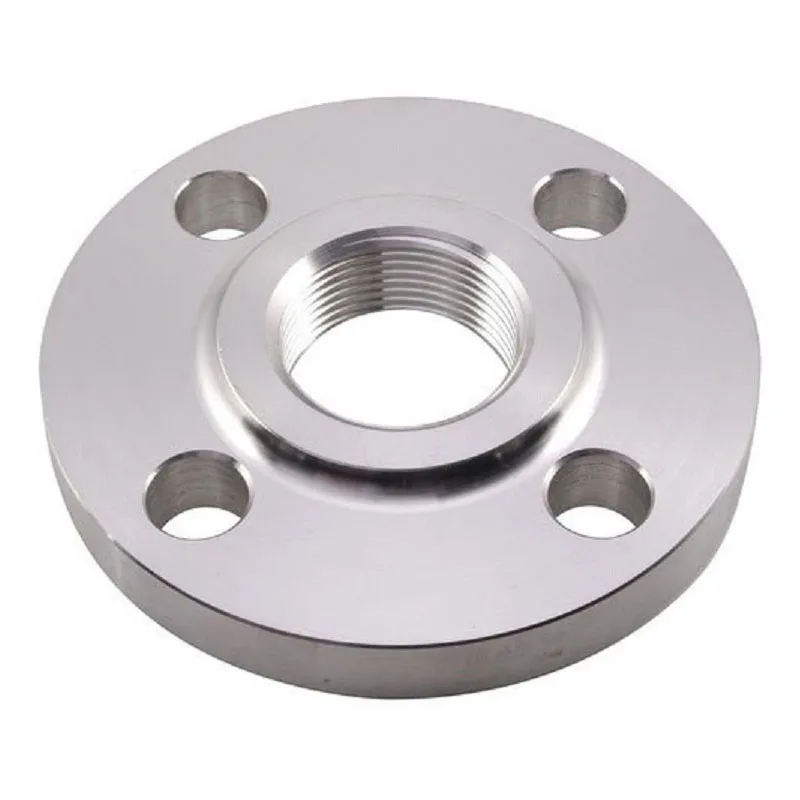 DIN 2566 Threaded flanges PN16
 -
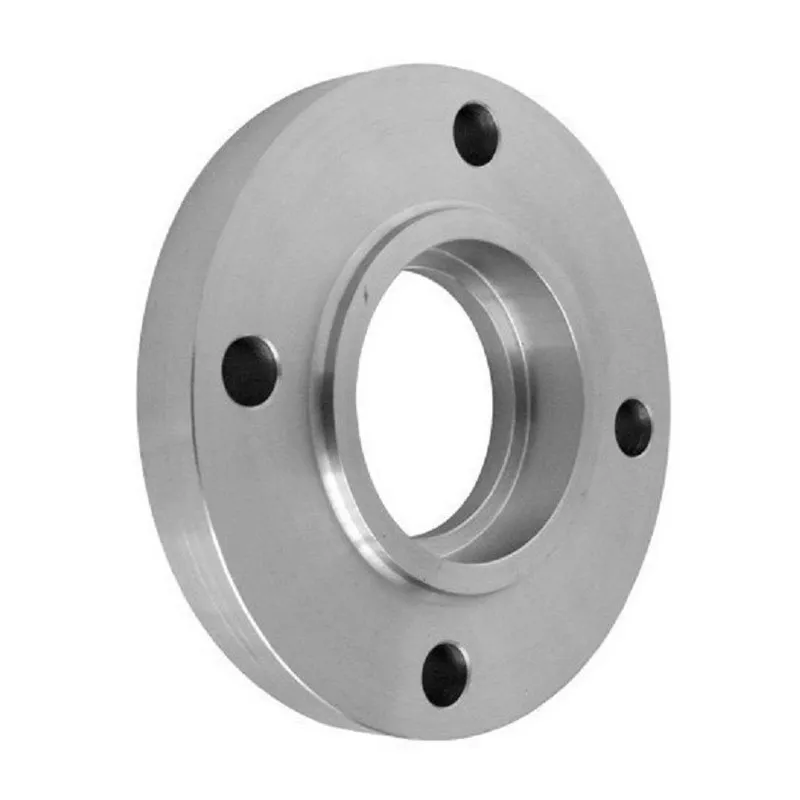 JIS 5K Socket Weld Flanges
 -
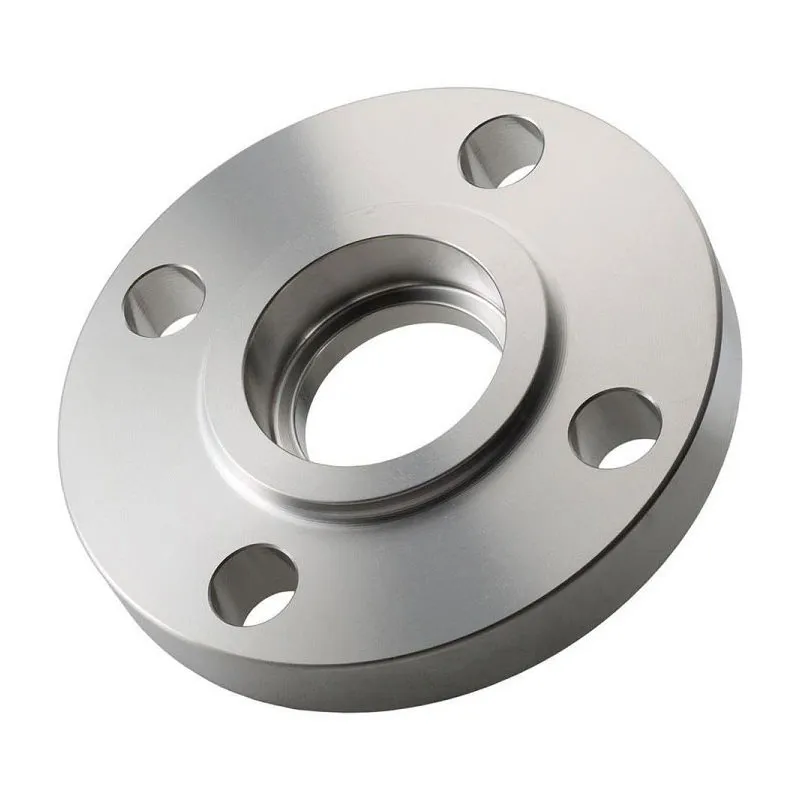 Flanges for socket welding
 -
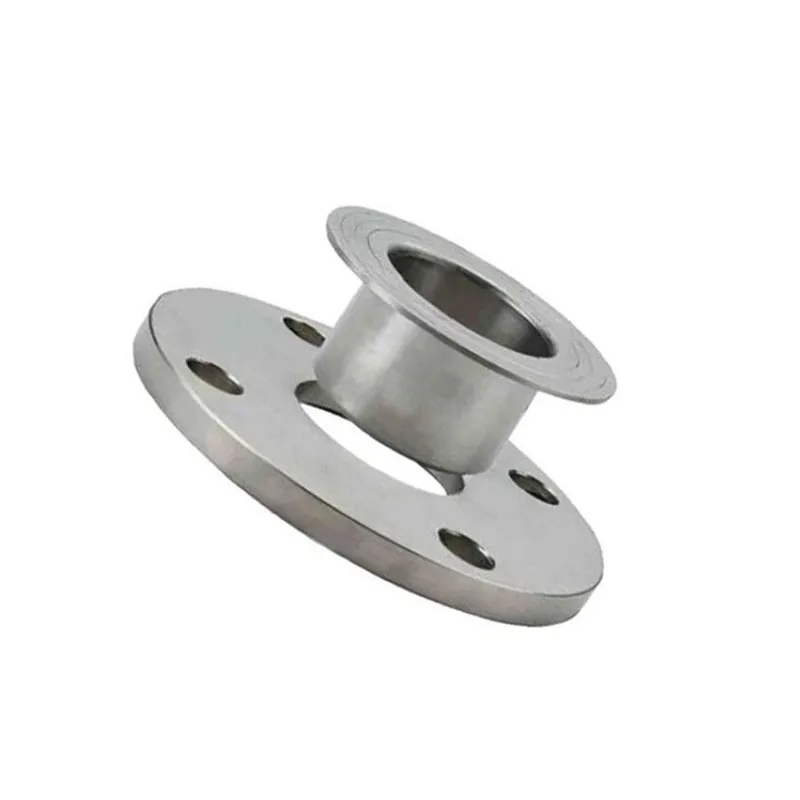 Free ring flanges Class 400
 -
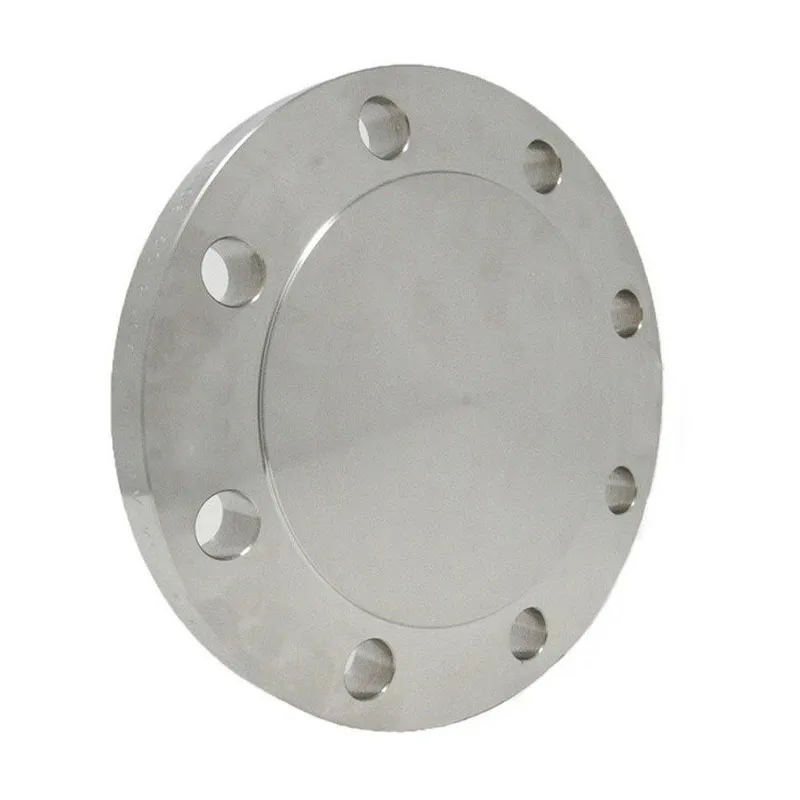 EN 1092-1 Blind flanges Type 05, PN10
 -
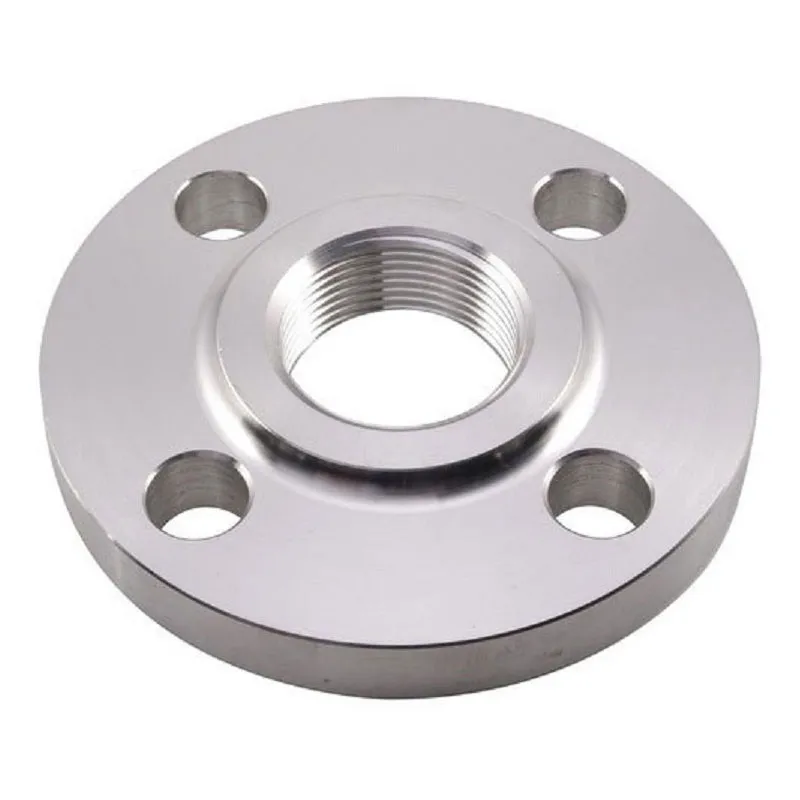 DIN 2565 Threaded flanges PN6
 -
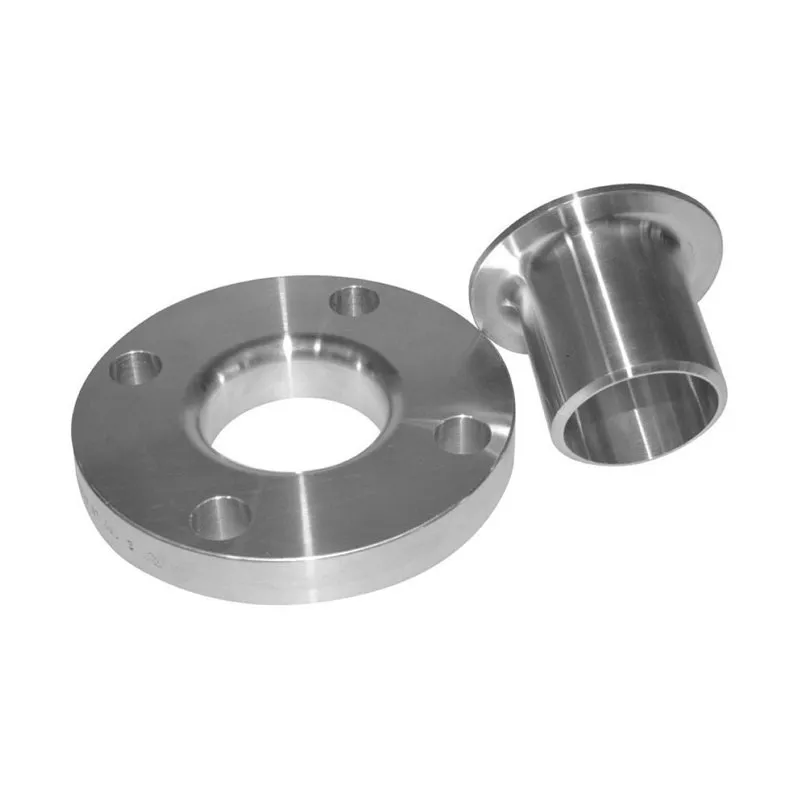 Free ring flanges Class 150
 -
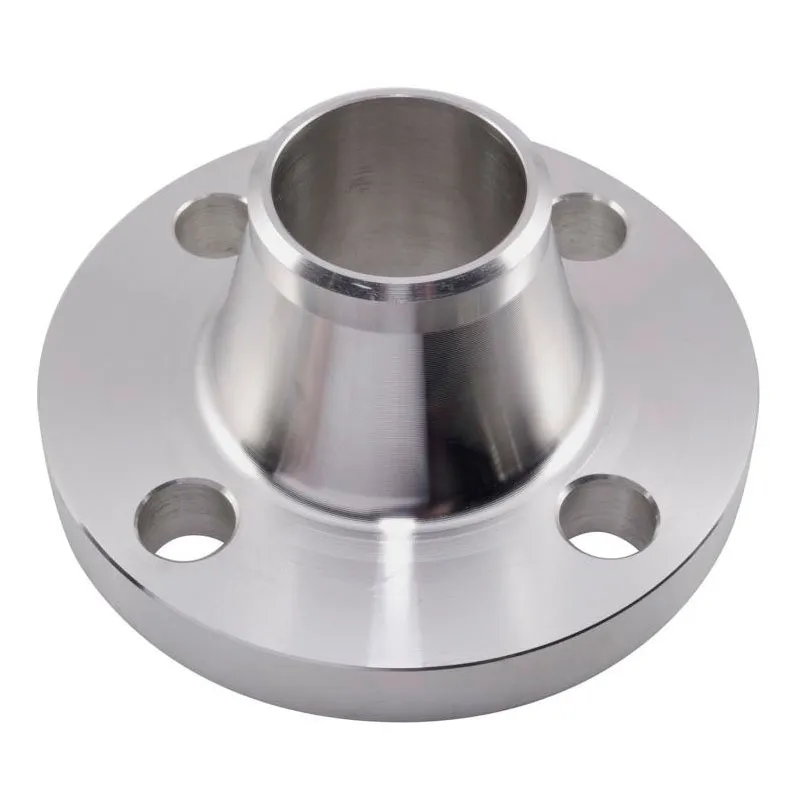 DIN Butt weld flanges PN10
 -
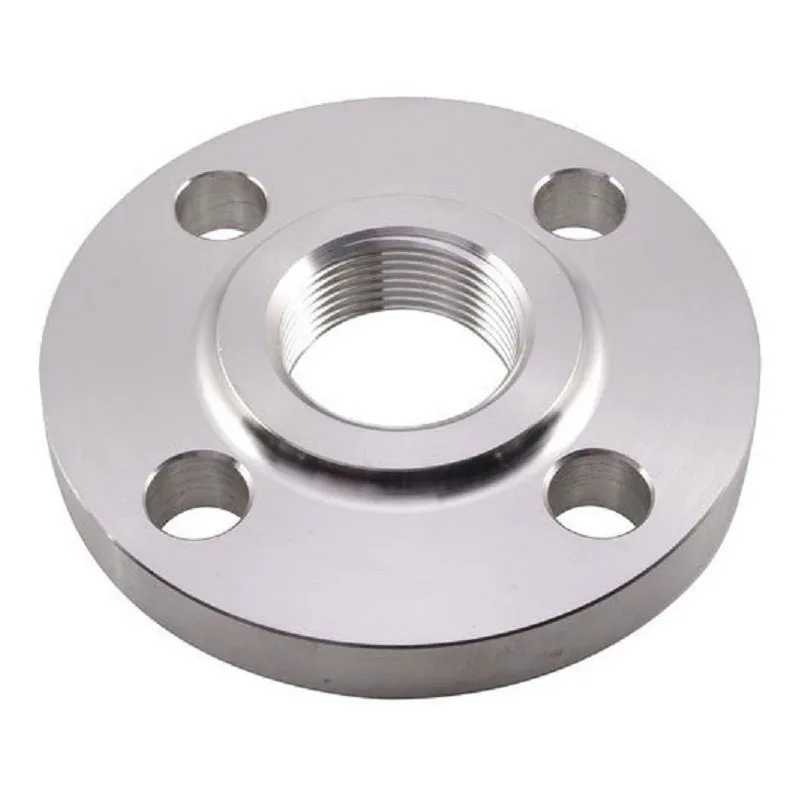 ANSI B16.5 Threaded Flanges Class 600
 -
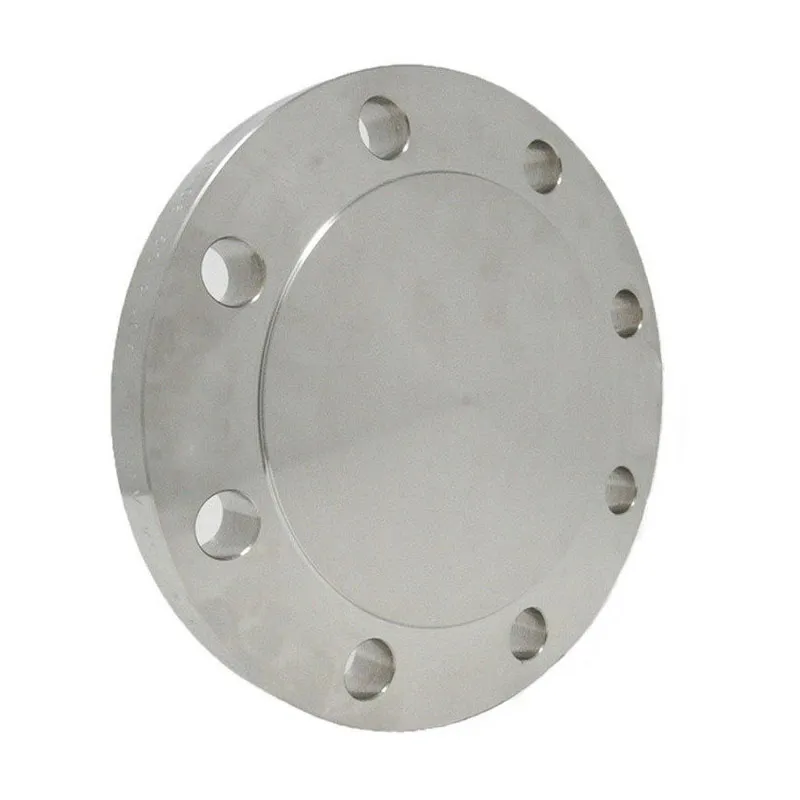 Blind flanges Class 150
 -
 DIN 2501 Overlay flanges PN16
 -
 ANSI B16.5 Socket Weld Flanges Class 1500