
-
-
Phone
+86-13623462298



classic flange
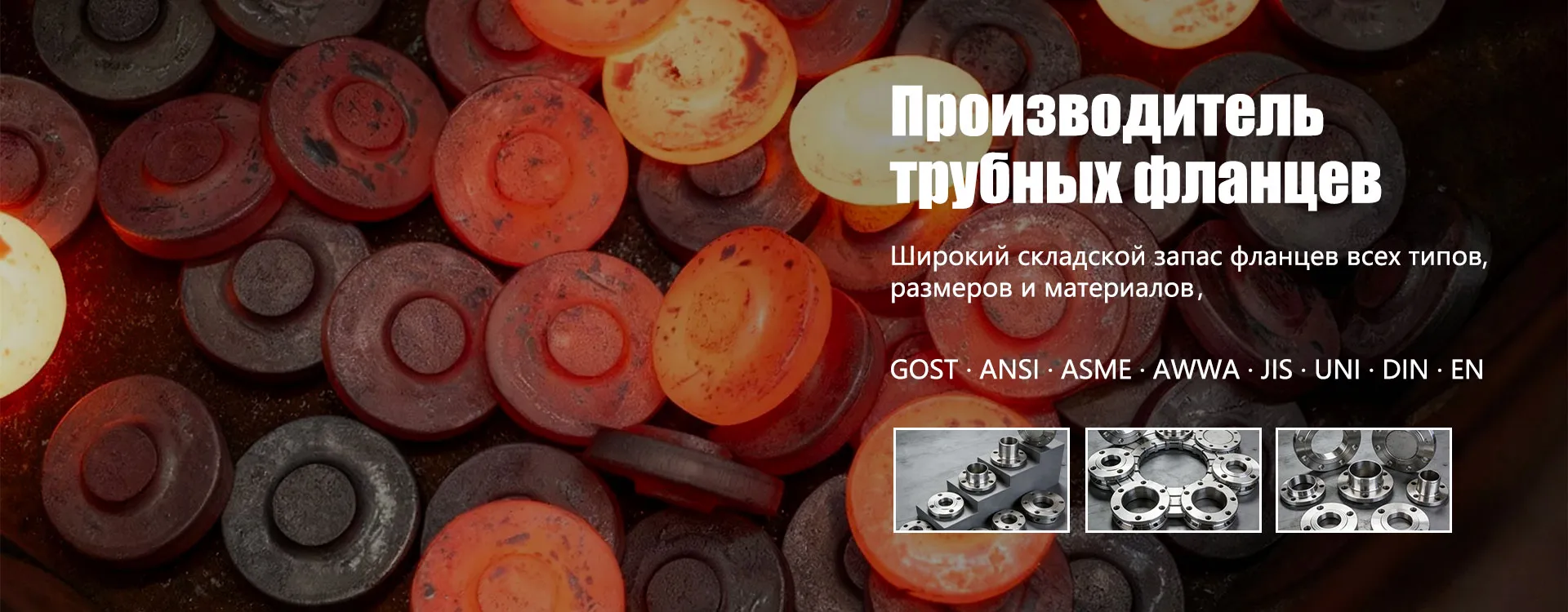
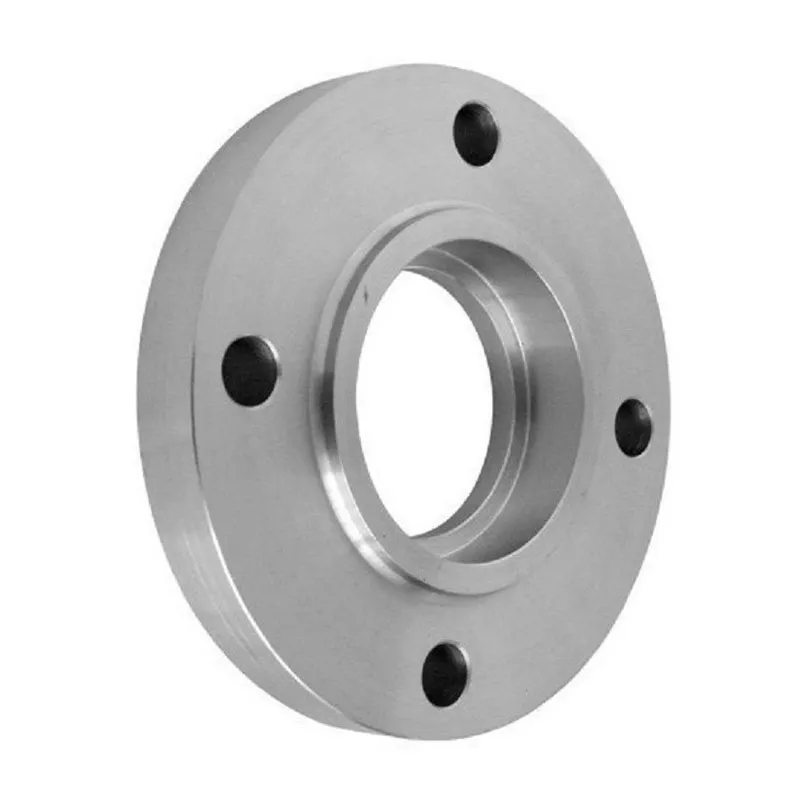
When you hear “classic flange”, many immediately imagine something like an ordinary flat flange according to GOST 12820-80 and think - well, classic, what’s so complicated about it. In fact, this is a whole story, and this term often hides misunderstanding. Classic is not about outdated, but about time-tested, fundamental solutions that still form the backbone of most projects. These are the same welding necks, flat, loose on a welded ring, which work for decades, if, of course, everything is done without hackwork.
What's really behind the 'classic' performance?
Let's take, for example, the same flat flange. It would seem that it couldn’t be simpler: a ring with holes. But this is where the first pitfall lies - the quality of surface processing and the alignment of the holes for the studs. I once saw a batch where the holes were offset by a couple of millimeters. The installers then spent an hour trying to persuade the studs to go in. And these were products with a big name, not some kind of handicraft. Therefore, “classic” is, first of all, impeccable adherence to geometry. Not the classics that are the old fashioned way, but the ones that are standard, down to the millimeter.
Or take a butt weld flange. Its classic design is a certain shape of the skirt, the angle of the transition, the thickness of the neck. According to ASME B16.5, according to EN 1092-1, according to GOST - each has its own nuances. A common mistake is to assume that if the flange is according to GOST, then it will automatically fit DIN. No, it won't do. The difference in the size of the sealing surfaces and the diameters of the circles for the studs can be critical. We somehow got caught in this, trying to replace one flange with another “similar” one on the fly. I had to stop the assembly and order the correct one. Time, money.
And there is also a problem with the material. A classic flange made of carbon steel St20 is one thing. And if the environment is aggressive, you need a “classic” made of stainless steel 12Х18Н10Т or AISI 304. And here the most interesting part begins: the quality of the forging. Pores, lack of penetration, internal stress - all this can come out later in the work. So to me, a classic flange is always a forged flange, not a cut from sheet or cast flange. Forging gives that very dense, homogeneous metal structure, which ensures reliability. Same manufacturerShanxi Hongkai Forging Co.,Ltd— they specialize in forging, as can be seen even from the name. I went to their websitehttps://www.hkflange.ru— the nomenclature includes exactly the same classic types: butt welded, flat, loose, and it is clear that the emphasis is on compliance with standards, from GOST to ASME. This is an important marker.
Where and why 'classics' make the most of it
There is an opinion that classic flanges are for low pressures and temperatures. Deep misconception. A properly designed and manufactured butt weld flange (the same welding neck) is the basis for high-parameter pipelines. It's all in the design: the smooth transition from pipe to flange through a conical neck radically reduces stress concentration. I remember a steam pipeline project, pressure under 100 atmospheres, temperature over 500°C. So there were exclusively forged butt-welded flanges according to ASME B16.5 Class 600. And they didn’t come up with anything better - it works for years.
But for installation in hard-to-reach places or for frequent inspections, a “classic” of a different kind is indispensable - a loose flange on a welded ring. Comfortable? Wrong word. I welded the ring to the pipe, but the flange itself remains free, you can turn it and align the holes without painful manipulation of the pipe. But there is also a subtlety here: the quality of welding of the ring. If the ring “leads” due to thermal deformations, the seal plane will no longer be parallel to the plane of the flange - it will leak. I came across it. The reason is the incorrect welding mode or lack of heat treatment after it to relieve stress.
Or another case from practice: we needed flanges for connecting to imported equipment according to DIN. We ordered 'classic' ones according to our drawings, but overlooked the type of sealing surface. We more often had a projection-recess (RF), and according to DIN, those parameters required a tongue and groove (Tongue & Groove). We received it - it doesn’t fit. I had to urgently look for someone who would do non-standard processing for the required type. Now always double-check: pressure, temperature, medium, equipment connection type. A classic is a classic, but the details make all the difference.
Selection errors and 'invisible' parameters
The most common mistake is choosing a flange only by nominal diameter (DN) and pressure (PN). This is catastrophically not enough. You need to look at the material used, the type of sealing surface, the standard that regulates the geometry (this is not always the same as the standard for the material!), and, very importantly, the manufacturing technology. Forged flange or stamped? If forged - by what method? Free forging or GCM? For critical applications, free forging is preferable - the metal fibers follow the contour of the product, and the strength is higher.
For example, for large diameters, say DN1000 and above, a classic flat flange is not the best choice for high pressure. It 'rips' the weld due to the large bending moment arm. Here you need a welded butt, despite its high cost and complexity of installation. Savings at the procurement stage will result in the risk of an accident later. At the sameShanxi Hongkai Forging Co.,LtdThe range includes sizes up to DN4000. I can imagine what kind of forging it must be for such dimensions. And I am sure that for these sizes they offer butt-welded or loose on a ring, and not flat ones - otherwise it would be technically unjustified.
Another non-obvious point is coverage. A classic carbon steel flange often comes uncoated and can be painted on site. But if the object is in an aggressive atmosphere (coastal areas, chemical production), then it is worth considering galvanizing or even more serious protection. And here it is important to remember that any coating on the sealing surface is evil. It must be removed in the area of contact with the gasket, otherwise tightness cannot be achieved. I saw how they tried to assemble a connection on galvanized flanges without cleaning the surface. The gasket could not 'cut' into the soft zinc, the flanges 'breathed', the connection flowed along all the bolts.
Non-standard as a continuation of the classics
It often happens that pure classics are not suitable. You need a non-standard size, an unusual arrangement of holes, a specific material. And this is where many people get scared. But in vain. A competent manufacturer who makes high-quality classics is usually capable of creating non-standard products. Because he has the main thing - experience and forging technology. Manufacturing according to customer drawings is a logical development of competence.
We had a project involving the reconstruction of an old workshop. There were pipelines with flanges dating back to Soviet times; the standard can no longer be found. New equipment needed to be installed. The task is to make transition flanges. We turned to a supplier who worked with forging. They sent me a drawing and they did it. Forging was important, because cast or welded options would not provide the required strength for operating pressure. And this, in fact, is also a “classic”, just based on a non-standard drawing. The technology is the same: calculation of the workpiece, heating, open-press forging, heat treatment, machining on CNC machines.
Therefore, when I see in the description of a company likeShanxi Hongkai Forging Co.,Ltd, the line 'non-standard products according to customer drawings', this inspires confidence. This means that people don’t just churn out standard items, but understand the process and can work with an engineering problem. This is important. Classic is the base, the foundation. And the ability to deviate from the standard when necessary is already aerobatics.
Results: so what's the bottom line?
So what is itclassic flangein my understanding? This is not archaic. This is a universal design, worked out to the smallest detail, which ensures reliability under one condition - high-quality manufacturing. Quality begins with the selection of raw materials (steel of the required grade, with certificates), continues with the correct forging technology (namely forging, and not another method) and ends with precise machining.
When choosing a classic flange, you cannot skimp on three things: material, manufacturing technology and compliance with the standard. If you need a flange in accordance with GOST, it must be exactly in accordance with GOST, and not “similar”. If you need it according to ASME, the same thing. And here it is useful to look at manufacturers who declare to work according to a wide range of standards, like the Chinese forging company. This shows flexibility and understanding of the market.
After all, the flange is a part that cannot be experimented with. She either holds it or she doesn't. Classic solutions have stood the test of time and incidents. Their geometry and size relationships are the result of a long evolution. So the next time you order a 'simple flat flange DN100 PN16', take a minute to check: material, geometry standard, manufacturing method. This minute can save weeks in fixing a leak in the future. Classic requires respect, and then it responds with trouble-free operation.
Correspondingproducts
Related Products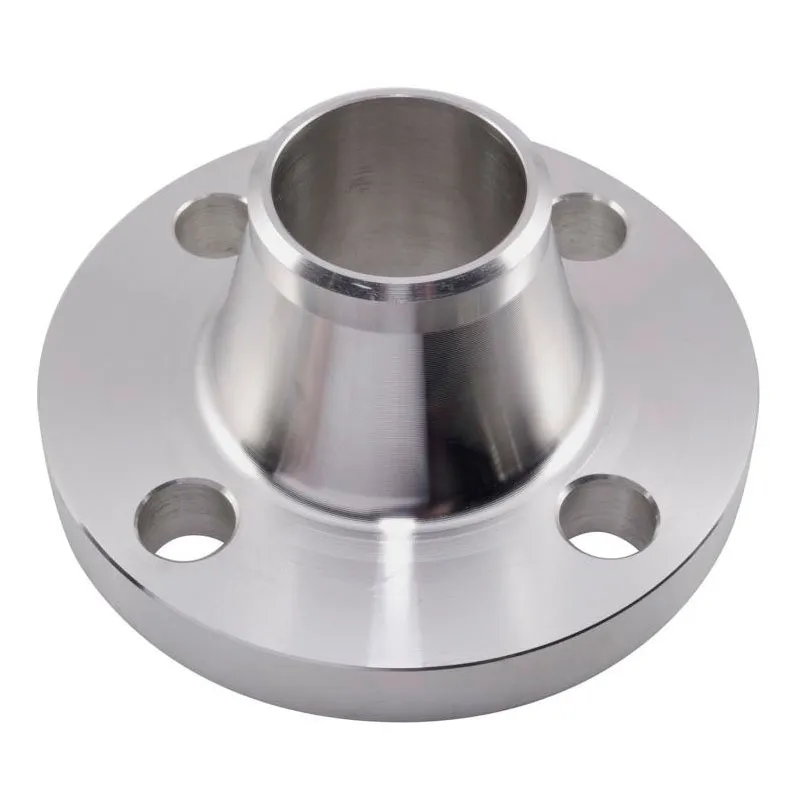
Best Sellingproducts
Best Selling Products-
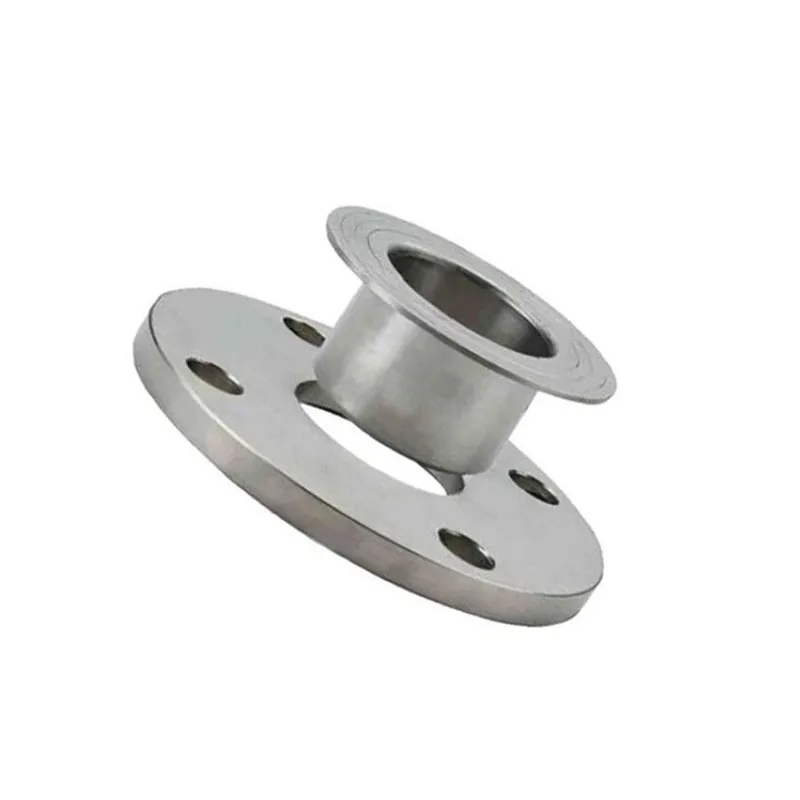 Free ring flanges Class 400
 -
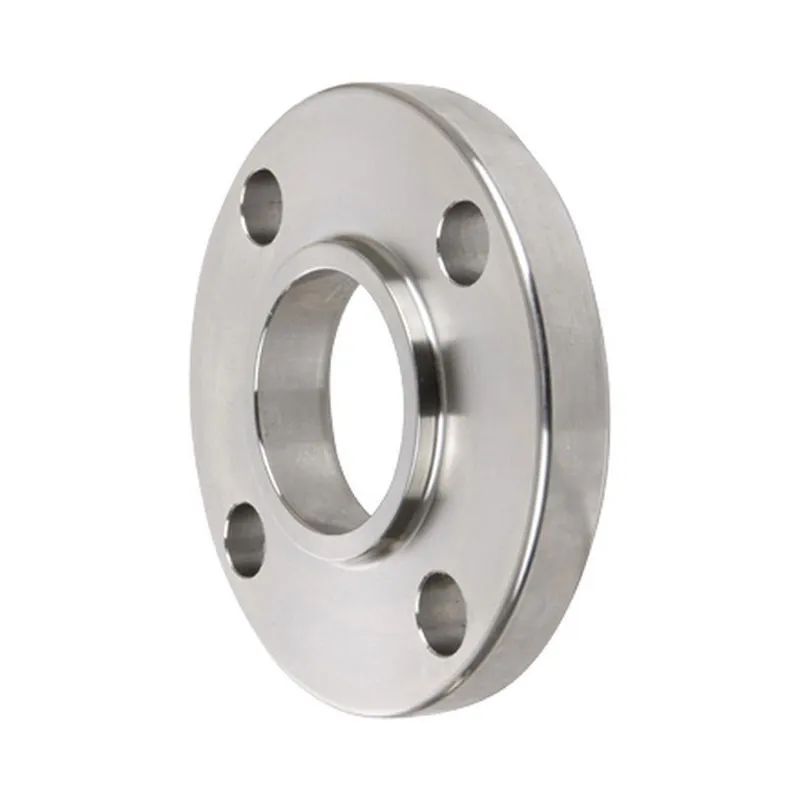 DIN 2501 Overlay flanges PN16
 -
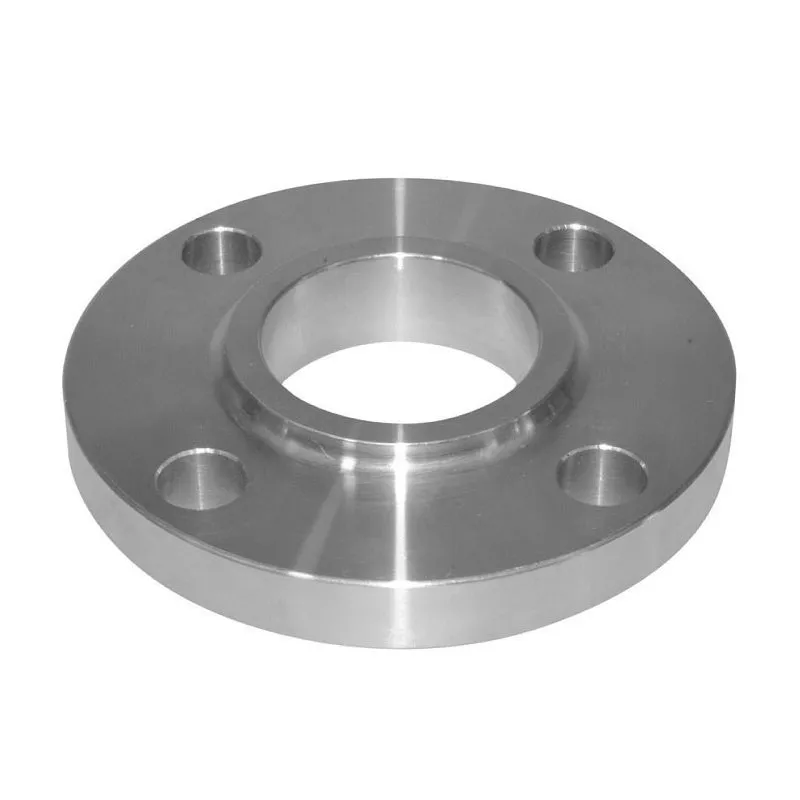 ANSI B16.5 Lap-on flanges Class 1500
 -
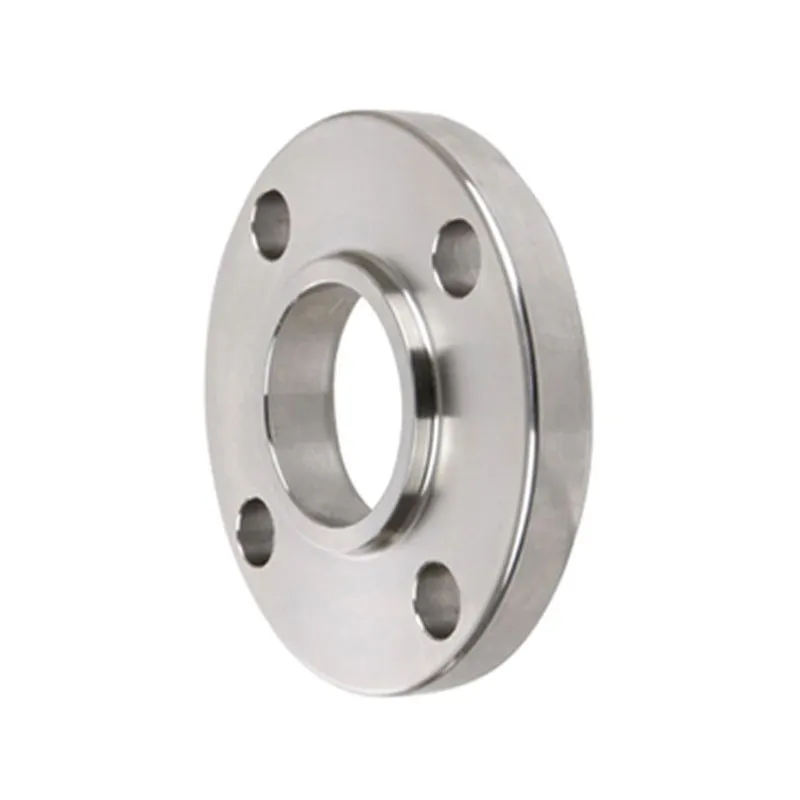 ANSI B16.5 Lap-on flanges Class 300
 -
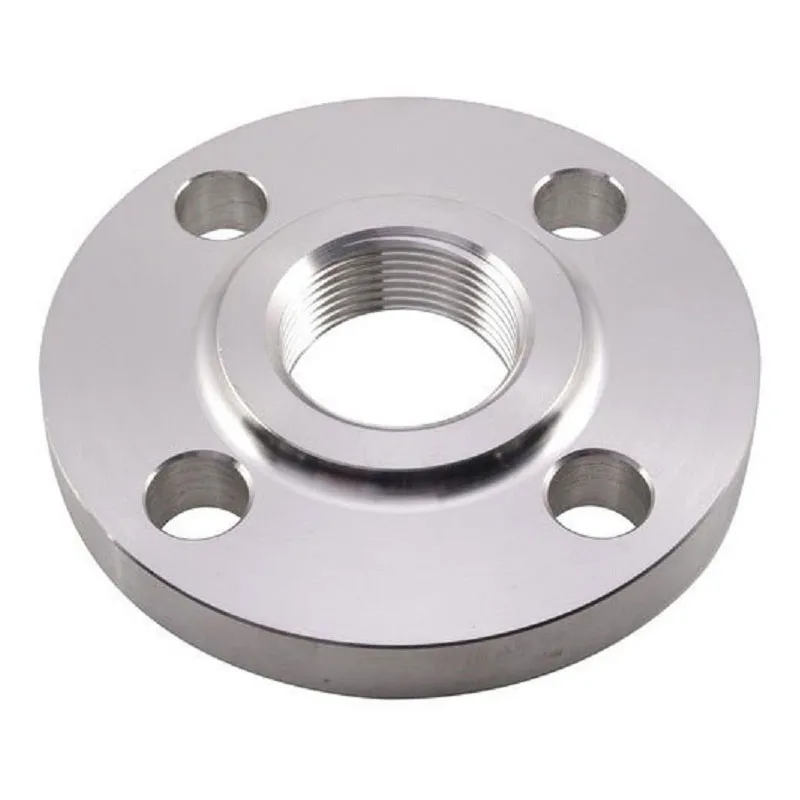 EN 1092-1 Threaded flanges Type 15, PN16
 -
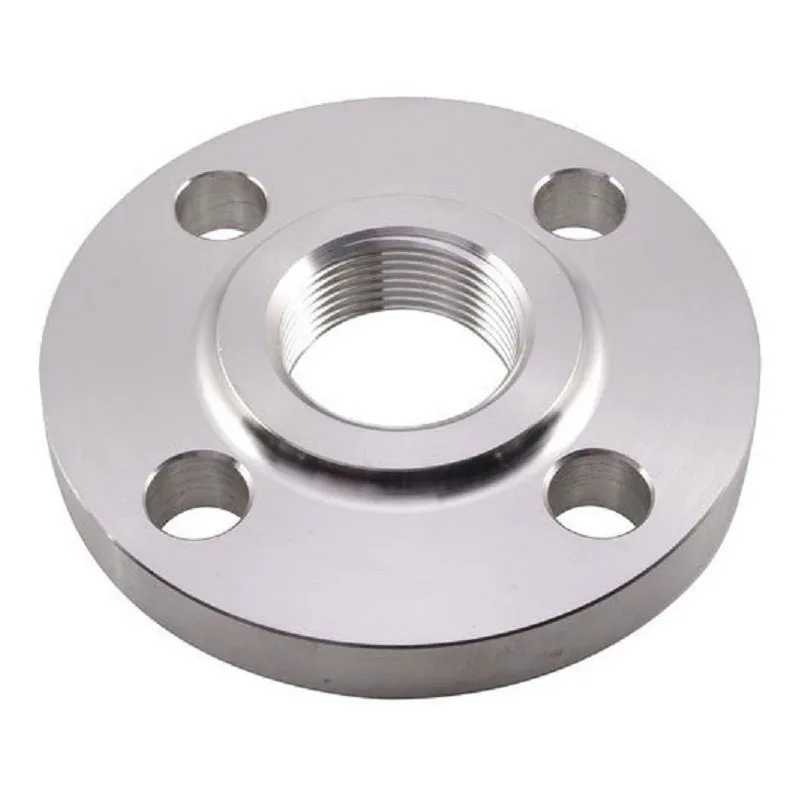 ANSI B16.5 Threaded Flanges Class 600
 -
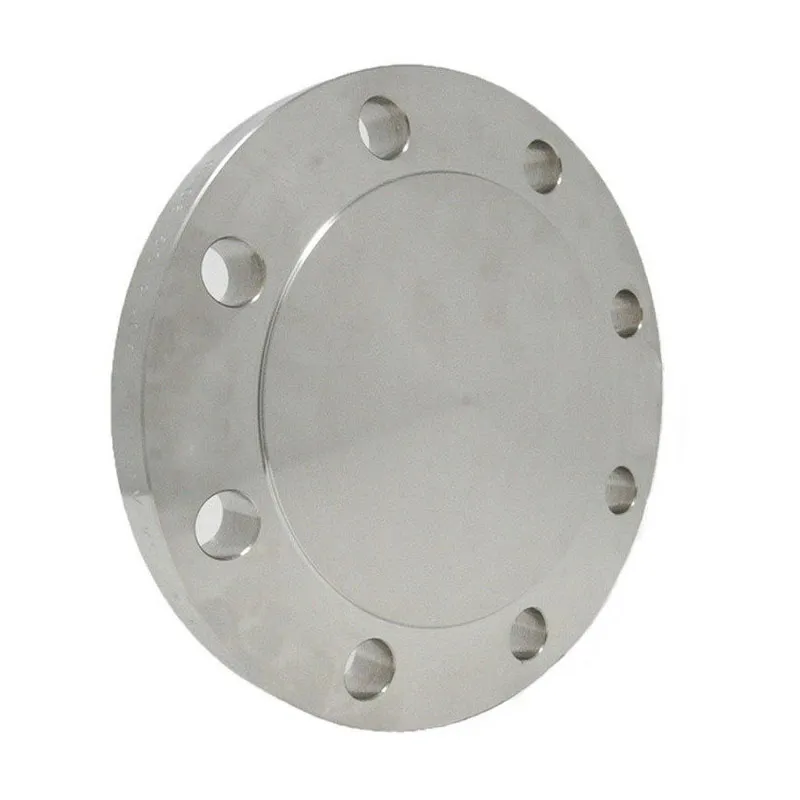 AWWA Blind Flanges Class D (Tables 1, 2, 3)
 -
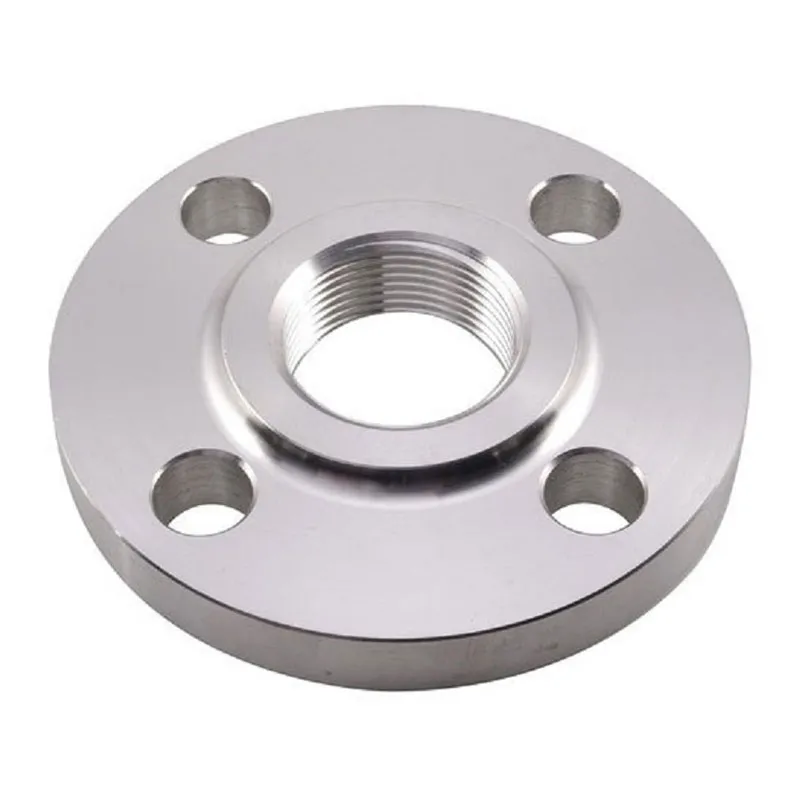 JIS 10K Overlay flanges
 -
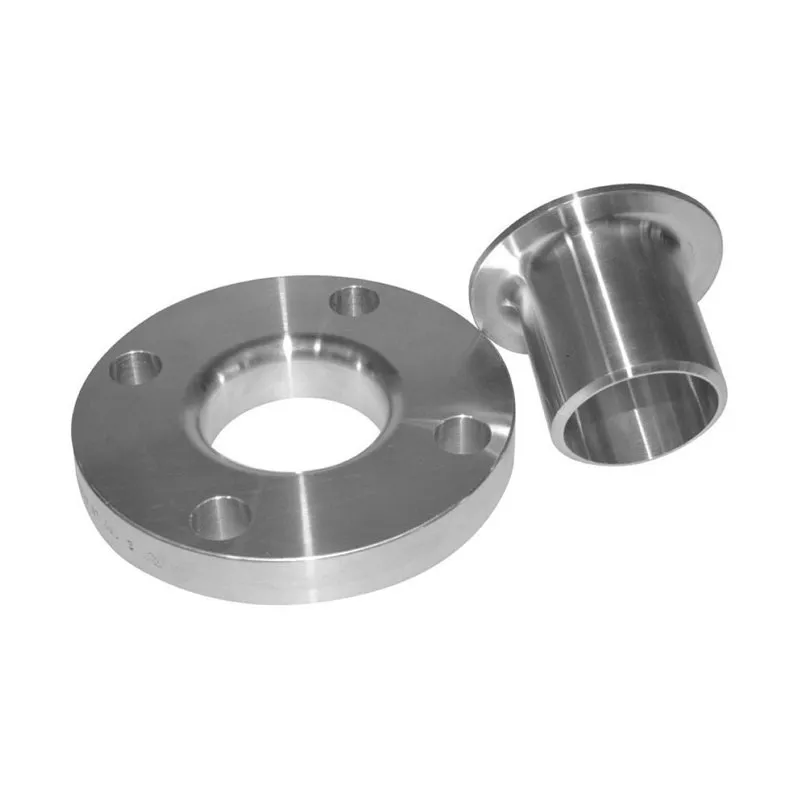 Free ring flanges Class 150
 -
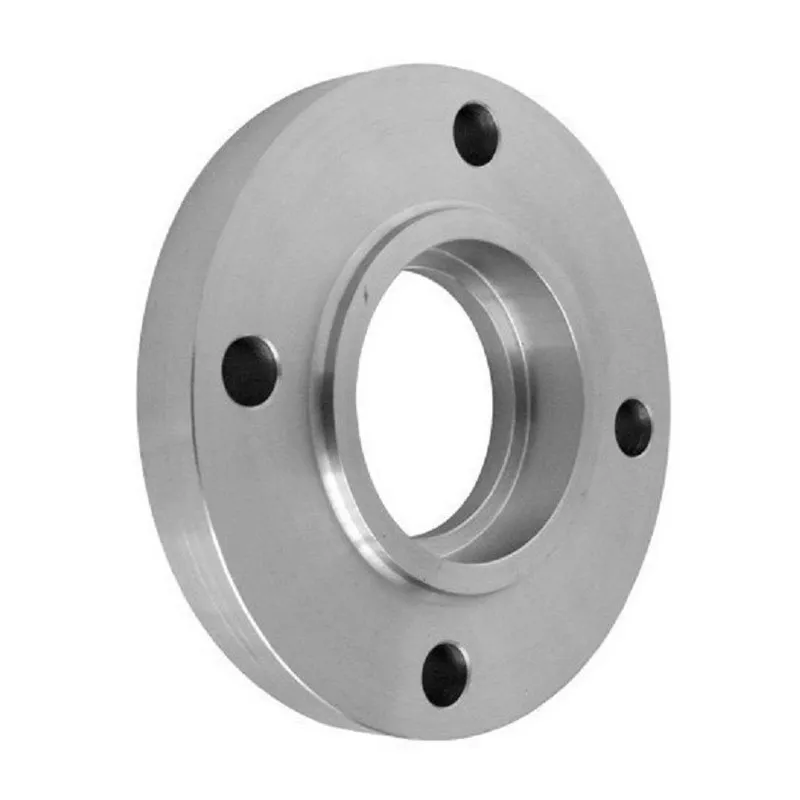 JIS 5K Socket Weld Flanges
 -
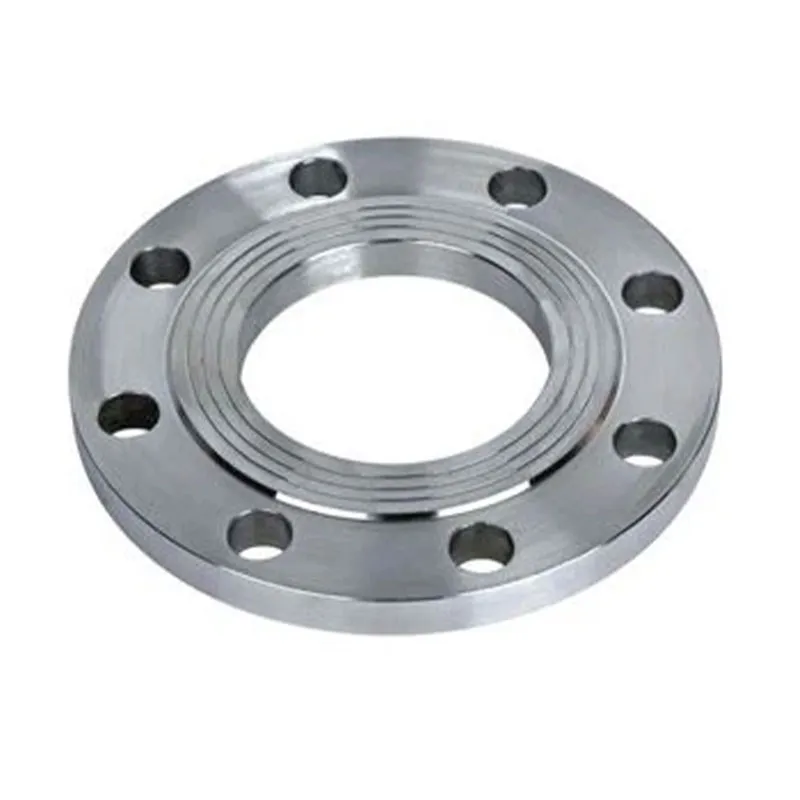 Butt weld flanges Class 150
 -
 Socket Weld Flanges Class 300