
-
-
Phone
+86-13623462298



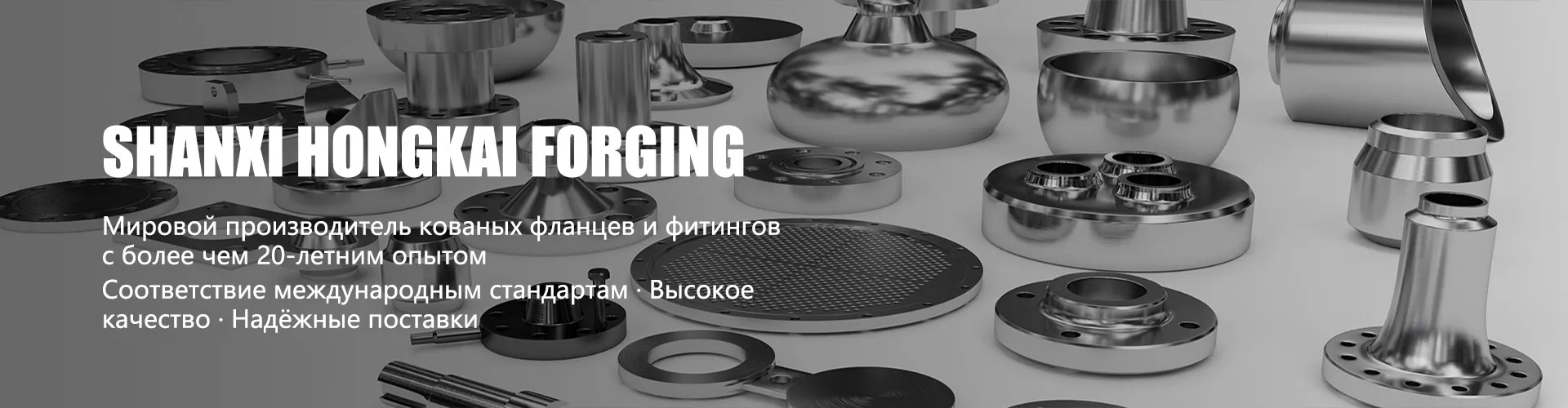
flange 15 mm
When you hear “15 mm flange?”, the first thing that comes to mind is a small thing, a consumable, nothing complicated. Many people think so until they are faced with actual installation or pressure specification. I've been guilty of this myself before. I think I took itflange 15 mmaccording to GOST or ASME, and the job is done. But here, in the DN15 dimension, there are a lot of nuances that come out later - from the gasket material to the quality of the end surface. And the standard itself is not just a number, it’s a story about what exactly you put it under.
Not just a pipe: the application context for DN15
Somehow I took a partyflanges 15 mmfor piping instrumentation on a small production line. The customer simply indicated “DN15, steel 20”. It seemed simpler. But when they began to install, it turned out that the connecting dimensions of the devices were not according to GOST 33259, but according to the old drawing, with a different arrangement of holes for the studs. I had to urgently look for someone who would make something non-standard. That’s when I realized that even for such a “trifle”? the key thing is not the diameter, but the full package of technical conditions: pressure (PN), type of seal, surface design.
A common mistake is to assume that all DN15 flanges are interchangeable. For example, for systems with an aggressive environment, you may need not just steel 20, but 12Х18Н10Т or even coated steel. I saw a case where they installed a regular carbonflange 15 mmon the line with acid vapors - after six months there were traces of corrosion around the perimeter of the holes. I had to change the entire series to stainless steel, although in terms of pressure (PN16) everything was normal.
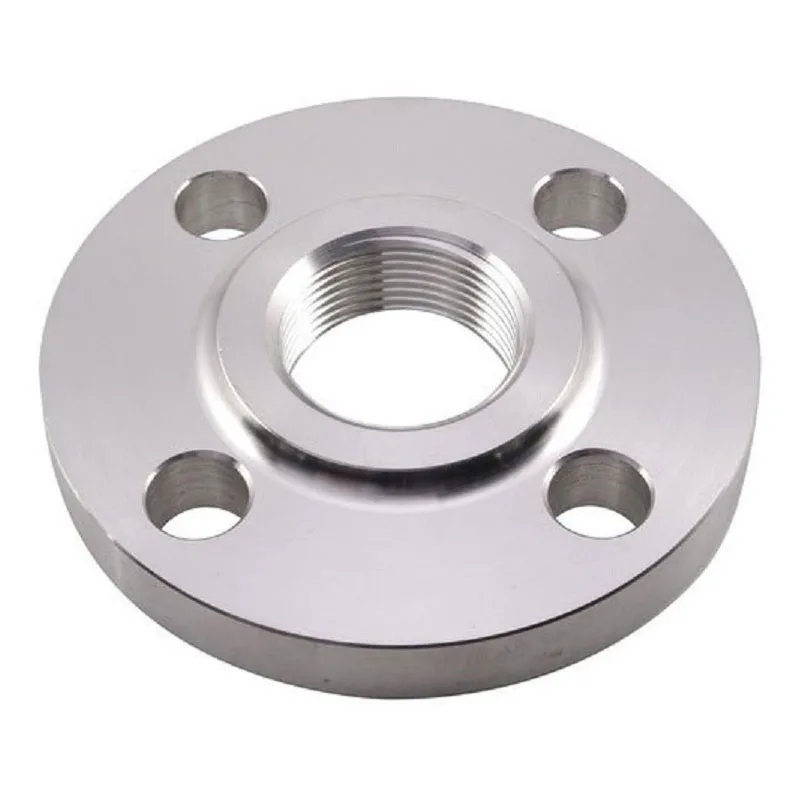
Another point - type. For DN15 they are often usedbutt welded(WN) or threaded. But if we are talking about frequent dismantling for cleaning or inspection, sometimes it is more rational to look towards the loose flanges on the welded ring. Especially if the main pipe is made of an expensive alloy. This seems overkill for a small diameter, but saves both time and materials in the long run.
Material: from steel 20 to special alloys
For most ordinary applications - water, low-pressure steam, neutral gases - steel 20 is used. It is used as a base option by many manufacturers, includingShanxi Hongkai Forging Co.,Ltd. But here it is important to look not only at the brand, but also at the production method. A forged flange, even for DN15, provides better structure homogeneity and, as a result, more predictable behavior under variable loads compared to a cast one, or even more so made from a rod on a lathe.
Worked with samples fromhkflange.ru— their nomenclature states a range from DN15 to DN4000, and forging is also offered for small diameters. This is important when high cyclic resistance is required, for example, in systems with frequent water hammer. Cast analogues, especially from untested small workshops, sometimes give microcracks, which are critical at small sizes.
Standard carbon steel is not suitable for chemicals or high temperatures. This is where stainless and alloy grades come into play. For example, a DN15 flange from 09G2S for low temperatures or from 13HFA for certain parameters. It is important that the manufacturer is the sameShanxi Hongkai Forging, could confirm chemical analysis and mechanical properties specifically for a given batch, rather than providing general certificates. It’s a small thing, but because of it there are delays in acceptance.
Standards and drawings: where inconsistencies hide
CompanyShanxi Hongkai Forging Co.,Ltdindicates that it works according to GOST, ASME, EN, DIN and other standards. This is good, but in practice forflange 15 mmThe differences between, say, DIN EN 1092-1 and ASME B16.5 can be in thickness, chamfer radius or even bolt circle diameter. Once there was an incident: we ordered flanges DN15 PN40 according to ASME for replacement on imported equipment, and the products that arrived, although they were well made, had a slightly thicker thickness, which is why they did not fit into the limited wafer space. I had to redo it.
Therefore, now I always demand not just to indicate the standard, but to attach a sketch with critical dimensions, especially for critical components. Even within the same standard, there can be different designs (for example, type of sealing surface RF, FF, RTJ). For DN15, the RF (Raised Face) type is the most common, but if you are connecting to equipment that has a FF (Flat Face) surface, you need either a specially shaped gasket or an adapter flange.
Non-standard products according to customer drawings are a separate topic. For small diameters this often seems impractical, but it may be necessary when modernizing an old fleet where the original parts have long been discontinued. The ability of the manufacturer to accurately reproduce the geometry, including non-standard grooves or holes, is everything here.
Installation practice and common mistakes
It would seem that it would be difficult to installflange 15 mm? Weld or screw on it - and you're done. But it is at small diameters that distortions more often occur due to uneven tightening. M10 or M12 bolts, which usually go to DN15, are easy to overtighten, which leads to deformation of the flange and loss of tightness. This is especially true for loose flanges - if the ring “leads?” When welding, it will be difficult to tighten evenly.
Another practical point is the quality of the end surface. To ensure tightness with soft gaskets (paronite, Teflon), the surface must be free of burrs and marks. I saw how a seemingly new batch had small marks from processing that had to be finished manually. This is a waste of time. Manufacturers who grind or machine the ends for certain types of seals are valued higher.
And of course, compatibility with gaskets. Under DN15, spiral wound gaskets or soft ring gaskets are often used. It is important that the inner diameter of the gasket exactly matches the flange bore, otherwise there will be turbulence in the flow or undermining of the lip. This is a small thing that affects the durability of the connection.
Choosing a supplier: why not only price is important
When you just needflange 15 mmfor an irresponsible line, many are looking for the lowest price. This works until you encounter marriage. Misalignment of holes, discrepancy in thickness, deviations in material - all this comes out at the installation stage or, worse, during operation. Therefore, now I prefer to work with trusted manufacturers who specialize in forged products and have a full control cycle.
Websitehkflange.ru- this is, in fact, a showcaseShanxi Hongkai Forging Co.,Ltd, a manufacturer from one of the forging centers of China. In their case, it is important that they focus on forging, and not on casting or machining of blanks. For critical applications this is a key factor. In addition, the ability to manufacture a non-standard product according to a drawing saved us more than once when it was necessary to repeat an outdated part.
As a result, choosing for DN15 is not a search for the cheapest item in the catalog. It is a balance between standard, material, workmanship and supplier reputation. Sometimes it is better to take a little more, but be sure that the flange will meet the stated parameters and will not create problems on site. There are no small things in pipeline fittings, even if it is only the fifteenth diameter.
Correspondingproducts
Related Products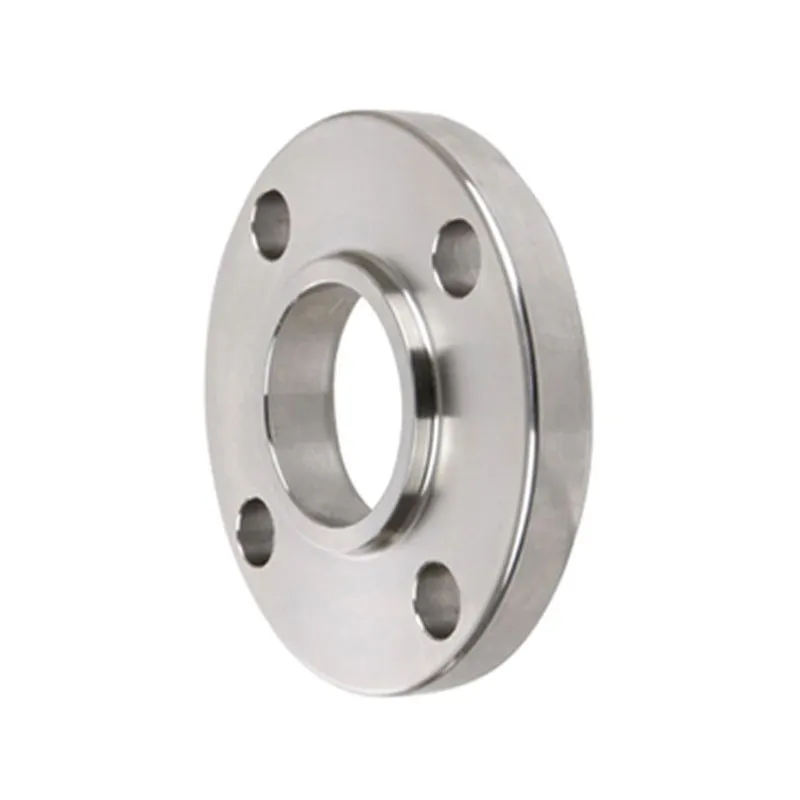
Best Sellingproducts
Best Selling Products-
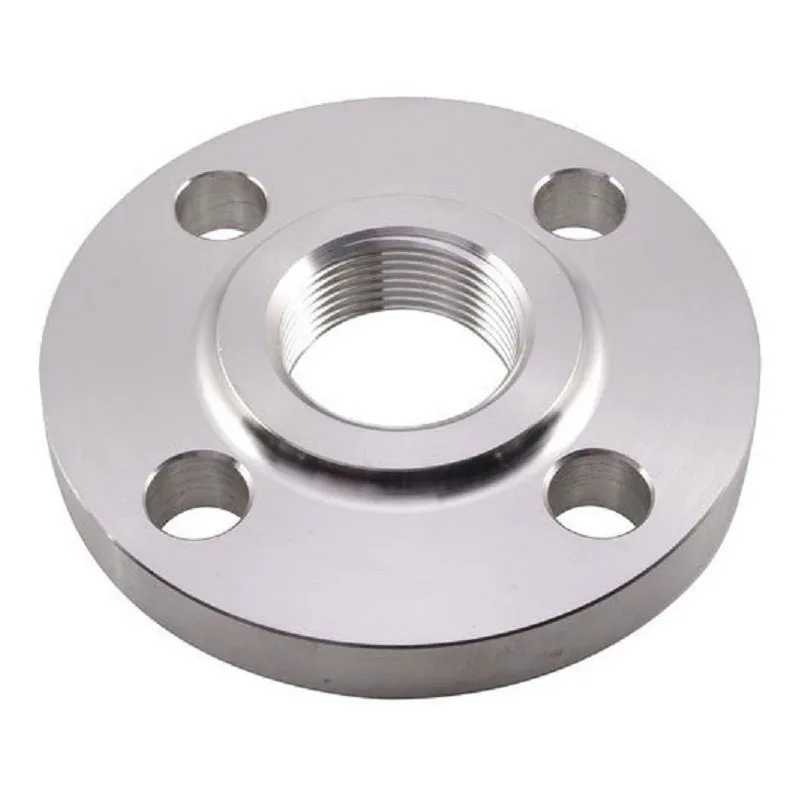 ANSI B16.5 Threaded Flanges Class 600
 -
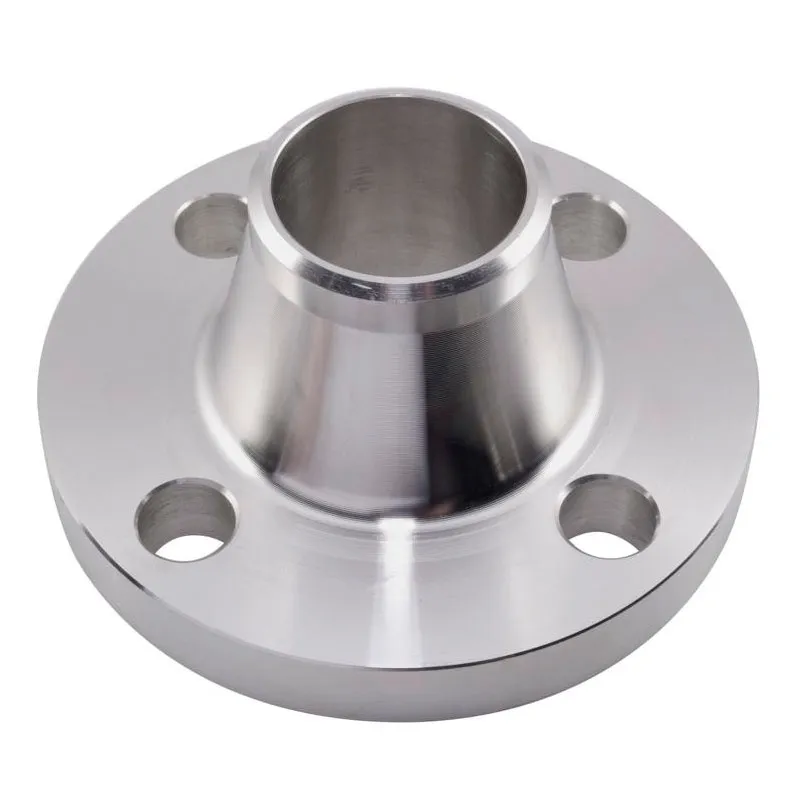 Butt weld flanges Class 900
 -
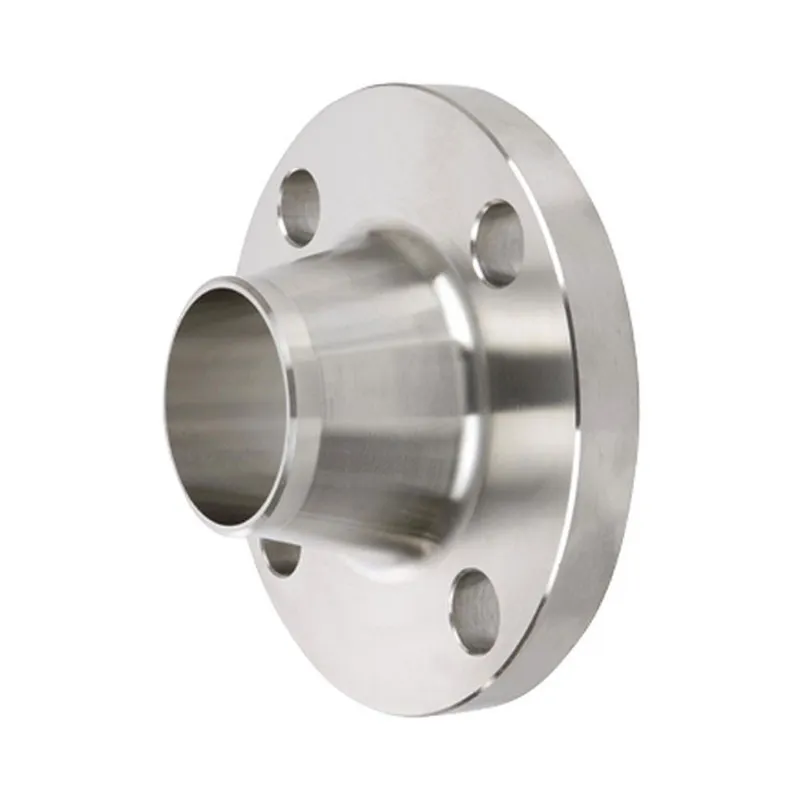 EN 1092-1 Butt weld flanges Type 11, PN25
 -
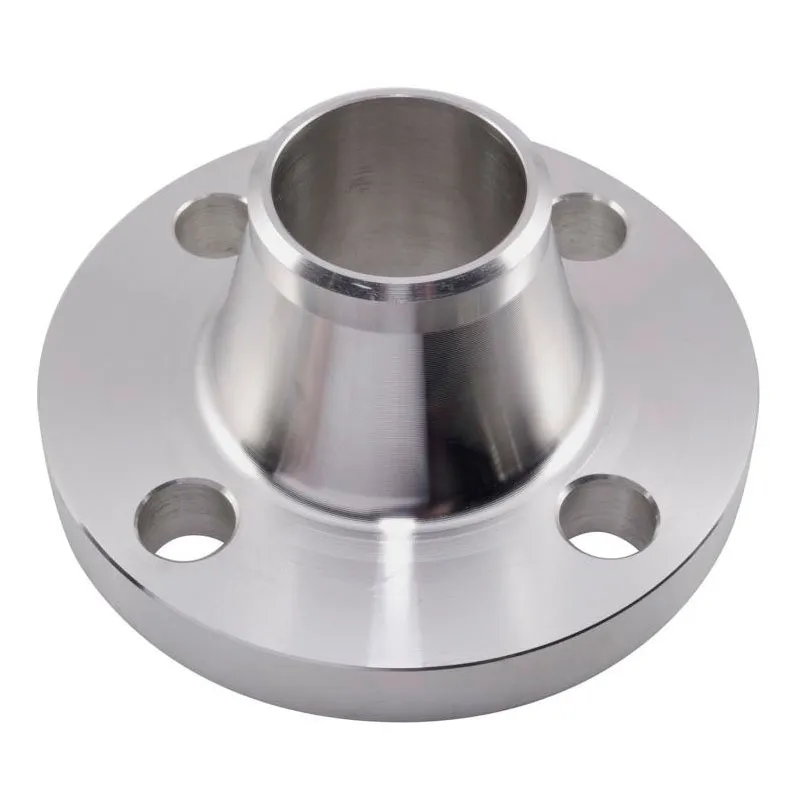 DIN Butt weld flanges PN10
 -
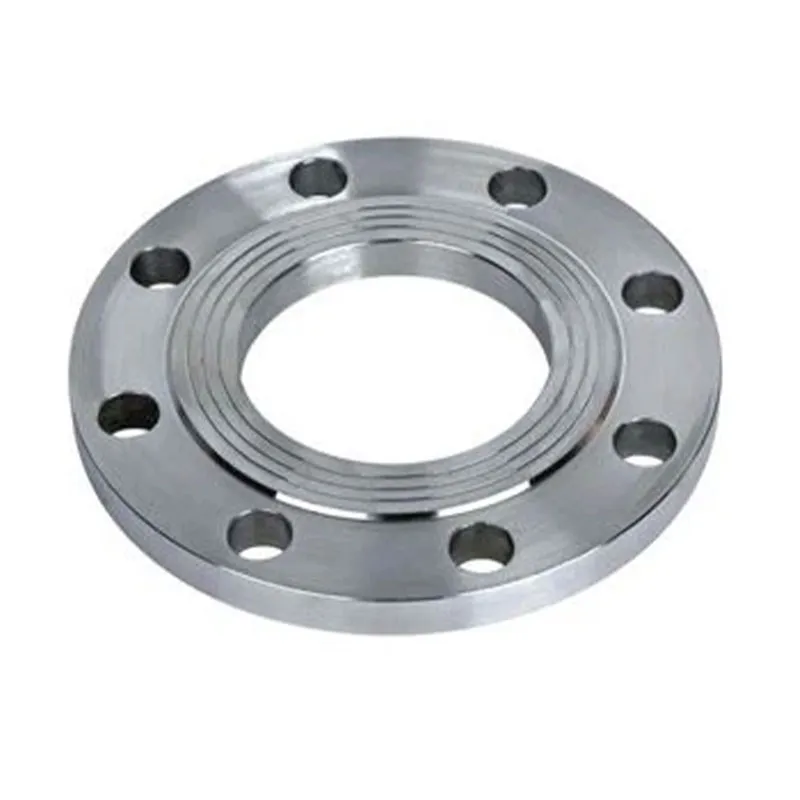 Butt weld flanges Class 150
 -
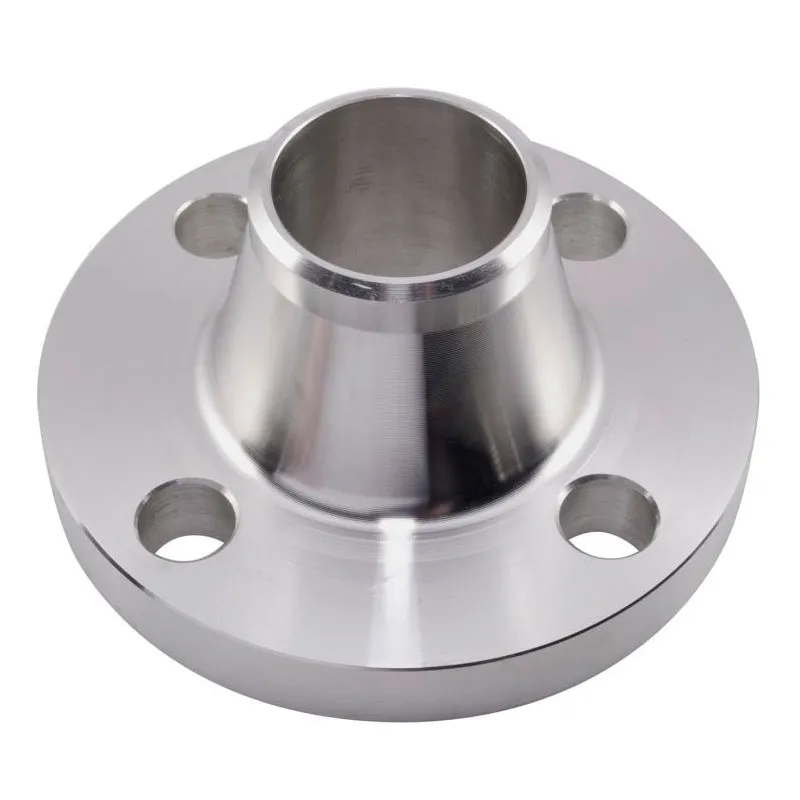 UNI 2281 Butt weld flanges PN10
 -
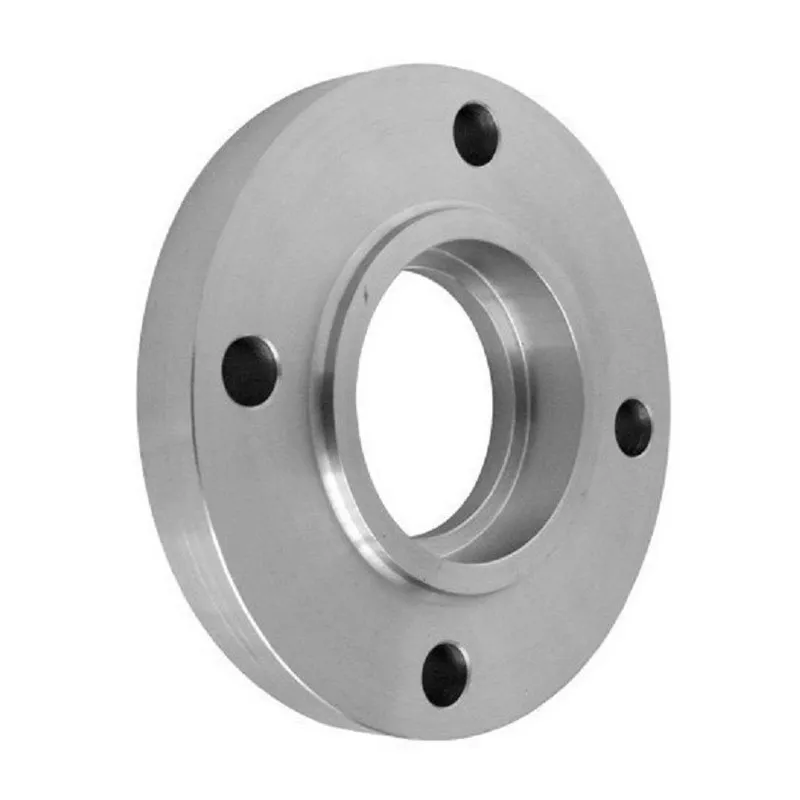 JIS 5K Socket Weld Flanges
 -
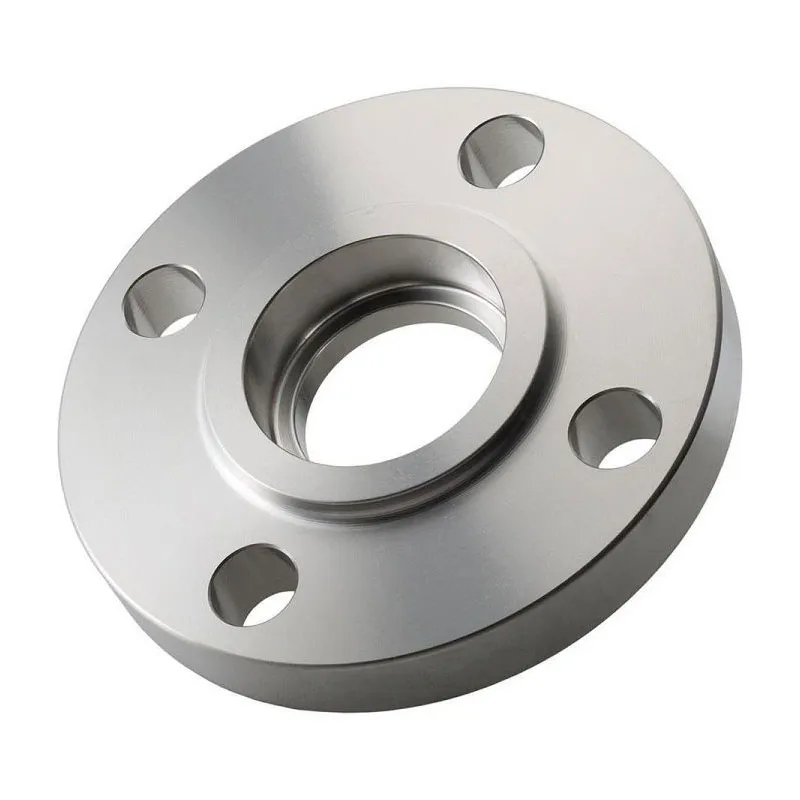 ANSI B16.5 Socket Weld Flanges Class 1500
 -
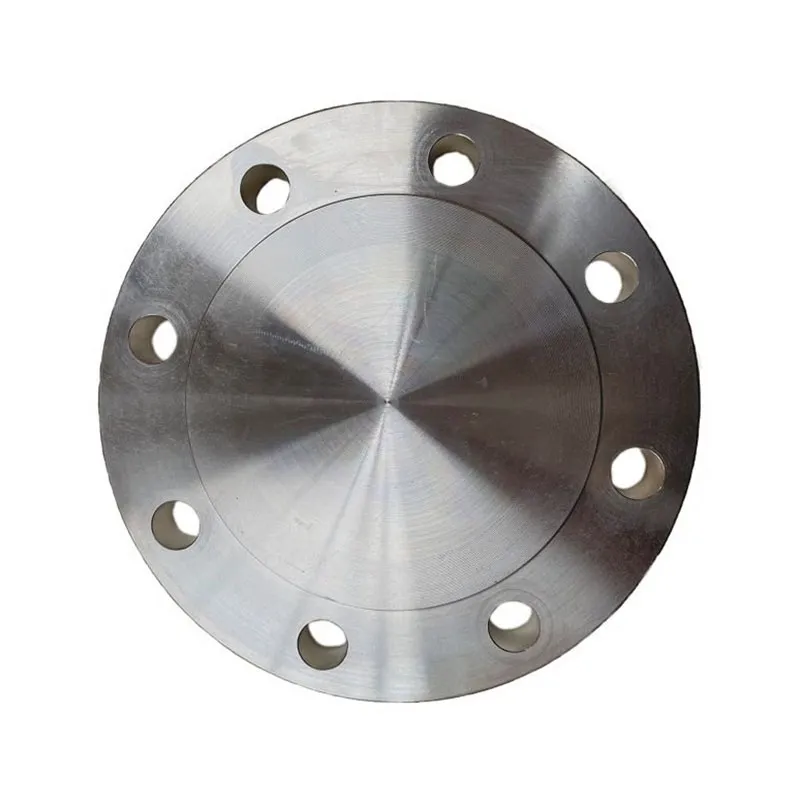 UNI 6092 Blind flanges PN10
 -
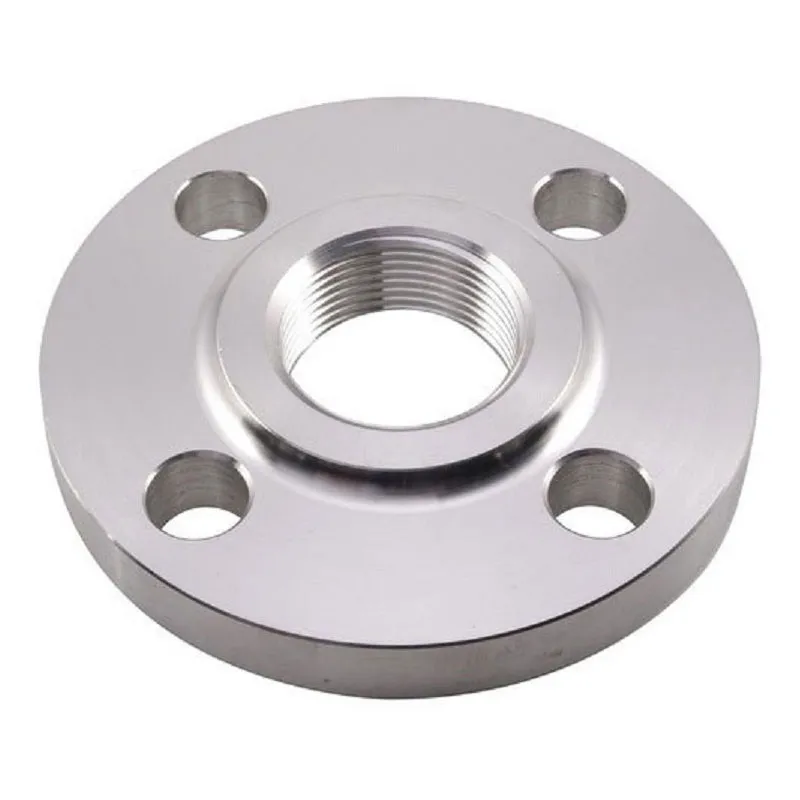 DIN 2565 Threaded flanges PN6
 -
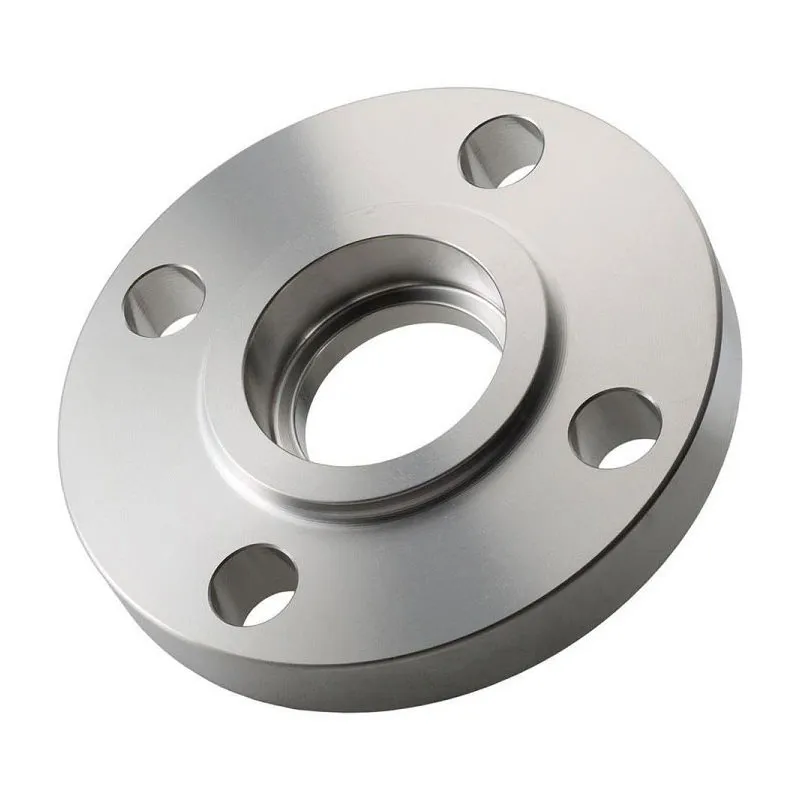 Flanges for socket welding
 -
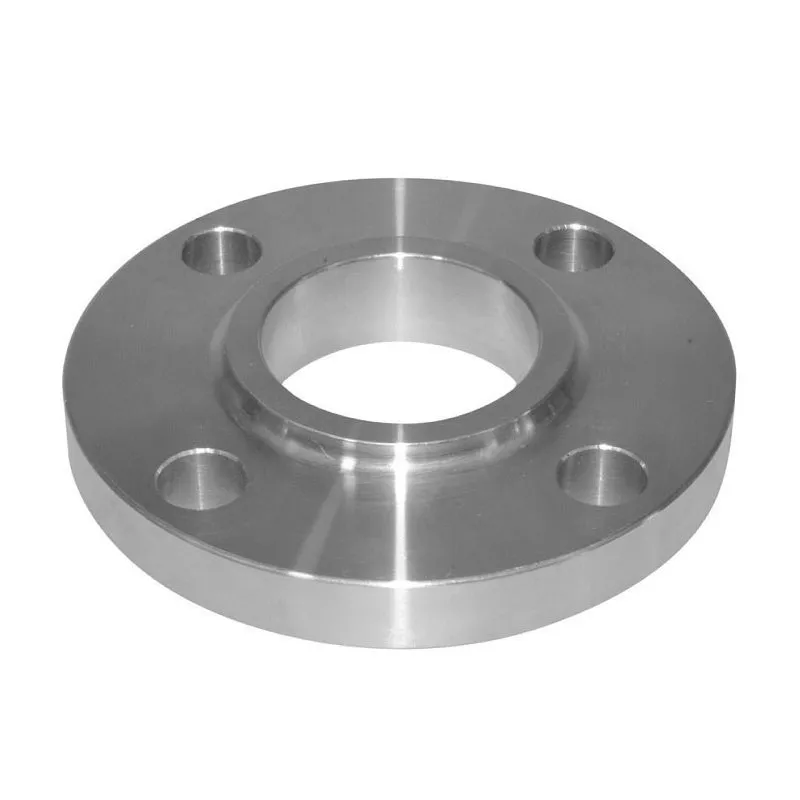 ANSI B16.5 Lap-on flanges Class 1500
Relatedsearch
Related Search- disassembly of fittings for threaded and flanged connections
- steel flanges for PE bushings
- flange 80 ru 16
- threaded rivet with flange
- steel flanges with pressure 1 MPa GOST
- steel pipe flange connection
- stainless steel flange 40 40
- tightness class of flange connections
- flange GOST 33259 certificate
- repair of pipeline flange connections