
-
-
Phone
+86-13623462298



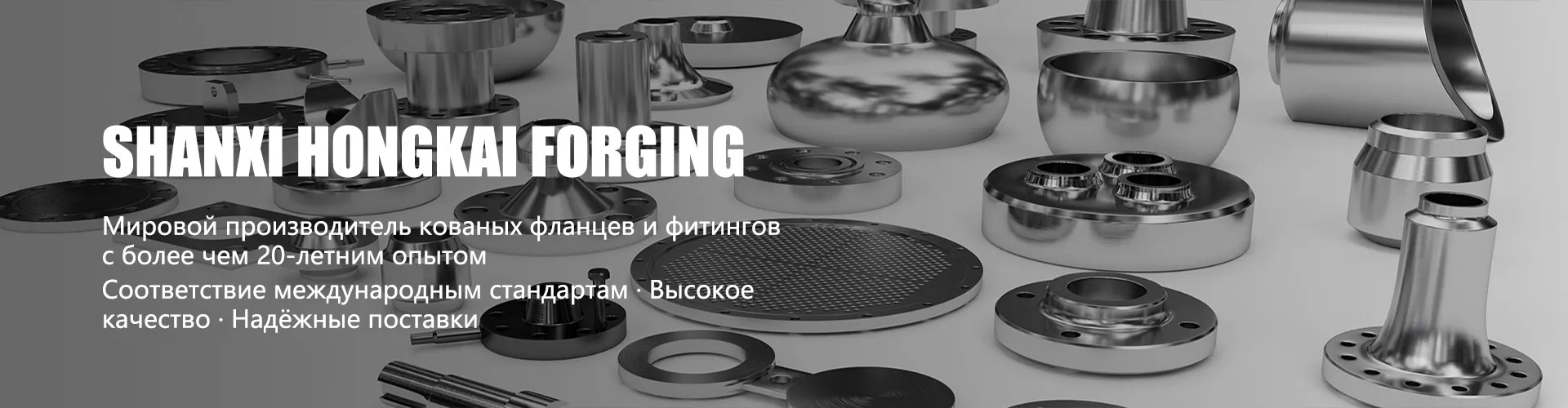
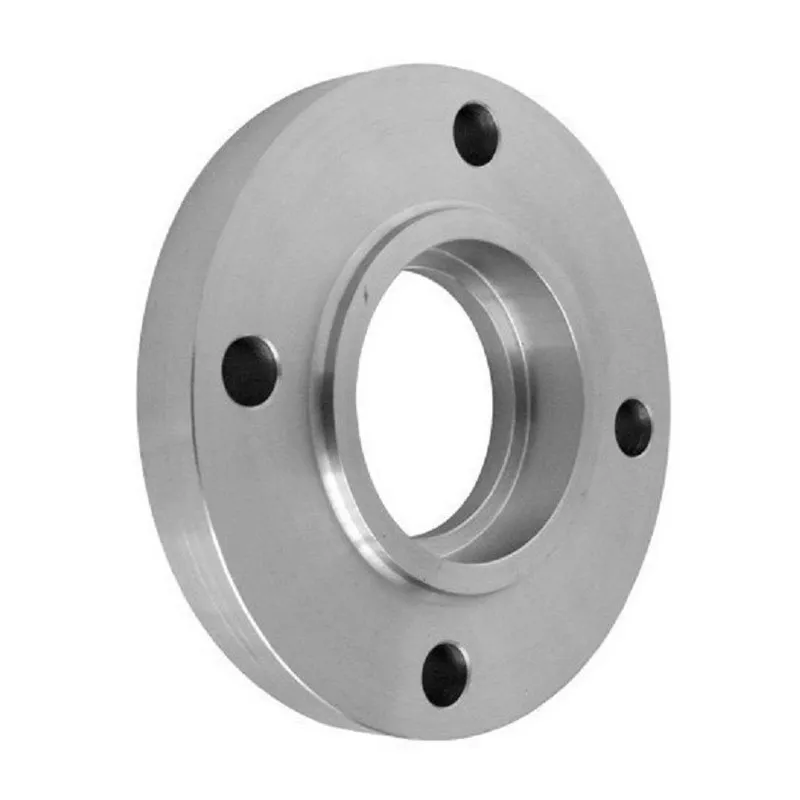
steel flanges for PE bushings
When they talk aboutsteel flanges for PE bushings, many people immediately imagine something simple - take it, weld it, ready. But in practice, there are a lot of nuances here that emerge already on site. The term itself, of course, refers to a steel flange designed to connect to a polyethylene pipe through a sleeve. However, a key point that is often overlooked at the design or procurement stage is not just switching from metal to plastic, but creating a reliable, durable and sealed unit that works in different conditions. More than once I have had to deal with situations where a customer, trying to save money, took the first available product without taking into account the pressure, environment or installation method, and then we dealt with the consequences - leaks, corrosion of the steel flange in the contact area, or even rupture of the polyethylene transition. So let's take it in order.
What is really hidden behind the design?
If we take our practice specifically, thensteel flanges for PE bushings- this is, as a rule, a steel flat or welded flange, to which a polyethylene pipe is not directly welded, but a special polyethylene sleeve is used (sometimes called a sleeve or pipe). This sleeve, on one side, is welded to the PE pipe using butt or electrofusion welding, and on the other, it has a collar or cone, which is clamped between the steel flange and the mating flange using studs and nuts. This is where the fun begins.
The design seems obvious, but the quality of the assembly depends 90% on two things: the geometry and material of the steel part itself and the accuracy of the fit of the polyethylene sleeve. The steel flange must have a perfectly flat surface for pressure without burrs or holes, otherwise uneven pressure will be created when tightening, and over time the polyethylene collar will “float”. or it will crack. We once received a batch where several flanges had barely noticeable risks from processing - they didn’t pay any attention to them in the field, they tightened them as usual. Six months later, drops appeared on one of the nodes. Upon opening, we saw that the bushing was deformed precisely at the location of this risk.
Another point is coverage. Often a steel flange, especially if it will work in a hostile environment or outdoors, requires protection. Galvanizing, priming, painting - but here it is important that the coating does not get on the same pressing surface, otherwise the friction coefficient will change, and it will be difficult to achieve uniform tightening. It is better when this surface remains pure metal, and the protection is applied carefully, with camouflage. In catalogs, for example, from the manufacturerShanxi Hongkai Forging Co.,Ltd (https://www.hkflange.ru), which specializes in forged flanges and forgings according to GOST, ASME, EN and other standards, usually indicate surface options. It is important to clarify this when ordering.
About standards and unobvious discrepancies
When working with transitions to polyethylene, you constantly come across inconsistencies in standards. Let's say a steel flange is made according to GOST 12820-80 (flat) or 12821-80 (butt welded). And the polyethylene bushing is according to some specific specification or, say, oriented to DIN. And here it turns out that the bolt circle diameters (PCD) or thickness may differ slightly, but differ. A difference of half a millimeter - and you already need adapter washers or another set of fasteners. This is a small thing, but on a large facility, when there are hundreds of such nodes, it results in downtime and additional costs.
Therefore, our approach now is this: either order as a set - steel flanges and polyethylene bushings from one supplier, who guarantees their compatibility, or very carefully check the drawings and actual dimensions of the samples before bulk purchasing. Chinese manufacturers such as the one mentionedShanxi Hongkai Forging Co.,Ltd, they often offer manufacturing according to the customer’s drawings, which is the only right way for non-standard transitions. Their experience in forging for the DN15–DN4000 range allows products to be produced to the required tolerances, especially when it comes to large diameters for main pipelines.
By the way, about large diameters. For DN500 and above, a classic flat flange may not be the best choice due to possible deflection. Here they often look towards butt-welded ones (GOST 12821) - they are tougher. But the weight and price are, of course, higher. It is necessary to consider the feasibility for each specific case of pressure and installation conditions.
Editing: where mistakes are most often made
The most common mistake when installing a unit withsteel flange for PE bushing- this is the wrong tightening. It would seem that it would be difficult: I tightened the nuts crosswise with a torque wrench with a force from the specification. But the specification is often given for pure metal to metal. And our contact is steel-polyethylene. Polyethylene is a creeping material. If you overtighten, it will begin to deform under constant pressure and the seal will weaken. If you don't tighten it enough, it will leak immediately.
At one of the water supply facilities, we encountered the fact that installers, accustomed to steel flange connections, tightened the assembly with the same torque. After a few months, some of the joints had to be tightened. It was necessary to develop and prescribe in the PPR a separate methodology for such transitions, with torque control and mandatory re-checking 24-48 hours after the first start-up under pressure.
The second mistake is ignoring the condition of the end of the PE pipe and the sleeve before welding. Any dirt, moisture, axial misalignment during butt welding will lead to a weak seam. And this seam is a weak point. If it collapses, then the entire load from the pressure in the pipeline will fall on the bolted connection of the flange, which is not intended for this purpose. The result is predictable - depressurization. Therefore, quality control of welding of polyethylene parts is a must.
Selection of supplier and personal experience
The market is saturated with offers, but withsteel flanges for PE bushingsI wouldn't recommend working with just anyone. We need a manufacturer who understands the purpose of the product and controls not only the mechanical characteristics of the steel, but also the geometry. Forging production, likeShanxi Hongkai Forging Co.,Ltd, here it has an advantage over cast billets - the metal fibers in the forging are more evenly distributed, there are no internal cavities, and the impact strength is higher. This is important for responsible nodes.
We once ordered a batch of flanges for a PE bushing for an object with cyclic loads (vibration from pumps). We took forged flanges from a trusted supplier and made them according to our drawings with a slight increase in thickness. The result is that for three years of operation, not a single comment. At the same time, at the neighboring site, where cheaper cast analogues (not purchased by us) were installed, two units were replaced due to cracks in the flange body next to the holes for the studs. Inspection revealed the presence of casting defects.
When choosing, also look at the full cycle. It's good when the manufacturer is the sameShanxi Hongkai Forging, makes not only standard flanges, but also takes on non-standard forgings according to drawings. This indicates flexibility and the ability to solve a non-standard problem - for example, when you need a flange with an unusual hole arrangement or with an additional welding fitting for drainage.
Instead of a conclusion: what to look for today
To sum it up, I want to say that the topicsteel flanges for PE bushingsis not limited to simply choosing a product from a catalog. This is a complex task: the correct selection of the type and material of the flange, exact compliance with the bushing standards, competent installation taking into account the properties of the polymer and subsequent control. The trend now is a movement towards more complete complete solutions from a single vendor, which reduces the risks of incompatibility.
There is also increasing emphasis on corrosion resistance. If earlier they often used ordinary steel 3 or 20, now for aggressive environments (say, in sewer pressure collectors) flanges made of stainless steel 12Х18Н10Т or with protective coatings are considered. This makes the unit more expensive, but extends its service life significantly.
The main advice, based on bitter experience: do not skimp on the quality of the flange itself and never neglect trial assembly and checking the compatibility of all components before mass installation. It’s better to spend a day testing a sample than spending weeks troubleshooting emergency situations. And yes, working with proven manufacturers who have weight in the industry, like a company from Shanxi specializing in forged products for international markets, turns out to be more profitable in the long run.
Correspondingproducts
Related Products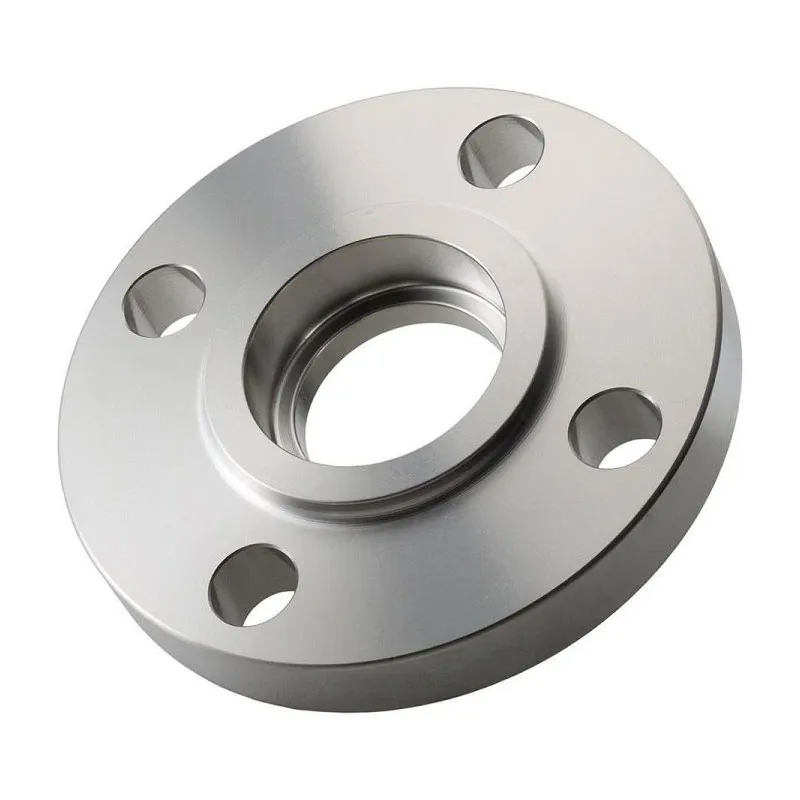
Best Sellingproducts
Best Selling Products-
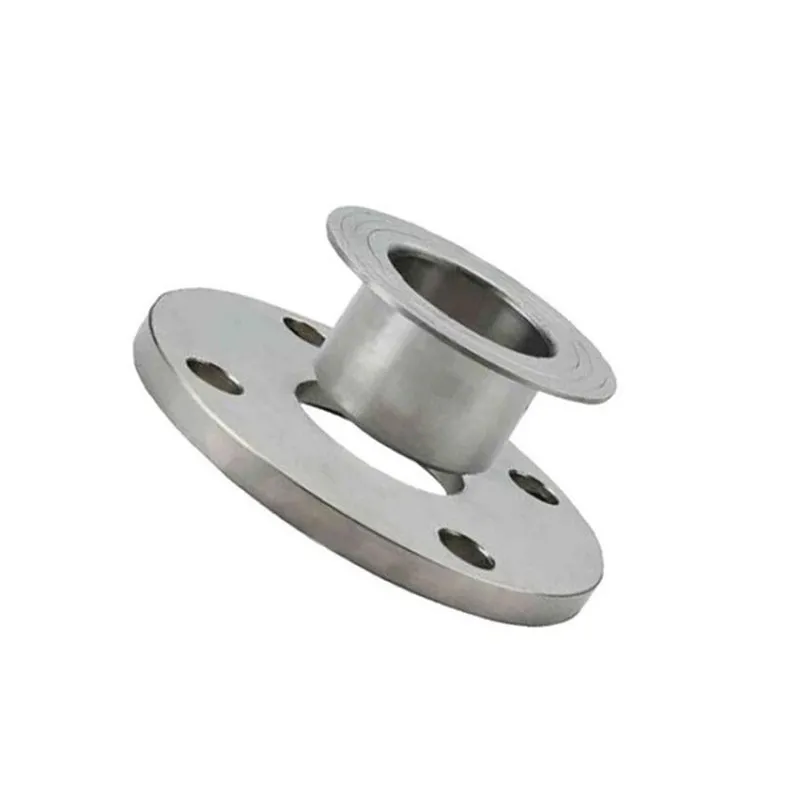 JIS 10K Loose Ring Flanges
 -
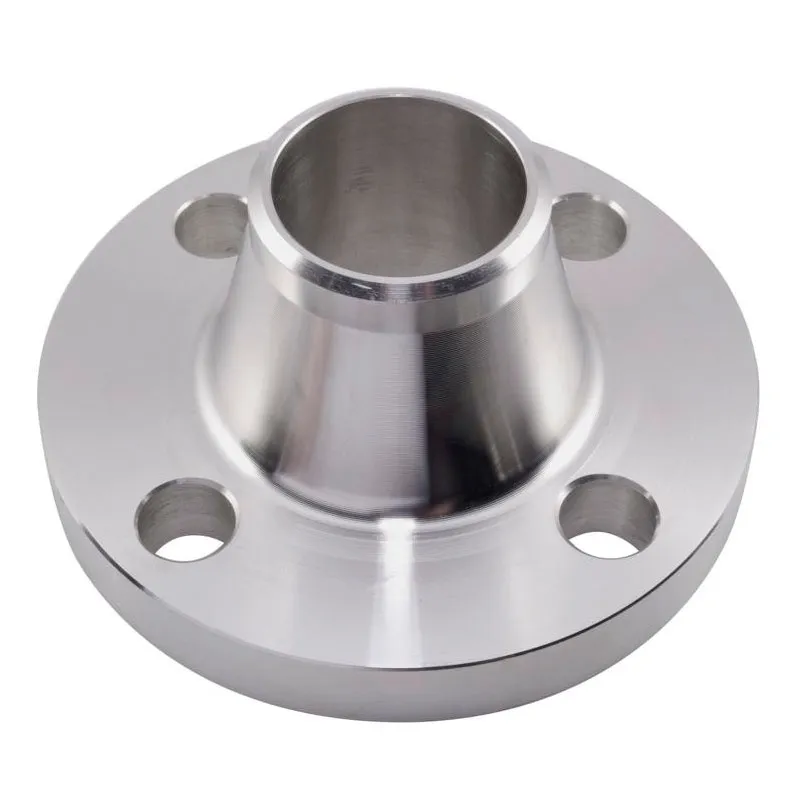 Butt weld flanges Class 900
 -
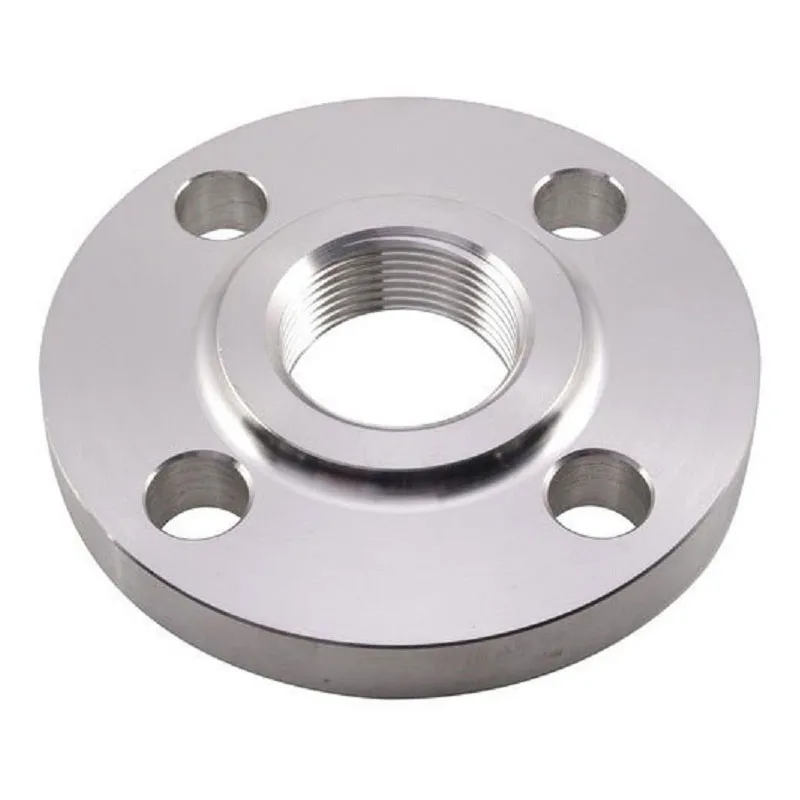 EN 1092-1 Threaded flanges Type 15, PN16
 -
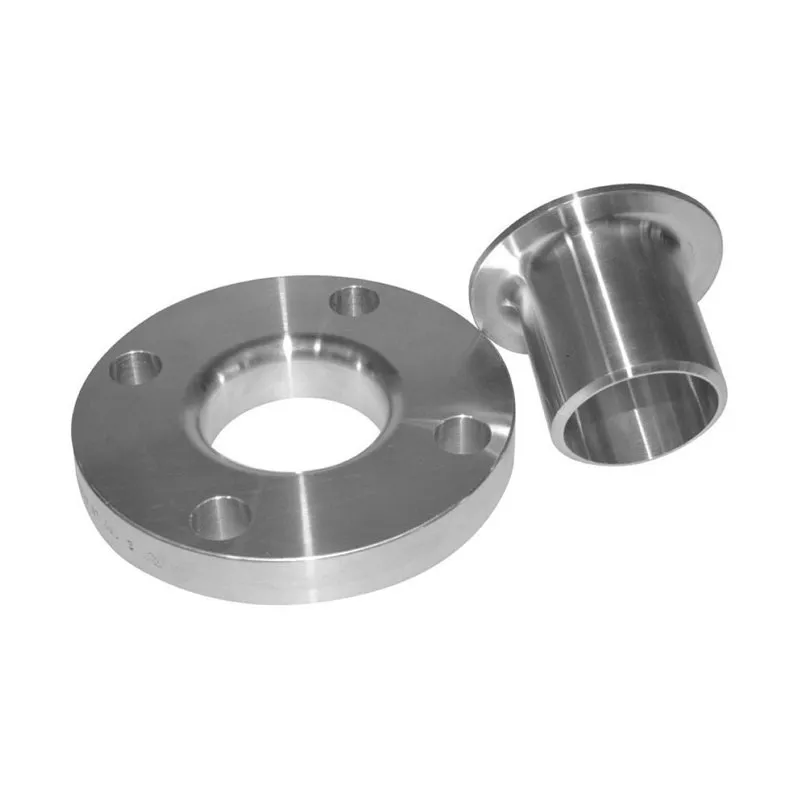 Free ring flanges Class 150
 -
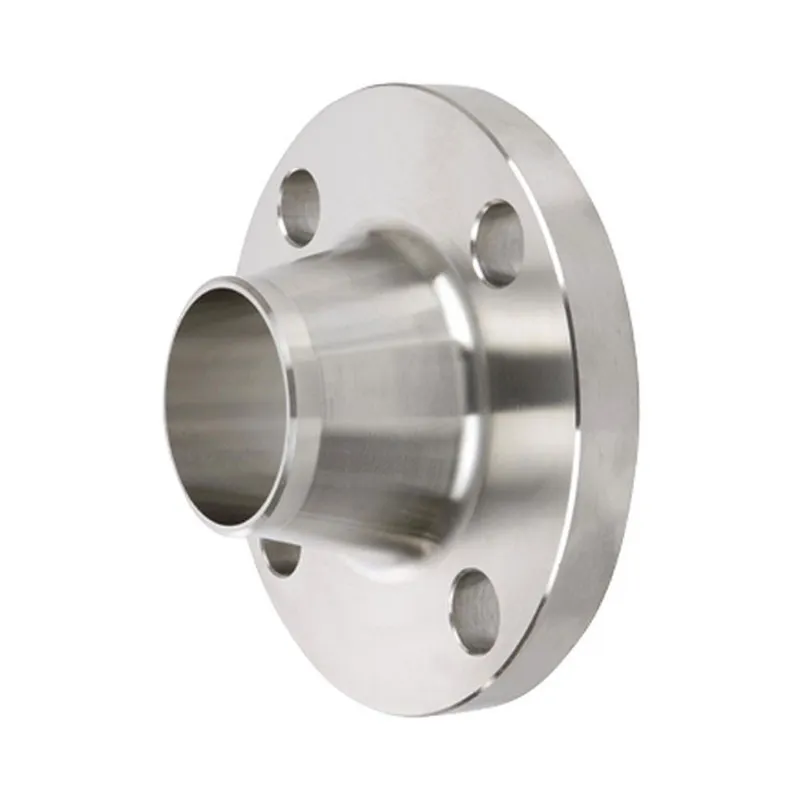 EN 1092-1 Butt weld flanges Type 11, PN25
 -
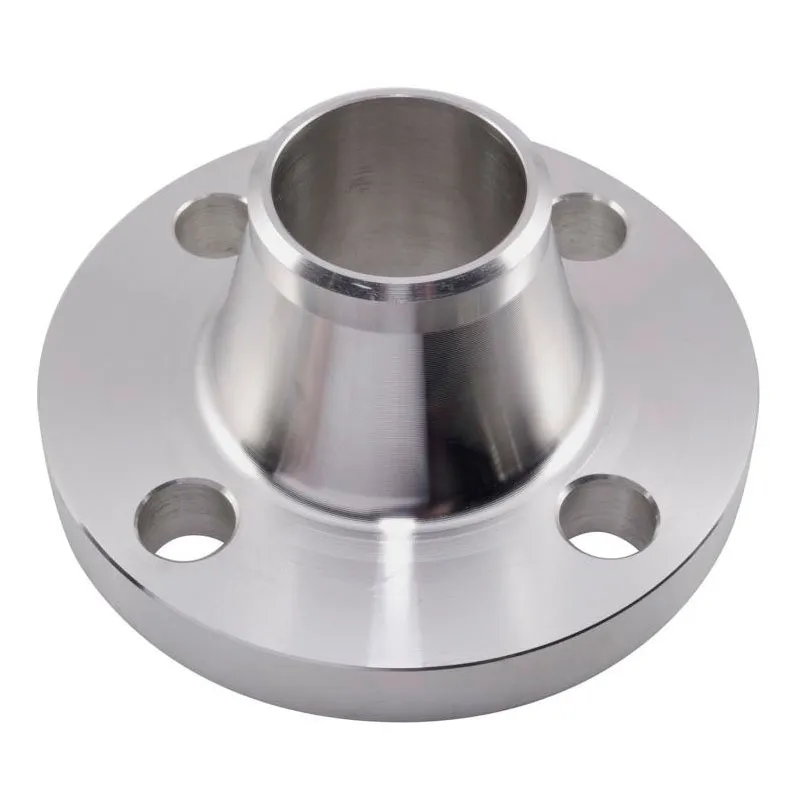 DIN Butt weld flanges PN10
 -
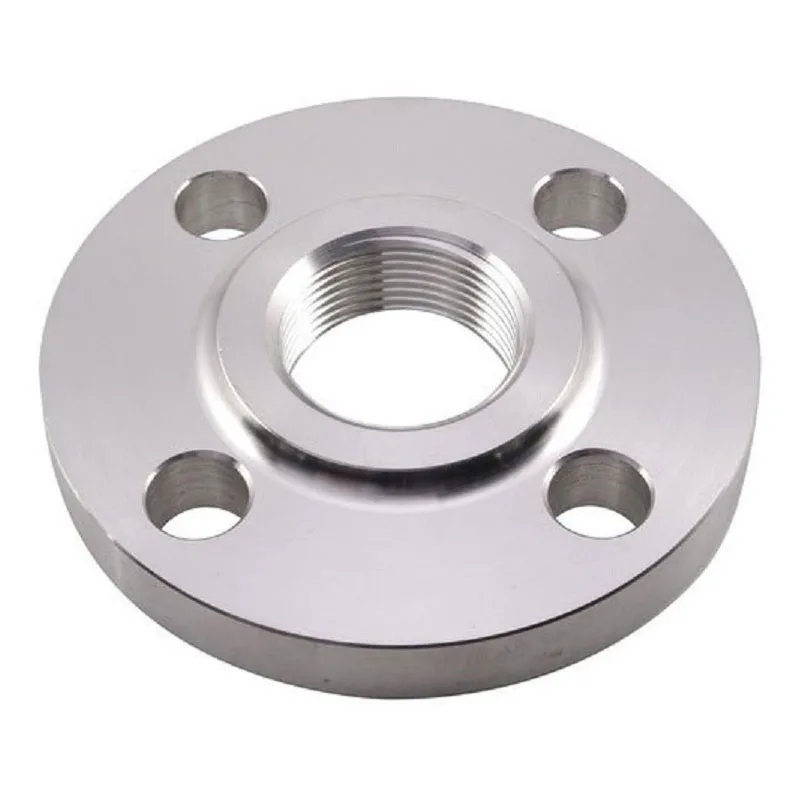 JIS 10K Threaded Flanges
 -
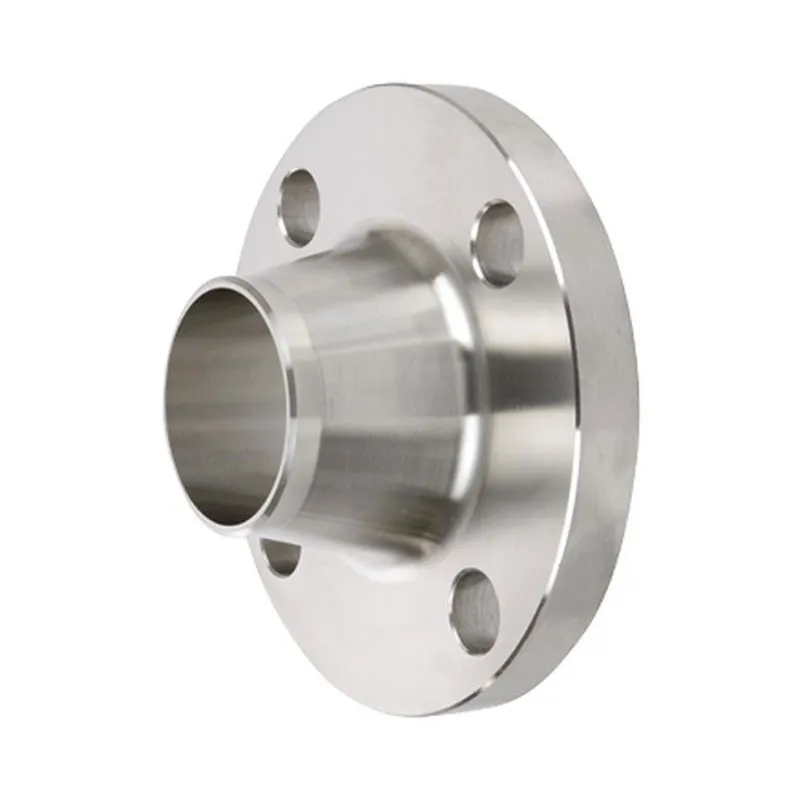 Ser.A Butt Weld Flanges Class 400
 -
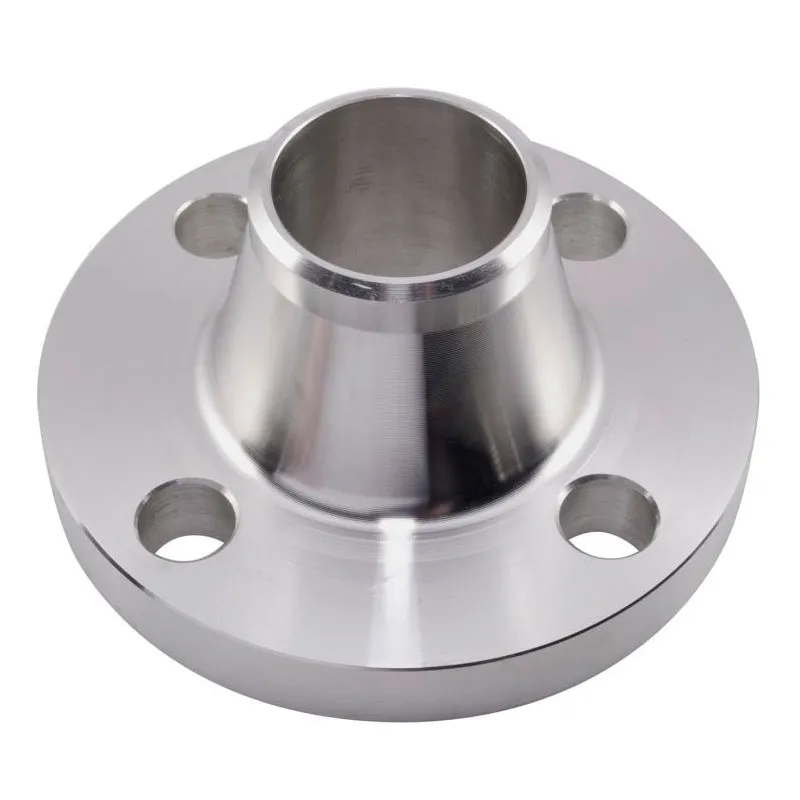 UNI 2281 Butt weld flanges PN10
 -
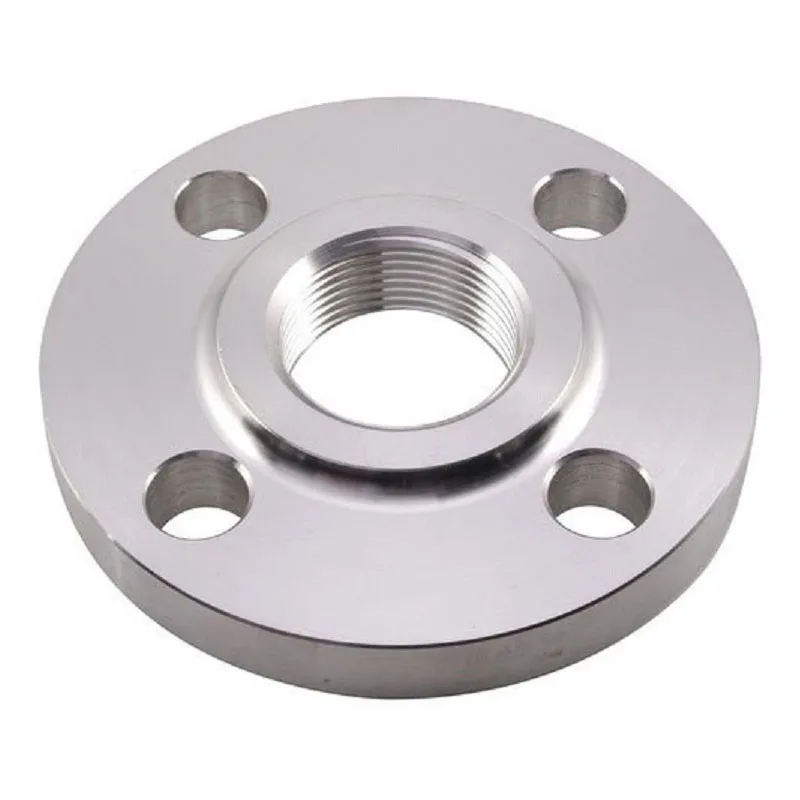 DIN 2566 Threaded flanges PN16
 -
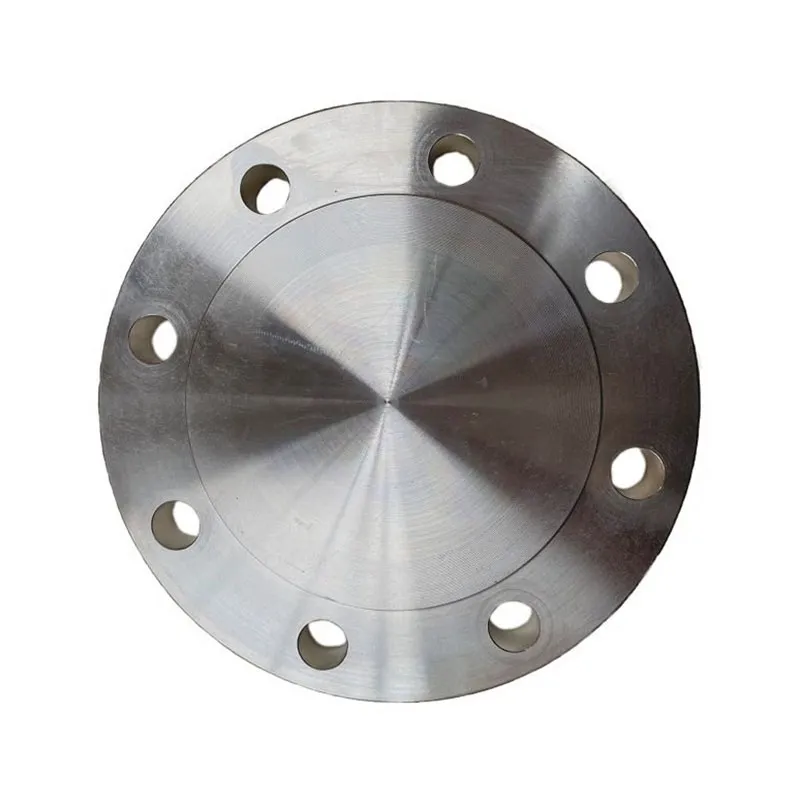 ASME B16.47 Ser.A Blind Flanges Class 400
 -
 JIS 5K Socket Weld Flanges