
-
-
Phone
+86-13623462298



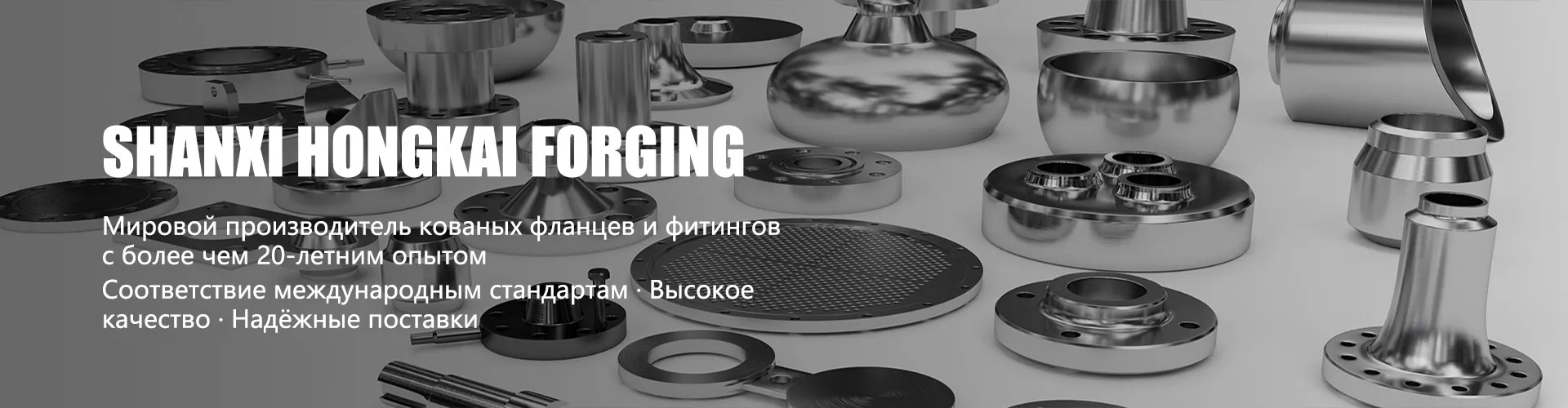
flange 80 ru 16
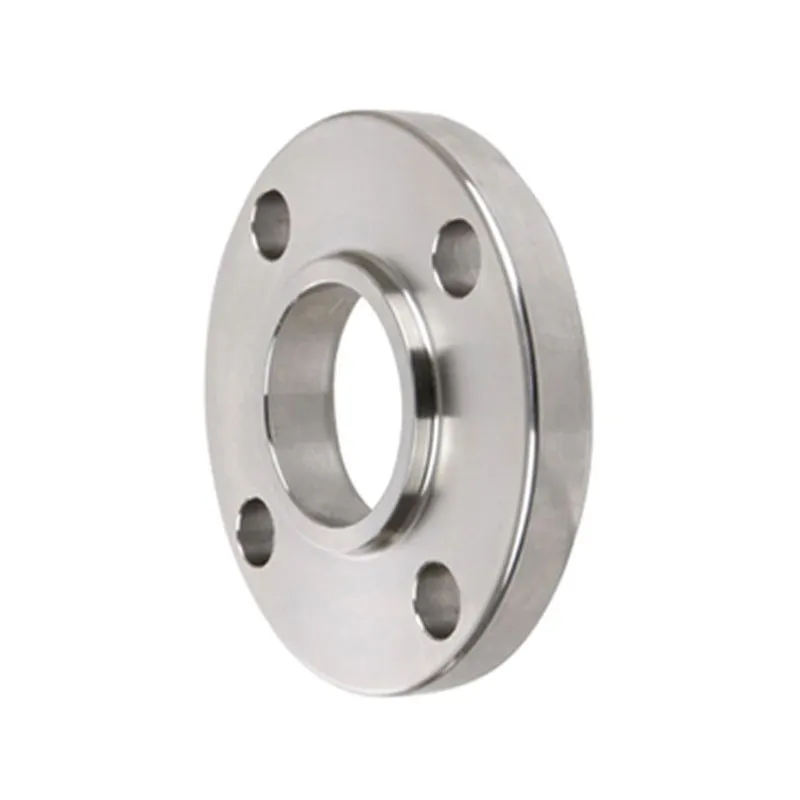
When you see a request like “flange 80 ru 16?”, the first thing that comes to mind is the standard answer according to GOST 12821-80 or 12820-80. But in practice, if you have actually been involved in selection or, more importantly, installation and operation, you understand that these numbers hide a lot of nuances that are often not written in catalogs. Many people think that since the pressure is 16 kgf/cm2, that’s it - take anyone. And then they are faced with the fact that the flange does not fit on the pipe due to differences in tolerances, or that due to temperature changes in the system, a leak begins at the seal. I went through this myself.
Not just numbers: decoding and pitfalls
Let's take ourflange 80 ru 16. DN 80 - this would seem to be clear. But here’s the point: to what standard is this very conditional passage made? If this is an old Soviet pipe, then there may be some tolerances, if a modern pipe according to the European assortment, there may be different ones. And if the flange is made “strictly according to GOST”, but for modern pipes, a gap may occur. I once received a batch from one supplier - everything seemed to be according to the drawing, but when trying it on a DN80 pipe according to EN 1092-1, a problem arose. I had to improve it.
Pressure PN 16 is operating at 20°C. What do we have in our system? If the coolant is 150°C, then the permissible pressure already drops. And this is often overlooked when designing repair units. You can't just takeflange 80 ru 16made of carbon steel 20 and placed on a line with superheated steam. The material will begin to “creep”, the bolts will loosen, and there will be subsidence and depressurization. You need to look at the grade of steel and its mechanical properties at operating temperature.
And one more thing about the design of the sealing surface. For Ru 16, design B (protrusion-recess) or E (tongue-groove) is often used. But if vibrations or alternating loads are possible in the system, then the tongue and groove is more reliable. However, it is more difficult to center during installation, especially in cramped conditions. I had to deal with when installers, accustomed to flat flanges, began to “adjust”? with a sledgehammer - the result is predictable, damage to contact surfaces and constant leaks.
Experience in supplying and working with manufacturers
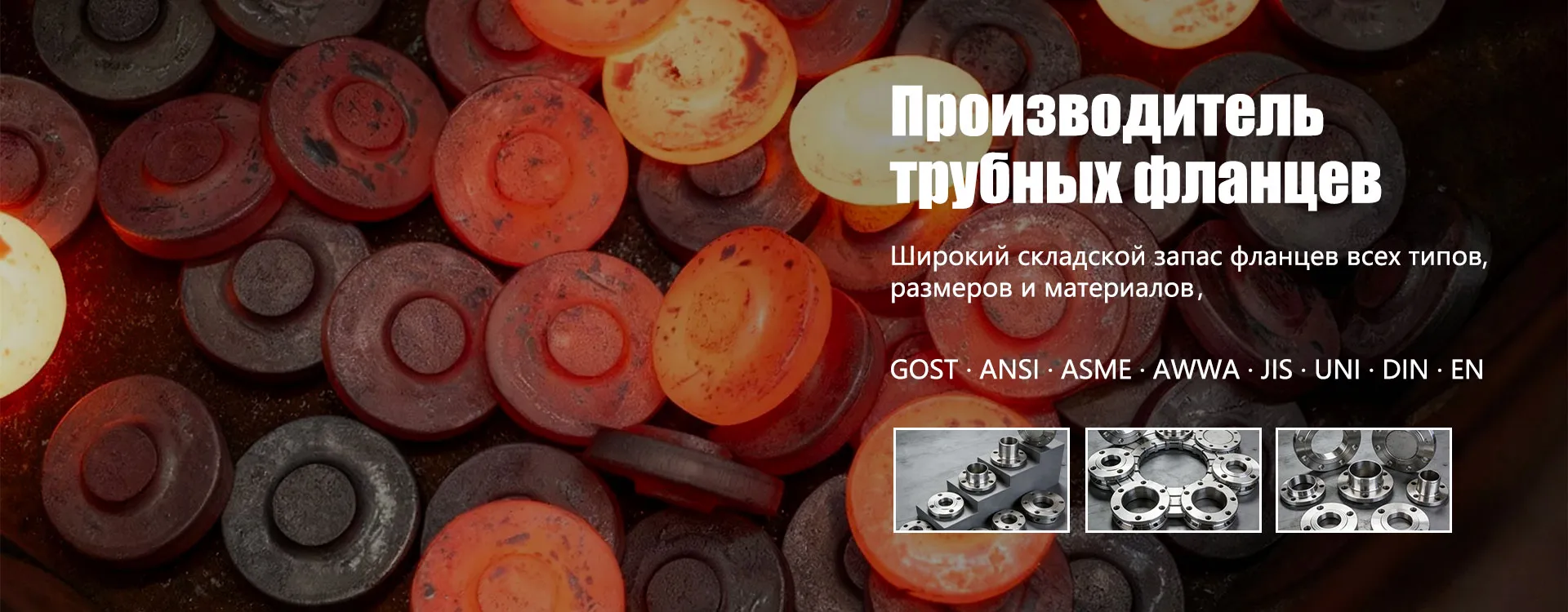
Now there are many offers on the market, but the quality is very low. Previously, they often took them from local workshops, but the stability of the geometry was poor. Now some of the orders, especially for critical components, have been transferred to trusted manufacturers with a full cycle, such asShanxi Hongkai Forging Co.,Ltd. Why? They have a controlled process from forging to machining. For products such asflange 80 ru 16, this is critical. Forging gives a better metal structure, especially for subsequent butt welding; there are no segregations, as happens on cast workpieces.
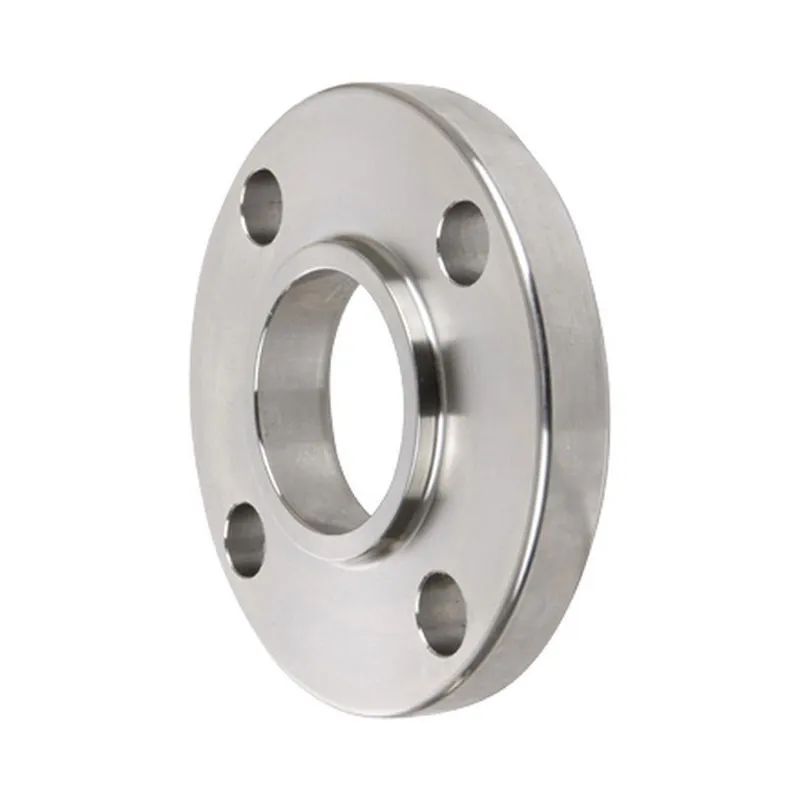
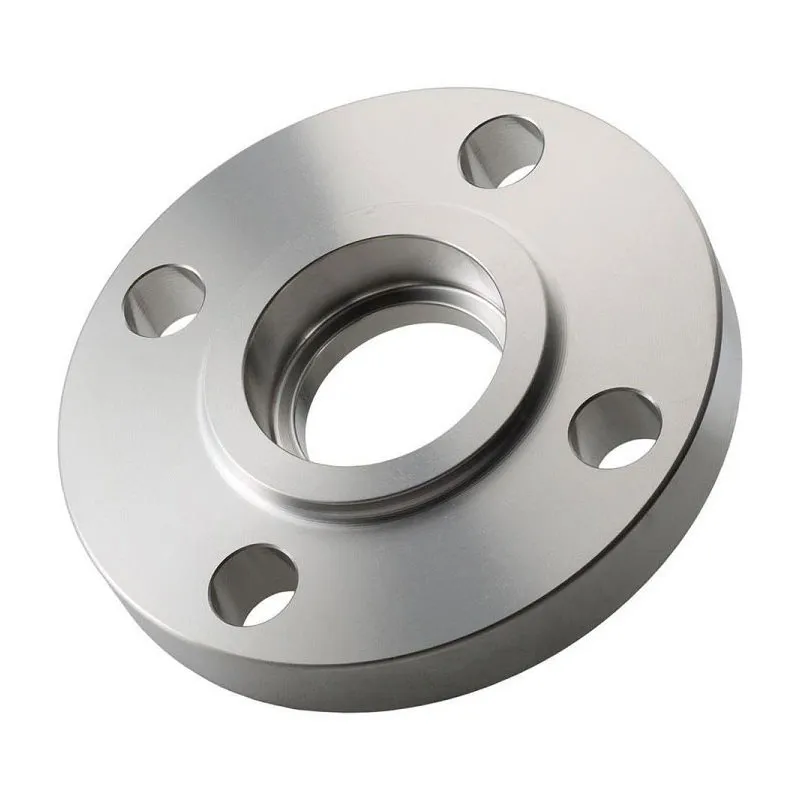
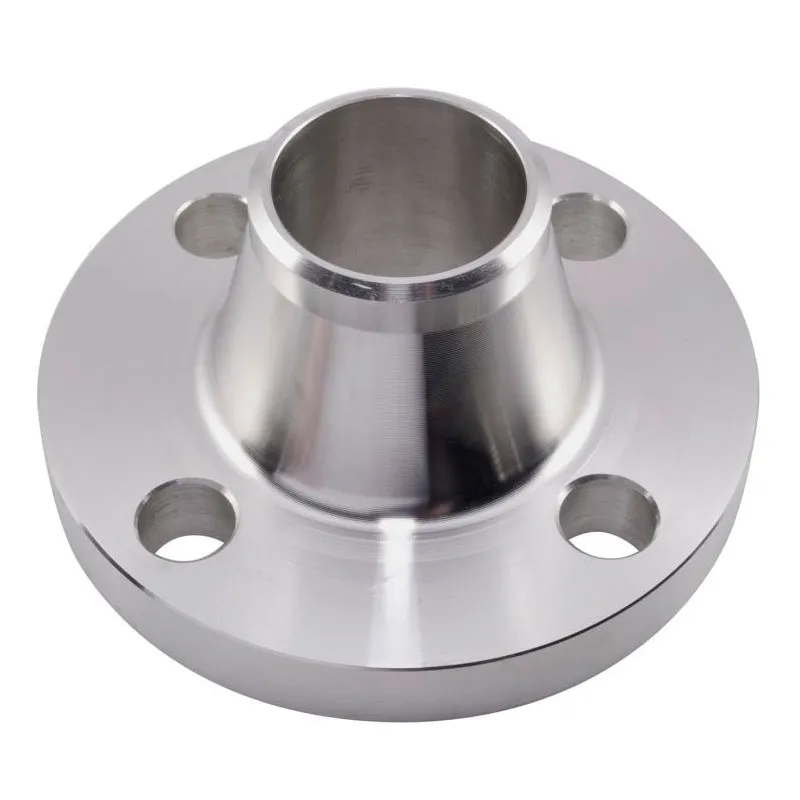
I went to their websitehttps://www.hkflange.ru— it is clear that the company positions itself as a manufacturer of forged flanges and forgings, working in accordance with GOST, ASME, DIN. This is important when you need not just hardware, but products for a specific standard with certificates. For Ru 16, by the way, they offer both collar (butt-welded) and flat flanges. Personally, for pipelines where fatigue strength is important, I always recommend butt joints, despite the higher cost. Fewer stress concentrators at the neck.
There was an incident once. We ordered a batch of flanges DN 80 Ru 16 in accordance with GOST 12821-80 from another supplier. When we arrived, everything seemed to be fine. But when welding, microcracks appeared in the heat-affected zone on several pieces. The laboratory showed an increased sulfur content in the metal. It turned out that the workpiece was made of remelted steel of dubious origin. After this, they began to require not only a certificate of conformity, but also chemical analysis protocols for each melt on critical lines. At the sameShanxi Hongkai Forging Co.,Ltdthe description states that they manufacture products in one of the main forging centers in China, which indirectly indicates an established metallurgical cycle and control of raw materials.
Montage stories and non-obvious details
They say the flange is a simple part. I agree, until you start putting it on. Here, for example, is the moment with bolts. Forflange 80 ru 16according to GOST you need 8 pieces M16. But what bolts? Strength class 5.8, 8.8 or 10.9? If you put the weak ones on the hot line, they will quickly “stretch out” and the force on the gasket will drop. If you install too hard ones (10.9) without proper tightening control, you can either strip the threads in the flange hole (especially if the flange material is softer) or crush the graphite gasket.
Gaskets are a separate issue. Under Ru 16, paronite or graphite are often used. But if the medium is hydrocarbons, then paronite can swell. There was an incident on a diesel pipeline: after six months of operation, the DN 80 flange connections began to leak. We took it apart and the paronite gaskets were swollen and lost their density. We switched to metal edged gaskets for 80 ru 16 flanges - the problem went away, but we had to recalculate the tightening force, since the rigidity of the package is different.
And more about butt welding. When you weldflange 80 ru 16collar, it is important to maintain alignment and not overheat. Overheating of the neck leads to metal tempering and a decrease in strength. Monitor interpass temperature. It is better to cook in several passes with low current. I myself saw how the “specialists” They grabbed it with one thick seam - it seemed to be standing. And during hydrotesting, a thin crack appeared along the weld at 1.25 from the worker (20 kgf/cm2). I had to cut it off and cook it again.
When standard size is not enough
It happens that you need itflange 80 ru 16, but with non-standard holes for fastening or with a transition to another standard. For example, connecting old Soviet equipment with new European equipment. The standard GOST flange has a bolt circle diameter of 200 mm and 8 holes. And according to DIN EN 1092-1 (PN16) for DN80 the diameter of the bolt circle is 190 mm and there are also 8 holes, but the diameter of the holes may differ. You can't connect directly.
In such cases, you either look for an adapter ring or order a flange according to an individual drawing. The same website hkflange.ru states that the company also produces non-standard products according to customer drawings. It saves. We once ordered an adapter flange from GOST 12821-80 to ASME B16.5 Class 150, both to DN 80. The main thing was to correctly draw the thickness and location of the holes so that there would be no distortion when screeding. We did it, installed it - it works.
For repairs of old networks, a flange with increased thickness is sometimes needed if there is corrosive wear of the welded end. Just take a new standard one - it will be thinner than a worn pipe. You have to either weld on the ring, or again order a non-standard forging with a thicker neck. This is to the question that the marking ?80 ru 16? - this is just a basis for conversation, and real parameters often require clarification.
Instead of a conclusion: what to look for today
So, to summarize the experience.Flange 80 ru 16- not just a consumable. This is the critical element of the connection. When choosing, first look at the environment and temperature - you determine the material (Steel 20, 09G2S, 12Х18Н10Т). Then, based on installation conditions and availability for tightening, you determine the type (flat, collar). Next is the standard and design of the seal so that it matches the mating part.
Check the geometry, especially the thickness and parallelism of the sealing surfaces, and the runout of the bolt holes. Ask the supplier for the sameShanxi Hongkai Forging Co.,Ltd, not just a certificate, but data on chemistry and mechanics. This protects against surprises.
And most importantly, do not skimp on quality for critical systems. The difference in price between a dubious and a high-quality flange can be 20-30%, but the cost of eliminating an accident, especially with a production shutdown, is incomparable. It is better to buy from manufacturers who specialize in forging and work according to international standards - there is less chance of running into defects. As practice shows, this pays off with long and quiet operation of the flange connection without repairs or tightening.
Correspondingproducts
Related Products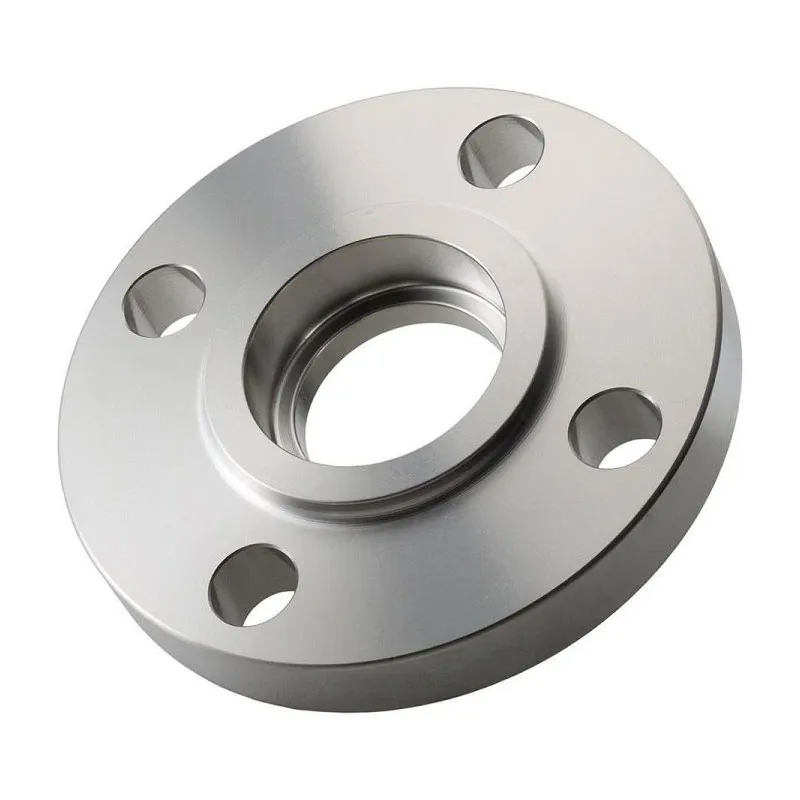
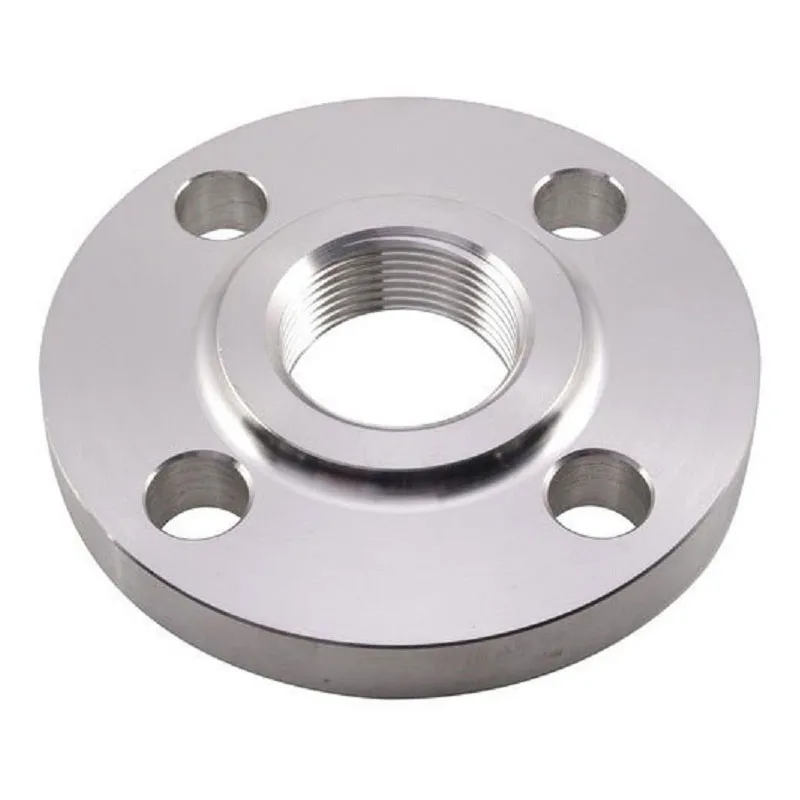
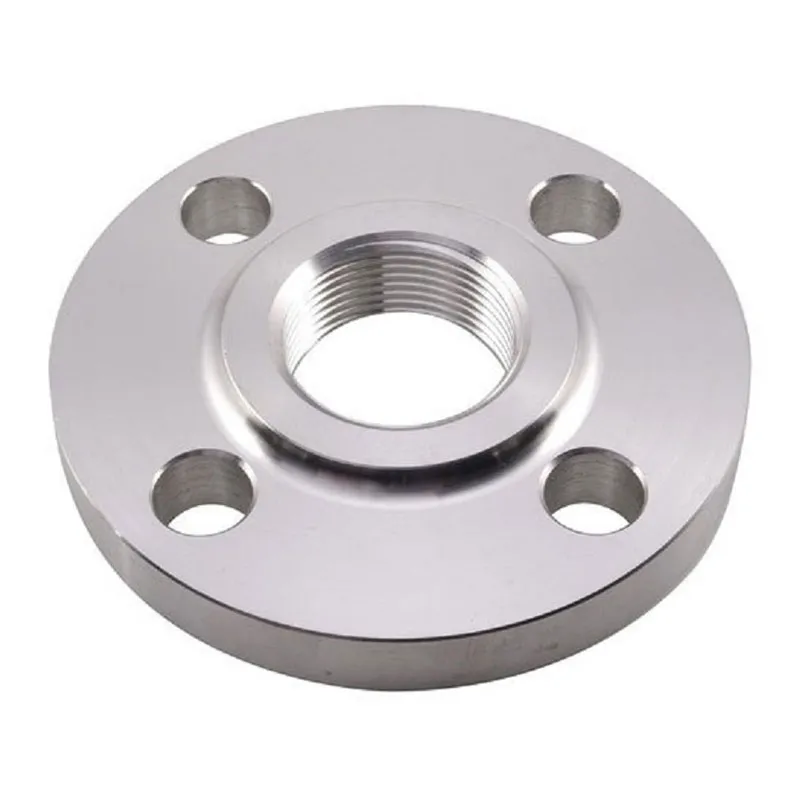
Best Sellingproducts
Best Selling Products-
 JIS 10K Loose Ring Flanges
 -
 Butt weld flanges Class 150
 -
 Free ring flanges Class 150
 -
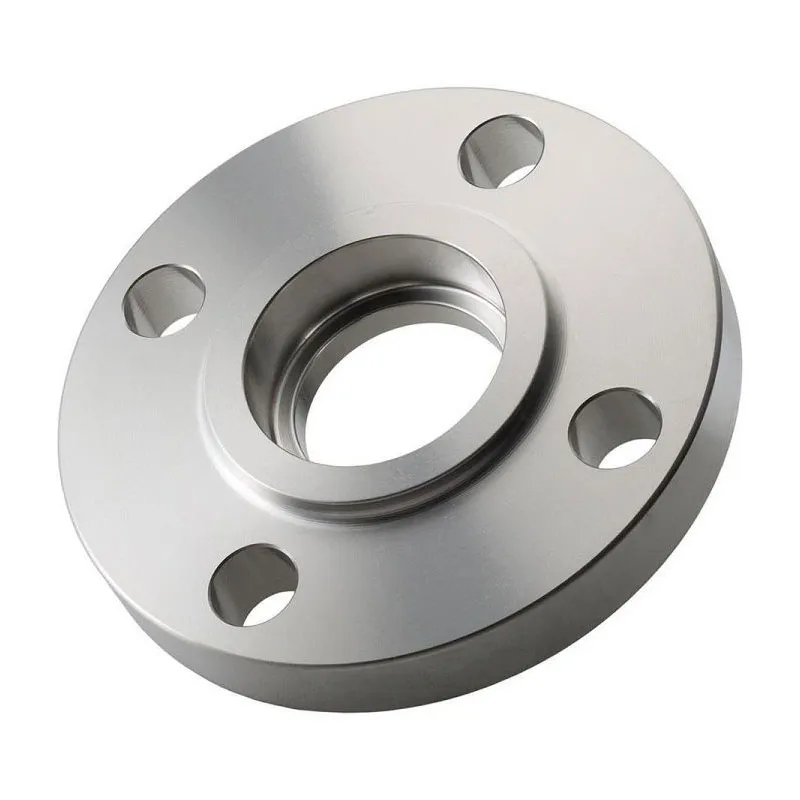 ANSI B16.5 Socket Weld Flanges Class 1500
 -
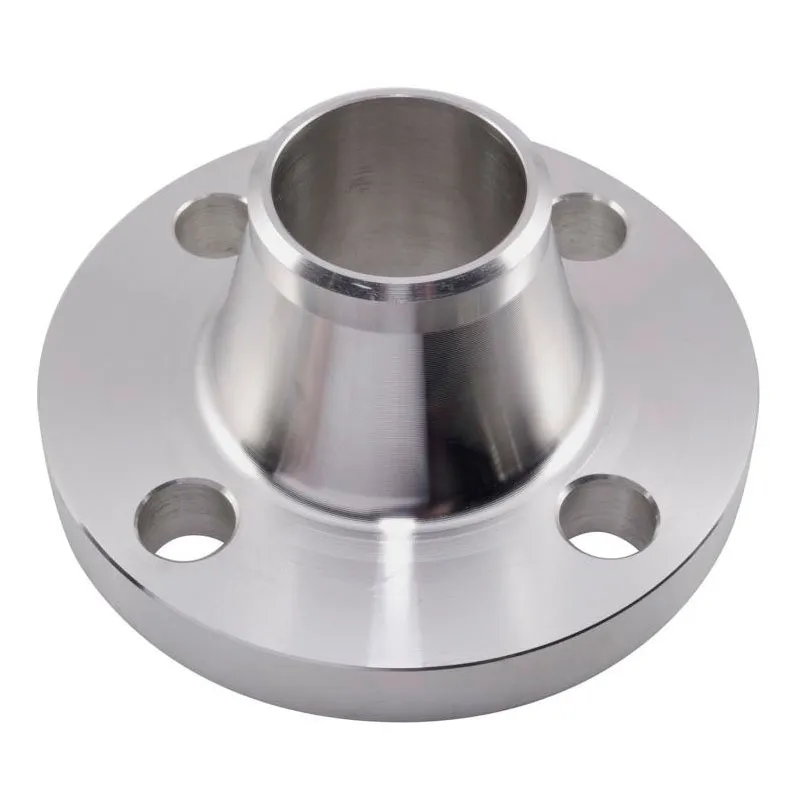 DIN Butt weld flanges PN10
 -
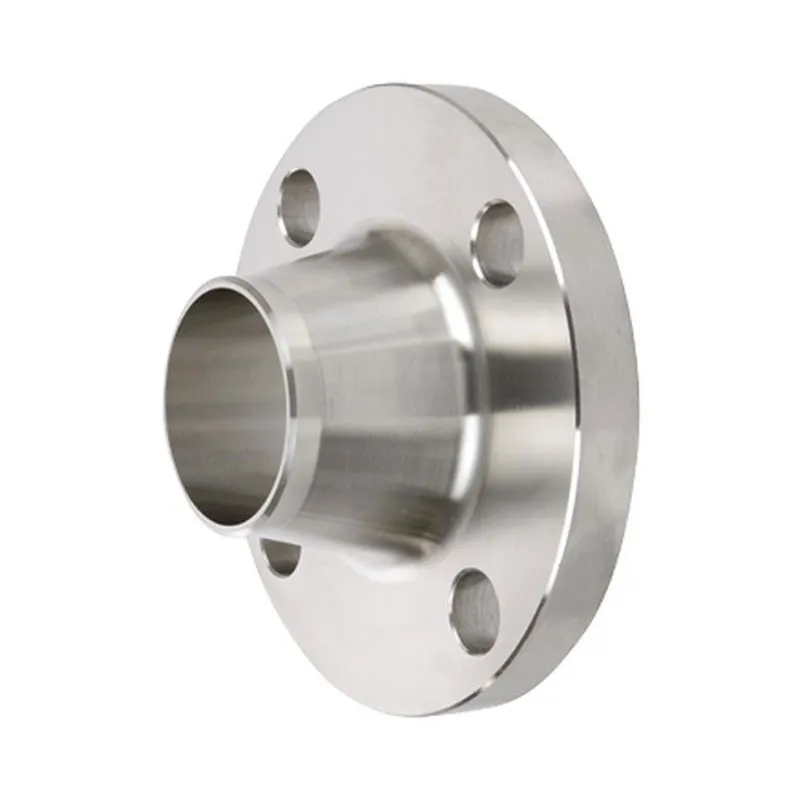 Ser.A Butt Weld Flanges Class 400
 -
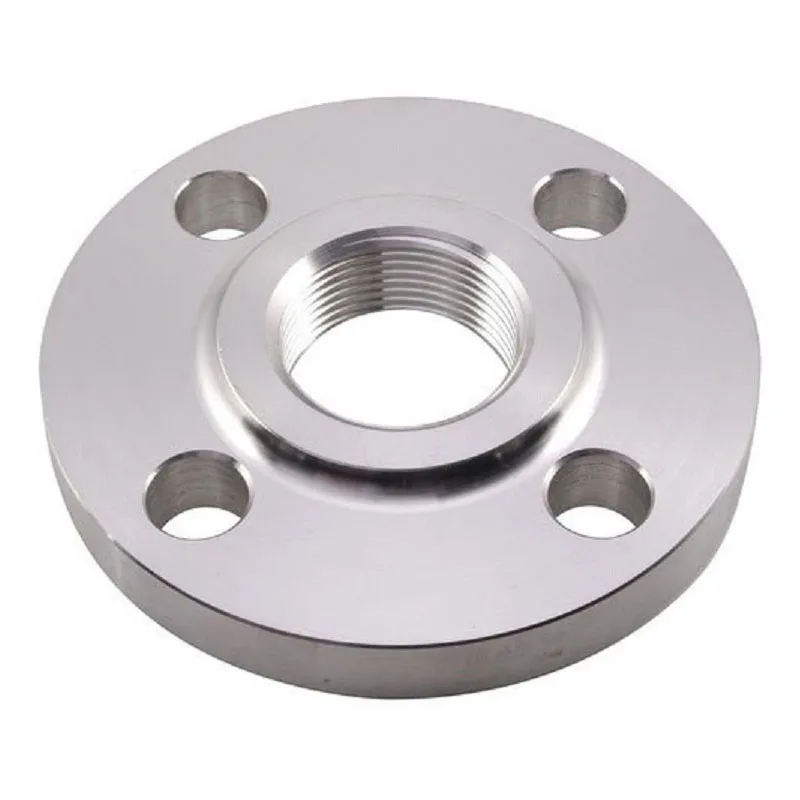 DIN 2566 Threaded flanges PN16
 -
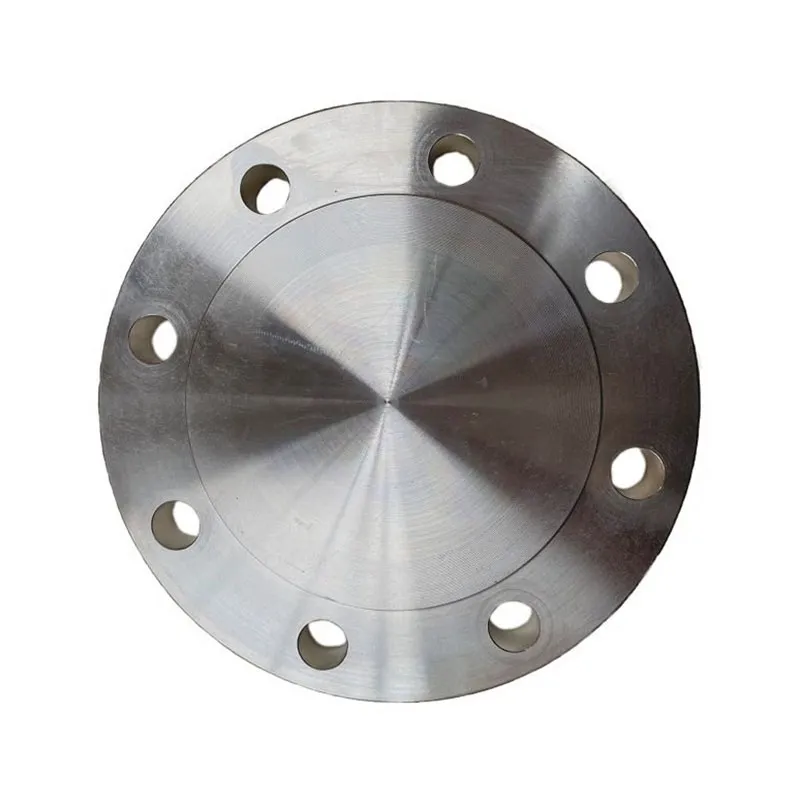 ASME B16.47 Ser.A Blind Flanges Class 400
 -
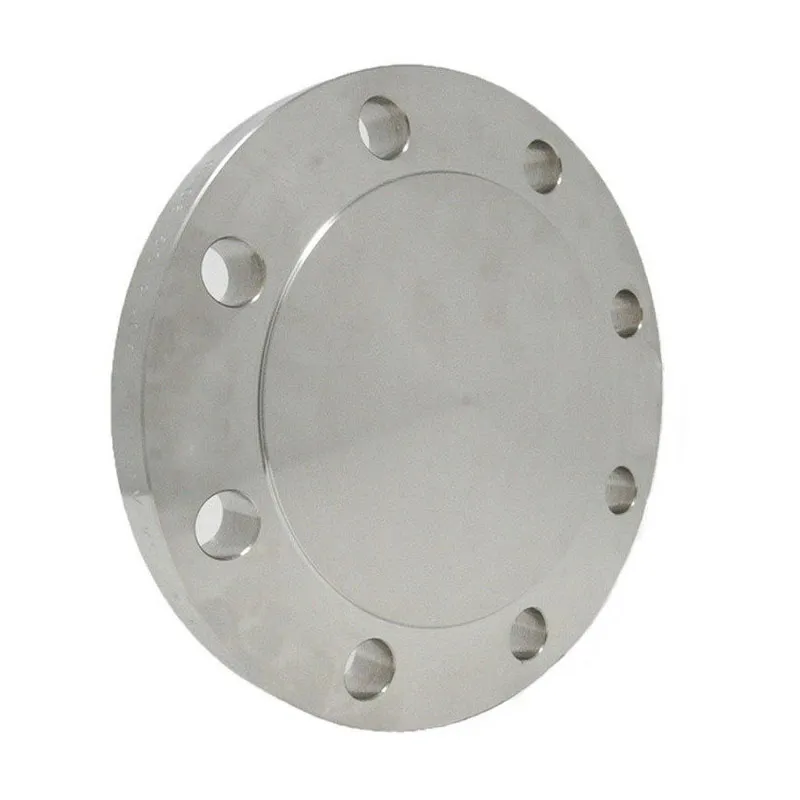 Blind flanges Class 150
 -
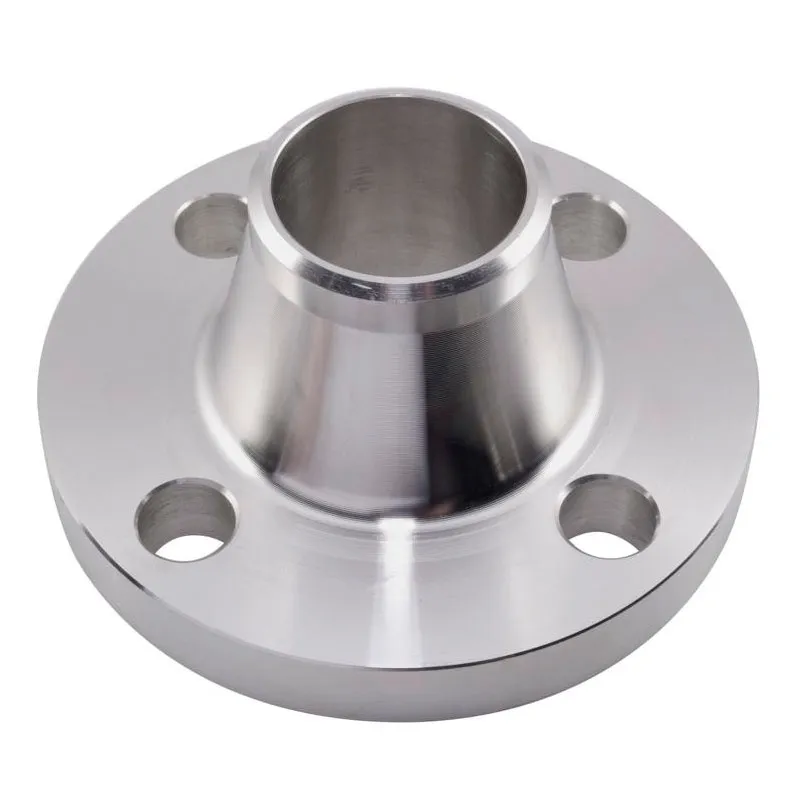 Butt weld flanges Class 900
 -
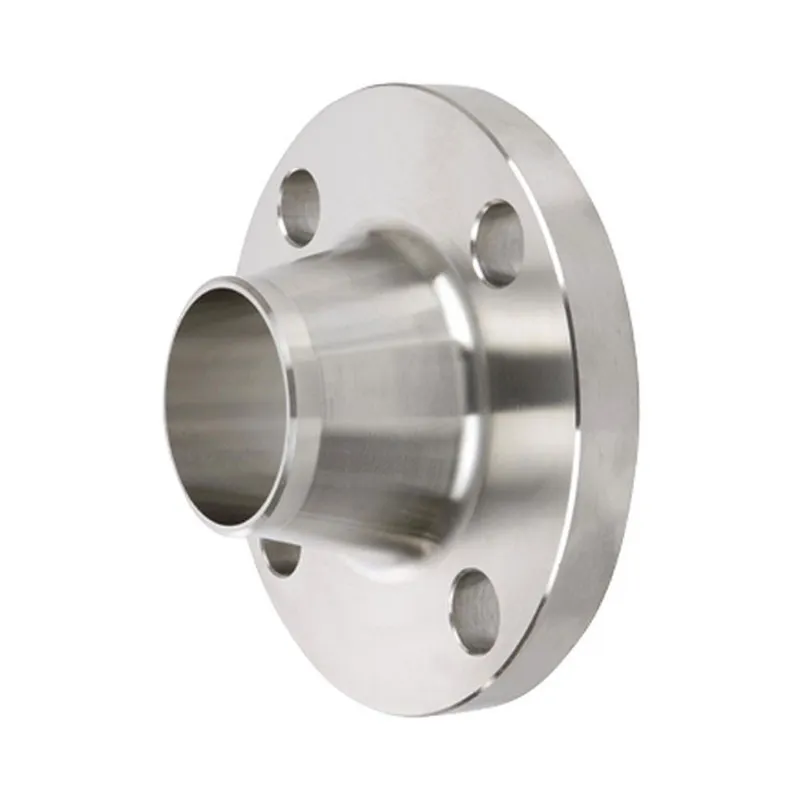 EN 1092-1 Butt weld flanges Type 11, PN25
 -
 ANSI B16.5 Lap-on flanges Class 300