
-
-
Phone
+86-13623462298



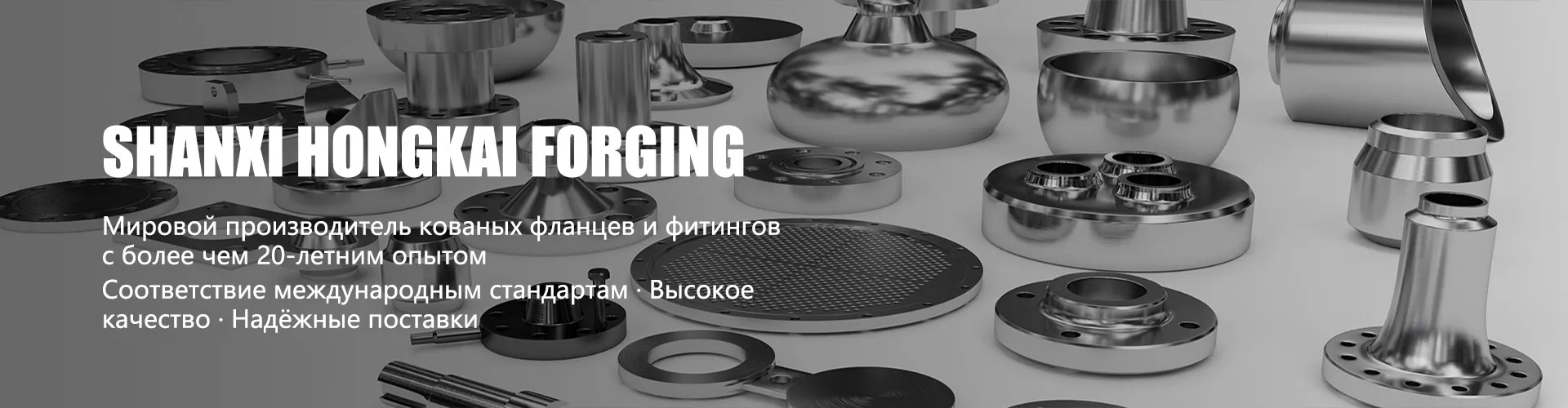
flange g1 2
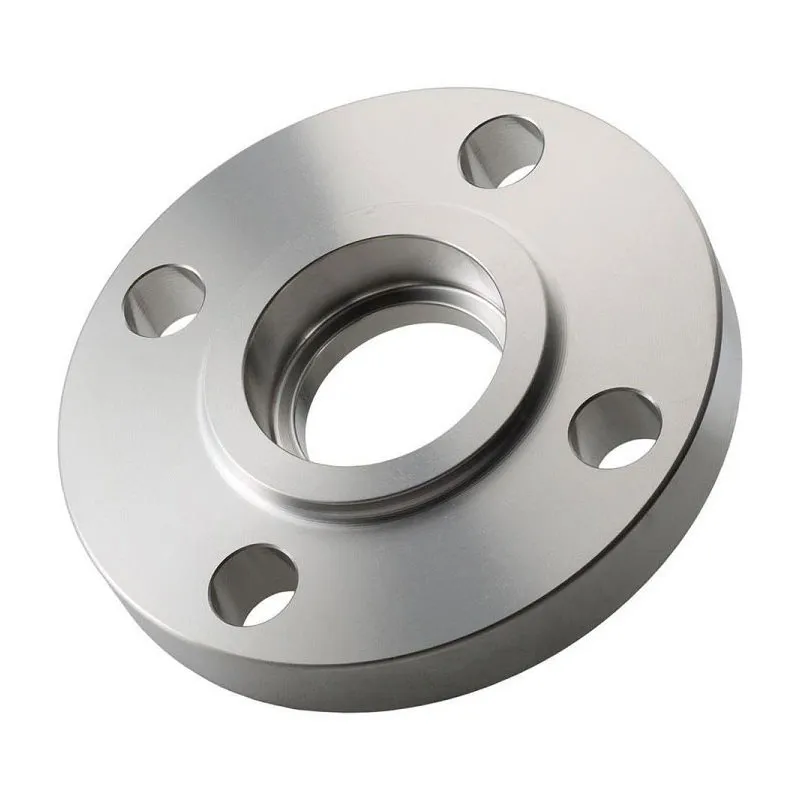
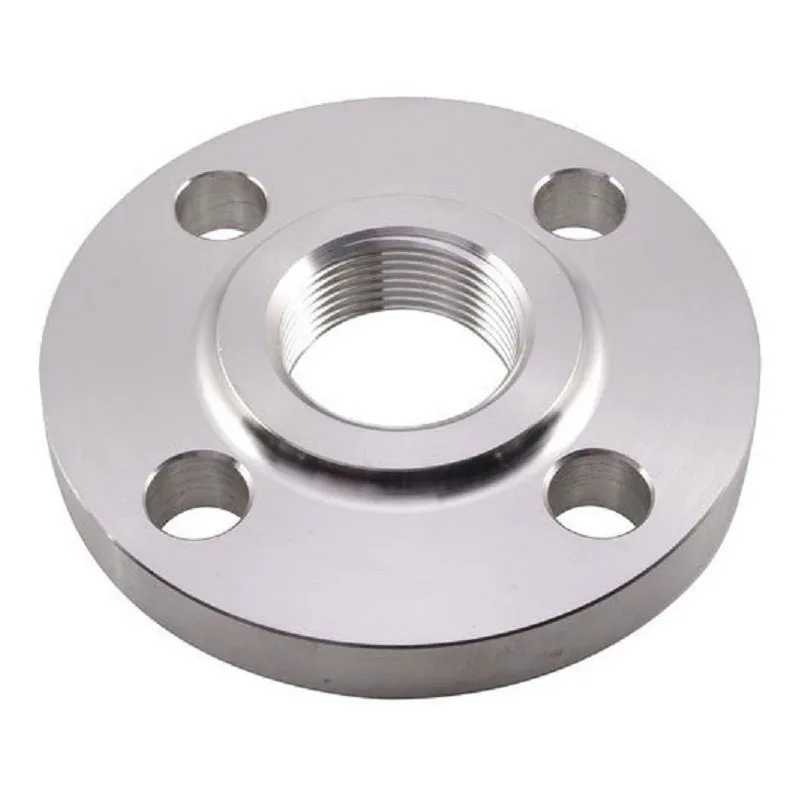
When you see “G1 2 flange” in a specification or request, the first thought is threaded, inch pipe thread. But this is where the fun begins, and for many, the confusion. This is often simply understood as a flange with a half-inch internal thread. However, G is a designation specifically for cylindrical pipe threads according to the BSPP (British Standard Pipe Parallel) standard, and ?1 2? - this is, of course, 1/2 inch. But in Russia, especially in old projects or on outdated equipment, you can stumble upon the interpretation of ?G? as a conditional passage. Therefore, the first thing you do when receiving such a request is to clarify the context: is this a carving or is it still a Doo? Experience shows that in 80% of cases we are talking aboutthreaded flangewith cylindrical thread G1/2'. But the remaining 20% is a headache if you don’t double check.
Nuances of standards and pitfalls
If we are talking about a standardized product, then, for example, according to GOST 12820-80 or EN 1092-1, a flange with a G1/2' thread will have certain geometric parameters. But the thickness, diameter, material - all this needs to be checked. I once encountered a situation where a customer from Europe sent a drawing with the designation ?Flange G1/2? and a reference to DIN 2576. It would seem that everything is clear. But upon closer examination, it turned out that he needed a flange not with a standard height, but a reduced one, for specific installation in a cramped compartment. The standard one simply wouldn't fit. This is a typical example when you simply take from the catalog the “closest analogue?” - the path to marriage and missed deadlines.
Material is a different story. For G1/2' there are often requests for carbon steel, such as St20 or A105. But if the environment is aggressive, even slightly aggressive with temperature changes, stainless steel may be required, for example, 12Х18Н10Т or AISI 304. There are also requests for alloy steels for high pressure. The key is not just to make a flange with the required thread, but to ensure that it can withstand the operating conditions. I remember one boiler piping project, where forflange g1 2made of ordinary carbon steel almost led to a leak after six months due to constant thermal cycles. I had to convert it to heat-strengthened steel.
That's why working with a manufacturer who understands these nuances, rather than just churning out standard items, is critically important. For example, if you take a companyShanxi Hongkai Forging Co.,Ltd (https://www.hkflange.ru). They are one of those who work not only according to standard tables, but also according to customer drawings. Their website clearly states that they produce forgings and flanges to GOST, ASME, EN, DIN and other standards, including custom products. For such a seemingly simple product asthreaded flange g1 2, this means that they can forge it from exactly the grade of steel that is needed, and with the tolerances that are required, and not “roughly similar?”.
Installation practice and common mistakes
On paper, everything is simple: screw the flange onto a threaded pipe and tighten the bolts. In reality, the first problem is the quality of the carving itself. If the thread on the G1/2' flange is cut skewed or not deep enough, misalignment occurs during installation. This leads to uneven tightening, and then to leakage along the seal plane. I myself saw how “economical” it is when installing a water supply system. the foreman tried to tighten such a crooked flange with a jack. The result is a broken thread on the pipe and an urgent search for a replacement at night.
The second common mistake is incorrect selection of seals. For threaded flanges for low pressure, sometimes they try to do without a gasket, using a sealant. But to guarantee tightness, especially in systems with gases or under low pressure, you need the right gasket - paronite, fluoroplastic, graphite. Its internal diameter must exactly match the threaded channel, and not just the external diameter of the flange. Otherwise, the flow will either be blocked or it will flow along the inner edge.
The third point that is often forgotten is orientation. The G1/2' threaded flange can be screwed onto the pipe at any angle. And if the welded flange is set in place once and for all, then you need to think in advance about the position in relation to the bolt holes where the pipe outlet will be. Otherwise, you may end up with a situation where the holes for the bolts are at the bottom, and it is inconvenient to tighten them. It’s a small thing, but in a stream, such little things eat up a lot of time.
On the issue of forging quality
For many customers, a flange is just a piece of metal with holes. But the difference between a sheet stamping and a forged flange is enormous, especially for critical applications. Forging, which is practiced, for example,Shanxi Hongkai Forging Co.,Ltd, provides better mechanical strength, impact strength and uniformity of the metal structure. Why is this important for, say, the sameflange g1 2? If this is a part of the pump piping where there is vibration, or a section of the pipeline with possible water hammer, a cast or rolled flange may crack. Forged - much less likely.
Their profile as a manufacturer of forged flanges and forgings from one of the main centers of the forging industry in China speaks for itself. This is not just a workshop with a couple of presses. This implies control over the process from blank to finishing. For a G1/2' thread, this means that the thread is cut on a dense material, without holes or inclusions. The thread turns out clean, without burrs, and there is less risk of “breaking” it. during installation.
Their size range is stated to be up to DN4000, but for our small G1/2' this is also a plus. This means that equipment and technologies allow us to make small products with the same care as large ones. Manufacturers often save on small sizes, but here, apparently, the approach is different.
Non-standard situations and adaptation
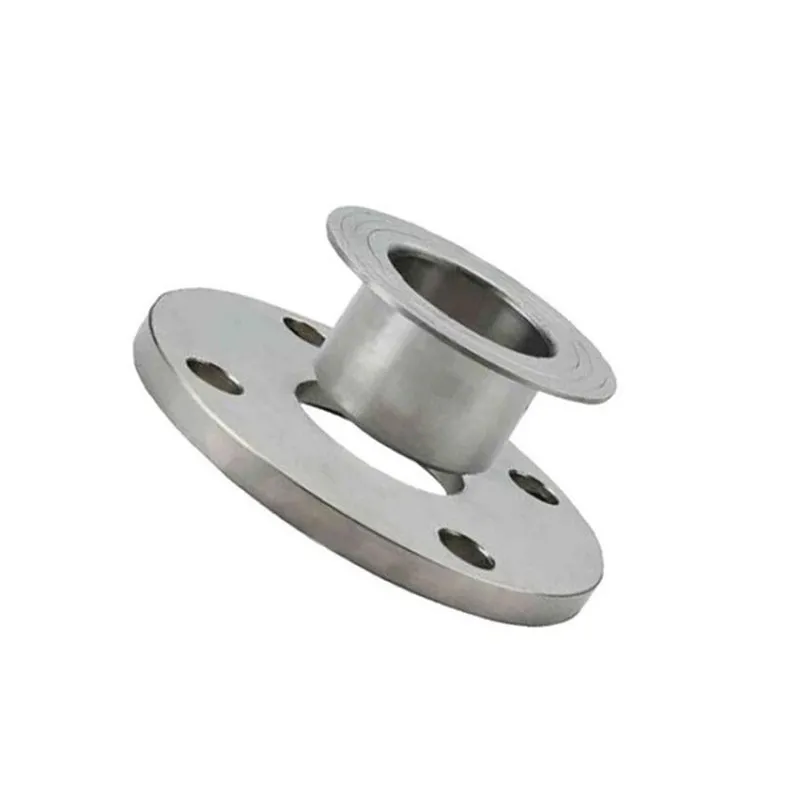
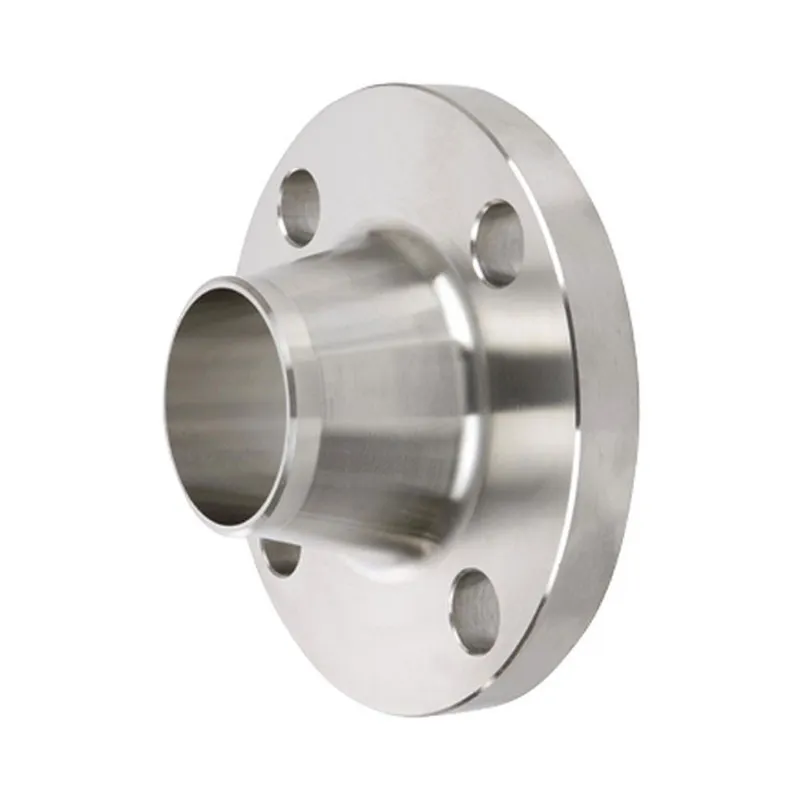
There are times when you need more than just a standardthreaded flange g1 2. Let's say you need to convert from a G1/2' thread to a flange of another standard, say, ASME B16.5 to Class 150. Or you need a flange with a G1/2' thread on one end and a weld neck on the other. This is already a non-standard product. In such situations, only a manufacturer who is ready to work according to the drawings can save you. From the descriptionShanxi Hongkai Forging Co.,LtdIt is clear that non-standard products according to customer drawings are their direct specialization.
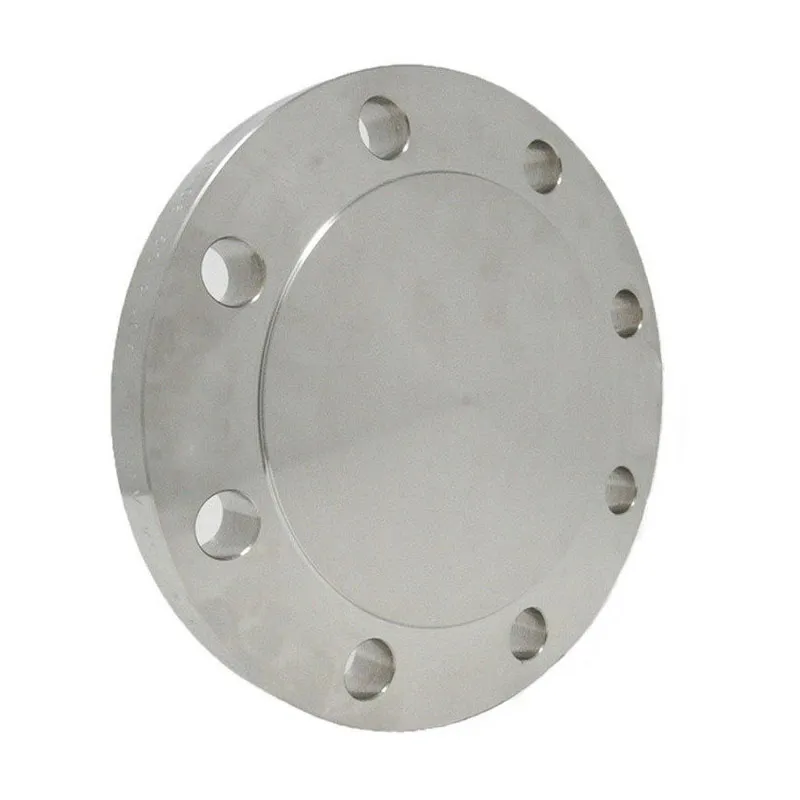
One practical example from memory: a blank flange (blind flange) with a G1/2' internal thread was needed to pressurize the system. But the plug had to be thicker than standard to withstand the 100 bar pressure for testing. The standard blind flange was not designed for such pressure. I had to make an individual calculation and produce a forging with increased thickness. If the manufacturer had stuck with standard catalogs, the project would have stopped.
Another point is combined products. Sometimes requiredflange g1 2not with a flat sealing end, but, for example, with a spike-protrusion (RF, raised face). This is less common in threaded flange standards. But if the system is combined, and you need to interface with other flanges, such adaptation is necessary. Again, this is a matter of customization.
Instead of a conclusion: what to look for when ordering
So, if we summarize our practical experience with such seemingly simple things as a flange with a G1/2' thread, there are several key points. First, detail the technical specifications as much as possible: not just “flange G1 2?”, but the full designation according to the standard (for example, GOST 12821-80 Flange 1-50-16ср G1/2' St20), operating conditions (pressure, temperature, medium), type of seal.
Secondly, do not chase the lowest price. A cheap flange often means savings on material or heat treatment. For a threaded connection that can be periodically dismantled for maintenance, this is important - threads on mild steel will quickly “stick together”.
Third, choose a supplier who is capable of dialogue and technical support. Like the sameShanxi Hongkai Forging Co.,Ltdis a manufacturer with a clear specialization in forged products and a wide range of standards. Their willingness to do unconventional things shows flexibility. After all, even for a small batchflange g1 2may be a critical node. And it’s better when it’s made by people who understand where it will stand and what it will have to withstand. This is not just a metal product, it is an element of the system on which its reliability depends. And reliability, as we know, consists of little things.
Correspondingproducts
Related Products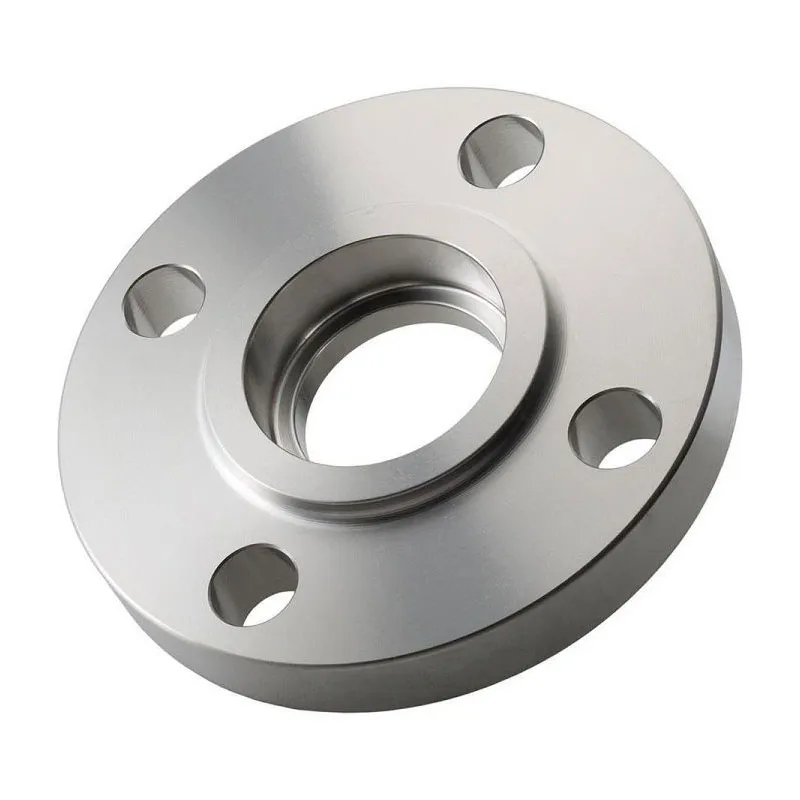
Best Sellingproducts
Best Selling Products-
 ANSI B16.5 Threaded Flanges Class 600
 -
 Butt weld flanges Class 900
 -
 DIN Butt weld flanges PN10
 -
 ANSI B16.5 Loose Ring Flanges Class 2500
 -
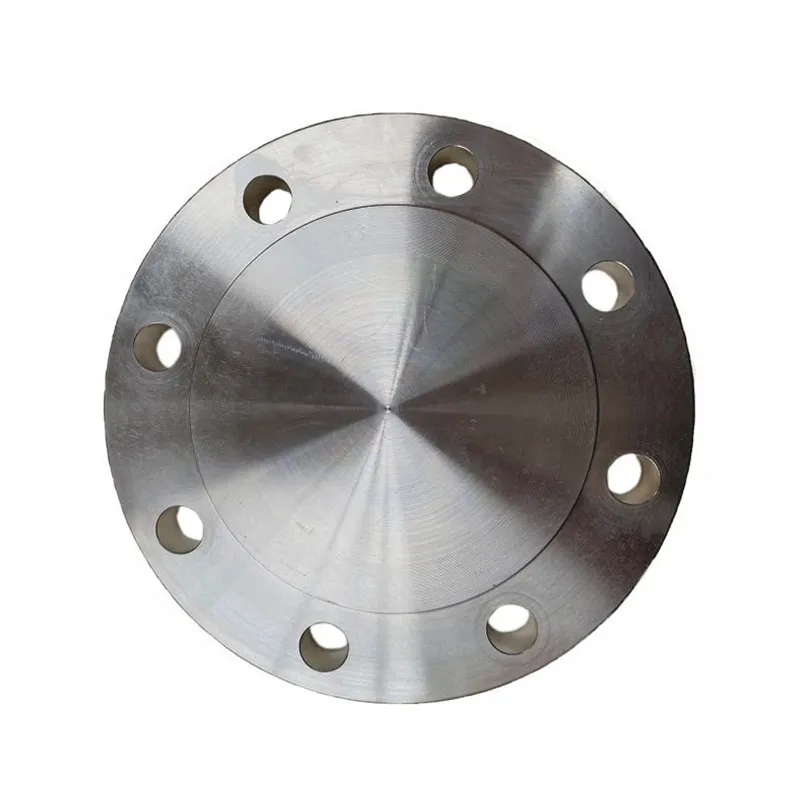 DIN 2527 Blind flanges PN10
 -
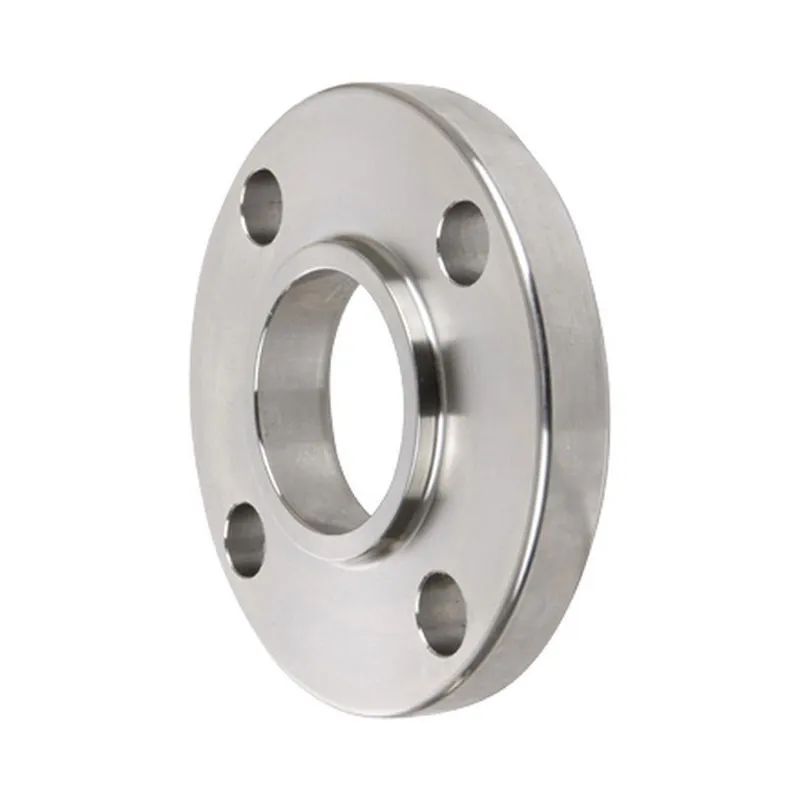 DIN 2501 Overlay flanges PN16
 -
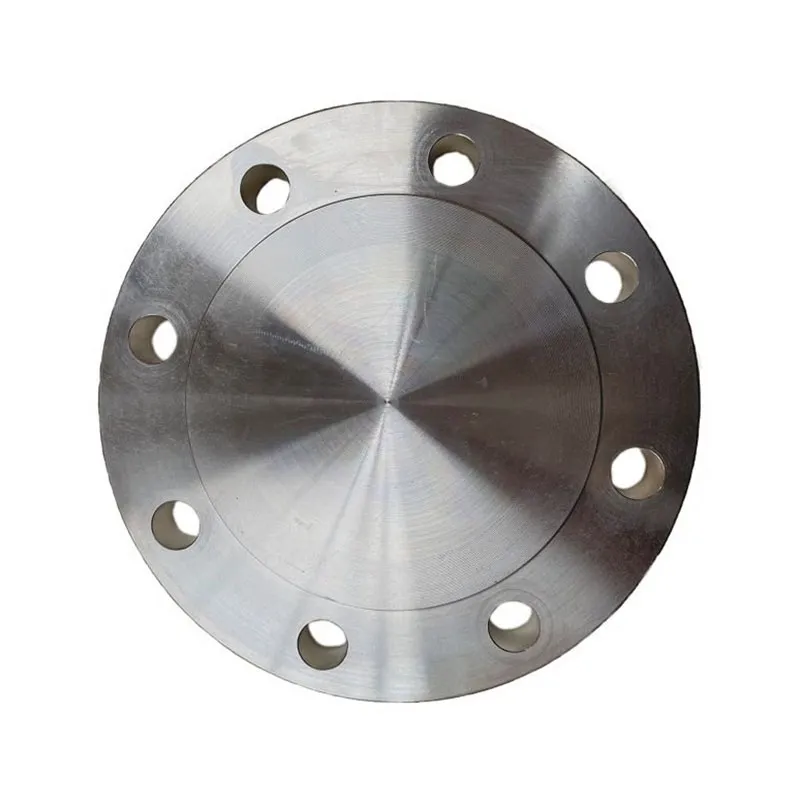 ASME B16.47 Ser.A Blind Flanges Class 400
 -
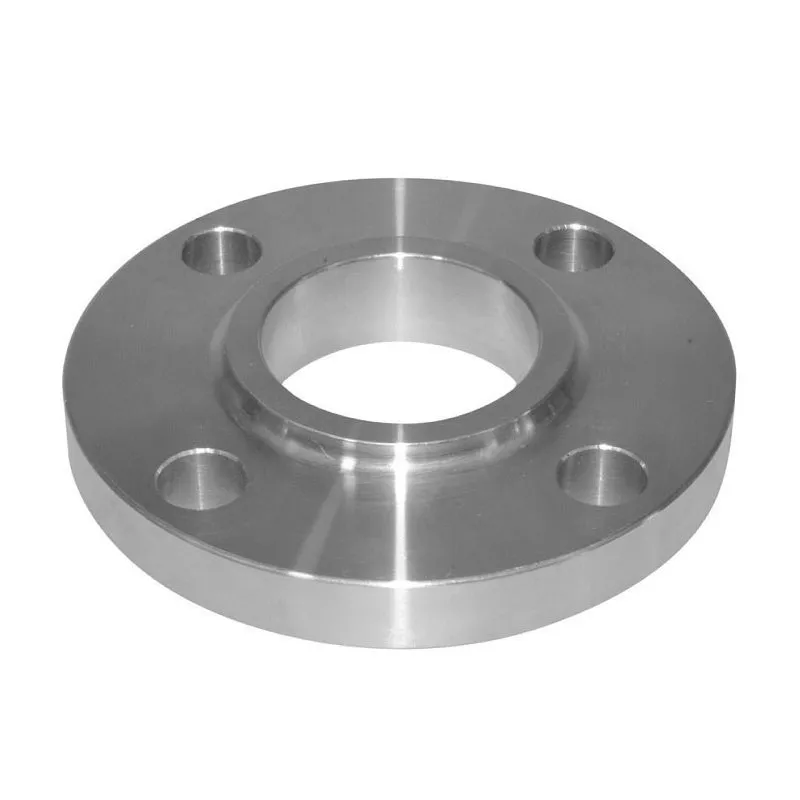 ANSI B16.5 Lap-on flanges Class 1500
 -
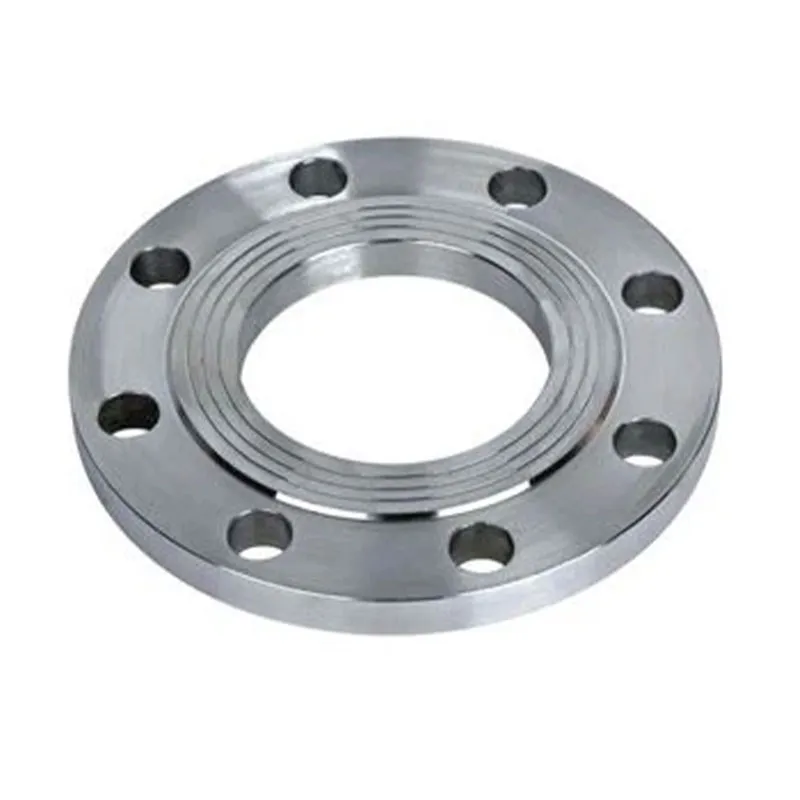 Butt weld flanges Class 150
 -
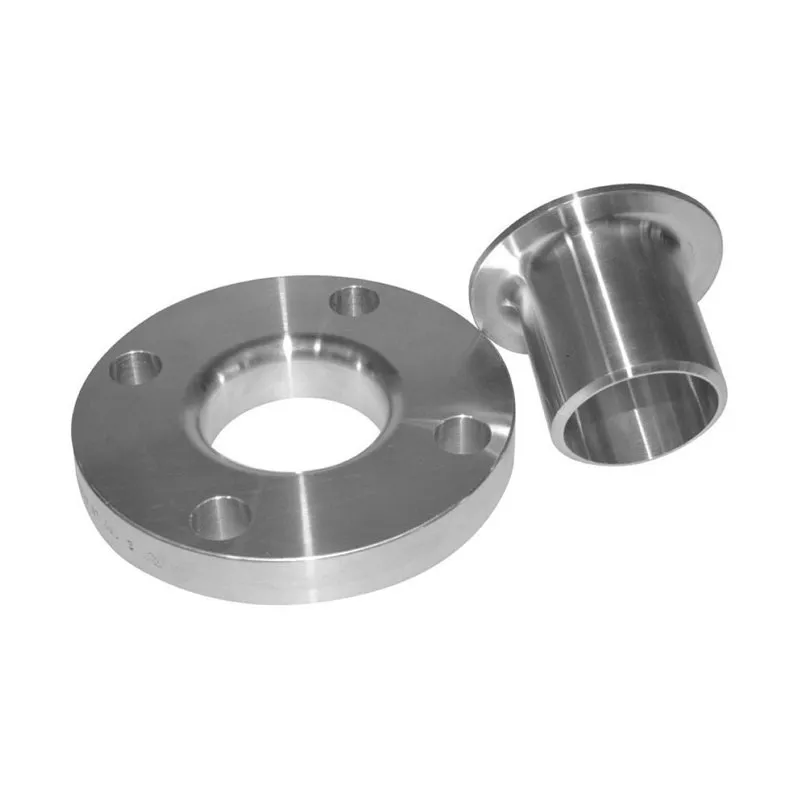 Free ring flanges Class 150
 -
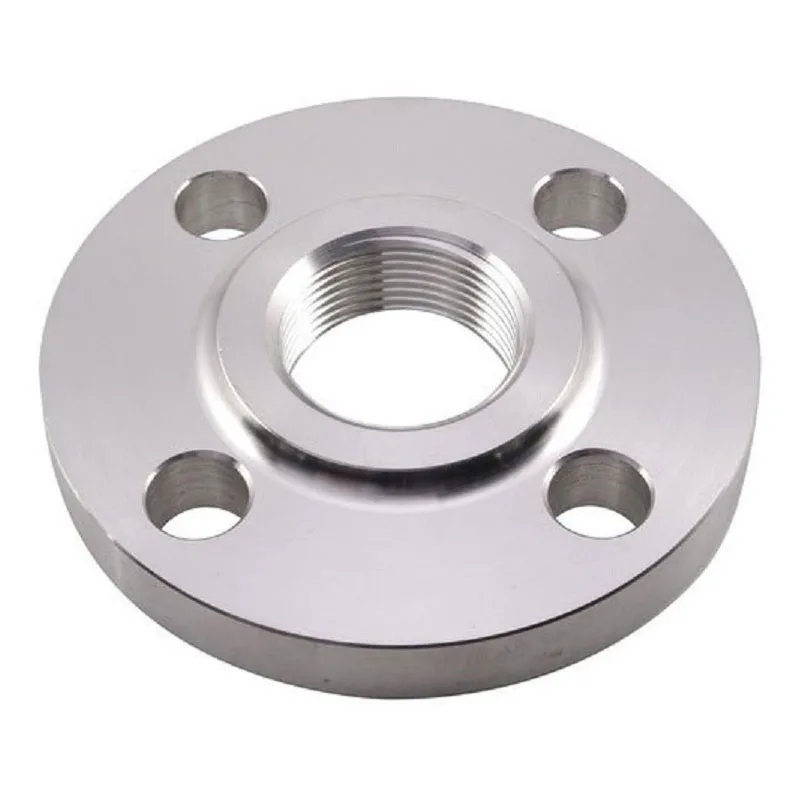 JIS 10K Threaded Flanges
 -
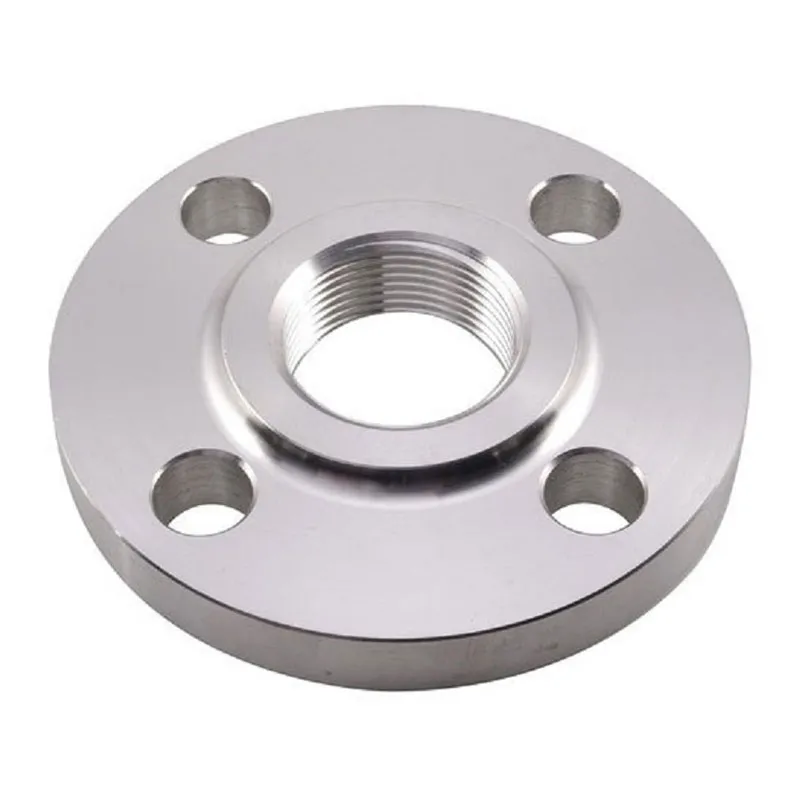 JIS 10K Overlay flanges