
-
-
Phone
+86-13623462298



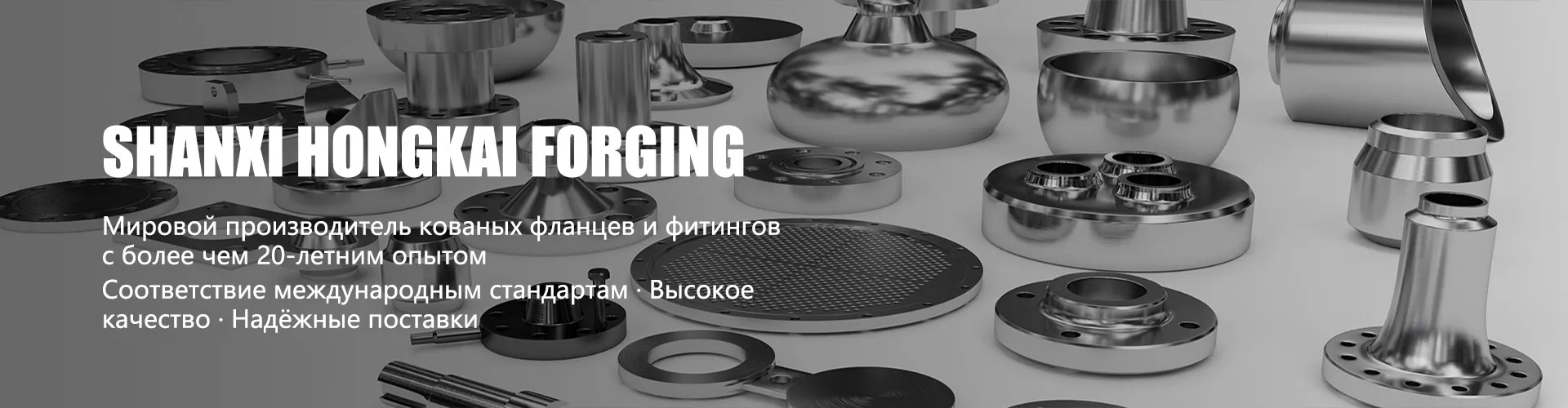
flange 180 mm
When they say “180 mm flange”, many people immediately imagine a standard circle with holes. But in practice, especially when working with medium pressure pipelines, this figure is a whole story. A common mistake is to assume that the main thing is the diameter itself, and the material or type of execution is a secondary matter. In fact, if we take, for example, steel 20 and 09G2S for the same rating, the behavior under load will be different, and this is not just a question of compliance, but of the long-term reliability of the unit.
Why exactly 180? Context of application
This size is not an accident. It often comes up in projects for technological lines, where the nominal diameter of pipes is selected for certain flow rates of the medium. DN150 or DN200 are common things, and 180 mm is often just a flange according to GOST or ASME for the transition between different sections, for installing shut-off valves. I myself came across a situation where the warehouse had flanges for 150 and 200, but the specification required exactly 180. I had to urgently look for a manufacturer who would make it to order, because the standard range of many factories comes with a certain pitch.
This is where the ability to manufacture according to drawings is important. Not all standard sizes are available in warehouses, even from large suppliers. Especially when it comes toflange 180 mmfrom specific steel, for example, alloyed for low temperatures. In such cases, cooperation directly with the manufacturer, the same Shanxi Hongkai Forging LLC, turns out to be not just profitable, but the only right decision. They are precisely tailored for non-standard tasks.
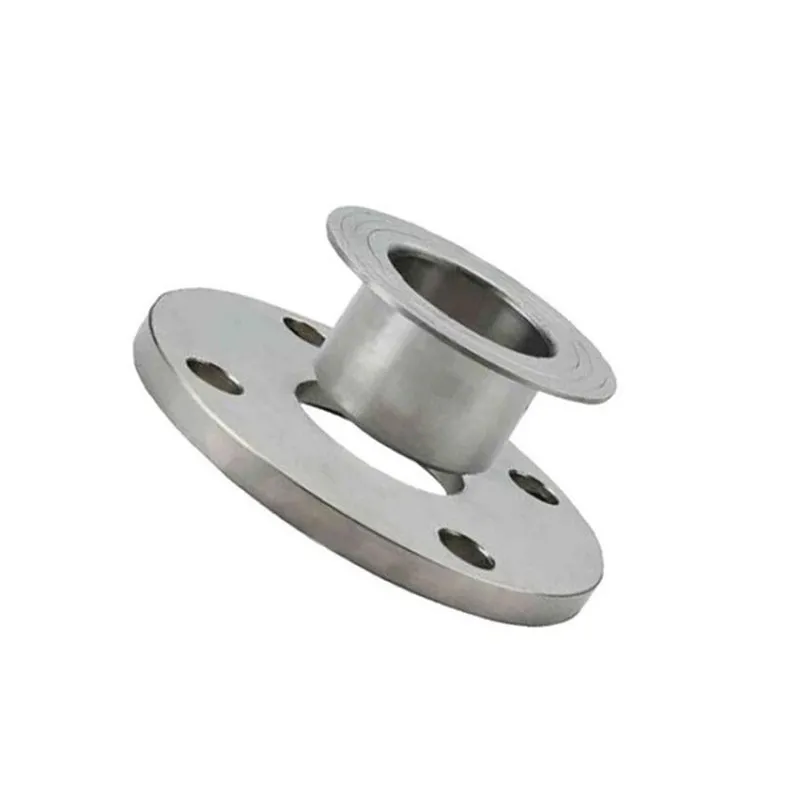
Another nuance is execution. For 180mm, it is critical which type is required: welded butt (WN), flat (PL), loose (Loose). Not only installation, but also subsequent maintenance depends on this. A loose flange with a welded ring, for example, simplifies alignment, which can be a lifesaver in already assembled areas. But its use must be justified by calculations; not every environment and pressure will allow it.
Material and standards: where the pitfalls lie
When talking about material, you can't just say "steel". Forflange 180 mm, working in tandem with a pipe made of 12Х18Н10Т, the flange itself must be made of a compatible material, otherwise the galvanic couple will do its job - corrosion will accelerate significantly. This seems obvious, but at the stage of purchasing components separately, this is sometimes missed. Especially when purchases go to different departments.
Standards are a separate headache. The customer can provide a drawing with dimensions according to ASME B16.5, but require marking according to GOST (which, in fact, is harmonized with EN). And here you need to clearly understand what exactly is needed: geometric compliance or full regulatory compliance, including test methods. Chinese manufacturers such as the one mentionedShanxi Hongkai Forging Co.,Ltd, often work according to double standards, which is convenient. Their website directly indicates work according to GOST, ASME, EN, DIN. This means that for the sameflange 180 mmthey can forge the workpiece and process it to the required standard, be it Russian, American or European. This seriously frees up the hands of designers.
I tried to save money somehow and took the flanges from a supplier who declared compliance with DIN, but without providing certificates from the manufacturer. As a result, upon acceptance it was discovered that there was a discrepancy in hardness in the area of the holes for the studs. I had to install additional gaskets and increase the tightening torque, and this is already a deviation from the design solution. Lesson learned: now I always request not only a quality certificate, but also mechanical test reports specifically for the batch, especially for critical components.
Manufacturing: forging vs. sheet cutting
For sizes like 180mm, it is sometimes tempting to order a flange cut from thick sheet metal using plasma or gas. The price is lower, the terms are shorter. But for pressures above 16 atmospheres and, more importantly, for dynamic loads (vibration, thermal expansion) this is a bad idea. The metal fibers in the forged workpiece are arranged directionally, repeating the shape of the product, which gives better mechanical properties. The fibers in the sheet are not redistributed, and cracks may occur in areas of stress concentration (at holes, at the junction with the neck).
Therefore, for any critical pipeline, I insist on forged flanges. A manufacturer like Shanxi Hongkai Forging LLC, judging by the description, relies specifically on forging - this is the right approach. Their range includes butt weld, flat, loose - all the main types, and the range up to DN4000 speaks of serious power. For our size of 180 mm, this is, of course, an ordinary product, but made using the same technology as for large denominations.
Post-forging treatment is another key point. Tolerances on hole diameters, sealing surface roughness, alignment - all this must be controlled. It happened that we received a batch where several flanges had non-concentric holes. The problem only became apparent during assembly when the pins did not fit. Whether it is the fault of the plant or the transportation is no longer important, time is lost. Now, in the technical specifications, we specify in a separate paragraph the requirements for packaging and labeling of each item.
Installation nuances that are not written about in the manuals
In theory, everything is simple: connect two flanges, install a gasket, and tighten them with studs. In practice, with a size of 180 mm there are some peculiarities. Firstly, weight. The forged butt weld flange on PN40 is no longer a lightweight part. When mounted at height or in cramped conditions, it is more difficult to center than, say, a 50mm flange. You need to think through the rigging in advance.
Secondly, the puff. Using a 180mm wrench, tightening 8 studs evenly is an art. It is imperative to use a torque wrench and a star tightening pattern. Saving at this stage leads to misalignment and, as a consequence, to leakage during the first hydrotests. I had to sort it out.
And third is thermal expansion. If a pipeline with a 180 mm flange connection operates in a mode with frequent thermal cycles, you need to carefully look at the material of the studs. They must have a coefficient of thermal expansion close to the flange material, otherwise after several heating-cooling cycles the pre-tightening may weaken. This is the case when it is better to immediately install flanges and fasteners from one manufacturer, which guarantees compatibility.
Choosing a supplier: not only price, but predictability
The market is saturated with offers. But when you need not just a piece of metal, but a guaranteed reliable assembly, the criteria change. My experience says that it is better to work with a manufacturer who controls the entire cycle: from steel smelting (or at least from incoming control of the workpiece) to machining and testing. Websitehkflange.rupositions the company specifically as a manufacturer of forged flanges and forgings, which is already good. This means they are responsible for the process, and not just resell.
An important point is technical support. Will the plant engineer be able to promptly answer the question regarding tolerances forflange 180 mmaccording to a specific standard? Will they provide a 3D model or detailed drawing for approval? According to my observations, Chinese manufacturers at the level of Shanxi Hongkai Forging LLC. In recent years, this service has been greatly improved. They understand that to enter the international market, including Russia and the CIS, compliance with standards alone is not enough. Communication is needed.
And the last thing is logistics. Flanges are not small accessories; their delivery requires proper packaging (wooden boxes, corrosion protection) and a thoughtful route. By working with a direct manufacturer, it is often possible to agree on these conditions and avoid situations where the cargo spends a month in customs or arrives damaged. Reliability of supplies is the same quality parameter as the hardness of the metal.
As a result,flange 180 mmis an excellent example of how a seemingly simple part requires an integrated approach: from the choice of material and manufacturing technology to the subtleties of installation and logistics. And there are no trifles here. Every missed detail at the design or procurement stage will come back to haunt you at the commissioning stage. Therefore, his choice is always a story not about just the size, but about the entire context of the work of the future pipeline.
Correspondingproducts
Related Products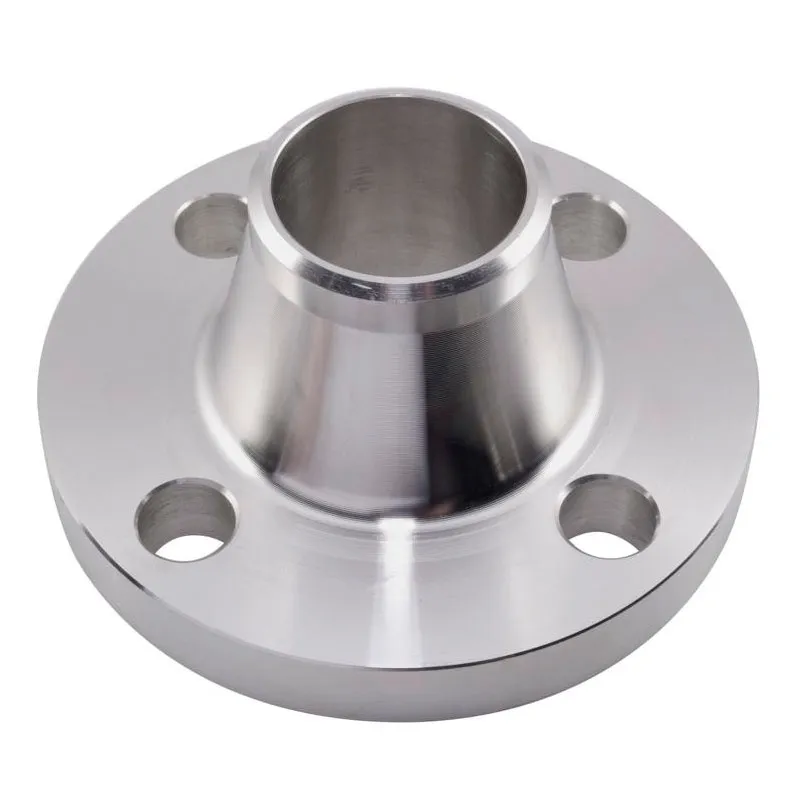
Best Sellingproducts
Best Selling Products-
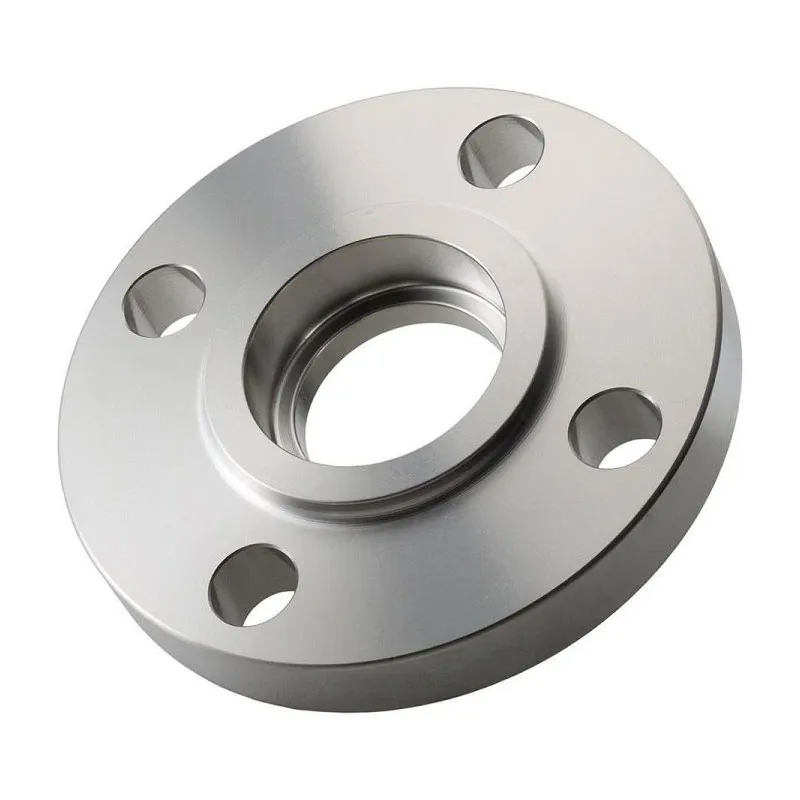 ANSI B16.5 Socket Weld Flanges Class 150
 -
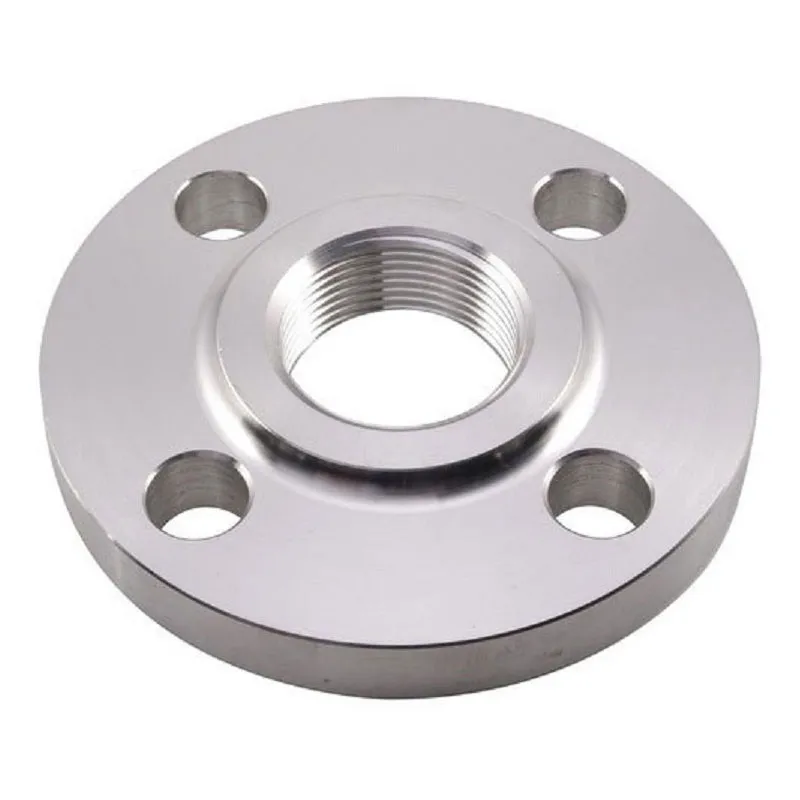 DIN 2565 Threaded flanges PN6
 -
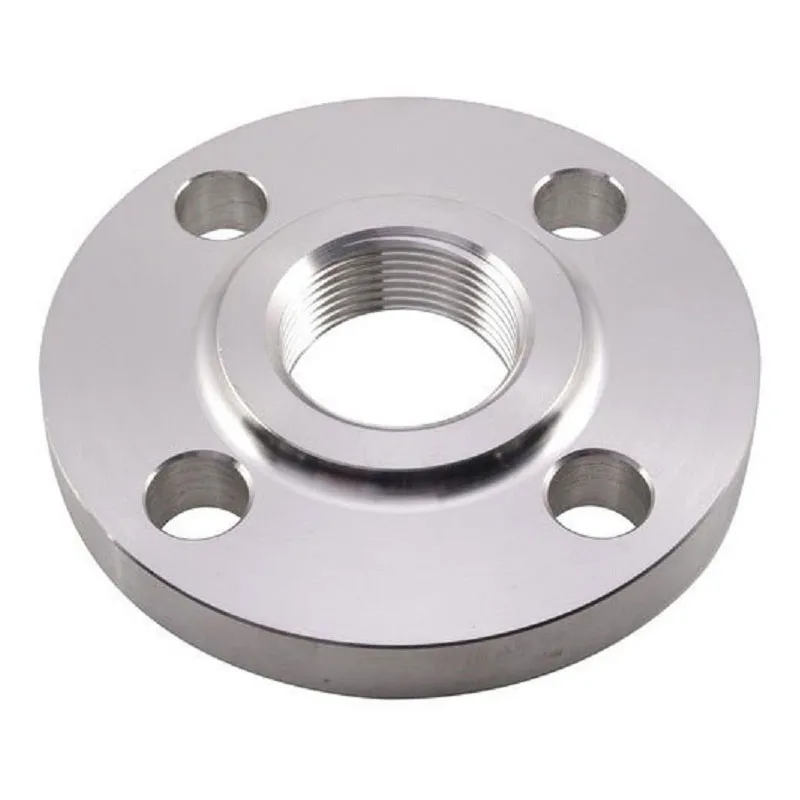 EN 1092-1 Threaded flanges Type 15, PN16
 -
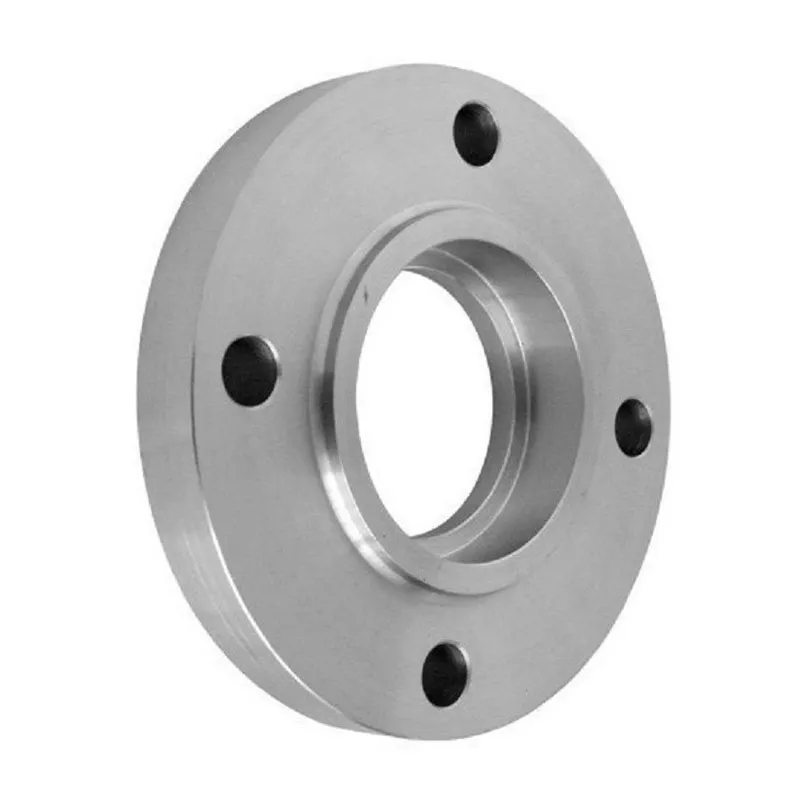 Socket Weld Flanges Class 300
 -
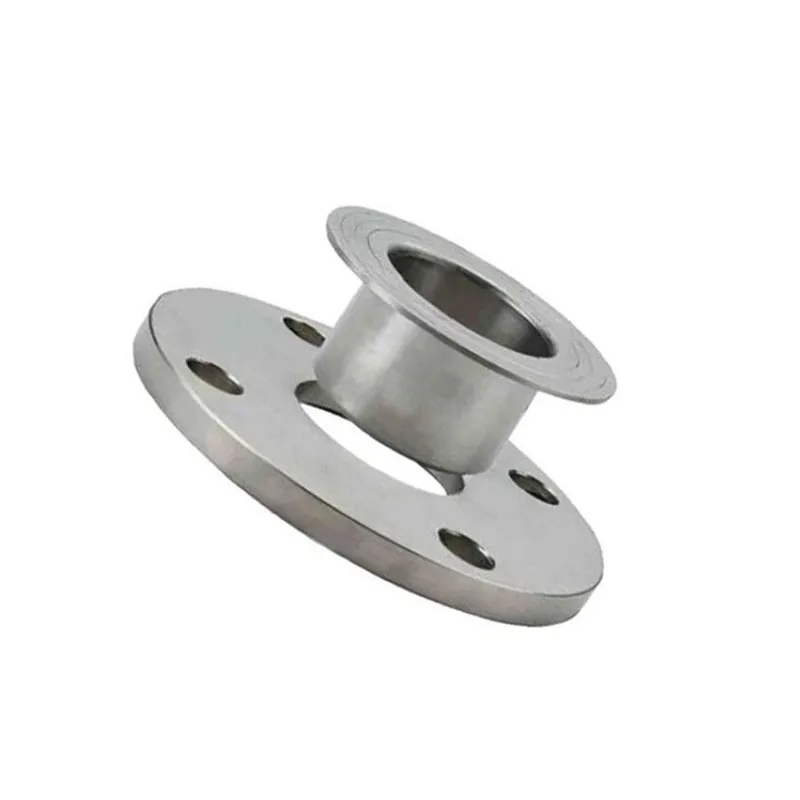 Free ring flanges Class 400
 -
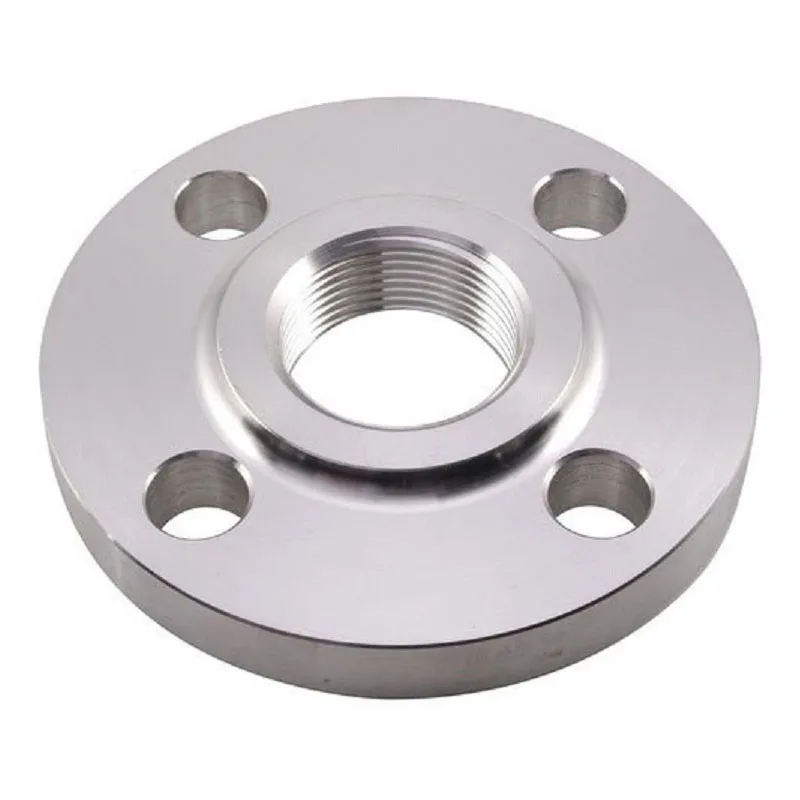 DIN 2566 Threaded flanges PN16
 -
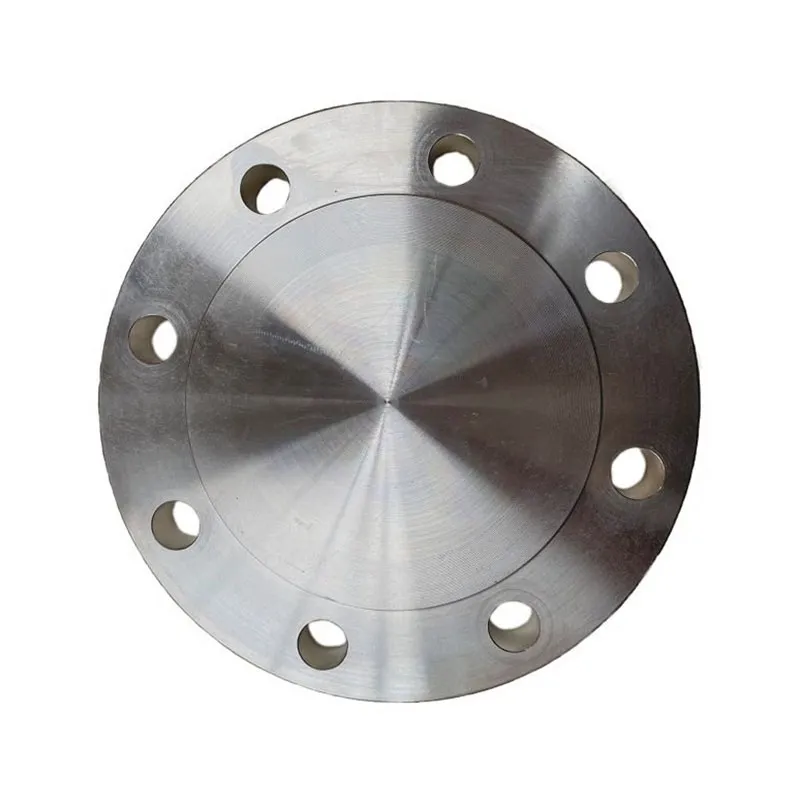 UNI 6092 Blind flanges PN10
 -
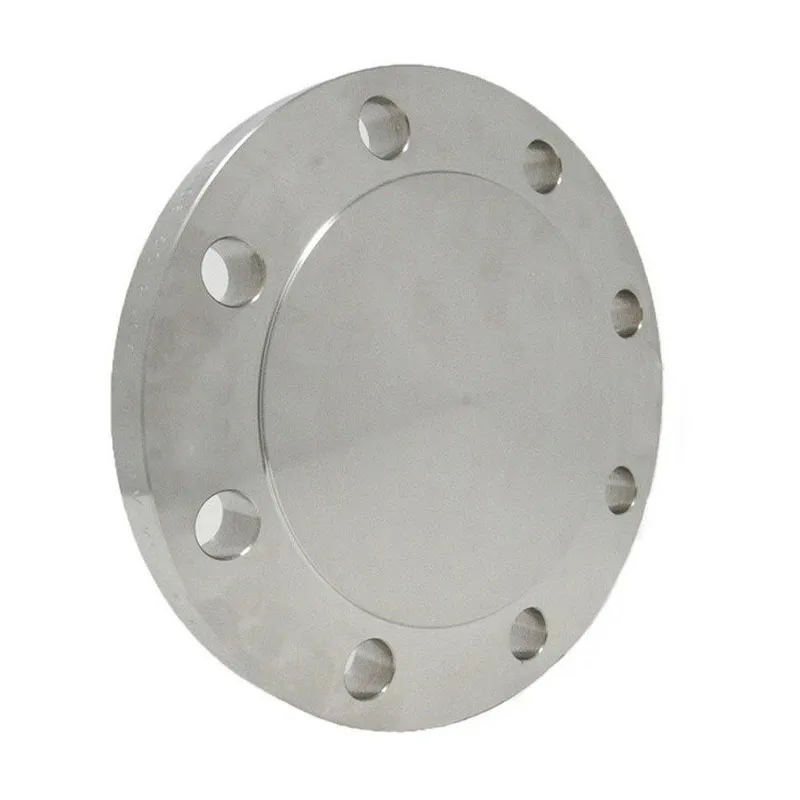 EN 1092-1 Blind flanges Type 05, PN10
 -
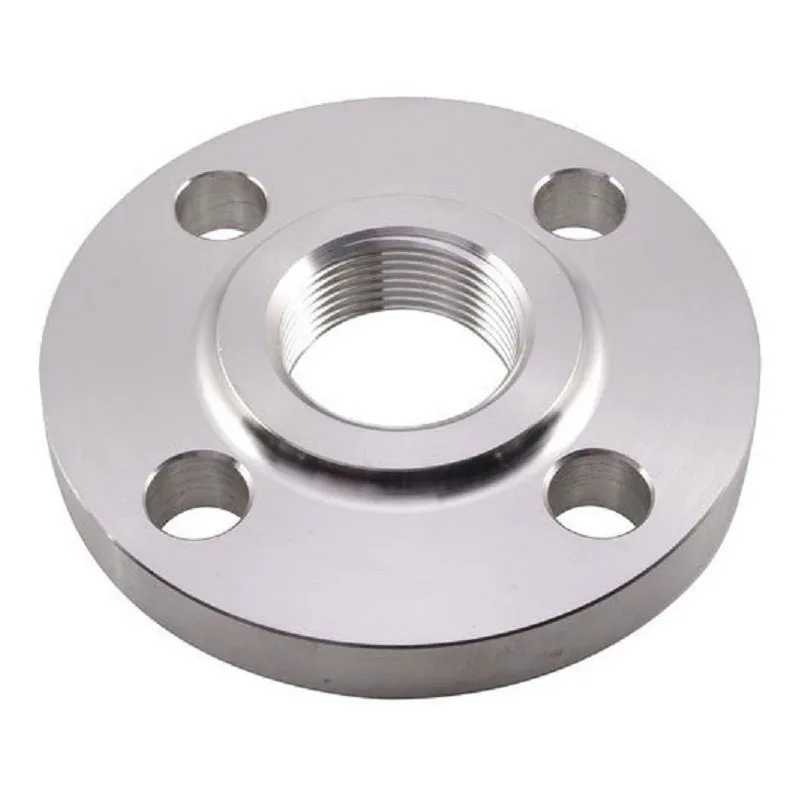 ANSI B16.5 Threaded Flanges Class 600
 -
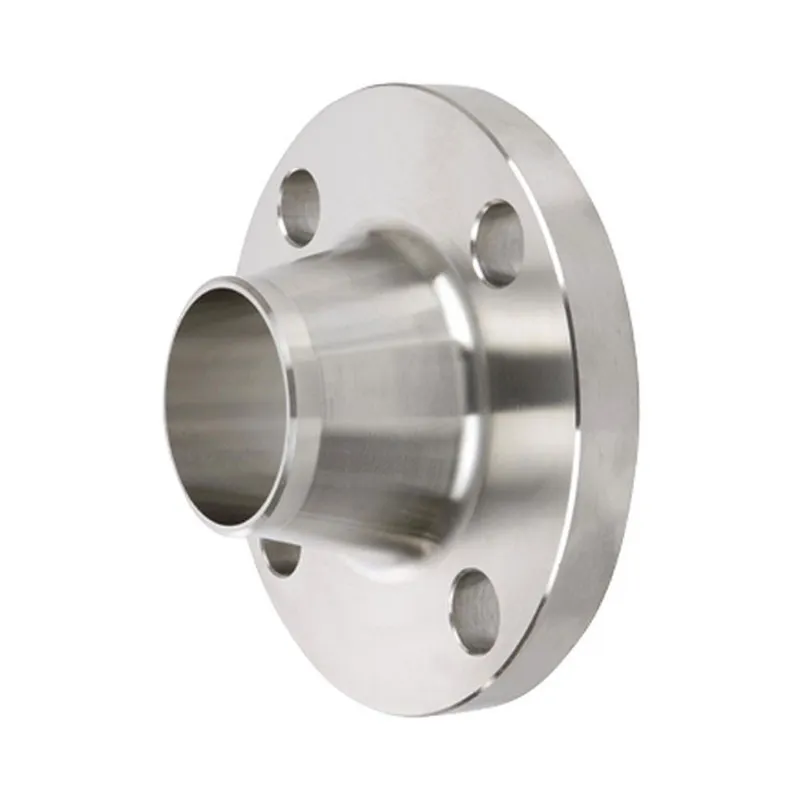 EN 1092-1 Butt weld flanges Type 11, PN25
 -
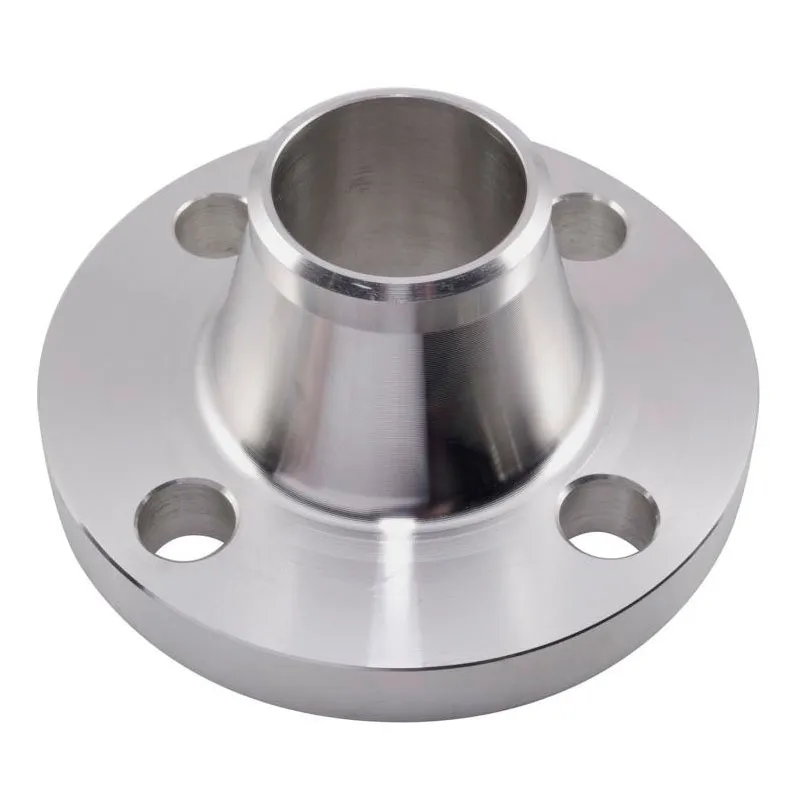 DIN Butt weld flanges PN10
 -
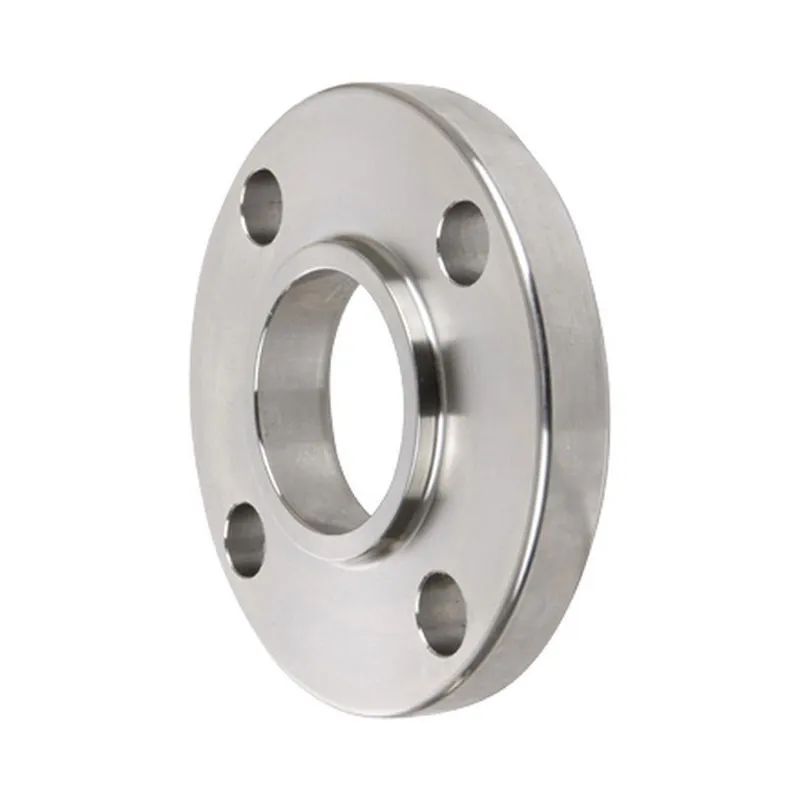 DIN 2501 Overlay flanges PN16