
-
-
Phone
+86-13623462298




flange pn 25
When they say “flange pn 25?”, many, especially at the start, think - well, the pressure is 25 bar, what’s so complicated about that. We take the standard and order from the catalogue. But in practice, this marking is often the entry point into a whole tangle of nuances, where material, temperature, type of seal and even installation method can make this very ?PN 25? question. I myself have encountered more than once when problems started at a site during crimp testing, and the supposedly “standard” one was to blame. flange.
What does PN 25 really hide?
Nominal pressure is not working pressure. This is exactly the stone that people stumble over. PN 25 according to EN 1092-1 or GOST 33259 is the pressure at a temperature, usually up to 120°C for carbon steel. What if the medium is superheated steam at 300°C? Here you need to look at the pressure degradation tables; the material should be different, for example, 15X5M. And here it begins: out of habit, we ordered steel 20, but at such temperatures it will “float”, andflange pn 25will not stand up to what is stated.
The second point is the design of the sealing surface. RF (Range-Fall), FF (Flat), RTJ (Ring Joint). For PN 25, RF is more often used, but if the environment is aggressive or prone to leaks, sometimes it is more rational to immediately install RTJ, even if RF passes according to the standard. Remodeling on the spot is another story. I remember a project where flanges with RF were initially purchased for ammonia refrigeration units, and after the first commissioning work they had to be urgently replaced with flanges with a groove for an oval section.
And third, a purely Russian specificity - a mixture of standards. A request comes: “Do you need a DN100 PN 25 flange?” And by what standard? Conditional passage is not so bad. But if the client works according to the old GOST 12820-80, and we deliver according to the current GOST 33259 (which is harmonized with EN), there may be discrepancies in the thickness and diameter of the bolt circle. It's a small matter, but the docking doesn't work. Therefore, the first question is now always: “For which standard or for which specific specification?”
Experience with forged flanges: why the material makes all the difference
I used to think that cast flanges for PN 25 were a normal option, especially for large diameters. Until I encountered a microcrack on the inner surface of the cast flange DN400 after six months of operation in cyclic mode (heating and cooling). The defect was discovered only during a routine ultrasonic inspection. Since then, for critical components, especially those with variable loads, I have insisted on forged products. The structure of the metal after forging is denser, the fibers are directed, which gives better resistance to fatigue.
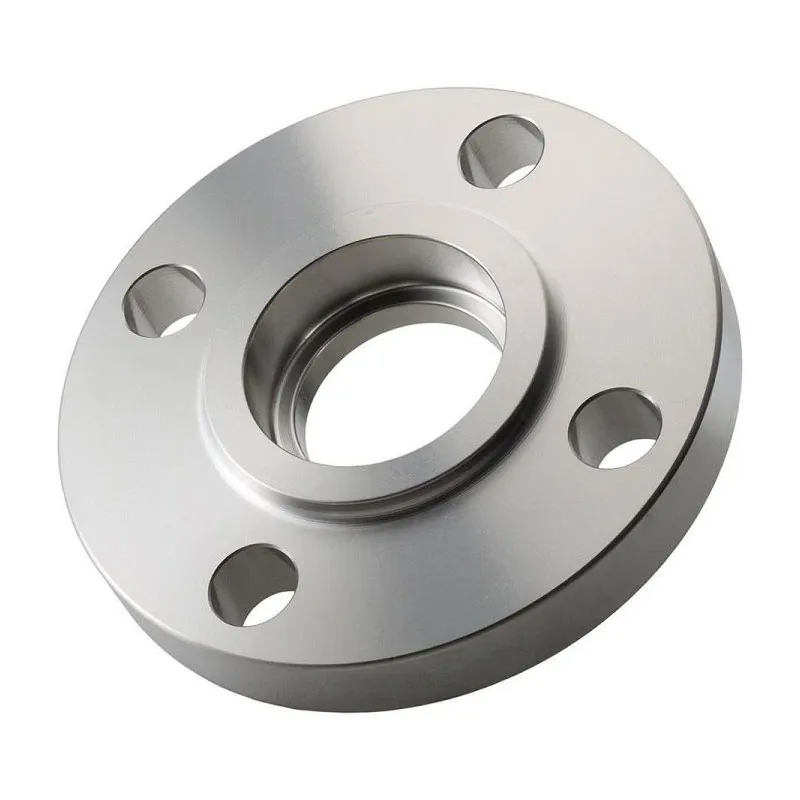
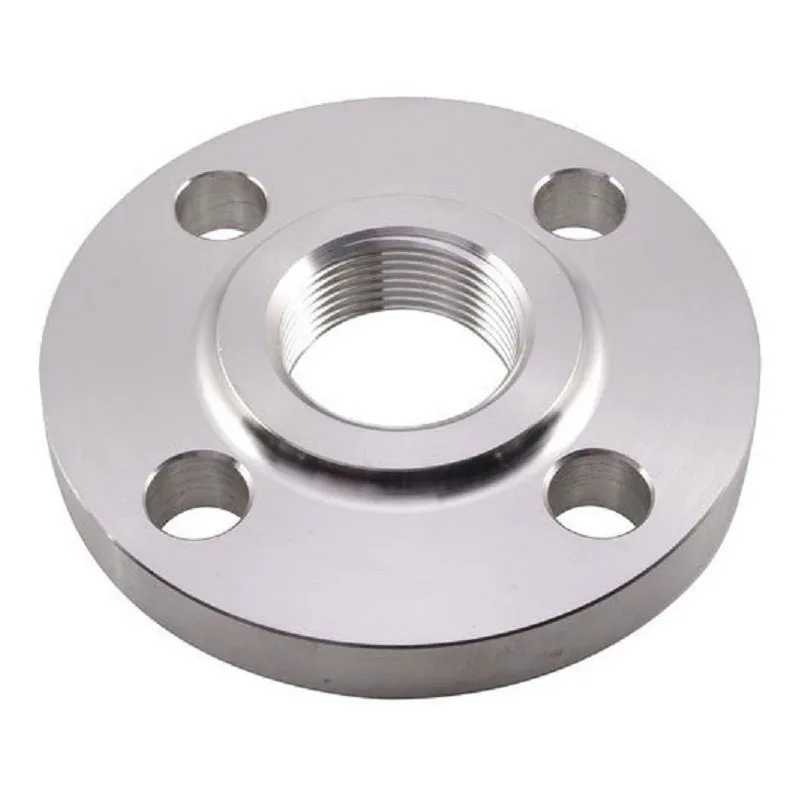
In this context, I drew attention to the manufacturerShanxi Hongkai Forging Co.,Ltd. Their websitehkflange.rupositions them specifically as a manufacturer of forged flanges and forgings, which already indicates a focus on the material. The company description states that they operate from one of the main forging centers in China - this is an important point. Not just a prefabricated workshop, but a production facility with a press, which is critical for the quality of forging. Their range just covers the very popular range, includingflange pn 25Available in welded butt (WN), flat (SO), loose (Loose) and others.
We tried their flanges in a test order for replacement at one of our pumping stations - a unit with hot water, the parameters are exactly 90°C, the pressure is 22 bar, there are surges. We installed forged flanges from them, DN150, pressure class 25. During installation, we noted a flat surface without cavities, clear holes for studs. A year later, inspection revealed no signs of corrosion or deformation; the bolted connections were not tightened. An indirect but important sign of stability.
Loose flange on PN 25: convenience or headache?
Loose Flange with Weld Neck Collar for high pressures is a separate topic. They are often favored for their installation flexibility, especially when connecting pipes to equipment where precise alignment is an issue. For PN 25 they are also used, but there is a pitfall here - the quality of the ring itself and the accuracy of its fit on the flange.
I had a negative experience with another supplier: the ring had a small, a couple of millimeters, play relative to the free flange. It seems that there is a tolerance according to the standard, but when tightening, the force was distributed unevenly, and a microleakage appeared in the steam. I had to dismantle and install a solid welded flange. Therefore, there is now a cautious attitude towards loose flanges for high pressure. You either need to have a lot of trust in the manufacturer, who guarantees a perfect fit for the pair, or be able to test the pair before installation.
MentionedShanxi Hongkai Forging Co.,Ltdalso lists loose flanges in its line. It would be interesting to see how they solved the issue of controlling this “ring-flange” pair. Ideally they should be supplied mating and not as two separate parts from different batches. This is the very practical point that is often not described in catalogs, but which decides the success of the application.
Non-standard situations and going beyond DN4000
Standards are good, but life is richer. Sometimes you need a PN 25 flange, but with a non-standard arrangement of holes (for example, for mounting on an old imported compressor), or with a transition to a different type of seal, or even oval. There are two ways: look for something ready-made (there is little chance) or order production. And this is where it is important that the manufacturer has competence in forgings according to customer drawings, and not just sells a standard range.
On the websitehkflange.ruit is expressly stated that the company manufactures non-standard products according to drawings. For an engineer, this is a hint of a potential opportunity to solve a complex problem. The size range up to DN4000 is serious. For large diameters (for example, DN1000 and above), the PN 25 flange is already a massive forging, where the issues of heat treatment and control of internal stresses come to the fore. Not every factory that makes DN50 flanges will be able to forge and process such a colossus with high quality.
I haven’t ordered a non-standard from them myself, but from experience, when you see that a manufacturer declares work in accordance with GOST, ASME, EN, DIN, this usually means the presence of technologists who can read and adapt someone else’s drawing. It's valuable. For the sameflange pn 25non-standard execution, the key issue will be certification of materials and final tests. Without this, even the most beautiful forging is just a piece of metal.
Final thoughts: don't go cheap
The main conclusion that you come to after years of working with pipeline fittings: on flanges, especially those designed for pressures from PN 16 and above, saving is more expensive. The difference in price between a dubious cast flange and a high-quality forged one can be 20-30%, but the cost of replacing a failed flange (production stop, dismantling, new installation, possibly fines for downtime) exceeds this savings tens of times.
Therefore, choosing a supplier comes down to finding a balance between price and confidence in quality. The presence of a full package of standards (from international ASME/EN to national GOST), declared specialization in forging rather than casting, and openness to non-standard tasks - these are the markers that I am looking at now.Shanxi Hongkai Forging Co.,Ltd, judging by the information provided, falls into this category. Their focus on forged flanges for a wide range of pressures and sizes seems logical and professional.
Returning toflange pn 25: this is not just a detail, it is an element of the system on which its integrity depends. His choice is always an analysis of working conditions, trust in the material and manufacturing accuracy. And here experience, including negative ones, suggests that it is better to delve into the details once and choose someone who makes flanges their main specialization, than to deal with the consequences later.
Correspondingproducts
Related Products

Best Sellingproducts
Best Selling Products-
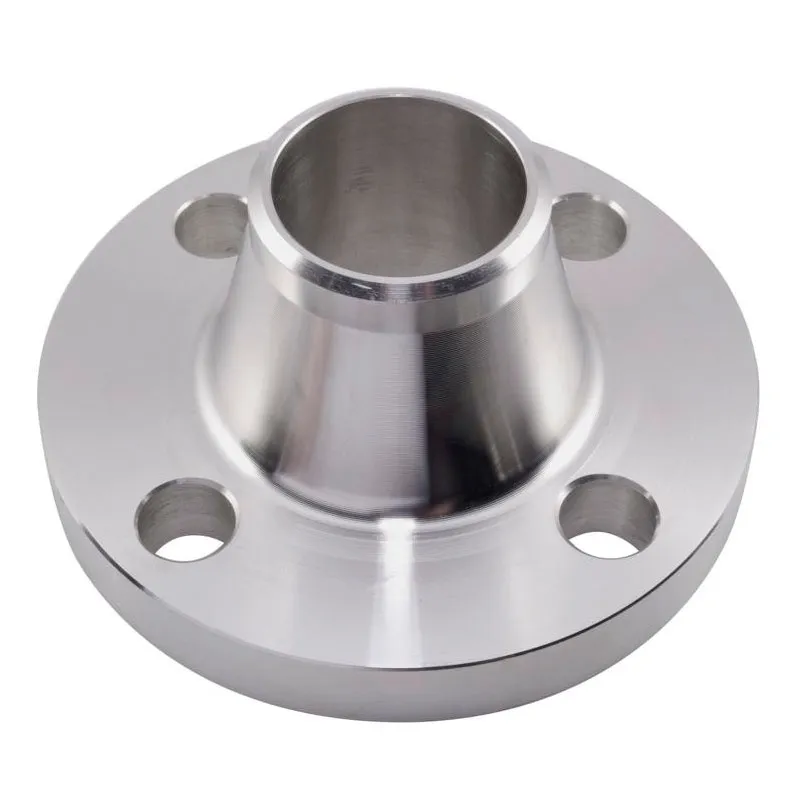 Butt weld flanges Class 900
 -
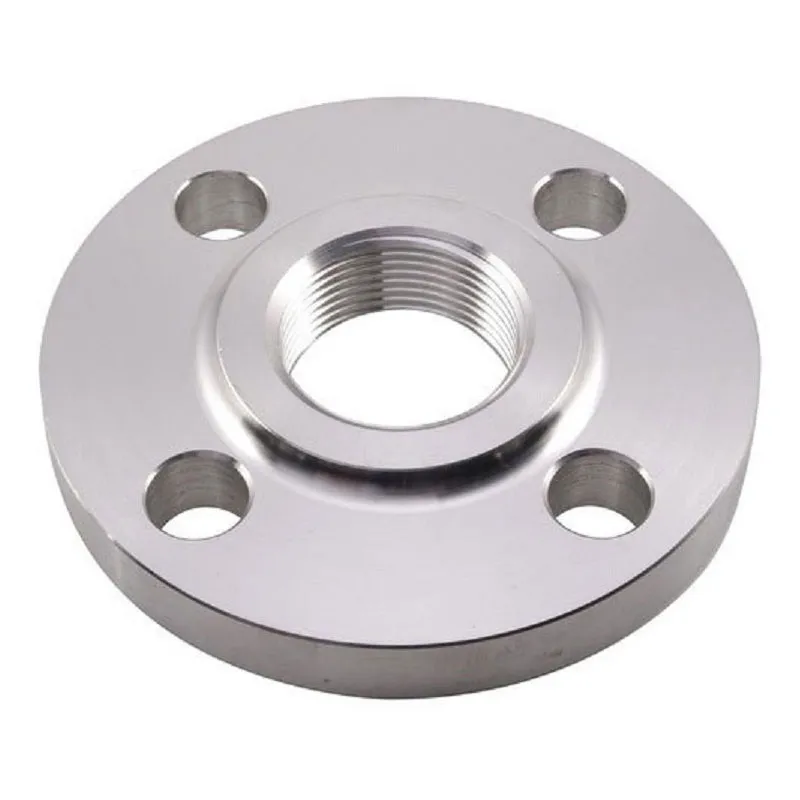 DIN 2565 Threaded flanges PN6
 -
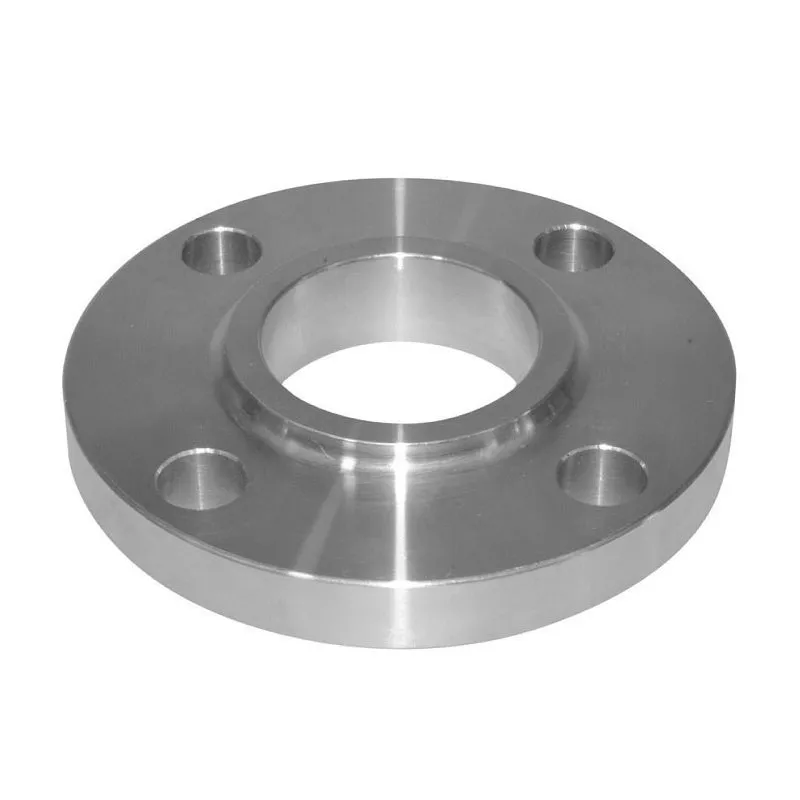 ANSI B16.5 Lap-on flanges Class 1500
 -
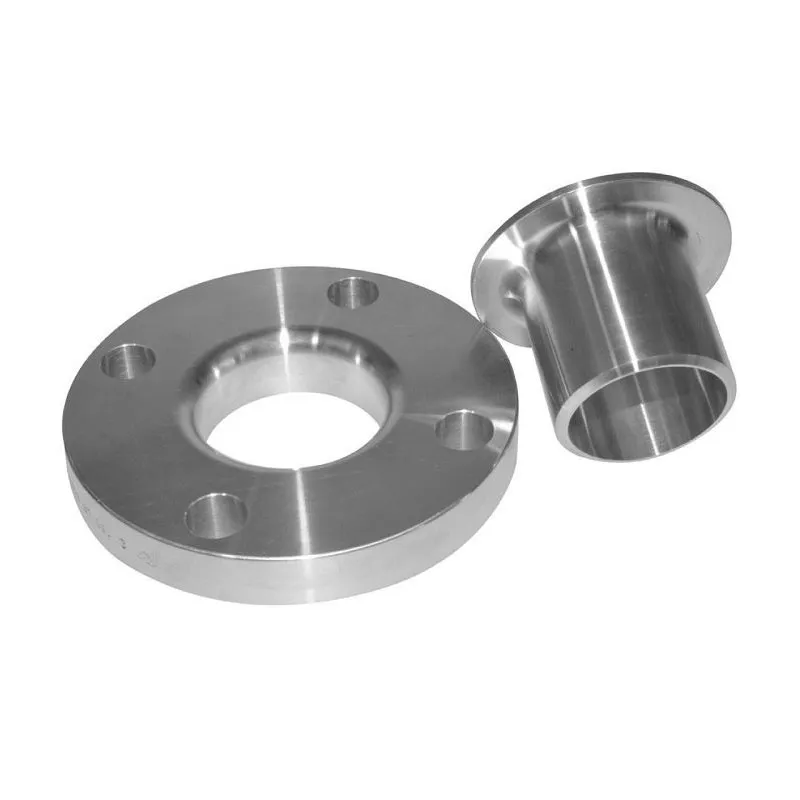 ANSI B16.5 Loose Ring Flanges Class 2500
 -
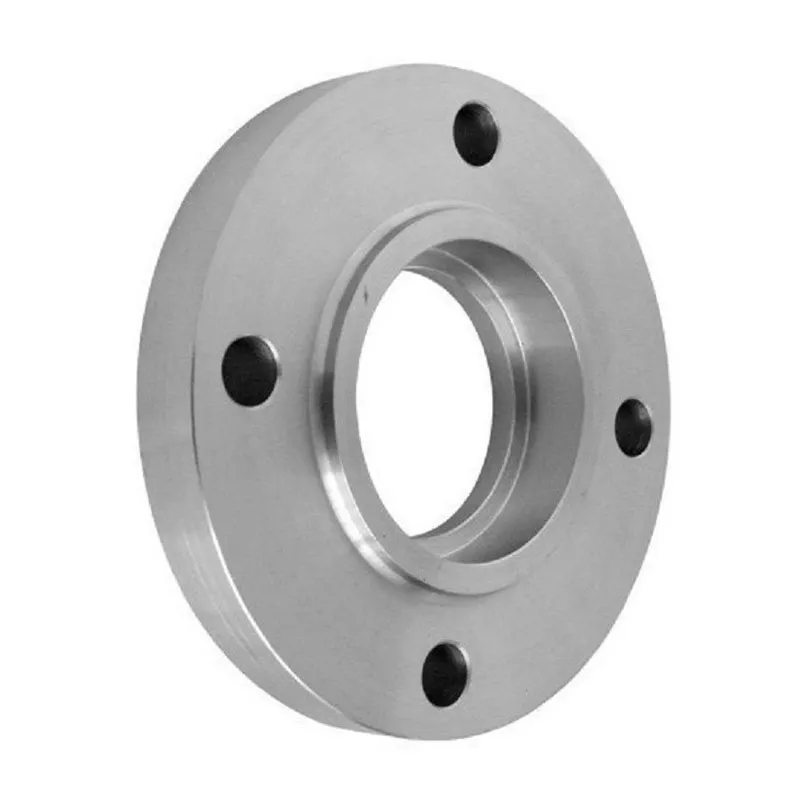 Socket Weld Flanges Class 300
 -
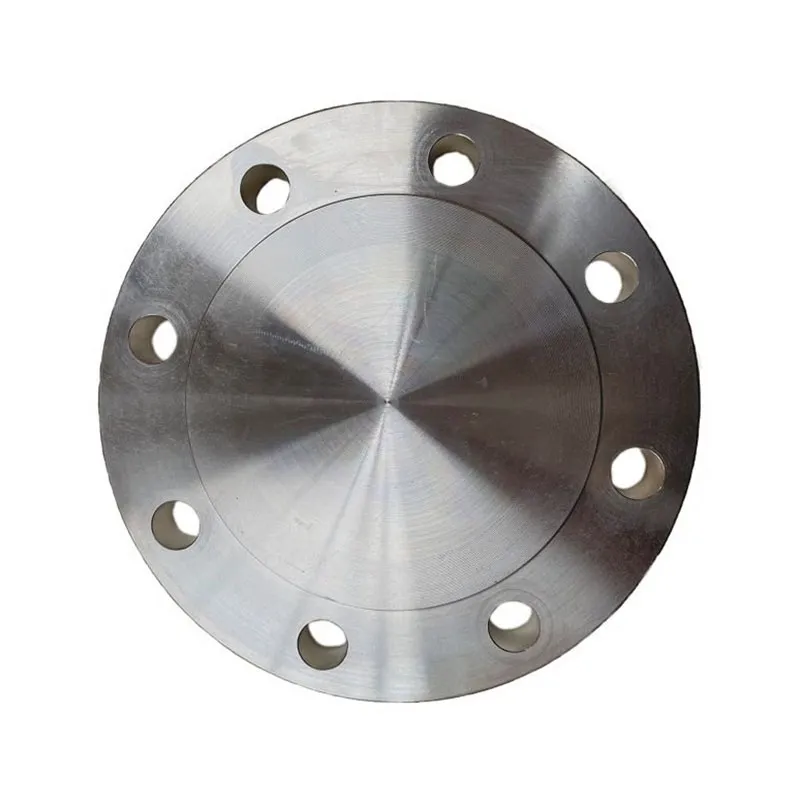 UNI 6092 Blind flanges PN10
 -
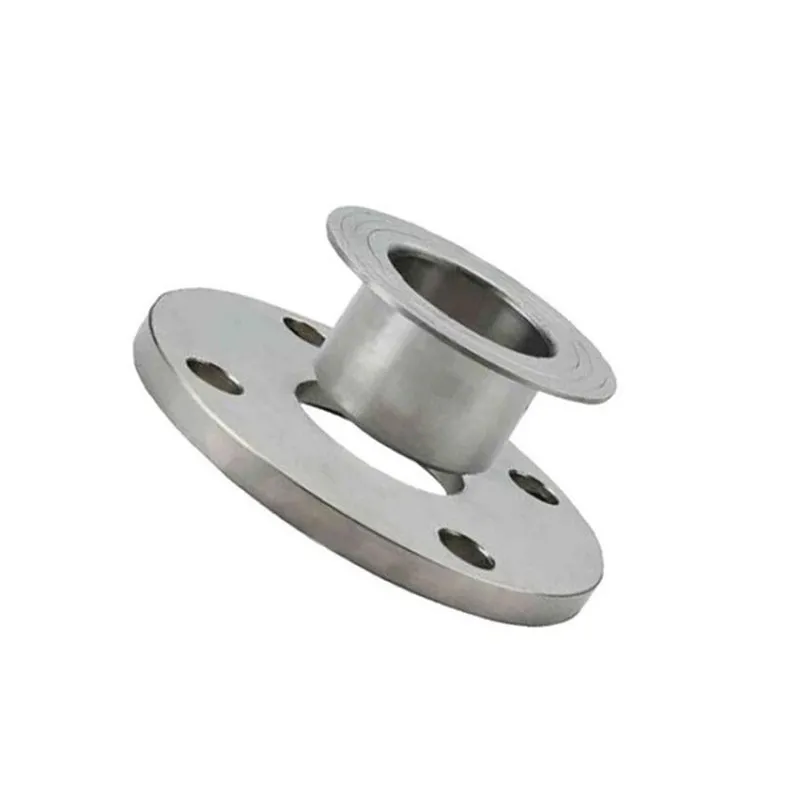 JIS 10K Loose Ring Flanges
 -
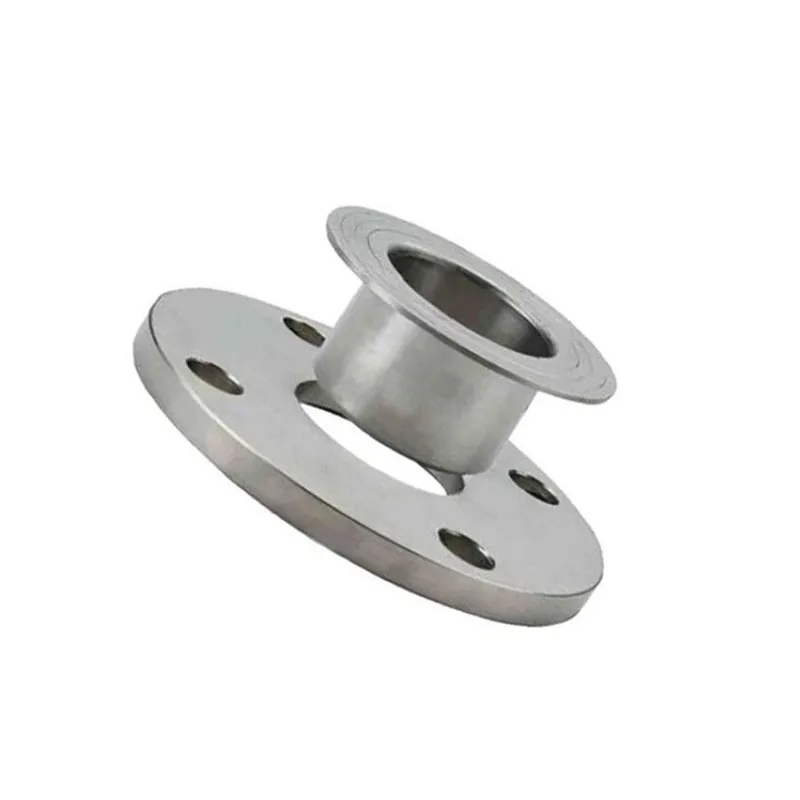 Free ring flanges Class 400
 -
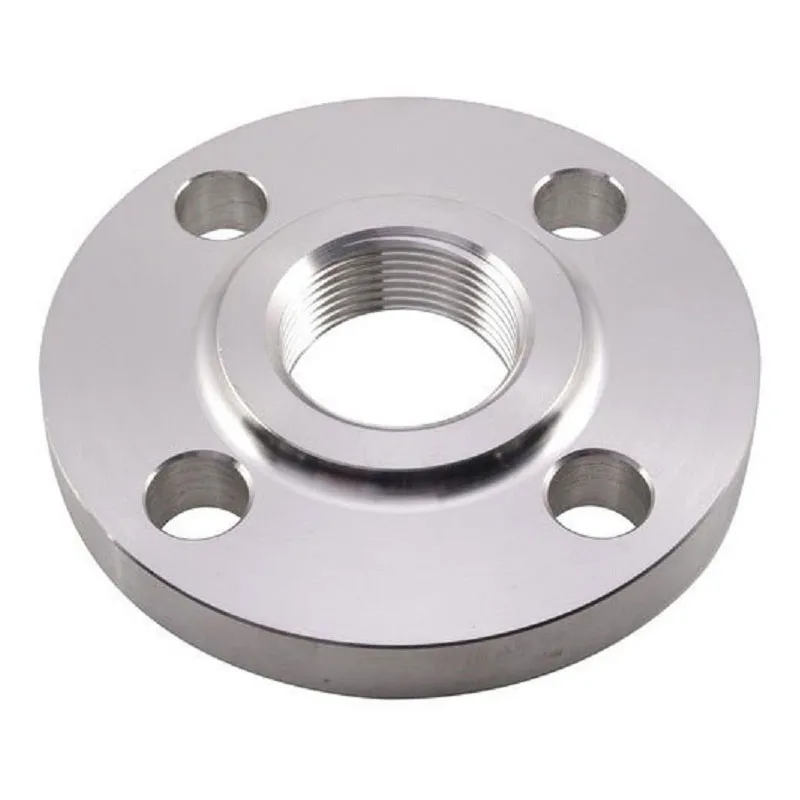 EN 1092-1 Threaded flanges Type 15, PN16
 -
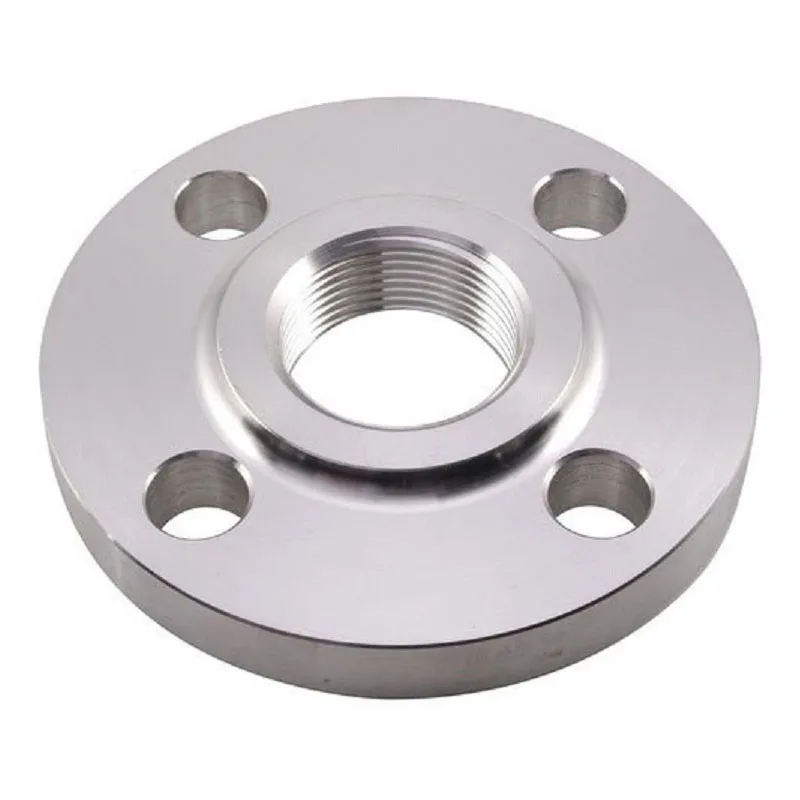 DIN 2566 Threaded flanges PN16
 -
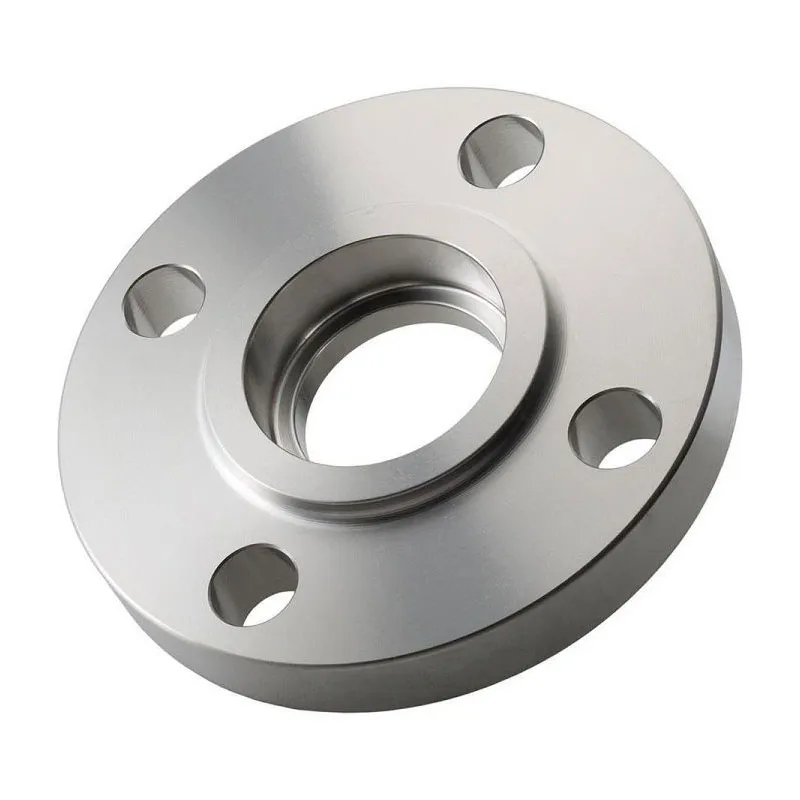 ANSI B16.5 Socket Weld Flanges Class 1500
 -
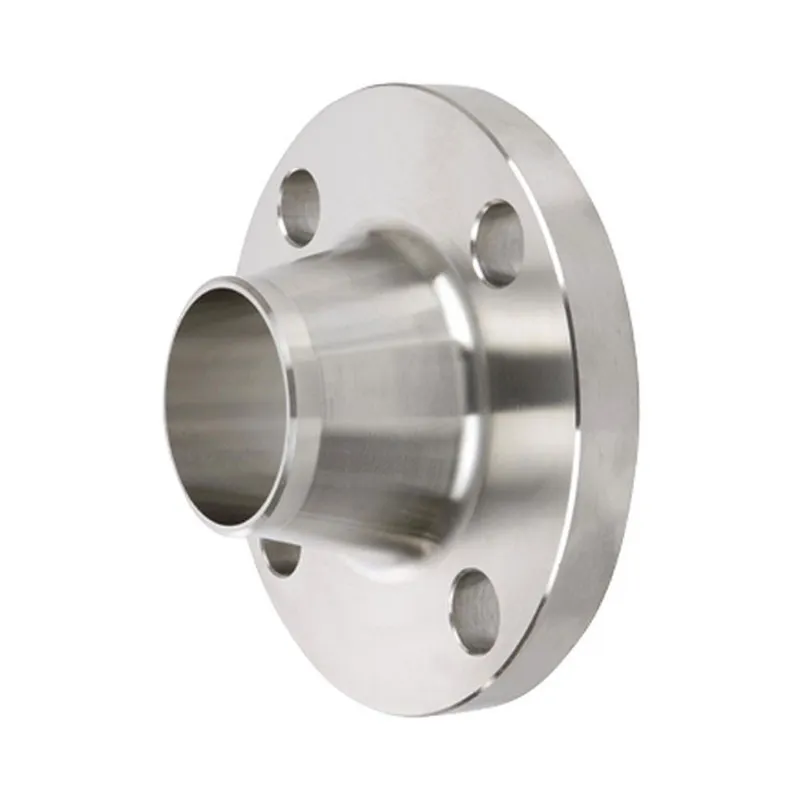 EN 1092-1 Butt weld flanges Type 11, PN25