
-
-
Phone
+86-13623462298



flange 20 sizes
When you look for “flange sizes 20”, you often come across just tables. But at work everything is more complicated. The number 20 is DN, nominal diameter. But the actual dimensions, especially for different standards, are already history. Many people think that since it is DN20, it is the same everywhere, and then compatibility problems arise at the site.
Why ?sizes? - it's not just DN
Let's take the same DN20 flange. According to GOST (aka EN 1092-1) type 01, pressure PN16 - it has one set of dimensions: outer diameter, bolt circle diameter, thickness. But according to ASME B16.5 Class 150, the numbers are different. The difference is in millimeters, but if you are trying to pull together “similar” ones. flanges are of different standard, the bolts may not fit or the seal may not work. I got burned by this myself, trying to urgently replace an imported component in a warehouse without checking the drawing.
Another nuance is the design of the surface for the seal. For DN20 there is often a ridge (RF), but there is also a groove (Groove) and a tenon (Tongue). If the specification simply says “flange 20”, but you forgot about the seal, you can end up with a defective installation. This is especially critical for fittings where there is a high-speed valve.
And thickness. It depends not only on the pressure, but also on the material. Carbon steel, stainless steel AISI 304, duplex - for the same DN20 and PN16, different thicknesses may be recommended due to mechanical properties. Out of old habit, we once used steel 20 for an aggressive environment, and although the flange fitsizes, but began to corrode along the mounting holes.
Experience with non-standard designs
Often the request is ?flange 20 sizes? leads to standard nomenclature. But in real projects, especially during modernization, transitional or non-standard solutions are needed. For example, it was necessary to connect a DN20 pipeline according to ASME with a device having a connection according to GOST. It didn't work out just to take two standard flanges - the seats didn't match.
I had to order an adapter flange. Here we turned to the manufacturer, who works according to the drawings -Shanxi Hongkai Forging Co.,Ltd. It was important not just to make the part, but to ensure that it could withstand vibration from the pump. On their websitehkflange.ruIt can be seen that they specialize in forged flanges and forgings, including custom ones. Forging gives a better metal structure compared to casting or cutting from sheet metal, which is critical for such critical components.
As a result, an adapter flange was made with sides different according to standards, but with an overall thickness designed for greater pressure. The key was to correctly convey all dimensions, including tolerances for hole processing. This is the case when a bare table from the Internet will not help - you need a dialogue with a technologist.
Material and pressure: how they affect geometry
Forflange 20often viewed as small and simple. But if we are talking about high pressure, say, for test benches, then even at DN20 the thickness and configuration change. According to the ASME B16.5 standard, for Class 600 the dimensions are already significantly different from Class 150 - more massive, more bolts.
The material also makes adjustments. For example, stainless steel is chosen for corrosive environments. Its mechanical strength may vary and sometimes, in consultation with the equipment engineer, the flange thickness can be slightly adjusted, but this is risky. Manufacturers likeShanxi Hongkai Forging Co.,Ltd, which operate in accordance with GOST, ASME, EN, usually have developed technical data sheets for different grades of steel. Their nomenclature specifies a wide range - from DN15 to DN4000, which speaks of experience in both small and large sizes.
In practice, there was a case with low pressure steam. We ordered DN20 flanges made of carbon steel according to the EN 1092-1 standard. Everything seems to be according to the tables. But during installation it turned out that due to the increased temperature in the system (above the design temperature), microleaks appeared at the junction. I had to change it to flanges made of more heat-resistant steel, with a different type of seal. Conclusion:dimensions- this is the basis, but without taking into account real operating conditions (temperature, environment, dynamic loads) you can make a mistake.
Delivery and control: what to look for upon receipt
Let's say DN20 flanges are ordered. The party arrives. The first thing we do is not just check the DN, but take a caliper and follow the criticalsizes: bolt circle diameter (PCD), bolt hole diameter, number of bolt holes, thickness. It is especially important for welding flanges - we check the geometry of the chamfer.
Once we received a batch where the holes in several flanges were offset by a couple of degrees around the circumference. It is not visible to the eye, but the bolts were not included during installation. It turned out to be a defect during marking in production. Since then, for critical lines we ask the supplier, for exampleShanxi Hongkai Forging Co.,Ltd, certificates with control measurements or we selectively check them ourselves. As a forging manufacturer, they usually provide the required standards documentation to facilitate acceptance.
Another point is labeling. On the DN20 flange the following must be clearly visible: standard (for example, GOST 33259), DN, PN/Rating, material, manufacturer's mark. If the marking is weak or only on the packaging, this is a reason to be wary. In field conditions, the tag may get lost, and you cannot identify it by the part itself.
Instead of a conclusion: a practical approach
So, next time you Google?flange 20 sizes?, remember that this is just a starting point. You need to clearly understand: for what standard, under what pressure and environment, with what type of seal. It is better to have on hand not only general tables, but also specific project drawings or consultation with a technologist.
For serial purchases, it makes sense to establish contact with a trusted manufacturer who can guarantee stability of geometry and properties. Alternatively, considerShanxi Hongkai Forging Co.,Ltd— their profile is precisely the production of flanges and forgings according to international standards, which reduces the risks of non-compliance.
And most importantly, never neglect physical verification of dimensions, even for the smallest and seemingly simple flanges. Experience shows that errors most often occur at the intersection of different standards or due to unaccounted for operating conditions. And fixing them on an installed line is always more expensive and takes longer.
Correspondingproducts
Related Products
Best Sellingproducts
Best Selling Products-
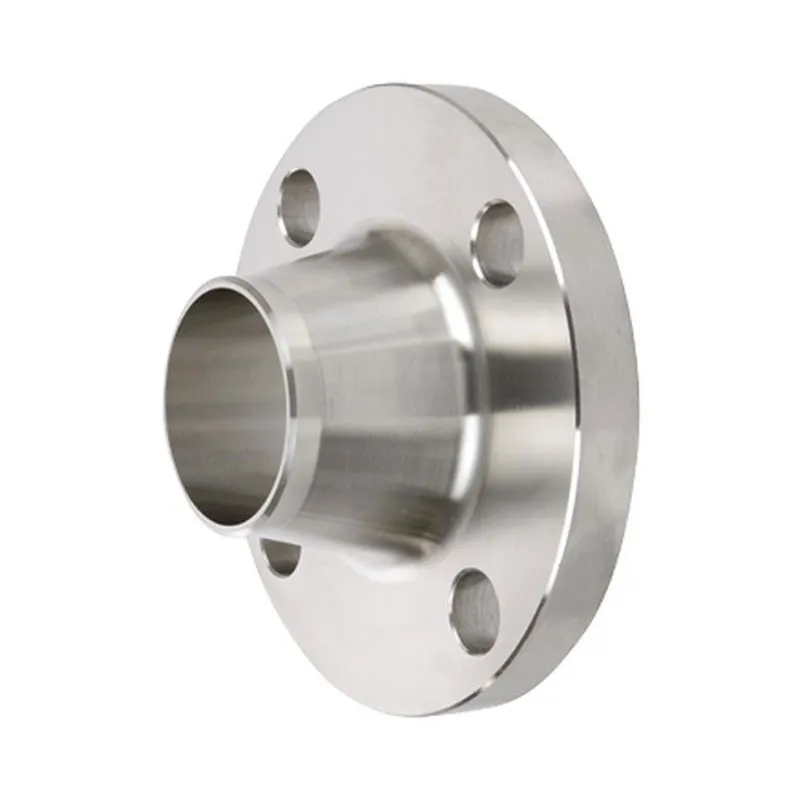 Ser.A Butt Weld Flanges Class 400
 -
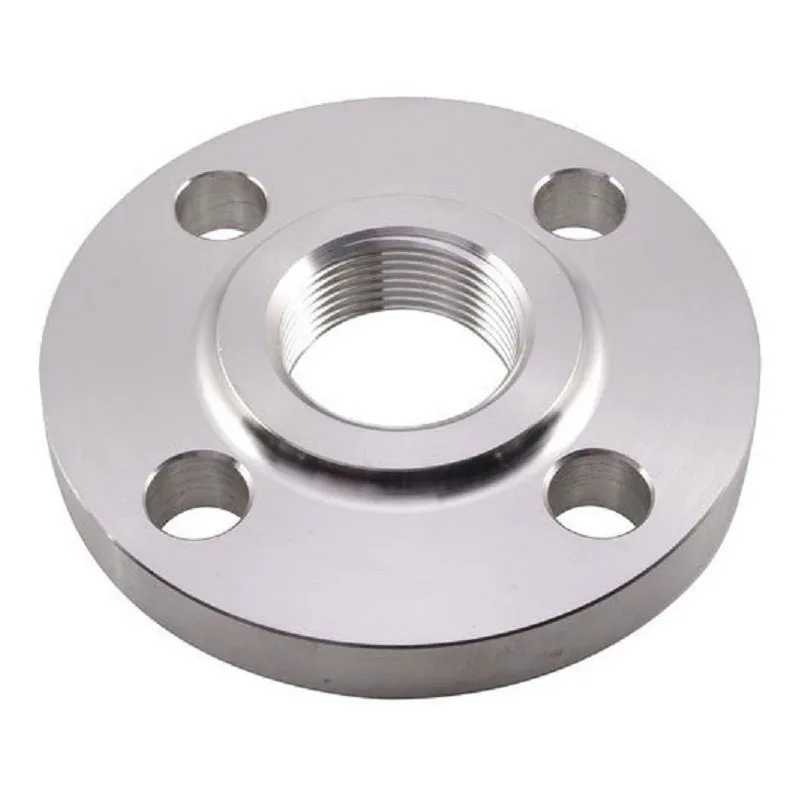 ANSI B16.5 Threaded Flanges Class 600
 -
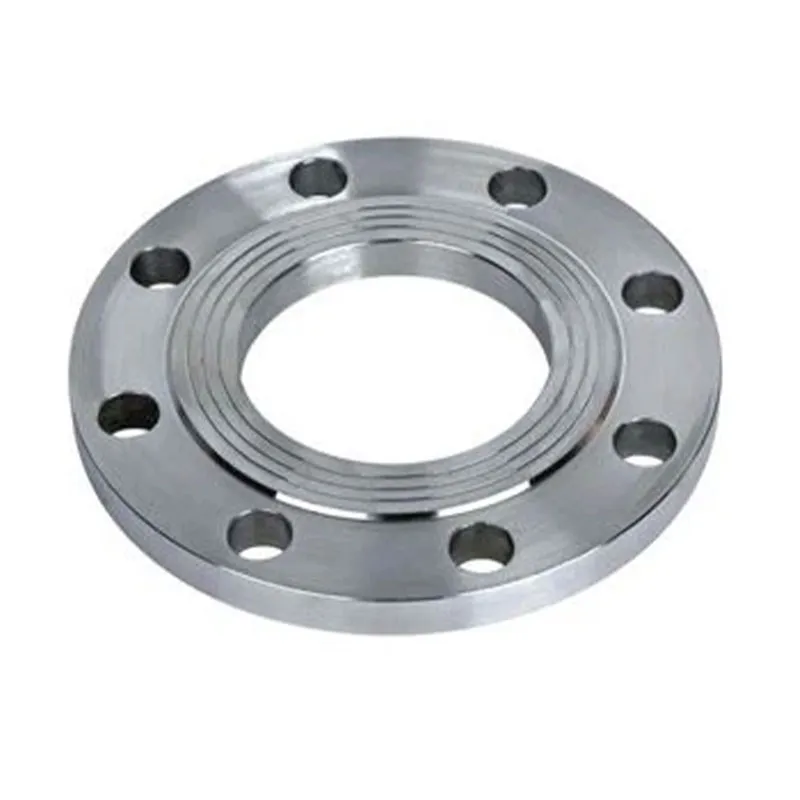 Butt weld flanges Class 150
 -
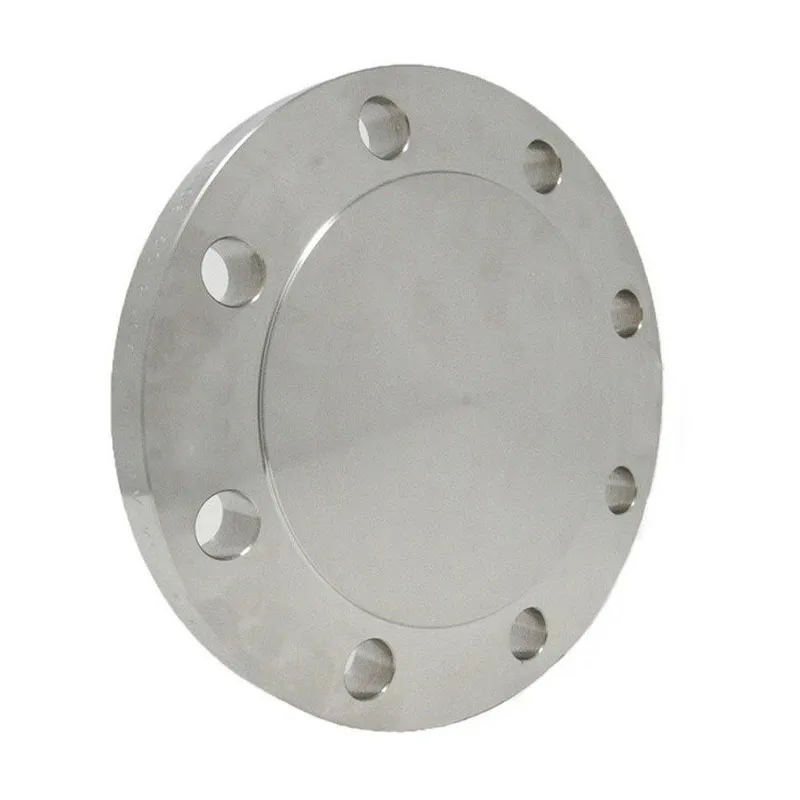 EN 1092-1 Blind flanges Type 05, PN10
 -
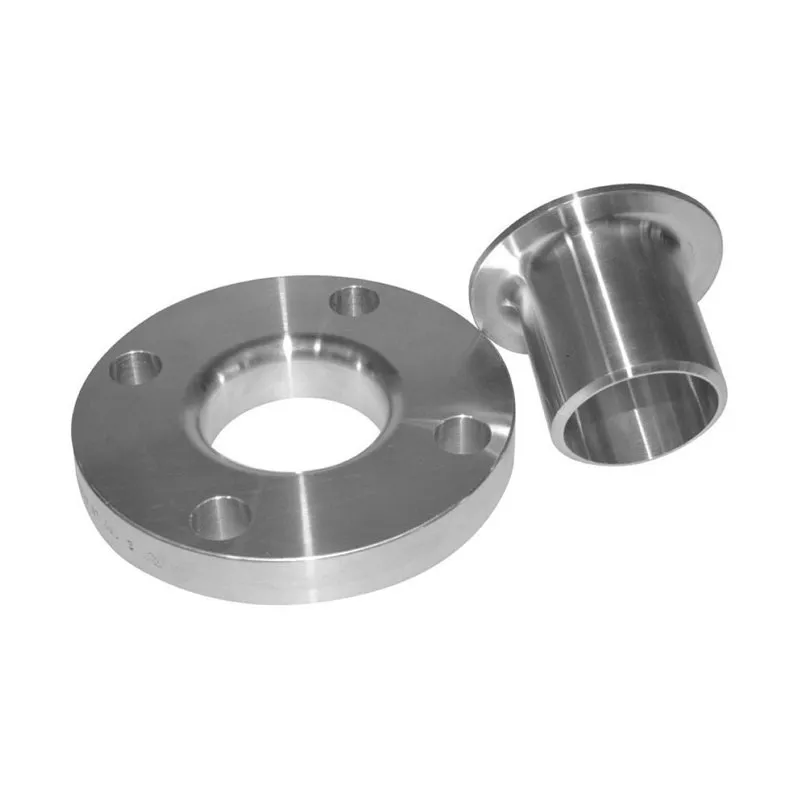 Free ring flanges Class 150
 -
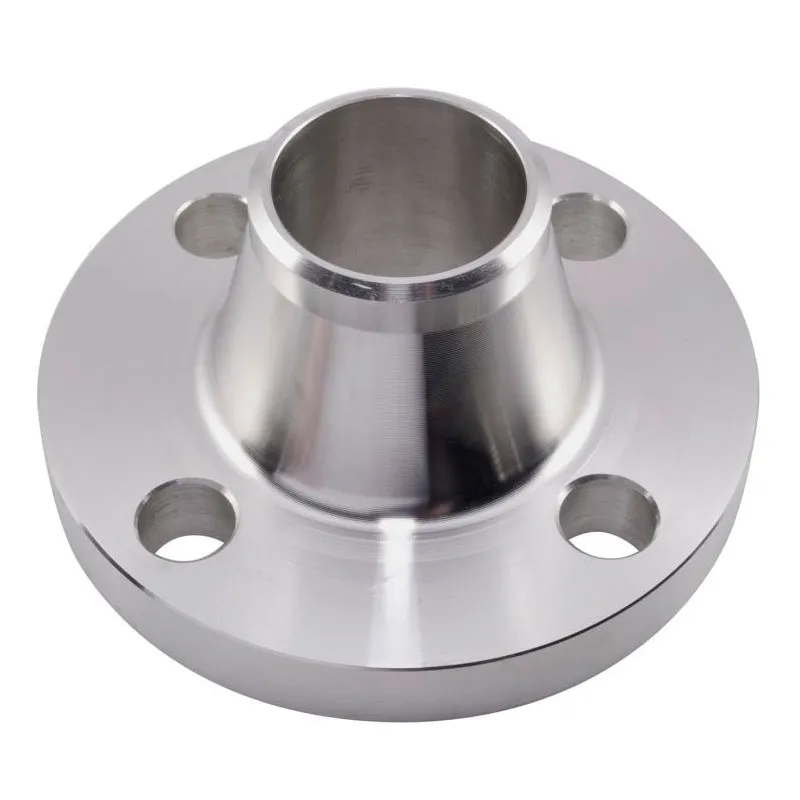 UNI 2281 Butt weld flanges PN10
 -
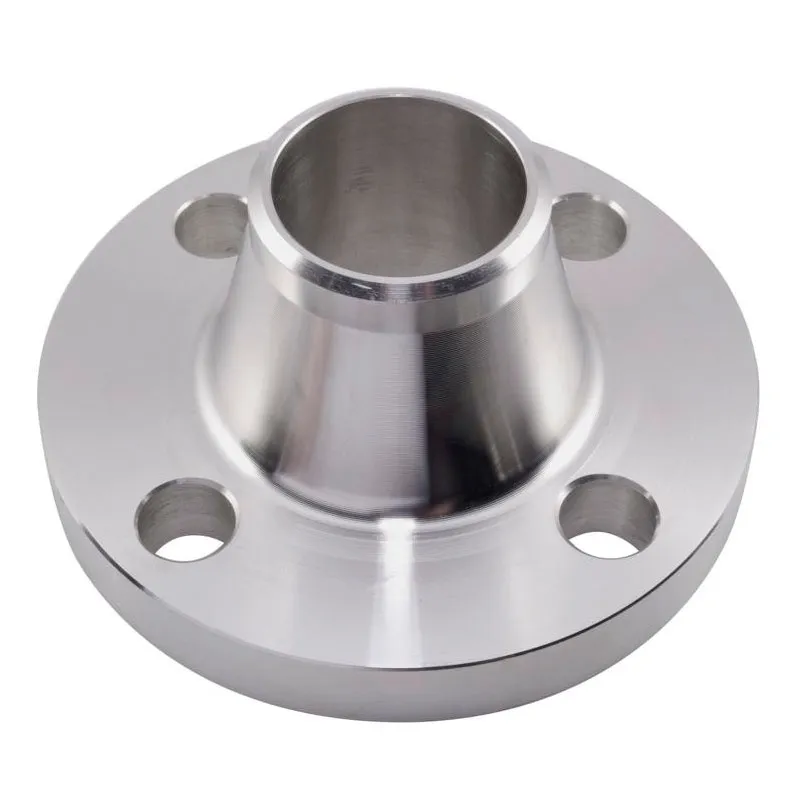 Butt weld flanges Class 900
 -
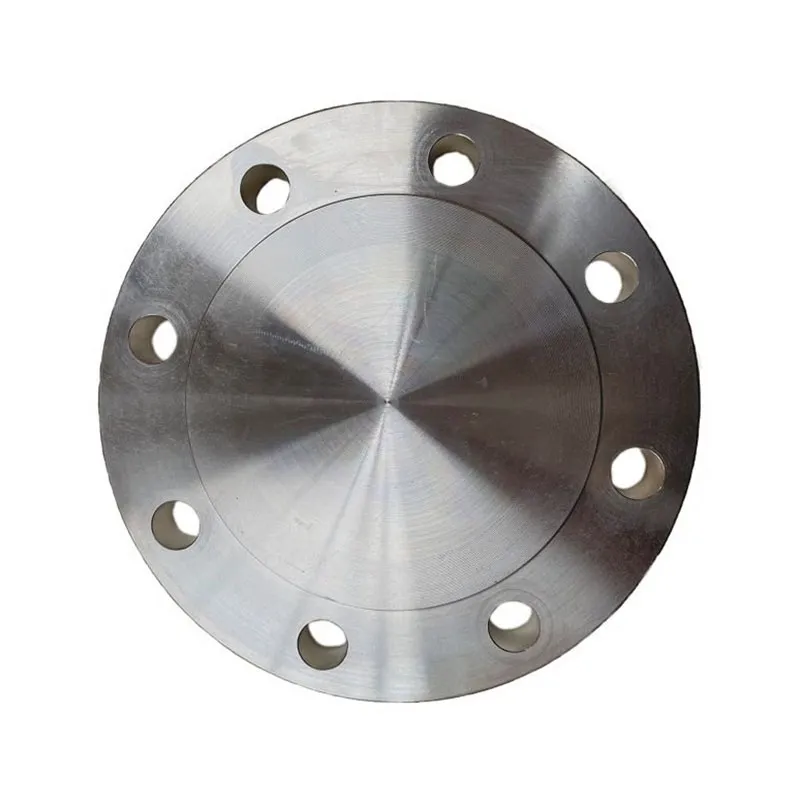 UNI 6092 Blind flanges PN10
 -
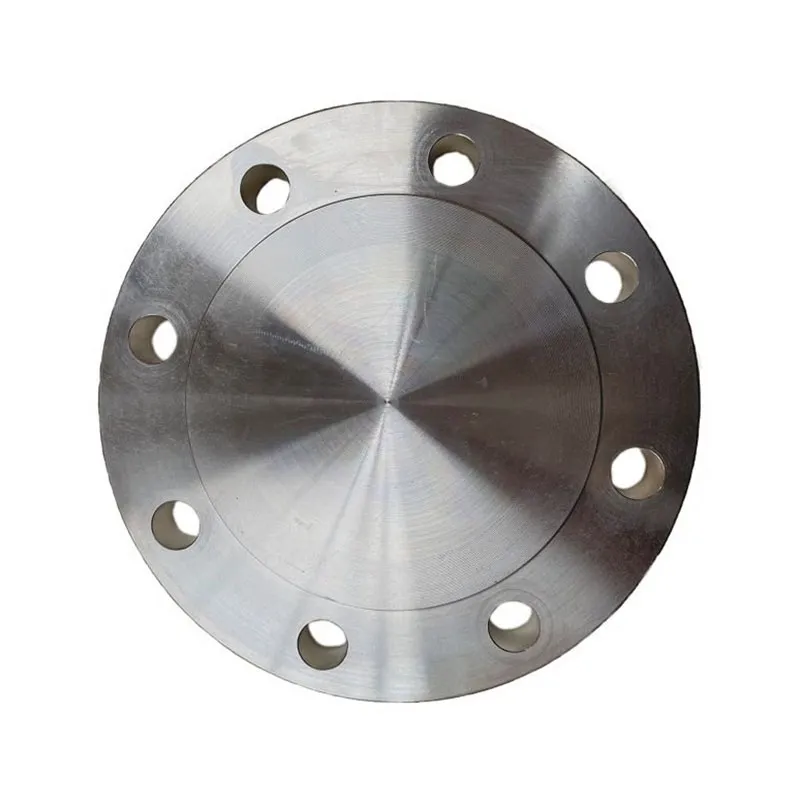 ASME B16.47 Ser.A Blind Flanges Class 400
 -
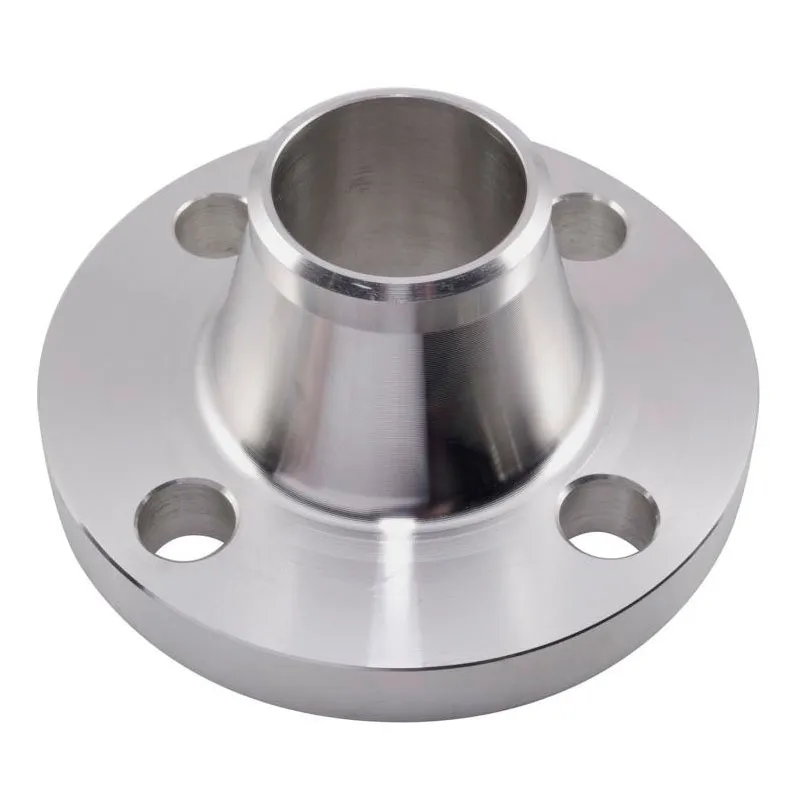 DIN Butt weld flanges PN10
 -
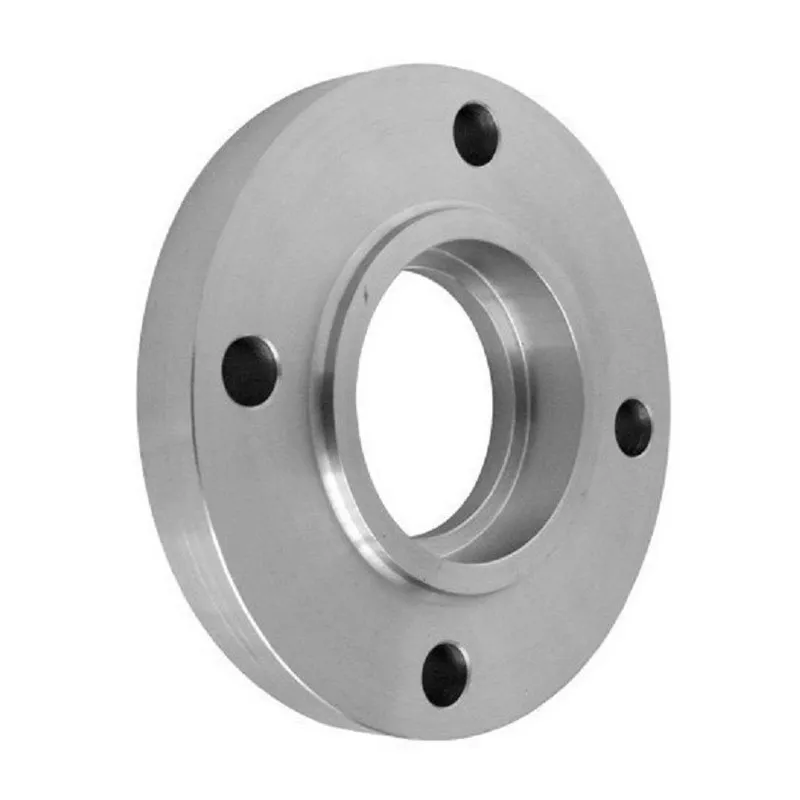 JIS 5K Socket Weld Flanges
 -
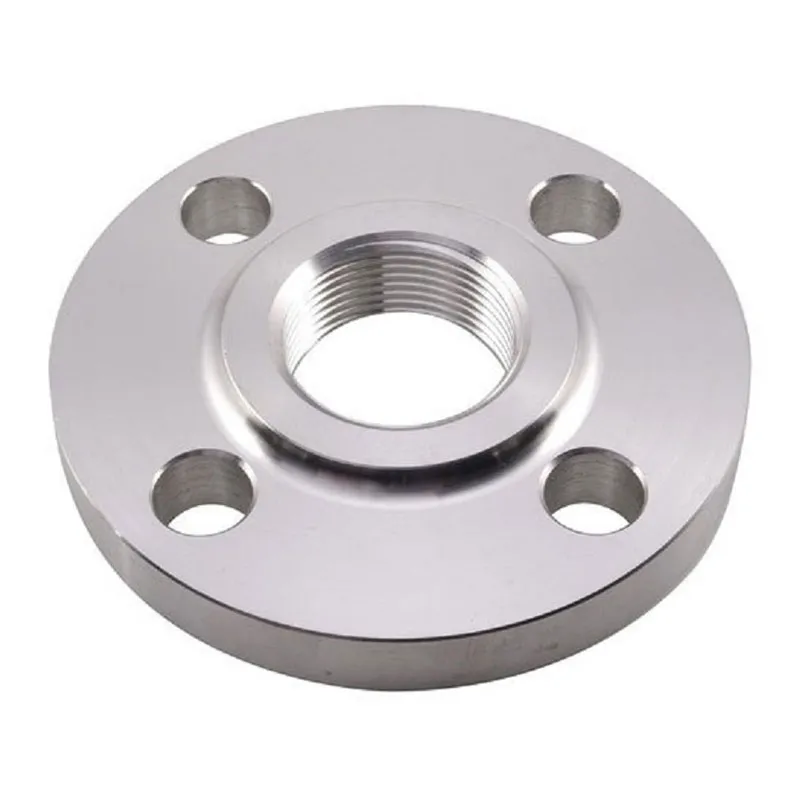 JIS 10K Overlay flanges